
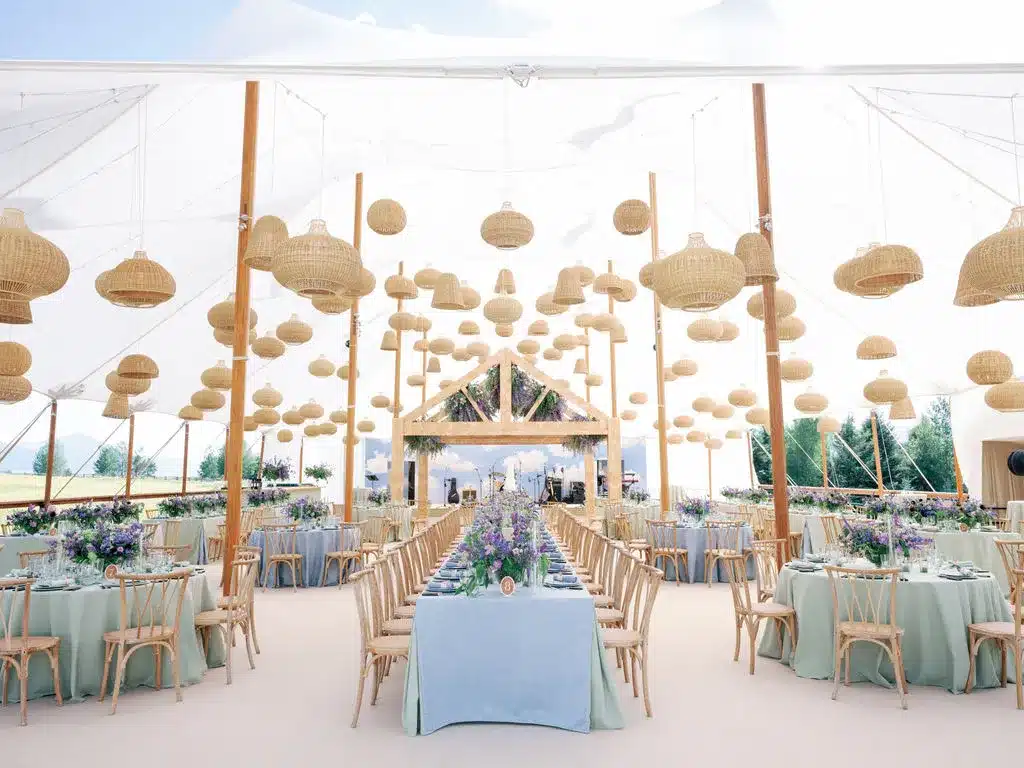
Planning the right tent layout can make your outdoor wedding feel effortless, for you and your guests. This guide walks through the practical choices that shape a successful tented reception: sizing the tent, picking a style, and arranging functional zones so dinner, dancing, and mingling all flow naturally. We’ll keep the numbers and examples you need, explain common trade-offs, and show how Skyline Tent Company supports every step of the process.
Start planning early and treat the tent as both a functional container and a design canvas. Early decisions, guest count, general format (seated dinner versus cocktail reception), and the venue’s site constraints, dramatically simplify later choices about flooring, lighting, and service access. A short checklist at the outset (guest list, preferred tent style, and must-have zones like a dance floor or lounge) gives you a clear scope for quotes and layout drafts.
How Do You Determine the Right Tent Size for Your Outdoor Wedding Reception?
Choosing the right tent size is about comfort and function. The tent footprint determines seating, service lanes, a dance floor, and where vendors will work, all of which shape guest experience. Start with your guest count, account for layout preferences and extra amenities, and choose a size that keeps movement easy and sightlines clear.
A practical workflow helps: confirm the final guest list, decide whether service will be plated or buffet, and list fixed equipment needs (band stage, catering tents, bars). Sketch a basic footprint on graph paper or use a simple digital tool; move objects around until circulation paths are clear. When in doubt, add a small buffer around key zones so servers can pass and guests can stand or move without crowding tables.
What Are the Space Requirements Per Guest for Comfortable Seating Arrangements?
As a rule of thumb, plan 10–14 square feet per guest for seated dining, depending on table styles and service needs. For example, 100 guests generally need 1,000–1,400 sq ft. Round tables usually require more room for circulation than long banquet tables, and you’ll need additional space for service aisles and passing trays. Use these figures as a baseline and adjust for the specific look and flow you want.
Beyond the per-guest baseline, consider how table size affects intimacy and circulation. Twelve-person rounds give a different feel than eight- or ten-person rounds; long banquet tables make service efficient and can create dramatic sightlines down the tent’s length. If you plan large floral centerpieces or tall lighting installations, add clearance so decorations don’t block guests’ view or interfere with staff maneuvering trays.
How to Use Guest Count to Select the Appropriate Tent Size and Style?
Begin with an accurate headcount and add space for vendors, the band or DJ, and the dance floor. For 150 guests, aim for roughly 1,500–2,100 sq ft depending on layout choices. Then match the tent style to the tone of your day, sailcloth for soft, luminous events; frame or pole tents for classic silhouettes. Visual sizing charts or a quick layout sketch make it easier to translate guest numbers into a tent footprint you’ll be happy with.
When converting guest numbers to a final tent selection, think in terms of zones rather than just raw square footage: dining, dancing, bars, staging, and a small vendor staging or service area. If the site is irregular (slopes, trees, or hardscapes), factor in unusable pockets of space. Your rental partner can propose tent configurations that take advantage of usable acreage while avoiding problematic spots that would require extra grading or heavy-duty anchoring.
What Are the Best Tent Styles and Their Impact on Wedding Tent Layouts?
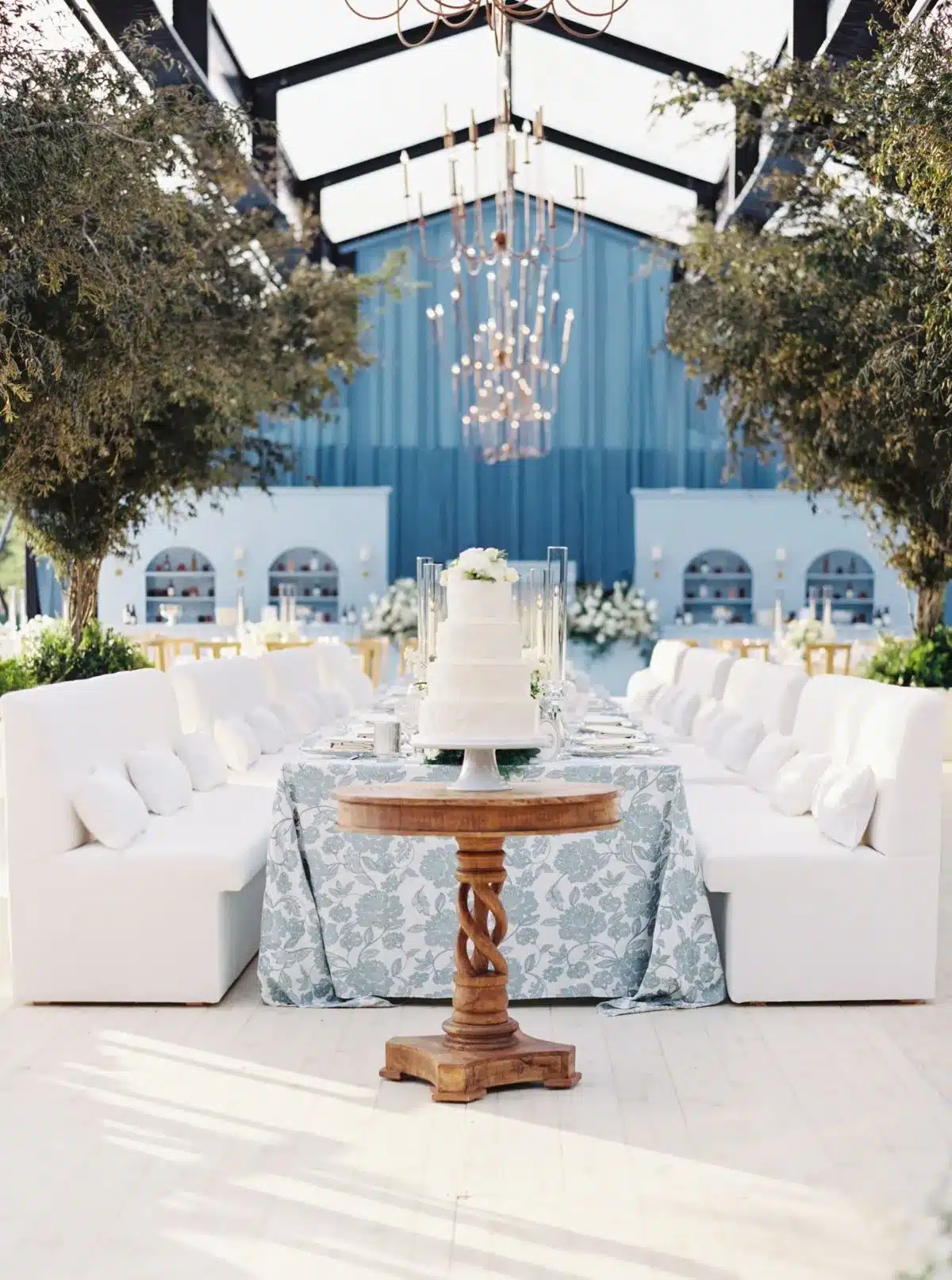
Tent style influences ceiling height, light, and how you arrange furniture and décor. The right style supports your aesthetic and practical needs, whether that’s natural light, tall centerpieces, or strong weather protection.
Consider how a tent’s profile interacts with the landscape and décor plan. A low-slung frame tent feels intimate; a high-peaked sailcloth tent creates openness and can accommodate statement lighting. Engineered structures are often preferred where uninterrupted span and weather resilience are priorities. The chosen style will also determine rigging points for lights and décor, which is important for heavy chandeliers or large suspended installations.
How Do Sailcloth Tents Enhance the Aesthetic and Layout Flexibility?
Sailcloth tents offer soft, elegant lines and a light-diffusing fabric that creates a warm daytime glow. They’re flexible for a range of layouts and photograph beautifully. Because of their shapely peaks, sailcloth tents often allow for taller installations, chandeliers, draping, and high centerpieces, without crowding the floor plan.
Because sailcloth fabric can soften hard light, these tents suit outdoor settings with strong sunlight or dramatic late-afternoon shadows. Their peaks create natural focal points where lighting and florals can be clustered; plan your seating and dance floor so these focal heights enhance rather than block sightlines. If you expect variable weather, make sure the sailcloth configuration includes options for sidewalls and secure anchoring appropriate to the substrate.
What Are the Advantages of Engineered Structure Tents for Large-Scale Events?
Engineered structures are built for scale and durability. They stand up well to challenging weather, provide large uninterrupted spans, and accommodate complex layouts with stage areas, extended bars, and separate vendor zones. For large guest lists or multi-day events, their strength and configurability make them a reliable choice.
Engineered tents also simplify interior zoning: without internal poles or obstructions, you can place stages, bars, or multi-course service stations where they make the most sense. Their solid frames support robust lighting rigs and heavier equipment, which is important for elaborate AV setups. If you plan a multi-location event footprint, with ceremony and reception tents nearby, engineered structures can be linked to create sheltered walkways and stable vendor zones.
How Can You Design Functional Zones Within Your Wedding Tent Layout?
Intentional zoning keeps a reception feeling natural and fun. Think in layers: dining, dancing, service, and relaxed lounge pockets. Clear pathways and considered sightlines make each moment feel connected without getting crowded.
Start zoning by drawing the primary activity areas and then carving circulation routes. Make sure service zones sit behind or beside dining without cutting through guest sightlines. Buffer spaces like a small cocktail area near the entrance or a transitional lounge help soften movement between ceremony and reception and give guests places to gather without disrupting formal dining.
What Are Effective Seating Arrangement Ideas for Optimal Guest Flow?
Mix table shapes to balance intimacy and circulation: rounds encourage conversation, long tables read as communal and efficient. Placing the dance floor centrally pulls guests into the party, while situating the band or DJ so they’re visible but not obstructing service helps with flow. Sketch a few layouts to see how guests move between tables, the bar, and the restrooms.
Think also about sightlines for toasts and special moments. If you prefer a head table, orient it so rows of guests can see without craning; if a sweetheart table feels more intimate, place it where it’s visible but not dominating. Reserve space for accessible seating close to entries and restrooms and keep those routes clear. Small changes to table spacing, a few inches more between rows or a slightly smaller centerpiece, can improve service speed and guest comfort.
How to Plan Dance Floor, Bar, and Lounge Areas for Seamless Event Experience?
Place the dance floor where it’s visible from most tables and close enough to the bar and seating so guests don’t feel isolated. Put the bar slightly off to the side to avoid dinner-time congestion. Create lounge pockets with comfortable seating to offer guests a quieter place to chat, they’re great for grandparents, guests who need a break from the music, or anyone who wants to linger.
For the bar, assess whether a single larger bar or multiple smaller stations better suits circulation. Multiple bars reduce lines but require more staffing and power; a single hub works well in tighter footprints. Consider a designated back-of-house staging area for restocking and ice, out of guests’ view. For lounge areas, choose furniture that is easy to reposition and durable for outdoor use; add rugs and low tables to make these pockets feel intentionally designed rather than leftover space.
What Are Essential Amenities and Add-Ons to Enhance Your Outdoor Wedding Tent?
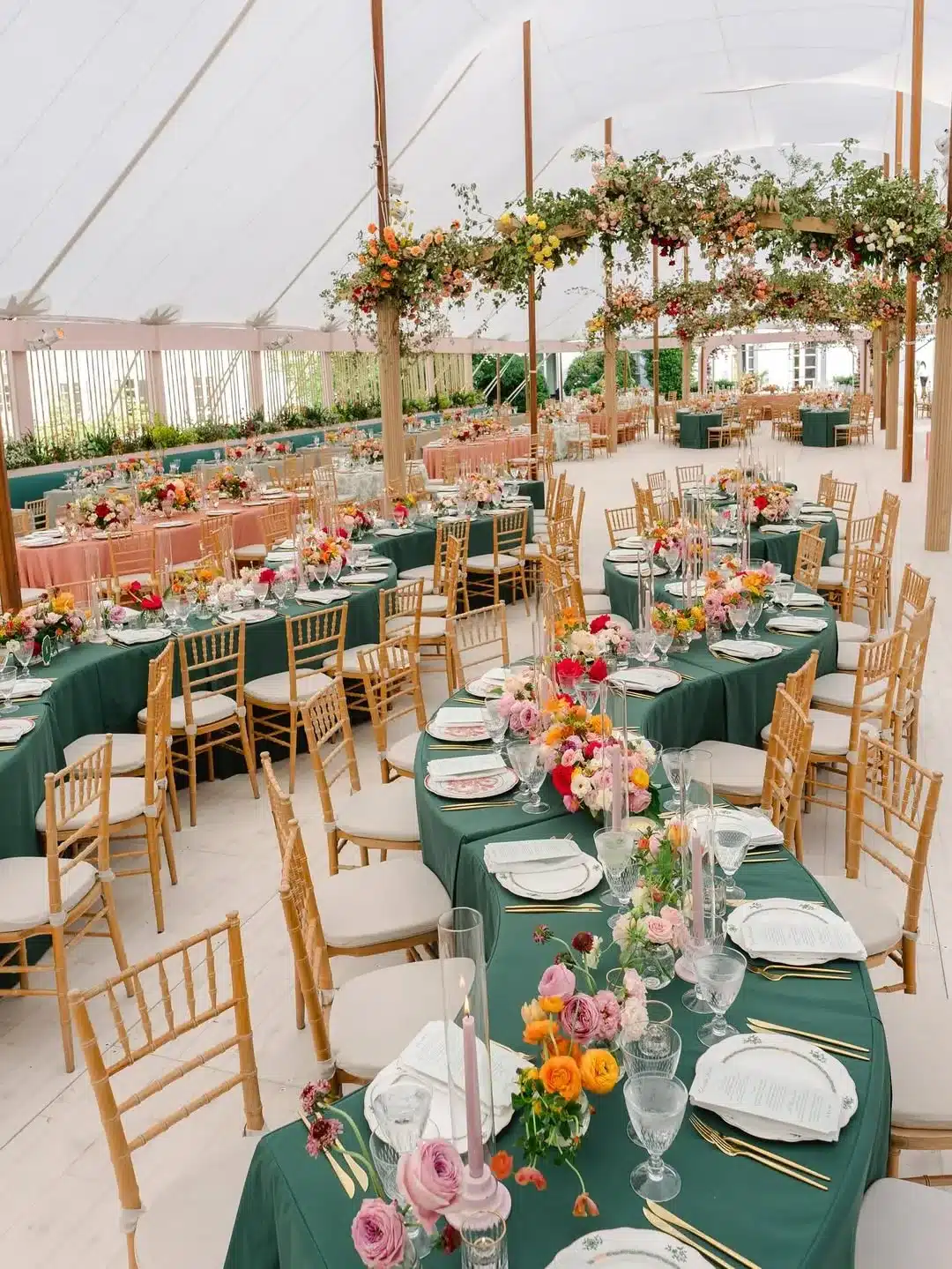
The right amenities keep guests comfortable and keep the party going. Prioritize climate control, stable flooring, and reliable power, they’re small investments that make a big difference.
Plan for vendor needs as well as guest comfort: caterer prep space, refrigeration access, and secure trash staging. A well-planned tent includes discrete storage for extra linens, a private coat or vendor check area, and an event manager’s station with easy sightlines to the main floor. These back-of-house considerations reduce mid-event friction and help keep service running smoothly.
How Do Climate Control and Custom Flooring Improve Guest Comfort?
Heating, AC, or adequate ventilation ensures everyone stays comfortable no matter the season. Flooring, from durable dance surfaces to wood or carpeted dining areas, protects guests from uneven ground, limits dust and mud, and gives the tent a finished feel. These choices directly affect your guests’ comfort and the look of the reception.
Select flooring based on both aesthetics and site conditions. Raised modular floors can level uneven ground and protect against moisture; wood-look or carpeted dining areas warm the space visually and acoustically. For the dance floor, choose a material that balances grip and smoothness, and ensure it’s well anchored. If you expect evening dew or mud, prioritize a continuous flow from tent entry to dining so guests don’t track ground conditions into the main space.
Comfort and operational functionality are core to successful event staging, practical design choices matter as much as the décor.
What Lighting and Power Solutions Elevate Tent Ambiance and Functionality?
Lighting sets mood and directs attention. Combine string lights for warmth, chandeliers for elegance, and uplighting to highlight architecture or key focal points. Confirm you have sufficient power capacity and distribution for lighting, sound, catering, and any AV equipment. Plan outlets and generator access early so installations are smooth on the day of the event.
When planning power, map out major loads and determine if dedicated circuits or on-site generators are needed. Coordinate with your electrician and rental partner to place distribution panels in accessible locations that minimize visible cabling. For lighting, LED fixtures reduce heat and power draw and often offer color control for changing the mood between dinner and dancing. Finally, plan for practical lighting at walkways and steps for safety alongside decorative fixtures that enhance the ambiance.
Which Popular Wedding Tent Layout Ideas Inspire Elegant Outdoor Receptions?
Use classic templates as a starting point and customize them to match your vibe. Whether you lean banquet-style, cocktail-forward, or a hybrid, there are simple layout patterns that reliably work for most guest counts and sites.
Try a handful of tried-and-true patterns: central dance floor with concentric dining rings for an inclusive party feel; parallel long tables for a communal banquet aesthetic; or scattered lounge clusters combined with high-top cocktail tables for a more social, standing reception. Each template can be adapted by shifting the band placement, moving the bar, or enlarging the staging area depending on how you expect guests to flow through the evening.
What Are Classic Banquet and Cocktail Reception Layouts?
Banquet layouts often use long tables in rows or parallel runs to create a communal, formal dining experience. Cocktail layouts swap full seating for high-tops and lounge areas to encourage mingling and movement. Each approach can be dressed up or relaxed depending on décor and placement of bars, food stations, and entertainment.
For hybrid events, combine a seated meal followed by a cocktail-style late night with food stations and lounge seating to transition the energy. Use lighting and music cues to shift the mood: brighter, warmer lighting for dinner and colored or dimmed accents for late-night dancing. A well-timed changeover can make a single tent feel like multiple distinct spaces over the course of the evening.
How to Create Unique and Custom Tent Layouts Reflecting Your Vision?
Pull in personal touches, a signature color palette, bespoke signage, or meaningful table names, and let those elements guide layout decisions. Work with your planner or rental partner to test different furniture groupings and traffic paths; a few mockups will show what feels most authentic and functional for your day.
Testing different setups onsite, even with tape or temporary furniture, helps you see vantage points, photograph compositions, and how light works at different times of day. Ask to walk the site at the hour your event will begin and imagine guest movements. This practical rehearsal often reveals small adjustments that improve flow and guest experience without changing the overall design intent.
How Does Skyline Tent Company Support Planning and Executing Perfect Tent Layouts?
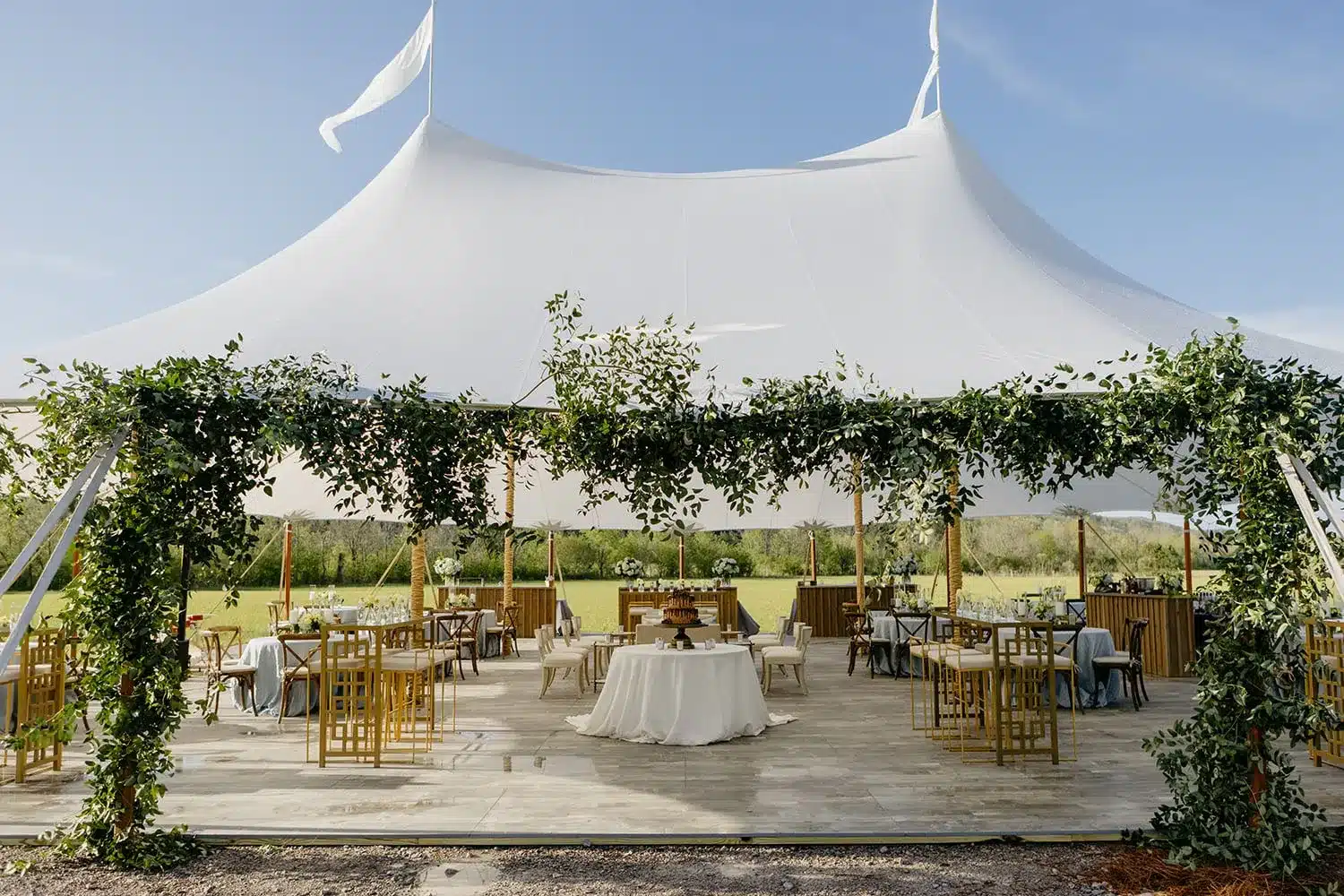
At Skyline Tent Company, we focus on making the logistics invisible so your celebration runs smoothly. We combine regional experience with practical planning to recommend tent types, sizes, and site layouts that fit your priorities and budget.
Our process commonly starts with a site assessment, where measurements, access, and local constraints are noted. From there we develop schematic layouts that balance your priorities, whether maximizing dance space, creating photo-ready sightlines, or accommodating specialized vendors. We also provide documentation for permits, coordinate delivery windows with venues, and outline the installation timeline so other vendors can plan around a firm schedule.
What Project Management and Event Consulting Services Are Offered?
We provide hands-on project management and event consulting, from initial site assessments and tent placement to coordinated timelines for delivery, installation, and breakdown. Our team helps map layouts, confirm clearances for catering and entertainment, and coordinate with your vendors so you can enjoy the day without worrying about details.
On the day of the event, an on-site representative can manage tent installation, coordinate with caterers for load-in paths, and confirm that flooring, power, and climate systems are functioning as planned. After the event, our breakdown procedures prioritize efficient removal and careful inventory so venues are returned in good condition and vendors can complete their timelines without delay.
Frequently Asked Questions
What Factors Should You Consider When Choosing a Tent Location?
Pick a level, well-drained spot with good access for trucks and equipment. Think about guest convenience, proximity to restrooms and parking, and how the surrounding views or landscaping will look in photos. Avoid low-lying areas that collect water and check local rules about tent placement early in the process.
How Can You Incorporate Personal Touches into Your Tent Layout?
Personal details make the tent feel like your own. Integrate family photos, custom signage, or themed décor into focal areas like the entrance, guest tables, and the sweetheart table. Small, meaningful elements, a memory table, a favorite cocktail station, or table names tied to your story, make a layout feel intentional and personal.
What Are the Best Practices for Tent Setup and Breakdown?
Hire an experienced crew and agree on a firm timeline. Confirm load-in paths and staging areas with the venue, and ensure the tent is anchored and inspected. For breakdown, designate a point person to manage inventory and coordinate with vendors so everything is packed and removed efficiently.
How Do You Ensure Accessibility for All Guests in Your Tent Layout?
Include wide, clear pathways and ramps where needed, and reserve accessible seating near entrances and restrooms. Reduce trip hazards by organizing cords and mats, and check that any raised platforms have safe, well-marked access. Discuss specific accessibility needs with your venue and rental partner early on.
What Are Some Creative Ways to Use Lighting in Your Tent Design?
Layer your lighting: warm string lights for overall atmosphere, pendants or chandeliers for focal points, and spot or uplighting to accent architectural details or florals. Table-level lighting, candles or low LED fixtures, adds intimacy, while colored uplighting can transform a space after dark.
What Should You Do If the Weather Forecast Predicts Rain on Your Wedding Day?
Have a weather plan: sidewalls to block wind and rain, raised flooring to prevent mud, and quick access to sheltered areas. Confirm power and heating or cooling options with your rental company, and communicate contingency plans to vendors and key guests so everyone arrives prepared.
Conclusion
Good tent design balances comfort, sightlines, and the mood you want to create. With a clear guest count, a few layout sketches, and a partner who understands tents and logistics, you’ll create a reception that feels intentional and effortless. If you’d like help translating your vision into a working layout, Skyline Tent Company is ready to plan with you, so you can focus on the celebration.
Keep an open line of communication with vendors, schedule a walkthrough shortly before the event to confirm placements, and allow some flexibility in the timeline for weather or last-minute adjustments. Thoughtful preparation and clear priorities let you create a tented reception that looks great and works smoothly from first guest arrival to last dance.
