
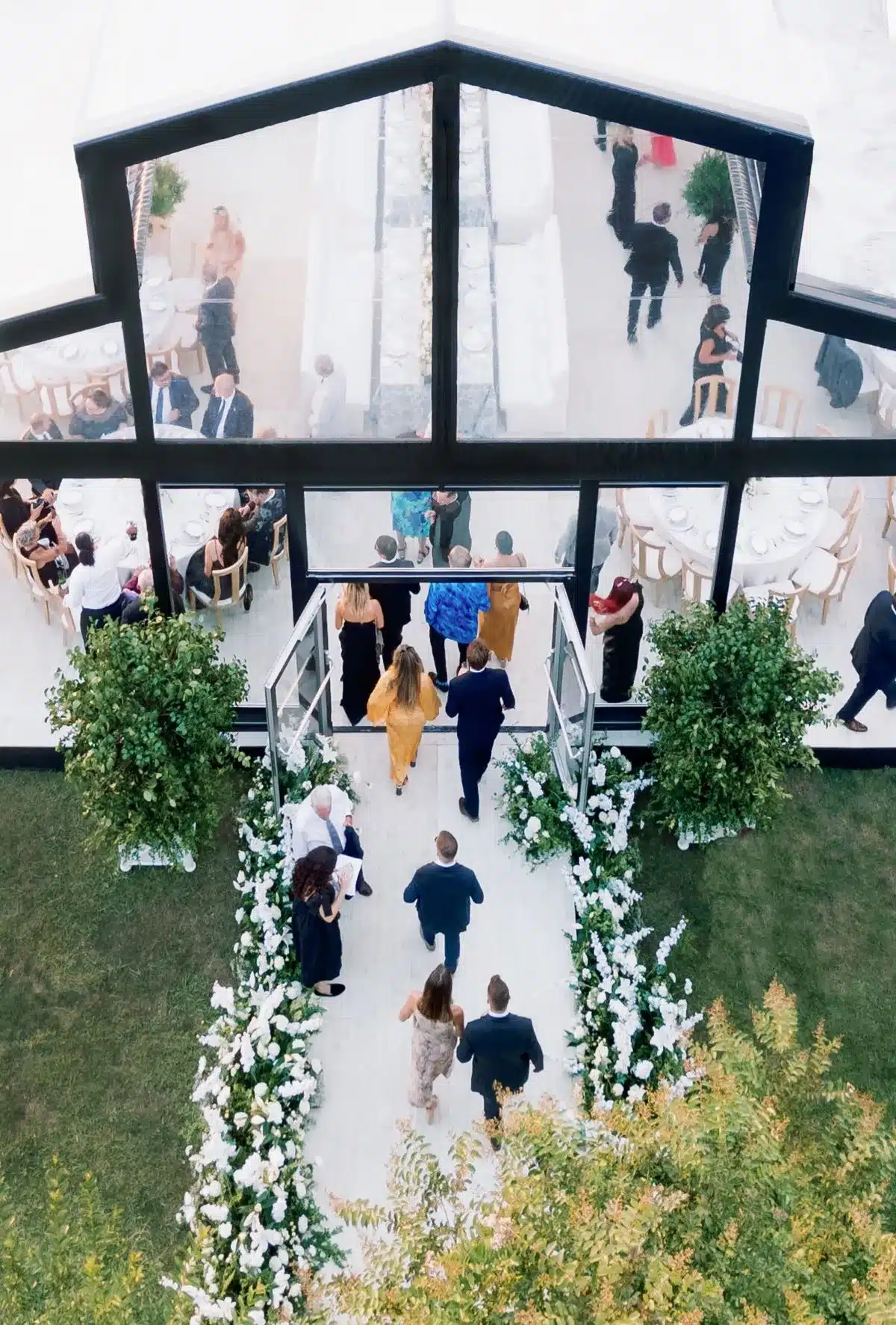
Choosing between a clear-top tent and a traditional frame tent is one of the first decisions that shapes how your outdoor event looks, feels, and flows. This guide explains how each option performs in real conditions, the trade-offs that affect guest comfort and logistics, and simple rules for matching the structure to your goals, from sunset weddings to large-scale corporate events.
We’ll walk through heat and weather considerations, popular add-ons like climate control and flooring, and how those choices influence your overall budget. Along the way, you’ll see where Skyline Tent Company’s Engineered Structures and Century Tents are the best fit, and how our consultation process helps you choose a tent that balances style, comfort, and reliability.
What Are the Pros and Cons of Clear-Top Tents vs. Frame Tents?
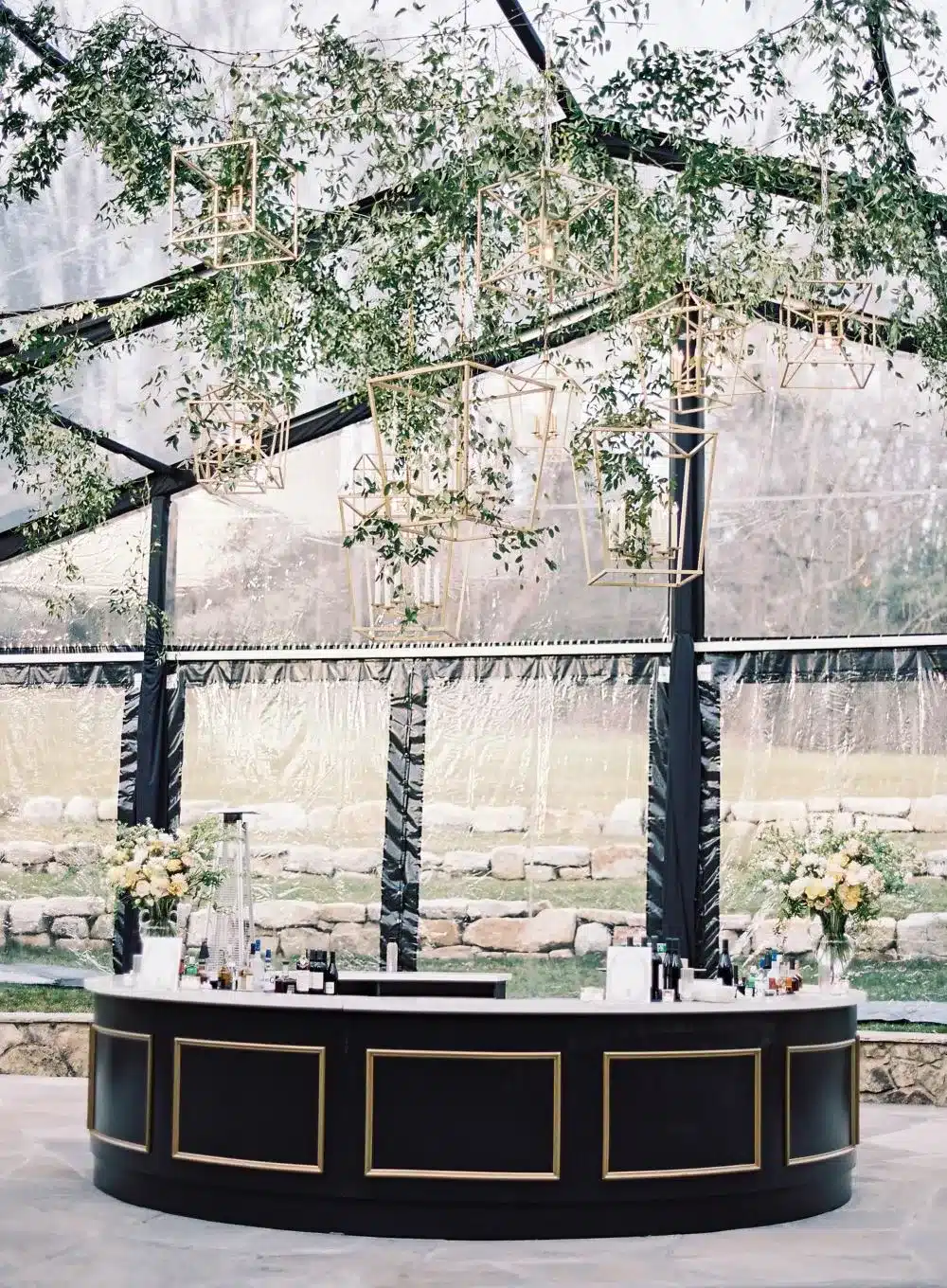
Here’s a clear summary of the main strengths and weaknesses of clear-top and traditional frame tents to help you decide based on aesthetics, guest comfort, and logistics. In short: clear-top tents prioritize visual connection and light; frame tents prioritize shade, weather protection, and production flexibility. Below are the top pros and cons for each, followed by a side-by-side comparison. We also include mitigation strategies, like HVAC, sidewalls, and flooring, that turn potential drawbacks into manageable requirements.
Clear-top tents bring several experiential advantages:
- Visual impact: Transparent roofing creates a striking connection to the sky and landscape that guests remember.
- Natural light: Daytime events benefit from bright, diffused light that improves photos and atmosphere.
- Premium feel: Clear canopies read as high-end design and work well for upscale weddings and galas.
Those aesthetic strengths are compelling. The next section covers the practical downsides and mitigation options.
Clear-top tents do come with notable challenges:
- Heat gain: Clear vinyl can create a greenhouse effect that raises interior temperatures without ventilation or AC.
- Glare and finish: Sun glare and visible ceiling imperfections require careful orientation and detailing to avoid distracting guests.
- Additional costs: Climate control and shading solutions often add to total cost compared with opaque tents.
To minimize these issues, providers offer HVAC, reflective coatings, interior liners, and scheduling strategies. The table below compares how each tent type performs across key attributes.
This side-by-side view clarifies which structure fits specific priorities. Next, we’ll link tent choice to event type and desired atmosphere.
How Do Event Type and Atmosphere Influence Tent Choice?
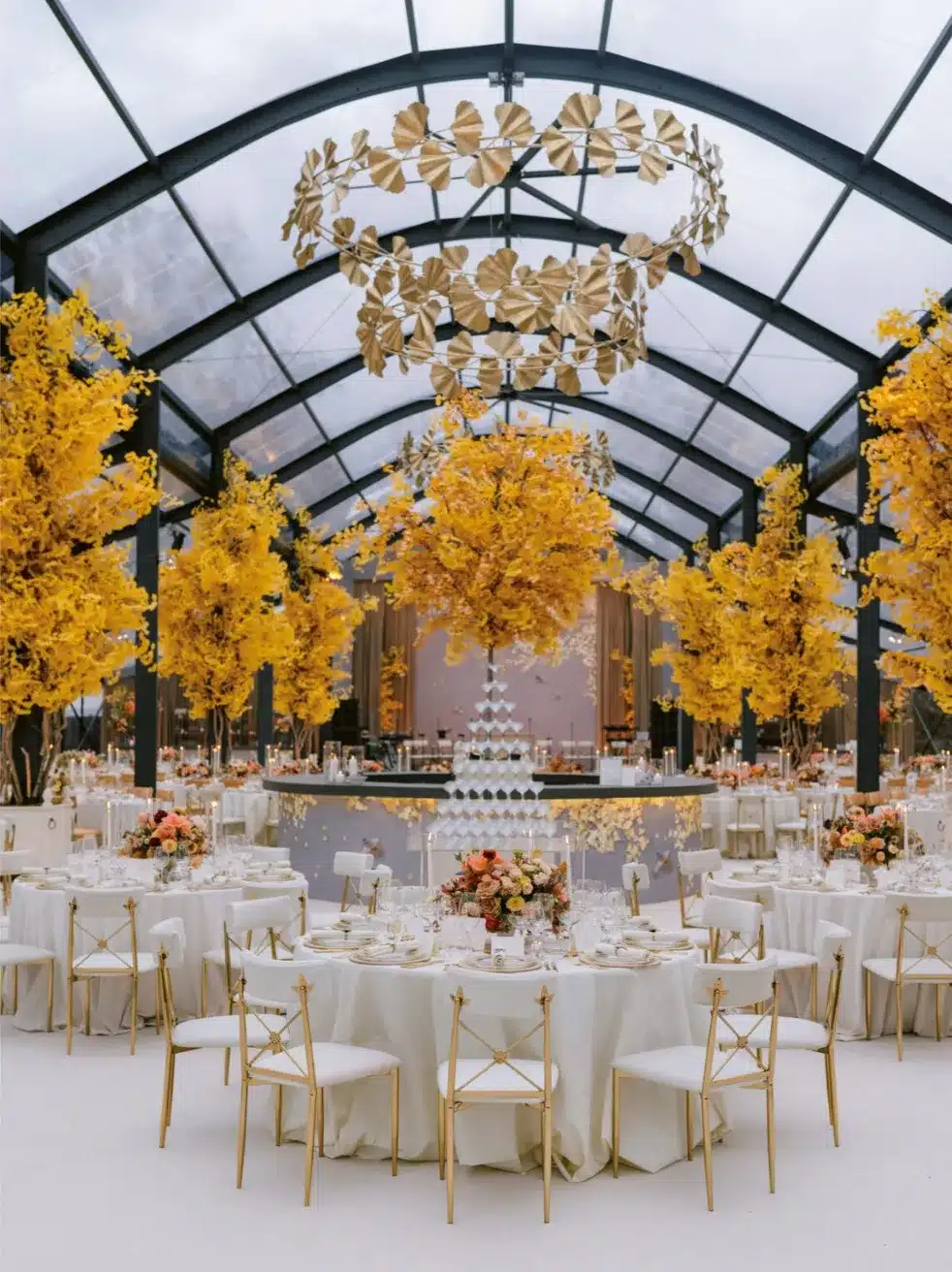
Your event’s purpose, audience expectations, and desired atmosphere should guide tent selection because the tent frames both the visual story and the operational flow. If the goal is a romantic, scenic experience, a ceremony beneath the stars or a sunset reception, a clear-top canopy often justifies the extra climate planning. If privacy, branding control, or heavy AV loads matter more, as with corporate galas or trade events, a frame or tension tent usually provides the predictable, controllable interior producers need. Use these decision rules to translate creative goals into a structure choice and to plan lighting, power routing, and layout accordingly.
When Is a Clear-Top Tent Ideal for Weddings and Scenic Events?
Clear-top tents shine for weddings and scenic celebrations when views, star visibility, or landscape features are central to the guest experience and the schedule favors late-afternoon or evening hours. Transparent roofing amplifies sunset and night-sky moments and creates dramatic photo backdrops, a clear win for luxury positioning. Practical planning items include orienting the tent toward the best views, avoiding peak midday sun, and designing a lighting plan that moves smoothly from daylight to evening ambiance. Addressing these early ensures the visual payoff without sacrificing comfort.
Why Are Traditional Frame Tents Preferred for Corporate and Formal Events?
Traditional frame tents are often chosen for corporate and formal events because opaque roofs, solid frames, and easy sidewall integration provide privacy, consistent lighting, and simplified AV rigging. The structural capacity of frame systems supports stages, projection screens, and heavy equipment, making load-in and production logistics more predictable. For organizers focused on branding, acoustics, and operational control, frame tents offer a reliable, controllable environment where production needs take priority over external vistas.
How Do Weather and Climate Affect the Decision Between Clear-Top and Frame Tents?
Weather and local climate play a major role because transparent and opaque materials interact differently with sun, wind, and rain. Clear-top tents amplify solar gain and usually need deliberate ventilation or air conditioning to keep guests comfortable. Frame tents offer shade and simpler sidewall solutions to block wind and rain. The list below outlines practical mitigations planners should consider, and the table that follows summarizes performance by weather factor and recommended countermeasures. This helps you decide when HVAC or reinforced anchoring moves from optional to essential.
- Use mechanical climate control: Portable AC, ducted HVAC, or spot cooling manages solar gain and keeps temperatures safe.
- Specify ventilation: Roof vents and planned sidewall openings improve passive airflow and reduce heat buildup.
- Schedule around peak sun: Plan ceremonies for late afternoon or evening to avoid midday solar exposure and glare.
Those tactics reduce heat and improve comfort. The next subsection goes deeper on heat management for clear-top installations.
How Does Heat Management Impact Clear-Top Tent Use?
Heat management is critical with clear-top tents because transparent vinyl allows sunlight in and traps heat, creating a greenhouse effect that increases interior temperatures and HVAC load. Mitigation focuses on airflow and active cooling: properly sized ducted AC units, high-volume low-speed fans to circulate air, and reflective treatments or interior liners to limit radiant heat gain. Plan equipment capacity around expected guest count and schedule to avoid undersized ventilation that can compromise comfort and safety.
What Weather Protection Do Frame Tents Provide for Outdoor Events?
Frame tents offer dependable weather protection through opaque roofs, optional sidewalls, reinforced anchoring, and tensioning systems rated for wind and rain. Those features create a controlled interior that reduces direct sun, limits wind-driven rain, and stabilizes conditions for guests and gear. When weather risk or valuable production equipment is at stake, decision criteria typically include forecast severity, guest count, and the importance of protecting AV or catering setups. Properly configured, frame tents provide predictable performance when weather is a top concern.
Use this weather-focused comparison to identify when equipment and protective add-ons are non-negotiable. Next, we’ll connect those add-ons to budget and ROI considerations.
How Does Skyline Tent Company Support Tent Selection and Event Success?
Skyline Tent Company combines design expertise with full-service tent solutions to help you balance aesthetics, weather resilience, and budget when choosing between clear-top and frame tents. Our consultation-first approach pairs the right product family—Engineered Structures for clear-top installations and Century Tents for traditional frame/tension solutions—with your event goals.
Alongside the tent itself, we provide integrated services such as power generation, climate control, custom flooring, and project management so your installation delivers both visual impact and operational reliability. This end-to-end model reduces risk and supports events from luxury weddings to large corporate productions.
What Are Skyline’s Engineered Structures and Clear-Top Tent Options?
Our Engineered Structures include clearspan and canopy systems designed for transparent roofing and ambitious design installs while meeting structural and production requirements. Clear vinyl and clear-top configurations pair with engineered anchoring and load-bearing frameworks to unlock dramatic sightlines, sophisticated lighting designs, and integrated climate control and power.
With services like climate control, flooring, and detailed project planning, we turn a striking clear-top canopy into a comfortable, guest-ready environment.
How Do Skyline’s Century Tents Provide Traditional Frame Tent Solutions?
Century Tents in our lineup deliver dependable frame and tension solutions that offer shade, privacy, and strong weather performance for corporate and formal events. They integrate sidewalls, drapery, and custom interiors with ease, and their robust framing supports heavy AV and lighting rigs.
We add custom flooring, layout planning, and project management to tailor each Century installation to your branding, staging, and logistical needs—creating interiors that satisfy both creative vision and technical requirements.
Why Schedule a Private Consultation for Expert Tent Selection Advice?
A private consultation is the fastest way to match the right tent to your site and priorities. Terrain, views, guest count, and local weather all influence whether a clear-top or frame tent makes the most sense and which add-ons are non-negotiable.
During a Skyline consultation, you can expect:
- Identify goals: Clarify priorities such as views, guest comfort, branding, or production needs.
- Assess site and schedule: Review orientation, timing, and forecast to pinpoint risks and opportunities.
- Select structure and services: Match tent type and add-ons—climate control, flooring, power, and more—to your goals with a clear, realistic budget and timeline.
For complex or high-stakes events, this consultation-driven planning reduces surprises, protects your investment, and helps ensure guests experience the space exactly as you envisioned.
Frequently Asked Questions
What factors should I consider when choosing between a clear-top tent and a traditional frame tent?
Start with the event type, desired atmosphere, weather, and budget. Choose a clear-top tent when views and natural light are central to the experience. Choose a traditional frame tent when weather protection, privacy, branding, or heavier production (staging, AV, lighting) are priorities. Also factor in logistics like power for lighting and climate control, and how you want guests to move through and experience the space.
How do I manage heat in a clear-top tent during summer events?
Plan for heat from day one. Use properly sized climate control (HVAC or spot cooling), high-volume fans for circulation, and schedule the main moments outside peak sun hours when possible. Orientation, shading, and interior liners can also reduce direct solar exposure and help keep temperatures comfortable.
Can I customize the interior of a clear-top tent for my event?
Yes. Clear-top tents can be fully customized with drapery, lighting, furniture, and flooring to match your aesthetic. Sidewalls, liners, and custom flooring help define the space and support both comfort and finish. Partner with your tent provider to coordinate design details with practical needs like power, rigging, and climate control.
What are the best practices for setting up a frame tent in windy conditions?
Use professional anchoring and tensioning sized to the tent and site conditions. Select anchors appropriate to the ground surface, add sidewalls where needed, and follow the tent’s load and wind-rating guidelines. Monitor the forecast and be prepared to adjust plans if conditions approach safety limits.
How do I determine the right size tent for my event?
Use guest count and layout as a starting point: plan around 10 sq ft per person for a seated dinner and 5–8 sq ft per person for a cocktail-style event. Add room for bars, buffets, dance floors, staging, and back-of-house areas. A site visit and consultation with a tent professional will refine these numbers for your specific venue and program.
What additional services should I consider when renting a tent?
Common add-ons include climate control (HVAC or fans) for comfort, flooring for finish and accessibility, lighting and rigging for ambiance and production, sidewalls for weather and privacy, and power distribution or generators when site power is limited. Bundling these services with your tent provider simplifies planning and reduces installation risk.
Are there any restrictions on where I can set up a tent?
Yes. Local permits, venue rules, and site conditions all affect where and how a tent can be installed. Permitting, underground utilities, surface conditions, and overhead obstructions must be reviewed in advance. Your tent company can help navigate permits, coordinate with the venue, and confirm that the chosen location is safe and compliant.
Conclusion
The tent you choose shapes how your event looks and how guests feel. Clear-top tents deliver unforgettable views and a premium, open-air aesthetic, while traditional frame tents provide dependable weather protection, privacy, and production flexibility.
Weigh those strengths against your site, season, and budget, and use a consultation to align tent type, climate control, flooring, power, and timeline with your goals. For guidance tailored to your venue and vision, schedule a consultation with Skyline Tent Company—we’ll help you select a solution that balances beauty, comfort, and reliability.
