
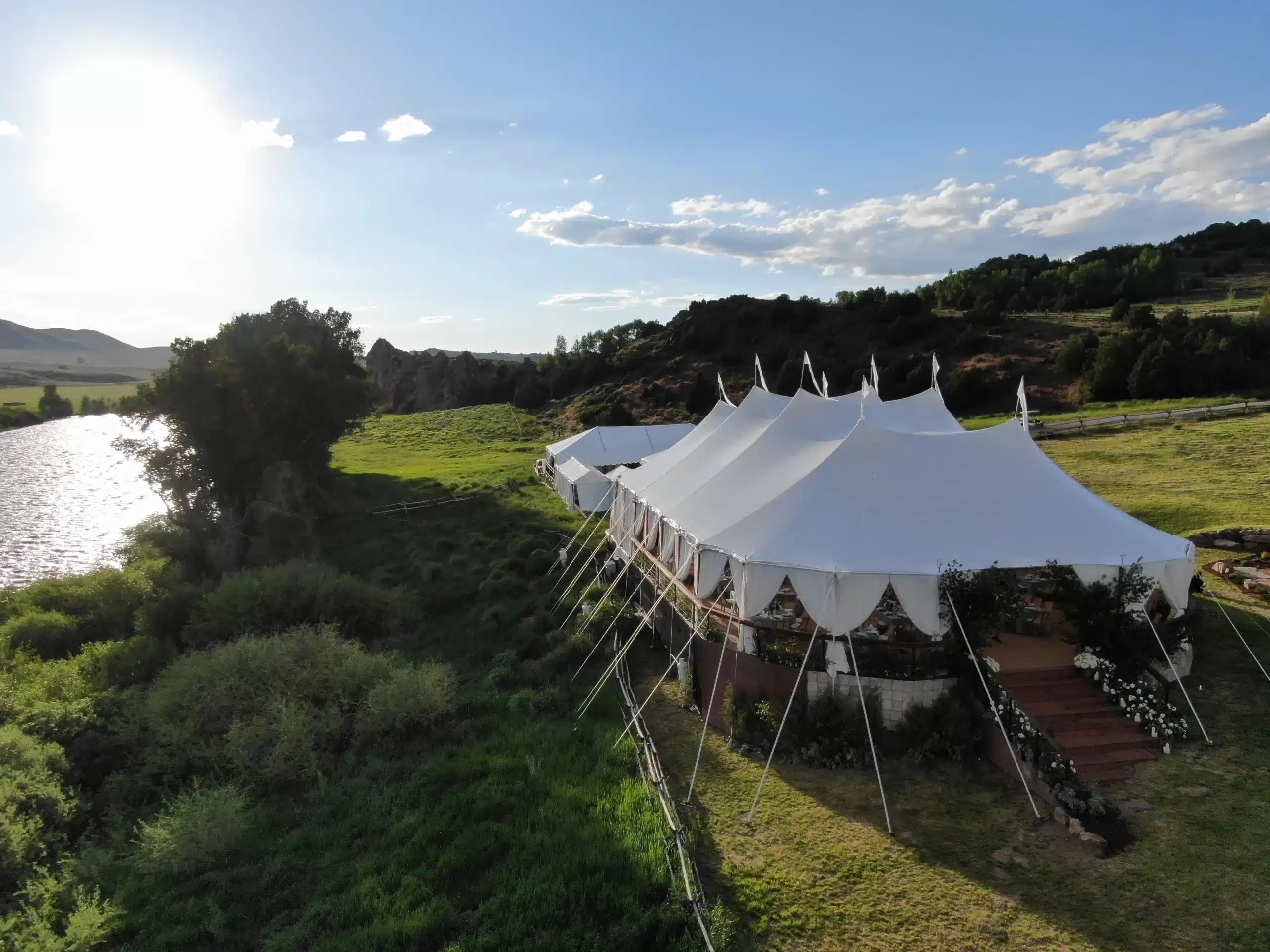
Selecting the appropriate tent is a central decision for any outdoor wedding, especially when considering a premier tent rental for weddings that aligns with both aesthetic and functional goals. This guide provides concise, practical guidance on premium tent rentals, including tent types, sizing, lighting strategies, and flooring solutions. The goal is to help planners and couples balance aesthetic objectives with operational requirements to deliver a comfortable, memorable event. Understanding the nuances of each element involved in tent selection can significantly enhance the overall wedding experience, ensuring that every detail aligns with the couple’s vision and the event’s logistical needs.
The spatial design of a wedding, its layout, lighting, and overall atmosphere, directly influences guest experience and the cultural resonance of the ceremony. Thoughtful planning in these areas not only creates a visually stunning environment but also fosters a welcoming and emotionally engaging space for all attendees. The interplay between functional design and artistic expression is key to crafting a ceremony that feels both personal and professionally executed.
What Are the Key Outdoor Wedding Tent Types and Their Benefits?
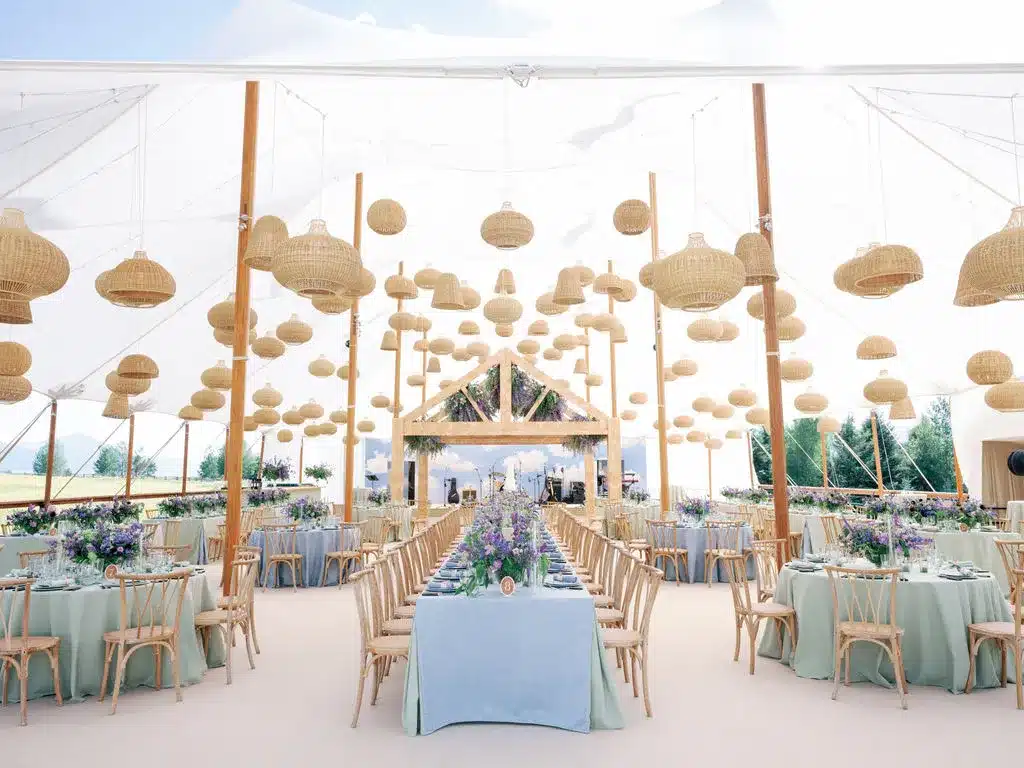
Outdoor wedding tents come in several constructions, each suited to distinct site conditions and event objectives. Choosing the right tent type ensures reliable performance while supporting the intended aesthetic. The choice of tent can also impact setup time, cost, and the flexibility of interior design, making it essential to understand the strengths and limitations of each option before making a decision.
How Do Frame, Pole, and Clear Span Tents Differ in Structure and Use?
Frame tents use a metal skeleton to eliminate internal poles, maximising uninterrupted floor area and adapting to varied terrain. This makes them highly versatile for uneven or sloped sites where ground stakes may be difficult to install. Pole tents rely on central poles and ground stakes to form peaked canopies, offering a traditional profile ideal for grassy sites. Their classic aesthetic often complements rustic or garden-themed weddings. Clear span tents use a rigid aluminium framework to create large, column-free interiors for formal or high-capacity events. These tents provide expansive open spaces that can accommodate elaborate décor and large guest counts without visual obstructions. Evaluate site constraints and desired guest experience when selecting among these systems, considering factors such as weather exposure, terrain, and the style of the event.
Which Tent Types Best Suit Luxury Wedding Settings?
Clear-top and sailcloth tents are frequently chosen for upscale events. Clear-top tents offer uninterrupted views of the sky while providing shelter, enhancing evening ambience. This feature allows guests to enjoy natural light during the day and stargazing at night, adding a magical element to the celebration. Sailcloth tents create refined, undulating profiles with translucent fabric that diffuses light attractively. Their organic shapes and soft fabric textures contribute to a romantic and elegant atmosphere. Both tent types accommodate high-end finishes, custom lighting, and specialised furnishings to achieve a cohesive luxury presentation. These tents also support the integration of advanced climate control and sound systems, ensuring guest comfort and event quality regardless of external conditions.
How to Determine the Right Wedding Tent Size for Your Guest Count?
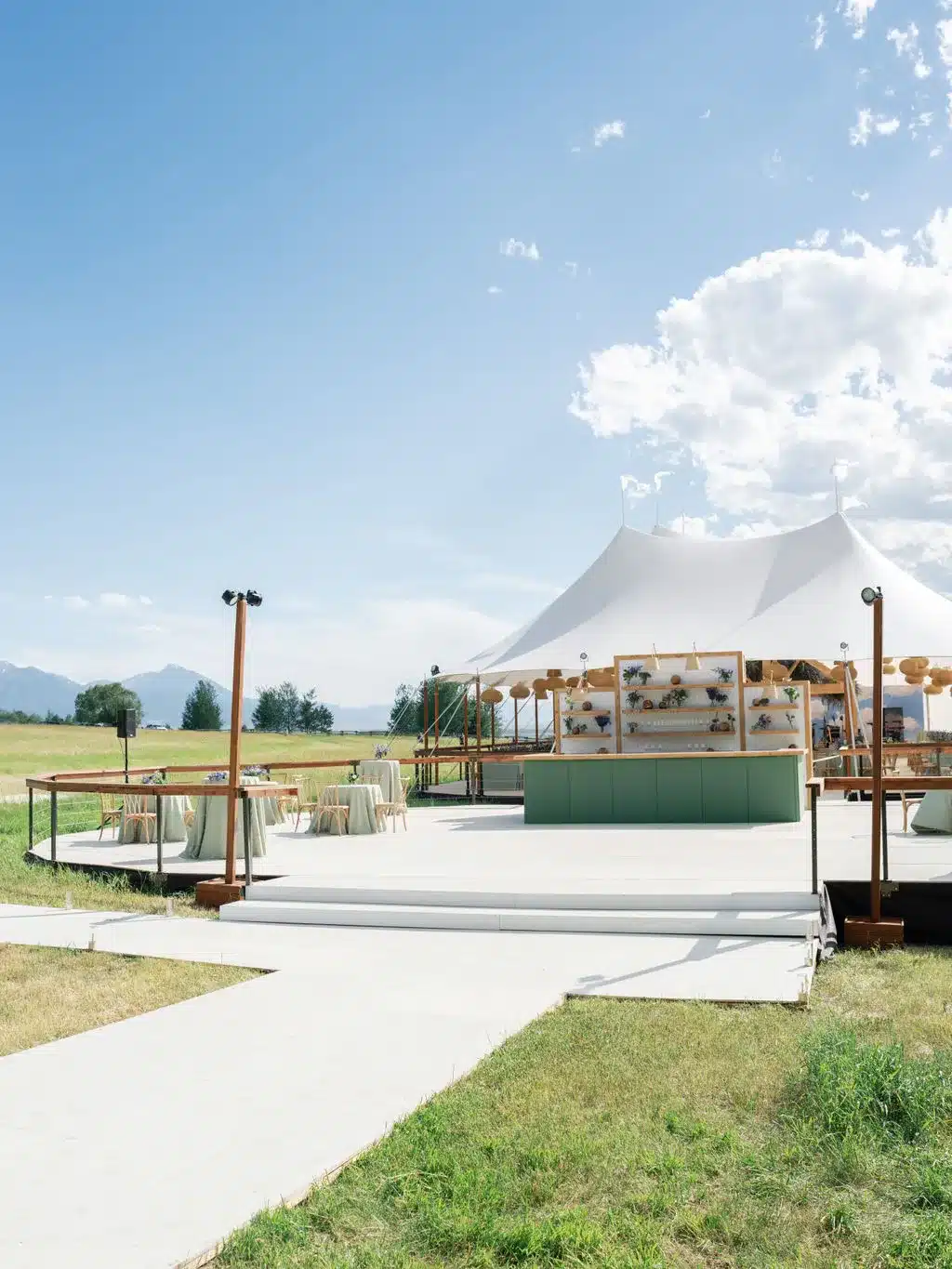
Proper tent sizing is essential to guest comfort and event flow. The correct footprint provides room for seating, circulation, service areas, and entertainment without compromising safety or comfort. Overcrowding can lead to discomfort and logistical challenges, while an excessively large tent may feel empty and detract from the event’s intimacy. Careful calculation of space requirements helps maintain balance and ensures that all event components fit harmoniously within the venue.
What Are the Capacity Guidelines for Different Tent Sizes?
Selecting the right tent size starts with understanding both your guest count and how the space will be used. Seating style, entertainment elements, and service areas all affect how much square footage you’ll actually need beyond basic table placement.
- Base capacity depends on guest count and seating format. As a guideline, a 20×20 tent typically seats 25–30 guests for a seated dinner, while a 40×60 tent commonly accommodates 200–240 seated guests.
- Allocate extra space for dance floors, buffet or service stations, bars, and staging. These areas are crucial for smooth event flow and guest comfort.
- Plan for circulation by leaving room for walkways, entrances, and service access so movement feels natural and not congested.
- Consult a rental specialist or use a tent-size calculator to confirm requirements for your chosen layout and event program.
How Does Guest Comfort Influence Tent Size Selection?
Guest comfort should guide size decisions. Plan for unobstructed circulation, adequate spacing between tables, and local weather conditions. In warm climates or high-occupancy events, greater volume improves ventilation and reduces perceived crowding. A deliberate layout preserves comfort and enhances the guest experience. Consideration of factors such as ceiling height, airflow, and natural light penetration can further improve the ambiance and comfort level within the tent. Thoughtful tent sizing also facilitates easier movement for service staff and emergency access if needed.
What Are the Best Wedding Tent Lighting Ideas to Enhance Ambiance?
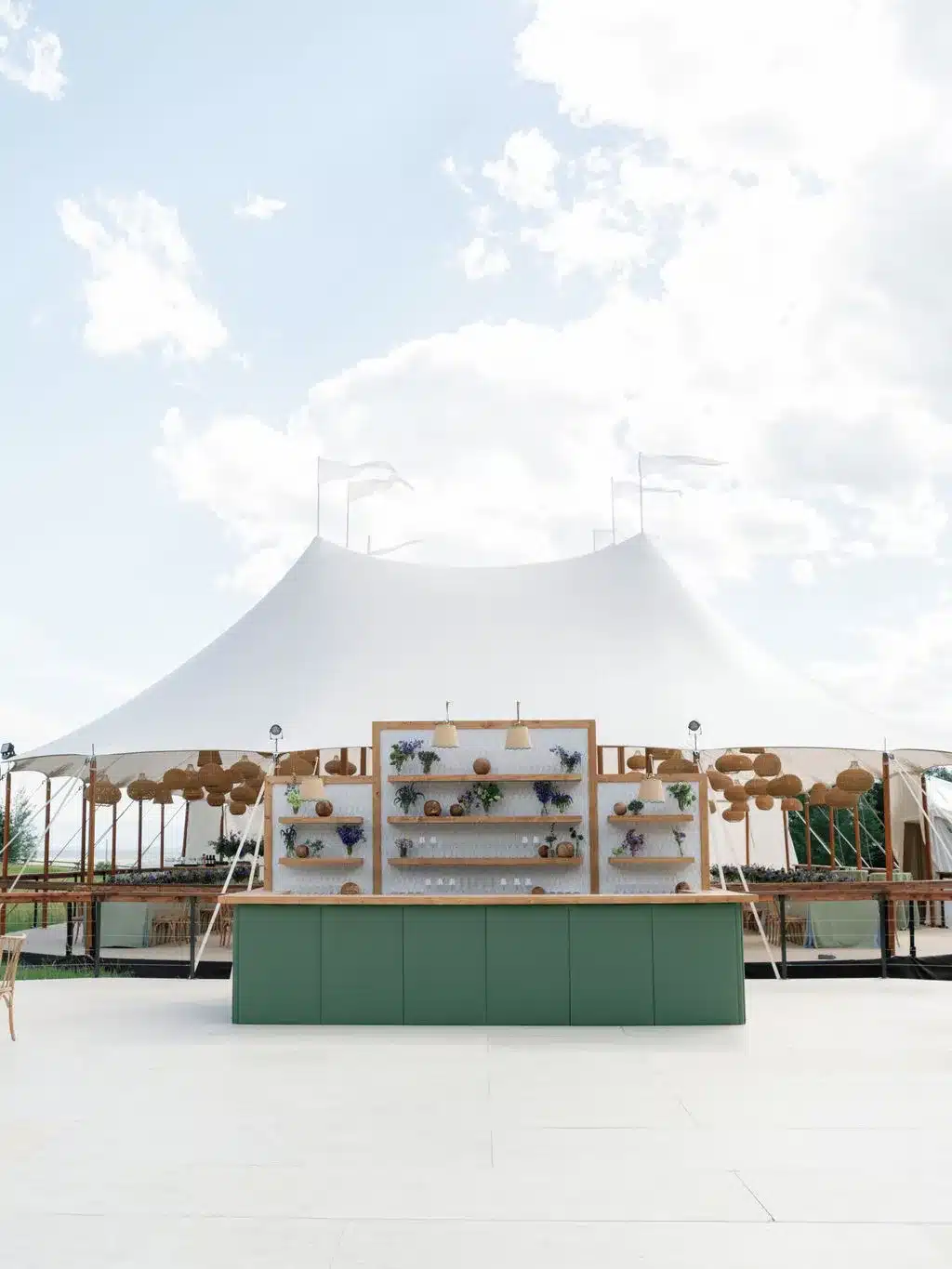
Lighting defines mood and supports practical needs within a tented venue. An integrated lighting plan enhances décor, improves sightlines, and establishes the intended atmosphere for each phase of the event. Lighting can be used creatively to highlight architectural features of the tent, accentuate floral arrangements, and create focal points such as the head table or dance floor. The layering of different lighting types allows for dynamic changes throughout the event, from ceremony to reception.
How Do LED, Chandeliers, and Ambient Lighting Compare?
Lighting plays a critical role in shaping atmosphere, highlighting key areas, and ensuring functionality throughout an event. A layered approach allows planners to balance visual impact with practical illumination, creating a cohesive experience from arrival to final toast.
- LED fixtures deliver energy-efficient, controllable color and intensity for stage effects or subtle washes. Their versatility makes them ideal for creating dramatic focal points or soft background illumination.
- Chandeliers establish formal focal points and elevate the perceived finish of the space. They add elegance and can be customized to complement the event’s theme and overall design style.
- Ambient lighting such as string lights, lanterns, or soft uplighting produces a welcoming field of light suited for evening receptions. These softer sources contribute to a warm, intimate atmosphere.
Combining these lighting elements creates layered illumination that enhances both ambiance and functionality, allowing smooth transitions between different moments of the event.
What Lighting Options Complement Luxury Tent Decor?
For luxury schemes, specify chandeliers as central visual elements, uplighting to accent structural features, and fine string or fairy lights to add texture. Proper mounting and power distribution are critical to achieve the intended effect while complying with electrical safety standards. Incorporating dimmable lighting controls allows for mood adjustments throughout the event, enhancing the guest experience. Consider integrating smart lighting systems that can be programmed to change colours and intensities in sync with music or event cues, adding a sophisticated technological touch to the décor.
Which Tent Flooring Options Optimize Comfort and Style for Outdoor Weddings?
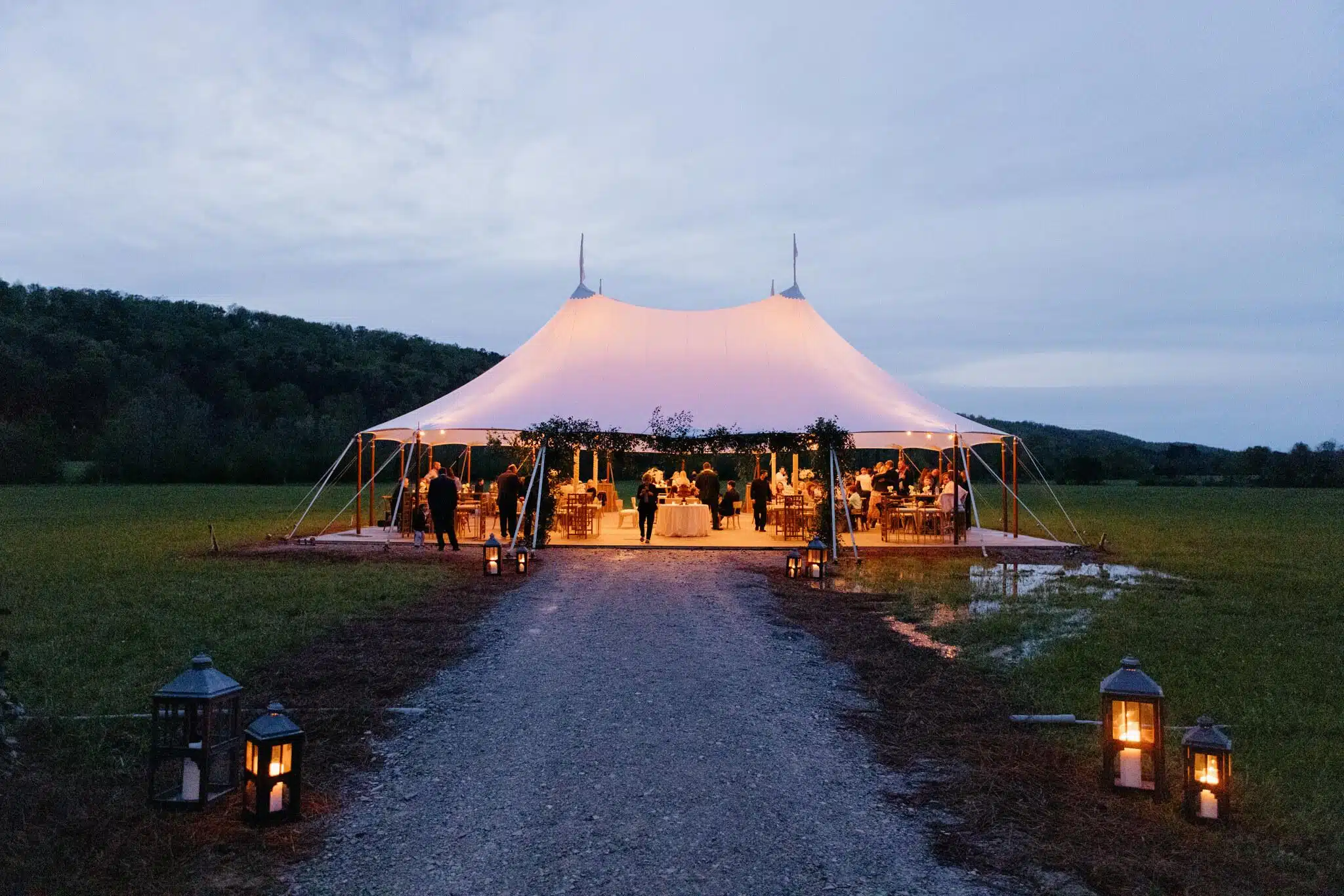
Flooring selection affects guest comfort, accessibility, and the overall aesthetic. Choose materials that address site conditions and the level of finish required for the event. Flooring can also influence acoustics within the tent, impacting the clarity of speeches and music. Selecting the right flooring material contributes to the overall cohesion of the event design and can enhance the sense of luxury or casual elegance depending on the style chosen.
Beyond appearance, evidence indicates that durable, insulated flooring systems improve occupant comfort and can mitigate environmental stressors in temporary shelters. These systems help maintain a stable temperature inside the tent and reduce noise from footsteps, contributing to a more pleasant environment for guests and staff alike.
What Are the Pros and Cons of Wood, Carpet, and Dance Floor Materials?
Wood flooring delivers a durable, refined surface suited to dining and dancing but typically requires higher budget and careful installation. Its natural texture and warmth add a sophisticated touch to the event space. Carpet adds warmth and acoustic damping, creating a comfortable environment, though it can be vulnerable to moisture and uneven ground. It is often chosen for its ability to soften the look of a tent interior and provide a cozy feel. Portable dance floors provide a safe, level surface engineered for movement. They are essential for events with significant dancing and can be installed over other flooring types to protect them. Match material choice to site conditions and service requirements, considering factors such as weather, expected foot traffic, and the type of footwear guests will wear.
How Does Flooring Impact Event Logistics and Guest Experience?
Flooring choices affect accessibility, safety, and traffic flow. A stable, level surface is essential for guests with mobility needs and for efficient movement of service staff. Consider logistics such as installation time, subgrade preparation, and integration with other systems to ensure smooth event operations. Flooring also plays a role in noise control, which can be important in venues near residential areas or where multiple events occur simultaneously. Selecting the right flooring can reduce fatigue for guests and staff who spend long hours standing or walking during the event.
Frequently Asked Questions
What factors should I consider when choosing a wedding tent location?
Evaluate accessibility, site grade, and proximity to utilities, restrooms, and parking. Confirm the ground is stable and level to support the chosen tent system. Account for prevailing weather patterns and nearby landscape features that could enhance or hinder the event. Verify local permitting requirements before finalising the location. It is also beneficial to consider noise levels, potential for privacy, and the availability of backup power sources. Visiting the site at different times of day can provide insight into lighting conditions and environmental factors that may affect the event.
How far in advance should I book my wedding tent rental?
Reserve tent rentals at least six to twelve months in advance, particularly for peak seasons. Early booking secures preferred tent types and sizes and provides scheduling flexibility for logistics, décor, and vendor coordination. Planning ahead also allows time to address any unforeseen challenges such as permit delays or changes in guest count. Communicating early with the rental company can facilitate customization options and ensure availability of desired accessories and add-ons.
Can I customize my wedding tent decor?
Yes. Most rental companies provide customisation options including drapery, lighting schemes, chandeliers, and decorative installations. Confirm available finishes and load capacities with the provider to ensure safe, compliant installation of bespoke elements. Customization can extend to flooring, furniture, and climate control solutions, allowing the tent to reflect the couple’s unique style and preferences. Collaborating with a designer or event planner can help integrate these elements seamlessly into the overall event design.
What should I do if the weather forecast predicts rain on my wedding day?
If rain is likely, ensure the tent is properly waterproofed and securely anchored. Specify sidewalls and weather-resistant flooring to protect guests and décor. Maintain contingency plans such as alternate covered areas or additional structures for severe conditions. It is also wise to have heating or cooling options available depending on the season, and to communicate weather plans clearly with guests and vendors. Preparing for inclement weather can prevent last-minute stress and ensure the event proceeds smoothly regardless of conditions.
Are there any additional costs associated with wedding tent rentals?
Additional charges commonly include delivery, setup, flooring, lighting, sidewalls, and climate control. Specialized installations and electrical work may incur extra fees. Request a comprehensive quote to capture all anticipated expenses. Budgeting for these extras early in the planning process helps avoid surprises and allows for informed decision-making. Some rental companies offer package deals that can provide cost savings when multiple services are bundled together.
How can I ensure my wedding tent is safe for guests?
Engage a reputable rental firm that adheres to industry standards and local codes. Confirm proper anchoring, secure rigging of suspended elements, and professional electrical installations. Design clear egress routes and conduct a site safety check prior to guest arrival. Safety considerations also include fire retardant materials, adequate ventilation, and compliance with occupancy limits. Communicating safety protocols to staff and vendors ensures everyone is prepared to respond effectively in case of emergency.
Conclusion
Selecting the right tent, size, lighting, and flooring will materially affect the comfort and success of an outdoor wedding. Use the guidance in this guide to align technical requirements with your design objectives. Consult experienced rental professionals to validate specifications and to execute a secure, high-quality installation that fulfils your event goals. Thoughtful planning and attention to detail in these areas create a foundation for a seamless, beautiful celebration that guests will remember fondly for years to come.
