

Attendance changes are a common reality for outdoor events. Last-minute RSVPs, plus-ones, or weather-related decisions can quickly push guest counts beyond original estimates. When event spaces aren’t designed with flexibility in mind, even modest increases can strain layout, comfort, and safety.
This guide focuses on planning for attendance variability at the infrastructure level. From selecting modular tent systems to designing layouts that accommodate growth, we’ll outline practical strategies for creating scalable event environments. You’ll also learn how Skyline Tent Company supports flexible planning through adaptable tent options, site-specific layouts, and professional coordination, ensuring your event remains well-organized and comfortable, even as guest counts change.
How to Plan Ahead for Unexpected Guest Increases
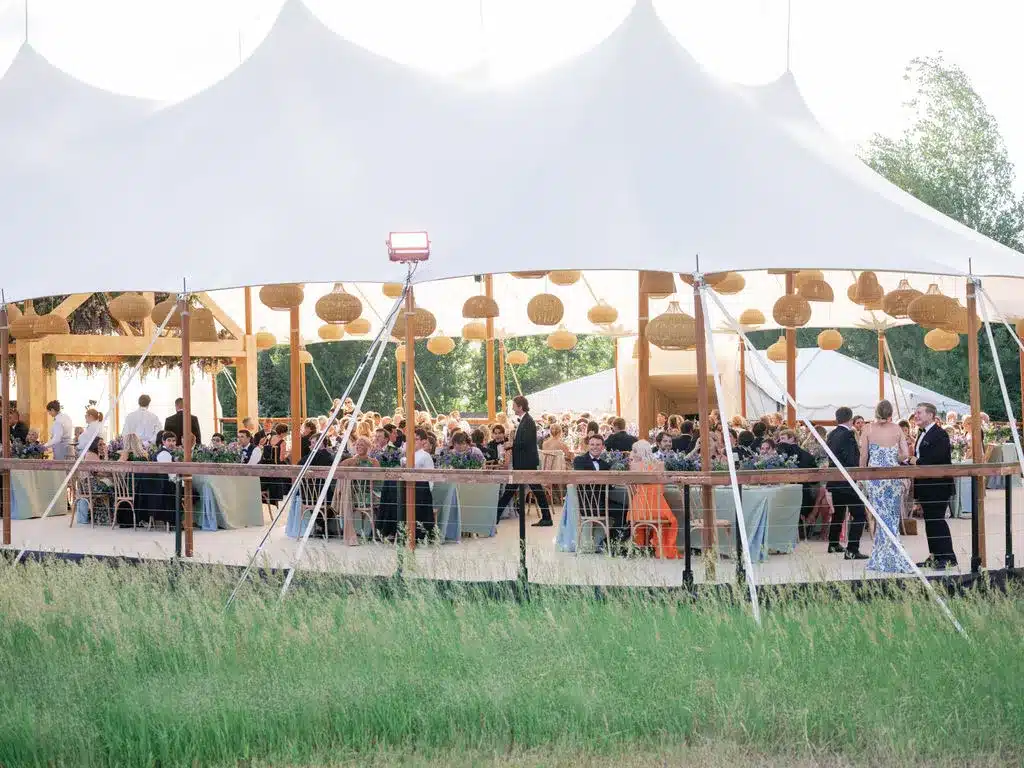
Attendance fluctuations are a common consideration when planning outdoor events. Preparing for these changes requires building flexibility into the event environment from the start, particularly in tent sizing, layout design, and infrastructure capacity. When flexibility is incorporated at the planning stage, modest increases in attendance can be accommodated without disrupting comfort, circulation, or safety.
Rather than reacting to last-minute changes, proactive planning allows the event space to adapt smoothly as conditions evolve.
What Factors Commonly Cause Guest Counts to Change?
Guest attendance can shift due to a range of factors, including late RSVPs, additional guests, weather-related decisions, or scheduling conflicts. Seasonal timing, proximity to holidays, and local events can also influence turnout. Recognizing these variables early helps inform capacity planning and supports realistic expectations for space and infrastructure needs.
Why Is It Important to Include a Capacity Buffer?
Including a capacity buffer provides resilience at the infrastructure level. Skyline typically recommends planning tent size and layout to accommodate approximately 10–15% more guests than the anticipated headcount. This additional capacity helps maintain appropriate spacing, circulation, and comfort if attendance exceeds expectations.
A built-in buffer reduces the need for last-minute adjustments and allows the event environment to remain functional and well-organized, even as guest numbers fluctuate.
Planning for Flexibility at the Infrastructure Level
Flexibility is most effective when it is addressed through scalable tent systems, adaptable layouts, and properly sized support components such as flooring, lighting, and climate control. By designing the event environment to absorb change, hosts and planners can respond confidently to attendance increases without compromising the overall experience.
Which Tent Rental Options Are Best for Accommodating Changing Attendance?
Managing fluctuating guest counts starts with selecting tent systems designed for flexibility. Adaptable tenting solutions allow event spaces to scale efficiently, providing additional covered area when needed without disrupting layout, circulation, or structural integrity. When flexibility is built into the tent system itself, attendance changes can be addressed with minimal impact on the overall event environment.
How Modular Sailcloth and Engineered Tents Support Attendance Growth
Modular sailcloth tents and engineered structures are designed to expand through additional bays or reconfigured layouts. This modular construction allows covered space to increase as guest counts grow, while maintaining consistent rooflines, load distribution, and weather performance.
Because these systems are planned and installed with scalability in mind, expansions can be integrated without compromising safety, comfort, or site functionality. This approach supports cohesive event layouts even when attendance exceeds initial estimates.
What Are the Advantages of Scalable Event Spaces?
Scalable event spaces allow the environment to align more closely with actual attendance. By adjusting tent size or layout, planners can maintain appropriate guest density, circulation paths, and service access. This reduces congestion and helps preserve comfort and usability throughout the event.
From a planning perspective, scalable tent systems also support efficient use of space and infrastructure, minimizing the need for last-minute structural changes. The result is an event environment that remains functional, well-organized, and adaptable as conditions change.
How Layout Design and Support Infrastructure Help Accommodate Extra Guests
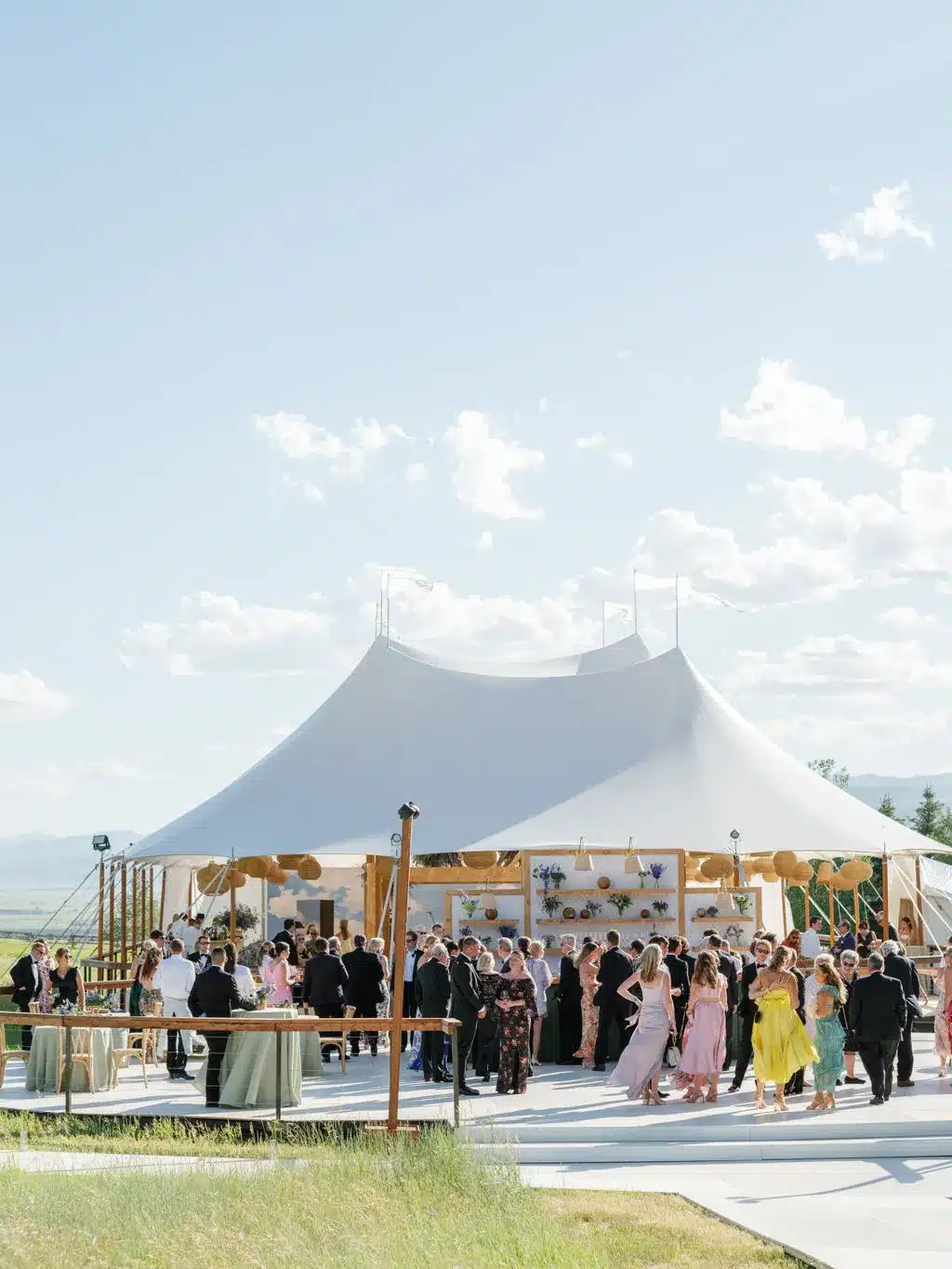
When attendance increases, the performance of the event environment depends on how well the space has been designed to adapt. Thoughtful layout planning combined with properly sized support infrastructure, such as climate control, power, and flooring, allows tented events to absorb additional guests without appearing improvised or overcrowded.
Flexible design decisions made early in the planning process help maintain circulation, comfort, and safety even as guest counts change.
Layout Strategies That Support Attendance Flexibility
Layouts intended to accommodate growth prioritize circulation and functional zoning. Clear pathways, adaptable seating areas, and defined service zones allow the space to be reconfigured if needed without disrupting overall flow. By maintaining adequate spacing and reserving flexibility within the layout, additional seating or standing areas can be incorporated while preserving comfort and accessibility.
When layout planning is coordinated with tent size and structure type, the event environment remains organized and functional, even with unexpected attendance increases.
Why Climate Control, Power, and Flooring Are Critical to Scalability
Support infrastructure plays a key role in accommodating higher guest density. Climate-control systems must be capable of maintaining comfort as occupancy increases, while power distribution should support lighting, audiovisual, and service needs without strain. Flooring systems provide stable, level surfaces that improve safety, accessibility, and durability, particularly in high-traffic areas.
Ensuring these components are sized appropriately from the outset allows the event to scale without compromising safety, comfort, or performance.
How Skyline Tent Company Supports Flexible, Dynamic Event Environments
Skyline Tent Company specializes in tent and structure solutions designed to adapt to real-world event conditions. From modular sailcloth tents to engineered structures, our systems are selected and configured to support scalability, site constraints, and changing attendance. Our team coordinates layout planning, infrastructure needs, and installation logistics to ensure flexibility is built into the environment, not added as an afterthought.
This integrated approach allows events to adjust smoothly while maintaining a cohesive, well-executed presentation.
Overview of Scalable Tent Options
*Capacity varies based on layout, furnishings, and site conditions.
Frequently Asked Questions
What should I consider when choosing a flexible tent rental for my event?
Begin with your projected guest count, site constraints, and event format, then plan for potential growth. Modular tent systems that allow for expansion, such as sailcloth tents with add-on bays or engineered structures, provide the most flexibility. It’s also important to consider weather exposure, anchoring requirements, and available infrastructure options like flooring, sidewalls, and climate control. Discuss setup timelines and scalability options with your rental provider early in the planning process.
How can tenting and layout planning help accommodate unexpected guests?
Flexible layouts are designed with circulation, service access, and density in mind. Maintaining clear pathways, adaptable seating zones, and defined service areas allows the space to absorb additional guests without feeling crowded. When tent size and layout are planned with a capacity buffer, small attendance increases can often be accommodated without structural changes.
How can surplus guests be accommodated without compromising comfort?
Comfort is maintained through proper spacing, airflow, and infrastructure capacity. Adequate square footage per guest, sufficient ventilation or climate control, and stable flooring all contribute to a space that feels intentional rather than improvised. Scalable tent systems make it possible to expand covered areas when needed, preserving comfort and usability.
How do you ensure safety and accessibility when attendance exceeds expectations?
Safety and accessibility are addressed through clear circulation paths, unobstructed entrances and exits, level flooring, and adequate lighting throughout the tented space. Tent layouts are planned to support mobility needs and emergency access, even as guest counts increase. Working with a professional tent provider helps ensure the space remains compliant and navigable for all guests.
What weather-related contingencies should be in place for outdoor events?
Weather planning should be incorporated from the start. Weather-rated tents, sidewalls, appropriate anchoring systems, and flooring help protect guests and equipment in changing conditions. Monitoring forecasts in advance allows for timely adjustments, such as adding enclosures or climate-control equipment. Flexible tent systems also make it easier to adapt layouts if weather conditions shift.
How quickly can tent setups be adjusted if attendance changes close to the event date?
The ability to adjust a tent setup depends on site conditions, tent type, and available inventory. Modular tent systems offer the greatest flexibility for late-stage adjustments. Early communication with your tent provider allows for contingency planning, making it easier to respond efficiently if guest counts increase near the event date.
Conclusion
Successfully managing unexpected guests starts with building flexibility into the event environment. Scalable tent systems, thoughtful layout planning, and properly sized infrastructure allow outdoor events to adapt without sacrificing comfort, circulation, or visual cohesion.
Skyline Tent Company specializes in tent and structure solutions designed to accommodate real-world changes. By pairing modular tent options with professional site evaluation and planning support, our team helps ensure events remain intentional and well-executed, even when attendance exceeds expectations. Explore our flexible tent solutions to create an event environment that’s prepared to scale with confidence.
