
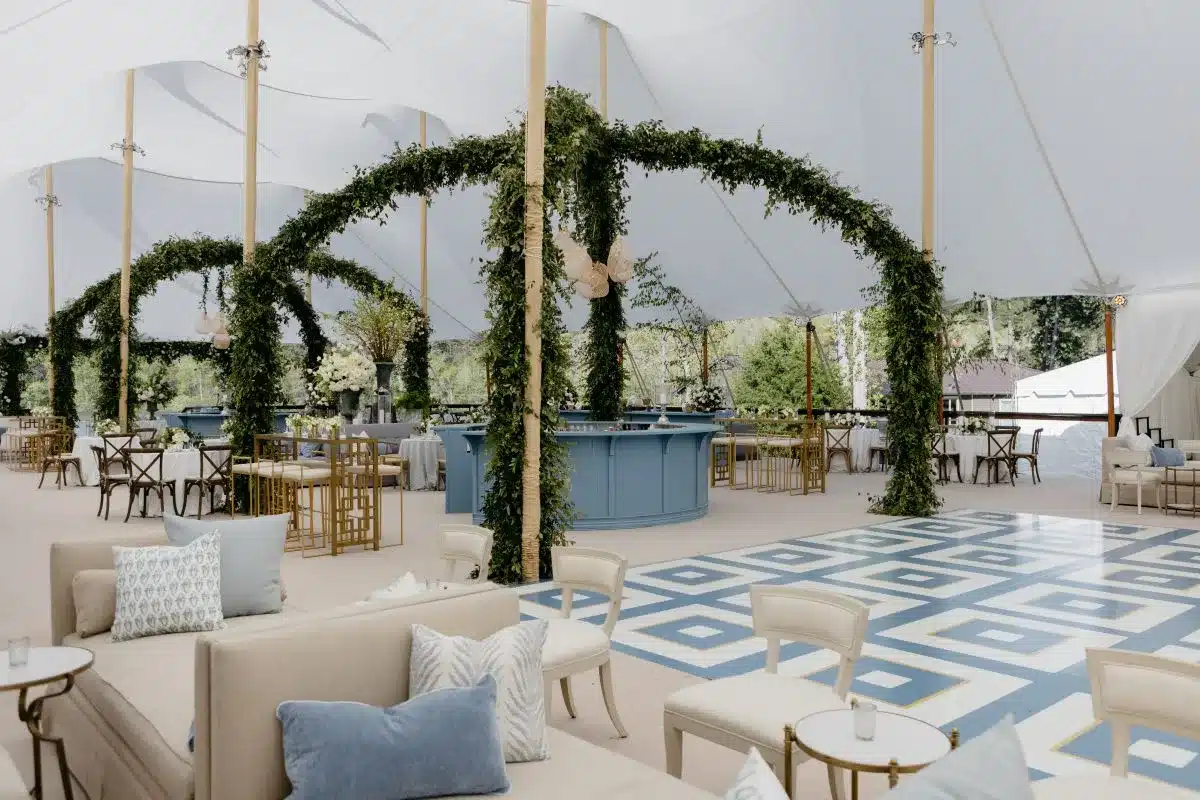
Outdoor events, from intimate garden parties to grand corporate galas and dream weddings, offer a unique charm that indoor venues simply can’t replicate. However, transforming an open space into a comfortable, functional, and aesthetically pleasing environment requires careful planning and the right infrastructure. This is where canopy tents become indispensable, turning ordinary outdoor gatherings into extraordinary, photogenic experiences that leave a lasting impression. They are more than just shelters; they are versatile canvases that define the atmosphere, protect guests from the elements, and provide a focal point for celebration.
This comprehensive guide is designed to demystify the world of event tents, offering expert insights to help you navigate the myriad choices available. We’ll walk you through the distinct tent styles, from the elegant sweep of a sailcloth to the robust engineering of a structure tent, explaining how each is suited to particular uses and aesthetics. You’ll learn how to choose the perfect size and type for your specific event, considering everything from guest count and layout to site conditions and local regulations. Below you’ll find straightforward explanations of tent types, precise sizing guidelines, essential add-ons, and a detailed look at how Skyline Tent Company consistently supports luxury outdoor events, managing every detail from initial concept to flawless takedown.
What Are the Different Types of Event Canopy Tents?
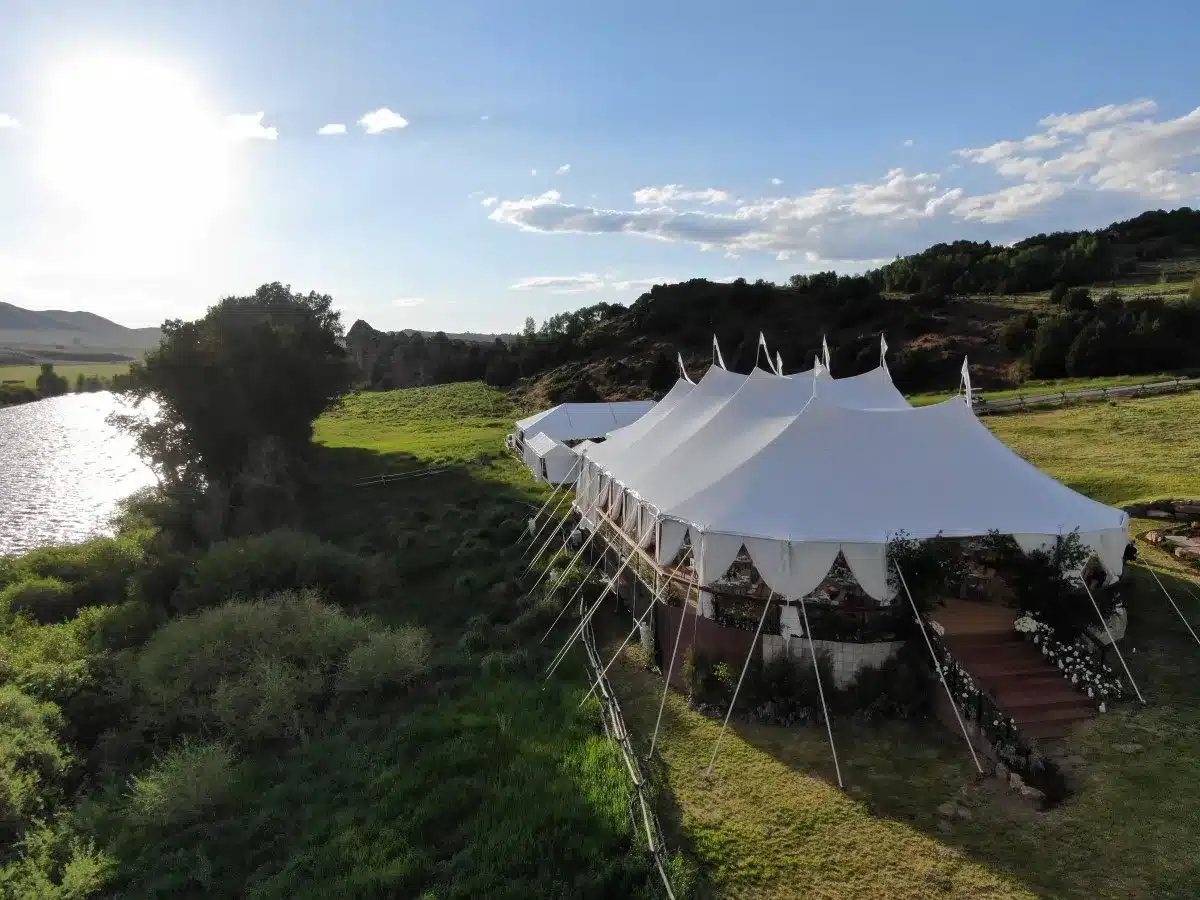
Event canopy tents come in several distinct styles, each designed to serve different event sizes, aesthetics, and site requirements. From intimate backyard celebrations to large-scale gatherings, understanding how tent types differ in structure, appearance, and performance helps you choose an option that aligns with your vision and practical needs. Factors such as guest count, event duration, weather exposure, and ground conditions all play a role in selecting the right tent style.
How Do Sailcloth Tents Elevate Luxury Outdoor Parties?
Sailcloth tents are known for their graceful silhouettes, soaring peaks, and soft, light-diffusing fabric. The translucent canopy allows natural daylight to filter through during the day and creates a warm, glowing ambiance at night when paired with string or bistro lighting. This airy, open feel makes sailcloth tents especially popular for weddings, upscale backyard parties, and elegant receptions. While they perform well in fair to moderate weather, proper installation, anchoring, and ongoing monitoring are essential to maintain comfort and safety as conditions change, as with any fabric-based structure.
What Are the Advantages of Century and Engineered Structure Tents?
Century tents and engineered structure tents are designed for larger guest counts, extended event timelines, and more complex layouts. Built with heavy-duty frames and durable materials, they provide stability and reliability for corporate events, festivals, and large weddings. Their expansive interiors allow for clear spans and flexible floor plans, making it easy to designate separate areas for dining, dancing, staging, lounges, and service zones. These tents also support a wide range of customizations, including full sidewalls, climate control, flooring, integrated lighting, and décor elements, ensuring both functional performance and a polished event presentation.
How Do You Choose the Right Size and Type of Tent for Your Outdoor Party?
Choosing the right tent size and style is key to guest comfort and smooth flow. Consider guest count, event layout, site surface, and local regulations when selecting your tent to avoid surprises on event day.
What Tent Size Is Ideal Based on Guest Count and Layout?
Start by estimating how guests will use the space. A good rule of thumb is 10–12 square feet per person for a seated dinner and 6–8 square feet per person for a cocktail-style event. For example, a 20×40 tent (800 square feet) typically fits about 65–80 guests for a seated dinner. Be sure to allow space for tables, a dance floor, bars, and staging when finalizing your layout.
How Do Venue Surface and Permits Affect Tent Selection?
The ground type matters: grass, concrete, and gravel each require different anchoring methods and can limit tent choices. Also check local permitting requirements — many municipalities require permits for larger temporary structures. Knowing site constraints and permit rules in advance saves headaches and keeps your installation compliant and safe.
What Essential Accessories Enhance Your Outdoor Party Tent Experience?
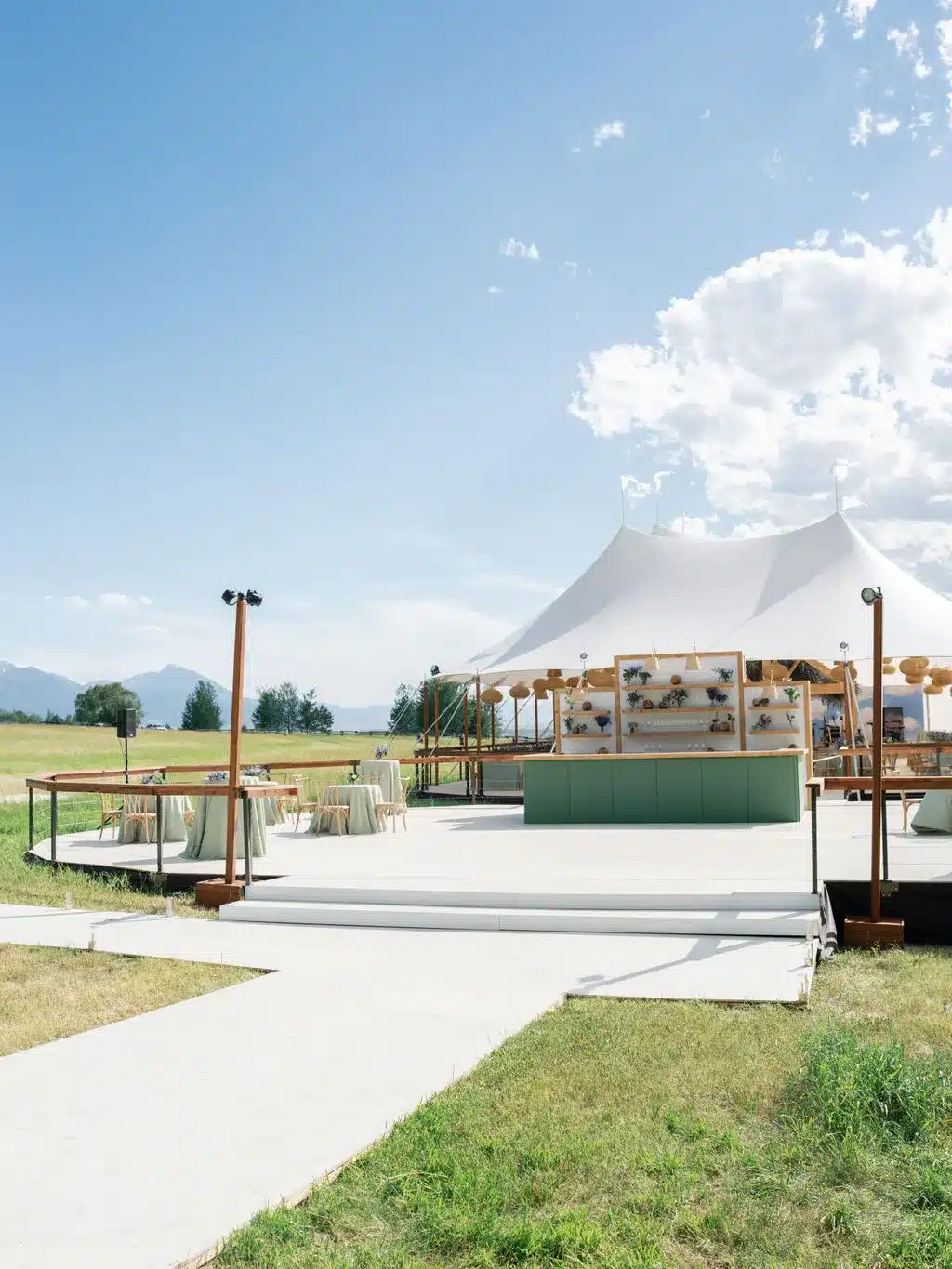
The right accessories transform a basic tent into a welcoming, well-appointed event space. While the tent provides structure and shelter, accessories such as lighting, flooring, and climate control determine how comfortable guests feel and how polished the event looks. Thoughtful selections help create an atmosphere that reflects your style while ensuring the space remains functional from start to finish.
How Do Lighting and Flooring Improve Ambiance and Comfort?
Lighting plays a key role in setting the mood as your event transitions from day to evening. Options like string lights, chandeliers, lanterns, and uplighting add warmth, depth, and visual interest while improving visibility after sunset. Flooring further enhances the experience by providing a stable, attractive surface that’s comfortable for walking, dining, and dancing. Choices such as carpet, hardwood-style planks, or interlocking tiles help define the space, elevate the overall design, and make movement easier for guests of all ages.
What Climate Control and Sidewall Options Protect Against Weather?
Outdoor events benefit from proactive weather planning. Portable heaters keep guests comfortable during cool evenings, while fans or air-conditioning units help manage heat on warm days. Sidewalls offer added protection from wind, rain, and temperature swings, and can be adjusted or removed as conditions change. Together, climate control and sidewall options ensure your event stays comfortable, seamless, and enjoyable—no matter what the forecast brings.
What Permits, Engineering, and Safety Standards Apply to Event Tents?

Behind every successful outdoor event is careful attention to permits, engineering requirements, and safety standards. While tents may appear temporary, many municipalities classify them as regulated structures—especially when they exceed certain sizes or are used for public or commercial events. Understanding these requirements early helps prevent delays, fines, or last-minute changes that can disrupt your event timeline.
When Are Permits Required for Outdoor Event Tents?
Permit requirements vary by location, but larger tents, multi-day installations, and events open to the public often require approval from local building departments or fire authorities. Permits may dictate maximum occupancy, emergency exit placement, flame-resistant materials, and clearance from nearby structures. Even residential events can trigger permit requirements once a tent surpasses a specific square footage. Checking local regulations well in advance ensures your installation remains compliant and avoids day-of complications.
How Do Engineering and Structural Standards Protect Guests?
Engineered tent systems are designed to meet strict load and wind-resistance standards. For larger or more complex installations, municipalities may require stamped engineering drawings that confirm the tent can safely withstand anticipated weather conditions. These standards govern anchoring methods, ballast weights, and overall structural integrity. Working with an experienced rental provider ensures that your tent is selected, installed, and secured according to both manufacturer specifications and local code requirements.
What Fire and Occupancy Safety Measures Should Be Considered?
Fire safety is a critical component of tented events. Many jurisdictions require flame-retardant fabric certification, clearly marked exits, emergency lighting, and unobstructed egress paths. Occupancy limits are often enforced to prevent overcrowding and ensure safe movement throughout the space. Layout planning—including aisle widths, exit placement, and equipment positioning—must account for these requirements while still supporting your event design.
Why Working with a Professional Tent Company Matters
Navigating permits, engineering documentation, and safety compliance can be complex, particularly for first-time planners. A professional tent company manages these behind-the-scenes details, coordinating with local authorities, providing required documentation, and ensuring installations meet all applicable standards. At Skyline Tent Company, safety is integrated into every phase of planning and execution. From site evaluation and permitting guidance to compliant installation and weather monitoring, our team ensures your event is not only beautiful, but fully prepared and protected.
How Does Skyline Tent Company Support Luxury Outdoor Event Planning?
At Skyline Tent Company, we pair premium equipment with hands-on service to keep your event beautiful and worry-free. From design guidance to on-site execution, our team manages the details that matter so you can focus on the experience.
What Is the Tent Rental Process from Consultation to Takedown?
Our rental process starts with a consultation to learn your vision and logistics. We recommend tents, layouts, and accessories that meet your goals, then coordinate delivery, professional setup, and takedown so you can focus on the event. Our full-service approach removes stress and ensures a smooth experience from start to finish.
How Are Safety and Weather Preparedness Managed for Outdoor Tents?
Safety is central to every installation. We follow strict anchoring and setup standards and monitor weather before and during your event. If conditions require, we enact contingency plans to protect guests and preserve the structure so your event can continue safely or be adjusted as needed.
Frequently Asked Questions
What Is the Difference Between a Canopy and a Tent?
Canopies are generally lightweight, open-sided structures intended for shade or light weather coverage. They work well for casual gatherings, pop-up installations, or short daytime events with predictable conditions. Tents, by contrast, are more substantial structures that can be partially or fully enclosed with sidewalls. This added structure provides stronger protection from wind, rain, and temperature changes, along with greater control over lighting, décor, and climate. Because of their durability and versatility, tents are the preferred choice for formal events, larger guest counts, and situations where weather conditions may be uncertain.
What Factors Should I Consider When Choosing a Location for My Canopy Tent?
Select a level, unobstructed area that allows adequate space for the tent, anchors, and guest circulation. Ensure convenient access to restrooms, parking, and power sources, and clear the site of debris before installation. It’s also important to check for overhead obstructions such as tree branches or power lines. Evaluating sun exposure and prevailing winds helps determine optimal tent orientation and anchoring, both of which directly impact guest comfort and safety.
Can I Customize My Canopy Tent for a Specific Theme or Event Style?
Yes. Most professional rental companies, including Skyline Tent Company, offer a wide range of customization options. These may include fabric styles and colors, clear or solid sidewalls, lighting designs, flooring, and branded elements. Custom features allow you to align the tent with your event theme and create a cohesive, visually engaging environment that feels intentional and personalized.
What Are the Best Practices for Setting Up a Canopy Tent?
Successful setup begins with proper site preparation and careful planning. All components should be accounted for and installed according to manufacturer guidelines. Anchoring must match the surface—stakes for grass or soil and weighted ballast systems for hard surfaces such as concrete or asphalt. Once installed, every pole, connection point, and anchor should be inspected to ensure stability before furniture, décor, or equipment is added.
How Can I Ensure My Guests Are Comfortable During an Outdoor Event?
Guest comfort depends on thoughtful planning. Provide adequate shade, airflow, and climate control based on the season and forecast. Arrange seating to encourage easy movement and social interaction, and avoid overcrowding. Simple amenities such as water stations, accessible restrooms, and charging areas can significantly enhance the guest experience. Small, intentional details often make the biggest difference.
What Should I Do If the Weather Forecast Predicts Rain on the Day of My Event?
If rain is in the forecast, plan ahead by adding sidewalls and flooring to keep guests dry and comfortable. Ensure the tent is properly anchored and drainage is considered around the site. Having umbrellas or ponchos available can be a helpful backup. Communicate your weather plan clearly with vendors and guests so expectations are aligned and adjustments can be made smoothly.
Are There Any Restrictions on Tent Installations in Public Spaces?
Yes. Many municipalities and venues require permits for temporary structures, particularly for larger tents or public and commercial events. These regulations may address occupancy limits, fire safety, and structural requirements. It’s important to review local rules early in the planning process and coordinate with venue managers or local authorities to ensure all permit, zoning, and safety requirements are met well before installation day.
Conclusion
In summary, the journey to creating a truly memorable outdoor event hinges on thoughtful planning and the strategic selection of your canopy tent and its accompanying elements. The right tent delivers not just comfort and style, but also crucial weather protection, transforming an open space into a sophisticated and secure venue. By understanding the nuances of different tent types, accurately sizing your space, and integrating essential accessories, you lay the foundation for an event that flows seamlessly and delights every guest. This guide has aimed to equip you with the knowledge to make informed decisions, ensuring that your vision for an outdoor celebration becomes a stunning reality.
Partnering with a knowledgeable and experienced rental team, such as Skyline Tent Company, is the final, crucial step in ensuring a polished, worry-free event.
