
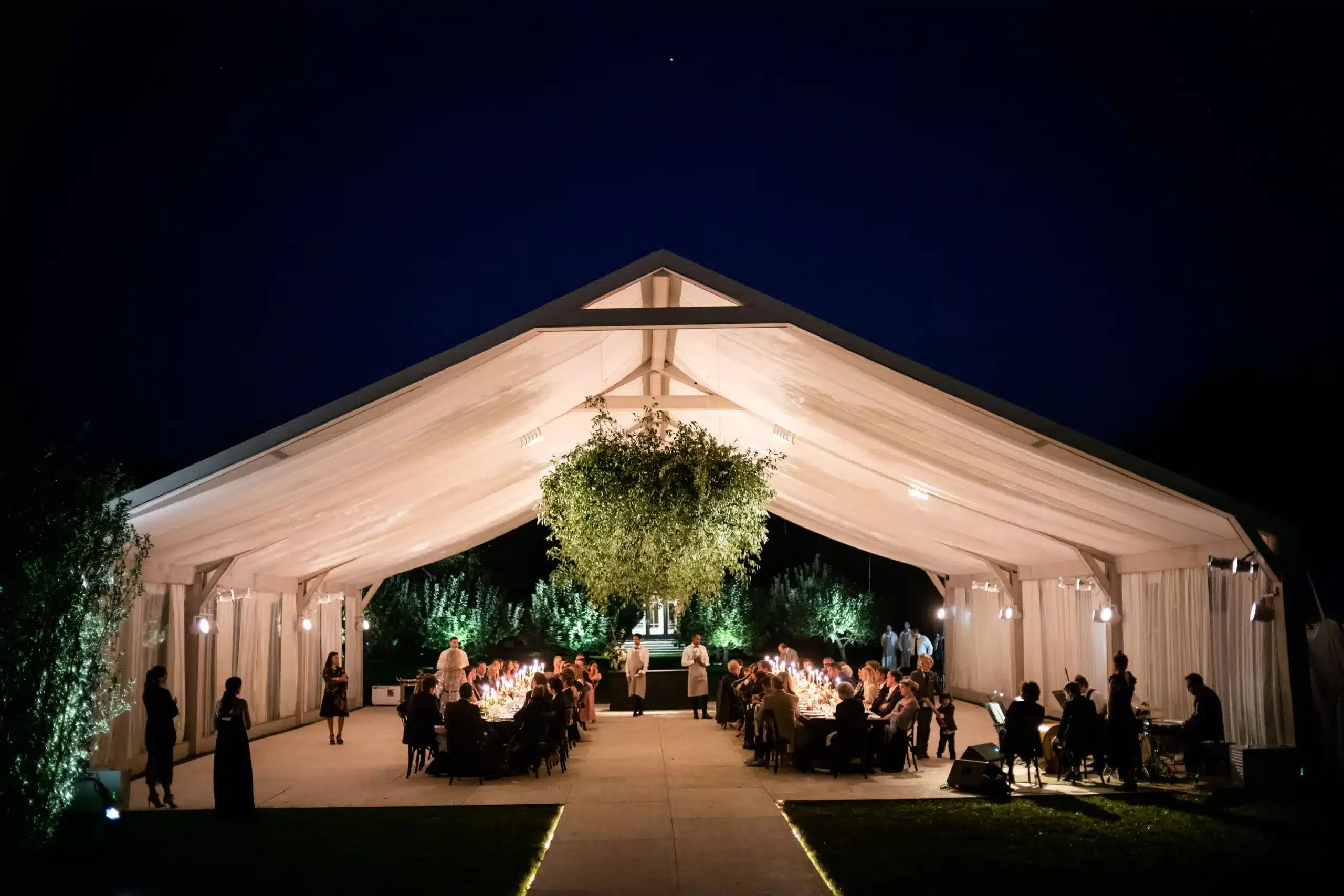
Large-scale outdoor events require clear decisions and structured planning. Effective large scale outdoor event planning involves coordinating tenting solutions, flooring systems, and logistical strategies to ensure every element functions seamlessly. This guide summarises luxury tent rental options, flooring systems, and practical planning steps to help teams deliver a safe, comfortable, and memorable event.
Understanding the nuances of tent types, materials, flooring solutions, and logistical considerations is crucial for event success. Whether organizing a wedding, corporate gathering, festival, or any large outdoor occasion, this comprehensive overview provides the essential knowledge needed to make informed decisions and execute flawlessly.
What Are the Essential Luxury Tent Rental Options for Large Outdoor Events?
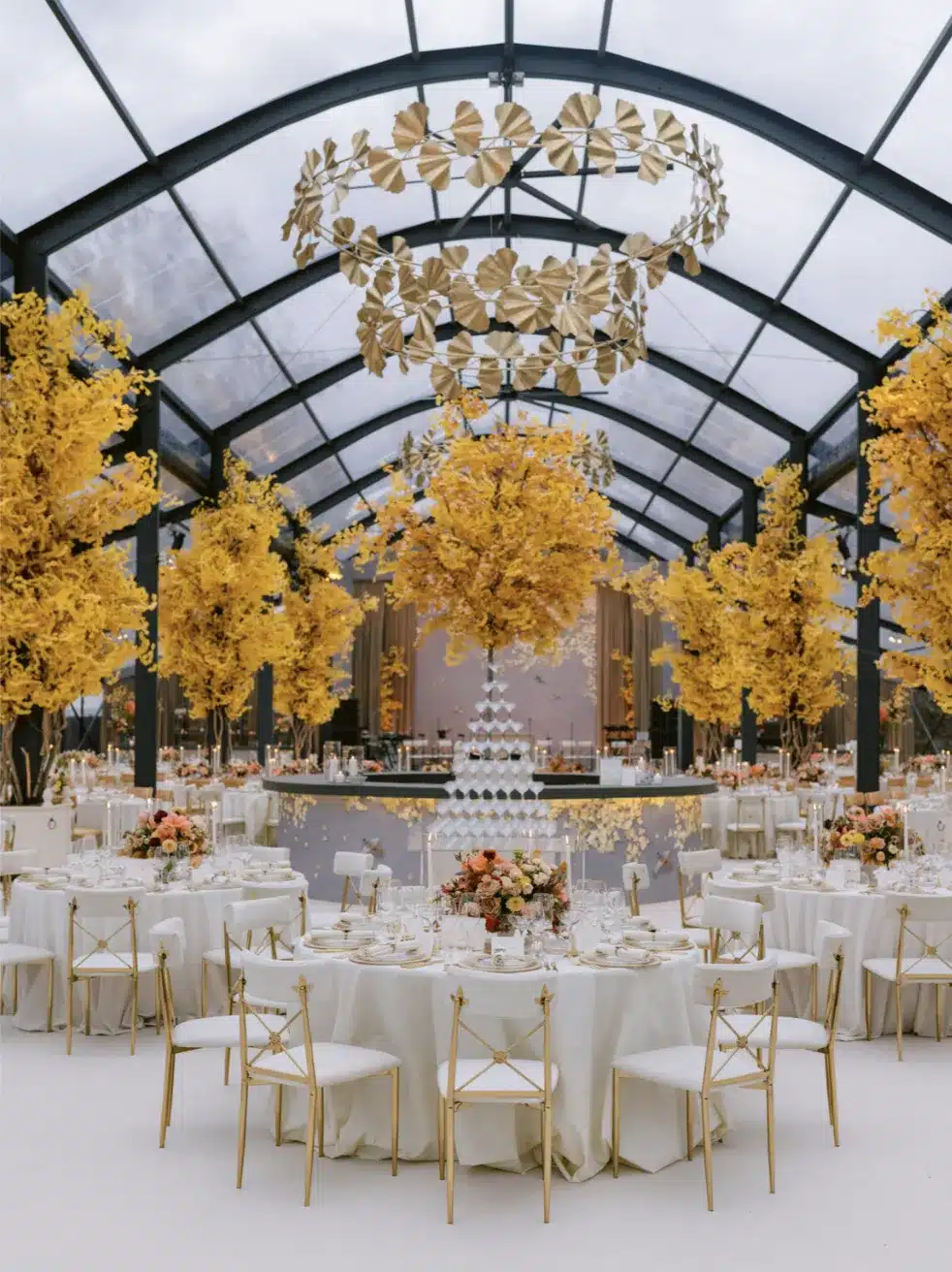
Luxury tents provide shelter and set the tone for an event; the right choice balances capacity, site constraints and aesthetic goals. Selecting the appropriate tent involves evaluating not only the size and style but also how the tent integrates with the event’s theme and environmental conditions. The tent acts as a central element that influences guest experience, comfort, and the overall atmosphere. Considering factors such as ease of installation, durability, and adaptability to weather conditions ensures the tent will perform well throughout the event duration.
Which Tent Types Best Suit Weddings and Corporate Events?
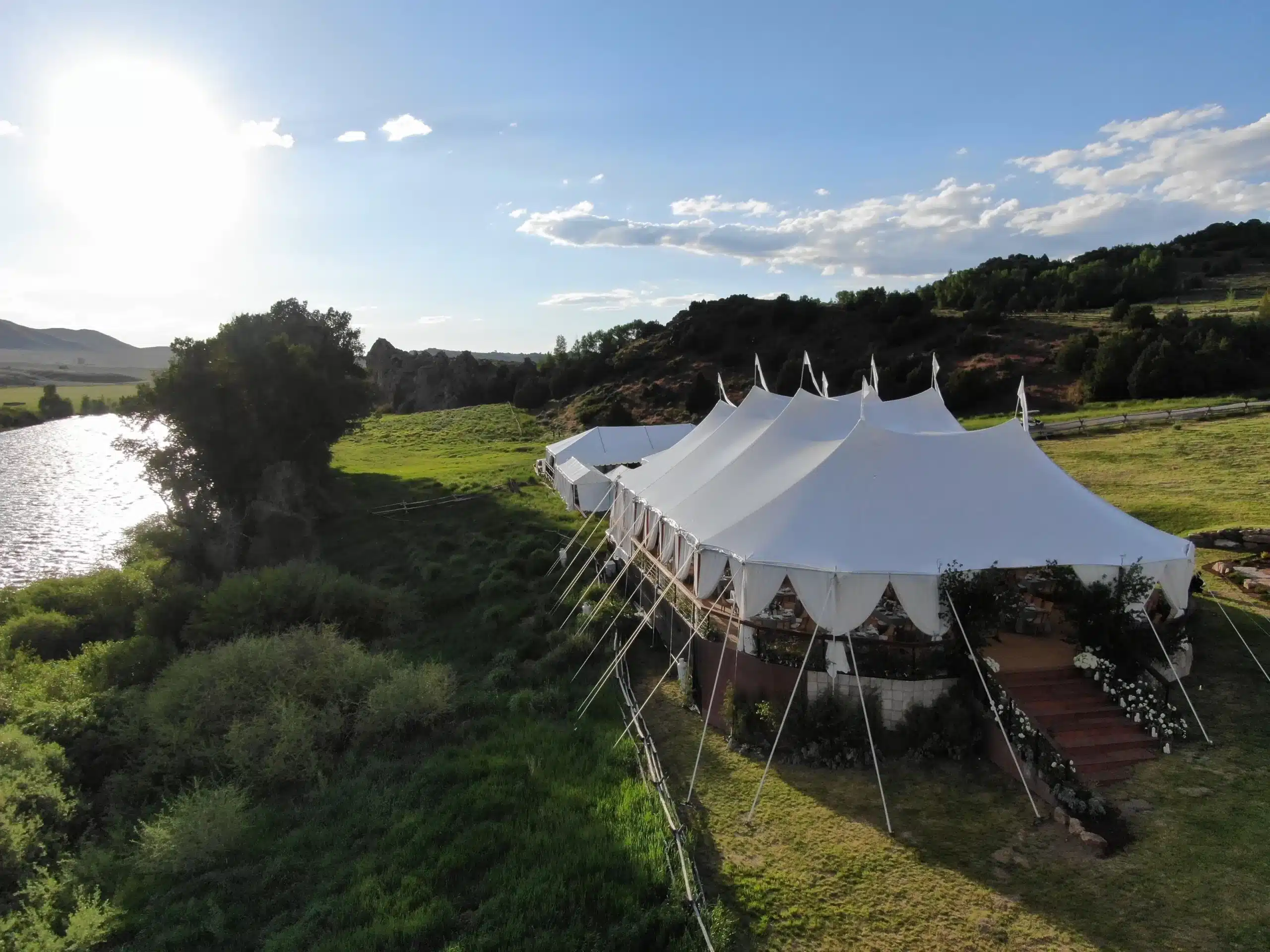
Evaluate operational needs and desired ambiance when choosing a tent format so the structure fits the site and event program. Each tent type offers unique advantages that cater to different event styles and logistical requirements. For example, sailcloth tents are prized for their elegant, flowing lines and natural light diffusion, making them ideal for romantic settings. Frame tents provide a clean, modern look and can be erected on various surfaces without ground stakes, offering flexibility for urban or paved locations. Engineered structures are designed to withstand heavier loads and adverse weather, making them suitable for large-scale festivals or events requiring complex layouts.
- Sailcloth Tents : Elegant, translucent tops that create a romantic atmosphere for weddings and receptions. Their graceful curves and natural light filtering qualities enhance the visual appeal and create a warm, inviting environment. These tents often feature open sides, allowing for seamless integration with outdoor surroundings and easy guest flow.
- Frame Tents : Flexible, surface-independent tents that suit corporate events and clean, professional setups. Their modular design allows for customization in size and shape, accommodating various event layouts. Frame tents are also compatible with a wide range of accessories such as sidewalls, flooring, and climate control systems, making them versatile for different weather conditions and event needs.
- Engineered Structures : Robust systems for large layouts, festivals and events that demand engineered load capacity. These tents are constructed with advanced materials and engineering principles to ensure safety and stability under heavy wind, snow, or rain loads. They often include features like reinforced frames, tensioned membranes, and integrated lighting or rigging points for complex event setups.
Choose by weighing visual character, site adaptability and required load capacity against event objectives. It is also important to consider the timeline for setup and teardown, as some tent types require more time and specialized labor. Collaborating with experienced rental providers can help identify the best fit based on the event’s scale, location, and desired guest experience.
How Do Premium Tent Materials Enhance Event Experience?
Material choice affects durability, temperature control and compliance. High-grade PVC and weather-resistant textiles enhance performance and guest comfort. The quality of tent fabrics directly influences the tent’s lifespan, resistance to environmental factors, and the overall ambiance inside the structure. Advanced materials can also contribute to sustainability goals by reducing waste and energy consumption during the event.
- Improving Aesthetics : Customizable fabrics match the event theme. Options include various colors, textures, and finishes that can be tailored to complement branding or decorative schemes. Translucent or opaque materials can be selected to control natural light and create desired moods.
- Ensuring Comfort : Liners and insulated materials help regulate temperature. These features reduce heat gain during sunny days and retain warmth during cooler evenings, enhancing guest comfort without excessive reliance on mechanical heating or cooling.
- Enhancing Safety : Fire-retardant materials support regulatory compliance. Using certified fabrics ensures the tent meets local fire codes and safety standards, providing peace of mind for organizers and attendees alike.
Specifying premium materials supports a refined appearance, better environmental control and safety compliance. Investing in high-quality fabrics can also reduce maintenance needs and improve the tent’s performance in adverse weather, minimizing disruptions and potential damage.
Further insights into the evolution and impact of these materials can be found in studies on textile architecture. These studies explore how innovations in fabric technology and structural design have transformed temporary event spaces into sophisticated, sustainable environments that enhance user experience.
What Outdoor Event Flooring Solutions Ensure Safety and Comfort?
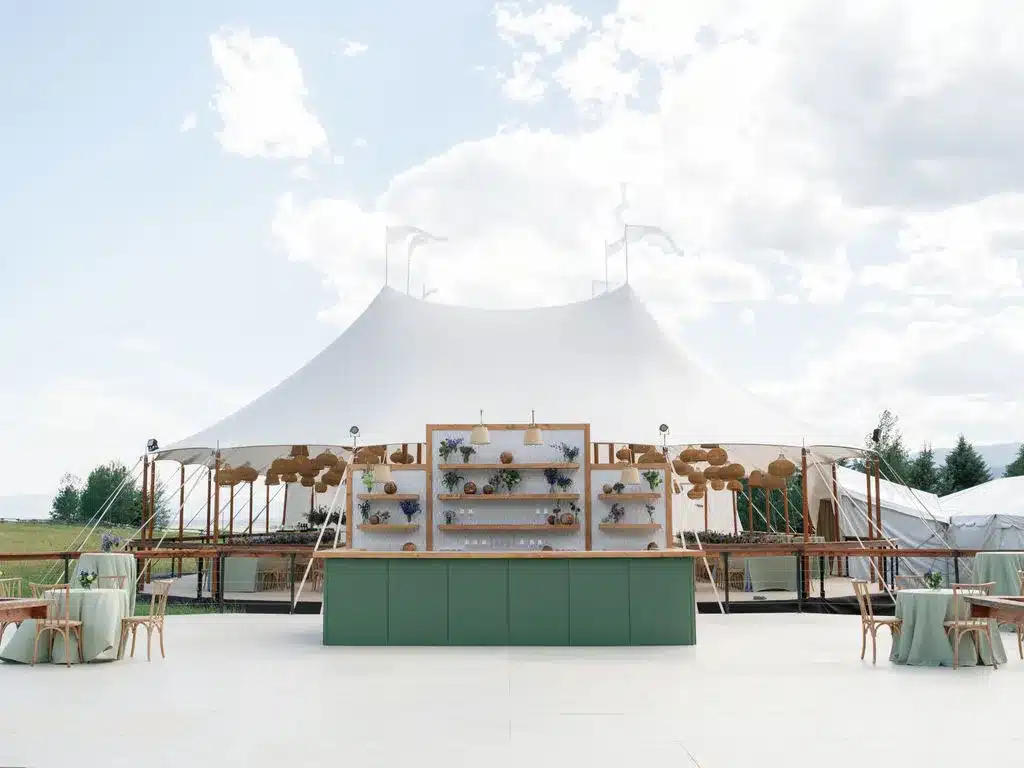
Appropriate flooring manages loads, reduces trip hazards and separates guests from ground conditions; select systems to match site needs. Flooring plays a critical role in creating a stable, comfortable environment, especially in outdoor settings where uneven terrain, moisture, and dirt can impact guest safety and event aesthetics. The right flooring solution also protects the underlying ground from damage and supports heavy equipment or foot traffic without shifting or sinking.
Which Durable Flooring Materials Are Ideal for Temporary Event Structures?
Prioritise stability, installation speed and protection against moisture and compaction when choosing temporary flooring. The choice of flooring material should also consider the event’s aesthetic goals, expected foot traffic, and any special requirements such as wheelchair accessibility or equipment support.
- Wooden Decking : Stable, attractive surface for high-end events. Wooden decking offers a natural, warm appearance and can be installed over uneven ground to create a level platform. It is durable and can support heavy loads, making it suitable for stages, dance floors, or dining areas.
- Interlocking Tiles : Quick to install and versatile across terrains. These modular tiles can be assembled rapidly and customized to cover large areas. They provide excellent traction and can be made from materials that resist moisture and wear, ideal for high-traffic zones.
- Carpeted Flooring : Elegant and comfortable underfoot for formal occasions. Carpeting adds a touch of luxury and softness, enhancing the guest experience. It can be laid over other flooring types to improve aesthetics and reduce noise.
These options improve safety and guest mobility while supporting the desired aesthetic. Selecting the right flooring also helps protect the event site from damage, which is particularly important in environmentally sensitive or rented locations.
The development of specialized flooring systems further underscores the importance of durable and insulated options for temporary structures. Innovations in materials and design have led to flooring that not only withstands heavy use but also provides thermal insulation and moisture barriers, enhancing comfort and protecting equipment.
How to Choose Flooring Options Based on Event Size and Terrain?
Base flooring on expected foot traffic, soil type and weather exposure; match system capacity to these conditions to maintain performance. A thorough site evaluation helps identify potential challenges such as soft ground, slopes, or areas prone to flooding, which influence flooring selection.
- Event Size : Larger crowds often need more robust systems. High-capacity flooring must distribute weight evenly and resist wear from continuous use.
- Terrain Type : Soft or uneven ground requires stabilising solutions. Flooring with built-in support or adjustable bases can compensate for irregular surfaces.
- Weather Conditions : Waterproofing is essential in unpredictable climates. Flooring materials should resist moisture absorption and provide slip resistance when wet.
A concise site assessment of size, terrain and climate lets planners specify flooring that protects guests and supports operations. Considering accessibility needs and integration with other event elements such as tents and stages ensures a cohesive setup.
How to Effectively Plan Large Scale Outdoor Events with Temporary Structures?
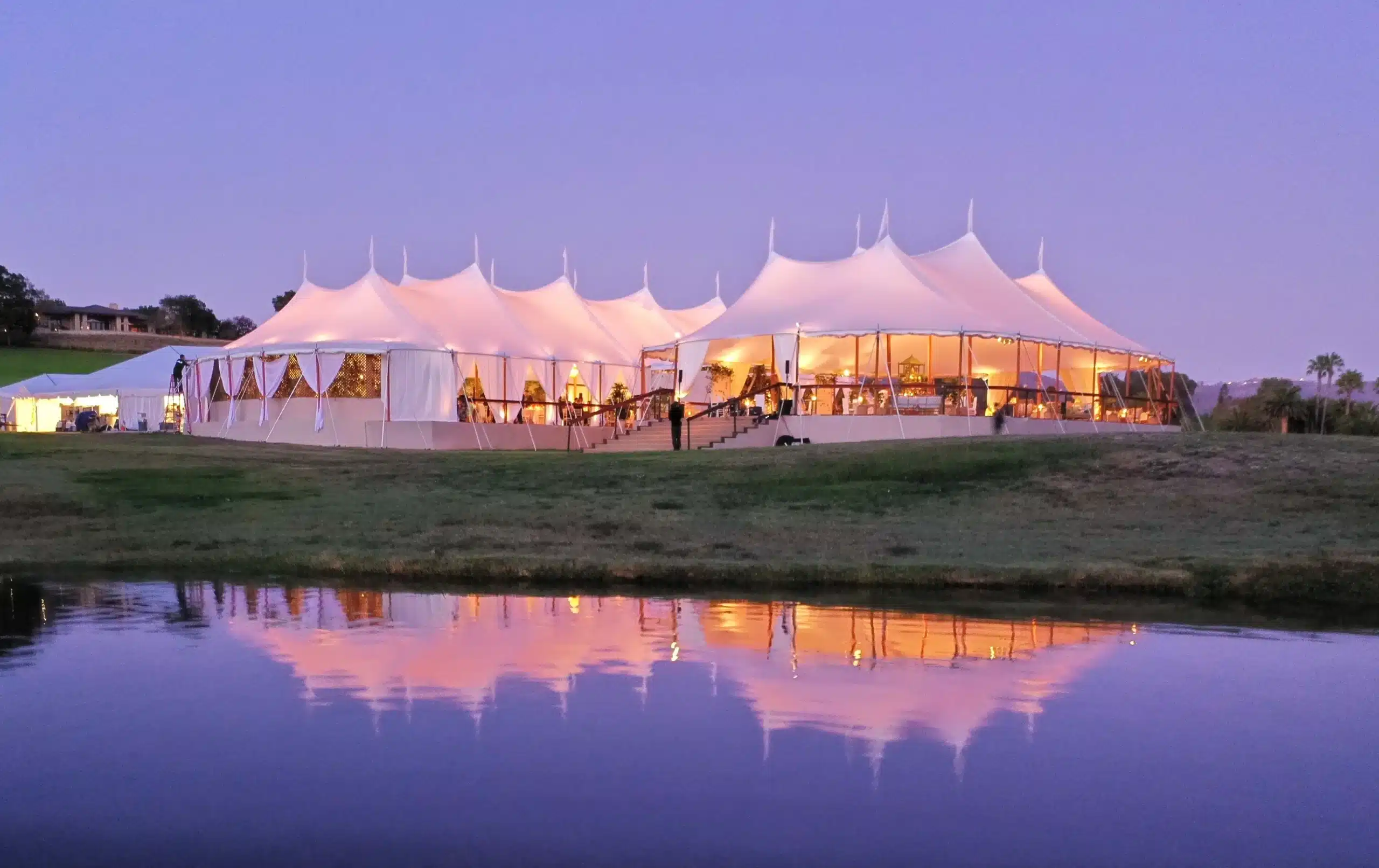
Large events demand coordinated logistics, clear responsibilities and contingency planning to reduce risk and simplify execution. Effective planning involves collaboration among multiple stakeholders including venue managers, rental companies, vendors, and local authorities. Establishing clear communication channels and timelines helps prevent delays and ensures all aspects of the event align with safety and quality standards.
What Are the Key Logistics for Successful Event Setup and Management?
Setup depends on a prepared sequence of actions and confirmed resources to ensure safety and functionality. Detailed planning includes scheduling deliveries, allocating labor, and verifying equipment availability. Contingency plans for weather or technical issues should be integrated into the logistics framework.
- Site Assessment : Check access, utilities and hazards. Understanding site limitations such as power availability, drainage, and emergency exits is critical for safe and efficient setup.
- Tent Selection : Match structure to theme, capacity and site. Confirm that the chosen tent fits within site boundaries and complies with local regulations.
- Permitting and Compliance : Secure permits and follow safety rules. Early engagement with regulatory bodies helps avoid last-minute obstacles and ensures all legal requirements are met.
A documented logistics plan promotes regulatory compliance and operational readiness. Regular updates and on-site supervision during setup help address unforeseen challenges promptly.
Which Permits and Safety Regulations Must Be Considered?
Identify permits for temporary structures, health and safety obligations and local noise rules early to avoid interruptions. Understanding the regulatory landscape is essential for smooth event execution and avoiding fines or shutdowns.
- Temporary Structure Permits : Local rules vary; confirm requirements. Some jurisdictions require engineering certifications or inspections for large tents.
- Health and Safety Regulations : Ensure food, beverage and site safety compliance. This includes sanitation, fire safety, and crowd control measures.
- Noise Ordinances : Plan audio and timing to meet local limits. Adhering to noise restrictions helps maintain good community relations and prevents complaints.
Timely permit applications and compliance checks reduce regulatory risk and support smooth operations. Engaging experienced consultants or legal advisors can facilitate navigating complex requirements.
The complexities of obtaining permits and ensuring compliance for temporary event structures are often highlighted in regulatory studies. These analyses emphasize the importance of early planning and thorough documentation to meet evolving standards and community expectations.
How Does the Consultation and Pricing Process Work for Luxury Event Tent Rentals?
Consultations define requirements, assess the site and produce a tailored proposal that balances aesthetics, performance and budget. This collaborative process ensures that client expectations align with practical possibilities and available resources. Detailed discussions about event goals, guest experience, and logistical constraints help rental providers recommend optimal solutions.
What Are Typical Pricing Factors for Tent and Flooring Rentals?
Pricing depends on measurable drivers: structure size, complexity, rental duration and added services. Transparent pricing models help clients understand cost breakdowns and make informed decisions about where to allocate budget.
- Size and Type of Tent : Bigger or engineered structures cost more. Complex designs or custom features also increase expenses.
- Rental Duration : Longer bookings may reduce daily rates. However, extended use can incur additional maintenance or insurance fees.
- Additional Accessories : Lighting, heating and flooring add to the total. Bundled packages may offer cost savings and simplify coordination.
Identifying cost drivers helps clients prioritise and forecast total event expenditure. Early budget discussions can also guide design choices and service levels.
How to Schedule a Private Consultation for Customized Event Solutions?
Prepare event details, contact the rental provider and schedule a meeting to review options and obtain a quote. Providing comprehensive information upfront enables providers to tailor proposals accurately and efficiently.
- Prepare Event Details : Note guest count, date and site. Include any special requirements or preferences.
- Contact the Rental Company : Share requirements and constraints. Discuss budget parameters and timeline.
- Set Up a Meeting : Review layouts and receive a tailored proposal. Use this opportunity to ask questions and explore alternatives.
This ensures the provider can deliver a solution aligned with site conditions and budget. Follow-up communications help refine plans and confirm arrangements.
Frequently Asked Questions
What are the benefits of using luxury tents for outdoor events?
Luxury tents offer refined aesthetics, improved environmental control and durable materials that support customised design and regulatory compliance. They create a distinctive atmosphere that elevates the event experience and provide reliable protection against weather elements.
How can I ensure my outdoor event is weather-proof?
Specify tents rated for local wind and precipitation, use appropriate flooring, plan contingencies (backup venues or extra cover) and monitor forecasts closely. Incorporating climate control systems and flexible layouts can also mitigate weather risks.
What should I consider when selecting a location for my outdoor event?
Assess guest and service vehicle access, utilities, terrain, parking and proximity to support infrastructure; confirm permitting before finalising the site. Evaluating environmental impact and noise considerations helps maintain community goodwill.
How do I choose the right tent size for my event?
Estimate guest count and format: roughly 10 sq ft per guest for seated dinners, 5–7 sq ft for cocktail events, then add space for circulation, staging and service areas. Allowing extra room for comfort and equipment ensures smooth operations.
What additional services should I consider when renting a tent?
Plan for lighting, HVAC, flooring, furniture, AV and catering logistics; bundled packages can simplify coordination and reduce costs. Considering power supply and backup systems is also important for uninterrupted service.
How far in advance should I book my tent rental?
Book 3–6 months ahead for standard dates; secure earlier for peak seasons or complex custom requirements to allow time for surveys and detailed planning. Early booking also increases availability and may provide cost advantages.
Conclusion
Selecting the right luxury tents and flooring is essential to a safe, elegant and operationally sound outdoor event. Use this guidance to specify requirements and engage a reputable rental provider for a tailored solution and formal quote. Thoughtful planning, informed material choices, and attention to logistics contribute to an event that impresses guests and runs smoothly from start to finish. Investing time in the early stages of event design and coordination pays dividends in creating memorable and successful outdoor experiences.
