
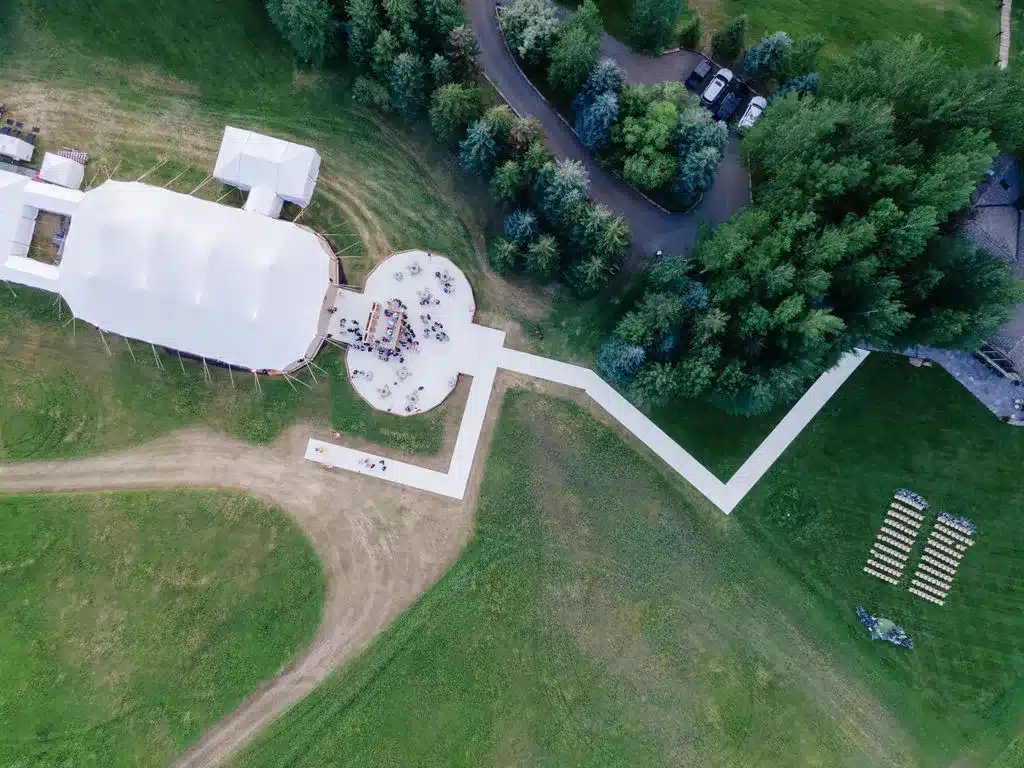
In 2026, luxury outdoor events are evolving into fully immersive, wellness-minded experiences powered by serious infrastructure behind the scenes. Guests expect cinematic storytelling, visible sustainability, and seamless comfort—even in open air—while planners juggle projection mapping, spatial audio, climate control, and hybrid streaming without sacrificing design.
This guide explores the key trends shaping next-year’s high-end outdoor events—immersive experiences, measurable sustainability, wellness-driven design, personalization and hybrid formats, and destination-focused storytelling—and shows how each one depends on the right tents, structures, power, and climate strategies. You’ll see how Skyline Tent Company’s Sailcloth, Century, and Engineered Structures, along with integrated services like climate control, power, and custom flooring, turn ambitious creative concepts into reliable, buildable realities.
What Are the Top Luxury Outdoor Event Trends for 2026?
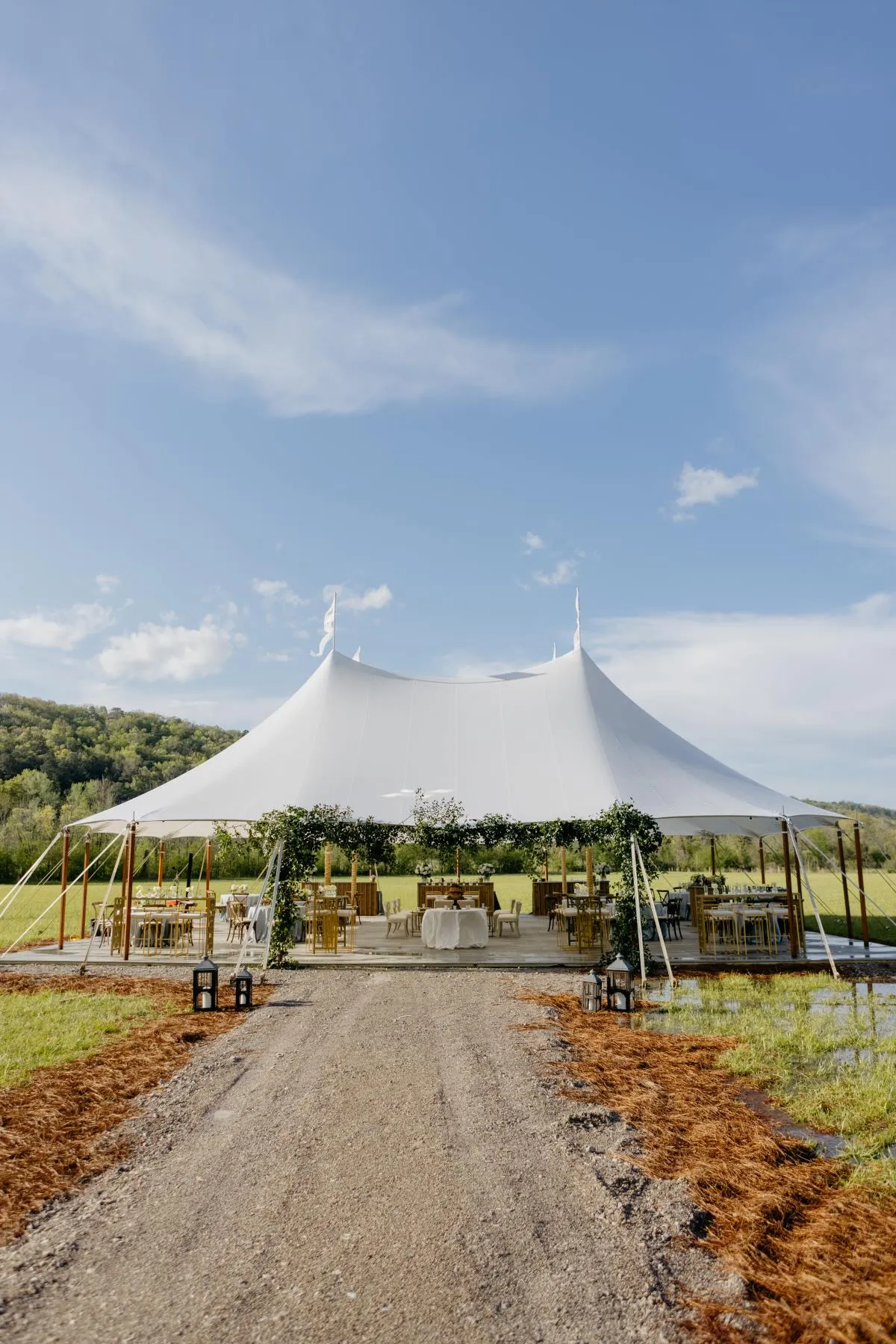
Sensory immersion, wellness-first programming, hyper-personalized hybrid experiences, and destination-centered storytelling drive luxury outdoor events in 2026. Guests expect multi-sensory moments and effortless comfort, while planners need flexible, tech-ready infrastructure that protects design intent in open-air environments. Each trend influences site selection, tent type, power and climate planning, and AV rigging—so evaluating technical requirements early is essential.
Key luxury outdoor event trends for 2026 include:
- Immersive Experiences: Projection, spatial audio, and multi-sensory dining deepen engagement and require clear spans, precise rigging, and projection-friendly surfaces.
- Wellness Integration: Microclimates, enhanced air quality, and quiet zones prioritize guest comfort and extend the quality of the experience.
- Hybrid & Personalization: AR, app-driven touchpoints, and broadcast-quality streaming create tailored interactions for both on-site and remote audiences.
- Destination & Experiential Tourism: Site-specific narratives, scenic locations, and culturally rooted design elements create memorable, travel-worthy experiences.
These trends push planners toward infrastructure that supports high technical complexity without compromising aesthetics—making engineered tents and comprehensive services a practical necessity. Skyline Tent Company provides the structural and operational foundation that allows these trends to be executed beautifully and reliably.
How Are Immersive Experiences Transforming Outdoor Events?
Immersive outdoor programs use projection mapping, spatial audio, and multi-sensory design to transform natural environments into theatrical, story-driven settings. Achieving this level of cohesion requires precise rigging, projection-ready surfaces, and acoustic planning that manages sightlines and sound in open air—meeting the elevated expectations of luxury audiences.
A common example is a projection-driven dinner beneath a translucent sailcloth or engineered clear-span roof, paired with zoned spatial audio that keeps sound localized at each table and maintains intimacy within a large footprint. To deliver these experiences, planners must:
- Choose structures with certified suspension points for projectors, lighting, and audio.
- Specify flooring and finishes that enhance projection contrast and clarity.
- Coordinate power and climate control to protect equipment and maintain guest comfort.
These requirements demonstrate why immersive programming depends on engineered structures and integrated technical planning from the earliest stages of design.
How Is Technology Enhancing Luxury Outdoor Event Design in 2026?
Technology is reshaping luxury outdoor events by enabling immersive visuals, bespoke interactions, and reliable hybrid experiences—each dependent on thoughtful infrastructure and power planning. Projection mapping, AR personalization, spatial audio, and professional streaming all require clear spans, engineered rigging points, and stable power and climate control to protect equipment and maintain guest comfort.
Technology elevates outdoor events in several key ways:
- Projection Mapping: Creates dynamic storytelling surfaces and requires flat or tensile projection planes along with blackout strategies.
- AR Personalization: Delivers guest-specific interactions through apps and depends on robust network coverage and distributed power.
- Spatial Audio: Preserves conversation-level intimacy across large footprints and needs acoustic planning plus multiple rigging points.
- Hybrid Streaming: Extends reach with broadcast-quality feeds and relies on redundant power and climate-protected AV enclosures.
These use cases reveal recurring infrastructure requirements for tech-forward events and highlight the importance of structures engineered for rigging and load-bearing. The table below links common technology integrations to the tent and site specifications planners should call out in their briefs.
This matrix clarifies how each tech capability maps to tangible requirements that must be included in design documents and contracts. When immersive technology is part of the program, engineered support and environmental controls are non-negotiable.
What Role Do Engineered Structures Play in Immersive Event Technology?
Engineered structures provide predictable load capacity, certified anchoring, and wide clear spans—the backbone of safe, repeatable immersive builds. Their engineered frames validate suspension points for trusses, projection arrays, lighting, and audio, eliminating improvised solutions and reducing safety risk while simplifying coordination with AV teams.
In practice, an engineered frame allows:
- Seamless suspension of LED walls, projector rigs, and audio trusses
- Integrated cable pathways that keep runs concealed and safe
- Secure interfaces with custom flooring and stages
Planners should request engineering documentation and load tables early in the production process so creative concepts align with structural reality from the start.
How Are Hybrid and Personalized Technologies Shaping Outdoor Experiences?
Hybrid and personalization technologies create connected experiences for both on-site and remote guests—blending app-driven content, RFID triggers, and live streams to extend engagement beyond the physical footprint. These systems demand resilient network design, backup power, and weather-protected AV stations to avoid downtime, especially for luxury audiences with high expectations.
Analytics from personalization platforms also help teams track engagement and adjust programming, pacing, and service in real time. To integrate hybrid and personalized elements smoothly, planners should:
- Map power and network nodes to specific experience zones
- Test failover systems and backup paths before showtime
- Coordinate climate control and weather protection around AV gear for long broadcast windows
Handled correctly, these technologies enhance the sense of exclusivity and connection while remaining invisible to guests—supporting a seamless, high-end outdoor experience.
How Is Wellness Influencing Experiential Elements in Luxury Outdoor Events?
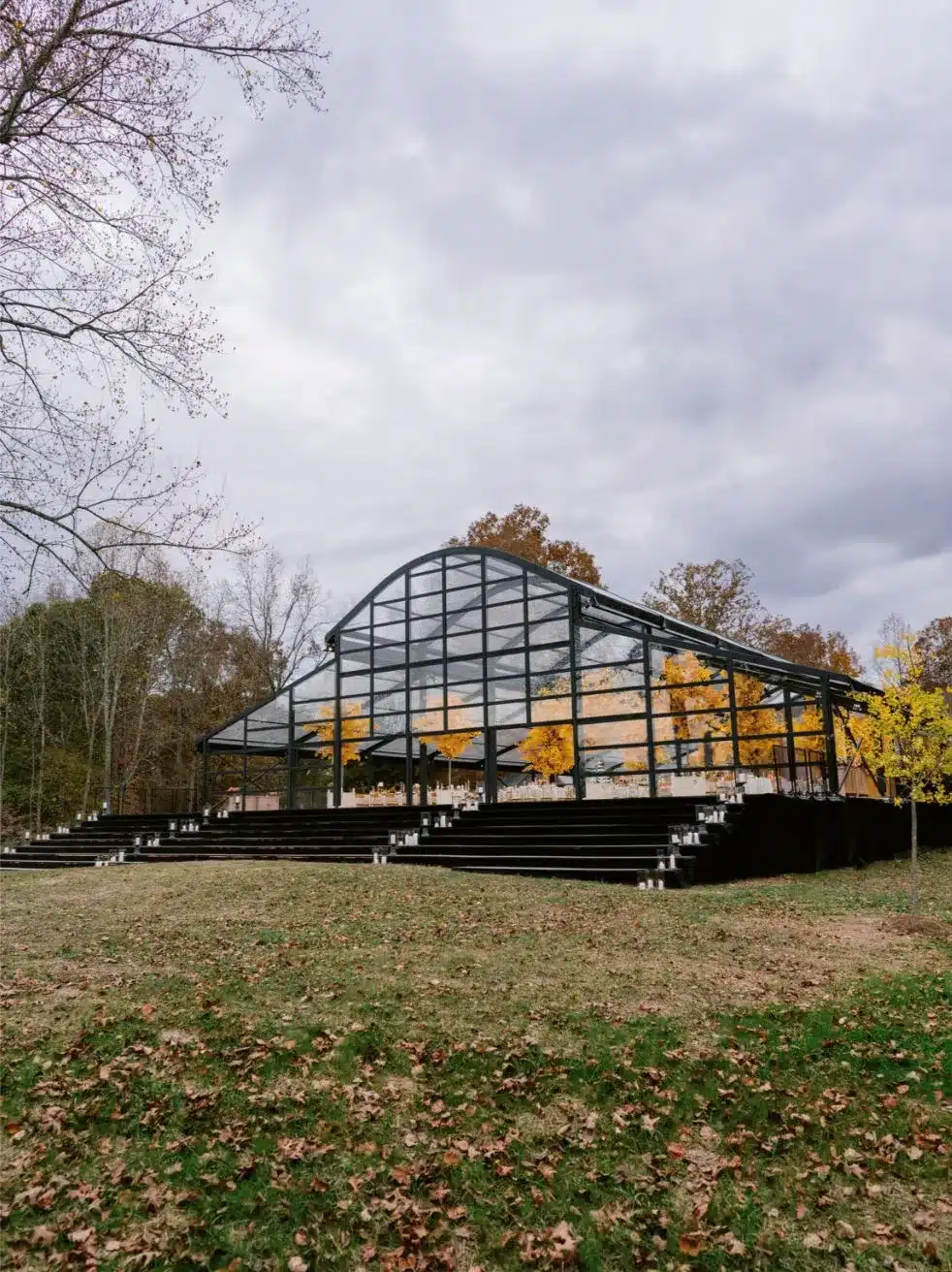
Wellness is reshaping luxury outdoor events by elevating air quality, thermal comfort, and sensory design—turning gatherings into restorative experiences as well as social occasions. Features like biophilic design, quiet or recovery zones, enhanced ventilation and filtration, and programming that respects natural rhythms all play a role in how guests feel.
These elements require intentional infrastructure decisions—acoustic treatments, HVAC zoning, daylighting strategies, and material selection—that should be built into tent and site plans from the start.
Common wellness features in luxury outdoor infrastructure include:
- Air Quality Measures: Filtration and ventilation strategies that reduce particulates and improve perceived comfort.
- Biophilic Elements: Natural materials, greenery, and planted zones that promote calm and connection to the setting.
- Quiet / Recovery Zones: Thoughtful spatial planning and acoustic separation that let guests step away, reset, and recharge.
Together, these components increase dwell time and satisfaction by offering restorative breaks during busy programs, and they directly influence tent layout, HVAC zoning, and circulation.
What Wellness Features Are Integrated into Outdoor Event Infrastructure?
Infrastructure-led wellness focuses on controllable microclimates, filtration, and material choices that minimize sensory fatigue and support guest wellbeing. High-efficiency HVAC and filtered air exchange maintain comfortable temperature and air quality, while daylighting strategies and biophilic zones reduce stress and elevate mood.
Acoustic treatments and zoning prevent noise bleed between energetic program areas and calm lounges, enhancing both comfort and perceived exclusivity. Delivering this level of refinement requires close collaboration between designers, tent engineers, and climate-control specialists to create cohesive micro-environments that perform in different seasons and conditions.
How Can Bespoke Tent Solutions Enhance Wellness and Comfort?
Bespoke tent solutions enhance wellness through features such as increased ventilation, daylighting via translucent sailcloth, integrated acoustic linings, and flexible thermal zoning, which keep guests comfortable as conditions shift. Material selection—soft finishes, natural fibers, and low-emitting surfaces—supports sensory comfort while aligning with an upscale aesthetic.
Custom layouts enable the choreography of circulation, the separation of quiet zones from high-energy spaces, and the framing of key views. Engineered structures can conceal HVAC, filtration, and cabling within the architecture, making the space feel clean and uncluttered. The result is an environment that feels both luxurious and restorative, encouraging guests to stay longer, engage more deeply, and remember the experience for all the right reasons.
How Can Event Planners Leverage Bespoke Tent Solutions for 2026 Luxury Events?
Planners should weigh site constraints, guest-experience goals, and technical requirements before choosing bespoke tent systems so design intent aligns with engineering realities. Start with a site assessment—ground conditions, local weather patterns, and truck/access routes—then map program zones to tent types, flooring, and climate control.
A typical decision flow looks like this:
- Assess Site Conditions: Review topography, access, and weather exposure to inform foundations, anchoring, and flooring selections.
- Define Experience Zones: Map ceremony, dining, lounge, and back-of-house footprints and assign HVAC zones and circulation paths.
- Specify Technical Loads: Match AV, lighting, and rigging needs to engineered structure load capacities and clear-span requirements.
- Choose Materials & Finishes: Balance fabric aesthetics, protective flooring, acoustic treatments, and glass or solid wall options.
- Confirm Logistics & Services: Schedule power generation, climate control, and project management around realistic installation windows.
This checklist supports a systematic procurement and design process, tightening alignment between creative teams and infrastructure partners. The comparison below highlights how Skyline’s Sailcloth, Century, and Engineered Structures differ in look, technical capacity, and best use.
Choosing the right tent type affects aesthetics, technical headroom, and site preparation. For planners targeting scalable, custom deployments, early vendor selection and clear service alignment are essential.
What Are the Advantages of Sailcloth and Century Tents for Luxury Events?
Sailcloth Tents
Sailcloth tents deliver luminous ceilings and sweeping profiles that create warm daytime settings and a soft, romantic glow when uplit—ideal for weddings and receptions where atmosphere is a primary driver. They shine in scenic locations and pair beautifully with layered lighting, florals, and natural materials. Sailcloth requires precise tensioning and thoughtful site prep to preserve its signature look.
Century Tents
Century tents offer modularity and a classic peaked profile that works well for segmented dining, cocktail areas, and ballroom-style programs. Flexible sidewall, entry, and flooring options make them a strong choice for formal events that still need adaptability. Century tents strike a balance between layout flexibility, weather performance, and a timeless aesthetic.
Where heavy AV loads, large LED walls, or complex projection are central to the concept, Engineered Structures often become the better fit. Sailcloth and Century tents excel when tactile fabrics, daylighting, and visual warmth define the guest experience.
How Does Skyline Tent Company Support Scalable and Customizable Event Designs?
Skyline Tent Company supports scalable, customizable event designs through a focused service portfolio that aligns inventory with both technical and aesthetic goals. We provide:
- Sailcloth Tents, Century Tents, and Engineered Structures
- Power generation and distribution
- Climate control and air management
- Custom flooring, elevated platforms, and glass wall systems
- Project management and event consulting
Our consultative project management process sequences site assessment, engineering review, and deployment logistics to reduce risk and keep design intent intact. Project teams coordinate technical load plans, rigging charts, and installation schedules so AV, décor, and operations work together instead of competing for space.
For planners looking to bring 2026’s luxury event trends to life, Skyline acts as an infrastructure partner—matching the scale and ambition of the program with the right structures, services, and support.
Frequently Asked Questions
What are the key considerations for selecting a site for luxury outdoor events?
When choosing a site, consider accessibility, topography, and local weather patterns. Verify ground conditions for structural stability and equipment staging, and confirm access for trucks and load-in. Check utilities—power, water, and telecom—and proximity to guest accommodations. Finally, evaluate the site’s visual character and how well it supports the event’s story. A thorough site assessment keeps the creative brief aligned with what’s feasible on the ground.
How can planners ensure guest comfort during outdoor events?
Delivering comfort means prioritizing climate control, seating design, and wellness-focused amenities. Use efficient HVAC systems and zoned conditioning, plan seating to support social flow, and create quiet or recovery zones. Add air filtration, shaded areas, hydration stations, and clearly signed amenities. These details make outdoor environments feel intentional and luxurious, raising overall guest satisfaction.
What role does local sourcing play in luxury outdoor events?
Local sourcing supports regional partners and sharpens a site-specific narrative. Featuring local food, materials, and artisans creates unique experiences that resonate with guests and enhance authenticity. Highlighting these partnerships in your storytelling deepens the connection between the event, the place, and the people hosting it.
How can technology be integrated into luxury outdoor events?
Integrate technology through AR touchpoints, projection mapping, spatial audio, and high-quality live streaming. Start with a robust network and redundant power, map tech nodes to experience zones, and protect AV gear with climate control and weatherproofing. Done thoughtfully, technology heightens engagement and drama without overwhelming the guest experience.
What are the benefits of using engineered structures for outdoor events?
Engineered structures offer verified safety, stability, and design flexibility. Their certified load ratings support heavy AV and immersive installs, wide clear spans preserve sightlines, and they can be tailored to fit the event’s aesthetic. This reliability lets planners focus on program and production instead of improvising structural solutions.
How can planners measure the success of luxury outdoor events?
Measure success using both qualitative and quantitative metrics: guest satisfaction surveys, engagement data from interactive elements, social media reach, and attendance trends. Financial indicators—ROI, revenue per guest, or cost per guest—also matter. Together, these insights help evaluate programming, logistics, and overall experience.
What are the emerging trends in luxury outdoor event planning for 2026?
Key trends include wellness integration, immersive experiences, and tech-enabled personalization. Planners are investing in durable, reusable infrastructure, refined air quality and microclimate strategies, and multisensory programming such as AR and projection mapping. These shifts signal a move toward more intentional, guest-centered design in outdoor environments.
Conclusion
Luxury outdoor events in 2026 succeed when immersive design, wellness, and technology work together, supported by engineered structures and carefully planned infrastructure. Planners who pair creative ambition with reliable tents, power, climate control, and flooring create seamless, memorable moments that prioritize both comfort and style. Use the guidance here to align technical decisions with your design goals, and reach out for a consultation to explore tailored solutions that elevate your next luxury outdoor event.
