
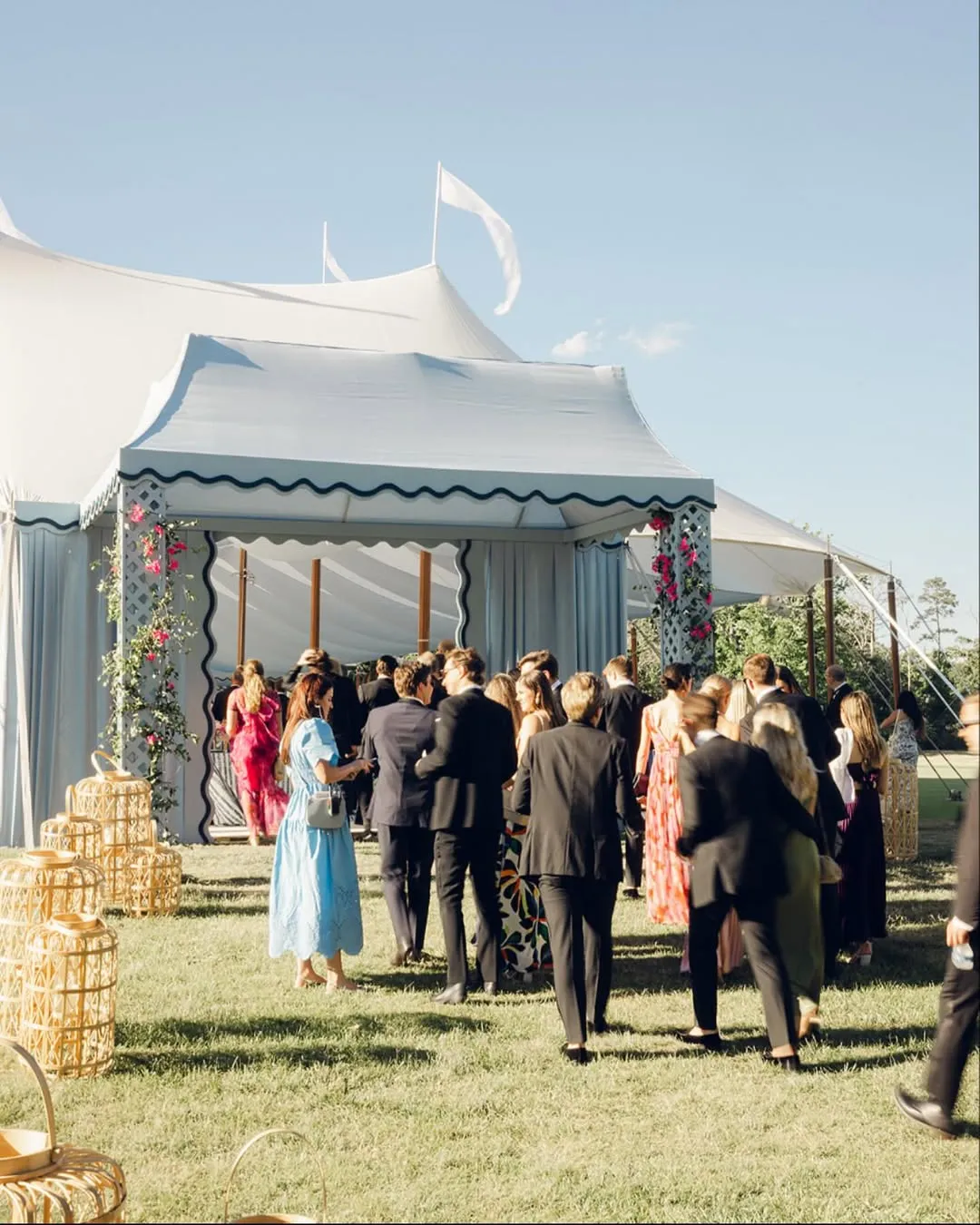
Staging a winter event under a luxury tent takes careful timing, technical planning, and an eye for how cold weather changes every logistics decision. This guide explains when to reserve a luxury tent for winter and why a 6–12 month booking window is usually the safest choice. We cover availability, fabrication lead times, climate-control needs, and interior custom work. You’ll see how tent type, heating strategy, flooring choices, and permitting timelines interact to create a realistic schedule, plus practical checklists tied to milestone dates. The guide also identifies which tent systems handle snow and wind best, walks through a simple BTU sizing example for heaters and generators, explains when to order custom floors and glass walls, and lays out a step-by-step booking timeline to avoid last-minute compromises. We use planning terms like engineered-structure tents, insulated sidewalls, indirect-fired heaters, and snow-load capacity so event producers can move straight into technical next steps.
Why Early Booking Matters for Luxury Winter Tent Rentals
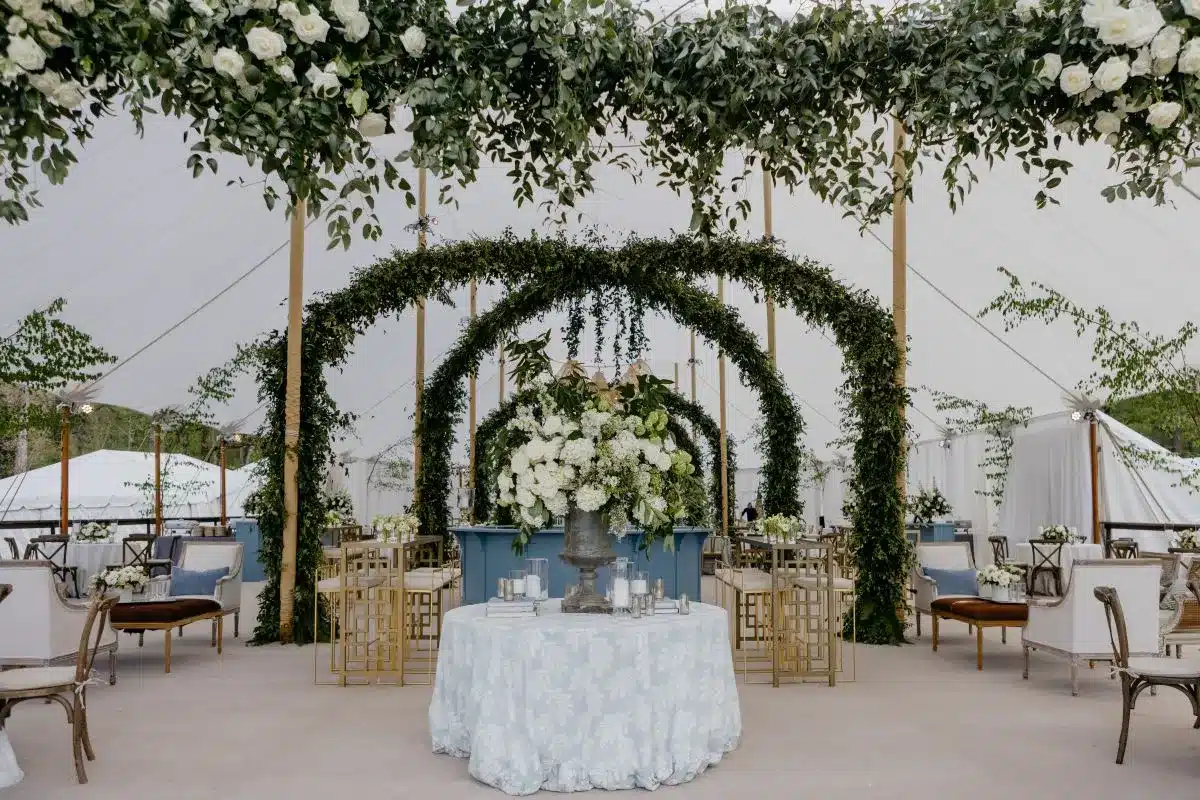
Early booking is crucial for securing the specialized structures, climate control, and custom finishes essential for a safe and memorable winter event. It allows vendors to lock in specific tent systems and order long lead-time components like sidewalls, liners, heaters, flooring, and glass walls. This proactive approach also ensures predictable scheduling for installation crews, prioritizes critical equipment like generators and heaters, and provides time for permits and site work, avoiding rush fees, seasonal price spikes, and equipment shortages during peak winter periods.
How Booking 6–12 Months Ahead Secures Tent Availability
Reserving within a 6–12 month window gives vendors time to hold specific engineered structures or sailcloth models and to order custom components that require manufacturing lead time. Vendors allocate scarce installation crews and earmark generator and heater inventory weeks to months in advance; a confirmed booking triggers those allocations. That lead time also lets planners finalize permits and site surveys — often prerequisites for ordering engineered elements or elevated platforms.
For example, a holiday-weekend wedding booked only eight weeks out may find engineered-structure tents already committed, forcing a move to smaller frame tents or scaled-back interiors. By contrast, a 9–10 month booking secures your preferred tent type and contractor availability while still allowing design iterations. Understanding this process helps planners prioritize early deposits and milestone confirmations to hold inventory and crews for critical winter dates.
What Changes the Ideal Booking Timeline for Winter Events?
The baseline 6–12 month lead time shifts based on event size, structural requirements, customization level, venue access, permit complexity, and regional weather volatility. Large-capacity events that need engineered-structure tents or elevated platforms should target the 9–12 month end of the window because snow-load certifications, anchor plans, and structural calculations take extra review time. Smaller gatherings with standard frame tents can often work on a 6-month timeline if heating and flooring needs are straightforward.
Use this quick checklist to weigh your timeline:
- If your guest count exceeds 150 or you require snow-rated engineered structures, add 3–6 months.
- If you plan custom flooring, glass walls, or elevated platforms, add 2–4 months.
- If permitting or site logistics are complex (public spaces or municipal approvals), add 3–6 months.
Which Luxury Tent Types Work Best for Winter Events?
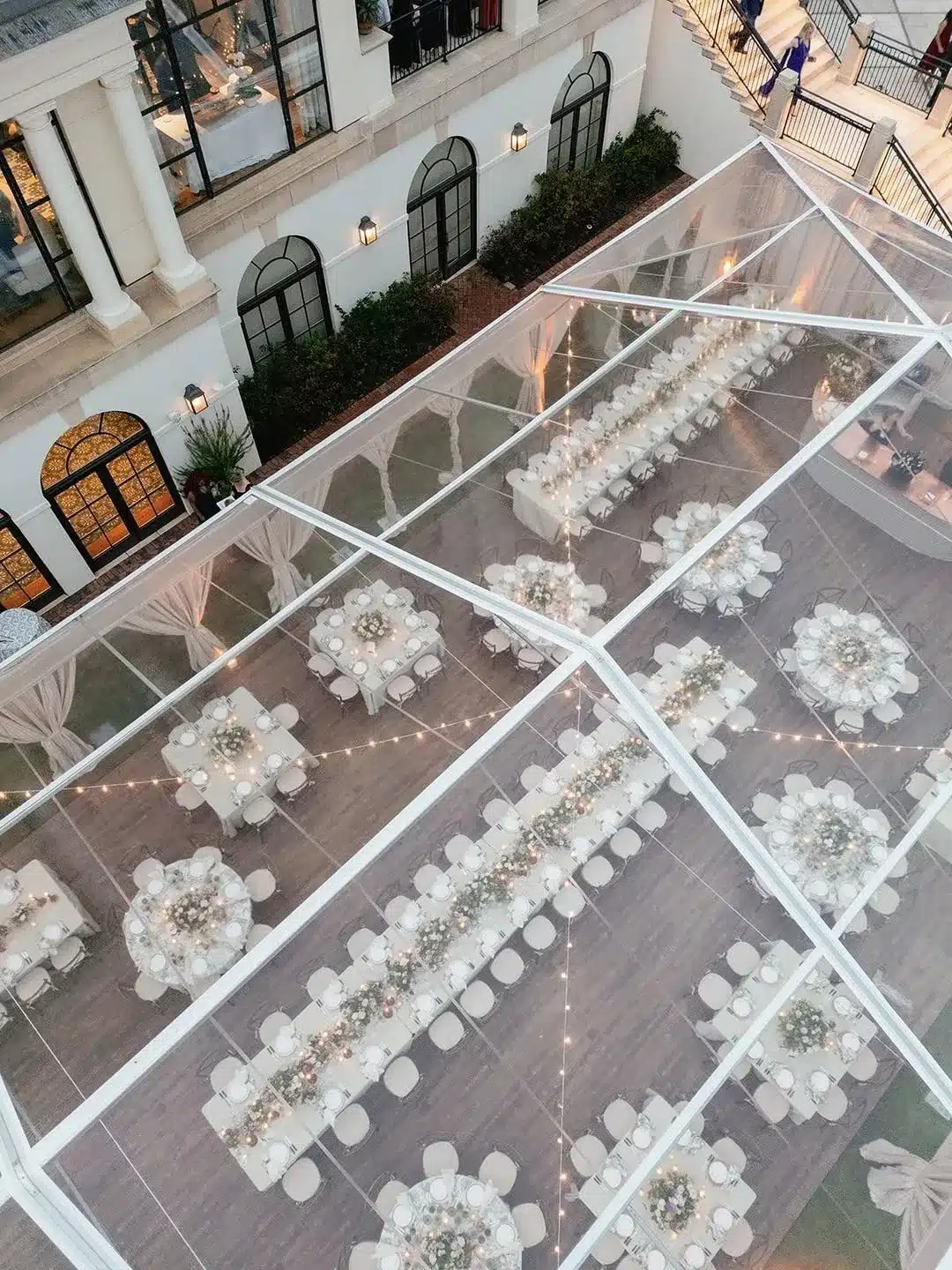
Choosing the right tent for winter is about balancing load capacity, wind resistance, weather-tightness, and the look you want. Engineered-structure tents provide rated snow-load capacity and reinforced anchoring for extreme conditions. Sailcloth tents bring a warm, sculptural ceiling and can perform well with liners. Frame tents offer flexible footprints and faster installs for milder winter conditions. Locking in tent type early affects permit requirements, heater compatibility, and interior customization timelines.
Before we dive deeper, here’s a practical comparison of common tent types, their winter attributes, and typical lead times.
The table below compares primary tent types for winter suitability:
That comparison shows how structural capability ties directly to booking windows and installation complexity.
Engineered-structure tents are the right choice when safety margins for snow and occupancy are non-negotiable. These systems use reinforced aluminum or steel frames, rated connectors, and specified anchoring so they can carry a manufactured snow-load rating and may require engineering sign-off. Selecting engineered structures early gives engineers time to prepare site-specific anchor plans and helps secure the crew windows needed for a larger installation.
How Engineered-Structure Tents Handle Snow and Wind
Engineered-structure tents resist heavy snow and wind through reinforced primary members, rated connection hardware, and defined load paths that transfer forces to anchors or foundation points. Structural redundancy — larger-diameter columns, triangulated bracing, and connection plates — spreads loads so the tent behaves predictably under snow weight and wind uplift. That reduces point loads that might deform membranes or compromise sidewalls, improving occupant safety.
When significant snow is possible, specify a tent with a manufactured snow-load rating and a documented anchoring strategy. Early selection of engineered systems allows time for structural review and any required site work — both essential to timelines and budgets for winter events.
Benefits of Sailcloth and Frame Tents in Cold Weather
Sailcloth and frame tents offer aesthetic and installation advantages that suit many winter events, though they need thoughtful retrofits for cold climates. Sailcloth tents create a warm, inviting glow and sculptural ceiling lines that elevate lighting and décor. Frame tents provide modularity for irregular sites and faster assembly, which can reduce crew exposure to winter elements. Both perform best with insulated liners, high sidewalls, and properly sited heaters to maintain comfort.
To improve winter performance, pair sailcloth or frame tents with insulated sidewalls and liner systems to reduce convective loss, and size your heating strategy to the tent footprint. Early decisions about liners and sidewalls matter because they affect heating-load calculations and lead times for custom finishes.
How Climate Control and Heating Shape Winter Tent Planning
Climate control and heating drive many booking decisions because heater type, fuel logistics, and generator sizing determine installation sequencing and resource reservations. Heating systems influence tent selection (for example, indirect-fired heaters require venting and clearance), affect power needs, and can add lead time if specific equipment or permits are required. Thoughtful HVAC planning prevents costly last-minute upgrades and keeps guests comfortable.
Below is a straightforward comparison to help orient heater choices against the considerations planners must weigh.
This comparison helps planners weigh BTU capacity, fuel type, and installation constraints when selecting heating for luxury winter tents.
Bringing climate-control choices into the booking timeline prevents surprises with power and generator procurement. For example, indirect-fired heating often needs pass-throughs and exhaust routing that must be coordinated with sidewalls and liners; those coordination tasks are far easier when you’ve booked with ample lead time.
Heating Options for Luxury Winter Event Tents
Luxury tents are commonly heated with indirect-fired units, propane forced-air heaters, or electric radiant systems — each with trade-offs that affect booking and logistics. Indirect-fired heaters deliver high, safe BTU output by exhausting combustion products outside the tent, making them ideal for large enclosed structures but requiring venting plans. Propane forced-air heaters warm quickly and are portable but demand careful fuel staging and ventilation. Electric radiant heaters provide quiet, combustion-free warmth and work well for interiors where combustion is undesirable, though they require substantial electrical supply or generator capacity.
As a rule of thumb for planning: for an insulated tent, estimate 25–35 BTU per square foot. Using 30 BTU/ft² for a 2,000 ft² tent gives an estimated requirement of about 60,000 BTU (2,000 × 30 = 60,000). Treat this as a starting point — final sizing should account for sidewall insulation, occupancy heat gains, and local temperature extremes.
How Climate Control Affects Guest Comfort and Tent Choice
Climate control influences guest comfort through its interaction with insulation, sidewalls, flooring, and layout. Effective heating eliminates cold spots, reduces condensation, and affects furniture placement and acoustics. A high-output heater with poor circulation can create hot pockets while leaving edges cold; radiant systems improve perceived warmth at seating level but may not uniformly heat the entire air volume. Insulated liners and elevated flooring reduce conductive heat loss and lower overall BTU requirements, improving both comfort and efficiency.
Designing for comfort means coordinating HVAC planning with tent layout decisions. Locking in a heating strategy early clarifies generator sizing, tent selection, and flooring choices so vendors can reserve equipment and plan heater routing into sidewall and glass-wall layouts.
When to Plan Flooring and Interior Customization for Winter Events
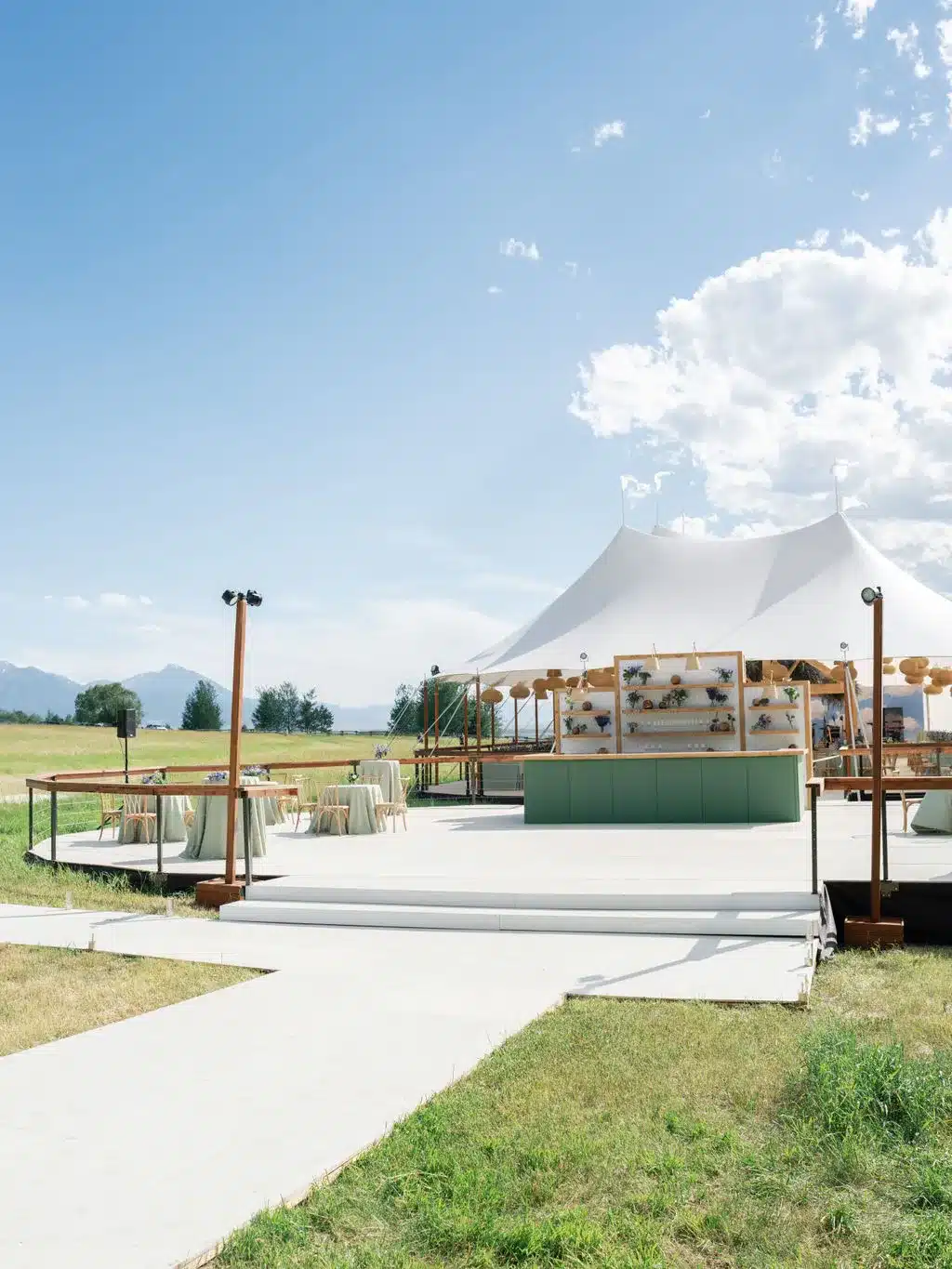
Flooring and interior customization strongly influence guest comfort and the perceived luxury of a winter tent, and their lead times shape procurement and installation sequencing. Custom flooring, elevated platforms, glass walls, and bespoke lighting often require specialized fabrication and crews, so planning these elements alongside tent and heating choices prevents scheduling conflicts. Flooring also impacts thermal performance and can meaningfully reduce heating needs.
The table below compares common interior upgrades for winter tents and practical considerations.
This matrix clarifies trade-offs between aesthetics, thermal performance, and procurement timelines for interior elements.
Why Custom Flooring Matters for Cold-Weather Tent Rentals
Custom flooring keeps guests off cold, wet ground, improves traction and appearance, and becomes part of the thermal envelope that reduces heating loads. Floors with higher R-values or integrated insulation limit conductive heat loss to the ground, cutting heater size and runtime. On frozen or snowy sites, elevated platforms also help drainage and protect finishes from moisture damage.
Because custom flooring often needs fabrication and on-site fitment, align ordering and installation windows with tent delivery and HVAC staging. Early flooring decisions enable coordinated sequencing: platform crews can set substructures before heavy equipment arrives, and final flooring can follow liner and sidewall placement to minimize rework.
How Glass Walls and Décor Improve Winter Tent Ambiance
Glass walls and thoughtful décor instantly elevate a winter tent’s luxury feel by preserving outdoor sight-lines while blocking wind and moisture. They require careful integration with heating and layout, however: unmitigated glass can create thermal bridging unless paired with liners or strategic heater placement. From a design perspective, glass walls frame winter landscapes and let natural light support interior lighting schemes, enhancing guest experience.
Coordinate glazing fabrication, tent framing, and heater routing early — glass walls usually sit on a longer procurement timeline and can change anchor and platform requirements, so include them in initial planning.
The Complete Booking Timeline and Checklist for Winter Events
A time-anchored checklist converts the recommended booking window into clear milestones from inquiry through teardown. The timeline below maps primary actions into a six-point schedule so teams can assign responsibility and avoid compressing critical tasks. Following a structured timeline lowers the risk of equipment shortages, permit delays, and cost overruns.
Use this milestone checklist to organize your winter-event planning:
- 12 months out: Confirm event date, secure tent-type reservation and deposit, and begin conceptual design.
- 9 months out: Finalize engineered drawings if required, order custom flooring and glass walls, and start HVAC and generator planning.
- 6 months out: Obtain permits, confirm site survey/anchor plan, and lock vendor schedules and heating allocations.
- 3 months out: Order linens and décor, finalize power and fuel logistics, and schedule installation windows.
- 1 month out: Conduct final walkthrough, confirm crew arrival times, and complete safety plans and emergency procedures.
- Week of event: Execute installation, perform system tests (heating, power), and complete a pre-event inspection.
Key Milestones When Booking a Luxury Winter Tent
Key milestones include site survey and anchor-plan sign-off, tent reservation with deposit, engineering approvals for snow-load-rated structures, ordering climate-control and flooring systems, and final walkthroughs for deployment sequencing. Each milestone has a typical deadline (see the numbered checklist) and a primary owner: the client usually confirms design and deposit, the tent provider handles structural drawings and equipment reservations, and subcontractors deliver flooring and HVAC components. Clear assignment of responsibilities shortens decision loops and prevents schedule slippage.
Defining milestone ownership also helps vendors plan seasonal staffing so experienced crews are assigned to confirmed projects — improving installation quality and schedule reliability.
Common Questions About Booking Luxury Tents for Winter Events
Short, practical answers help planners move quickly and capture common search queries. The FAQs below address typical concerns about lead time, snow resistance, and heating logistics and point readers to deeper sections in this guide for implementation details. Use them to validate planning assumptions or to prompt further consultation when engineering or customization is required.
How Far in Advance Should I Book a Heated Event Tent?
For most luxury winter events, book a heated tent 6–12 months in advance to secure preferred tent types, heating equipment, and custom interiors. If you require engineered-structure certification, elevated platforms, or large custom glazing, aim for the 9–12 month range to allow time for engineering, permitting, and fabrication. Shorter timelines may work for small events with standard frame tents, but they increase cost and availability risk.
Final heating allocation also depends on generator capacity and fuel logistics, so confirm HVAC plans early to ensure both equipment and crew availability.
Can Luxury Tents Withstand Heavy Snow and Cold Weather?
Yes — when you specify engineered-structure tents with certified snow-load ratings, install them with proper anchoring, and include monitoring plans, luxury tents can withstand heavy snow and cold. Engineered systems are designed with load paths and bracing that account for snow accumulation and wind uplift. Sailcloth or frame tents may require additional measures, liners, or proactive snow removal. Safety depends on selecting the correct tent type for the site, verifying anchoring, and maintaining a snow-monitoring plan during storms.
When heavy snow is expected, include monitoring and contingency removal plans in the contract to protect guests and structures.
- Early planning and technical coordination prevent last-minute compromises.
- Selecting appropriately rated structures and integrating HVAC/flooring reduces risks and improves guest comfort.
- Consultative project management simplifies sequencing across tent, heating, and interior vendors.
This guide gives planners a practical timeline and technical checklist. For direct support on complex winter installations, Skyline Tent Company provides project management, engineered-structure options, climate-control solutions, custom flooring, elevated platforms, glass walls, and event consulting to align procurement and installation timelines with safety and luxury objectives.
Frequently Asked Questions
What Should I Consider When Choosing a Tent Type for My Winter Event?
Consider snow-load capacity, wind resistance, and the aesthetic you want. Engineered-structure tents are best for heavy snow and high winds thanks to reinforced frames and certified connections. Sailcloth tents create a warm, sculptural interior but have moderate load capabilities. Frame tents are flexible and install quickly but may not suit extreme conditions. Match tent type to guest count, site conditions, and safety requirements to make the right choice.
How Can I Ensure My Tent Is Properly Insulated for Winter Conditions?
Use insulated liners and sidewalls to retain heat and cut drafts. An elevated floor creates a thermal break from cold ground and improves comfort. Choosing the right heating system matters too — indirect-fired heaters are efficient and safe for large spaces. Plan these elements early since they must be coordinated with tent installation and they affect heating-load calculations.
What Are the Risks of Last-Minute Tent Bookings for Winter Events?
Last-minute bookings can mean limited availability of preferred tents, higher seasonal pricing, and compromises on safety and comfort. Vendors may lack time to secure permits or coordinate heating and flooring, leading to inadequate climate control. Rushed decisions increase the chance of errors and a poor guest experience.
How Do I Manage Heating Logistics for My Winter Event Tent?
Manage heating by selecting a system sized to tent area and insulation levels. Consider BTU output, fuel type, and generator capacity. Indirect-fired heaters work well for large tents; electric radiant units suit smaller, well-insulated spaces. Align your heating plan with the tent layout and include proper venting and exhaust management. Start HVAC coordination early to secure equipment and avoid last-minute complications.
What Are the Benefits of Using Elevated Flooring in Winter Tents?
Elevated flooring improves insulation from cold ground, aids drainage, and raises guest comfort. It creates a thermal break that reduces heat loss, allowing for more efficient heating. Elevated platforms protect finishes from moisture and accommodate a variety of layouts. Plan for elevated flooring early — fabrication and installation can take several weeks.
How Can I Enhance the Aesthetic Appeal of My Winter Tent?
Enhance aesthetics with thoughtful décor, layered lighting, and glass walls. Draping, custom fixtures, and quality furnishings create a warm, inviting atmosphere. Glass walls offer striking winter views and bring daylight into the space. Plan these design elements early since they may require custom fabrication and longer lead times.
What Should I Include in My Winter Event Tent Planning Checklist?
Your checklist should include confirming the event date, securing tent reservations, finalizing heating and flooring plans, obtaining permits, and scheduling installation. Also include timelines for custom elements like glass walls and elevated platforms. Review and update the checklist regularly to keep tasks on track and avoid last-minute issues.
Conclusion
Booking a luxury tent for a winter event well in advance gives you the best combination of structure, climate control, and custom finishes for a safe, memorable experience. Understanding the key timelines and decision points helps planners avoid last-minute compromises and improve guest comfort. Ready to move forward? Explore our expert winter-event services — we’ll help you turn your vision into a secure, beautifully executed event.
