
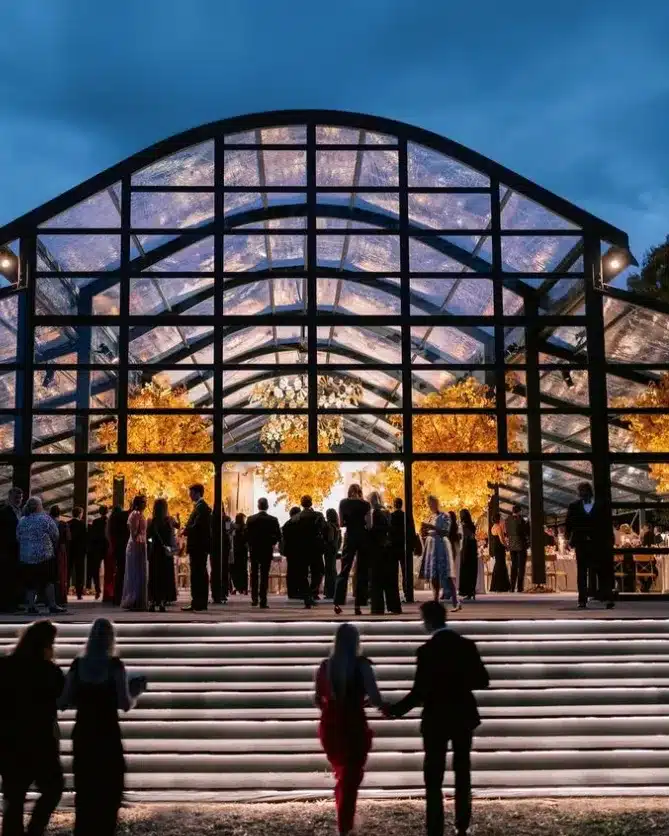
Tent architecture blends design and engineering to turn temporary fabric structures into purposeful, memorable event environments. Planners who approach tents as architecture use form, materials, and integrated systems to direct guest flow, sculpt light and sound, and reinforce brand identity inside a temporary pavilion. Far too often, teams choose between a functional shelter and a considered venue; this guide shows how tents act as architectural elements and how those decisions shape atmosphere, logistics, and outcomes. You’ll find clear explanations of structural strategies—tensile geometry and clear-span systems—material tradeoffs, such as sailcloth translucency versus coated vinyl, and the practical role of integrated elements—flooring, HVAC, glass walls, and power—in making a tent read and perform like a complete venue. Below, we define tent architecture, compare tent types, unpack integrated features, offer design recipes, review pattern-based case studies, and provide a concise selection checklist for planners.
What Makes Tent Architecture More Than Just Shelter?
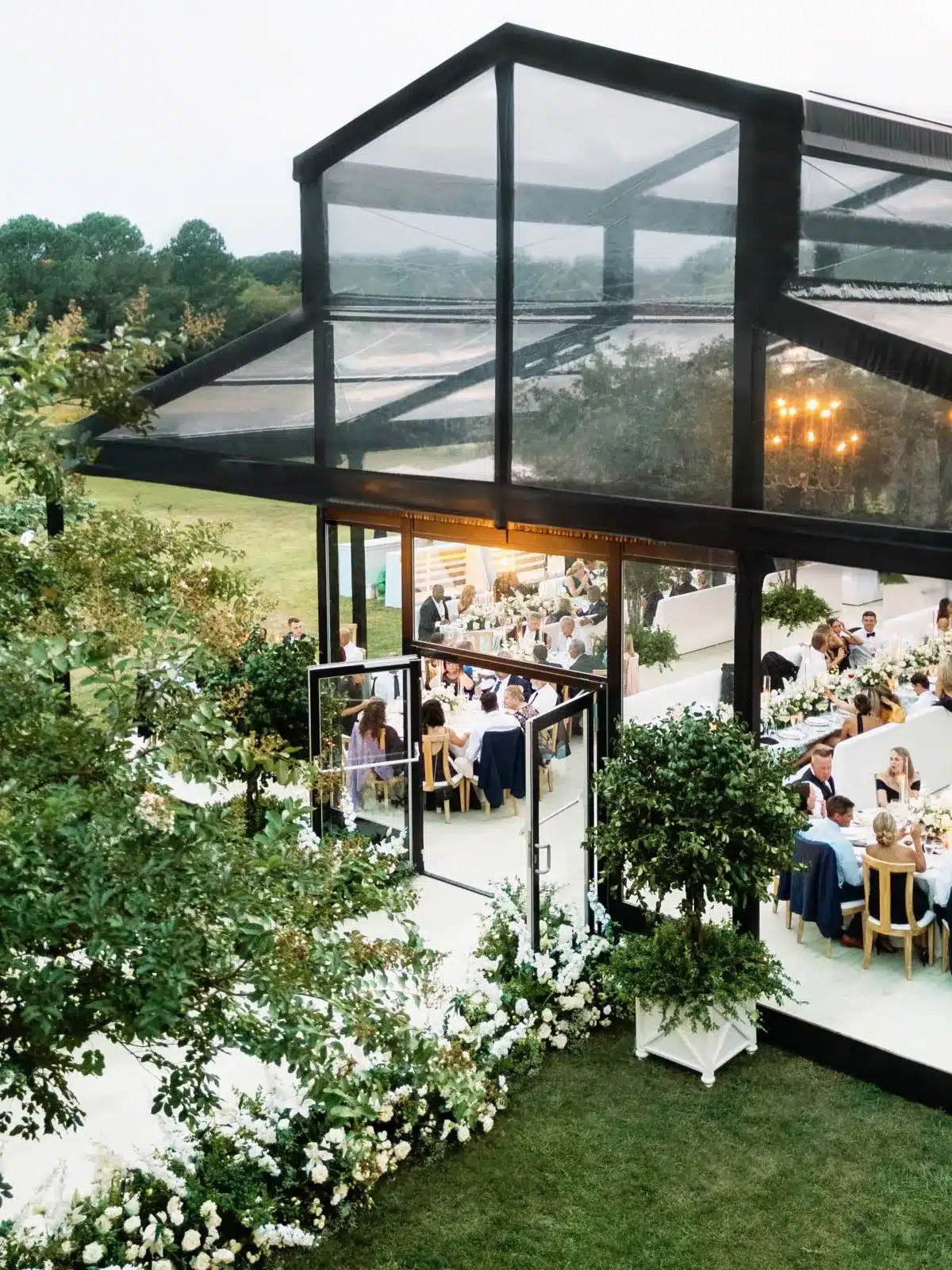
Tent architecture is the deliberate use of shape, material, and engineered systems to create spatial purpose—rather than simply covering a footprint. Through tensile geometry, selective translucency, and structural framing, tents establish interior hierarchies, frame focal points, and moderate environmental conditions much like permanent pavilions. That design-first approach delivers tangible advantages: adaptable volumes, fast on-site response, and clear opportunities to express visual identity through texture, light, and detail. Understanding these principles helps planners pick tents that perform for sightlines, acoustics, and circulation—not just provide cover.
How Do Form and Structure Lift Tent Design Above Mere Shelter?
Form and structure in tent architecture use tensile tactics—masts, catenary curves, and tensioned ridgelines—to shape interior volume and focus attention. Mast placement and roof curvature produce peaks and valleys that highlight a stage, altar, or bar and support programmatic zoning and theatrical moments. Structurally, tensile membranes carry loads in tension rather than compression, enabling lightweight spans and sculptural silhouettes that manage daylight and shadow. Those formal choices also affect acoustics and sightlines: a sweeping sailcloth curve can soften reflections and frame views, supporting both intimate conversations and staged presentations.
Which Materials Shape a Tent’s Architectural Character?
Material choices—sailcloth, coated vinyl, translucent membranes, and metal framing—define a tent’s visual and tactile language as well as its weather performance. Sailcloth gives a textured, translucent surface that filters daylight and reads as warm and classic—ideal for weddings and historic settings. PVC-coated vinyl delivers crisp lines, strong waterproofing, and durability for high-traffic or technically demanding events. Framing—anodized aluminum or finished steel—signals either lightweight elegance or industrial robustness. The right mix depends on desired ambiance, expected wear, and site conditions like wind and UV exposure.
How Do Luxury Event Tents Improve Aesthetics and Guest Experience?
Luxury tents lift an event’s atmosphere by combining intentional form, premium materials, and integrated systems that work together to shape perception and operational performance. Surface treatments and geometry control light and shadow; interior details—drapery, lighting grids, finished flooring—translate structural character into guest-facing cues. Tents are a flexible stage for narrative-driven events where each spatial decision supports brand storytelling, circulation, and memorable moments. Below are the primary ways tents affect aesthetics and experience.
How luxury tents contribute in measurable ways:
- Form-driven drama: Curved ridgelines and mast silhouettes create focal points and visual rhythm.
- Material-driven light: Translucent membranes and sailcloth diffuse daylight for warm, even illumination.
- Integrated systems: HVAC, glass walls, and integrated lighting deliver comfort and technical capacity without sacrificing design.
- Clear-span flexibility: Column-free interiors let planners craft custom layouts, stages, and AV configurations.
These benefits are strongest when tent selection aligns with event goals, as the comparison below illustrates. Different tent typologies support distinct aesthetic and functional aims.
Why Sailcloth Tents Work So Well for Elegant Weddings
Sailcloth tents use a textured, slightly translucent membrane to create an intimate, luminous interior that feels elegant yet relaxed. Signature features—center masts, scalloped edges, optional pennants—provide vertical emphasis and rhythmic repetition that guide sightlines and define ceremony or reception zones. Sailcloth is well suited to moderate conditions and pairs beautifully with wood or raised flooring for a refined underfoot experience. When planners want soft daylight, a tactile ceiling, and an approachable luxury aesthetic, sailcloth is often the natural choice.
How Engineered Structure Tents Meet Modern Technical Needs
Engineered-structure tents are designed as temporary architecture that performs like a permanent venue: clear-span interiors, engineered anchorages, and weather-tight assemblies rated for technical loads. These systems support heavier rigging, integrated HVAC, and the production infrastructure required for large exhibitions, galas, and product launches. Architecturally, engineered tents accept facades like glass walls and modular fenestration to create indoor-outdoor transparency while maintaining climate control. For planners needing uninterrupted sightlines and high technical capacity, engineered tents serve as tensile membrane pavilions closely resembling permanent venues.
Which Integrated Features Turn Tents into Full-Fledged Venues?
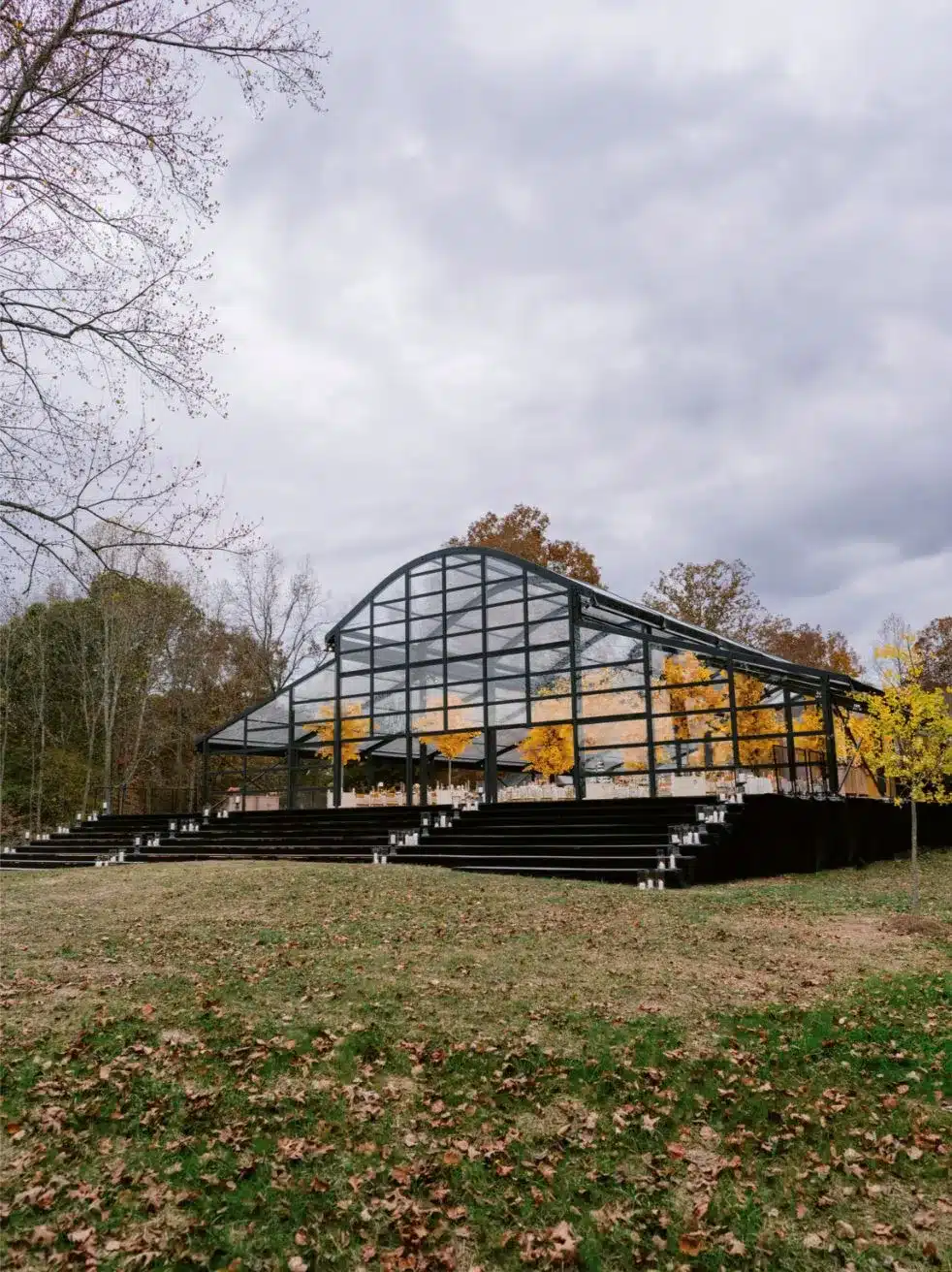
Integrated features let tents behave like permanent venues: custom flooring stabilizes surfaces and refines acoustics, climate control extends seasonal use, glass walls protect from weather while preserving views, and power systems keep production reliable. Each element supports occupant comfort and production capacity. Thoughtful integration reduces on-site complexity by aligning structural attachments, load paths, and service routing during design instead of improvising during install. The list below outlines common integrated systems and their roles.
Common integrated systems and their roles:
- Custom flooring: Defines zones, improves acoustics, and provides a finished underfoot experience.
- Climate control (HVAC): Manages temperature and humidity to keep guests comfortable and protect finishes.
- Glass walls / fenestration: Preserve views, enable indoor-outdoor flow, and bring daylight into sealed enclosures.
- Power generation & lighting: Support AV systems, handle production loads, and enable layered lighting design.
These systems must be specified with structural and installation constraints in mind; the table below compares their functions and typical installation considerations. How integrated systems influence design and logistics.
This comparison underscores how integrated services change guest experience and installation complexity. For turnkey projects, partners who deliver both design and infrastructure streamline coordination and lower risk.
How Do Custom Flooring and Elevated Platforms Change Tent Interiors?
Custom flooring and elevated platforms convert a raw footprint into an organized interior with clear circulation, staging, and zone hierarchy. Options—portable wood panels, subfloors, finished dance floors—accommodate uneven sites, protect the membrane from moisture, and control acoustic reflections. Elevated platforms improve sightlines for ceremonies and performances so audiences engage without blocking circulation. Installations also plan routing for HVAC and electrical conduits beneath floor assemblies so services remain hidden and the interior reads clean and finished.
Why Pair Climate Control and Glass Walls?
Climate control and glass walls balance transparency with comfort, extending usability into shoulder seasons and variable weather. HVAC approaches range from high-capacity direct-air systems to modular heat pumps sized to the tent volume and require attention to insulation, condensation control, and egress. Glass walls introduce thermal and structural loads that must match anchoring systems, but they transform the guest experience by framing views and maintaining indoor-outdoor flow. Operationally, planners should coordinate sealing details and entry vestibules to preserve performance and guest comfort.
How Does Tent Architecture Support Bespoke, Experiential Event Design?
Tent architecture provides a flexible canvas for narrative-driven events where form and finish become storytelling tools. Designers use tent volumes to choreograph arrival, reveal, and pause—moving guests through thresholds, framed vistas, and programmed light. Because tents are temporary, teams can take creative risks: irregular footprints, layered canopies, or mixed-material installations can be realized without permanent changes. This flexibility supports immersive activations, branded environments, and multi-sensory programming that rely on controlled atmospheres and adaptable infrastructure. Design recipes that combine core elements:
- Romantic Garden Wedding: Soft sailcloth canopy, warm uplighting, wooden flooring, and operable glass walls that reveal the landscape.
- High-Tech Product Launch: Engineered clear-span tent, blackout interior, suspended AV rigging, and integrated power generation.
- Festival Lounge: Layered tensile canopies, modular stage platforms, mixed flooring textures, and climate zoning for guest comfort.
How Do Tents Influence the Flow and Atmosphere Between Indoor and Outdoor Spaces?
Tents negotiate the threshold between landscape and interior with operable walls, framed openings, and transitional zones—covered terraces and entry sequences that blur inside and outside. Strategically placed glass walls, removable sidewalls, and staged entries choreograph arrivals and control sightlines toward key views, using the site as a design asset. Internal zoning—intimate lounges at the edge, communal dining in the center—helps manage acoustics and circulation while creating multiple atmospheres under one roof. Accounting for prevailing wind, sun angles, and site features ensures circulation supports both comfort and spectacle.
Why Are Tents Ideal for Luxury Weddings and Corporate Events?
Tent architecture offers the customization, scale flexibility, and aesthetic control luxury weddings and corporate events demand. Planners can specify premium finishes, curated lighting, branded installations, and integrated systems to deliver a consistent guest experience regardless of site constraints. Tents scale from intimate sailcloth gatherings to large galas in engineered clear-span structures, enabling brands to maintain cohesive expression across sizes. When high-end materials and turnkey integration are prioritized, tents become a strategic solution for planners seeking bespoke environments with predictable production outcomes.
How to Choose the Right Architectural Tent for Your Event?
Choosing the right tent combines a site assessment, program mapping, and integration planning so typology, systems, and schedule align with your objectives. Planners should follow a simple process: confirm guest count and circulation needs, evaluate site constraints like grading and anchoring, prioritize aesthetics and materials, then specify required integrated systems. The checklist below provides practical steps to align tent architecture with event goals and manage procurement complexity.
Steps to follow when choosing tent architecture:
- Assess site conditions: Document access, grading, utilities, and wind exposure to determine anchoring strategies.
- Define program requirements: Confirm guest count, staging needs, and sightline priorities to choose between clear-span and mast systems.
- Specify aesthetic goals: Select materials and finishes—sailcloth for soft translucency, vinyl for crisp lines—that suit brand and atmosphere.
- Plan integrated systems: Identify flooring, HVAC, glass walls, and power needs early to coordinate structural loads and service routing.
Use the quick matching table below to align site conditions with tent recommendations.
Which Factors Should Planners Prioritize When Choosing a Tent?
Prioritize site access, anchoring feasibility, and regulatory constraints before locking in aesthetics to avoid costly late changes. Weather and seasonal planning should drive HVAC and walling decisions, while guest-experience goals—sightlines, acoustics, circulation—determine clear-span needs and internal zoning. Weigh budget tradeoffs between upfront investment in integrated systems and contingency risk later; spending on engineered anchoring or climate control often reduces mid-project revisions. Early collaboration with production and technical teams ensures the tent will support lighting, sound, and staging requirements.
Our Bespoke Approach to Architectural Tent Customization
At Skyline Tent Company, we specialize in transforming visions into reality through a meticulously integrated workflow. Our process ensures that every architectural tent solution is precisely tailored to your event’s unique requirements, blending aesthetic ambition with technical precision. We offer a comprehensive suite of services, including custom flooring, elevated platforms, advanced climate control, robust power generation, and elegant glass walls, all seamlessly bundled with expert event consulting and dedicated project management. This holistic approach guarantees that design intent is perfectly aligned with flawless technical execution, providing planners with clarity, predictability, and exceptional results.
Our refined customization journey unfolds through three core phases:
- Strategic Consultation & Site Analysis: We begin with an in-depth consultation and thorough site survey to meticulously align your event’s programmatic needs with the specific constraints and opportunities of your chosen location, guiding the selection of the optimal tent typology.
- Precision Design & Specification: This phase involves the careful selection of premium materials, the integration of sophisticated systems, and the refinement of every finish detail to craft an environment that embodies your vision and brand identity.
- Expert Project Management & Flawless Buildout: Our dedicated project managers meticulously coordinate all logistics, oversee the precise installation, and ensure the commissioning of all integrated systems, guaranteeing a seamless and stress-free realization of your architectural tented venue.
This structured yet flexible path empowers planners to move confidently from initial concept to a fully realized, integrated architectural tented venue, delivered with managed timelines and unparalleled attention to detail.
Frequently Asked Questions
What are the benefits of using tent architecture for outdoor events?
Tent architecture offers clear advantages for outdoor events: dependable shelter from unpredictable weather, elevated aesthetics, and flexible layouts. Tents can be tailored to complement the landscape and create a distinctive atmosphere that enhances guest experience. They’re also configurable with integrated systems like HVAC and professional lighting so comfort and functionality aren’t sacrificed for beauty. That adaptability makes tent architecture a versatile choice for weddings, corporate events, and curated brand activations.
How do integrated systems improve the functionality of event tents?
Integrated systems turn tents into functioning venues by providing the services that support guests and production. Climate control, custom flooring, and reliable power create a comfortable environment regardless of outside conditions. Glass walls preserve views while maintaining climate control. When systems are specified and coordinated early, installation is smoother and the tent performs more reliably—letting planners focus on the event, not logistics.
What factors influence the choice of materials for tent architecture?
Material selection hinges on aesthetic goals, durability needs, and site conditions. Sailcloth delivers translucent warmth for intimate, refined events; PVC-coated vinyl offers clean lines and strong weather resistance for high-traffic or technical productions. Consider how materials affect daylight, texture, and maintenance, and evaluate environmental conditions—wind exposure, UV—so chosen fabrics meet performance expectations without compromising the intended look.
How can tent architecture support sustainability in event planning?
Tent architecture can be a sustainable option through lightweight, reusable materials and efficient design that reduce resource use. Many membranes and framing components are recyclable, and tents can be redeployed across events to minimize waste. Integrating energy-efficient HVAC or renewable power further lowers carbon impact. Thoughtful planning—right-sizing the tent, optimizing logistics, and reusing components—helps make tented events more sustainable.
What role does tent architecture play in enhancing brand identity at events?
Tents provide a highly customizable environment to express brand identity. Materials, finishes, lighting schemes, and architectural details can be tuned to reflect a brand’s aesthetic and values. The tent’s layout and circulation can also be designed to guide guest experience and reinforce brand storytelling. Well-executed tent architecture creates memorable, on-brand environments that strengthen recognition and engagement.
How do event planners ensure the safety and stability of tent structures?
Safety begins with a thorough site assessment and adherence to local codes and standards. Planners evaluate ground conditions, wind exposure, and other hazards to select appropriate anchoring systems. Partnering with experienced tent providers ensures structures are engineered for expected loads and environmental stresses. Regular inspections during setup and throughout the event keep the structure and integrated systems secure and functioning.
What are some common challenges faced when using tent architecture for events?
Common challenges include weather variability, logistical complexity, and site constraints. Weather affects comfort and structural performance, so designs must anticipate wind, rain, and temperature swings. Coordinating integrated systems and multiple vendors introduces logistical hurdles, and uneven or restricted sites complicate installation. Early planning, clear communication with experienced providers, and contingency strategies help mitigate these risks.
Conclusion
Viewing tents as architecture provides planners with a powerful means to design beautiful, functional event spaces that support guest comfort and brand storytelling. With the right materials and integrated systems, a tent can perform like a permanent venue while remaining flexible and site-responsive. Explore tent architecture to elevate your next event—reach out and we’ll help bring your vision to life.
