
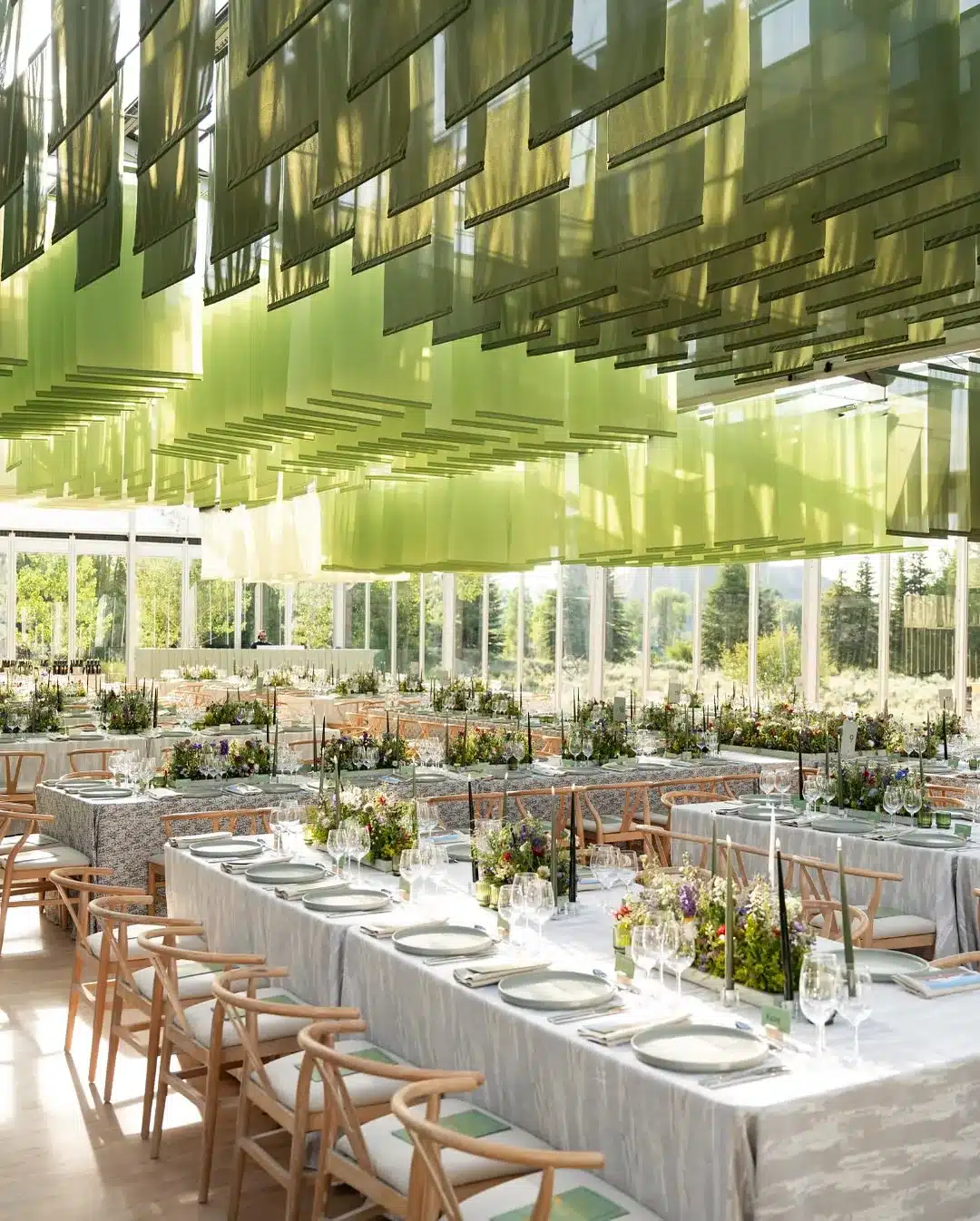
Outdoor weddings deserve both beauty and reliability, and a luxury tent creates a setting where design and comfort work seamlessly together. This guide explains when a luxury tent is the smartest choice, how different tent styles perform, and which upgrades have the biggest impact on guest experience. Whether you’re navigating unpredictable weather, uneven terrain, or simply want a bespoke venue in a meaningful landscape, luxury tents offer the structure and flexibility to bring your vision to life. You’ll learn how climate control, flooring, lighting, and engineering shape the final experience, and how Skyline Tent Company helps planners match site conditions and creative goals with the right tent solution.
Why Is a Luxury Tent the Smartest Choice for Outdoor Weddings?
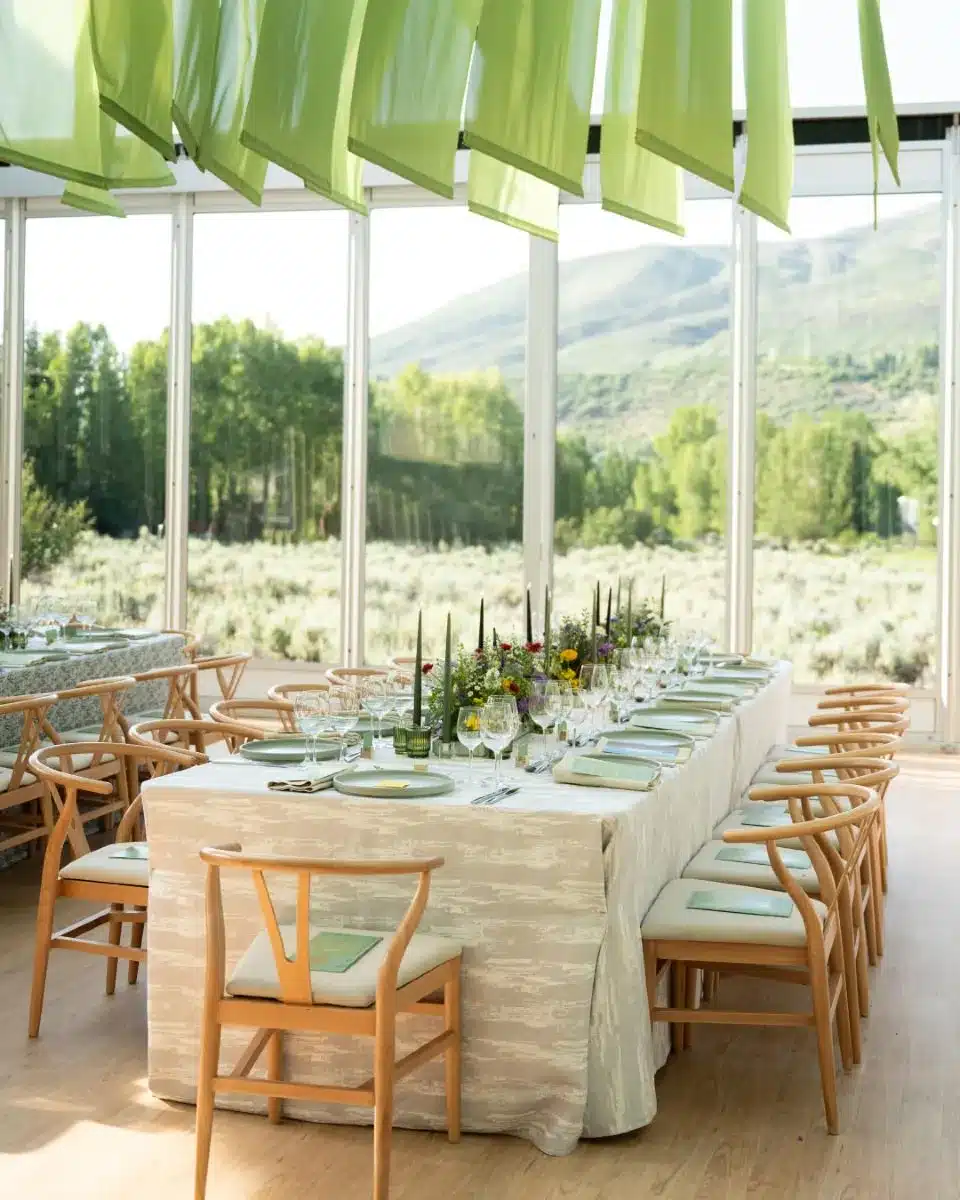
A luxury tent is a purpose-built temporary structure that pairs refined aesthetics with engineered performance, giving outdoor weddings both style and predictability. Built from durable fabrics, anchored with engineered systems, and designed to integrate technical infrastructure, these tents create controlled environments that protect guests and accommodate creative design across varied sites. The outcome is a venue that supports dramatic lighting, raised flooring, and integrated HVAC while preserving the landscape and offering flexible layouts. Seeing how these features translate to client outcomes makes it easier to decide when a tent outperforms a conventional indoor venue.
What Are the Key Benefits of Luxury Outdoor Wedding Tents?
Luxury wedding tents combine design freedom, environmental control, and operational practicality in a single solution. They let couples define flow and sightlines so ceremony and reception areas feel intentional, not shoehorned, which improves guest experience and photos. Tents also expand venue options by making estates, vineyards, and private lawns viable while keeping accessibility and amenities in mind. Below are the most tangible benefits and the client outcomes they drive.
- Design Freedom: Tents create distinct zones for ceremony, dining, and dancing that reflect a couple’s aesthetic and circulation plan.
- Weather Resilience: Engineered fabrics and anchoring systems protect guests from rain and wind while keeping interiors comfortable.
- Technical Capacity: Tall rooflines and load-rated frames support lighting, staging, and climate systems for a full-service venue experience.
Those advantages deliver measurable results: smoother operations, fewer weather-related cancellations, and better guest comfort that reinforces the event design. The next section explains how materials and engineering produce those weather- and comfort-related benefits.
This table links technical features to practical outcomes planners can use when recommending a tent. Next, we look at the engineering and systems that create consistent guest comfort.
How Do Luxury Tents Provide Superior Weather Protection and Comfort?
Luxury tents combine material science, structural engineering, and integrated systems to keep guests comfortable as conditions change. High-grade sailcloth or vinyl with UV and water-resistant coatings prevents leaks, while roof pitch and drainage direct water away from the interior; engineered anchors and wind-rated frames resist uplift and lateral loads. Inside, sealed flooring systems and liners limit drafts and help temperature control, and HVAC units sized to tent volume maintain steady conditions. Together, these elements deliver a reliable indoor-outdoor experience for weddings even when weather is uncertain, and they set the stage for the tent types described next.
What Types of Luxury Wedding Tents Are Best for Elegant Outdoor Celebrations?
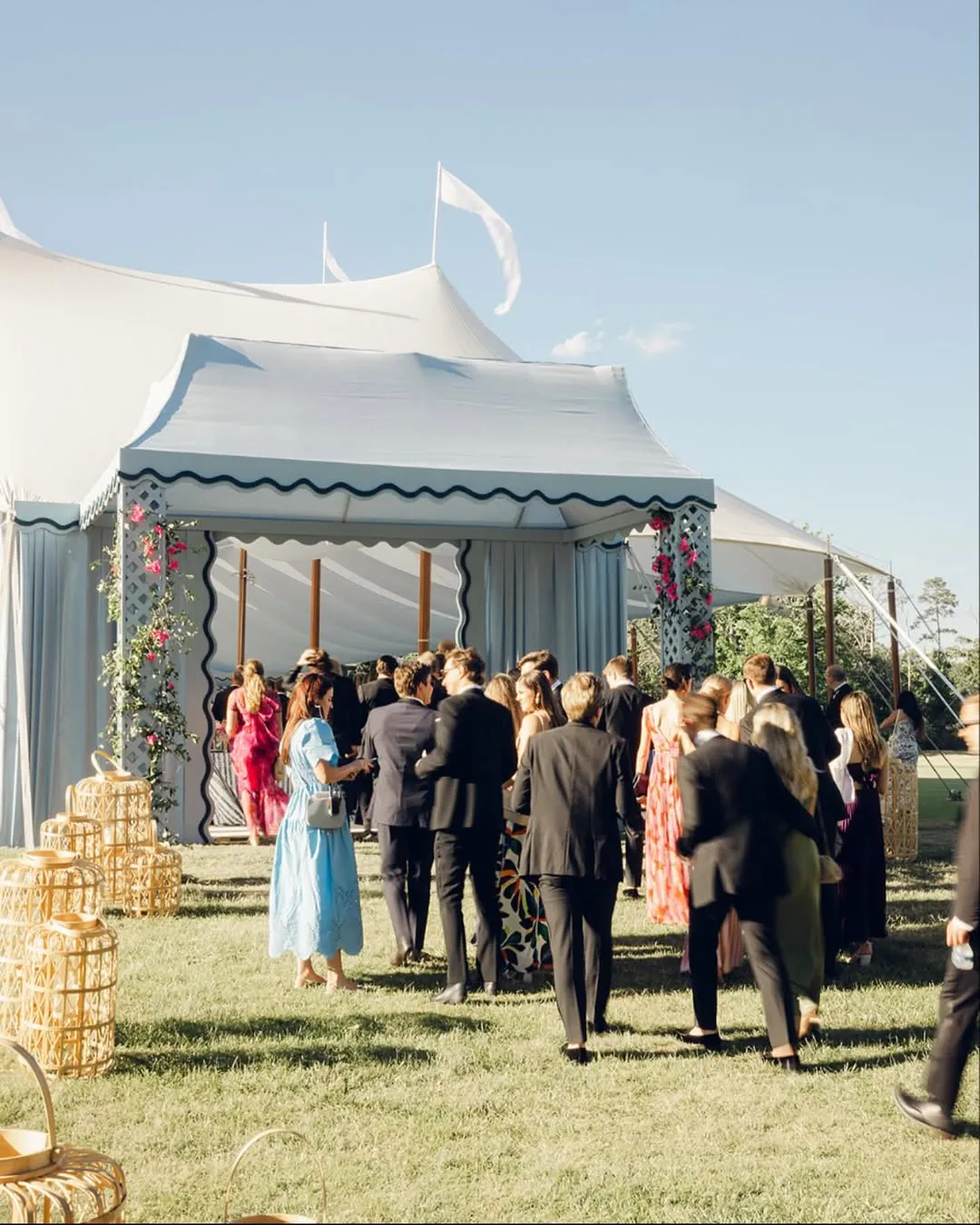
Choosing the right tent depends on desired look, guest count, and site constraints. The main categories are sailcloth, engineered-structure, and clearspan/frame tents. Each balances material, structural behavior, and design potential differently: sailcloth brings translucency and sweeping peaks for romantic settings; engineered structures offer large clear spans and high load capacities for complex productions; clearspan/frame tents provide modular flexibility on irregular footprints. Evaluating capacity, material performance, and visual outcome helps planners match the tent to the site and program. The table below summarizes common planning priorities.
This comparison clarifies which tent types support specific design and production needs, helping planners narrow choices. Below each major type is described in more detail with practical design guidance.
What Makes Sailcloth Wedding Tents Ideal for Romantic Outdoor Weddings?
Sailcloth tents use translucent fabric stretched over poles to create soft, diffused daylight and elegant rooflines that complement pastoral venues. The material’s light transmission produces a warm daytime ambience, and drapes plus chandeliers create a romantic evening environment. Structurally, sailcloth performs well on level lawns and can handle medium to large guest counts when anchored and supported correctly. Designers choose sailcloth when preserving sightlines and integrating the landscape are priorities, it pairs beautifully with string lights, florals, and vaulted drapery.
How Do Engineered Structure Tents Accommodate Large and Sophisticated Weddings?
Engineered-structure tents feature high-capacity frames and tall rooflines that deliver uninterrupted interiors and significant rigging loads for lighting and staging. Their clearspan design removes interior poles, enabling flexible seating, multi-level platforms, and complex technical installations like suspended chandeliers or theatrical lighting. These tents support integrated HVAC and heavier flooring systems, making them the go-to for large receptions and events with premium production needs. When planners face big guest lists or intricate technical requirements, engineered tents provide a predictable structural platform for ambitious design.
How Can You Customize Your Luxury Wedding Tent for a Unique Outdoor Experience?
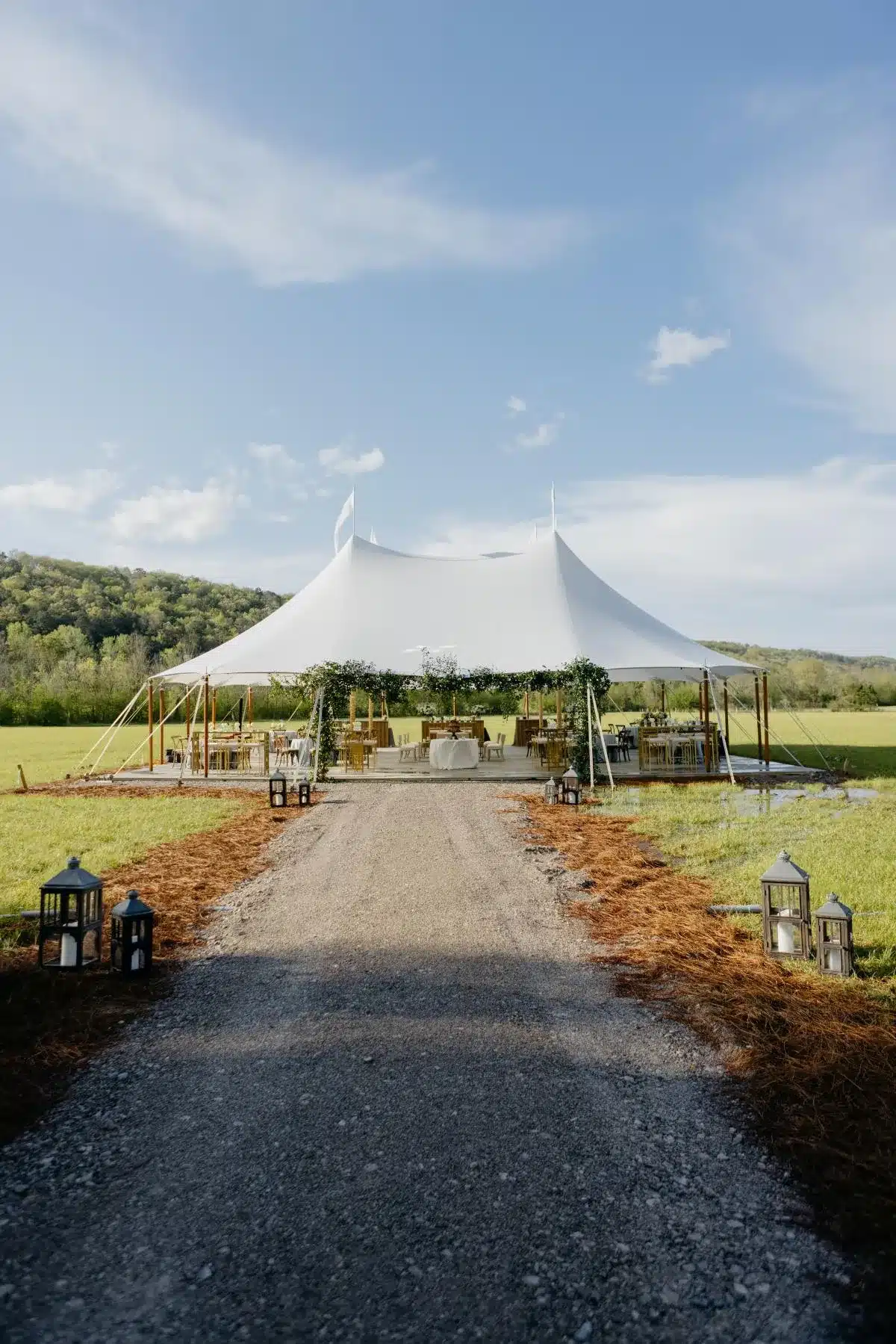
Customization transforms a tent from a shelter into a memorable venue through flooring, lighting, architectural walls, and finishing details. Options like temporary wood flooring, raised platforms for uneven terrain, or glass walls create a permanent-venue feel while improving acoustics and traffic flow. Integrated power distribution, concealed conduit runs, and professional lighting enable you to create layered atmospheres that transition seamlessly from daylight ceremony to nighttime celebration. Practical choices regarding finishes and systems directly impact guest comfort and the feasibility of a design; the examples below illustrate standard upgrades and their effects on the experience.
What Flooring and Elevated Platform Options Enhance Luxury Tent Interiors?
Flooring influences look, accessibility, and durability and must match site conditions and planned activities. Temporary wood floors add warmth and polish; elevated platforms level sloped ground and protect installations from moisture. Interlocking dance floors and stage platforms integrate into the floor system for performance areas. ADA-compliant ramps and durable underlayment ensure accessibility and service access for caterers, while subfloor ventilation reduces moisture concerns. Choosing the right mix of flooring and platforms strikes a balance between visual goals, logistics, and maintenance, ensuring a smooth event.
How Does Integrated Lighting and Power Elevate Wedding Tent Ambiance?
Layered lighting, chandeliers for focal points, string lights for warmth, uplighting for architectural emphasis, and targeted theatrical fixtures create depth and guide guest attention while supporting great photos. Adequate lighting begins with meticulous power planning, including concealed runs, accurate load calculations for AV systems, and appropriately sized generators for off-grid sites. That planning prevents last-minute compromises and keeps systems safe. Designers commonly use warm-white overheads for dinner and programmable color washes for the dance floor, allowing the mood to shift naturally throughout the night. Thoughtful power and lighting integration turn a tent into an intentional, expressive venue.
- Key lighting elements include chandeliers for focus, string lights for intimacy, and uplighting for architectural drama.
- Power planning should cover generator capacity, dedicated circuits for sound/lighting, and concealed distribution for safety and aesthetics.
- Lighting palettes typically mix warm white for guest comfort with programmable color for entertainment transitions.
These points outline the core components planners must coordinate with lighting designers and production crews. Solid coordination ensures fixtures and power layouts deliver the intended emotional and practical outcomes.
How Does Climate Control and Weatherproofing Make Luxury Tents Reliable for Outdoor Weddings?
Climate control and weatherproofing turn a tent into a consistent, comfortable venue across seasons. Choosing systems sized to the tent’s cubic volume and using insulated liners or tent wraps lets planners control temperature, humidity, and airflow. Engineered anchoring, sealed seams, and proper drainage protect against rain and wind, while UV-resistant fabrics and shading reduce sun exposure during daytime ceremonies. The table below compares common climate systems and where they perform best so planners can select the right approach for their event timing.
This reference helps planners match climate systems to seasonal needs and tent volume. The following sections outline selection criteria and construction strategies that improve reliability.
What Climate Control Systems Are Available for Year-Round Tent Comfort?
Available systems range from packaged air-conditioning and ducted solutions to evaporative coolers and radiant or forced-air heaters. The right choice depends on tent cubic footage, guest density, acceptable noise levels, and fuel availability. Larger tents often need multiple distributed units or ducted systems to avoid hot or cold spots. Operational concerns, generator fuel logistics, noise near ceremony areas, and equipment placement that preserves the look of the tent, are all part of a successful installation. Choosing appropriately sized, well-placed systems keeps guests comfortable without compromising aesthetics.
How Do Luxury Tents Ensure Weather Resistance Against Rain, Wind, and Sun?
Weather resistance comes from the combination of fabric choice, roof pitch, anchoring, and site prep. Sealed seams, waterproof membranes, and correct roof pitch move water away from the interior, while engineered anchors and load-rated frames meet regional wind requirements. UV-resistant fabrics and smart orientation reduce solar heat gain for daytime events, and contingency options like sidewalls and storm-rated tie-ins protect safety during sudden weather shifts. Proper site preparation, grading for drainage and safeguarding utility access, completes the approach that keeps guests safe and comfortable.
What Is the Planning Process for Renting a Luxury Wedding Tent?
Renting a luxury tent follows a clear process from consultation and site assessment through installation, event operations, and takedown. Early steps determine tent sizing, truck and crane access, permitting needs, and utility connections for power and HVAC. Mid-phase coordination brings together flooring, lighting, and production requirements and confirms setup timelines and vendor access. Final steps focus on quality checks, event-day operations, and efficient takedown to restore the site, a stepwise approach that reduces risk and clarifies responsibilities for planners and vendors.
How Does a Consultation with Skyline Tent Company Ensure the Perfect Tent Selection?
A professional consultation starts with a site evaluation to assess terrain, access, and utilities, then maps those constraints to tent type, size, and accessory needs. Skyline Tent Company’s consultation-driven process pairs design experience with practical inventory — sailcloth tents, century tents, and engineered structures — and coordinates HVAC, custom flooring, and power-generation recommendations. During consultation planners review capacity versus layout trade-offs, accessory placement, and timeline estimates to arrive at fit-for-purpose recommendations. Clients are invited to request a quote or consultation so design intent aligns with available inventory and project management support.
What Are the Steps from Setup to Takedown for a Seamless Outdoor Wedding?
A typical timeline begins with pre-installation checks and permitting at T-minus 14 to T-minus 7 days, including site staking and final utility confirmations, followed by rigging and flooring installation in the 48–72 hours before the event. Lighting, HVAC, and technical systems are installed and tested before décor and furniture arrive, with a full systems check completed at least 12 hours before guest arrival. Event-day operations center on staging coordination, vendor access, and weather monitoring; takedown starts soon after the event with debris removal, equipment disassembly, and site restoration. Clear role assignments and a published timeline keep each phase predictable and efficient.
- Pre-installation (T-14 to T-7): Permitting, site grading, and access planning.
- Installation (T-3 to T-1): Structural erection, flooring, and systems installation.
- Event day (T-0): Final checks, vendor coordination, and operations management.
- Takedown (T+1): Disassembly, cleanup, and site restoration.
The checklist above gives planners a practical timeline to coordinate with caterers, production crews, and venue staff. Next, we review real events where luxury tents delivered clear benefits.
Frequently Asked Questions
How far in advance should I book a luxury wedding tent?
We recommend booking 6 to 12 months ahead, especially during peak wedding season. Early booking secures availability and gives time for customization and coordination with other vendors. For very popular dates or high-demand locations, consider reserving even earlier.
Can luxury tents be used in winter or colder climates?
Yes. With the right climate-control strategy, propane or natural-gas heaters, insulated liners, and proper site prep, luxury tents work well in cooler months. Assess heating needs based on tent size and guest count, and ensure the installation is rated for snow and wind in your area.
What are the most popular customization options for luxury wedding tents?
Popular upgrades include wooden or specialty flooring, layered lighting schemes, drapery and sidewalls, elevated platforms, and integrated power and AV solutions. Couples often choose finishes that match their aesthetic while maintaining accessibility and service flow for vendors.
How do I ensure my luxury tent is safe and secure during the event?
Work with experienced rigging and installation teams who follow industry standards for anchoring and site prep. Proper grading, engineered anchors, and contingency planning for severe weather are essential. Regular inspections before and during the event add another layer of safety and reassurance.
What should I consider when choosing a location for my luxury tent?
Consider access for equipment, site levelness, and proximity to utilities like power and water. Evaluate the landscape for aesthetic value and possible weather exposure (shade, wind). Check local regulations and permitting requirements early, as they can affect timelines and setup options.
Conclusion
Choosing a luxury tent for your outdoor wedding gives you design flexibility, weather resilience, and the technical capacity to execute an elevated event. By understanding tent types and customization options, you can create an atmosphere that reflects your style while addressing site-specific challenges. Partnering with a professional tent rental company streamlines planning and improves execution. Request a consultation today to explore how a luxury tent can transform your wedding into an extraordinary celebration.
