
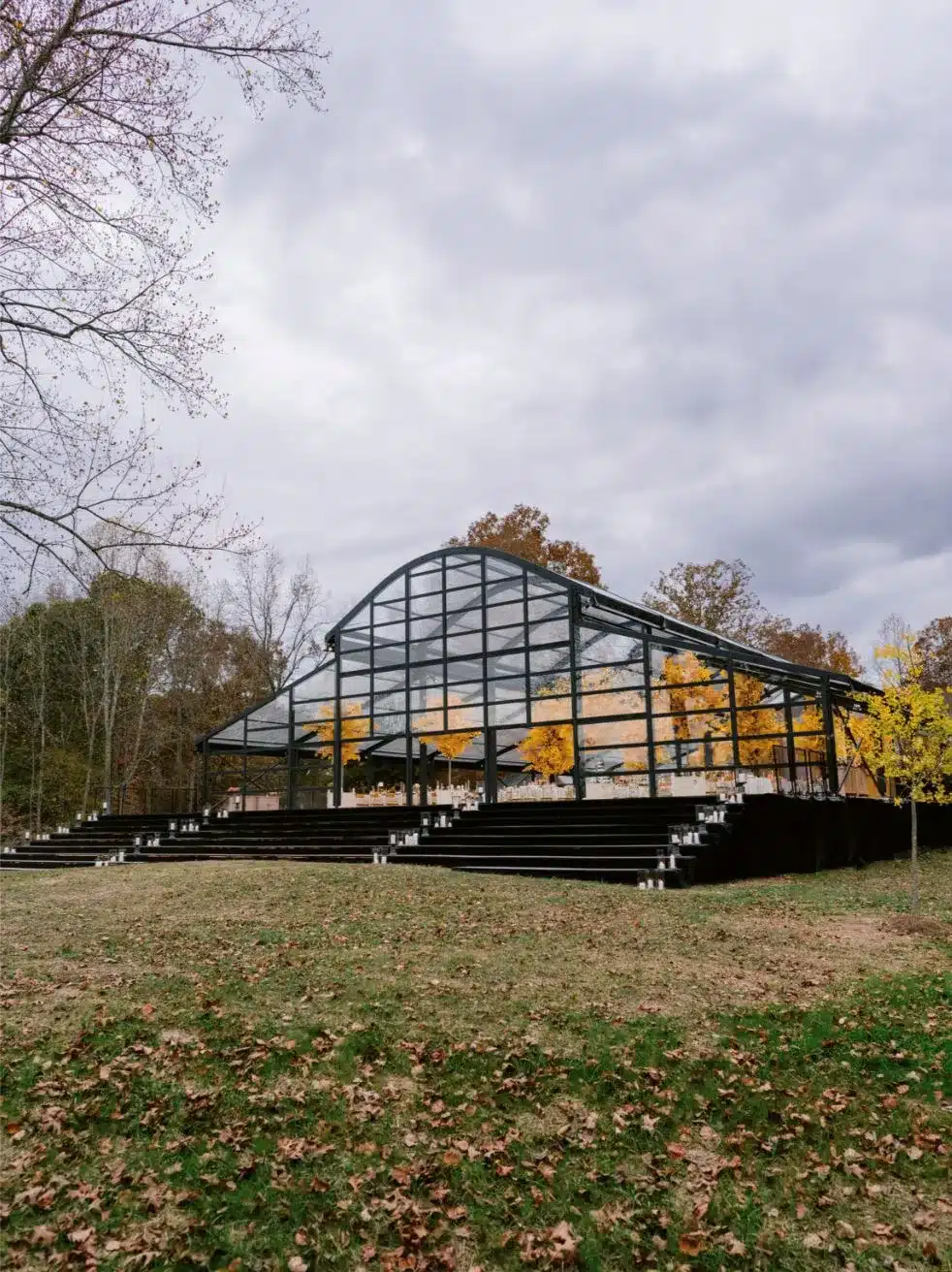
The weather is one of the most unpredictable factors when planning an outdoor event at home. Rain, heat, wind, or sudden temperature changes can quickly disrupt guest comfort and logistics if the space isn’t properly designed for the conditions. The key to a successful backyard event isn’t hoping for perfect weather, it’s planning for it.
This guide focuses on how professionally designed tenting, flooring, and climate-control solutions create reliable, comfortable environments for outdoor residential events in any season. From weather-rated sailcloth and engineered tents to heating, cooling, wind mitigation, and ground protection, we’ll outline the systems that allow events to move forward smoothly, regardless of the forecast.
With the right structure, equipment, and site planning, outdoor events can remain polished, safe, and enjoyable through rain, heat, cold, or wind. Skyline Tent Company brings the technical expertise and rental solutions that turn variable weather into a manageable part of the planning process, so hosts and planners can focus on the experience, not the conditions.
How Can You Rain-Proof a Backyard Tented Event with Weather-Resistant Tents?
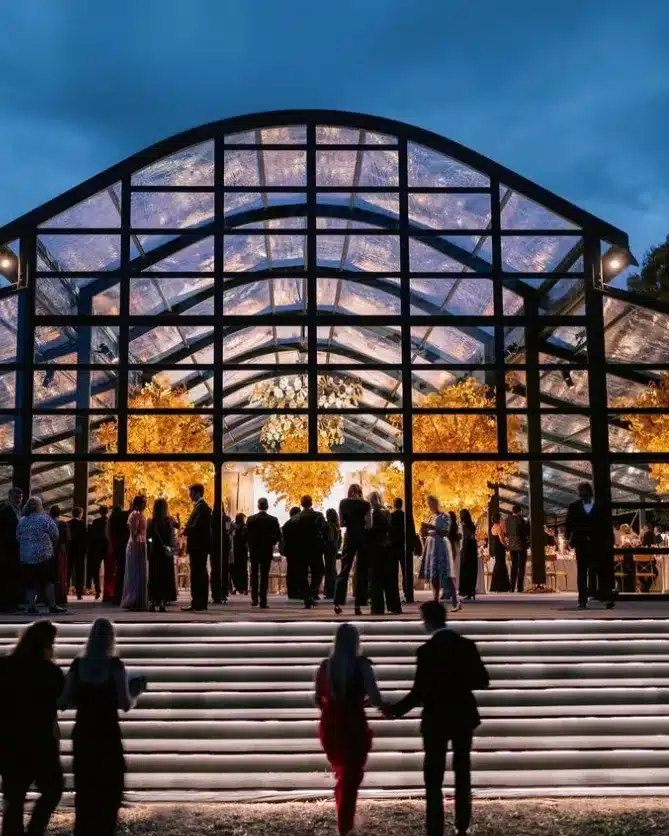
Rain is one of the most common considerations when planning an outdoor residential event. Without the right infrastructure, even light rainfall can disrupt guest comfort, logistics, and flow. With professional planning and properly selected weather-rated tents, however, rain becomes a manageable condition rather than a risk.
A well-designed and professionally installed tent provides a controlled, covered environment that protects guests, furnishings, and event elements from precipitation. Effective rain protection isn’t just about staying dry, it’s about maintaining continuity, comfort, and confidence throughout the event, even when weather conditions change unexpectedly.
What Waterproof Features Do Skyline Tent Company’s Sailcloth and Engineered Tents Offer?
Weather resilience is built into the design and construction of Skyline Tent Company’s sailcloth and engineered tent systems. Each structure is selected and installed with rain performance in mind, using materials and design features that support reliable protection in wet conditions. You may also find The Best Tent Materials for Ultimate Weather Protection helpful.
- High-Performance Fabrics
Skyline’s sailcloth and engineered tents utilize durable, water-resistant fabrics designed to repel moisture rather than absorb it. This helps prevent saturation, sagging, and performance issues during extended periods of rain. - Taped and Sealed Seams
Seams are one of the most critical points for water intrusion. Skyline tents incorporate professionally sealed seams that minimize leakage and help maintain a consistently dry interior environment. - Engineered Pitched Roofs
The rooflines of Skyline tents are intentionally pitched to promote efficient water runoff. This design reduces pooling, limits structural stress, and directs rain away from occupied areas. - Integrated Gutter Systems for Larger Installations
For multi-tent layouts or larger configurations, integrated gutter systems can be installed to manage runoff between structures. This allows guests to move comfortably between spaces without exposure to rain.
Together, these features create a dependable shelter that supports guest comfort and event continuity through light rain or sustained wet conditions.
Which Flooring Solutions Prevent Muddy Conditions During Wet Weather?
Effective rain planning extends beyond overhead coverage. Ground conditions play a significant role in guest comfort, accessibility, and overall presentation, particularly during wet weather.
Skyline Tent Company offers flooring systems designed specifically for outdoor environments, providing clean, stable surfaces even when underlying ground conditions are less than ideal.
- Elevated Wooden Flooring
Wooden flooring systems create a raised, level platform that keeps guests and event furnishings above wet or muddy ground. This option is ideal for dining areas, lounges, and dance floors where stability and accessibility are essential. - Carpet Flooring Installed Over Subflooring
Carpet flooring adds comfort and a refined interior feel when installed over a proper subfloor. It helps absorb sound while maintaining a dry, polished surface inside the tent. - Durable Vinyl Flooring
Vinyl flooring is well-suited for high-traffic areas, catering zones, and dance floors. Its moisture-resistant surface is easy to clean and performs reliably throughout the event.
Selecting the right flooring system helps protect décor, improves guest experience, and preserves the functionality of the event space during wet conditions.
Key Considerations for Selecting a Rain-Ready Tent System
Choosing a tent for rain protection involves more than confirming that the fabric is waterproof. Proper planning and installation are essential to overall performance.
- Tent Size and Capacity
The tent should be sized to comfortably accommodate guests, furnishings, and service areas, particularly if rain requires guests to remain under cover for extended periods. - Site Assessment and Drainage
Evaluating site conditions, including slope, drainage patterns, and low-lying areas, helps prevent water pooling. Professional site assessments allow for adjustments in placement and layout before installation. - Anchoring and Structural Stability
Rain-saturated ground can affect anchoring performance. Proper anchoring methods, such as stakes or weighted ballasts selected for site conditions, help maintain structural stability during wet weather. - Sidewall Configuration
Fully enclosed sidewalls protect against wind-driven rain. Clear sidewalls can be used to preserve natural light and views while maintaining weather protection. - Professional Installation
Correct installation is critical to rain performance. Professional setup ensures proper tensioning, sealing, anchoring, and alignment, maximizing the effectiveness of the tent system.
By addressing these factors early in the planning process, outdoor residential events can remain comfortable, protected, and visually polished, even when rain is in the forecast.
What Are Effective Cooling Strategies for Outdoor Backyard Events in Hot Weather?
High temperatures can significantly impact guest comfort during outdoor residential events if the space is not properly designed for heat management. Effective cooling is achieved through a combination of tent selection, airflow planning, shade coverage, and supplemental climate-control systems. When these elements are coordinated correctly, outdoor events can remain comfortable and functional even during peak summer conditions.
Rather than relying on a single solution, successful heat mitigation focuses on managing how air moves through the space, reducing heat buildup, and providing targeted cooling where guests gather for extended periods.
How Does Tent Ventilation and Airflow Improve Outdoor Event Comfort?
Ventilation is a foundational component of temperature control in tented environments. Tents designed with airflow in mind allow rising heat to escape while encouraging fresh air circulation, helping regulate interior temperatures naturally.
Strategically configured sidewalls, vented rooflines, and intentional openings promote cross-ventilation and reduce humidity buildup. In partially open installations, mesh or open sidewall configurations can be used to increase airflow while still maintaining shade coverage. Proper orientation of the tent based on site conditions and prevailing breezes further enhances natural cooling without relying solely on mechanical systems.
When ventilation is planned during the design and installation phase, it creates a noticeably cooler and more comfortable environment throughout the event.
What Climate Control Options Are Available for Hot-Weather Events?
For events held during periods of high heat or humidity, supplemental cooling systems may be necessary to maintain consistent comfort levels. Skyline Tent Company offers climate-control options that integrate seamlessly with tented environments.
- Portable Air Conditioning Units
Portable air conditioning units provide controlled, consistent cooling within enclosed or semi-enclosed tents. These systems are particularly effective for larger installations, enclosed sailcloth tents, or events with extended durations. Units are sized based on tent dimensions, enclosure type, and anticipated heat load to ensure efficient performance. - Misting Systems
Misting systems deliver fine, evaporative cooling in open-air or partially enclosed areas. They are well-suited for entryways, lounge areas, and outdoor seating zones where airflow is available. When properly installed, misting systems lower perceived temperatures without creating excessive moisture on surfaces.
In many cases, the most effective approach combines natural ventilation with one or more mechanical cooling solutions. This layered strategy allows for flexible temperature management as weather conditions shift throughout the day, ensuring guest comfort from setup through breakdown.
How Can You Keep Guests Warm at Outdoor Events During Cooler Weather?
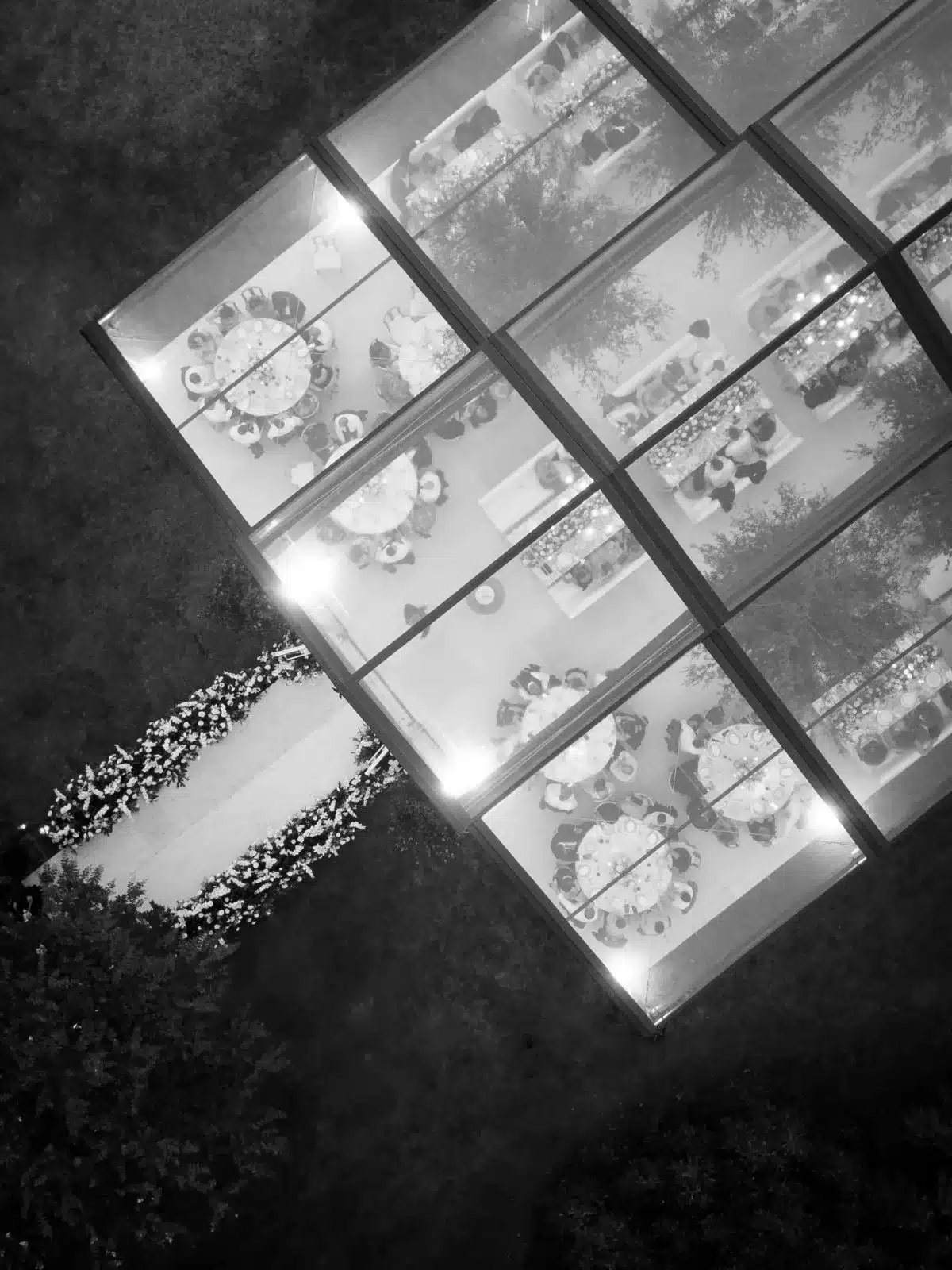
Cooler temperatures do not have to limit outdoor residential events. With proper planning, tent selection, and climate-control systems, tented spaces can remain comfortable and inviting even as temperatures drop. Effective cold-weather planning focuses on heat retention, draft reduction, and evenly distributed warmth throughout the event space. For more detail, see our article Weather-Ready Planning for Luxury Outdoor Events in Charlottesville.
Rather than relying on temporary or improvised solutions, professional heating strategies allow events to continue smoothly while maintaining guest comfort from arrival through the end of the evening.
What Heating and Climate Control Solutions Does Skyline Tent Company Provide?
Skyline Tent Company offers heating systems designed to integrate safely and efficiently with tented environments. The appropriate solution is determined by tent size, enclosure level, ceiling height, and expected outdoor temperatures.
- Portable Forced-Air Heaters
Portable heaters provide consistent, controlled warmth across enclosed or partially enclosed tents. These systems are commonly used for larger installations and longer events, where maintaining a stable interior temperature is essential. Units are sized to match the tent volume and heat loss factors to ensure effective performance. - Infrared Heating Systems
Infrared heaters warm guests and surfaces directly rather than heating the surrounding air. This makes them especially effective in spaces with higher ceilings or areas where doors and openings are used frequently. Infrared systems deliver immediate comfort while improving overall energy efficiency.
Together, these options allow for flexible heating strategies that can be adjusted based on site conditions and weather fluctuations. You may also find Ultimate Guide to Weather-Resistant Tents for Luxury Events helpful.
How Do Enclosed Tent Structures Improve Heat Retention and Comfort?
Enclosure plays a critical role in cold-weather performance. Fully enclosed tent systems reduce heat loss, limit exposure to wind, and create a more controlled interior environment. Sidewall configurations can be customized based on layout needs, with solid or windowed panels providing protection while maintaining natural light.
By minimizing drafts and retaining heat, enclosed tents allow heating systems to operate more efficiently and evenly. Proper enclosure also enhances guest comfort by creating a stable, consistent temperature throughout the space, without the need for nonessential accessories or temporary fixes.
When combined with professional installation and correctly sized heating systems, enclosed tent structures transform cold-weather conditions into a manageable element of event planning.
What Are the Best Practices for Managing Wind at Outdoor Backyard Parties?
Wind can disrupt décor, chill guests, and stress a tent’s structure. The right tent design, proper anchoring, and a smart site plan limit wind’s impact and keep everything secure.
Seeing how extreme winds affect structures underscores why strong mitigation and careful planning matter for outdoor events.
How Do Wind‑Resistant Engineered Structures and Anchoring Systems Work?
Wind‑resistant tents pair reinforced frames and heavy‑duty fabrics with design details that reduce lift. Anchoring, using stakes, concrete ballast, or tie‑downs, secures the structure based on site conditions. When engineered correctly, the system stays stable through gusts and provides a safe shelter for guests.
What Sidewall Options and Site Assessments Help Protect Against Wind?
Sidewall choices affect wind exposure: solid walls block gusts, while windowed walls preserve light and sightlines. A pre‑event site assessment identifies wind corridors, surrounding structures, and ground conditions so you can place and orient the tent for maximum protection.
How Do You Plan a Weather-Ready Backyard Event for All Seasons?
Successful outdoor residential events are built around proactive, season-specific planning. Weather conditions change significantly throughout the year, and each season introduces different considerations related to temperature, precipitation, wind, and site conditions. Planning a weather-ready event means selecting the appropriate tent system, climate-control solutions, and structural accessories based on when the event will take place, not relying on a one-size-fits-all approach. We cover this further in Weather-Ready Tent Designs for Mountain Weddings & Events.
When tenting, HVAC, and site logistics are aligned with seasonal conditions, outdoor events can remain comfortable, functional, and visually cohesive year-round.
What Seasonal Factors Should You Account for When Planning an Outdoor Event?
- Spring
Spring events often involve fluctuating temperatures and an increased likelihood of rain. Weather-rated tents with properly pitched roofs, sealed seams, and sidewall options provide reliable protection from precipitation. Portable heating systems can be incorporated as a contingency for cooler evenings or unexpected temperature drops. - Summer
Summer planning prioritizes heat management. Ventilated tent designs, strategic shade coverage, and airflow planning form the foundation of comfort. Depending on the level of enclosure and expected temperatures, supplemental cooling systems such as portable air conditioning or misting may be required to maintain consistent comfort throughout the event. - Fall
Fall conditions can introduce stronger winds and cooler nighttime temperatures. Wind-resistant tent structures, reinforced anchoring systems, and adjustable sidewall configurations help protect against gusts while maintaining warmth. Heating systems can be added to offset temperature drops later in the evening. - Winter
Winter events require fully enclosed tent systems designed to retain heat and protect against snow, wind, and cold temperatures. Properly sized heating systems are essential, and structural considerations such as snow load capacity and safe access points must be factored into the planning process.
With the right combination of tent type, climate control, and enclosure strategy, outdoor residential events can be successfully executed in any season.
How Does Working with Skyline Tent Company Support Comprehensive Weather Planning?
Skyline Tent Company provides more than rental equipment, we offer professional guidance that ensures each event is matched with the appropriate structures and systems for the site and season. Our team evaluates location-specific factors such as ground conditions, exposure, layout requirements, and anticipated weather risks to recommend tenting, flooring, climate control, and anchoring solutions that work together seamlessly.
By coordinating equipment selection, installation, and layout planning, Skyline helps mitigate weather-related challenges before they arise. This integrated approach allows hosts and planners to focus on the event experience, confident that the environment has been designed to perform reliably in changing conditions.
Overview of Weather-Resistant Tent Options
This overview highlights how different tent systems are designed to manage weather conditions while maintaining comfort and structural integrity.
Frequently Asked Questions
What should I consider when selecting a location for an outdoor residential event?
When choosing a location, it’s important to evaluate accessibility, available space, and site conditions. The area should accommodate the tent footprint, flooring, service zones, and guest circulation. Drainage patterns, slope, and ground stability help determine appropriate placement and flooring solutions, while exposure to wind and sun influences tent orientation, enclosure, and climate-control needs. A professional site assessment ensures the layout supports both comfort and structural performance.
How can I prepare for unexpected weather changes during an outdoor event?
Effective preparation starts with selecting weather-rated tents sized appropriately for the guest count and event layout. Climate-control systems such as heaters or cooling equipment can be incorporated as part of the initial plan rather than added reactively. Monitoring forecasts in the days leading up to the event allows for final adjustments, while professional installation and anchoring ensure the tent system performs reliably as conditions change. For more detail, see our article How to Plan a Weather-Proof Fall Tented Wedding.
How should décor and event elements be integrated within a tented space?
Décor should be planned in coordination with the tent structure and layout. Lighting, draping, and suspended elements must be installed using approved attachment points to maintain safety and structural integrity. Materials selected for outdoor use should withstand wind and moisture, and placement should avoid obstructing airflow, entrances, or service areas. Coordinated planning helps maintain both aesthetics and functionality.
How can guest comfort be maintained during hot-weather events?
Guest comfort in warm conditions is achieved through shade coverage, airflow design, and climate-control systems. Ventilated tent configurations, strategic openings, and optional cooling equipment such as portable air conditioning or misting systems help regulate temperatures throughout the event. These measures reduce heat buildup and support consistent comfort without relying on temporary or improvised solutions.
What are the benefits of using sidewalls on tents during outdoor events?
Sidewalls provide flexibility and protection by reducing wind exposure, blocking rain, and helping retain heat when necessary. They also offer privacy and allow greater control over light and sightlines. Solid sidewalls maximize protection, while windowed panels preserve visibility and natural light. Sidewall configurations can be adjusted based on weather conditions and event needs.
How should lighting be planned for evening outdoor events?
Lighting should be integrated into the tent design with a focus on visibility, safety, and ambiance. Ambient lighting provides overall illumination, while task lighting supports functional areas such as bars or catering zones. Accent lighting highlights key areas without compromising airflow or structural performance. Proper planning ensures pathways remain well lit and all lighting is safely supported by the tent system.
Conclusion
Thoughtful weather planning is essential to the success of any outdoor residential event. By selecting weather-rated tents, appropriate flooring, and properly sized climate-control systems, events can remain comfortable and well-protected in any season. Professional site planning and installation further ensure that each component works together seamlessly. For a tent layout sized to your guest list, request a quote.
Skyline Tent Company provides the expertise, structures, and support needed to manage weather conditions with confidence. From initial planning through installation, our team helps create outdoor event environments that perform reliably, so you can focus on the experience, not the forecast. Answers to common rental questions are in our tent rental FAQs.