
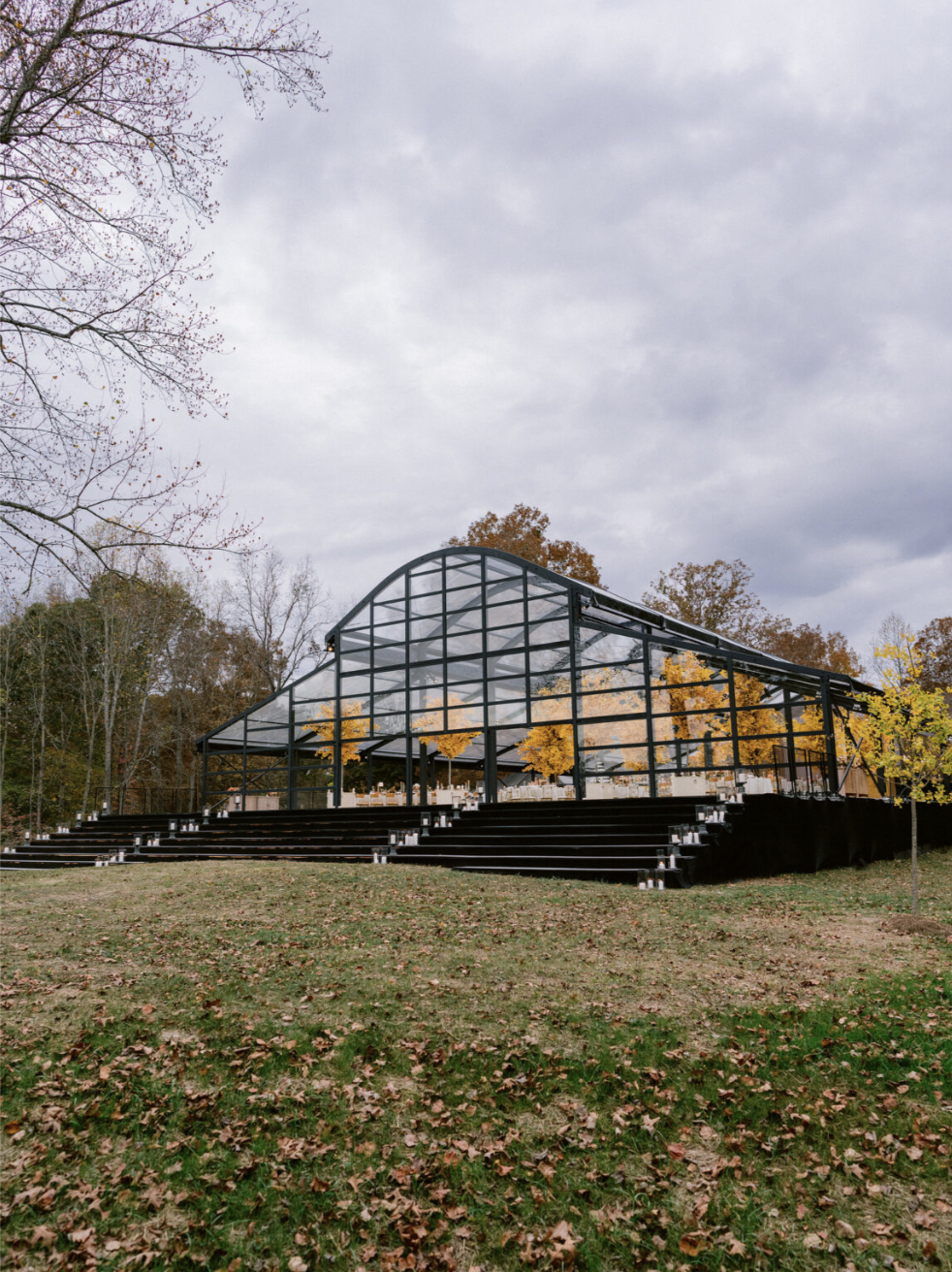
Mountain weddings and outdoor events offer breathtaking views, unforgettable scenery, and a sense of adventure that traditional venues often cannot match. From alpine resorts and mountain lodges to remote ridgelines and forest clearings, elevated locations create extraordinary settings for celebrations. However, mountain environments also present unique planning challenges. Rapid weather changes, strong winds, uneven terrain, fluctuating temperatures, and limited site access all require careful preparation to ensure a successful event.
A weather-ready tent serves as the foundation of any mountain event. Beyond providing shelter, modern tent structures help create safe, comfortable, and elegant environments capable of adapting to unpredictable conditions. Selecting the right tent design, integrating climate-control solutions, planning for logistics, and preparing contingency measures all contribute to a smooth guest experience.
Whether you’re planning an intimate wedding ceremony or a large-scale corporate gathering, understanding how weather-ready tents perform in mountain environments will help you make informed decisions and create a memorable event that balances beauty, comfort, and reliability.
Understanding Mountain Weather Challenges
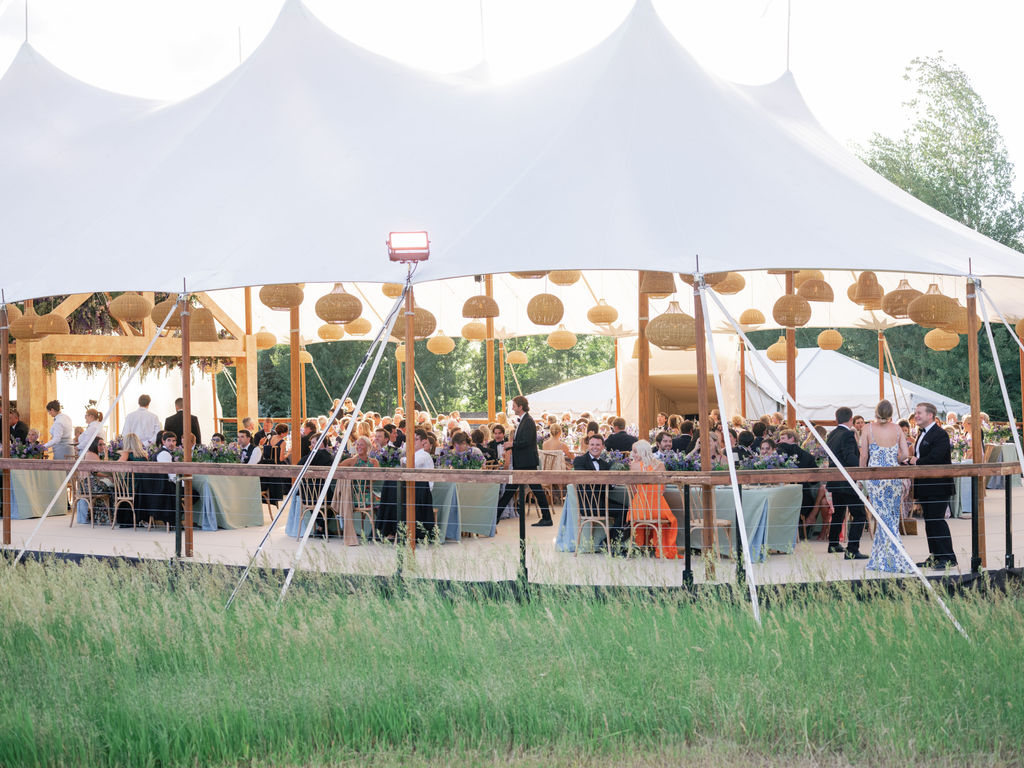
Mountain climates differ significantly from those found in urban or low-elevation venues. Weather patterns can change rapidly throughout the day, making preparation one of the most important aspects of event planning.
Because environmental conditions directly affect guest comfort and tent performance, planners should evaluate weather-related factors well before finalizing venue layouts or tent selections.
Analyzing Seasonal Weather Patterns
Historical weather data provide valuable insights into what conditions are likely during the event. Temperature fluctuations, rainfall patterns, snowfall risks, and seasonal wind conditions should all be reviewed before selecting a tent structure.
Mountain regions often experience significant differences between daytime and nighttime temperatures. A sunny afternoon can quickly transition into a chilly evening, requiring climate-control measures to maintain comfort throughout the event.
Understanding seasonal trends helps planners select appropriate tent materials, sidewall systems, and heating or cooling solutions, reducing the risk of weather-related disruptions.
Preparing for Sudden Weather Changes
Even with careful forecasting, mountain weather can be unpredictable. Wind gusts, rain showers, and temperature drops may occur with little warning.
A successful mountain event includes backup plans that account for changing conditions. Alternate ceremony locations, additional weather protection, and emergency communication strategies help ensure that the event continues smoothly regardless of environmental challenges.
Proactive preparation reduces stress and allows event teams to respond quickly if weather conditions change unexpectedly.
Choosing the Best Tent Type for Mountain Events
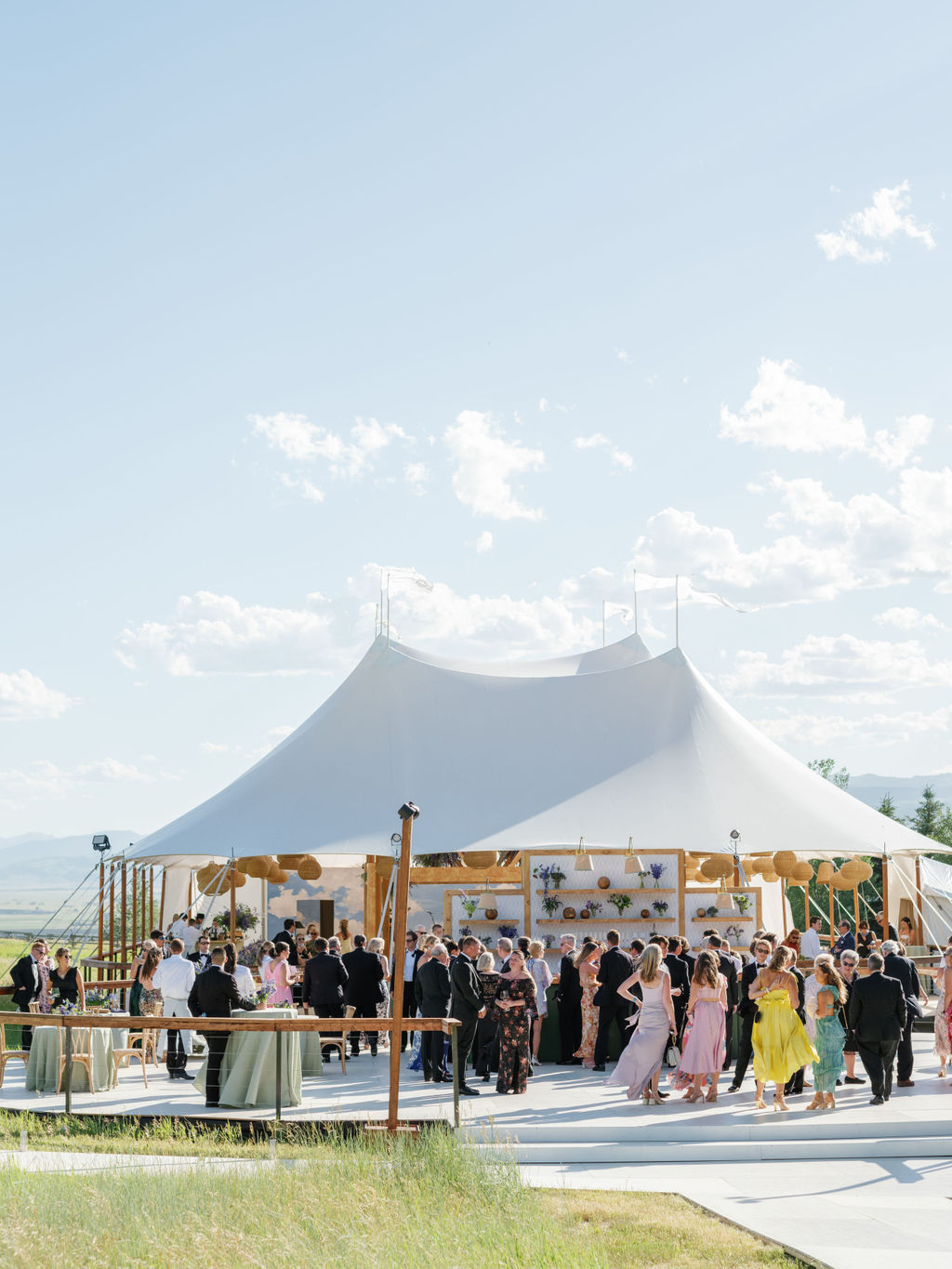
The tent itself is one of the most important investments in a mountain event. Different tent structures provide varying levels of weather resistance, flexibility, and visual appeal.
Selecting the right design requires balancing aesthetics with practical performance through effective venue tent planning.
Frame and Clearspan Tents for Maximum Stability
Frame tents and clearspan structures are among the most popular choices for mountain weddings because they offer exceptional stability and flexibility.
Frame tents do not require center poles, creating open interiors that allow greater freedom for seating arrangements, dance floors, and vendor setups. Their design adapts well to uneven terrain and can withstand varying weather conditions when properly anchored.
Clearspan tents provide even greater structural strength and are ideal for larger events. Their engineered framework supports lighting systems, climate-control equipment, suspended décor, and extensive guest capacities without compromising stability.
For mountain venues where wind resistance and weather protection are priorities, clearspan tents are often the preferred solution.
Sailcloth and Pole Tents for Elegant Outdoor Celebrations
Sailcloth tents offer a distinctive aesthetic that pairs beautifully with mountain scenery. Their graceful peaks and translucent fabric create a romantic atmosphere while allowing natural light to illuminate the interior.
Pole tents also provide classic elegance and dramatic visual appeal. However, they require additional anchoring space and may be more sensitive to high winds than engineered frame or clearspan structures.
When selecting sailcloth or pole tents, planners should carefully evaluate site conditions and weather exposure to ensure the structure performs effectively throughout the event.
Weather-Resistant Features That Improve Performance of Tents
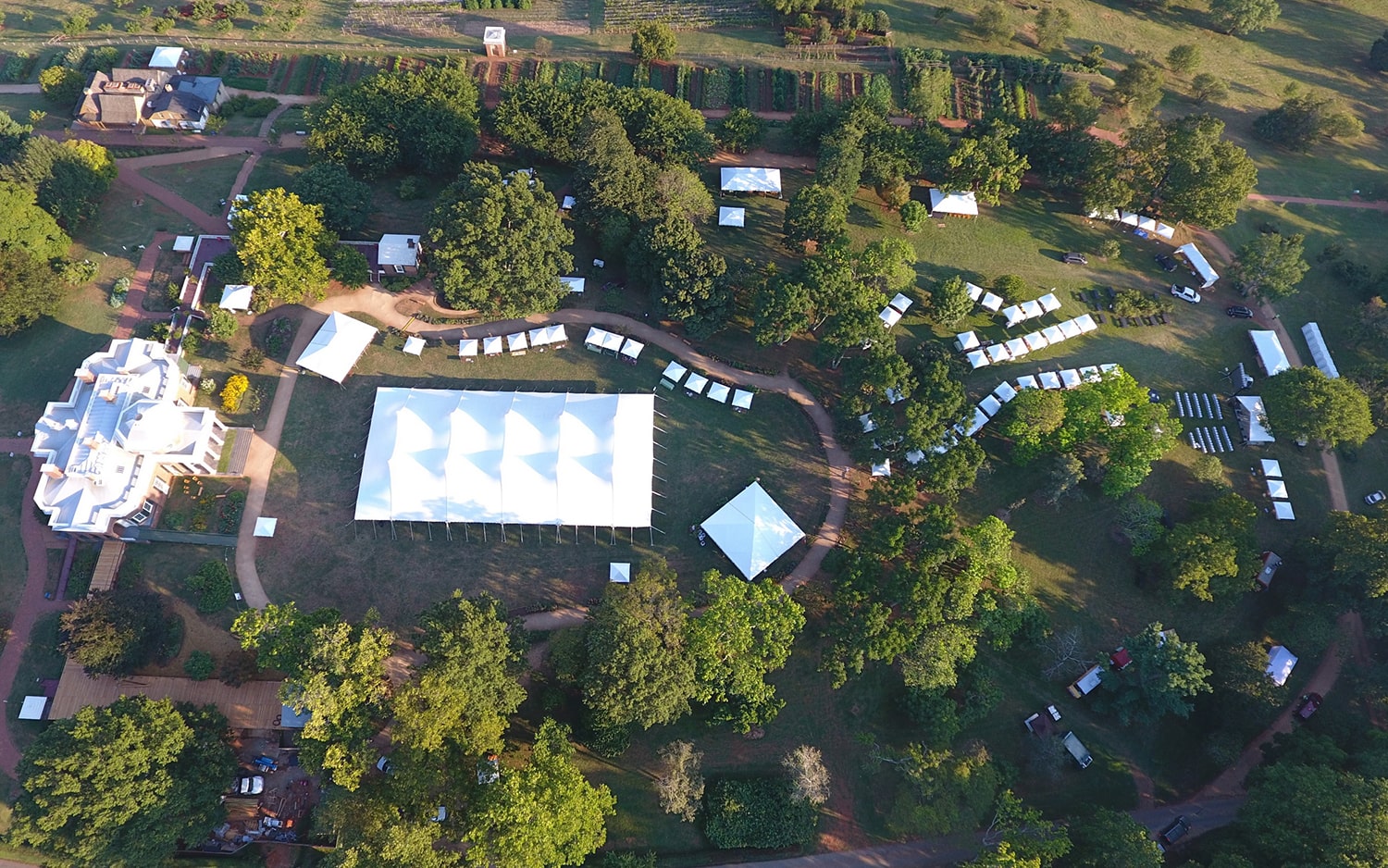
A tent’s overall performance depends not only on its design but also on the weather-resistant features incorporated into the structure.
These enhancements improve comfort, safety, and operational reliability in changing mountain conditions.
Sidewalls, Insulation, and Ventilation
Mountain events often require a balance between weather protection and airflow. Sidewalls help shield guests from wind, rain, and cold temperatures while maintaining a comfortable indoor environment.
Insulated tent systems provide additional temperature regulation during cooler months, reducing heat loss and improving energy efficiency. At the same time, proper ventilation helps prevent condensation and maintains fresh air circulation inside the structure.
These features work together to create a more comfortable atmosphere regardless of external weather conditions. We cover this further in Summer Event Tents: Essential Features for Hot Weather.
Reinforced Anchoring and Structural Support
Mountain winds can place significant stress on temporary structures. Strong anchoring systems are essential for maintaining stability and ensuring guest safety.
Before installation begins, planners should assess ground conditions and select anchoring methods while preparing reliable mountain event power for remote venues.
Important structural considerations include:
- Reinforced anchoring systems for high-wind areas
- Additional support cables where necessary
- Professional installation and inspection procedures
- Ongoing monitoring during the event
Investing in proper anchoring helps protect both the structure and everyone inside it.
Planning Guest Capacity and Interior Layouts for Weather-Ready Tents
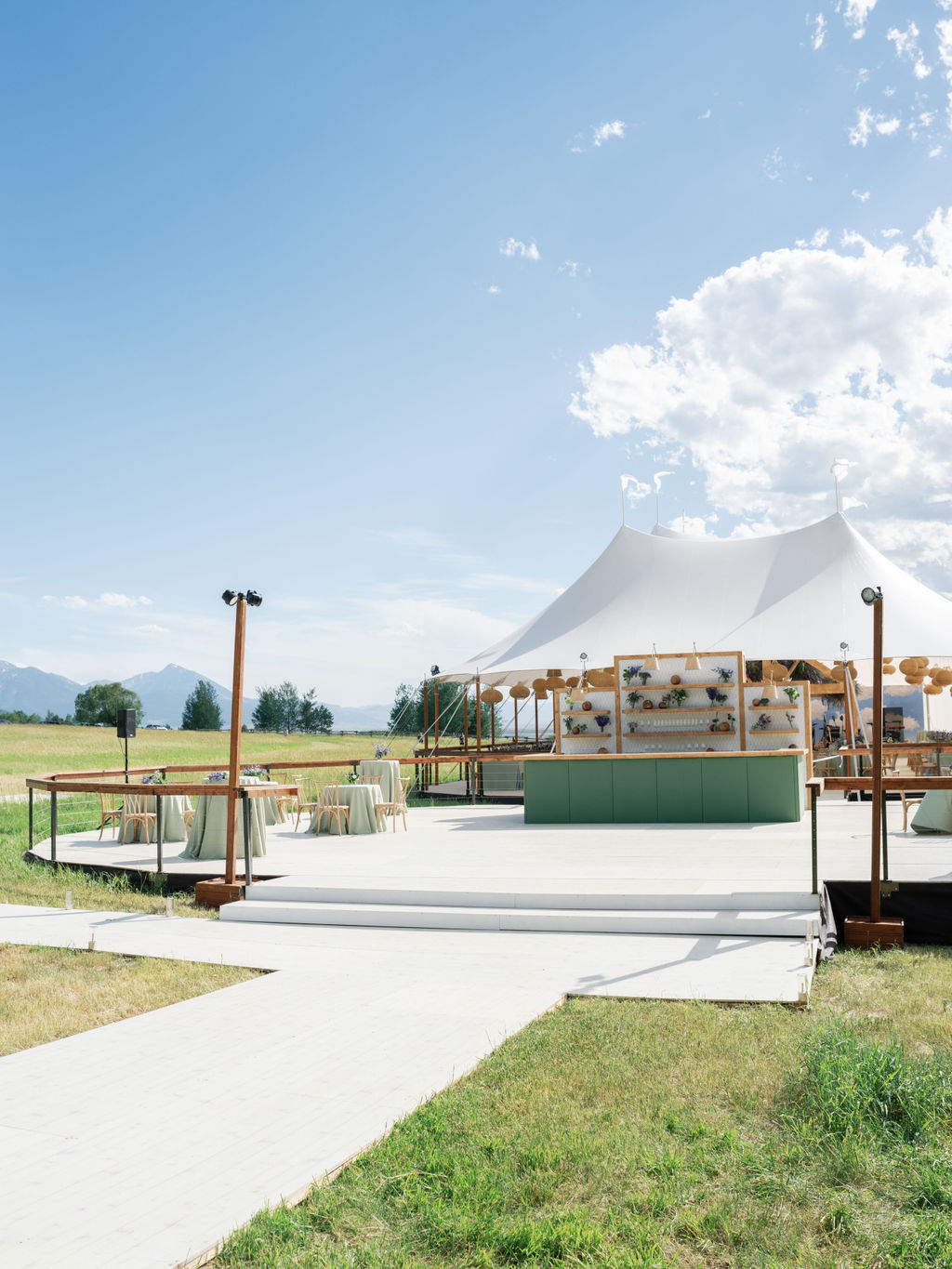
A weather-ready tent must not only withstand environmental conditions but also provide a comfortable and functional environment for guests. Read more in How Do You Plan a Weather-Ready Backyard Event.
Thoughtful layout planning improves both operational efficiency and the overall event experience.
Determining the Appropriate Tent Size
Tent size should be based on more than guest count alone. Dining tables, bars, entertainment areas, catering stations, and circulation pathways all require space.
An undersized tent can feel crowded and uncomfortable, while an oversized structure may increase costs unnecessarily and create challenges for climate control.
Careful planning helps determine the ideal balance between functionality and comfort while ensuring the space supports all event activities effectively.
Designing Flexible Interior Layouts
Mountain events often involve multiple activities within a single structure. Ceremony spaces may transition into dining areas, cocktail lounges, or dance floors throughout the day.
Creating flexible layouts improves guest flow and allows event teams to adapt as needed.
When designing the interior, planners should consider:
- Dedicated areas for dining and entertainment
- Clear guest circulation pathways
- Vendor and service access requirements
- Emergency exit accessibility
These considerations contribute to a safer and more enjoyable experience for attendees.
Site Logistics and Venue Considerations for Mountain Weddings
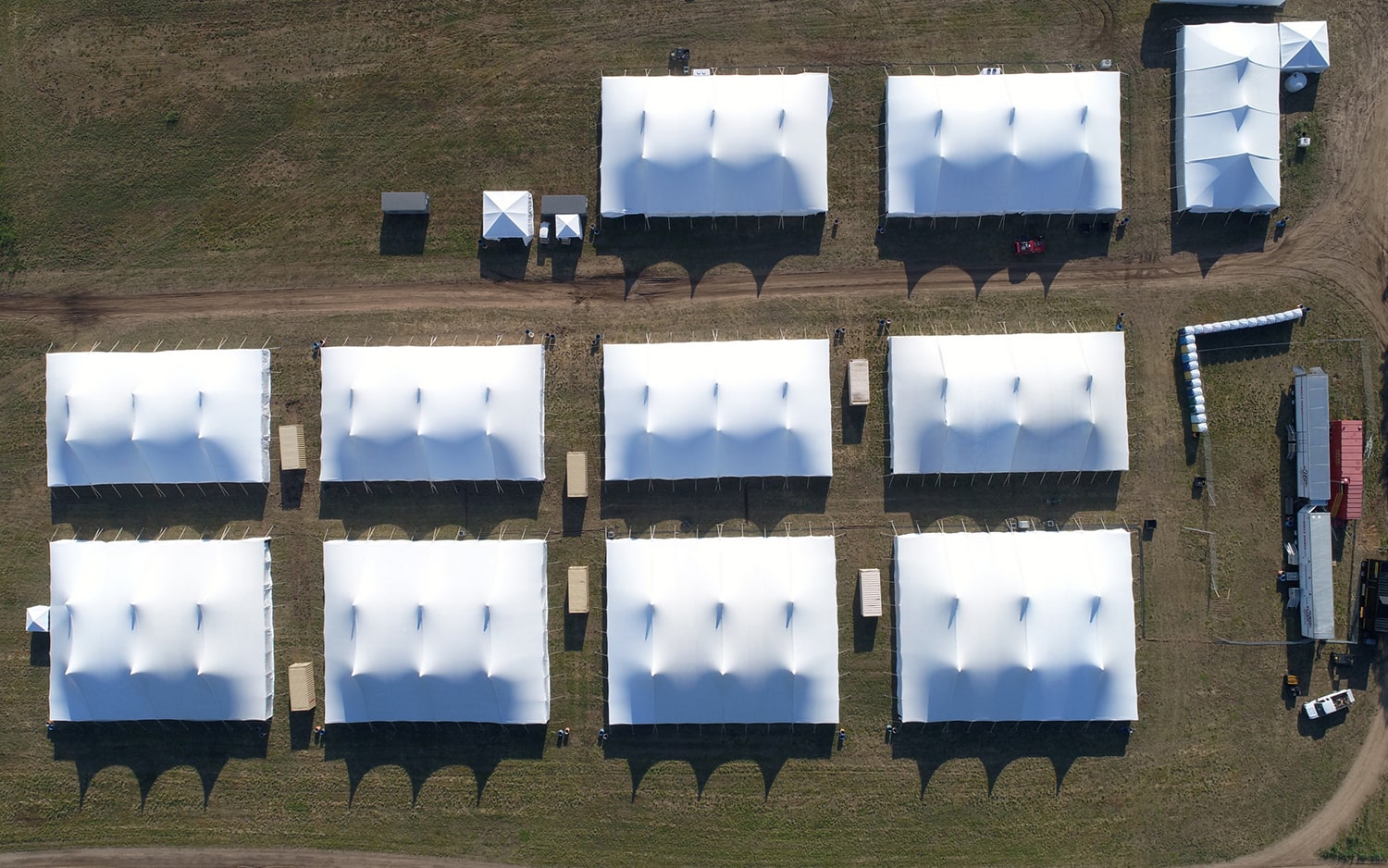
Mountain venues often present logistical challenges that require careful planning and coordination.
Site access, terrain conditions, and regulatory requirements all influence installation procedures and event operations.
Conducting Comprehensive Site Assessments
Before selecting a tent location, planners should evaluate the terrain, accessibility, and environmental conditions of the site.
A detailed assessment helps identify potential challenges while ensuring that the chosen location supports safe and efficient installation.
Key factors to evaluate include:
- Ground stability and slope conditions
- Equipment access routes
- Emergency vehicle accessibility
- Utility and infrastructure availability
Early assessment helps prevent costly surprises and improves overall planning accuracy.
Understanding Venue Rules and Permit Requirements
Many mountain venues have specific guidelines governing tent installations, noise levels, and environmental protection measures.
Working closely with venue managers and local authorities ensures compliance with all applicable regulations, reducing the likelihood of delays or operational issues.
Obtaining permits early in the planning process helps streamline setup and provides additional peace of mind.
Climate Control and Guest Comfort Solutions in a Weather-Ready Tent
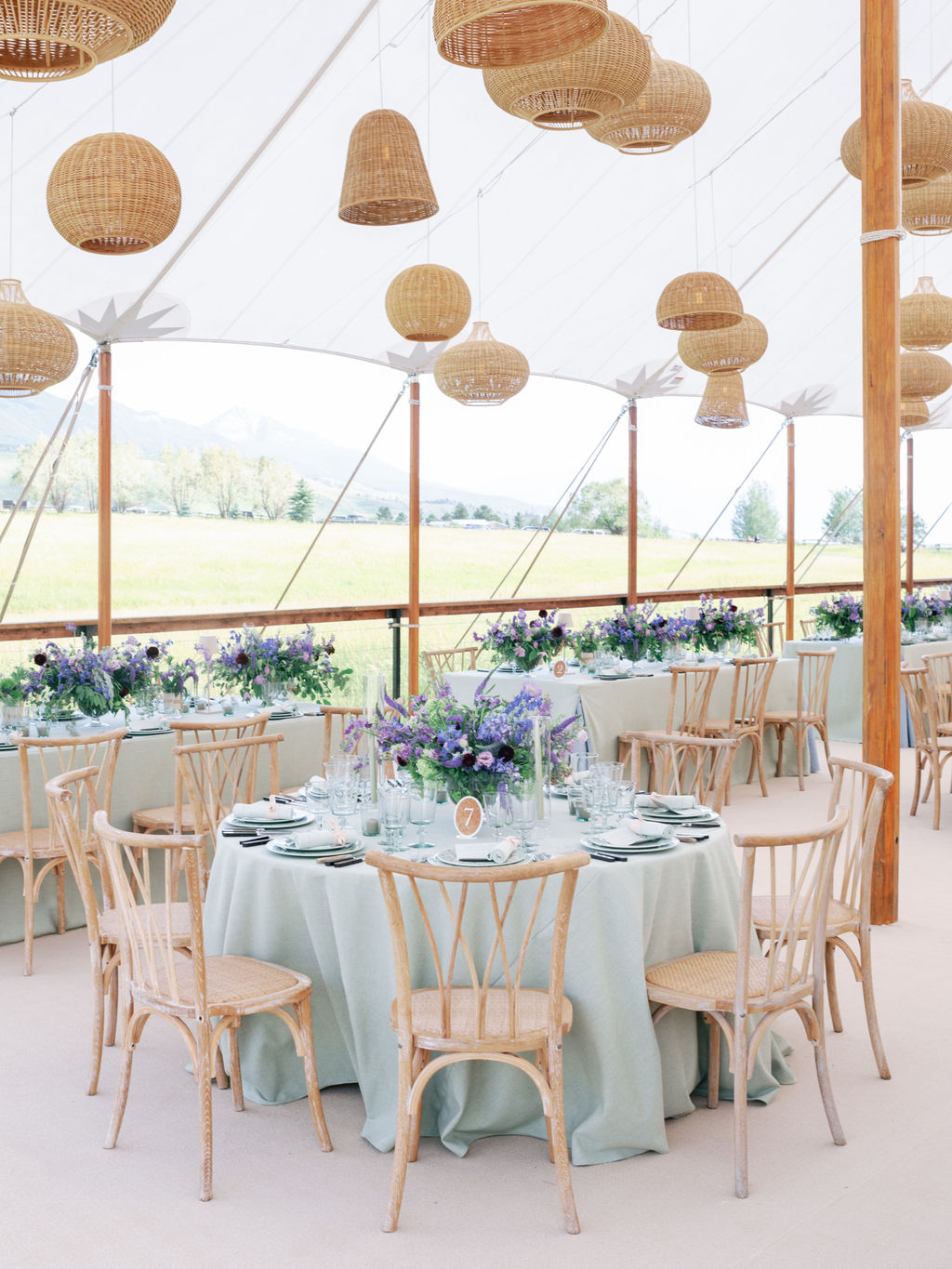
Guest comfort is a critical factor in event success, particularly in mountain environments where temperatures can fluctuate significantly throughout the day.
Climate-control systems help maintain consistent indoor conditions while enhancing the overall experience.
Heating and Cooling Strategies
Depending on the season and location, mountain events may require heating, cooling, or both.
Portable heaters, HVAC systems, and ventilation equipment can be integrated into tent structures to maintain comfortable temperatures. Proper planning ensures these systems operate efficiently without interfering with aesthetics or event activities.
Climate-control requirements should be evaluated early to allow sufficient time for equipment selection and infrastructure planning.
Flooring and Lighting Enhancements
Flooring and lighting play important roles in both comfort and functionality. Uneven mountain terrain often requires stabilized flooring systems that improve accessibility and guest safety.
Popular solutions include hardwood flooring, interlocking platforms, and specialty event flooring designed for outdoor environments, similar to professional event flooring options.
Lighting enhances the atmosphere while improving visibility. Chandeliers, string lights, uplighting, and accent fixtures can transform a tent into a sophisticated mountain venue while supporting evening activities.
Frequently Asked Questions
What tent type is best for mountain weddings?
Clearspan and frame tents are often preferred because they provide strong structural performance, weather resistance, and flexible interior layouts.
How do mountain weather conditions affect tent selection?
Temperature fluctuations, wind exposure, and precipitation risks all influence the type of tent and weather-resistant features required.
Can mountain event tents be heated?
Yes. Portable heating systems, insulated sidewalls, and integrated HVAC solutions can maintain comfortable temperatures during cooler conditions.
Are sailcloth tents suitable for mountain venues?
Yes, provided site conditions and wind exposure are carefully evaluated. Sailcloth tents offer excellent aesthetics but require proper anchoring and weather planning. We cover this further in Prepare for Weather When Planning Tent Rentals.
Conclusion
Mountain weddings and outdoor events offer remarkable experiences, but they require thoughtful planning and weather-ready infrastructure to ensure success. From evaluating local weather patterns and selecting appropriate tent structures to implementing climate-control systems and coordinating site logistics, every detail contributes to the overall outcome. Read more in Weather-Ready Planning for Luxury Outdoor Events in Charlottesville.
Weather-resistant tents provide more than shelter. They create comfortable, elegant environments where guests can fully enjoy the event regardless of changing mountain conditions. By integrating reinforced anchoring, insulation, flexible layouts, and contingency planning, organizers can confidently host celebrations that balance beauty with practicality.
Skyline Tent Company specializes in creating customized tent solutions for challenging outdoor environments, helping clients transform mountain venues into extraordinary event spaces. Their expertise in weather-ready structures, site logistics, and guest-comfort solutions ensures that every event is prepared to handle the unique demands of high-altitude locations. For a tent layout sized to your guest list, request a quote.
Answers to common rental questions are in our tent rental FAQs.