
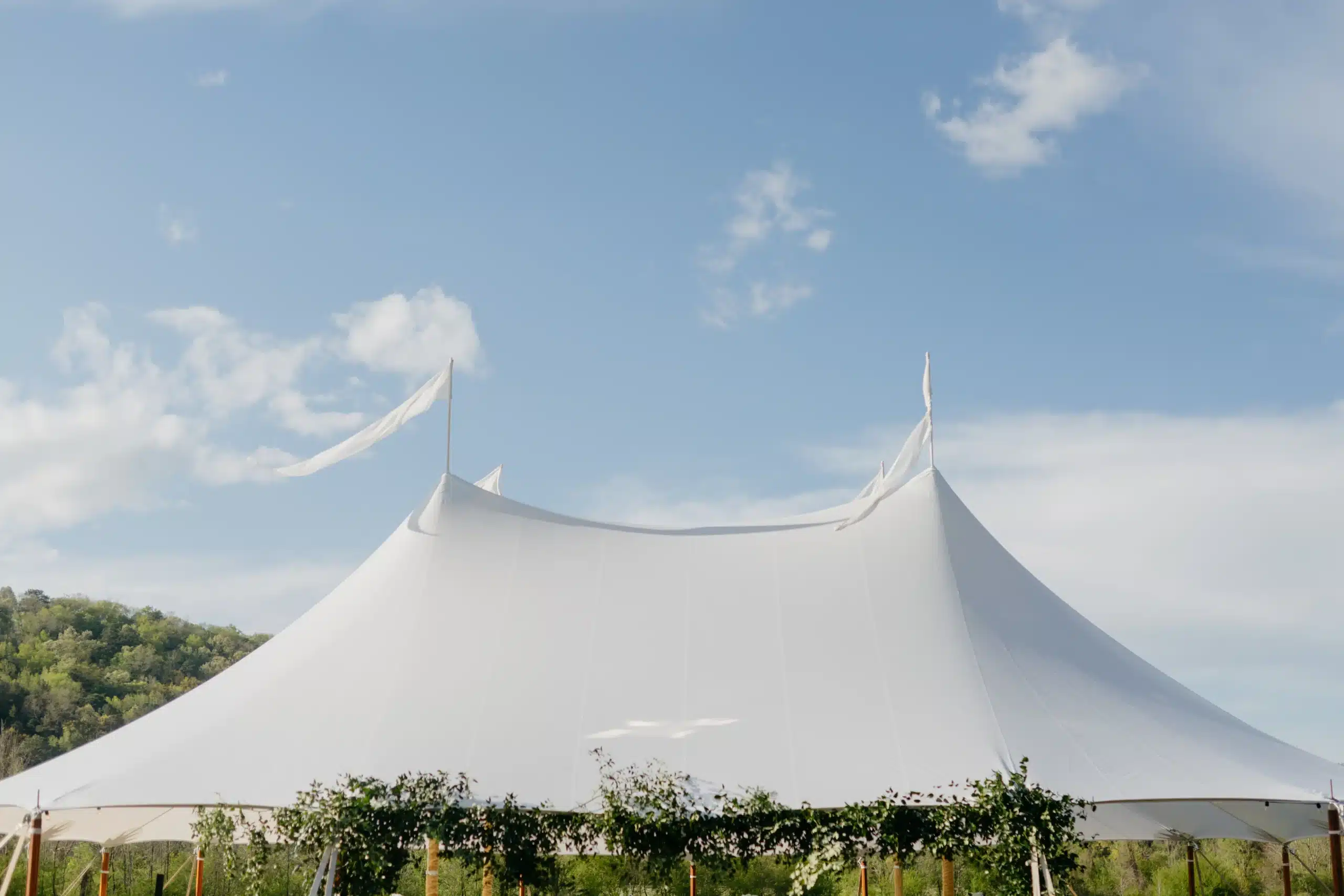
Organising a corporate event requires rigorous planning and appropriate infrastructure to succeed. Professional corporate event tent rentals provide a flexible solution for transforming outdoor sites into refined, fully functional venues. This guide outlines the core considerations: tent structure assessment, flooring selection, lighting strategies, and site logistics so organisers can deliver a comfortable, engaging environment for attendees.
By carefully selecting each element, event planners can create a seamless experience that reflects the professionalism and values of their organisation while accommodating the practical needs of guests and staff.
How Do You Choose the Right Tent Structure for Your Corporate Event?
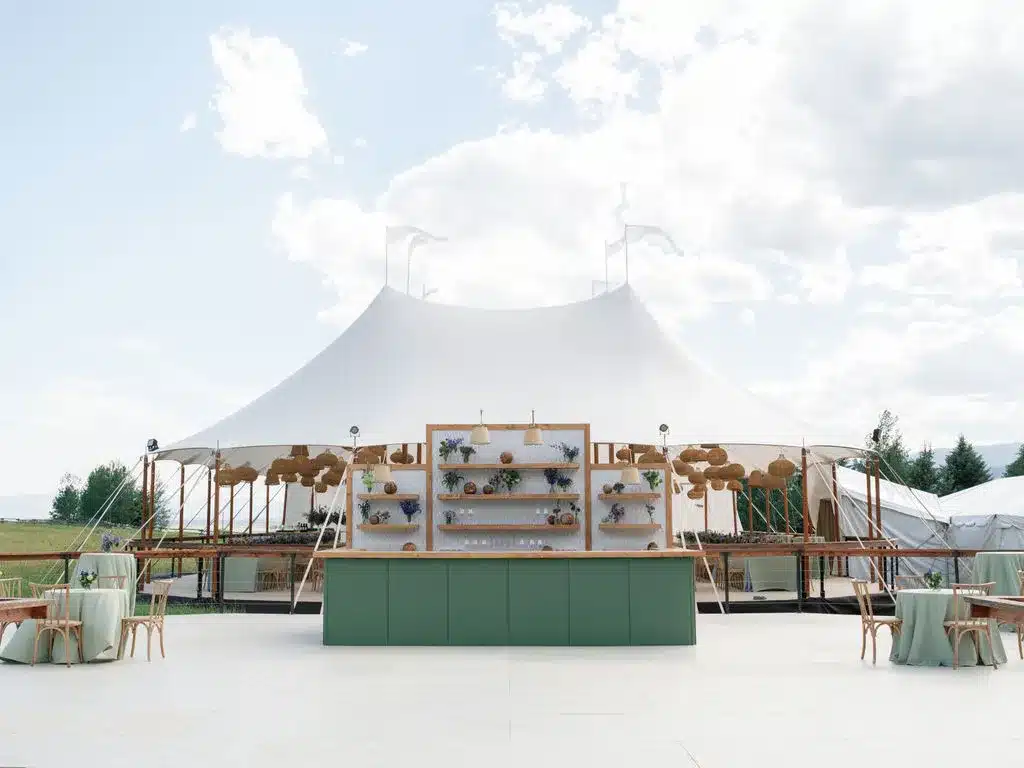
Selecting the correct tent structure is fundamental to event success. Evaluate the event objective, aesthetic theme, and anticipated weather conditions. The right tent delivers shelter and reinforces the event’s visual identity. For example, frame tents provide clear-span interiors for flexible layouts, while pole tents offer peaked profiles that enhance formal atmospheres. Consider the duration of the event and the type of activities planned, as these factors influence the tent’s durability and configuration. It is also important to think about accessibility and emergency exits to ensure safety compliance and guest convenience.
When choosing a tent, take into account the surrounding environment and how the tent will integrate with existing structures or natural features. This holistic approach helps maintain a cohesive look and feel, enhancing the overall guest experience. Consulting with experienced rental providers can provide valuable insights into the best options for your specific event needs.
What Are the Benefits of Frame Tents and Pole Tents?
Frame and pole tents serve distinct operational and aesthetic requirements. Frame tents deliver unobstructed floor plans suitable for varied seating and technical setups. Pole tents present high peaks and a traditional profile that elevate formal presentations and dinners. Both types are configurable with sidewalls and integrated lighting to meet event specifications. Frame tents are particularly advantageous in locations with uneven terrain, as their structure does not rely on center poles, allowing for more versatile placement and layout options.
Pole tents, with their dramatic peaks, create a visually striking environment that can be enhanced with decorative elements such as draping or chandeliers. They are often preferred for events that seek to evoke a classic or elegant ambiance. Understanding the unique benefits of each tent type enables organisers to align their choice with the event’s goals and logistical constraints.
How Does Guest Count Influence Tent Size Selection?
Guest count directly determines tent footprint. Use approximately 10–12 square feet per person for seated dinners and 6–10 square feet per person for cocktail receptions. These guidelines ensure adequate circulation and comfort. Account for specific seating formats—round tables, banquet rows, or theatre seating, as they affect required space. For example, round tables typically require more space per guest than theatre-style seating due to the need for aisles and service access.
In addition to guest numbers, consider the inclusion of other event elements such as stages, dance floors, buffet stations, and audiovisual equipment, which will require additional space within the tent. Planning for these components early helps avoid overcrowding and maintains a comfortable environment. It is also wise to factor in extra room for staff movement and emergency access routes to comply with safety regulations.
What Are the Best Flooring Solutions to Enhance Outdoor Event Comfort?
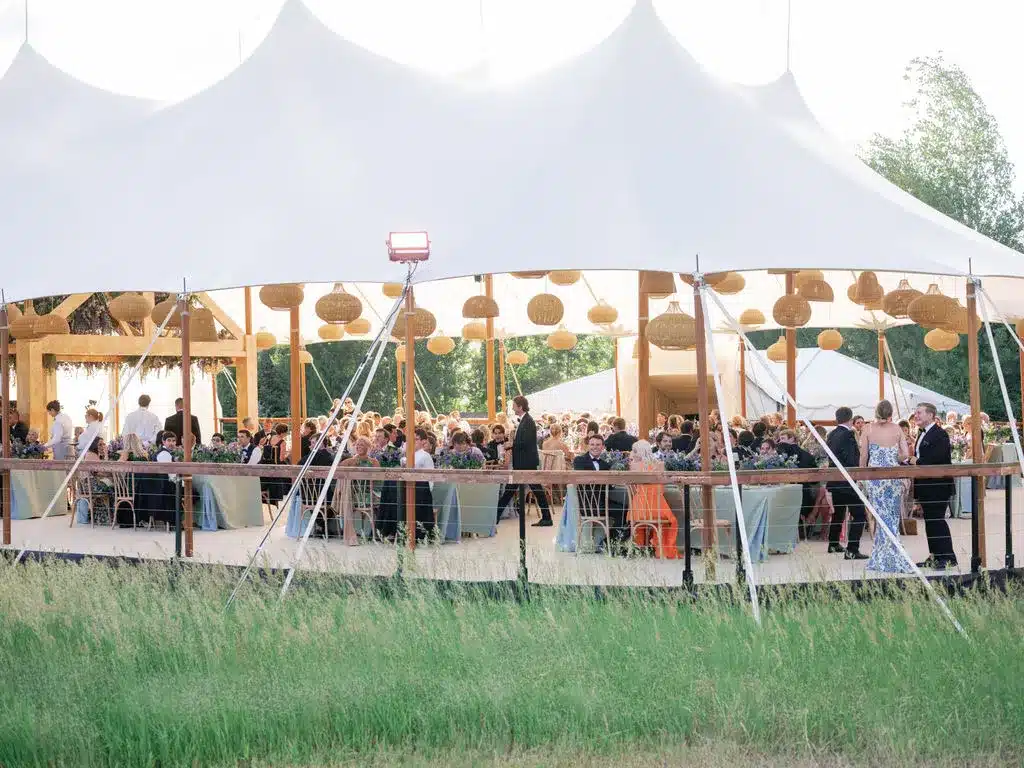
Flooring selection materially affects comfort, safety, and visual presentation. Available solutions range from interlocking hardwood panels to cushioned carpet tiles. Choosing the appropriate floor system enhances stability underfoot while supporting the event’s design objectives. The choice of flooring can also influence acoustics within the tent, reducing echo and noise levels to create a more pleasant atmosphere for conversation and presentations.
Consider the ground conditions and weather forecast when selecting flooring. Some materials perform better on uneven or damp surfaces, while others may require additional underlayments or moisture barriers. Proper installation is critical to ensure a level surface that supports furniture and equipment safely throughout the event.
Which Flooring Materials Improve Safety and Aesthetics?
Interlocking hardwood panels provide a durable, refined surface capable of withstanding heavy foot traffic and minimising slip risk. Cushioned carpet tiles add thermal comfort and noise absorption, appropriate where guests stand or circulate for extended periods. Both options can be matched to the event’s decor and functional needs. For events with high heels or formal footwear, smooth and stable flooring reduces the risk of accidents and enhances guest confidence.
Other flooring options include vinyl or laminate surfaces that offer easy cleaning and resistance to spills, making them suitable for dining areas. Eco-friendly materials such as bamboo or recycled composites are gaining popularity for their sustainability benefits, aligning with corporate social responsibility goals.
How Does Tent Flooring Impact Guest Experience?
Quality flooring contributes to perceived event quality and operational safety. A stable, well-installed surface reduces trip hazards and supports furniture layouts. High-standard flooring enhances the venue’s aesthetic, fostering a welcoming environment that promotes interaction and engagement. Guests are more likely to feel comfortable and relaxed when the environment is thoughtfully designed, which can positively influence networking and overall satisfaction.
Flooring also plays a role in temperature regulation within the tent, as some materials provide insulation against cold or heat from the ground. This can be particularly important for events held in cooler seasons or climates, where maintaining a comfortable temperature is essential for guest enjoyment.
How Can Creative Lighting Ideas Elevate Your Event Tent Ambiance?
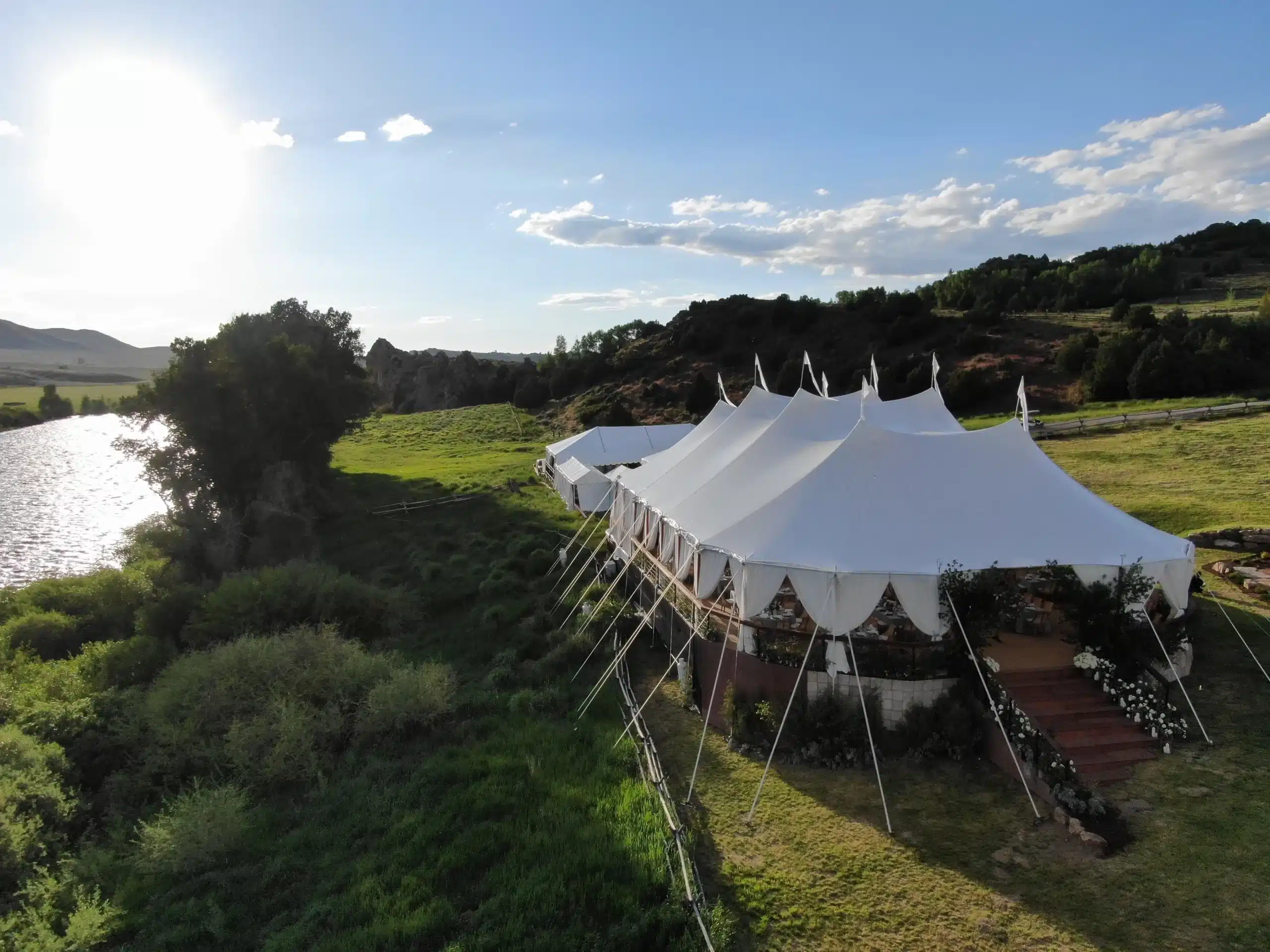
Purposeful lighting design transforms a tented space and defines atmosphere. Appropriate fixtures can accentuate decor, establish mood, and facilitate wayfinding. Options from chandeliers to uplighting should be selected to meet both technical and aesthetic requirements. Lighting can also be used to highlight branding elements, such as logos or colour schemes, reinforcing the corporate identity throughout the event space.
Consider the timing of the event and natural light availability when planning lighting. For daytime events, lighting may be used more for accent and decorative purposes, while evening events often require comprehensive illumination to ensure safety and visibility. The integration of dimmable and programmable lighting systems allows for dynamic changes in ambiance throughout the event, adapting to different segments such as speeches, dining, and entertainment.
What Lighting Systems Are Ideal for Corporate Event Tents?
Chandeliers impart formal elegance; uplighting creates depth and warmth; string lights add subtle charm for outdoor settings. Select systems that align with the event’s theme and desired ambience while meeting electrical and safety specifications. LED lighting options offer energy efficiency and versatility in colour options, enabling customised effects that can enhance the event’s visual impact.
Incorporating task lighting in key areas such as registration desks, buffet stations, and presentation zones ensures functionality without compromising style. Emergency and exit lighting must also be integrated discreetly to comply with safety regulations while maintaining the overall aesthetic.
How to Integrate Lighting With Tent Design and Decor?
Integrate lighting through layered design, ambient, task, and accent lighting, to produce a cohesive visual scheme. Coordinate light colour temperatures and intensities with furnishings and décor so illumination supports, rather than competes with, other design elements. Warm white lighting often creates a welcoming atmosphere, while cooler tones can be used to highlight modern or minimalist themes.
Use lighting to draw attention to focal points such as stages, artwork, or branded displays. The interplay of shadows and highlights can add texture and dimension to the tent interior, enhancing the overall sensory experience. Collaborate with lighting designers or rental specialists to develop a plan that complements the event’s narrative and flow.
What Site Logistics Are Essential for Efficient Tent Setup and Event Flow?
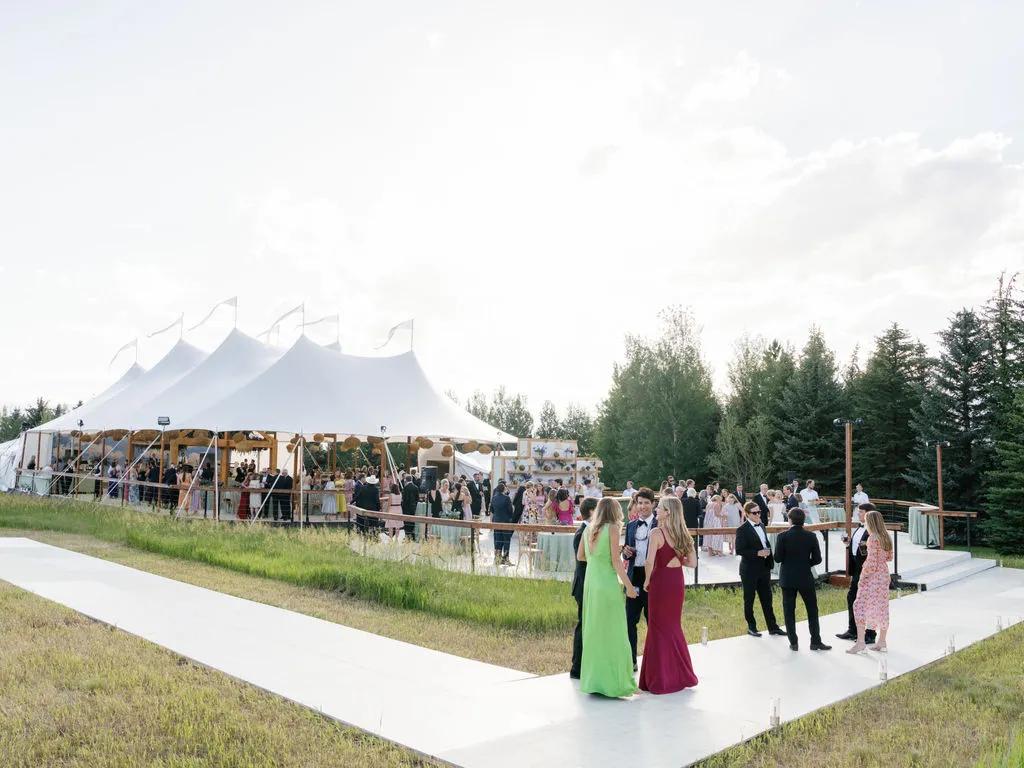
Comprehensive site logistics are essential to efficient setup and uninterrupted event flow. Key tasks include site assessment, accessibility planning, and permit procurement. Thorough logistical planning prevents operational impediments and ensures a consistent experience for organisers and attendees. Early coordination with local authorities and service providers helps avoid last-minute challenges and facilitates smooth execution.
Consider the impact of weather and environmental factors on site logistics, including contingency plans for adverse conditions. Establish clear communication channels among all stakeholders, including vendors, staff, and security personnel, to manage the event effectively from setup through teardown.
How to Plan Site Conditions and Permits for Outdoor Tent Events?
Prior to installation, assess ground bearing capacity, surface grading, and drainage. Verify local permit requirements with the relevant authorities. Addressing these factors in advance mitigates on-site delays and regulatory complications on event day. It is also important to confirm utility access for power, water, and waste management to support event operations.
Engage with environmental consultants if necessary to ensure compliance with local regulations regarding noise, lighting, and waste disposal. Document all permits and approvals to present to officials if required, and maintain a schedule for inspections and approvals to keep the project on track.
What Are Best Practices for Tent Installation and Safety Compliance?
Adhere to rigorous installation protocols: conduct detailed site inspections, employ certified anchoring methods, and verify all components are secured. Ensure conformity with applicable safety codes and standards to protect guests, staff, and equipment. Regularly inspect the tent structure during the event to identify and address any issues promptly.
Train staff on emergency procedures and establish clear evacuation routes. Use signage and barriers to guide guest movement safely. Collaborate with professional installers who have experience with the specific tent models and site conditions to guarantee a secure and reliable setup.
Frequently Asked Questions
What factors should I consider when selecting a tent rental company?
Evaluate a provider’s experience, portfolio, and service range. Confirm availability of multiple tent styles and sizes to meet technical and spatial needs. Review client feedback and references, and verify insurance and documented safety procedures. Finally, confirm delivery and installation timelines to align with the event schedule. It is beneficial to choose a company that offers comprehensive support, including on-site assistance during the event and flexible options for customization.
How can I personalize my tent rental for a corporate event?
Personalisation strengthens brand presence and attendee experience. Incorporate branded signage, linens, and centrepieces. Configure layouts to support networking or presentations. Add bespoke decor, themed lighting, floral installations, and consider interactive zones such as photo stations or lounge areas to encourage engagement. Tailoring the environment to reflect company values and event objectives creates a memorable atmosphere that resonates with guests.
What are the environmental considerations for tent rentals?
Assess a supplier’s sustainability practices, including use of recycled or sustainably sourced materials and energy-efficient lighting. Plan for waste reduction through recycling and composting provisions. Select venues that minimise attendee travel to reduce overall emissions while maintaining event objectives. Incorporating green initiatives not only benefits the environment but also enhances corporate reputation and aligns with growing expectations for responsible event management.
How can I ensure my tent rental is weatherproof?
Choose tents rated for the expected weather conditions and confirm features such as waterproof fabrics, reinforced anchoring systems, and optional sidewalls. Monitor forecasts and establish contingency measures, including additional climate control or sheltered spaces, and ensure professional maintenance during the event. Having backup plans for severe weather, including alternative indoor locations or rescheduling options, helps mitigate risks and maintain event continuity.
What additional amenities should I consider for my tented event?
Provide amenities that enhance comfort and functionality: lounge seating or high-top tables for networking, climate control equipment such as heaters or fans, and appropriate restroom facilities. Include audiovisual systems where presentations or entertainment are planned to maintain attendee engagement. Consider accessibility features such as ramps and designated seating to accommodate all guests comfortably.
How do I handle power needs for my tented event?
Calculate electrical loads for lighting, AV, and support equipment. Coordinate with the rental provider to determine generator availability or external power provisions. Ensure all electrical installations meet safety regulations and include redundant power options to mitigate outages. Planning for sufficient power capacity and distribution prevents interruptions and supports a smooth event experience.
Conclusion
Premium tent rentals can materially improve attendee comfort and event effectiveness when selected and configured with intent. Deliberate choices in tent type, flooring, and lighting produce a professional environment that aligns with brand standards and operational requirements. Apply these principles to reinforce event value and ensure smooth execution. Discover our range of premium tent rental options today to elevate your next corporate gathering. Thoughtful planning and attention to detail in every aspect of the tented environment will leave a lasting impression on attendees and contribute to the overall success of your corporate event.