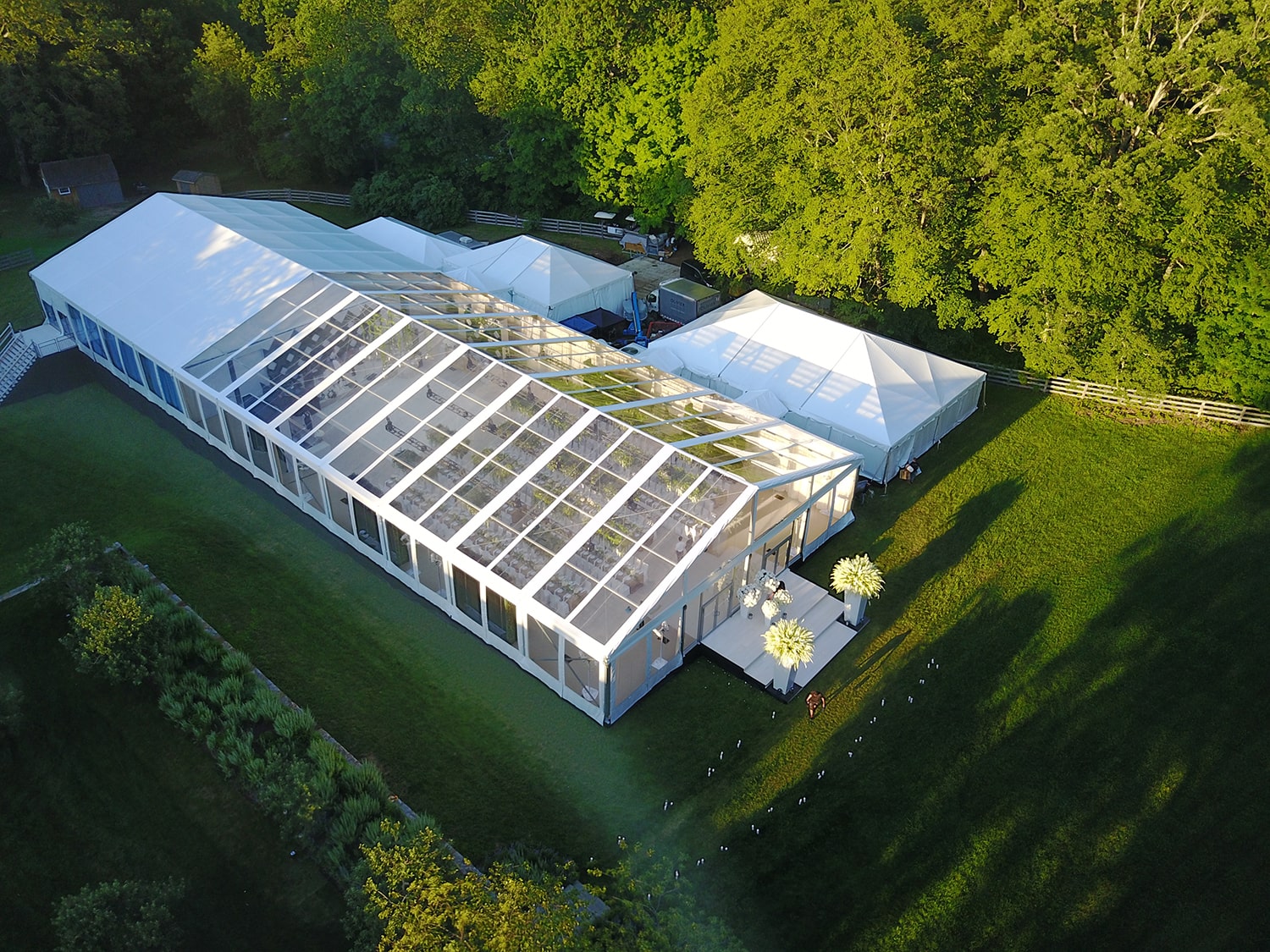
Summer corporate tent rentals offer a level of flexibility and control that traditional venues cannot match. They allow businesses to create fully customized environments that align with brand identity, event objectives, and guest expectations. Instead of adapting to a fixed indoor space, planners can design the entire experience from the ground up, ensuring that layout, comfort, and visual presentation work together seamlessly. For high-tier commercial events, this level of control becomes essential. Corporate gatherings often combine presentations, networking, dining, and brand activation within one space. A well-designed tent ensures that all of these elements function without conflict while maintaining a refined, cohesive atmosphere.
The difference between a standard outdoor setup and a premium tented experience comes down to planning. When structure, layout, climate control, and execution are aligned, the environment feels intentional, comfortable, and highly organized.
Beyond the basic advantages, summer corporate tent rentals also provide opportunities to incorporate innovative technology and sustainable practices. Integrating solar-powered lighting or energy-efficient climate control systems can reduce environmental impact while enhancing the event’s modern appeal. Additionally, tents can be equipped with modular components that allow for quick reconfiguration during multi-day events, supporting dynamic agendas and varied guest interactions.
Choosing the Right Tent Structure for Corporate Events
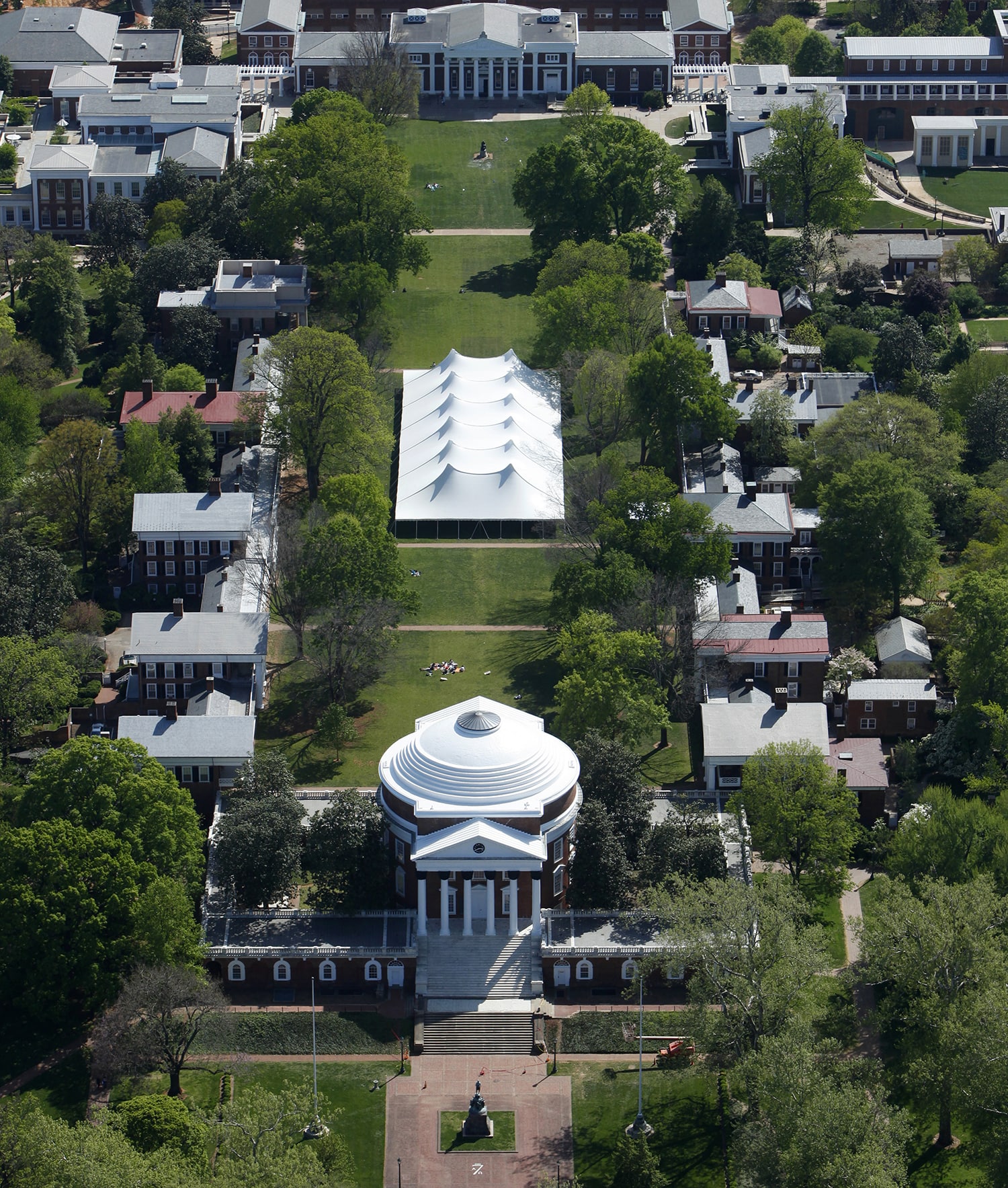
Choosing the right tent structure is a foundational step that influences every other aspect of your event. Consider the nature of your event, the expected number of attendees, and the venue’s characteristics. Consulting with tent rental experts can provide insights into the best options for your specific needs, ensuring that the structure supports your event goals effectively.
Understanding Core Tent Types for Corporate Events
Selecting the right tent begins with understanding how different structures perform in real-world event conditions. Each type supports a different level of flexibility, scale, and visual impact.
Core tent options include:
- Clearspan tents provide open interiors without internal poles, allowing complete freedom in layout design and seamless integration of staging, lighting rigs, and large seating arrangements
- Frame tents offer high adaptability and can be installed on a variety of surfaces, making them ideal for venues with limited staking or tighter spatial constraints
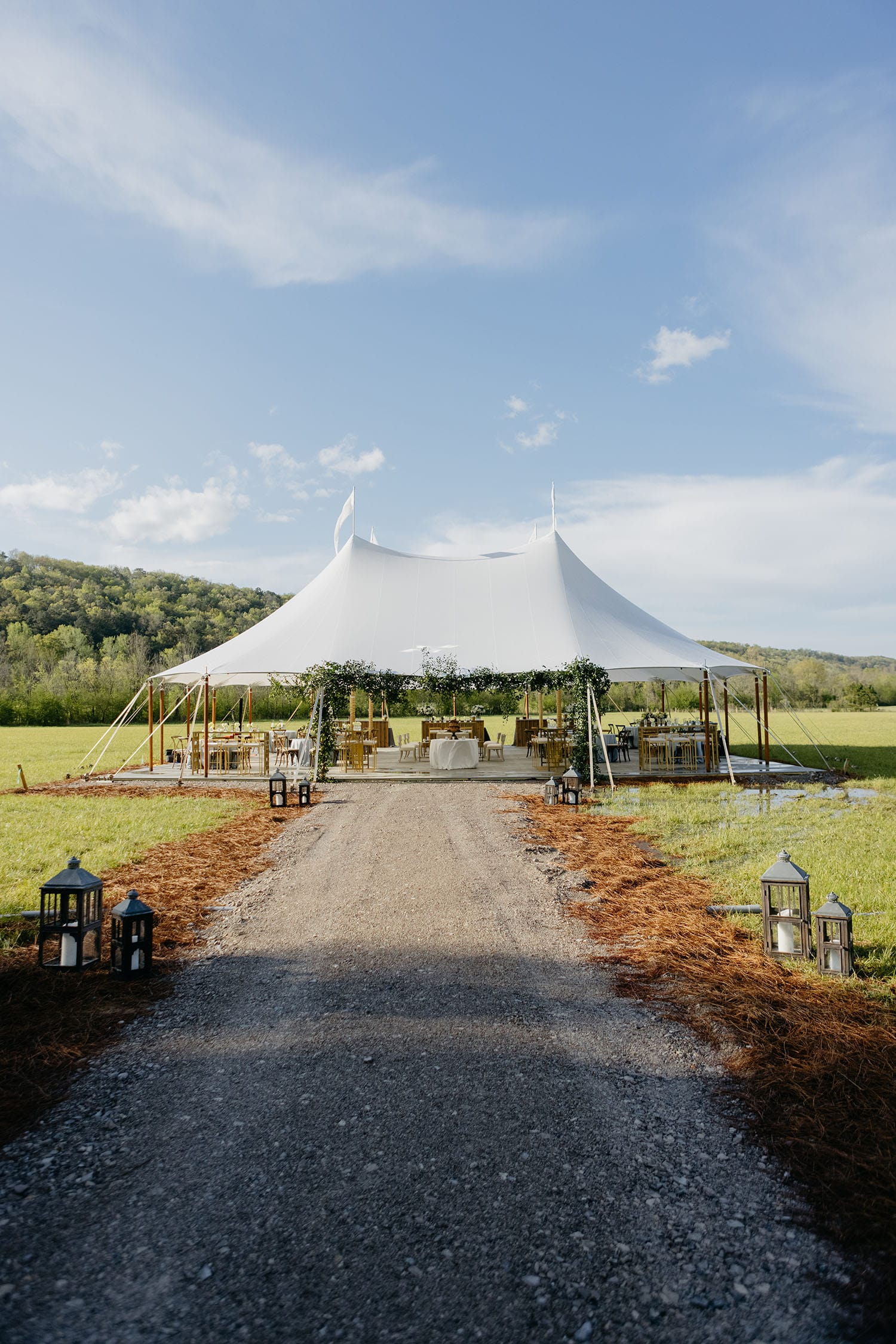
- Sailcloth tents create a softer, elevated visual experience with translucent fabric that enhances natural light and produces a warm, refined ambiance, making them a popular choice for planners exploring the benefits of sailcloth tents
- Pole tents deliver a classic profile with strong visual presence, often used in open outdoor settings where aesthetic impact is a priority
Beyond these standard options, newer structures are expanding design possibilities.
Emerging and innovative tent solutions:
- Hybrid tent designs combine features from multiple structures, offering flexibility through elements such as retractable walls and adjustable ceiling heights
- Adaptive configurations allow tents to respond to changing weather conditions or transition between event phases without disrupting flow
- Geodesic dome tents provide exceptional structural strength and a distinctive architectural look, suitable for high-impact, design-forward events
- Dome structures also offer strong wind resistance and improved acoustics, making them ideal for presentations, performances, and immersive brand experiences
Incorporating these advanced structures allows planners to move beyond traditional setups and create environments that feel distinctive, adaptable, and memorable for attendees.
Matching Tent Type to Event Requirements
Choosing a tent is not just about appearance. It must align with how the event will function.
Important factors include:
- Guest count and seating requirements
- Type of event such as conference, networking, or gala
- Site conditions and accessibility
- Technical needs including AV and staging
A well-matched structure ensures that the rest of the planning process remains efficient and predictable.
Consideration of future scalability is also crucial. Selecting a tent that can be expanded or modified allows event organizers to accommodate last-minute changes in attendance or program adjustments without compromising the overall design integrity.
Additionally, the choice of tent should consider the integration of technology infrastructure. For example, tents with built-in cable management systems and reinforced flooring can support heavy equipment and complex AV setups. This foresight prevents last-minute technical challenges and ensures a smooth event flow. Accessibility features such as ramps and wide entrances should also be factored in to accommodate all guests comfortably.
Designing Layout and Guest Experience Within Corporate Tents
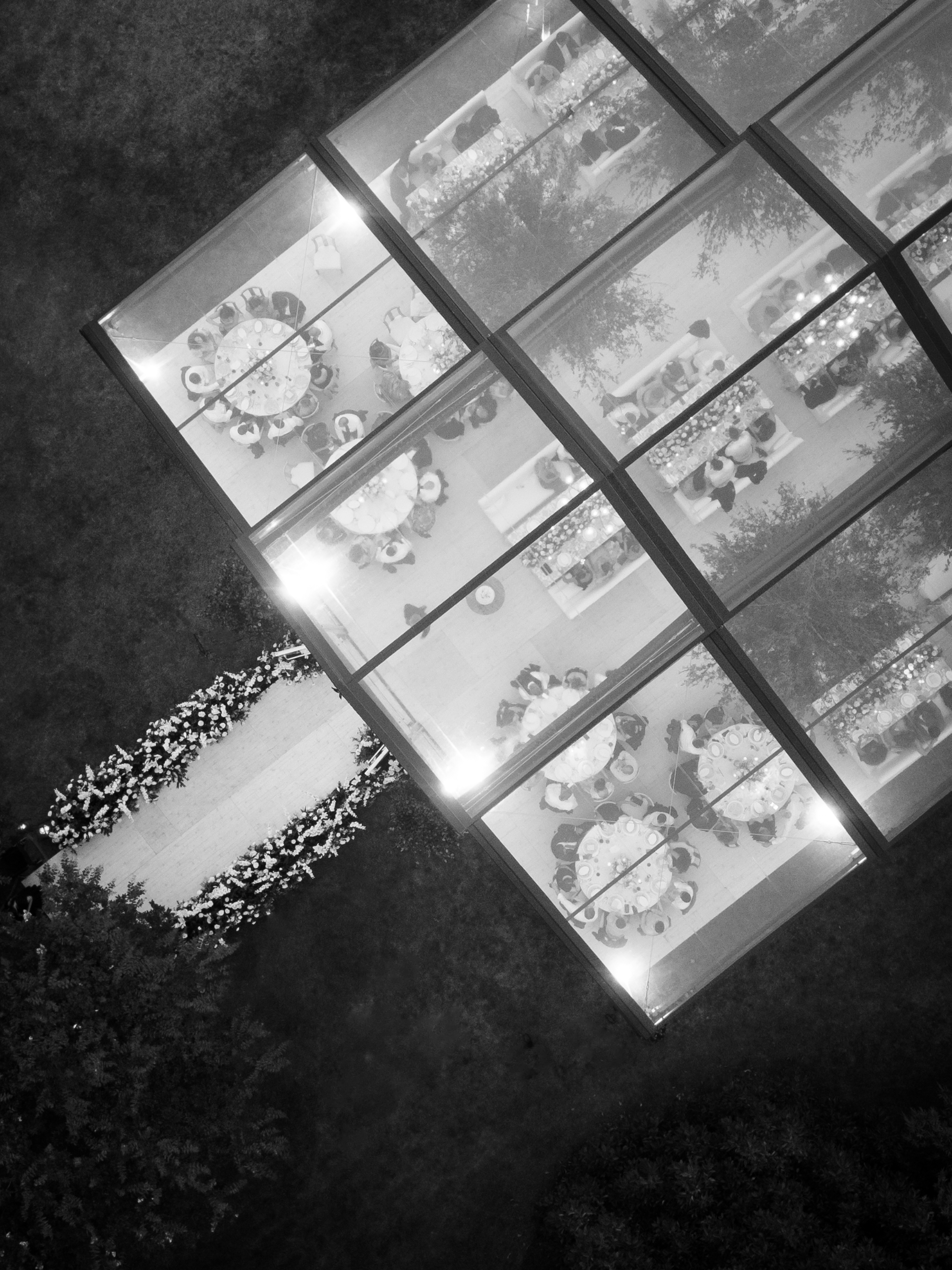
Effective layout design is key to creating an inviting and functional event space. It requires a balance between aesthetics and practicality, ensuring guests can navigate easily while enjoying the event’s various components. Incorporating feedback from previous events and using digital layout tools can help optimize space utilization and guest satisfaction.
Planning Guest Movement Strategically
Layout planning should begin with circulation rather than placement. Guests should be able to move naturally through the space without confusion or congestion.
A strong flow plan ensures:
- Smooth entry and exit points
- Clear transitions between zones
- Even distribution of guest traffic
Key layout priorities:
- Position high-traffic areas away from bottlenecks
- Keep pathways open and intuitive
- Avoid overcrowding near focal points
When movement is planned correctly, the event feels effortless to navigate.
Incorporating wayfinding elements such as subtle signage, floor markings, or color-coded zones can further enhance guest navigation. These tools reduce confusion and help maintain a steady flow, especially in larger or more complex tent setups.
Advanced event planners often use simulation software to model guest movement patterns before finalizing layouts. This technology can identify potential congestion points and allow for adjustments that improve overall flow. Additionally, incorporating flexible furniture arrangements that can be easily reconfigured during the event supports dynamic guest interactions and changing needs throughout the day.
Creating Functional Zones Within the Tent
Large corporate tents should be organized into zones that support different activities while maintaining cohesion.
Typical zones include:
- Presentation or stage area
- Networking and lounge spaces
- Dining or hospitality sections
Effective zoning strategies:
- Use lighting changes to define areas
- Arrange furniture to guide movement
- Maintain visual connection between spaces
This approach creates structure without making the space feel segmented.
Additional considerations include acoustic zoning to minimize sound bleed between areas, especially when presentations and networking occur simultaneously. Using sound-absorbing materials or portable partitions can help maintain audio clarity and guest comfort.
Incorporating multi-functional zones that can transition between uses during the event adds versatility. For example, a lounge area can convert into a breakout session space with modular furniture and movable partitions. This flexibility maximizes the utility of the tent footprint and enhances the guest experience by providing varied environments within a single structure.
Enhancing Corporate Tent Interiors for Premium Events
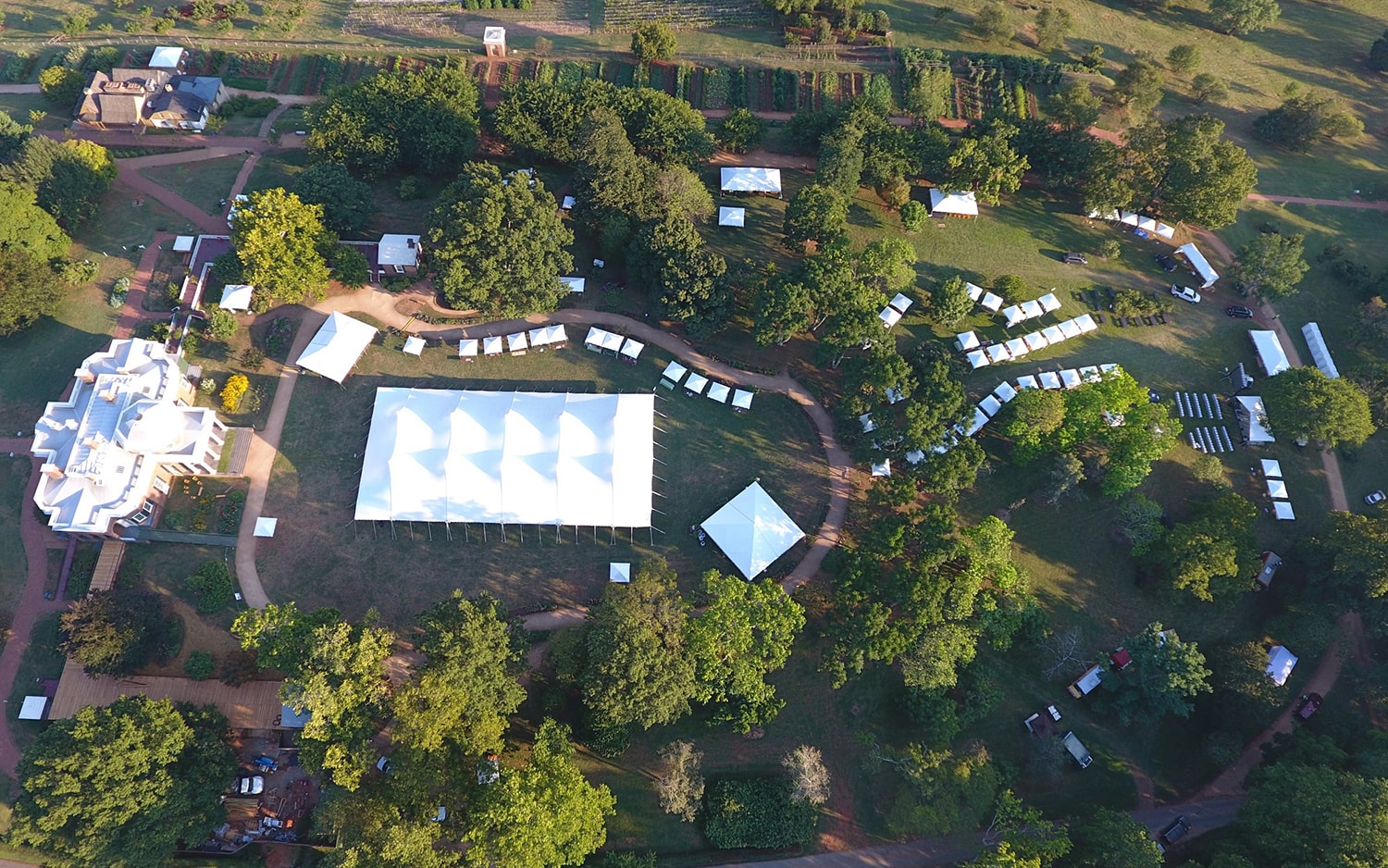
Interior design within corporate tents elevates the event from functional to memorable. Thoughtful choices in lighting, flooring, and materials contribute to an atmosphere that reflects professionalism and attention to detail. Collaborating with design specialists can help integrate these elements seamlessly.
Lighting Design and Atmosphere Control
Lighting is one of the most influential elements in a tented environment, which is why many event professionals incorporate creative event lighting ideas to enhance atmosphere and guest engagement. It shapes how guests perceive the space and how they interact within it.
A layered lighting system includes:
- Ambient lighting for general visibility
- Accent lighting to highlight key features
- Functional lighting for service areas
Lighting should evolve throughout the event:
- Bright and focused during presentations
- Softer and warmer during networking
This transition helps maintain engagement and enhances the overall atmosphere.
Incorporating programmable LED systems allows for dynamic changes in color temperature and intensity, enabling seamless shifts in mood and focus. Integrating lighting controls with event schedules can automate these transitions, reducing manual intervention and ensuring consistency.
Specialty lighting effects such as gobo projections, uplighting, and color washes can add visual interest and reinforce branding themes. Using dimmable fixtures and wireless controls provides flexibility to adapt lighting in real time based on event flow and guest feedback. Additionally, incorporating natural light through transparent tent panels or skylights can create a connection to the outdoor environment, enhancing the ambiance during daytime events.
Flooring and Material Consistency
Flooring plays a critical role in both comfort and design. It provides a stable surface and contributes to the visual quality of the environment.
Key flooring considerations:
- Ground conditions and leveling requirements
- Type of event and expected foot traffic
- Desired aesthetic
Benefits of proper flooring:
- Improved guest comfort
- Enhanced accessibility
- Cleaner, more polished appearance
Consistency across materials ensures the environment feels cohesive and well-designed.
Options such as raised flooring systems can protect against uneven terrain and provide integrated cable management for technical equipment. Choosing sustainable or recycled materials for flooring can also align with corporate social responsibility goals, adding an extra layer of value to the event design. We cover this further in Elevate Corporate Holiday Galas with Luxury Tent Rentals.
Additional flooring options include carpet tiles, hardwood panels, and vinyl overlays, each offering different textures and finishes to suit the event’s tone. Incorporating branded floor graphics or custom rugs can further enhance the immersive experience. Attention to slip resistance and durability ensures safety and longevity throughout the event duration.
Climate Control Solutions for Comfortable Summer Corporate Tents
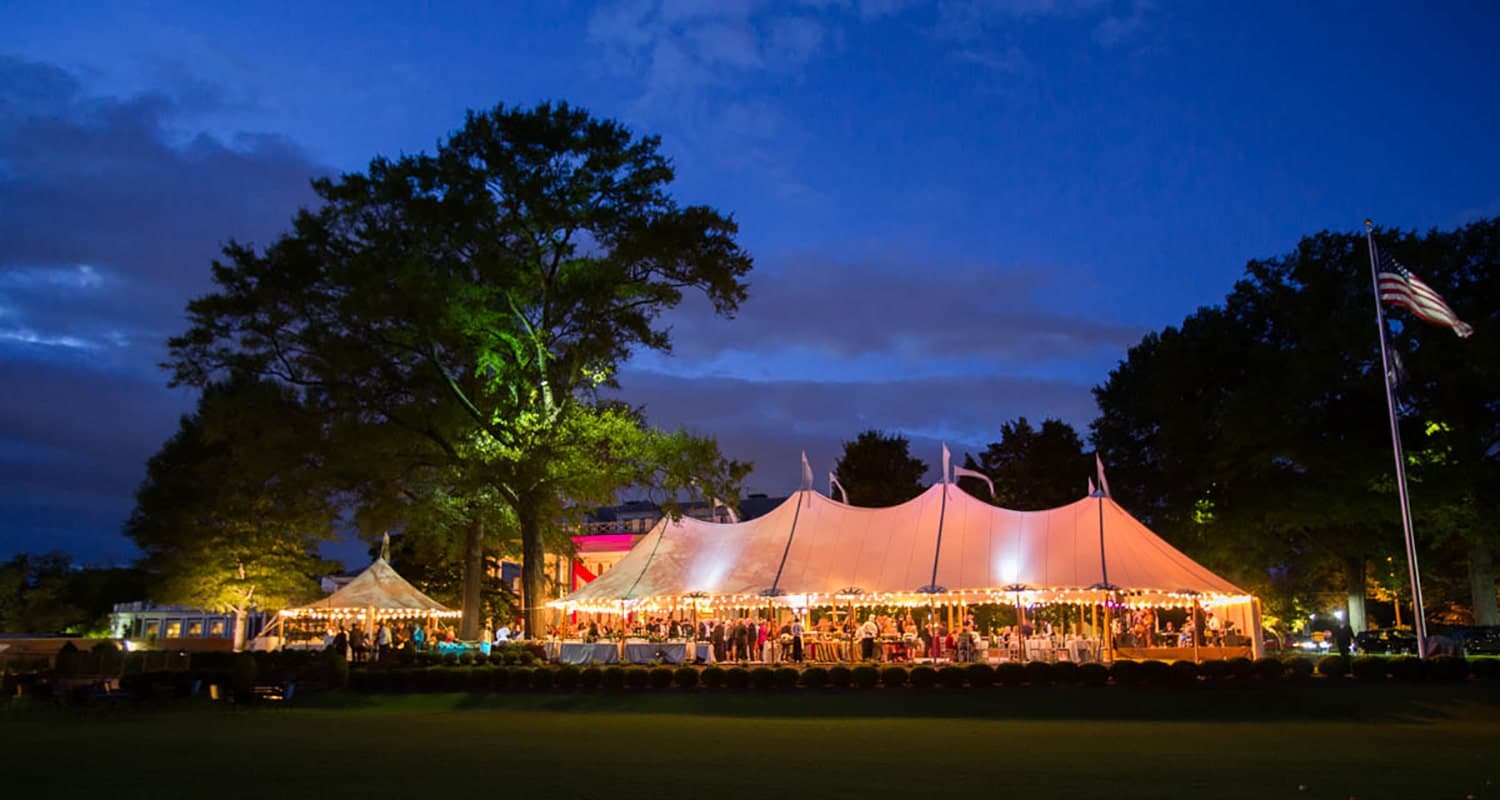
Maintaining a comfortable environment is critical for guest satisfaction, especially during summer events. Effective climate control strategies not only improve comfort but also demonstrate attention to detail and professionalism.
Managing Temperature in Summer Conditions
Temperature control is essential for maintaining guest comfort during summer events, making tent climate control solutions an important consideration during the planning process.
Effective cooling strategies include:
- Air conditioning systems for enclosed tents
- High-capacity fans for airflow support
- Strategic tent orientation to reduce sun exposure
Placement of equipment is just as important as the equipment itself. Poor placement can disrupt airflow and reduce effectiveness.
In addition to mechanical cooling, incorporating natural shading elements such as surrounding trees or temporary canopies can reduce heat gain. Using reflective tent fabrics or light-colored materials also helps minimize internal temperature rise.
Advanced cooling solutions such as evaporative coolers or chilled water systems can be integrated for larger tents, providing efficient temperature regulation with lower energy consumption. Monitoring systems that track temperature and humidity in real time allow for adjustments to maintain optimal conditions throughout the event. You may also find Custom Outdoor Tent Solutions for Corporate Events helpful.
Airflow and Ventilation Planning
Airflow is often overlooked but plays a major role in how comfortable the space feels.
Ways to improve ventilation: You may also find Discover Stunning Luxury Fundraising Event Tents and Trends helpful.
- Open tent sides where possible
- Space seating to allow airflow circulation
- Position fans to support natural movement of air
Benefits of proper airflow:
- Reduced heat buildup
- Improved air quality
- More comfortable guest experience
A well-ventilated tent feels open and breathable, even during peak summer conditions.
Advanced ventilation systems can include air exchange units that filter and refresh air continuously, reducing humidity and odors. Incorporating smart sensors to monitor temperature and air quality allows real-time adjustments, ensuring optimal comfort throughout the event.
Incorporating green design principles, such as using plants and natural materials inside the tent, can improve air quality and create a more inviting atmosphere. These elements also contribute to the event’s aesthetic and support sustainability goals.
Integrating Brand Identity and Customization in Corporate Tent Events
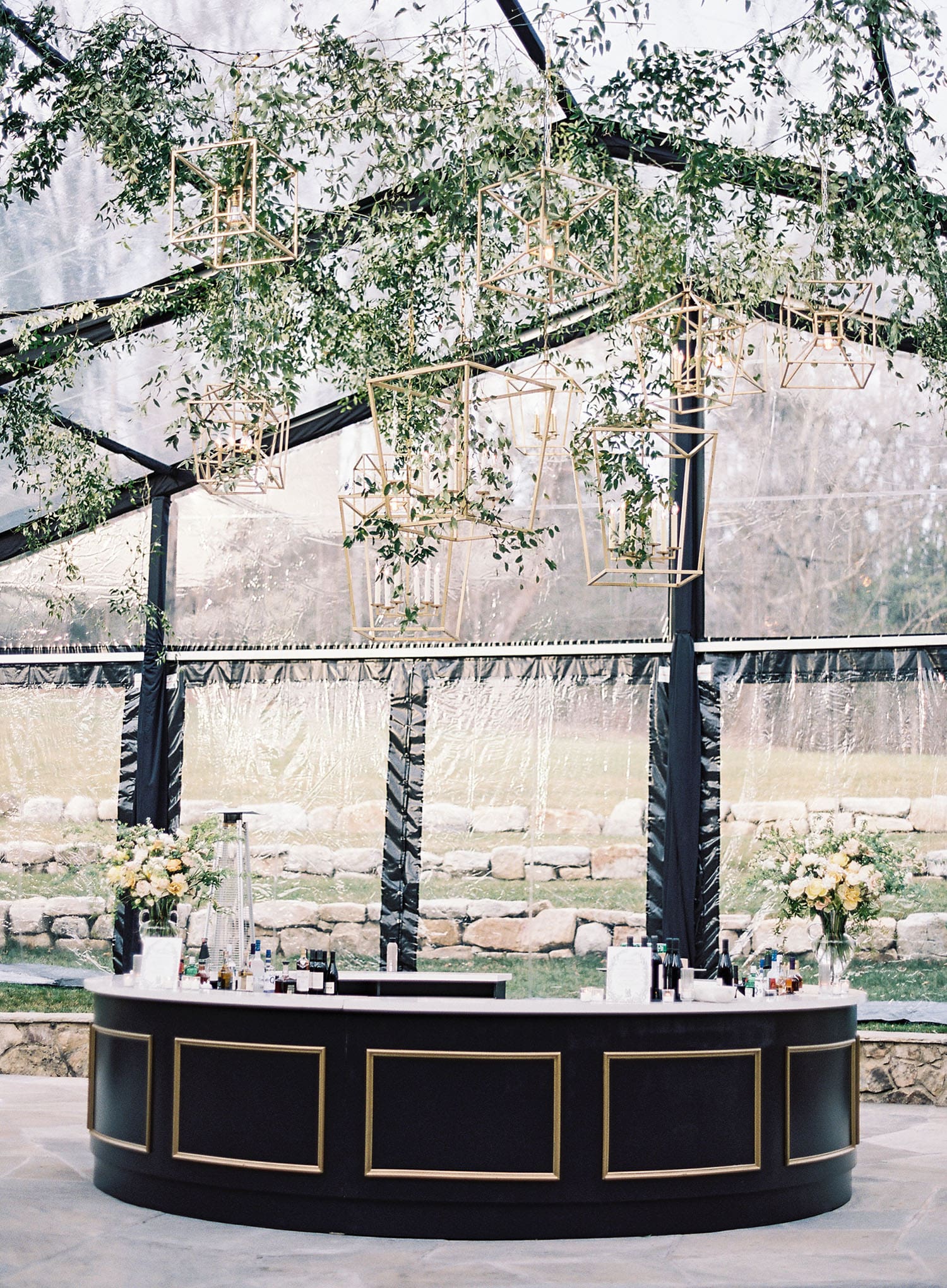
Customization and branding transform a generic tent into a powerful extension of your corporate identity. Thoughtful integration of brand elements enhances recognition and creates a memorable experience for attendees. We cover this further in Transform Your Brand Experience with Custom Tent Design.
Translating Brand Identity Into Design
Corporate events should reflect brand identity in a subtle and cohesive way. This goes beyond logos and signage. We cover this further in Unlock the Advantages of Renting Corporate Tents.
Branding elements can include:
- Coordinated color palettes
- Lighting schemes aligned with brand tone
- Structured layout reflecting brand positioning
Even small design decisions influence how the brand is perceived.
Incorporating branded textures and materials, such as custom-printed fabrics or branded furniture upholstery, can deepen the immersive experience. Digital branding through projection mapping or interactive displays further enhances engagement and reinforces messaging.
Personalized guest experiences can be created by integrating technology such as RFID badges or mobile apps that interact with branded installations. This level of engagement fosters a stronger connection between attendees and the brand, making the event more impactful and memorable.
Creating a Cohesive Guest Experience
Consistency across all elements ensures the event feels intentional.
Key design alignment factors:
- Unified lighting and décor
- Balanced layout and spacing
- Seamless transitions between zones
When everything works together, guests experience the event as a single, cohesive environment rather than a collection of separate elements.
Attention to sensory details such as scent, sound, and tactile elements can elevate the guest experience. Coordinated scent branding or curated background music aligned with the event’s tone contribute to a memorable atmosphere that resonates beyond the visual.
Incorporating interactive elements such as touchscreens, virtual reality experiences, or live social media feeds can further engage guests and create a dynamic environment. These features encourage participation and provide additional touchpoints for brand messaging.
Managing Logistics and Vendors for Corporate Tent Events
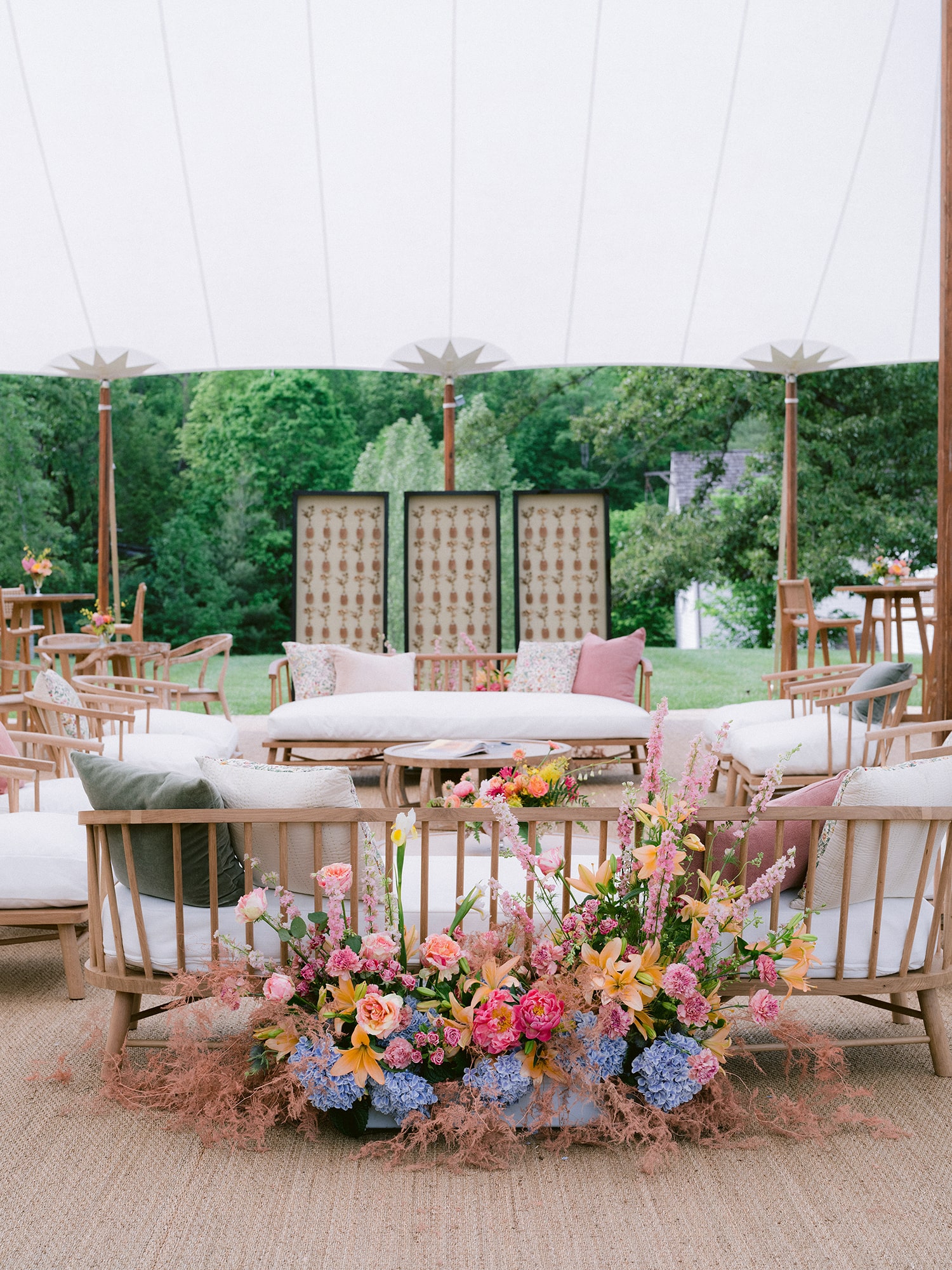
Successful execution depends on meticulous logistics and vendor coordination. Early planning and clear communication reduce risks and ensure a smooth setup process.
Site Preparation and Setup Planning
Every venue introduces unique challenges that must be addressed before installation.
Important site considerations:
- Terrain and ground stability
- Access points for equipment and vendors
- Local regulations and permitting
A structured setup process ensures efficiency:
- Tent installation first
- Infrastructure such as flooring and power
- Lighting, décor, and technical elements last
This sequence prevents delays and conflicts.
Pre-event site surveys and risk assessments help identify potential obstacles early. Coordinating with local authorities and utility providers ensures compliance and smooth integration of necessary services such as electricity, water, and waste management.
Contingency planning for unexpected site issues, such as drainage problems or access restrictions, is essential. Having backup plans and alternative equipment ready can prevent costly delays and maintain the event timeline.
Coordinating Vendors for Seamless Execution
Corporate tent events involve multiple teams working simultaneously. Coordination is critical.
Effective vendor management includes:
- Clear timelines for each phase
- Defined responsibilities for each vendor
- Ongoing communication throughout setup
Benefits of strong coordination:
- Reduced setup delays
- Improved workflow efficiency
- Smooth transition into event execution
Utilizing project management software and centralized communication platforms can streamline coordination. Regular progress meetings and contingency planning prepare teams to address unexpected challenges without disrupting the event timeline.
Establishing a single point of contact or event manager who oversees all vendor activities ensures accountability and quick resolution of issues. Clear documentation of agreements, schedules, and technical requirements minimizes misunderstandings and supports a professional execution.
Strategic Planning for Successful Corporate Tent Events
Strategic planning integrates all elements of the event to align with business goals and guest expectations. It involves collaboration across departments and stakeholders to ensure a unified vision.
Aligning Design With Event Objectives
Every event has a purpose, and the design should support it.
Examples:
- Conferences require structured seating and clear sightlines
- Networking events benefit from open layouts
- Brand activations require visually engaging environments
Aligning design with objectives ensures the event performs effectively.
Incorporating feedback loops during the planning phase, such as stakeholder reviews and mock-up walkthroughs, helps refine design choices to better meet objectives. This iterative approach reduces costly changes during setup and enhances overall event success.
Integrating measurable goals and key performance indicators (KPIs) into the planning process allows organizers to evaluate event success objectively. These metrics can include attendee engagement, brand exposure, or lead generation, guiding design and operational decisions to maximize impact.
Avoiding Common Planning Mistakes
Even well-planned events can face challenges when key details are overlooked. These issues often arise during execution and can affect both guest experience and operational efficiency if not addressed early.
Common planning mistakes to watch for:
- Underestimating space requirements, leading to overcrowded layouts
- Ignoring guest flow, which creates congestion and disrupts movement
- Failing to plan for weather conditions, leaving the event exposed to disruptions
Preventative strategies should be integrated into the planning process from the beginning. Layouts should allow for extra space to improve comfort and circulation, while detailed site assessments help identify potential constraints before installation begins. Weather contingencies should also be built into the plan to ensure the event can continue smoothly under changing conditions.
Additional pitfalls to consider include overlooking technical infrastructure requirements such as power capacity and reliable connectivity. These elements are essential for modern corporate events, especially those involving presentations, live streaming, or digital engagement. Early coordination with technical vendors ensures these systems are properly integrated and aligned with the overall event design. We cover this further in Essential Guidelines for Renting Tents for Corporate Events.
Frequently Asked Questions
What is the best tent type for large corporate events?
Clearspan tents are widely considered the most effective option for large corporate events due to their open interiors and structural flexibility. Without internal poles, they allow for seamless layout planning, making it easier to incorporate staging, lighting systems, and large seating arrangements. This makes them particularly well suited for conferences, exhibitions, and large-scale networking environments where organization and visibility are essential. We cover this further in Why Choose Custom Large-Scale Tent Rentals for Your Event.
How far in advance should I book a corporate tent rental?
For summer corporate events, securing a tent several months in advance is highly recommended. Peak season demand often limits availability, especially for premium tent structures. Early booking not only ensures access to preferred options but also provides sufficient time for customization, layout refinement, and coordination with vendors, all of which contribute to a more seamless planning process. For more detail, see our article How to Elevate Summer Corporate Events With Tents.
What factors most influence guest comfort in a tented event?
Guest comfort is primarily shaped by how well the environment is controlled and organized. Temperature regulation and proper airflow play a critical role, especially in summer conditions. A spacious layout that allows for easy movement, combined with effective lighting and clear visibility, ensures guests can engage comfortably throughout the event. When these elements are thoughtfully managed, the overall experience feels smooth and well-executed.
How can I make a corporate tent event feel high-end?
Creating a high-end tented event comes down to attention to detail and consistency in design. Layered lighting, refined flooring, and carefully selected furnishings contribute to a polished atmosphere. Cohesive branding and a well-planned layout help reinforce a sense of purpose and professionalism. When all elements are aligned, the space feels intentional and elevated rather than temporary.
What is the biggest mistake in corporate tent planning?
One of the most common mistakes is underestimating the amount of space required. Failing to account for circulation areas, service zones, and additional event features can lead to overcrowding and disrupt the overall flow. Proper planning ensures that movement remains comfortable, layouts feel balanced, and the event operates efficiently from start to finish.
Can outdoor corporate tents be used in unpredictable weather?
Modern corporate tents are designed to perform reliably in a range of weather conditions. Advanced materials and structural systems provide stability, while features such as sidewalls, reinforced anchoring, and adaptable configurations help maintain comfort and continuity. With proper planning, tented events can proceed smoothly even when weather conditions change. Read more in Custom Tent Features That Elevate Corporate Events.
How can technology be integrated into a corporate tent event?
Technology can be seamlessly incorporated into tented environments through integrated lighting systems, concealed cable management, and advanced audiovisual setups. Interactive displays, real-time monitoring systems, and digital engagement tools can also be added to enhance both functionality and guest experience. When thoughtfully integrated, technology supports both the operational and experiential aspects of the event without disrupting the overall design.
Conclusion
Summer corporate tent rentals provide the flexibility and control needed to create high-tier outdoor events that feel both refined and functional. When structure, layout, climate control, and execution are aligned, the result is an environment that supports seamless operation while enhancing guest experience. You may also find Create Luxury Tented Spaces for New Year’s Corporate Events helpful.
Skyline Tent Company specializes in designing premium tent environments tailored to corporate events of every scale. From initial planning to final installation, every detail is managed with precision to ensure a seamless and elevated experience.
Schedule your private consultation to create a custom event space that reflects your vision with clarity, comfort, and exceptional execution.