
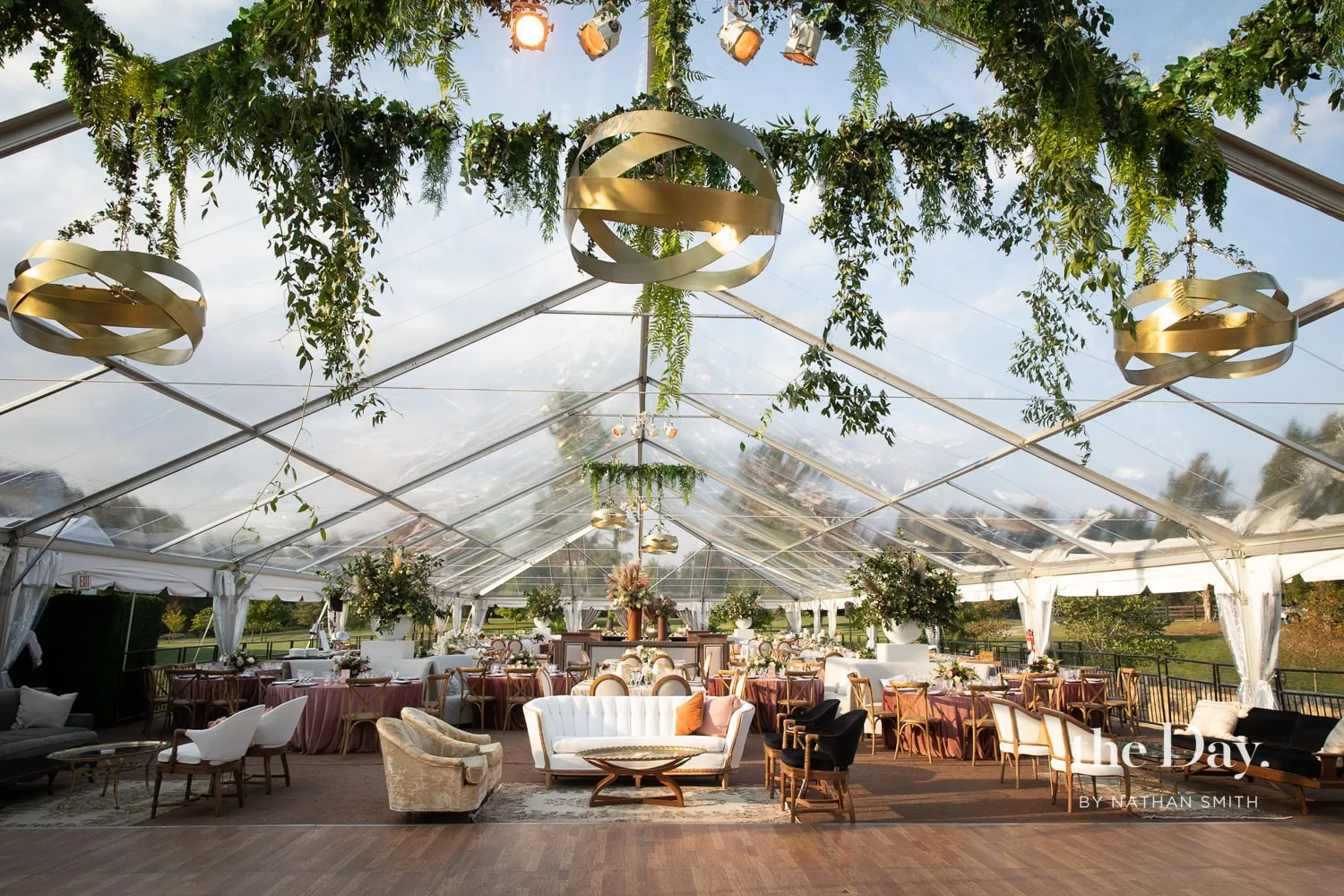
Designing the entrance to a summer wedding tent involves combining structure, décor, lighting, and layout to create a welcoming first impression that guides guests into the celebration. A well-designed entrance uses visual focal points, clear pathways, and coordinated décor elements to establish the wedding’s tone while ensuring guests can easily find and access the tent. When thoughtfully planned, the wedding tent entrance design becomes an elegant transition from the outdoor venue into the main reception space.
The tent entrance is often the first architectural feature guests encounter when arriving at an outdoor wedding. Because of this, it plays a critical role in shaping the atmosphere and expectations for the event. A thoughtfully designed entryway signals that the event inside will be refined, organized, and visually cohesive as part of a complete summer wedding tent guide.
Couples and planners typically approach entrance design by blending aesthetic elements with functional considerations. The entrance must accommodate guest flow, provide weather protection if necessary, and highlight decorative features that reflect the wedding theme. When these elements are balanced effectively, the entrance becomes a memorable part of the overall event design.
Creating a Welcoming Entrance for a Summer Wedding Tent
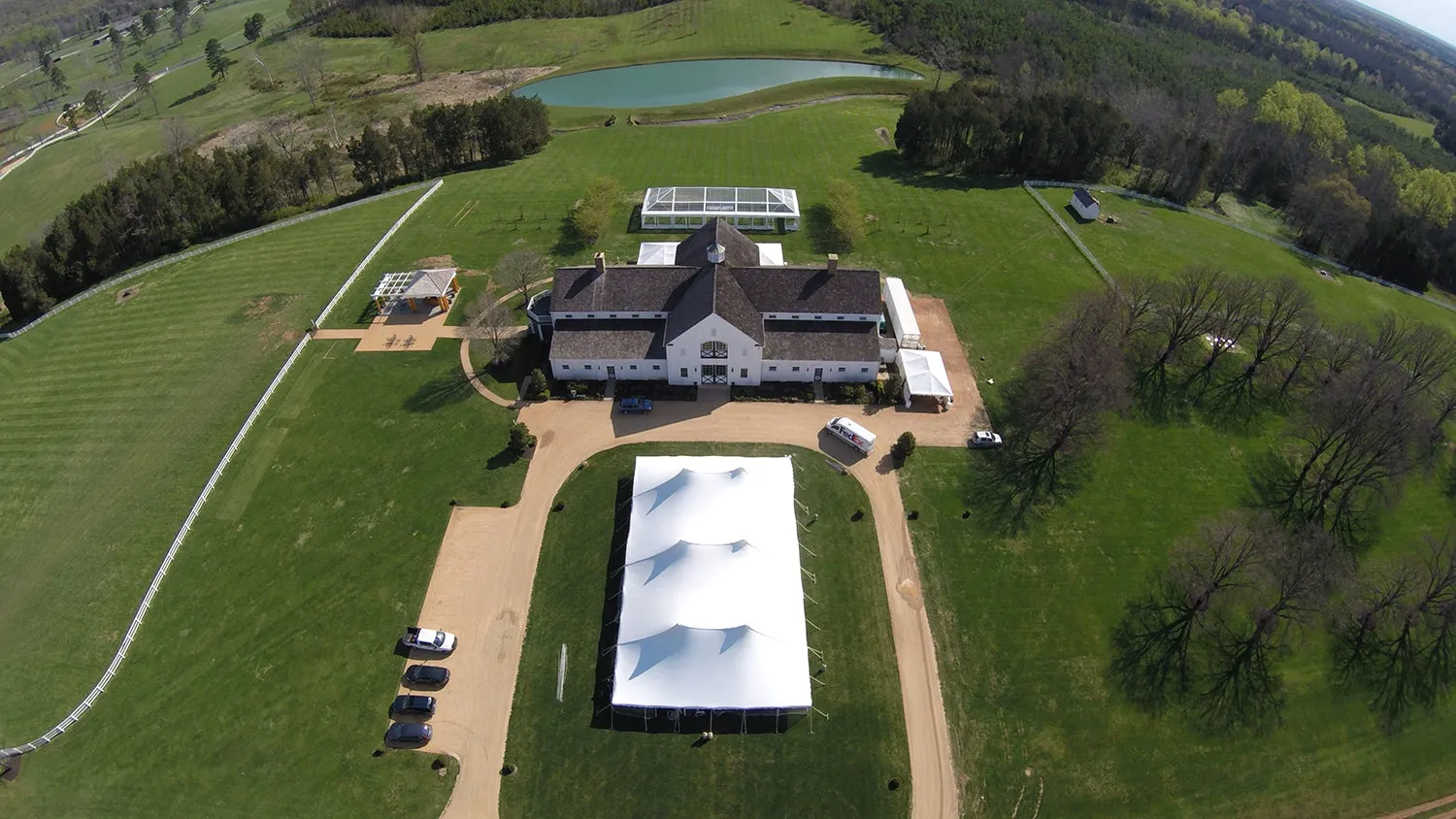
A welcoming tent entrance should immediately make guests feel invited into the celebration while providing clear visual direction toward the reception space. The entrance area often acts as a transitional zone between the venue landscape and the interior of the tent, which is especially important during backyard tent weddings.
Designers frequently use a combination of visual markers and structural elements to establish the entrance location. Floral displays, decorative arches, or soft lighting features can naturally draw guests toward the correct entry point.
The design should also consider the guest arrival experience. Guests arriving from parking areas, pathways, or transportation drop-off zones should be able to easily identify the entrance without confusion.
Establishing Visual Focal Points at the Entrance
Creating a strong focal point helps guide guests toward the tent entrance while adding visual drama to the arrival experience. Designers often place a central design element directly at the entrance to capture attention and reinforce the wedding theme.
Common focal features include floral arches, decorative gates, or custom signage displaying the couple’s names. These design elements provide both direction and personality, setting the stage for the event inside the tent.
When scaled appropriately to match the size of the tent, these focal points create a dramatic visual moment that feels intentional and elegant.
Designing Clear Guest Pathways to the Tent
Pathways leading to the tent entrance should feel intuitive and comfortable for guests to navigate. The goal is to guide visitors naturally toward the entrance without requiring additional signage or instructions.
Subtle design cues such as lanterns, greenery, or textured flooring can help define the pathway. These elements reinforce the wedding’s aesthetic while ensuring guests remain oriented as they approach the tent.
Wide, unobstructed walkways also help prevent congestion during peak arrival periods, making the entry experience smoother for everyone attending the celebration.
Structural Features That Elevate Tent Entrance Design
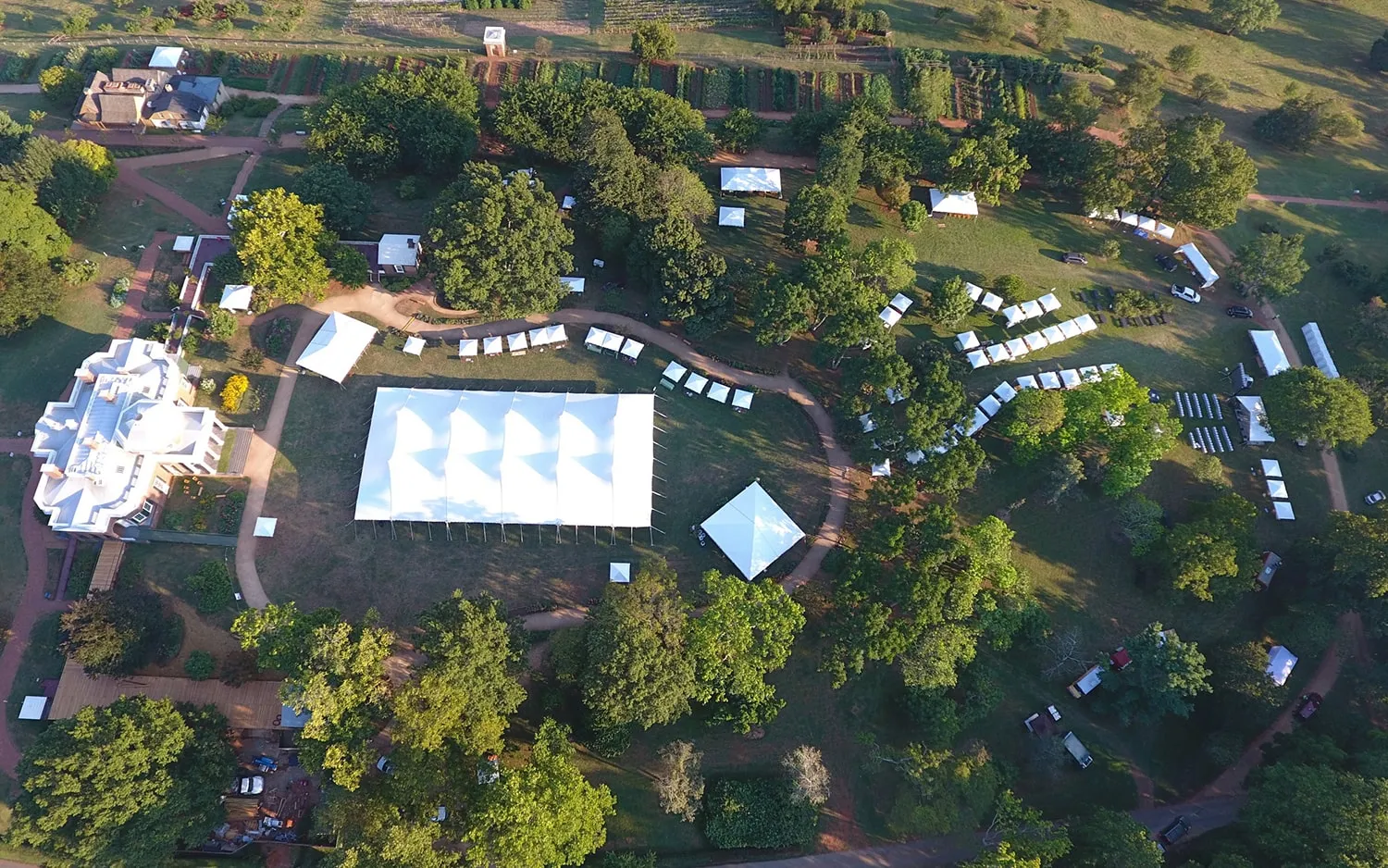
Structural elements can dramatically enhance the presence and elegance of a wedding tent entrance. These features add depth and dimension while also improving the functional layout of the entryway.
Designers often incorporate structures that frame the entrance and visually separate the exterior landscape from the interior reception space. These architectural features provide opportunities for decoration while helping define the event’s visual style.
Using Arches and Canopies for Dramatic Entrances
Arches are one of the most recognizable design features used in wedding entrances. Their curved structure naturally frames the entryway and creates a sense of ceremony as guests walk beneath them.
Canopies can also extend outward from the tent entrance to create a sheltered transition space. This design approach provides shade during sunny summer weddings while adding an additional architectural layer to the entrance. You may also find Summer Corporate Event Tent Design Ideas for Impactful Gatherings helpful.
Both arches and canopies allow designers to incorporate additional decorative elements such as draping, greenery, or lighting fixtures that enhance the overall presentation.
Selecting Tent Styles That Complement Entrance Design
The tent style itself influences how the entrance appears visually. Certain tent types provide more opportunities for dramatic entry designs due to their structure and shape.
Sailcloth tents create elegant silhouettes with sweeping peaks that frame the entrance beautifully. Clear-top tents provide a modern look and allow natural light to illuminate the entryway. Century pole tents add height and grandeur, creating a sense of arrival that feels festive and luxurious.
Selecting the appropriate tent style ensures the entrance integrates seamlessly with the overall event design.
Floral Design Ideas for Stunning Wedding Tent Entrances

Floral arrangements remain one of the most effective ways to enhance the visual impact of a wedding tent entrance. Flowers introduce color, texture, and natural beauty that complements outdoor wedding settings.
Designers often use floral installations to emphasize the entry point while reinforcing the color palette used throughout the rest of the wedding décor.
Choosing Flowers and Greenery for Summer Weddings
Summer weddings provide access to a wide variety of vibrant flowers and greenery that perform well in warm weather conditions.
Common floral choices for summer tent entrances include:
- Heat-tolerant flowers such as zinnias, dahlias, and sunflowers that maintain their appearance in warm temperatures
- Lush greenery such as eucalyptus, ivy, and ferns that create texture and depth within floral arrangements
Combining flowers with greenery produces layered designs that feel natural and visually rich.
Designing Floral Arches and Entrance Installations
Floral arches remain one of the most popular decorative features for tent entrances. These installations create an immersive entryway that frames the path into the tent.
Designers often extend floral arrangements along the arch structure so the blooms appear to cascade downward. This technique adds movement and depth to the design while drawing the eye toward the entrance.
Large floral installations may also be suspended from the tent frame or placed along the entrance pathway to enhance the sense of arrival.
Lighting Techniques for Elegant Wedding Tent Entrances
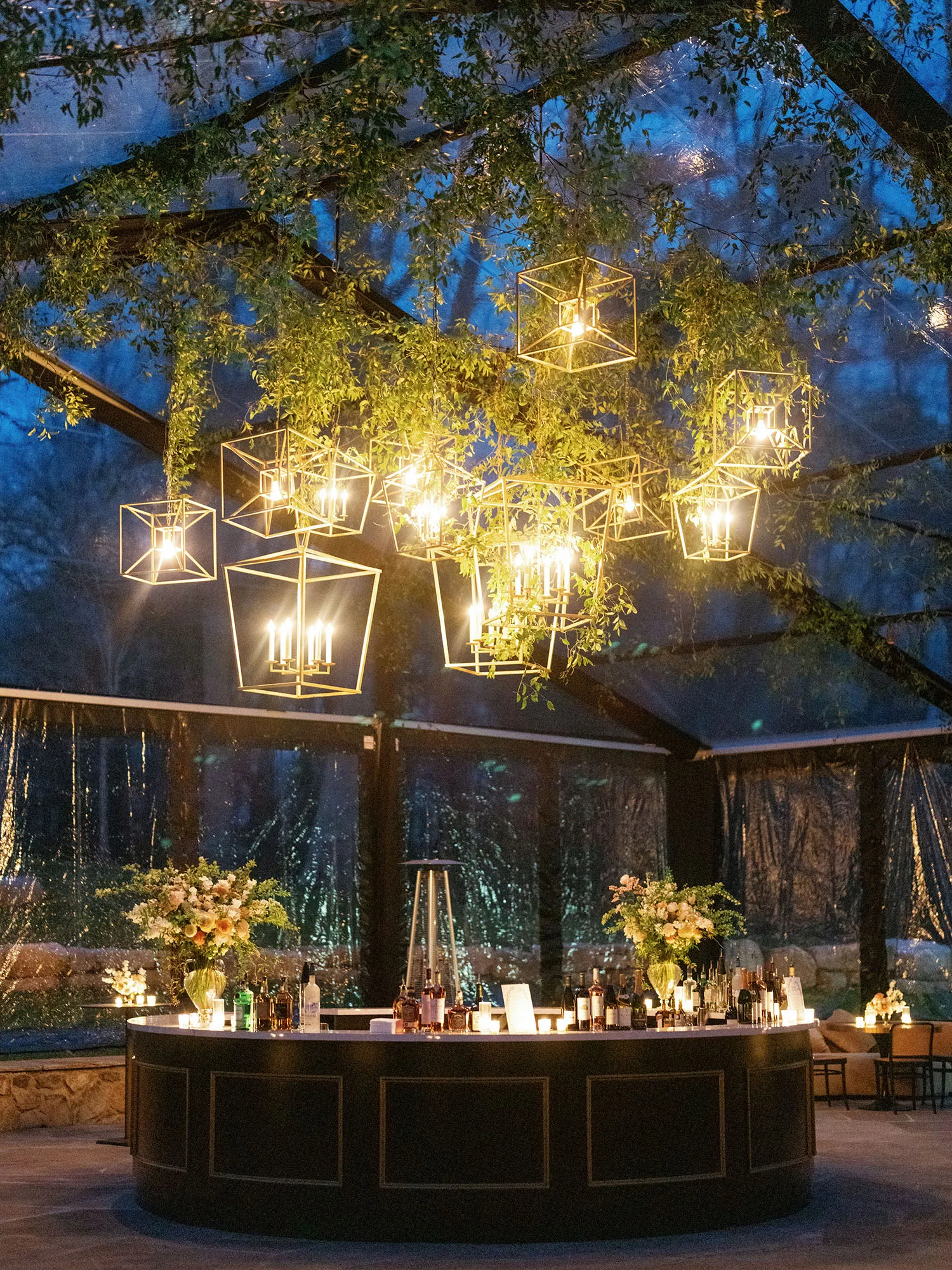
Lighting design plays a critical role in defining the mood of a tent entrance, especially for evening receptions. The right lighting approach can transform the entrance into a warm and inviting space that guides guests toward the celebration.
Lighting should highlight structural features, illuminate pathways, and complement the decorative elements surrounding the entry.
Layered Lighting Strategies for Tent Entrances
Professional event designers often rely on layered lighting to create depth and visual interest. Combining different lighting types allows the entrance to feel both dramatic and comfortable.
- String lights and fairy lights add a soft glow that enhances the romantic atmosphere
- Uplighting and spotlights highlight architectural features such as tent peaks, arches, or floral displays
Layered lighting ensures that the entrance remains visually appealing while still providing adequate illumination for guest movement.
Using LED and Decorative Lighting for Safety and Atmosphere
LED lighting systems offer both aesthetic and practical benefits for outdoor wedding entrances. These lights consume minimal energy while providing consistent brightness throughout the event.
Decorative lanterns or candle-style fixtures placed along pathways help guide guests safely to the entrance. These lighting features also create a sense of warmth and intimacy that complements the wedding atmosphere.
When positioned thoughtfully, lighting becomes both a design element and a functional tool for guest navigation.
Flooring and Pathway Design for Wedding Tent Entrances
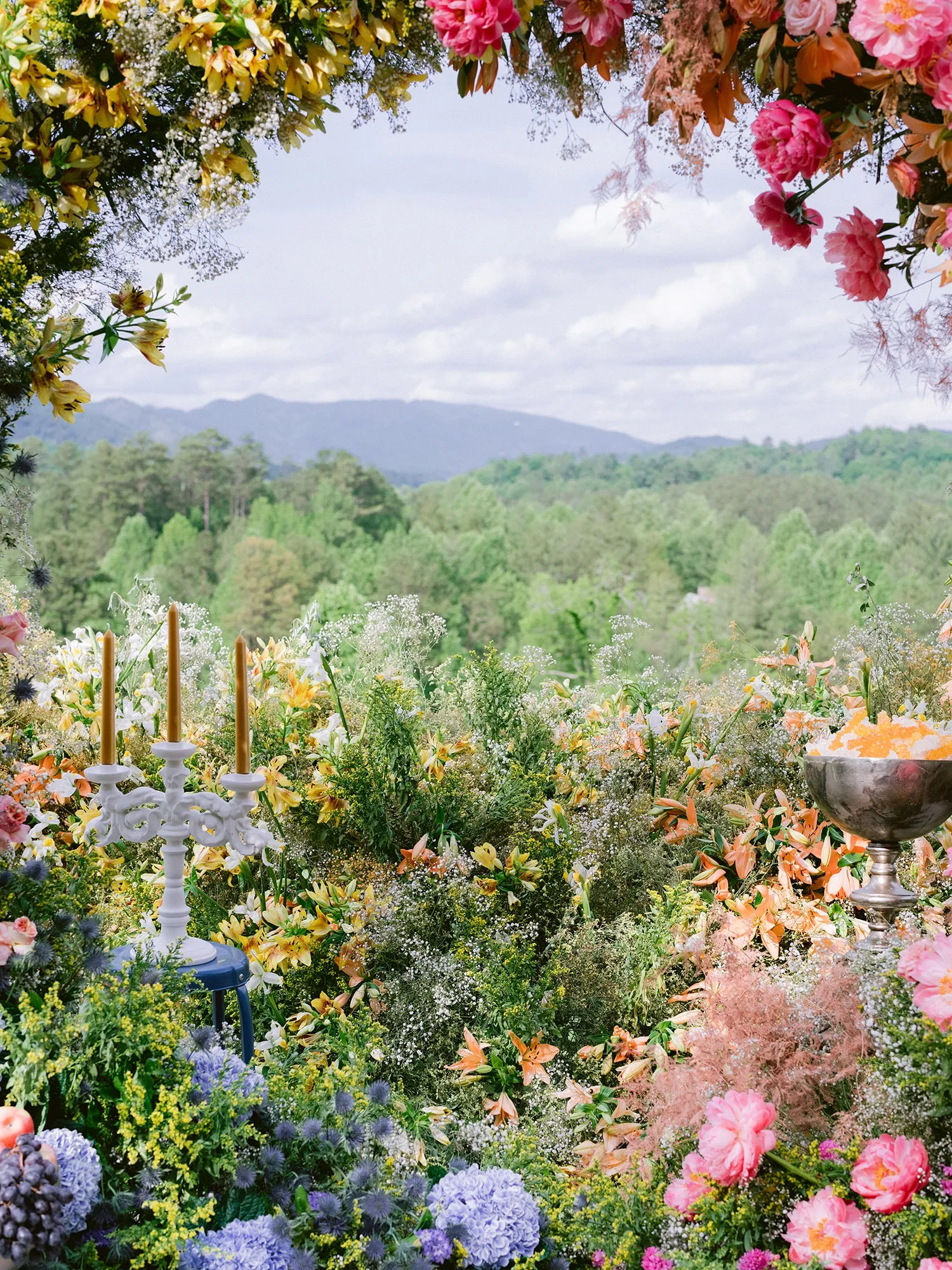
Flooring and pathway design significantly influence how guests experience the entrance to a wedding tent. Stable, well-designed surfaces improve comfort while reinforcing the visual style of the event.
The pathway leading to the tent should feel intentional and coordinated with the surrounding décor.
Choosing Flooring That Enhances Comfort and Style
Temporary flooring systems help create a stable walking surface for guests while protecting footwear from grass or uneven terrain.
Hardwood-style panels, carpeted flooring, and custom dance floor materials are often used to elevate the entrance area. These surfaces can be coordinated with the wedding color palette to maintain a cohesive design. For more detail, see our article How Do You Design A Wedding Tent Lounge Area.
Quality flooring also contributes to safety by reducing the risk of slips or uneven footing during the event.
Designing Decorative Pathways to Guide Guests
Decorative pathways serve both functional and aesthetic purposes. Clearly defined paths help guests navigate the venue while reinforcing the visual identity of the event.
Lanterns, area rugs, or floral borders can define the walkway leading to the tent entrance. These elements guide guests naturally toward the reception while adding elegance to the approach.
When pathways align visually with the entrance décor, the entire arrival experience feels seamless and intentional.
Frequently Asked Questions
What tent style works best for luxury summer weddings?
Clear span, sailcloth, and frame tents are the most popular options because they offer open interiors, strong structures, and flexible layouts commonly featured in luxury summer tents. These tents also support elaborate décor and lighting installations.
How can lighting improve a wedding tent entrance?
Lighting highlights the entrance structure, improves visibility for guests, and creates a welcoming atmosphere. String lights, uplighting, and lanterns are commonly used for elegant tent entrances. Explore the full range of luxury tent rentals from Skyline Tent Company.
Why is flooring important at a tent entrance?
Flooring provides a stable surface for guests and improves overall comfort. It also enhances the visual presentation of the entrance and helps guide guests into the reception space. See how these ideas look on real sites in our tent gallery.
Conclusion
A well-designed entrance sets the tone for the entire wedding celebration and shapes the first impression guests experience upon arrival. By combining thoughtful structural elements, floral installations, lighting design, and carefully planned pathways, couples can create a welcoming entry that reflects the style and elegance of their event. Skyline Tent Company specializes in designing luxury tented spaces for unforgettable summer weddings. Schedule a private consultation with our team to explore custom tent designs and entrance solutions that bring your wedding vision to life. You may also find Lighting Design for Summer Garden Wedding Tents helpful.