
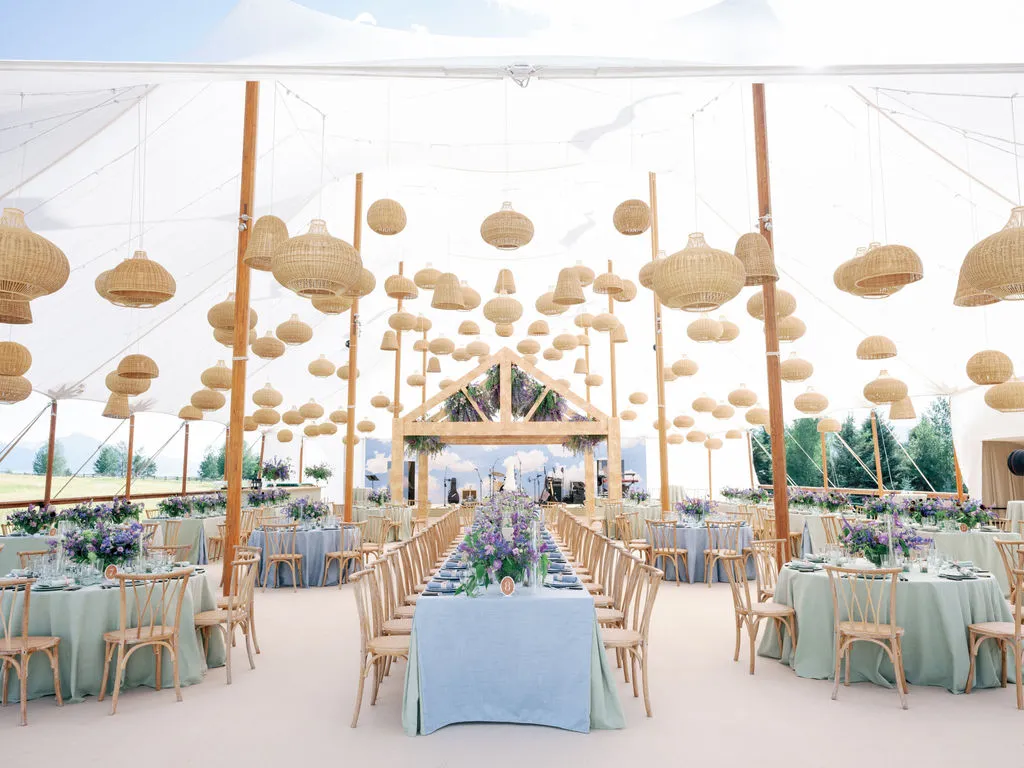
Designing a wedding tent lounge area involves creating a comfortable, visually refined space that encourages relaxation, conversation, and seamless guest flow within the overall event layout. The most effective lounge designs balance furniture selection, layout planning, lighting, and tent structure to create an environment that feels intentional and inviting. When executed properly, a lounge area becomes a key social hub that enhances the guest experience and complements the broader wedding design.
A well-designed lounge is more than a seating area, it shapes how guests interact, where they gather, and how they transition between different parts of the event as part of a thoughtfully planned outdoor wedding tent guide. In a tented setting, every detail must be planned from the ground up, making the lounge an important component of both design and functionality.
The goal is to create a space that feels comfortable without disrupting circulation or competing with key areas such as dining or dancing. When thoughtfully integrated, the lounge adds depth to the event while maintaining a cohesive and elevated atmosphere. It also provides a necessary balance within the event layout, giving guests a place to step away from higher-energy areas while still remaining connected to the overall experience.
Choosing the Right Tent Style and Size for Lounge Areas
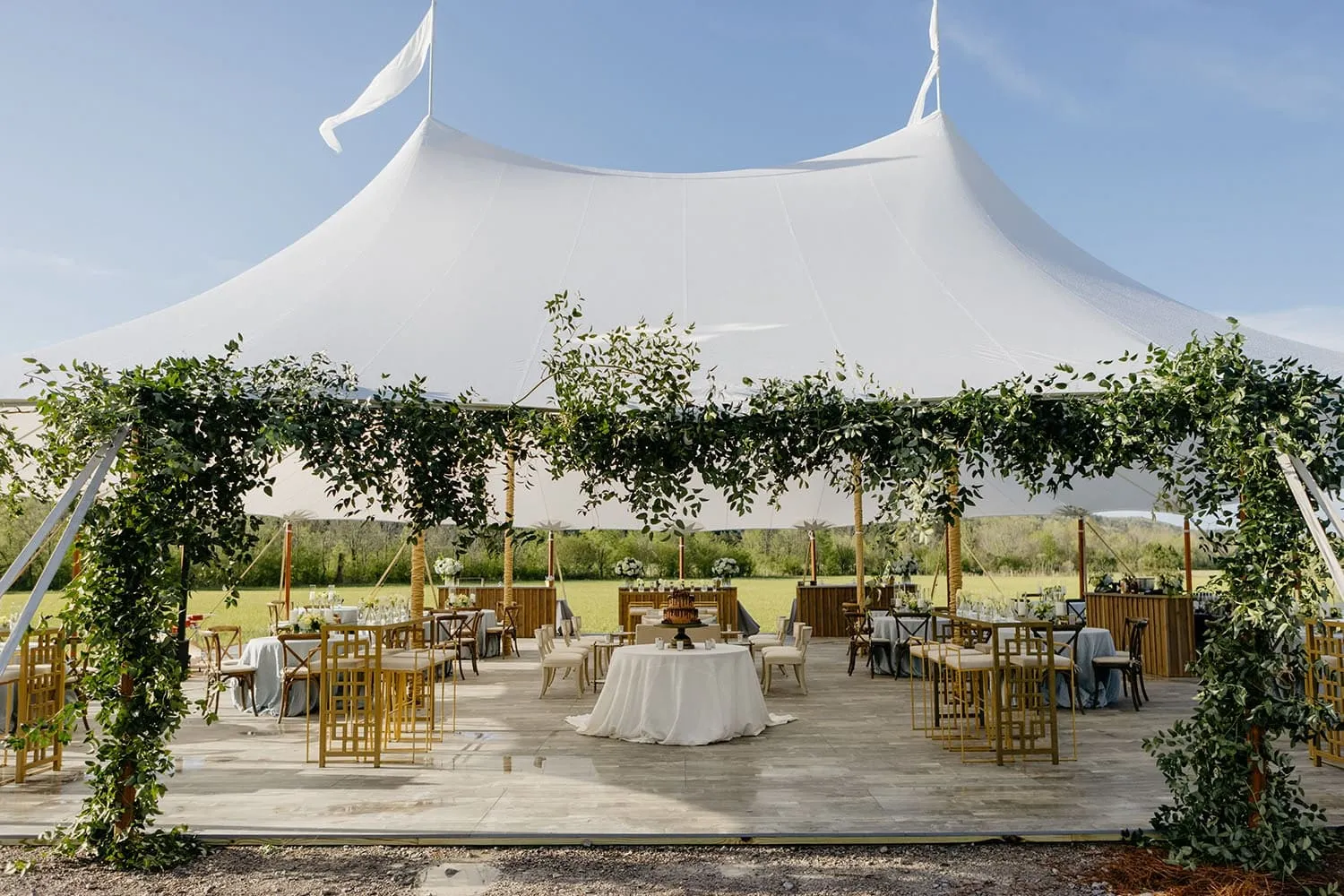
The foundation of any lounge area begins with the tent itself. The size and structure determine how much space is available and how the lounge can be integrated into the overall layout.
A well-selected tent provides both flexibility and visual impact, allowing the lounge to feel like a natural extension of the event. It also ensures that the space can accommodate both furniture and guest movement without feeling constrained.
Selecting Tent Types That Support Lounge Layouts
Different tent styles influence how lounge areas are designed and positioned. Frame and clear-span tents offer open interiors that allow for flexible furniture arrangements, while pole tents introduce structural elements that must be considered in the layout.
The choice of tent should align with both functional needs and aesthetic goals. Open interiors are often preferred for larger lounges, as they allow for uninterrupted seating configurations and clear circulation.
Tent height and structure also affect how lighting and décor can be integrated, which plays a role in shaping the lounge atmosphere. Higher ceilings create a more open and breathable environment, which is particularly beneficial for summer events.
Determining the Right Size for Comfort and Flow
Tent size must accommodate lounge furniture without limiting space for circulation or other event elements. The lounge should feel spacious enough for guests to gather comfortably while still maintaining balance within the overall layout.
Allocating sufficient space for pathways and transitions ensures that the lounge does not interfere with guest movement. This is especially important during peak moments when multiple areas of the event are active.
A properly sized tent allows the lounge to function as a distinct zone while remaining connected to the rest of the event. It also provides flexibility for last-minute adjustments, such as expanding seating or reconfiguring layouts based on guest behavior.
Selecting Lounge Furniture That Balances Comfort and Style
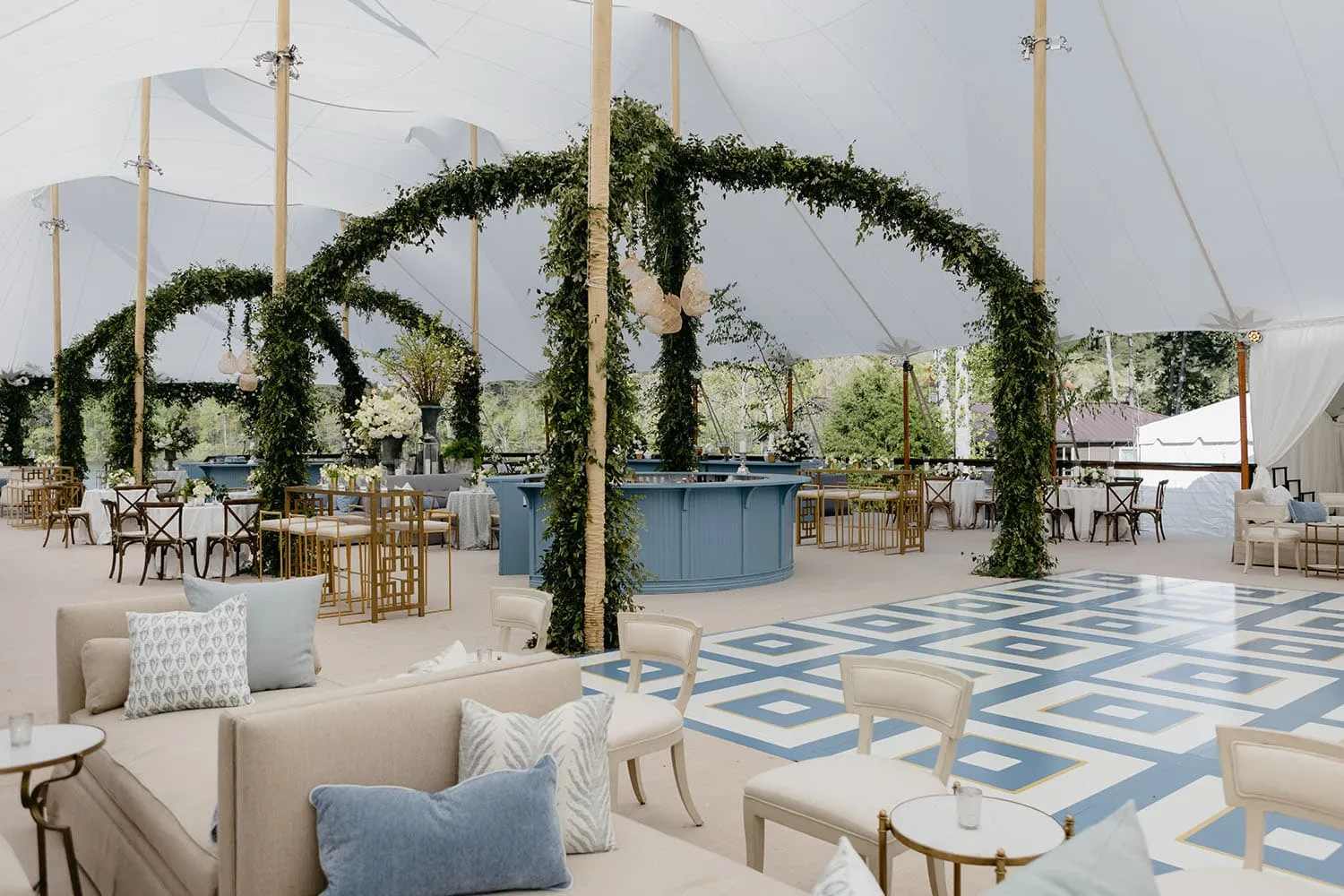
Furniture selection defines both the comfort and visual identity of the lounge. The right combination of seating and materials creates a space that feels cohesive and inviting.
Each piece should contribute to both function and design, supporting how guests interact within the space while reinforcing the overall aesthetic.
Choosing the Right Types of Seating
A mix of seating options allows the lounge to accommodate different group sizes and preferences. Sofas, armchairs, and ottomans provide flexibility while encouraging conversation and relaxation.
Seating should be arranged in a way that feels natural and accessible. Guests should be able to sit comfortably without feeling confined or disconnected from the event.
Including a variety of seating heights and configurations adds visual interest while improving usability. This layered approach creates a more dynamic environment and encourages guests to engage with the space in different ways.
Selecting Materials for Outdoor Durability
Materials must be selected with outdoor conditions in mind. Durable finishes and weather-resistant fabrics ensure that furniture maintains its appearance and comfort throughout the event.
Breathable textiles and supportive cushioning enhance comfort, particularly during warm summer conditions. These choices also contribute to the overall quality and longevity of the lounge setup.
Furniture should complement the tent design while maintaining consistent performance in varying conditions. Selecting materials that resist wear and environmental exposure helps preserve both function and appearance throughout the event. You may also find Creative Event Lighting Design Ideas for Tents helpful.
Designing Layouts That Encourage Interaction and Flow
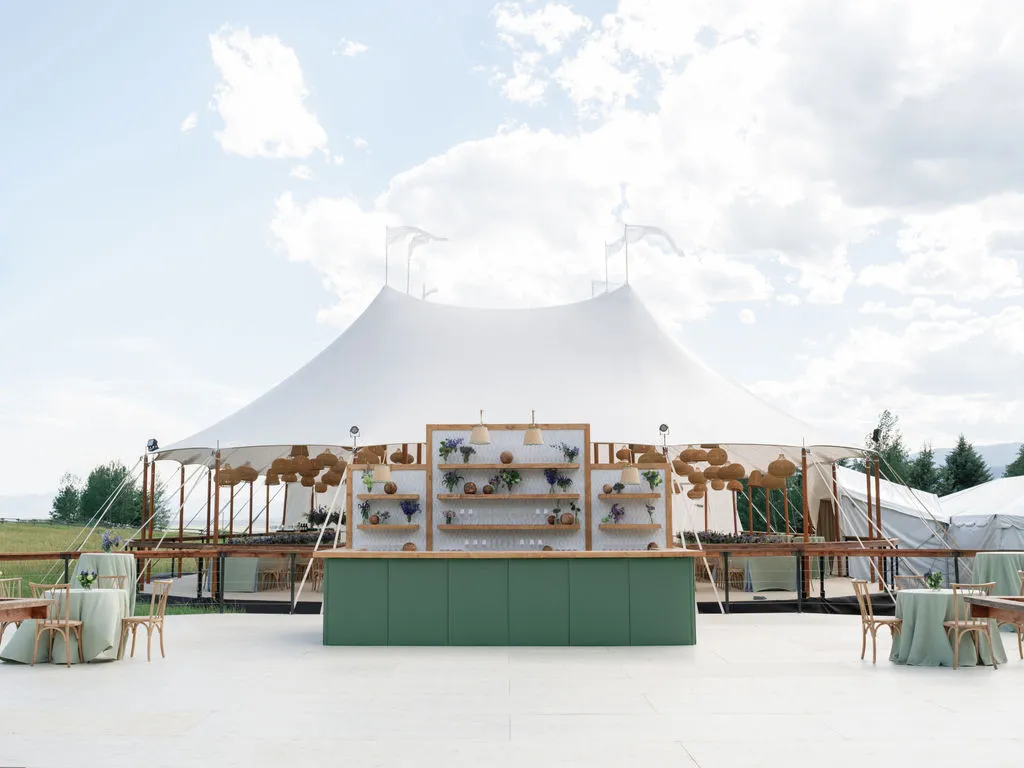
The layout of the lounge area determines how guests move, gather, and interact. A well-planned layout creates a balance between intimacy and openness.
The goal is to support natural movement while encouraging guests to spend time within the space. Thoughtful placement ensures the lounge feels integrated rather than isolated.
Creating Functional Lounge Zones
Dividing the lounge into smaller seating clusters helps create a more inviting environment. These clusters allow guests to gather in groups while maintaining a sense of privacy.
Key layout considerations include:
- Grouping seating to support conversation without overcrowding
- Positioning lounges near but not directly within high-traffic areas
- Allowing space between clusters to maintain circulation
These zones create structure within the lounge while preserving flexibility for guest movement. They also help define the space visually, making it easier for guests to navigate and engage.
Maintaining Clear Circulation Paths
Clear pathways are essential for maintaining flow throughout the tent, particularly when coordinating reception tent layouts for dining, entertainment, and lounge spaces. Guests should be able to move easily between the lounge, dining areas, and other event spaces.
Circulation paths should remain unobstructed at all times. This supports both guest comfort and operational efficiency for service staff.
A well-organized layout ensures that the lounge enhances the event without creating congestion. It also allows the space to adapt naturally as guest movement shifts throughout the event.
Enhancing the Lounge With Lighting and Atmosphere
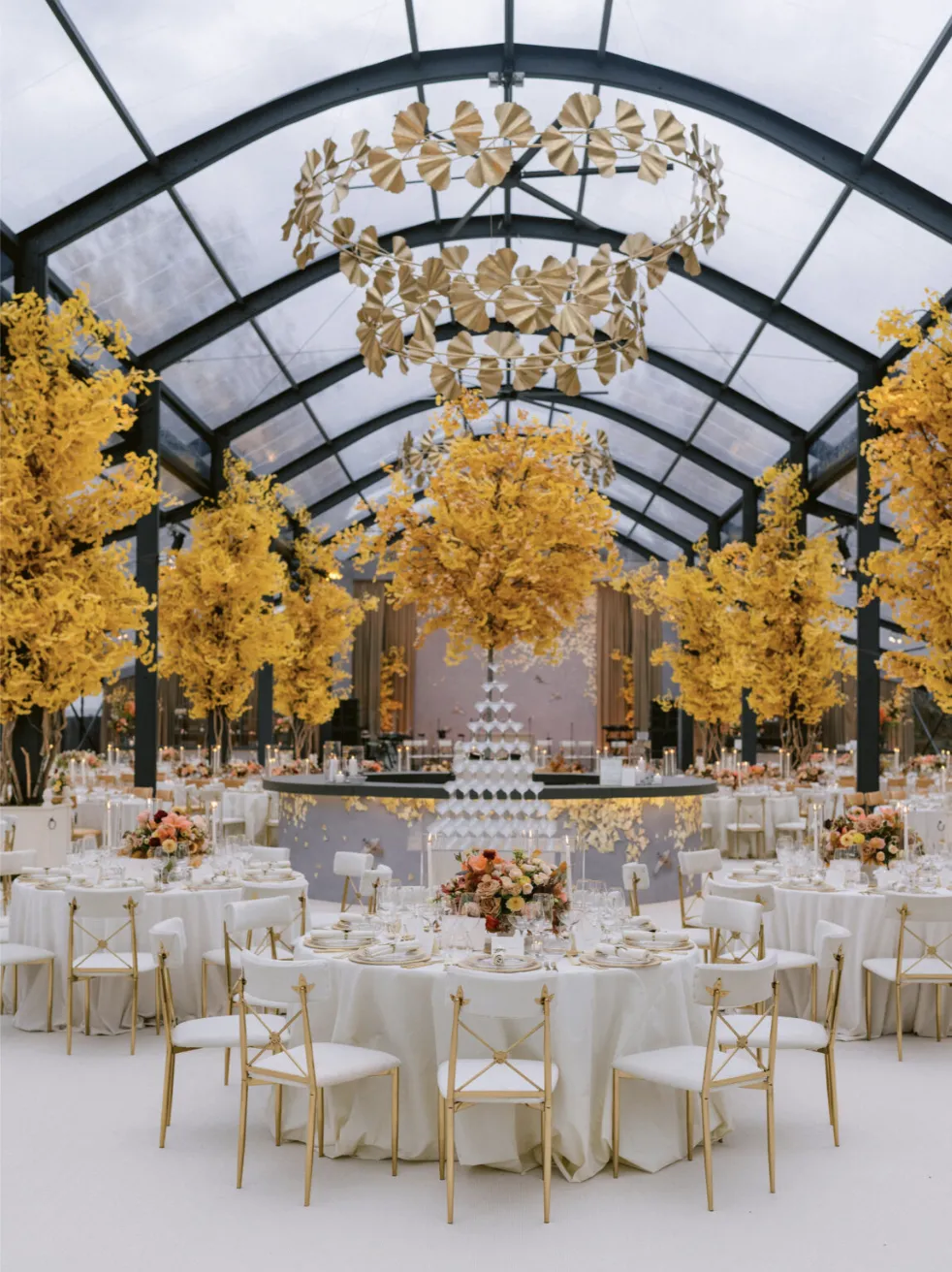
Lighting plays a central role in defining the mood of the lounge area. It influences how the space feels and how guests interact within it. For more detail, see our article How to Curate an Elegant Lounge Area Inside Your Event Tent.
A layered lighting approach creates depth and allows the atmosphere to evolve throughout the event, supporting different phases of the celebration.
Using Layered Lighting for Ambiance
Combining ambient, accent, and task lighting creates a balanced and inviting environment. Softer lighting is typically used in lounge areas to encourage relaxation.
Key lighting elements include:
- Overhead lighting such as chandeliers or string lights
- Accent lighting to highlight seating areas and décor
- Subtle pathway lighting for safety and navigation
This combination allows the lounge to feel warm and visually cohesive. It also helps define the space within the larger tent environment.
Integrating Décor for a Cohesive Design
Décor elements should complement the lighting and furniture to create a unified aesthetic. Fabrics, florals, and decorative accents help define the character of the lounge.
These elements should enhance the space without obstructing movement or visibility. A balanced approach ensures that the lounge remains both functional and visually appealing.
When lighting and décor are aligned, the lounge becomes an integral part of the overall event design. This cohesion reinforces the sense of a thoughtfully curated environment. For more detail, see our article How Do You Design a Cozy Winter Tent Lounge.
Planning for Comfort, Climate, and Guest Experience
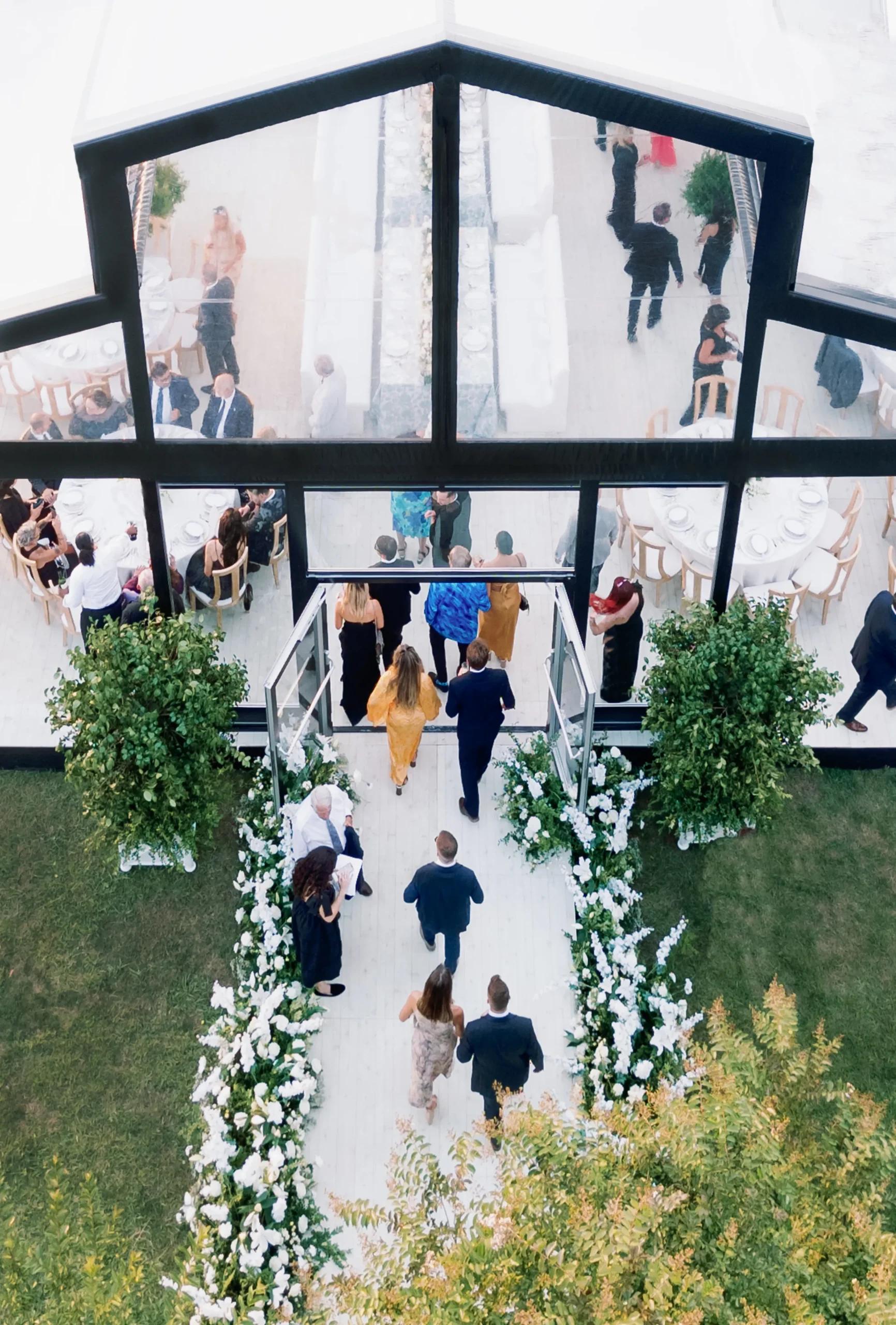
Guest comfort is essential to the success of any lounge area. Temperature, airflow, and accessibility all influence how the space is used.
A well-designed lounge supports both relaxation and functionality throughout the event, ensuring guests remain comfortable in all conditions.
Managing Temperature and Ventilation
Summer conditions require thoughtful planning to maintain a comfortable environment. Ventilation, shading, and airflow all play a role in regulating temperature.
Positioning the lounge to take advantage of natural airflow improves comfort. Additional solutions such as fans or shaded areas can further enhance the environment.
Maintaining consistent comfort encourages guests to spend more time in the lounge. It also supports a more relaxed and enjoyable atmosphere throughout the event.
Ensuring Accessibility and Safety
The lounge should be accessible to all guests, with clear pathways and stable surfaces. Seating arrangements should accommodate a range of needs and preferences.
Safety considerations include proper lighting, secure furniture placement, and unobstructed exits. These elements ensure that the space remains both welcoming and functional.
A well-planned lounge supports a positive experience for every guest. It also contributes to the overall success of the event by ensuring that all areas function smoothly.
Frequently Asked Questions
What is the purpose of a wedding tent lounge area?
It provides a comfortable space for guests to relax, socialize, and take a break from the main reception activities.
Where should a lounge area be placed inside a wedding tent?
It should be positioned near key areas but slightly removed from high-traffic zones to maintain comfort and flow.
What furniture works best for wedding tent lounges?
A mix of sofas, chairs, and ottomans with durable, weather-resistant materials works best. See every structure we offer in our luxury tent rentals.
Conclusion
A thoughtfully designed wedding tent lounge area adds depth, comfort, and sophistication to the overall event. By balancing layout, furniture, lighting, and environmental factors, couples can create a space that feels both functional and elevated. We cover this further in Curating the Perfect Fall Wedding Lounge in Charleston.
Skyline Tent Company specializes in designing premium tent environments that bring every element together seamlessly. Schedule your private consultation to create a lounge experience that enhances your wedding and leaves a lasting impression., See how these ideas look on real sites in our tent gallery.