
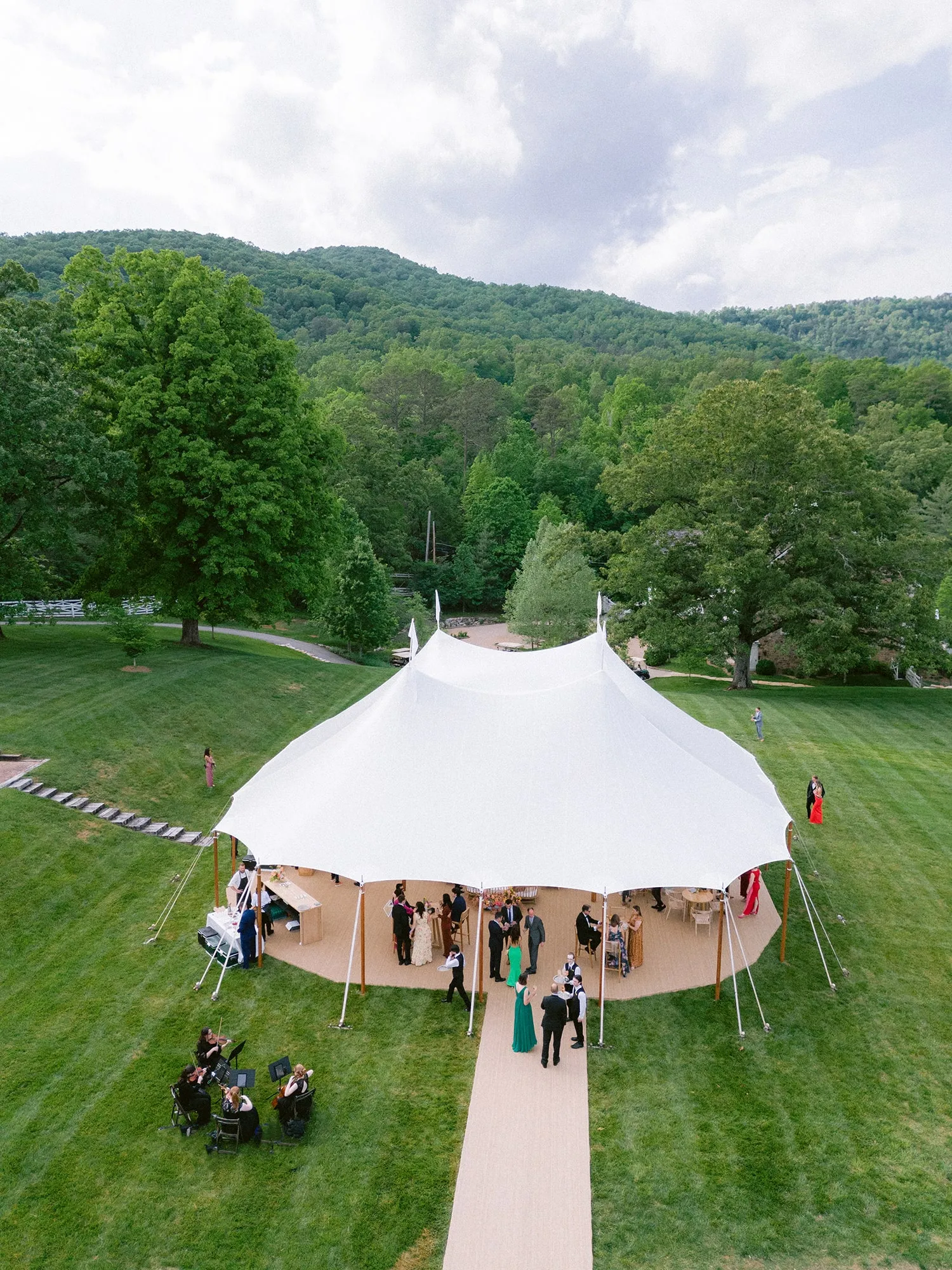
Couples planning a backyard tent wedding should focus on tent size, weather preparation, site logistics, permits, and guest comfort to ensure the event runs smoothly. Backyard weddings offer flexibility and intimacy, but they require careful planning to manage space limitations, safety considerations, and outdoor conditions. When these factors are addressed early, couples can create a beautiful and functional outdoor celebration that feels both personal and professionally organized.
Backyard tent weddings have grown in popularity because they allow couples to host events in familiar spaces while maintaining full control over layout and atmosphere. Unlike traditional venues, backyard settings require couples to coordinate infrastructure such as tents, lighting, flooring, and vendor access. Proper planning ensures the space functions like a professional event venue while preserving the relaxed and personal feel that makes backyard weddings appealing.
Choosing the Right Tent Rental for a Backyard Wedding
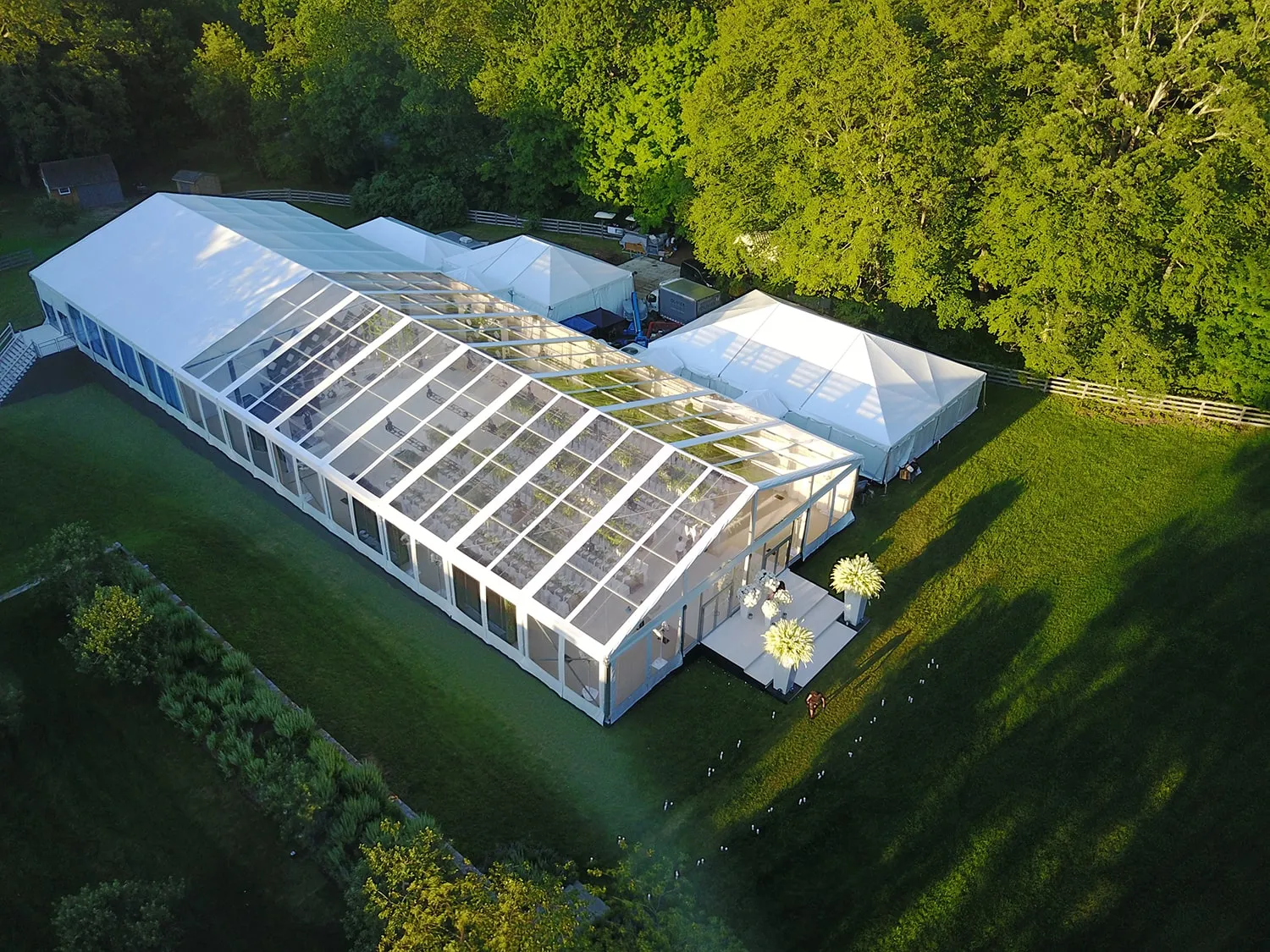
Selecting the right tent rental is one of the most important decisions when planning a backyard wedding, especially when comparing different luxury wedding tent styles. The tent becomes the central structure of the event and must accommodate seating, dining areas, and entertainment zones while maintaining safe circulation.
Couples should evaluate both the structural design and visual style of the tent. Different tent types create different spatial possibilities, which affects the overall layout of the reception.
How to Determine the Right Tent Size
Tent size depends primarily on guest count and the activities planned inside the structure, making accurate summer tent sizing essential during the planning process. Seating arrangements, dance floors, catering stations, and lounge areas all require additional space beyond basic seating.
A common approach is to sketch a simple layout that includes tables, service paths, and entertainment areas. Reviewing this layout with the tent provider helps confirm whether the selected tent size will comfortably accommodate the event.
Typical Tent Sizes for Different Guest Counts
Tent dimensions vary depending on the number of guests attending the event. General planning guidelines often include the following capacities:
- 25 guests typically fit under a 20×20 ft tent
- 50 guests often require a 20×40 ft tent
- 100 guests usually require a 30×30 ft or larger structure
- 150 guests may need a 40×60 ft tent or greater
These estimates allow space for dining, circulation, and event activities while maintaining comfort for attendees.
Preparing Your Backyard for Tent Installation
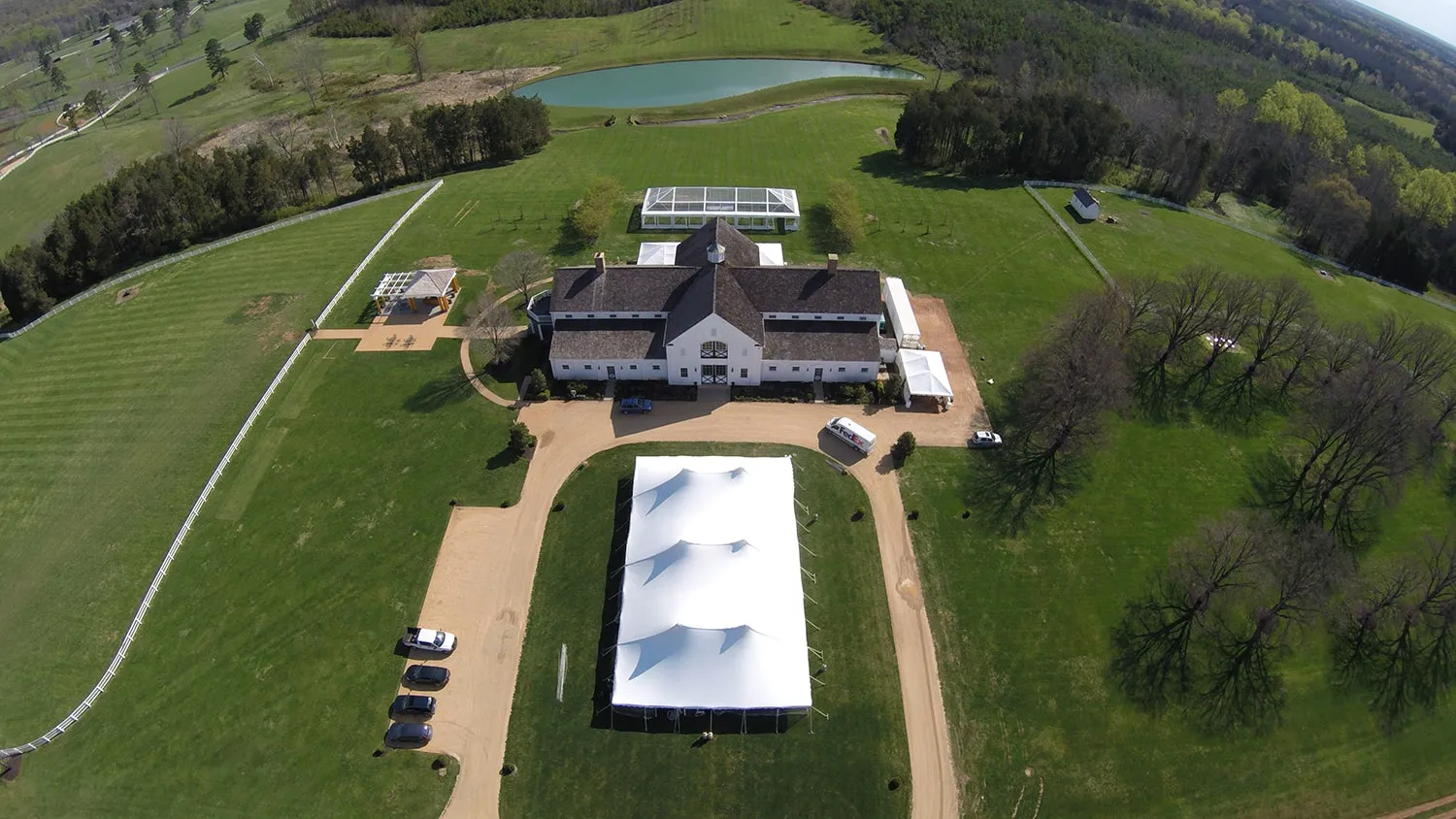
Backyards are not always designed to accommodate large temporary structures. Measuring the available space and identifying potential obstacles is necessary before ordering a tent.
Site preparation helps prevent installation delays and ensures the tent can be installed safely.
Measuring the Available Installation Area
Start by measuring the length and width of the backyard area intended for the tent. Stakes and string can be used to outline the proposed footprint of the structure.
Couples should also account for surrounding space required for anchoring systems, lighting equipment, and vendor access. Leaving extra clearance around the tent allows installation crews to work safely.
Identifying Site Limitations and Obstacles
Backyards may include features such as trees, fences, uneven terrain, or overhead power lines that affect tent placement. Identifying these obstacles early allows planners to adjust layouts before installation begins.
Checking for underground utilities is also important because tent anchoring systems often require stakes driven into the ground. Local utility services can mark these lines to prevent accidental damage.
Managing Weather and Safety for Outdoor Tent Weddings
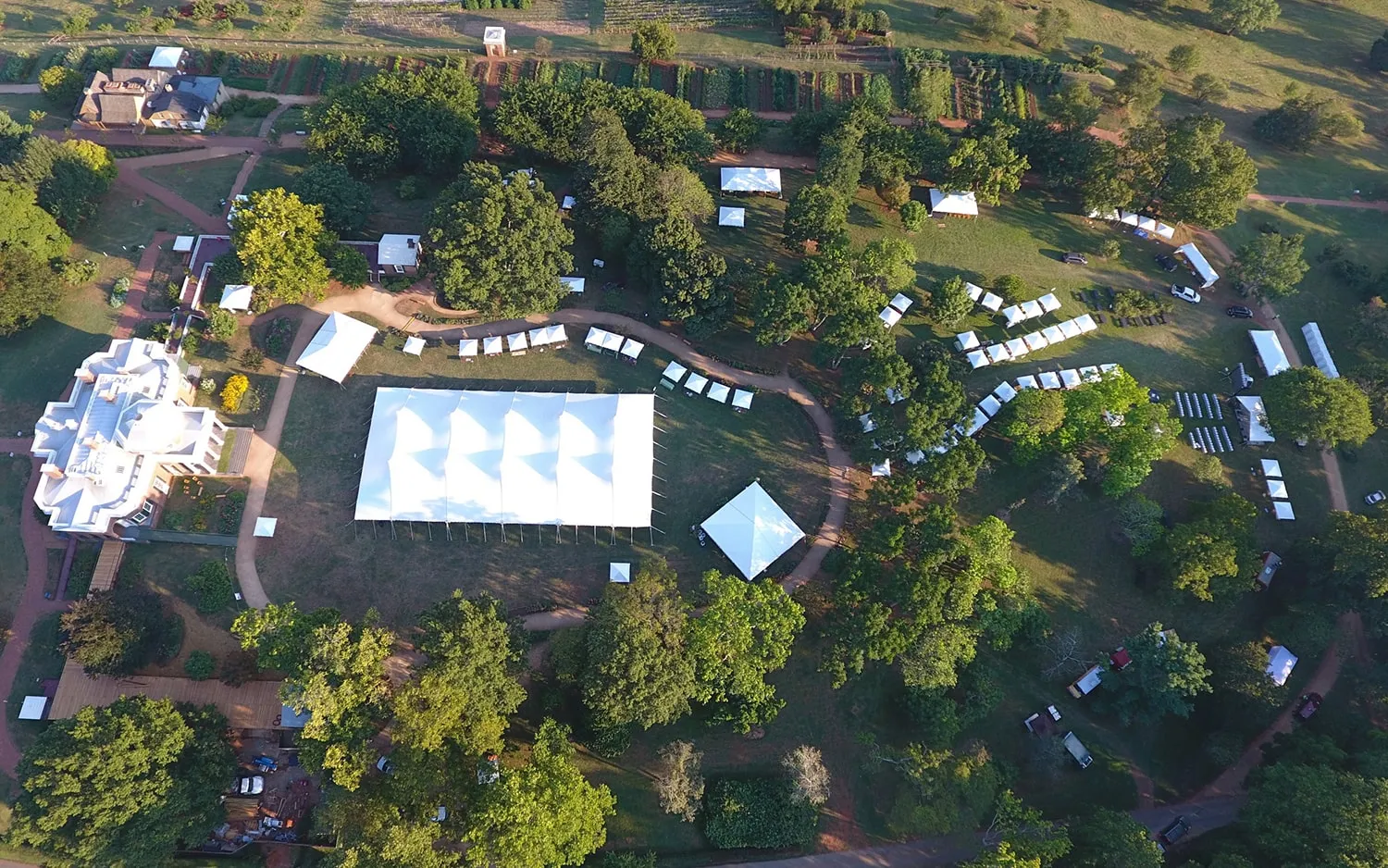
Outdoor weddings must be prepared for changing weather conditions. Even during summer months, unexpected rain, wind, or temperature shifts can affect guest comfort.
Planning ahead ensures that the event remains enjoyable regardless of weather conditions. Read more in Outdoor Engagement Party Planning in Charlottesville.
Planning for Weather Contingencies
Weather contingency plans should be established well before the wedding date. These plans may include adding tent sidewalls, installing flooring to reduce ground moisture, or arranging covered walkways between areas.
Monitoring weather forecasts in the days leading up to the event also helps couples make final adjustments. Clear communication with vendors ensures everyone understands the contingency plan if conditions change.
Safety Measures for Tent Installation
Safety should be a priority during tent installation and event setup. The installation area should be level and free from debris that could interfere with tent anchoring.
Professional tent installers use specialized anchoring systems designed to stabilize the structure against wind and environmental conditions. Conducting a final inspection before guests arrive ensures that the tent and surrounding equipment are secure.
Decorating a Backyard Wedding Tent
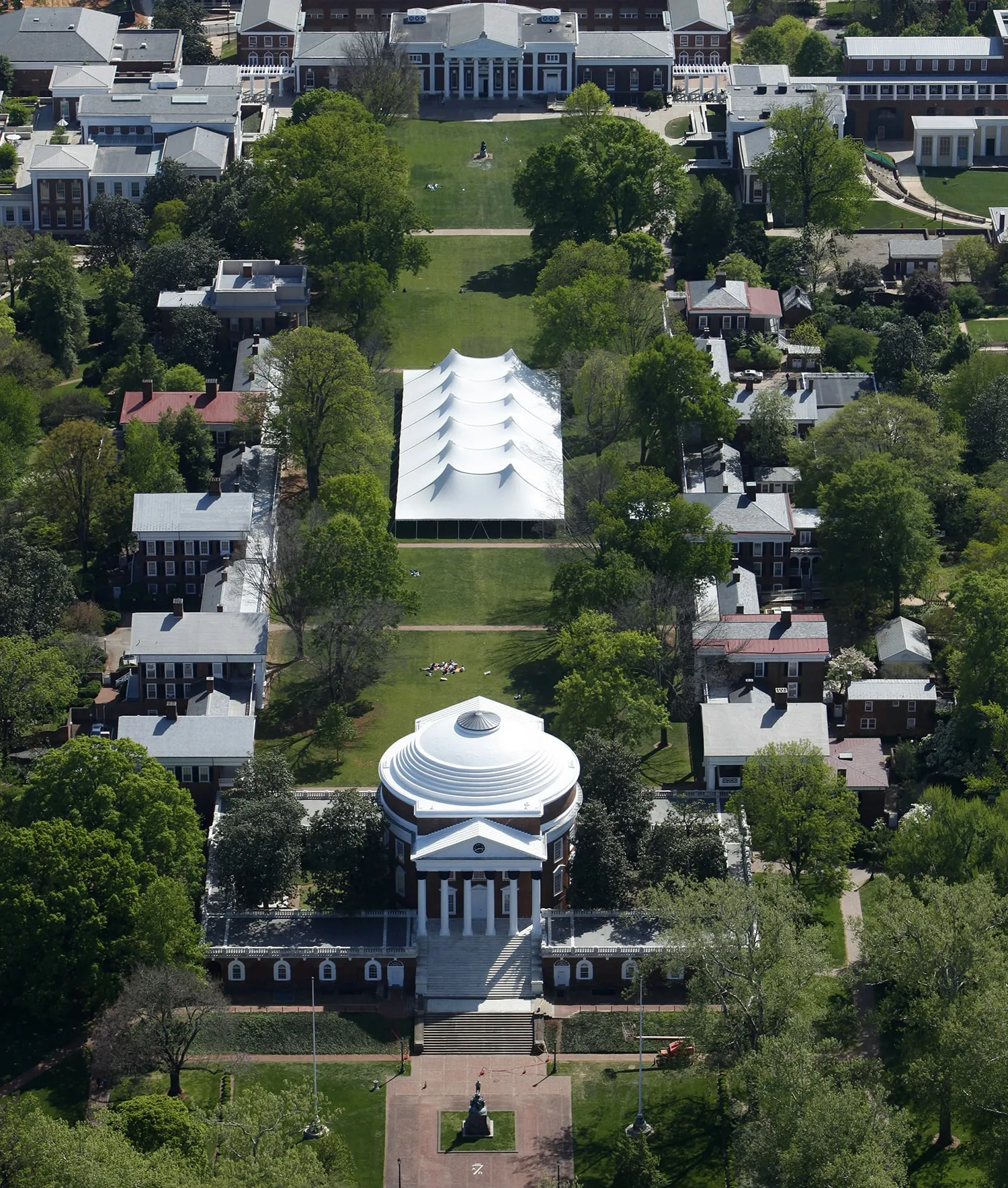
Tent style and decoration significantly influence the overall atmosphere of a backyard wedding. The design should complement the natural setting while creating a cohesive visual theme throughout the event space. We cover this further in What To Consider Before Choosing A Wedding Tent Provider.
Decor elements such as lighting, floral arrangements, and fabric draping can transform a simple tent into an elegant reception environment.
Choosing Tent Styles That Match the Wedding Theme
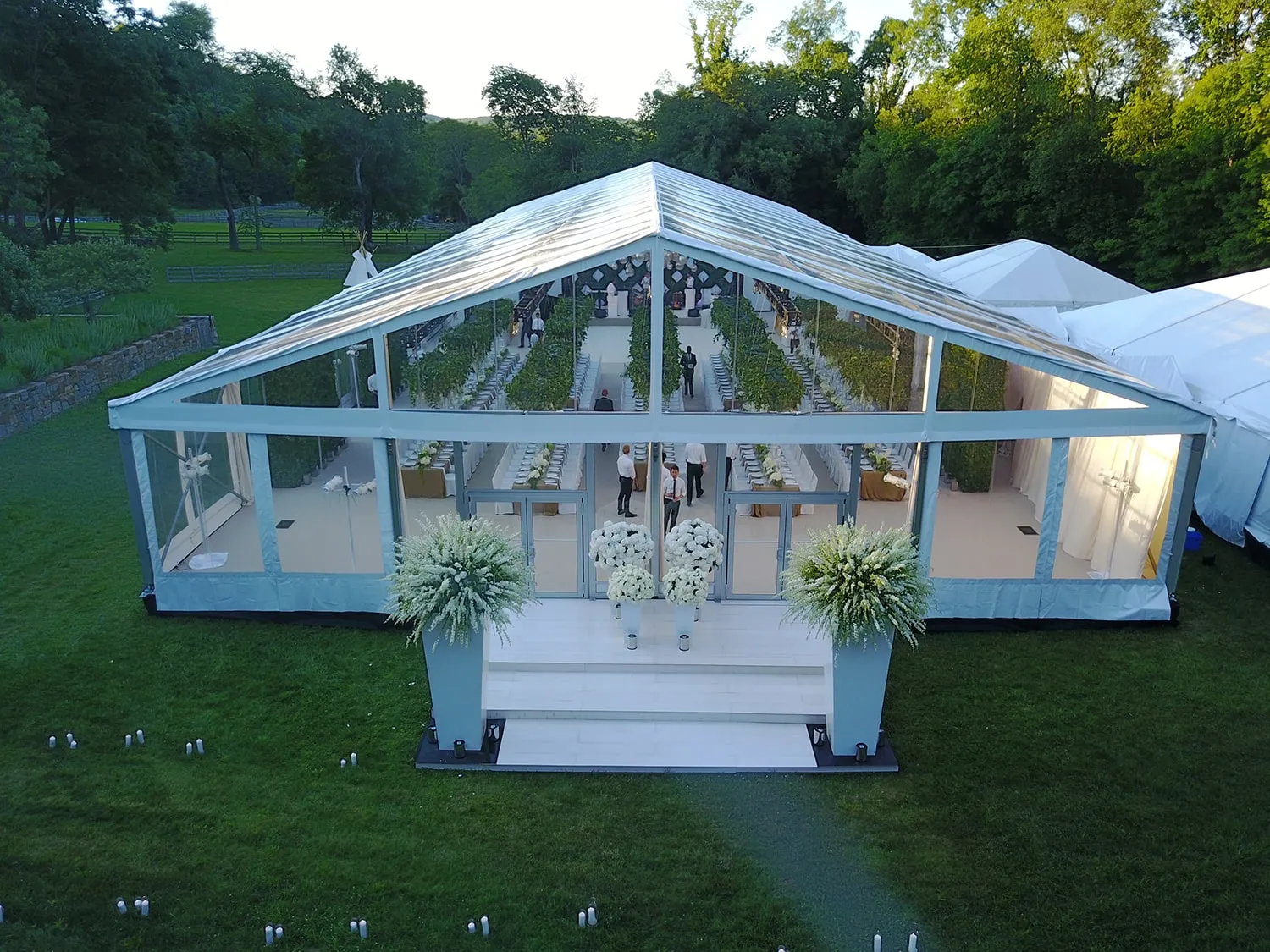
Different tent styles create different visual effects. Pole tents often produce a traditional aesthetic with tall peaks, while frame tents offer a clean and modern layout with open interior space.
Sailcloth tents are also popular for outdoor weddings because their soft fabric and high peaks create a romantic atmosphere that works well with natural landscapes.
Selecting a tent style that aligns with the wedding theme helps unify the design of the entire event, particularly when inspired by outdoor wedding tent guide.
Lighting and Decorative Elements
Lighting plays a major role in shaping the mood of the reception, especially during evening events. Soft lighting can highlight structural elements of the tent while creating a warm atmosphere.
Common decorative enhancements include string lights, chandeliers, floral centerpieces, and fabric draping. These elements work together to create a visually cohesive event space while maintaining the relaxed feel of a backyard celebration.
Understanding Permits and Local Regulations
Hosting a wedding in a private backyard may still require permits depending on the size of the tent and the number of guests attending. Local municipalities often regulate temporary structures, event occupancy, and noise levels.
Checking these requirements early helps prevent unexpected complications during the planning process.
Common Permits for Backyard Tent Weddings
Local governments may require permits for temporary structures such as large tents. These permits help ensure that the installation meets safety standards and building regulations.
Events involving large guest counts may also require occupancy approvals or fire safety inspections. These checks verify that the event layout includes proper emergency access and evacuation routes.
How to Manage the Permit Process Efficiently
Permit applications should be submitted well in advance of the event date. Local authorities may require site plans showing the tent location, emergency exits, and access routes for emergency services.
Maintaining communication with municipal offices helps ensure all requirements are met before installation begins. Working with experienced tent rental companies can also simplify the process because they are familiar with local regulations.
Frequently Asked Questions
How far in advance should couples book a tent for a backyard wedding?
Couples should begin researching tent rentals several months before the wedding date, especially during peak wedding seasons. Early booking helps secure the preferred tent style and installation schedule.
What type of tent works best for backyard weddings?
Frame tents and sailcloth tents are commonly used because they provide flexible layouts and reliable weather protection. The best choice depends on guest count, available space, and the desired visual style.
Do backyard weddings require permits for tents?
In many locations, large tents require temporary structure permits or safety inspections. Couples should check local regulations and coordinate with their tent provider to ensure compliance.
Conclusion
Planning a backyard tent wedding requires careful attention to space, weather preparation, safety, and logistics. When couples evaluate these factors early in the planning process, they can create a well-organized event that combines the charm of a private setting with the structure of a professional venue. For more detail, see our article Bride’s Guide to Stress-Free Wedding Planning.
Skyline Tent Company specializes in designing premium tented spaces for backyard weddings and outdoor celebrations. Schedule a private consultation with our team to explore tent solutions that transform your backyard into an unforgettable wedding venue. See real Skyline weddings in our wedding galleries.