
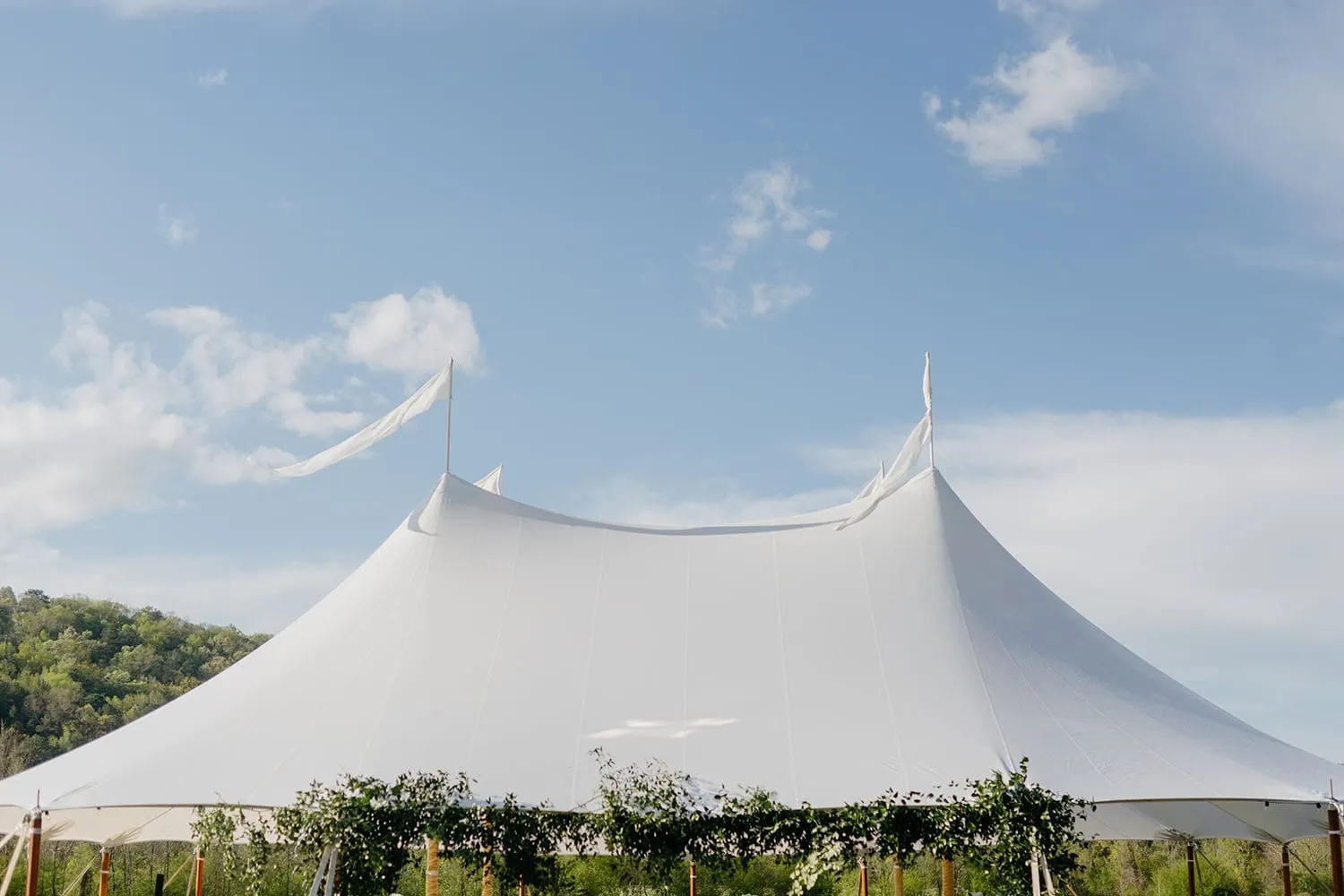
Selecting the right wedding tent size for guest count depends primarily on your guest count, seating style, and the space required for dining, dancing, and guest movement inside a complete summer wedding tent guide. Most planners estimate 8–15 square feet per guest, depending on the event format. By understanding these space guidelines and how tent layouts work, couples can choose the appropriate wedding tent size for guest count that keeps guests comfortable while ensuring the event flows smoothly from ceremony to reception.
How to Calculate the Right Wedding Tent Size
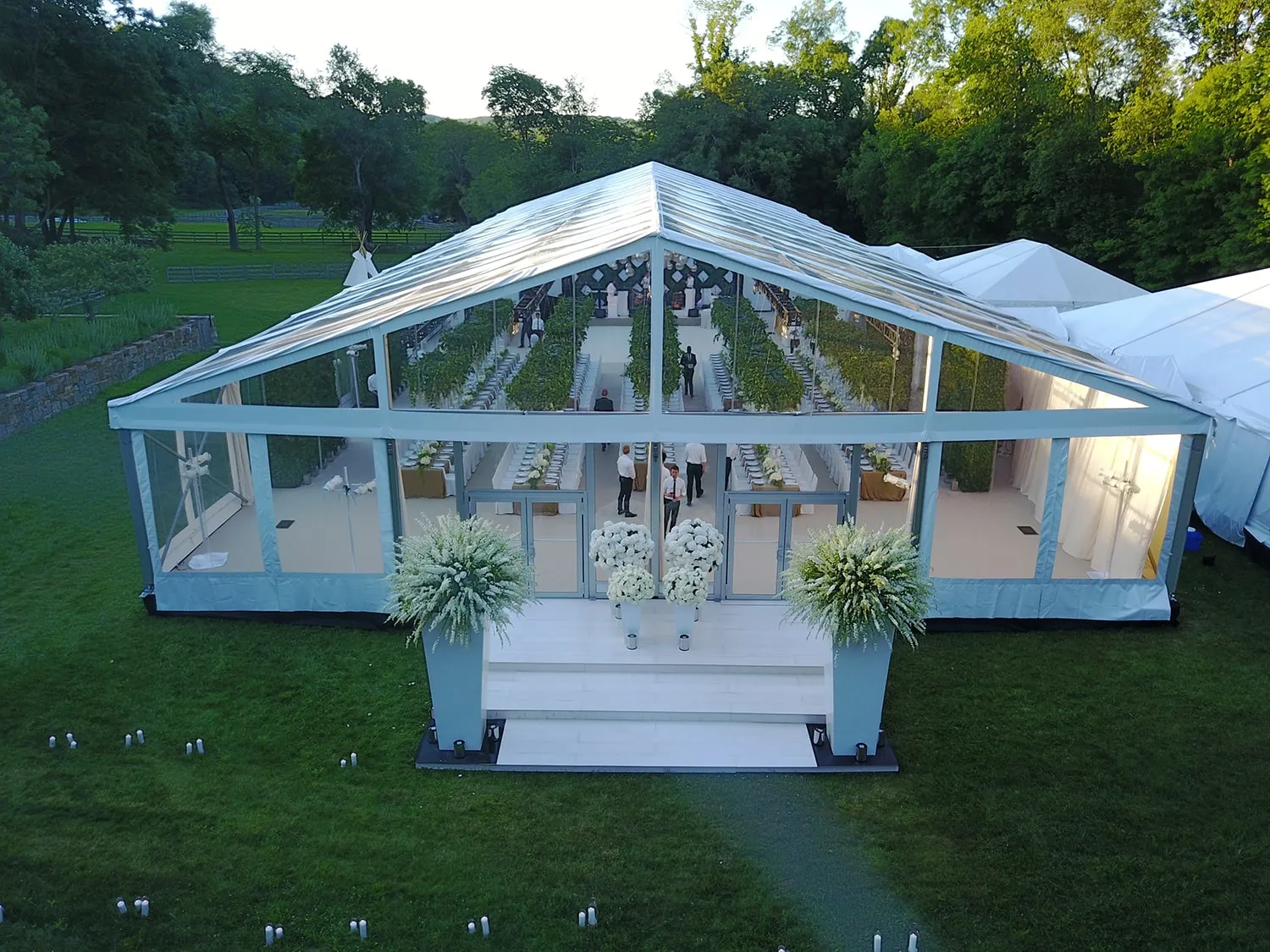
Choosing the correct tent size begins with understanding how much usable space the event will require. Guest seating is only one part of the calculation. Weddings often include entertainment areas, catering stations, walkways, and space for décor elements. A careful estimate of the total square footage needed helps prevent crowding and keeps the event comfortable for guests and staff.
Tent sizing also influences the overall atmosphere of the reception. A tent that is too small can make the space feel cramped and difficult to navigate, while an oversized tent may feel empty and less inviting. Finding the right balance ensures that the layout supports both functionality and aesthetics while creating an enjoyable environment for everyone attending.
Start With an Accurate Guest Count
The guest count is the foundation of any wedding tent calculation. Begin by identifying the number of people expected to attend the event. Invitations sent, RSVP responses, and estimated attendance all help determine the final number. Even a rough estimate can help planners identify a starting point for selecting the appropriate tent size.
Once the guest count is confirmed, planners can determine the amount of space needed per person. This estimate allows rental providers to recommend tent dimensions that will comfortably accommodate the entire group. Accurate numbers also help ensure that seating arrangements, dining areas, and entertainment zones fit inside the tent without overcrowding.
Factor in Event Features and Layout
Guest seating rarely represents the full footprint of a wedding reception. Most events include several additional features that require dedicated space within the tent. Dance floors, bars, buffet tables, gift tables, and lounge areas all contribute to the overall layout.
A thoughtful layout plan also accounts for walkways and service access. Catering staff, photographers, and coordinators need clear pathways to move throughout the tent without interrupting guests. Incorporating these practical considerations early in the planning process leads to a more organized and comfortable reception environment.
How Much Space Does Each Guest Need in a Wedding Tent?
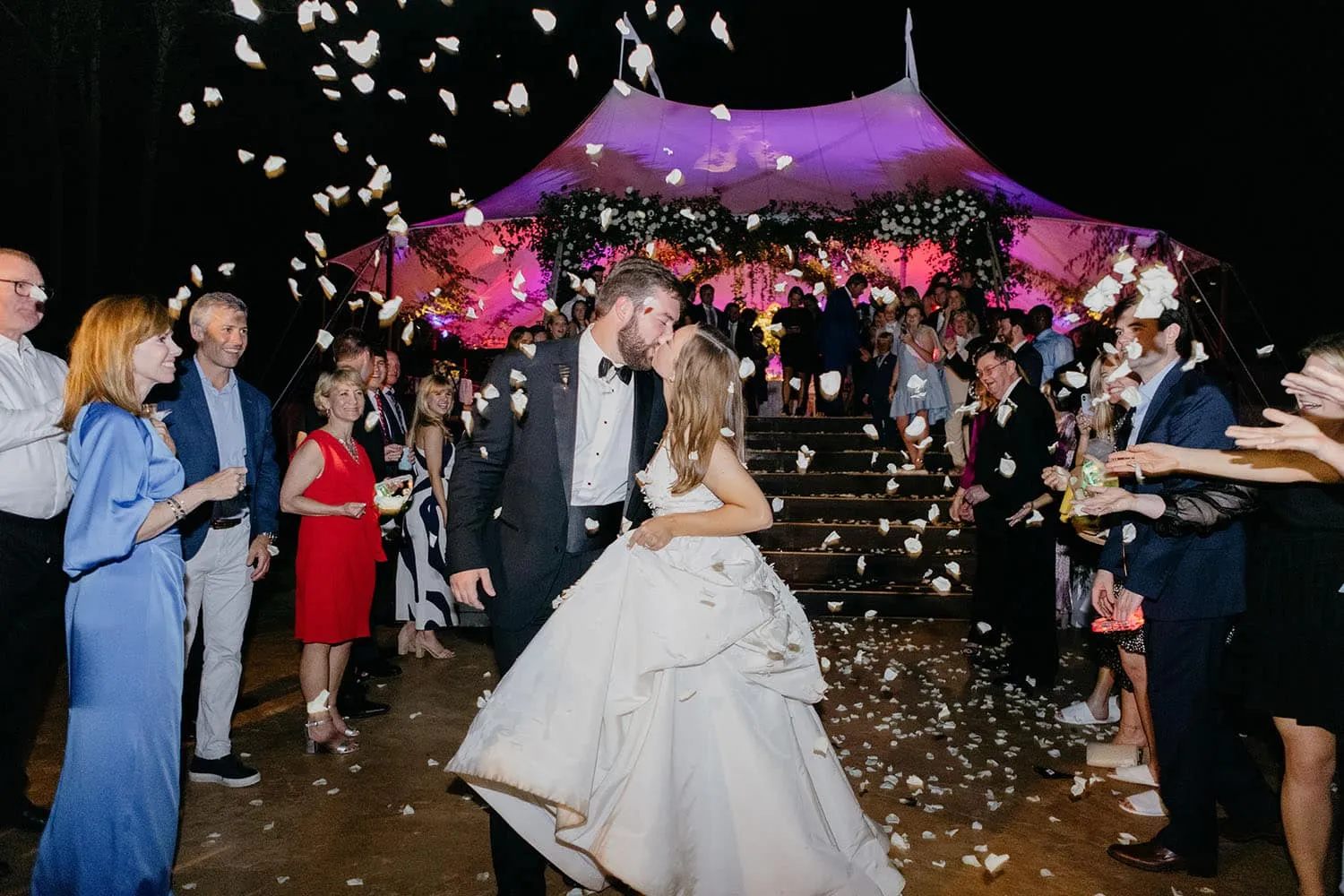
Allocating the right amount of space per guest is one of the most important steps in wedding tent planning. Square footage recommendations help determine how large the tent should be while ensuring the event remains comfortable and functional. These guidelines also help planners visualize how furniture and decorations will fit inside the space.
Proper spacing allows guests to move freely, socialize comfortably, and enjoy the celebration without feeling crowded. Adequate space also improves service efficiency for catering teams and event staff who need room to work throughout the reception.
Recommended Square Footage Per Guest
Standard event planning guidelines suggest different space allocations depending on the reception style:
- Cocktail-style receptions: approximately 8–10 square feet per guest
- Seated dinners: roughly 10–12 square feet per guest
- Buffet-style receptions: about 12–15 square feet per guest
These estimates provide enough room for tables, chairs, and guest circulation while maintaining a comfortable environment. Larger events may also allocate additional space for décor installations or entertainment areas that enhance the overall atmosphere.
Why Seating Layout Matters
The way tables and chairs are arranged can significantly affect how much space the tent requires. Round tables are commonly used at weddings because they encourage conversation and provide a balanced layout. Their shape requires extra clearance for chairs and walkways.
Banquet-style tables offer a more compact arrangement and can accommodate more guests in a smaller footprint. Cocktail tables take up even less space because they are designed for standing or casual seating. Selecting the right seating arrangement helps maximize available space and supports a smooth flow of guests throughout the event.
Standard Wedding Tent Sizes and Guest Capacity
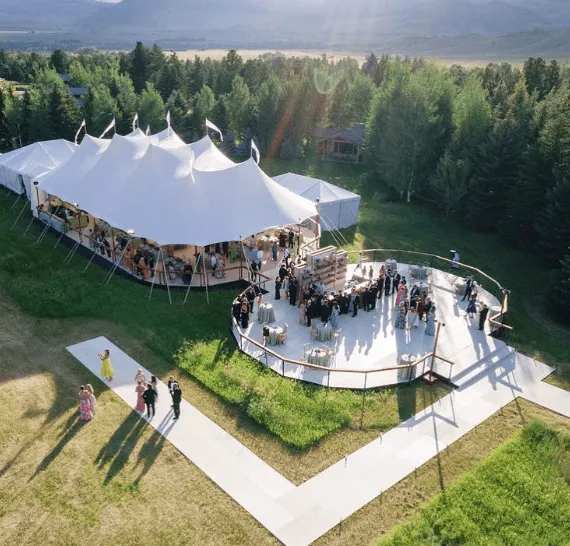
Wedding tents are available in a variety of standard dimensions that make it easier to estimate how many guests can be accommodated. These sizes provide a practical reference when planning an outdoor reception. Rental companies typically recommend tent options based on the guest count and the style of the event.
Understanding these dimensions also helps couples visualize how much room will be available for different elements of the celebration. Tables, dance floors, and lounge areas can all be incorporated into the layout when the tent size is chosen carefully.
Common Tent Sizes Used for Weddings
Several tent dimensions are commonly used for wedding receptions. Smaller events may use tents around 20×20 feet, which work well for intimate gatherings or cocktail-style receptions. Medium-sized weddings often require tents such as 20×30 or 30×30, providing additional space for seated dining.
Large celebrations usually require larger tents like 40×60 or greater. These sizes offer enough room for guest seating, entertainment areas, and decorative features that enhance the overall reception experience.
How Many Guests Fit in Typical Tent Sizes
Guest capacity varies depending on the layout inside the tent. Seating style, table arrangement, and additional features can all influence how many people fit comfortably within the space.
- 20×20 tent: suitable for small gatherings or cocktail-style receptions
- 20×30 tent: works well for modest receptions with limited seating
- 30×30 tent: accommodates medium-sized guest lists
- 40×60 tent: often used for weddings with around 100 seated guests
These estimates serve as planning guidelines that help couples determine whether a tent will comfortably support their expected attendance.
Wedding Tent Types and Capacity Differences

Different types of wedding tents offer unique structural designs and visual styles. The structure of the tent affects how the interior space can be arranged and how the tent is installed at the venue. Understanding these differences helps couples choose a tent that fits both their guest count and their venue conditions.
The type of tent also influences the overall look and atmosphere of the event. Some designs create a traditional wedding aesthetic, while others provide a modern open layout that allows more flexibility for décor and lighting.
Frame, Pole, and Clear Span Tents
Frame tents rely on a metal support structure that eliminates interior poles, making them popular outdoor wedding tents. This design allows planners to arrange tables and décor without structural obstacles inside the tent. Frame tents are also suitable for locations where staking into the ground may not be possible.
Pole tents feature center poles that support the structure and create high, elegant peaks. These tents are popular for weddings because they produce a classic outdoor reception look. Clear span tents provide completely open interiors with no interior supports, making them ideal for large events or elaborate layouts.
Choosing the Best Tent for Your Guest Count
Tent selection should reflect both the number of guests and the style of the reception. Smaller weddings can often be accommodated with compact frame or pole tents that create a cozy and intimate setting.
Larger guest counts typically benefit from clear span tents or extended frame tents that provide wide, unobstructed interiors. These structures allow planners to design flexible layouts that include dance floors, stage areas, and multiple dining sections without space restrictions.
Layout Strategies That Maximize Tent Space
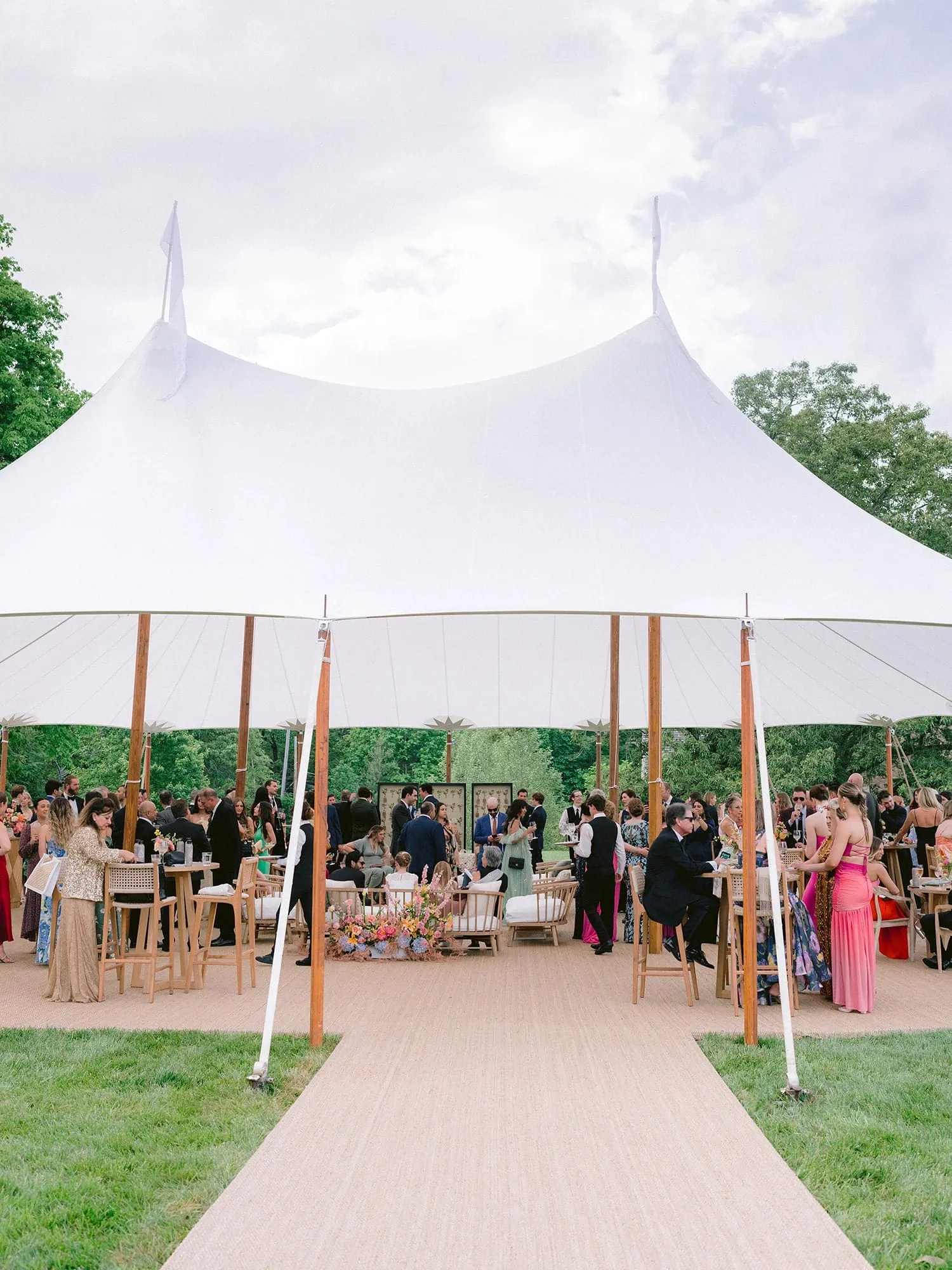
A thoughtful layout ensures that the available tent space is used efficiently. Strategic placement of tables, entertainment areas, and service stations allows guests to move easily throughout the event. Well-planned layouts also create a balanced visual design that enhances the overall experience.
Planning the layout in advance helps avoid last-minute adjustments on the day of the event. Event planners often sketch floor plans or use digital tools to visualize how each element will fit within the tent.
Designing an Efficient Tent Floor Plan
An efficient floor plan organizes the tent into clearly defined sections. Dining areas are often arranged around a central dance floor, while bars and buffet tables are placed along the perimeter of the tent to keep traffic flowing smoothly.
Walkways between tables should be wide enough for guests and service staff to move comfortably. Lighting, décor, and entertainment equipment can also be integrated into the layout to ensure that each area of the tent serves a specific purpose.
Seating Arrangements for Different Guest Counts
Seating arrangements play a key role in maximizing available space inside the tent. Smaller weddings may use round tables arranged in clusters to create a welcoming and conversational atmosphere.
Medium-sized receptions often combine round tables with a central dance floor, allowing guests to dine while maintaining clear sightlines to the entertainment area. Large weddings may benefit from banquet-style seating that accommodates more guests while preserving open space for movement and activities.
Frequently Asked Questions
How much space does each guest need in a wedding tent?
Most weddings require around 10–12 square feet per guest for seated dinners and 8–10 square feet for cocktail-style receptions. Buffet-style events may require slightly more space.
What size tent is typically needed for 100 guests?
A tent around 40×60 feet is commonly recommended for 100 guests with seated dining and a dance floor, though the final size depends on the layout and additional features.
What factors influence wedding tent size besides guest count?
Tent size is also affected by seating arrangements, dance floors, catering areas, bars, and walkways needed for staff and guest movement.
Is it better to choose a slightly larger tent?
Yes. A slightly larger tent improves comfort, airflow, and flexibility for layouts, décor, and entertainment areas.
Conclusion
Choosing the right wedding tent size ensures guests remain comfortable while allowing enough room for dining, entertainment, and smooth event flow. Careful planning around guest count, layout, and tent style helps create a well-balanced and memorable event space. Skyline Tent Company specializes in designing luxury tented environments for weddings and large-scale events. Contact our team or schedule a private consultation to explore the perfect tent solution for your celebration.