
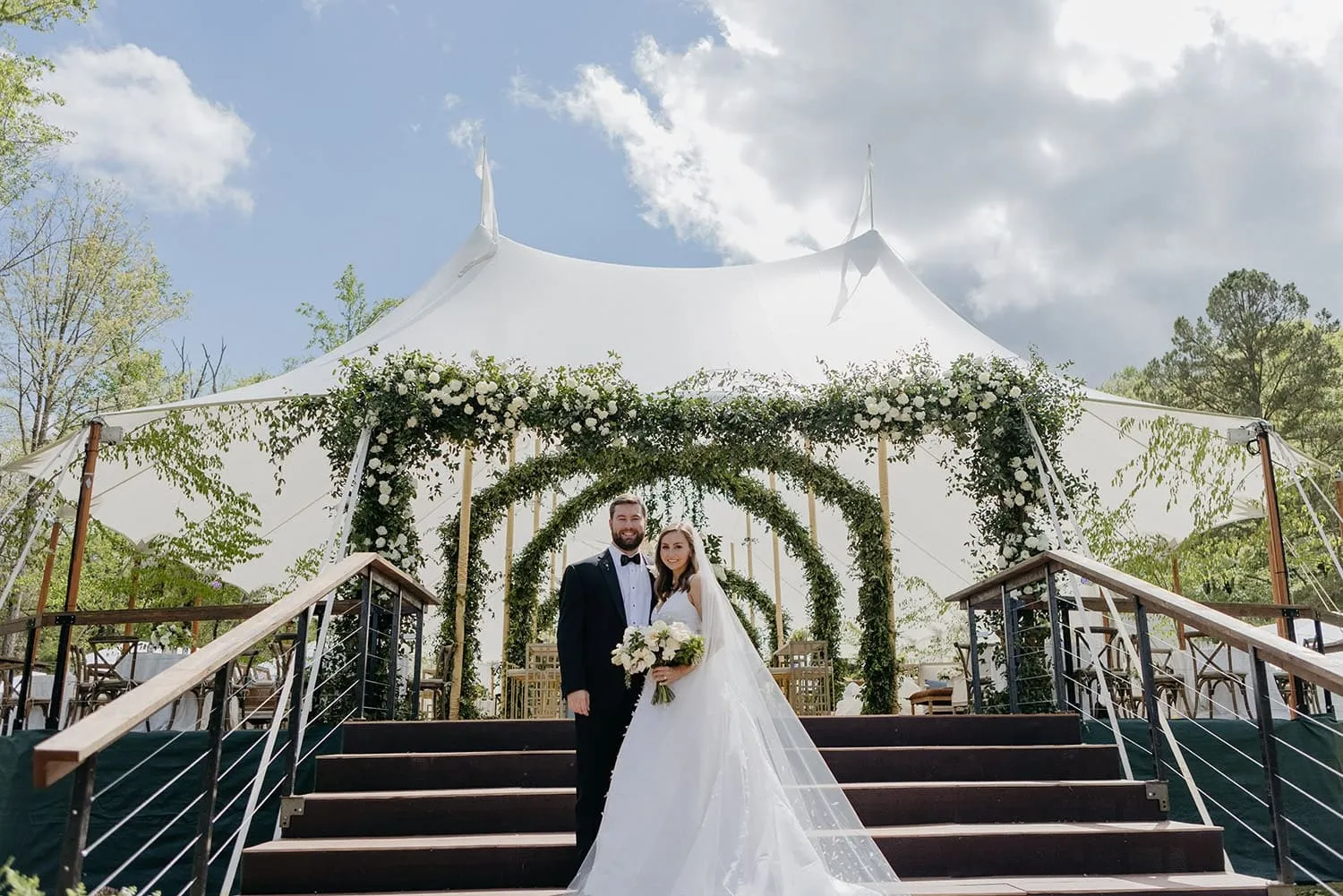
Keeping guests cool in a wedding tent requires a combination of ventilation, airflow, shade, and mechanical cooling systems. The most effective approach blends tent design features with equipment such as fans, portable cooling units, and thoughtful layout planning. When these elements are coordinated early in the planning process, couples can create a comfortable environment where guests can relax and enjoy the celebration despite warm outdoor temperatures.
Outdoor weddings during summer offer beautiful scenery and memorable experiences, yet high temperatures can quickly affect guest comfort if cooling is not carefully planned during an outdoor wedding tent setup. Tents provide structure and protection from sunlight, but they can also trap heat if airflow is restricted. Designing a cooling strategy that combines natural ventilation with mechanical solutions ensures the interior environment remains pleasant throughout the ceremony and reception.
Mechanical Cooling Systems for Wedding Tents
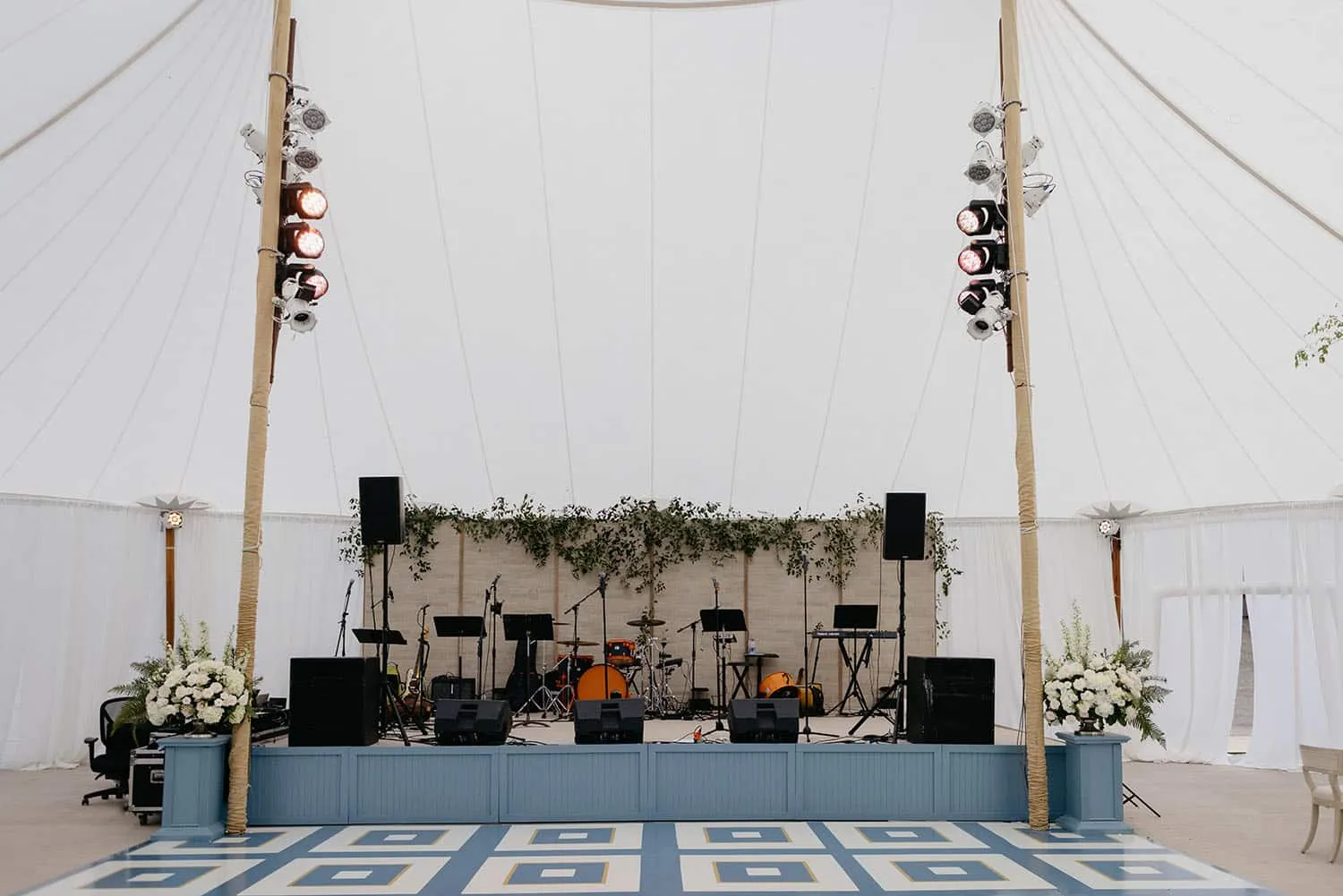
Mechanical cooling solutions provide the most consistent temperature control inside a wedding tent. These systems actively reduce interior heat and distribute cooler air throughout the space.
Selecting the right system depends on tent size, guest count, and power availability for a summer wedding reception. Large tents with dense seating arrangements often benefit from a combination of cooling units and airflow systems to maintain balanced temperatures.
Portable Air Conditioning and Evaporative Cooling
Portable air conditioning units are among the most effective ways to cool a tent during hot weather. These systems circulate cooled air through ducts positioned around the interior, maintaining stable temperatures regardless of outdoor conditions.
Evaporative coolers provide another cooling option, particularly in dry climates. They function by drawing warm air across water-soaked pads, lowering the air temperature before releasing it into the tent. Because these units rely on evaporation rather than refrigeration, they often consume less energy than traditional air conditioning systems.
Portable cooling units offer several practical advantages:
- They can be placed outside the tent to minimize noise and visual disruption
- Flexible ducting allows air to be directed toward seating and dining areas
- Units can be adjusted throughout the event to maintain consistent comfort
Proper sizing of these systems is essential. Equipment that is too small may struggle to cool the space effectively, while oversized units may create uneven airflow.
Fans and Air Circulation Equipment
Fans are one of the most accessible tools for improving comfort in a tent environment. Their primary function is to circulate air, preventing stagnant pockets of heat from building beneath the canopy.
Different fan types can be used depending on the layout of the event space. Ceiling fans are ideal for larger tents with high peaks, while pedestal or oscillating fans provide flexibility in smaller setups.
Strategically placed fans can create a steady airflow that moves warm air upward and pulls cooler air through the tent. This circulation makes the environment feel significantly cooler even without heavy mechanical cooling.
Fans are most effective when placed near entrances, seating zones, and dance floors where guests spend extended periods of time.
Airflow and Ventilation Techniques
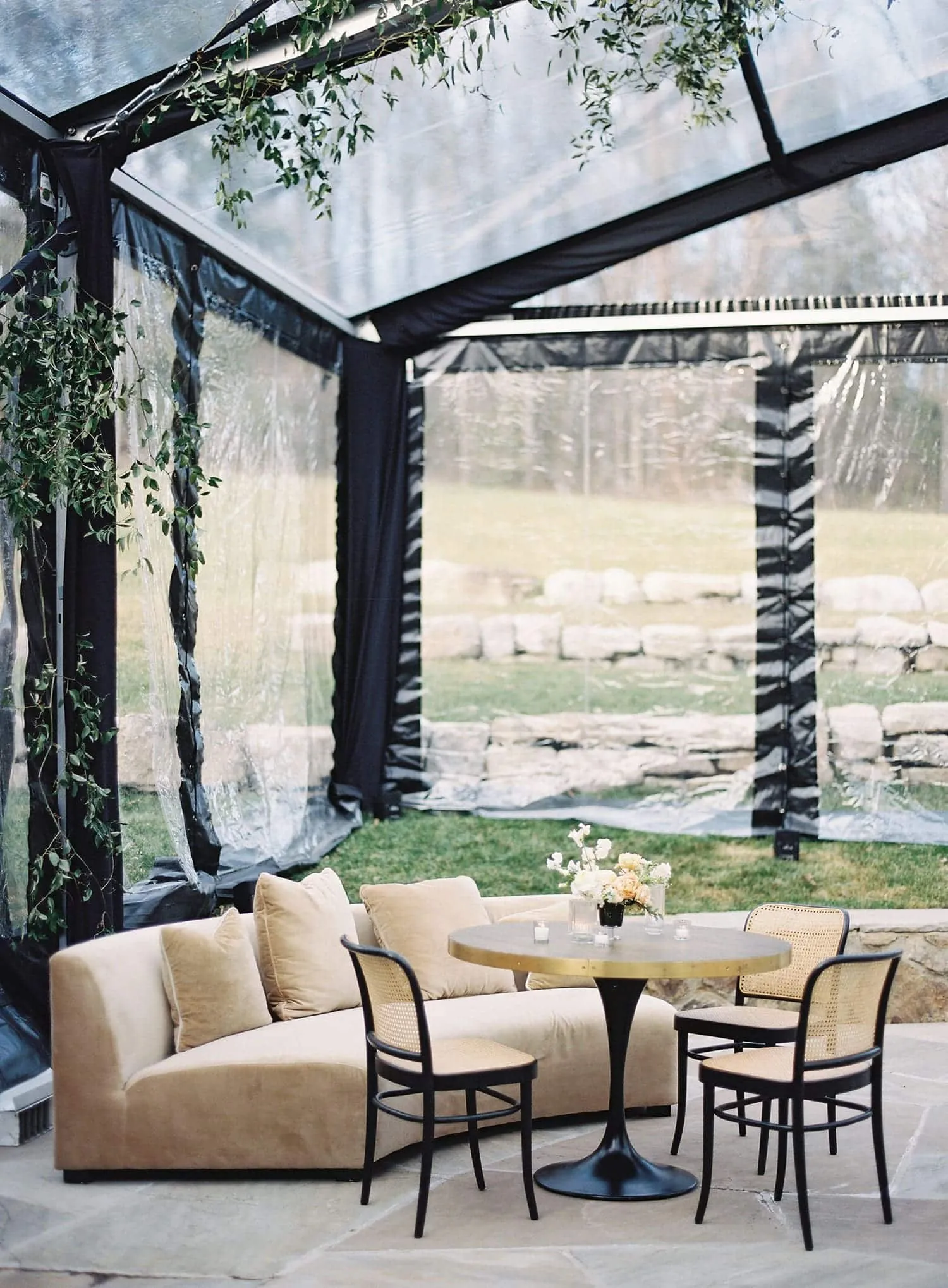
Airflow plays a critical role in maintaining comfortable temperatures within a wedding tent. Good ventilation allows warm air to escape while drawing cooler air into the space.
A well-designed ventilation strategy reduces reliance on mechanical cooling systems and helps maintain fresh air circulation throughout the event.
Creating Cross-Ventilation Through Tent Layout
Cross-ventilation occurs when air enters through one side of the tent and exits through another. This continuous movement of air prevents heat from collecting under the tent canopy.
Planners often achieve this effect by opening sidewalls or positioning entrances on opposite sides of the tent. Fans placed near these openings can enhance airflow and encourage air movement through the structure.
Several layout decisions can improve cross-ventilation:
- Position entrances toward prevailing winds
- Leave selected sidewalls open when weather conditions allow
- Arrange seating areas to avoid blocking airflow pathways
When these strategies are implemented together, airflow moves naturally through the tent without requiring extensive cooling equipment.
Using Tent Features That Improve Ventilation
Many modern wedding tents include structural features designed to improve airflow. High ceilings allow warm air to rise above the guest seating area, while roof vents release trapped heat from the canopy.
Removable sidewalls are another valuable design feature. They allow planners to adjust the tent environment as temperatures change throughout the day.
For example, sidewalls may remain open during daytime hours to allow maximum ventilation, then be partially closed during the evening when temperatures drop.
Selecting a tent with built-in ventilation options can significantly improve guest comfort while reducing the need for large mechanical cooling systems.
Selecting the Right Tent Design for Summer Comfort
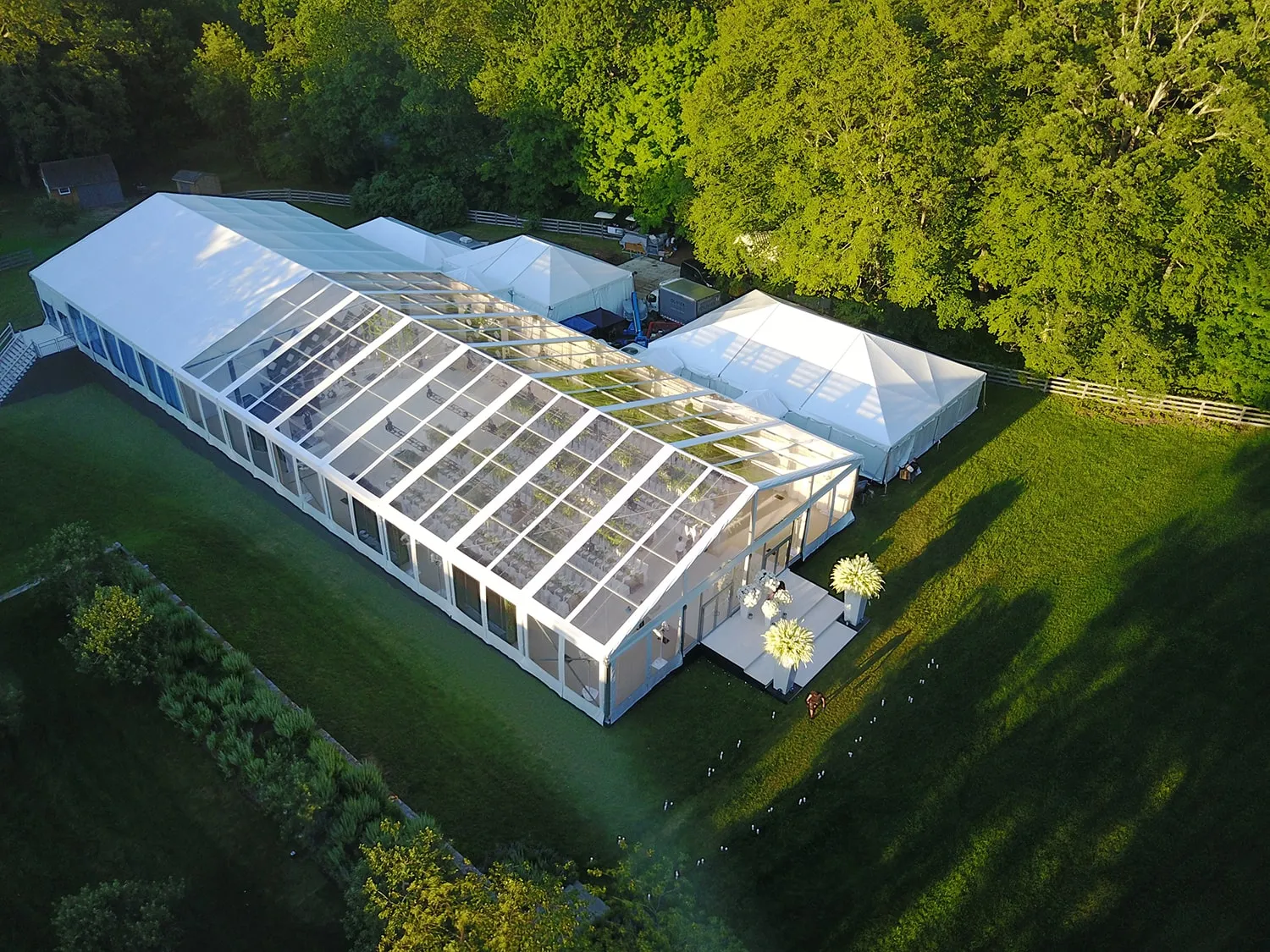
The design and materials of the tent itself have a major influence on how much heat accumulates inside the structure. Certain tent styles naturally promote better airflow and temperature control.
Understanding how these structural features affect heat retention helps planners choose the most suitable tent for warm-weather weddings.
Tent Materials That Reflect Heat
Tent fabric plays an important role in managing temperature. Light-colored materials reflect sunlight rather than absorbing it, helping reduce radiant heat inside the tent.
Many high-quality tents also use breathable materials that allow small amounts of air movement through the canopy. This prevents the interior from feeling sealed and helps maintain a fresher environment.
Interior liners or draped fabric panels can also reduce heat absorption while enhancing the aesthetic appearance of the space. These liners diffuse sunlight and create softer lighting conditions inside the tent.
Structural Design and Tent Height
Tents with taller peaks generally remain cooler because warm air naturally rises toward the top of the structure. The extra vertical space allows heat to accumulate above guest seating areas rather than at ground level.
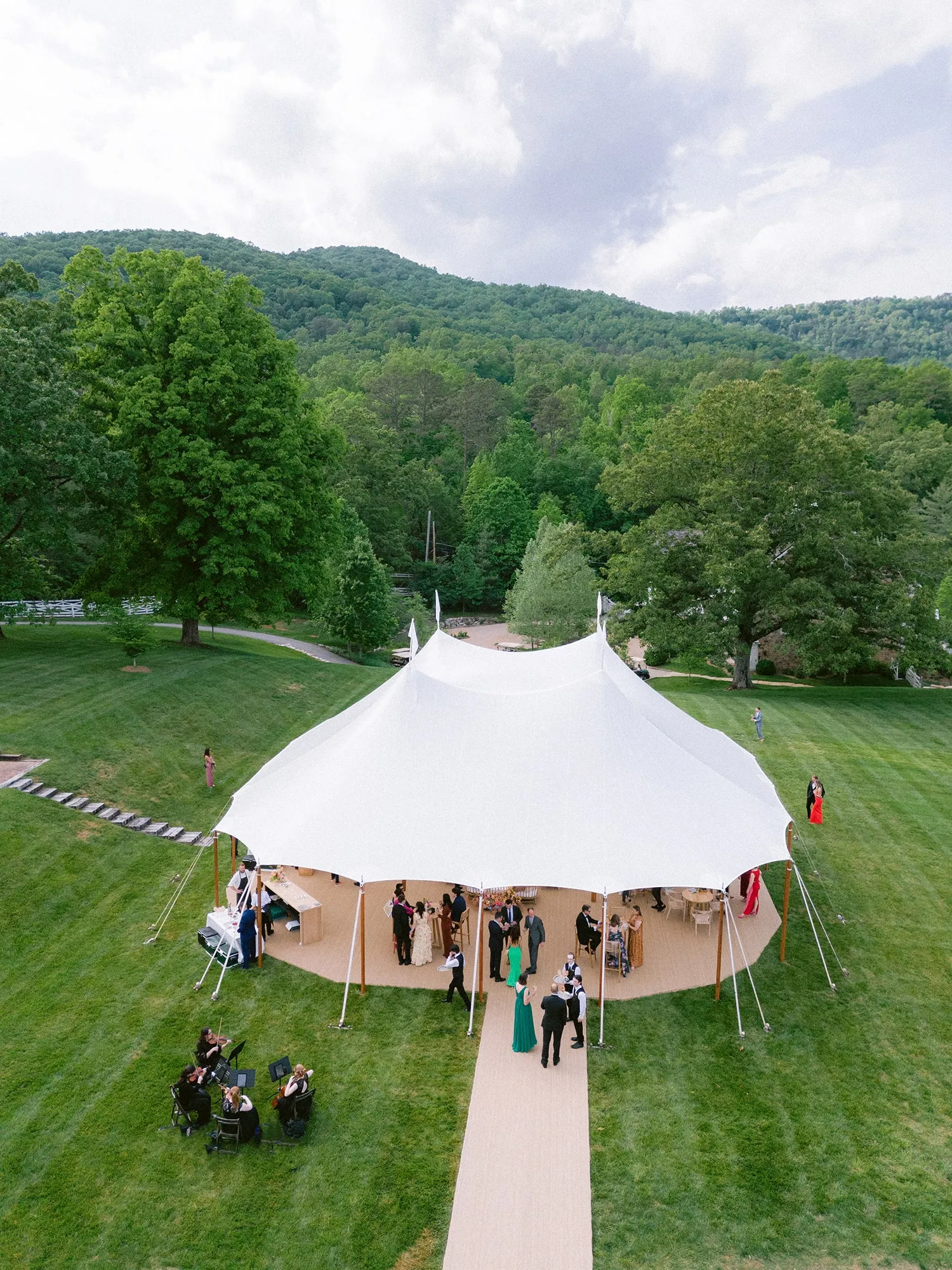
Pole tents and sailcloth tents are particularly effective for summer weddings because their high peaks encourage airflow. Frame tents with elevated sidewalls can also promote circulation while offering greater flexibility for layout design.
Choosing a tent with generous height and open interior space improves air movement and creates a more comfortable atmosphere for guests.
Wedding Tent Cooling Strategies
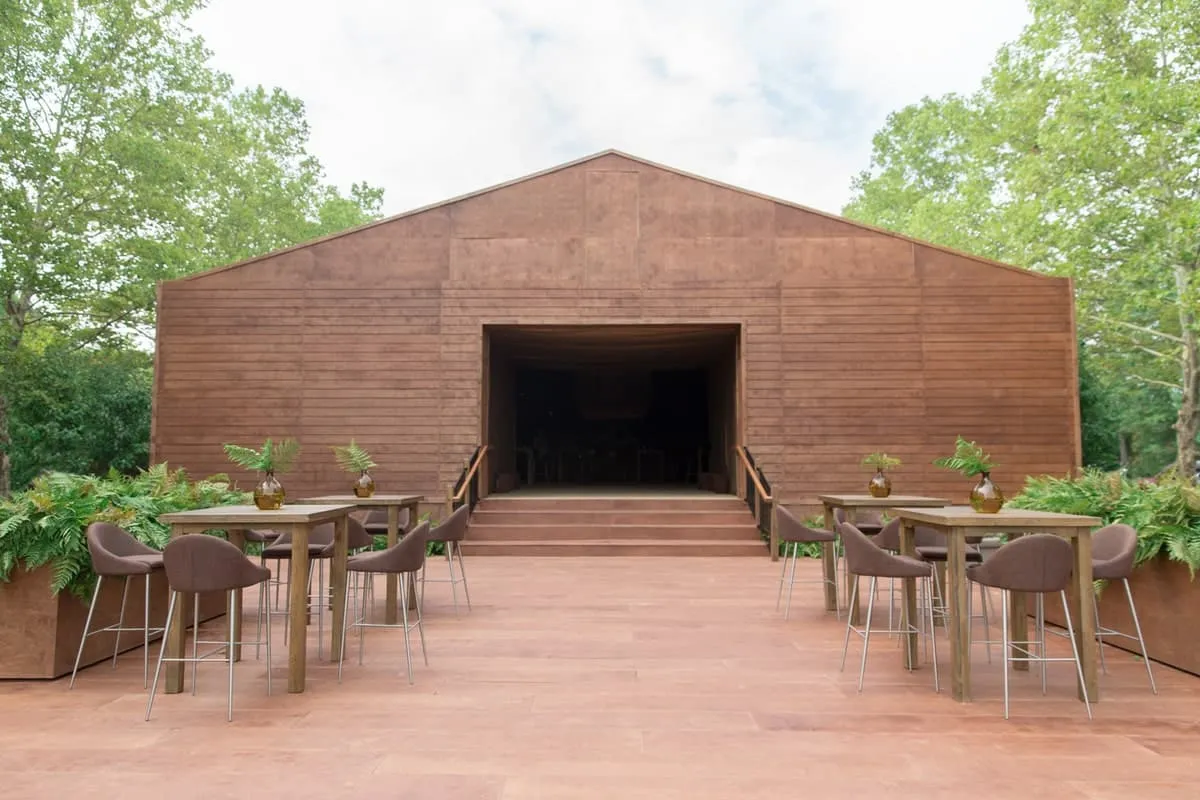
Not every wedding requires extensive mechanical cooling equipment. Several simple methods can significantly reduce heat inside a tent without increasing the event budget.
These techniques work best when combined with effective ventilation and careful tent placement.
Simple DIY Cooling Techniques
Small adjustments can make a noticeable difference in guest comfort. For example, placing containers of ice in front of fans can produce a temporary cooling effect as air passes over the chilled surface.
Providing guests with personal cooling items can also improve comfort during hot weather. Hand fans, chilled towels, and shaded seating areas give guests opportunities to cool down during the event.
Hydration stations offering cold beverages are another practical addition. Ensuring guests have easy access to water helps them stay refreshed and reduces the impact of heat.
Using Natural Shade and Environmental Cooling
Natural shade is one of the most effective ways to reduce heat buildup around a wedding tent. Positioning the tent near trees or shaded areas limits direct sunlight and creates a cooler environment.
Several natural cooling approaches can improve conditions around the tent:
- Placing the tent near existing tree shade or buildings
- Choosing light-colored fabrics that reflect sunlight
- Adding greenery or potted plants around seating areas
These strategies lower surrounding temperatures and create a more comfortable microclimate for guests.
Cooling Accessories That Improve Guest Comfort
Cooling accessories can complement ventilation and mechanical systems by providing localized cooling where guests gather.
These additions allow planners to adjust cooling levels during different parts of the event and ensure comfort across all areas of the tent.
Misting Systems and Water Features
Misting systems release a fine spray of water that evaporates quickly, lowering the surrounding temperature. These systems are especially effective in dry climates and outdoor environments.
Misting lines are often installed along tent edges or above lounge areas where guests can feel the cooling effect without becoming wet. Proper placement ensures that moisture does not affect flooring or electrical equipment.
Decorative water features can also contribute to cooling while enhancing the visual atmosphere of the event.
Portable Cooling Accessories
Portable accessories provide flexible cooling solutions that can be moved as the event progresses.
Common options include battery-powered fans, portable misting devices, and additional airflow equipment. These accessories allow event staff to adjust cooling levels in high-traffic areas such as the dance floor or bar.
Rental providers frequently offer these accessories as optional additions to tent packages, making them easy to integrate into the overall event setup.
Frequently Asked Questions
What is the best way to cool a wedding tent in summer?
A combination of ventilation, fans, and portable cooling units provides the most reliable results. Proper tent orientation and shade also help reduce interior heat.
Do wedding tents trap heat?
Tents can trap heat if airflow is restricted. Opening sidewalls and using ventilation systems allows warm air to escape and keeps the space cooler.
Are fans enough to cool a wedding tent?
Fans improve airflow and make the environment feel cooler, but they are most effective when combined with shade or additional cooling equipment.
Conclusion
Keeping guests cool inside a summer wedding tent requires thoughtful planning that combines airflow, ventilation, and cooling equipment. Choosing the right tent design and positioning cooling devices strategically can significantly improve comfort during warm-weather events.
Skyline Tent Company specializes in designing premium tented environments that remain comfortable even during summer celebrations. Schedule a private consultation with our team to explore tent solutions that help create a cool and unforgettable wedding experience.