
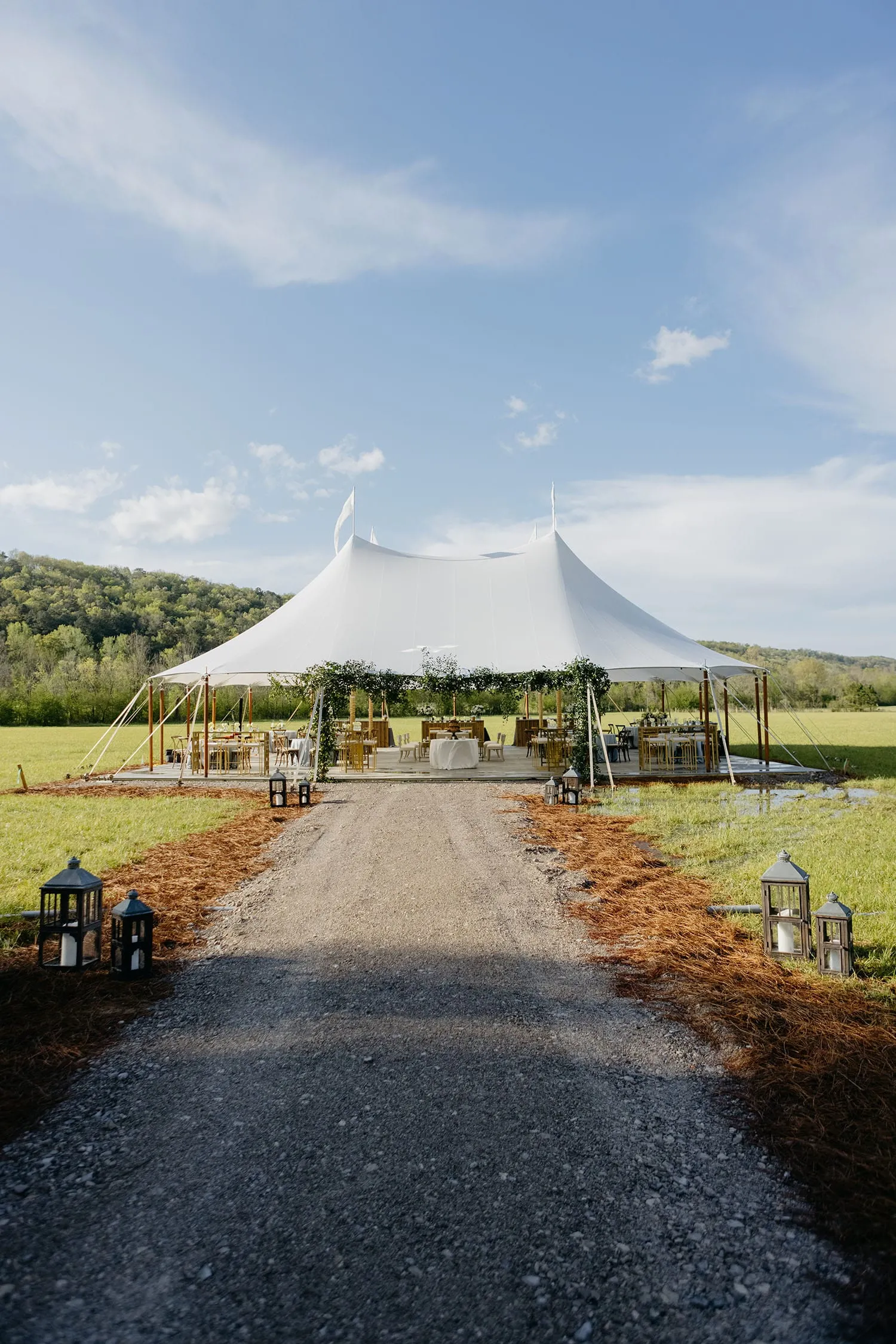
Choosing the right tent size for a summer wedding reception comes down to guest count, layout design, and the space required for dining, entertainment, and guest movement. The ideal tent should provide enough room for seating, circulation, and key event features without feeling crowded or overly empty. When these elements are planned correctly, the tent becomes a comfortable, visually balanced environment that supports both the flow and the overall experience of the celebration.
A well-sized tent does more than provide shelter and plays an important role in creating a complete outdoor wedding tent guide. It defines the atmosphere of the event, influences guest comfort, and supports the logistics of service and entertainment. Summer weddings often include dining, dancing, lounge areas, and open walkways, all of which require thoughtful space allocation.
Selecting the right size early in the planning process allows every other design decision, from lighting to furniture placement, to align seamlessly. When the tent size matches the vision of the event, the entire experience feels intentional, refined, and effortless. This early decision also helps vendors coordinate their services more effectively, ensuring that catering, entertainment, and decor all fit harmoniously within the space. The tent becomes not just a shelter but a central element that enhances the wedding’s theme and guest enjoyment.
Determining Tent Size Based on Guest Count and Layout
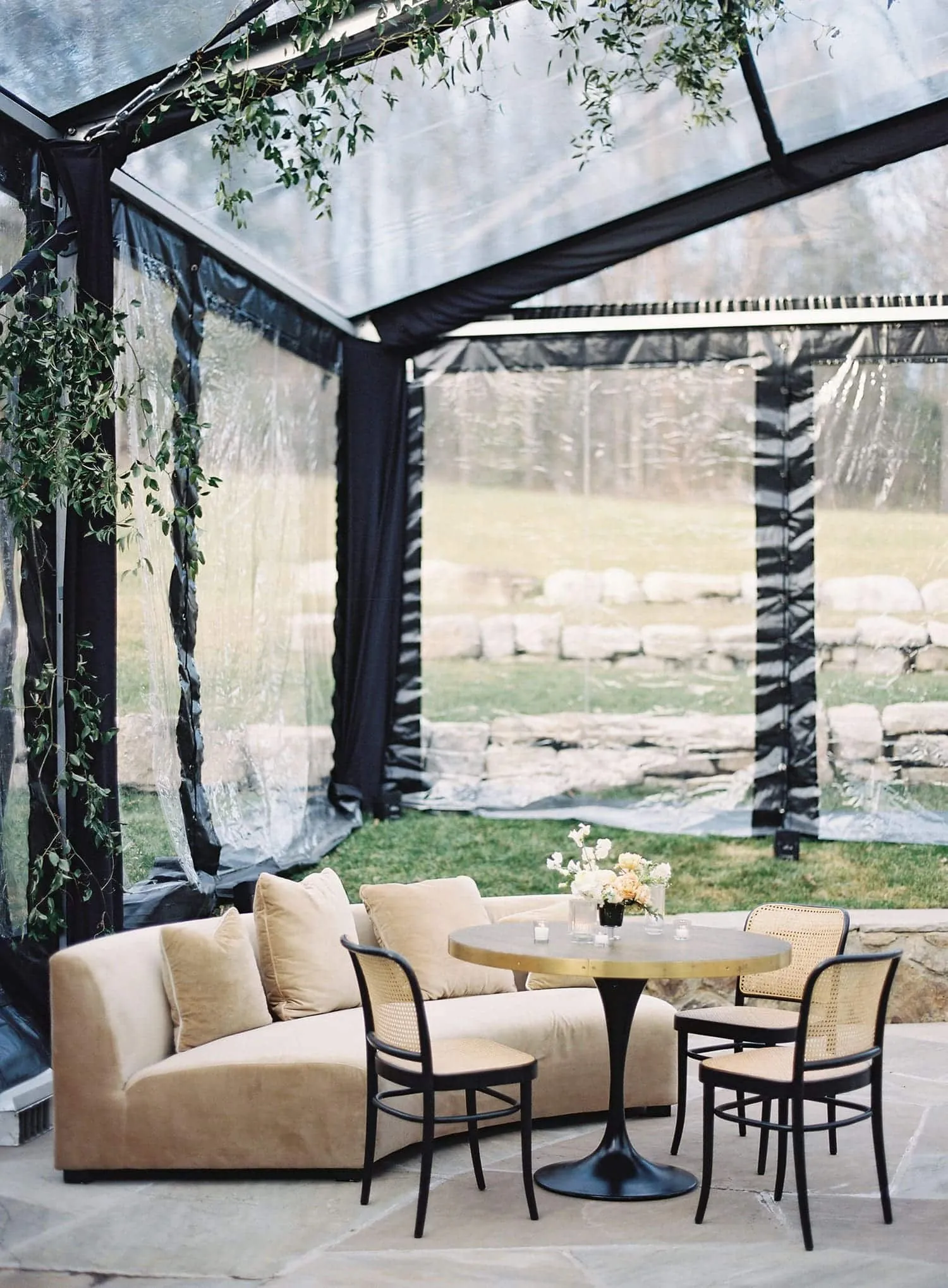
The foundation of tent sizing begins with understanding how many guests will attend and how the space will be used. Guest count alone is not enough; the layout of the event plays an equally important role.
A well-designed layout ensures that guests can move comfortably between seating areas, dining spaces, and entertainment zones through effective wedding tent guest flow planning. It also helps in identifying potential bottlenecks and areas where additional space might be necessary, such as near the bar or dance floor. Considering the flow of guests throughout the event space can prevent overcrowding and enhance the overall experience.
Space Planning for Seating and Dining
Seating arrangements significantly influence how much space is required inside the tent. Different table styles and configurations affect both capacity and circulation.
Round tables typically require more space, while long banquet tables allow for more efficient use of the tent footprint. The spacing between tables also determines how easily guests and staff can move throughout the event.
When planning seating, it is important to account for:
- Comfortable spacing between tables
- Access paths for servers and guests
- Visual balance across the tent
A thoughtful seating layout ensures that the tent feels open and inviting rather than crowded. It also contributes to the social dynamics of the event, encouraging conversation and interaction among guests. Proper spacing can reduce noise levels and create a more intimate atmosphere, even in larger tents.
Allowing Space for Event Features
Beyond seating, additional elements must be included in the overall layout, including properly planned wedding tent bar layouts. Dance floors, bars, catering stations, and lounge areas all require dedicated space within the tent.
These features often become focal points during the event, so they should be positioned with both accessibility and visual impact in mind.
Including these elements in early planning helps avoid last-minute adjustments that could affect guest comfort or event flow. For example, placing the dance floor too close to dining areas might disrupt conversations, while locating the bar in a central but unobtrusive spot encourages socializing without congestion. Thoughtful placement enhances the event’s rhythm and guest engagement.
Understanding Space Requirements Per Guest and Event Style
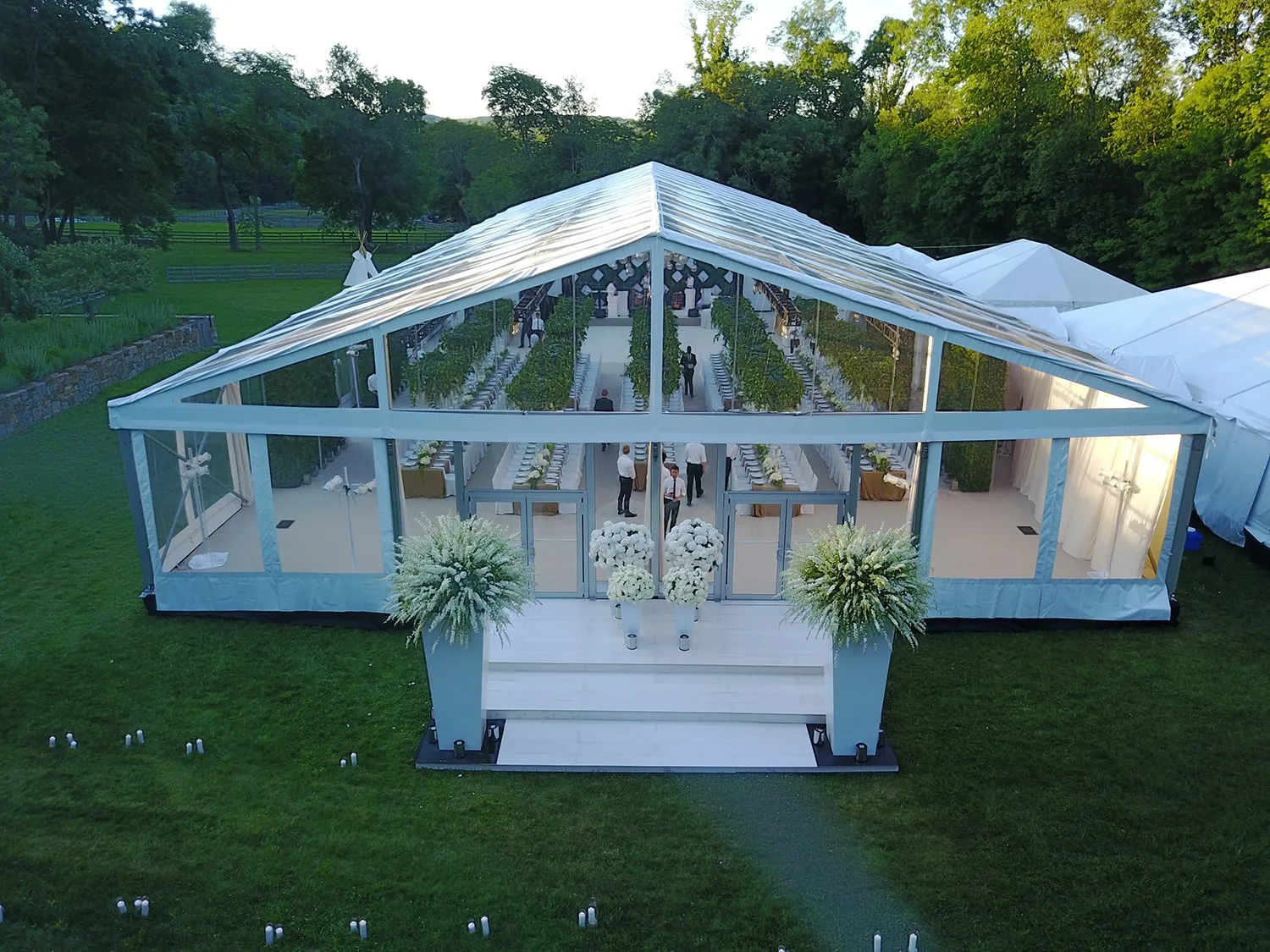
The amount of space required per guest varies depending on the type of reception. A seated dinner requires more room than a standing cocktail-style event.
Understanding these differences allows planners to select a tent size that supports the intended atmosphere. The choice of event style also influences the type of furniture and decor used, which in turn affects space needs. For example, a formal seated dinner might require elegant chairs and large tables, while a cocktail reception might use high-top tables and lounge seating to encourage mingling.
Seated Reception Layouts
Seated receptions require space for tables, chairs, and service pathways. Guests remain in one place for extended periods, so comfort and spacing are especially important.
These layouts often include:
- Dining tables arranged for conversation
- Clear pathways for service staff
- Space between tables to avoid congestion
This approach creates a structured environment that supports a formal dining experience. It also allows for smooth service, ensuring that waitstaff can efficiently attend to guests without disruption. Proper lighting and decor placement further enhance the ambiance, making the space feel warm and inviting.
Cocktail-Style and Hybrid Layouts
Cocktail-style receptions require less seating but more open space for movement. Guests circulate throughout the tent, interacting with different areas of the event.
Hybrid layouts combine seated dining with standing areas, offering flexibility and variety within the space.
This style works well for summer weddings, where guests may move between indoor and outdoor areas throughout the event. It encourages social interaction and creates a dynamic atmosphere. Incorporating lounge furniture and strategically placed bars or food stations can enhance the guest experience by providing comfortable spots to relax and socialize.
Matching Tent Size to Guest Capacity and Event Scale
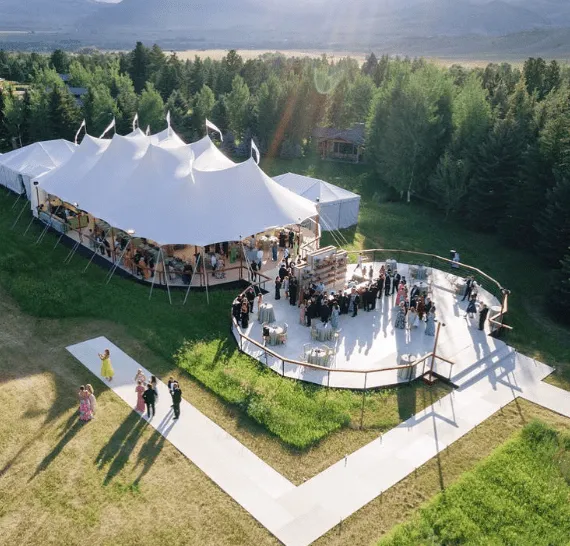
Once guest count and layout are defined, the next step is matching those requirements to an appropriate tent size. Tent dimensions must accommodate both the number of guests and the complexity of the event design. We cover this further in A Guide to Determining the Right Tent Size for Your Guests.
A properly sized tent ensures that the space feels balanced and functional. It also allows for flexibility in decor and furniture arrangement, enabling the event to adapt to changing needs or last-minute additions. Selecting a tent that is too large can make the event feel sparse, while one that is too small can create discomfort and limit movement.
General Tent Size Guidelines
Tent sizes are often selected based on typical guest ranges and layout needs. These guidelines provide a helpful starting point when planning.
For example, smaller gatherings may require more compact tents, while larger celebrations benefit from expansive structures that support multiple event zones.
The goal is to select a size that accommodates all elements of the event while maintaining comfortable circulation. Consulting with tent rental professionals can provide valuable insights into sizing based on specific event details and venue constraints. They can also recommend tent styles and accessories that optimize space usage.
Scaling for Larger Weddings
As guest count increases, the complexity of the layout also grows. Larger weddings often include multiple dining areas, larger dance floors, and expanded service spaces. You may also find How Do You Design The Layout Of A Wedding Reception Tent helpful.
These events benefit from tents that provide:
- Open interior space for flexible layouts
- Room for multiple activity zones
- Clear pathways that prevent congestion
Scaling the tent appropriately ensures that every guest can enjoy the event without feeling restricted. It also allows for enhanced decor and lighting options, creating a more immersive and memorable experience. Larger tents can accommodate additional amenities such as photo booths, stages for live music, or children’s play areas, further enriching the celebration.
Tent Styles and Their Impact on Space and Comfort
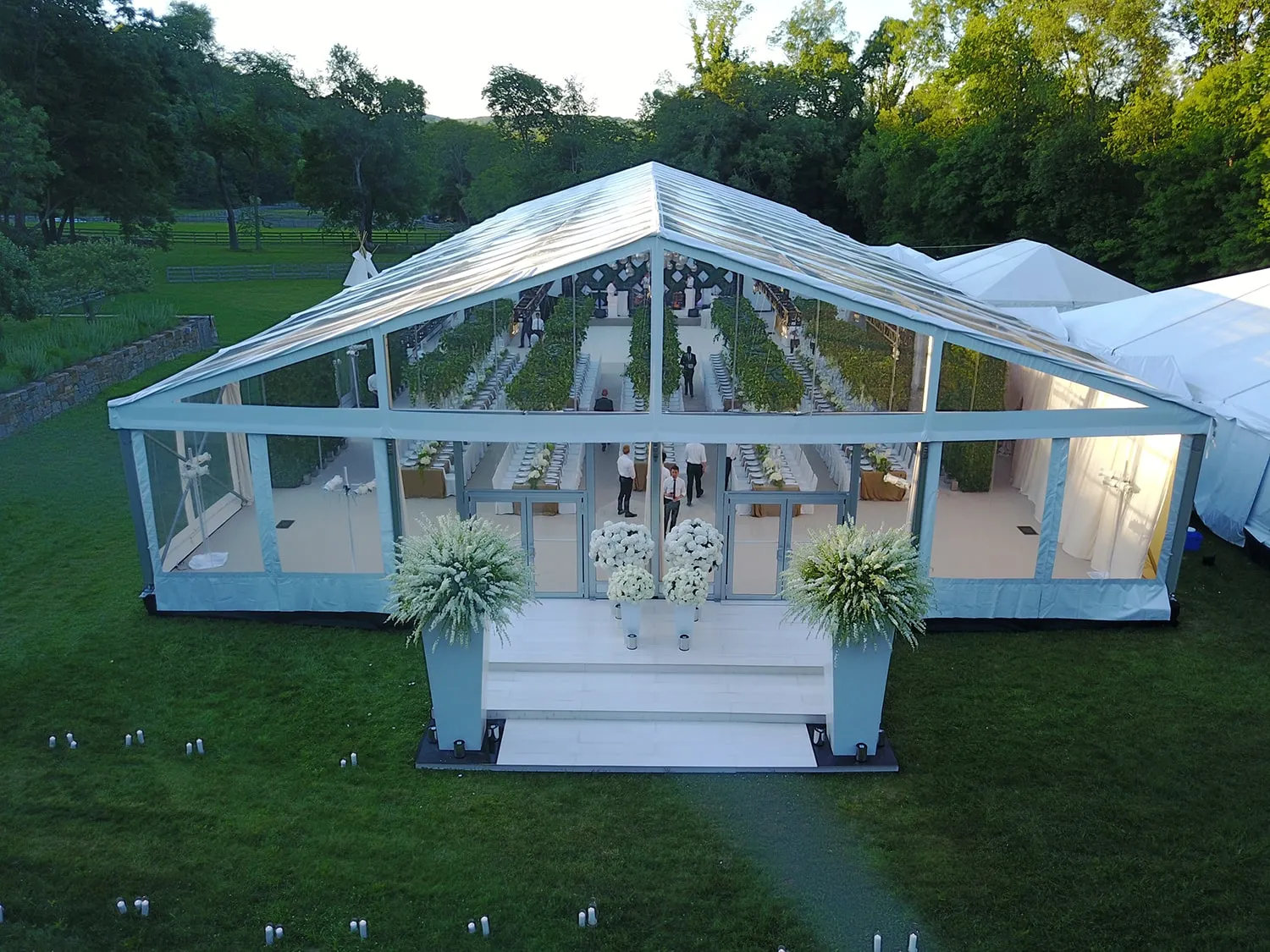
The style of the tent influences both usable space and overall comfort. Different structures offer different interior layouts, ventilation options, and visual characteristics.
Choosing the right tent style ensures that the space functions effectively while supporting the design vision. The aesthetic of the tent can complement the wedding theme, whether it’s rustic, modern, or classic. The choice also affects setup time and cost, so balancing style with practicality is important.
Frame, Pole, and Clear Span Tents
Each tent type offers distinct advantages depending on the venue and event requirements.
Frame tents provide open interiors without center poles, allowing flexible layouts. Pole tents create a classic aesthetic with high peaks but include interior supports. Clear span tents offer large, unobstructed spaces ideal for complex layouts.
Selecting the right structure depends on how the space will be used and the desired visual style. For example, clear span tents are excellent for events requiring large dance floors or stages, while pole tents add a traditional charm that suits garden weddings. Frame tents are versatile and can be set up on various surfaces, making them a popular choice for many venues.
Ventilation and Summer Comfort
Summer weddings require careful attention to airflow and temperature control. Tent design plays a key role in maintaining a comfortable environment.
Features that improve comfort include:
- Open sides that allow natural airflow
- High peaks that let heat rise and escape
- Breathable materials that reduce heat buildup
These elements help maintain a pleasant atmosphere throughout the event. Incorporating fans or portable air conditioning units can further enhance comfort, especially during hot weather. Proper ventilation also reduces humidity and prevents the buildup of odors, contributing to a fresher environment for guests.
Optimizing Tent Layout for Flow and Guest Experience
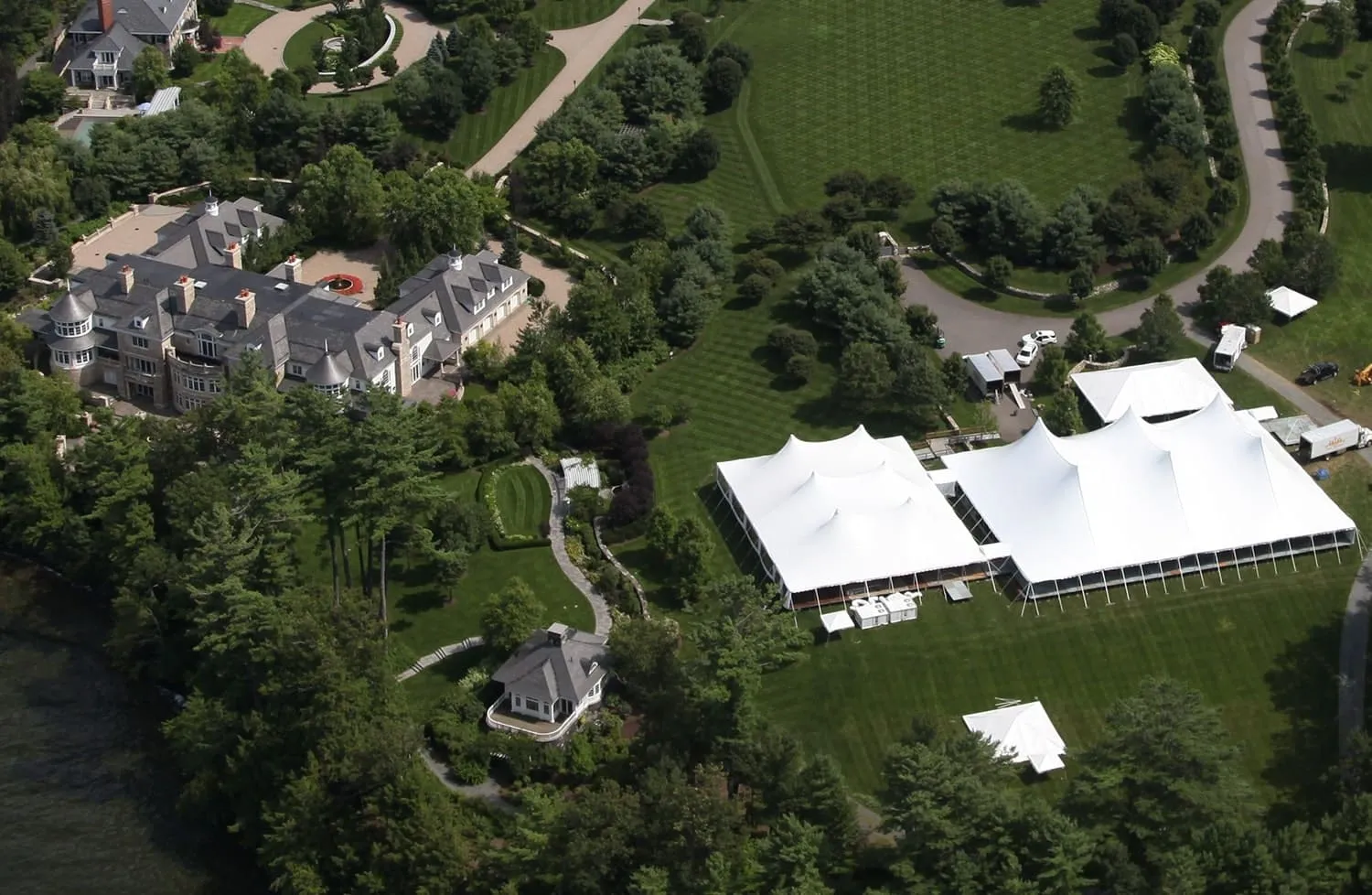
A well-designed layout ensures that guests can move easily throughout the tent while enjoying each part of the event. Flow and accessibility are essential for creating a seamless experience.
The arrangement of furniture and features should guide guests naturally through the space. Thoughtful lighting and signage can also assist in directing guests and highlighting key areas, such as the dance floor or bar. Accessibility considerations, including ramps and wide pathways, ensure that all guests can navigate the space comfortably.
Creating Functional Zones
Dividing the tent into distinct zones helps organize the event and improve flow.
Common zones include:
- Dining areas for seated guests
- Dance floors positioned for visibility and access
- Lounge spaces for relaxation
This structure allows guests to navigate the event comfortably while maintaining a cohesive design. Each zone can be styled to reflect its purpose, using different lighting, furniture, and decor to create unique atmospheres within the larger space. This zoning also helps staff manage the event more efficiently, ensuring that service and entertainment run smoothly.
Enhancing Comfort and Visual Balance
A balanced layout ensures that no area of the tent feels overcrowded or underutilized. Spacing, symmetry, and placement all contribute to the overall experience.
Key considerations include:
- Maintaining clear walkways between areas
- Positioning focal points for visibility
- Creating a natural flow between different zones
These elements work together to create a refined and enjoyable environment for guests. Incorporating elements such as plants, lighting accents, and coordinated color schemes can enhance the visual appeal and comfort. The goal is to create a space that feels both elegant and welcoming, encouraging guests to relax and enjoy the celebration.
Frequently Asked Questions
How do I know what tent size I need for my wedding?
Tent size depends on your guest count, seating layout, and additional features such as dance floors or lounges.
What happens if the tent is too small?
A tent that is too small can feel crowded and restrict guest movement, affecting comfort and event flow.
Can a larger tent improve the guest experience?
Yes, a well-proportioned tent with adequate space creates a more comfortable and visually balanced environment. When you are ready to plan your tent, request a quote from the Skyline team.
Conclusion
Choosing the right tent size for a summer wedding reception requires thoughtful planning around guest count, layout, and overall event design. When the tent is properly sized, it creates a comfortable, elegant space that supports every aspect of the celebration. You may also find How to Choose the Right Tent Size for a Luxury Event helpful.
Skyline Tent Company specializes in designing luxury tent environments tailored to each unique wedding. Schedule your private consultation to create a beautifully planned space that brings your summer wedding vision to life. Answers to common rental questions are in our tent rental FAQs.