
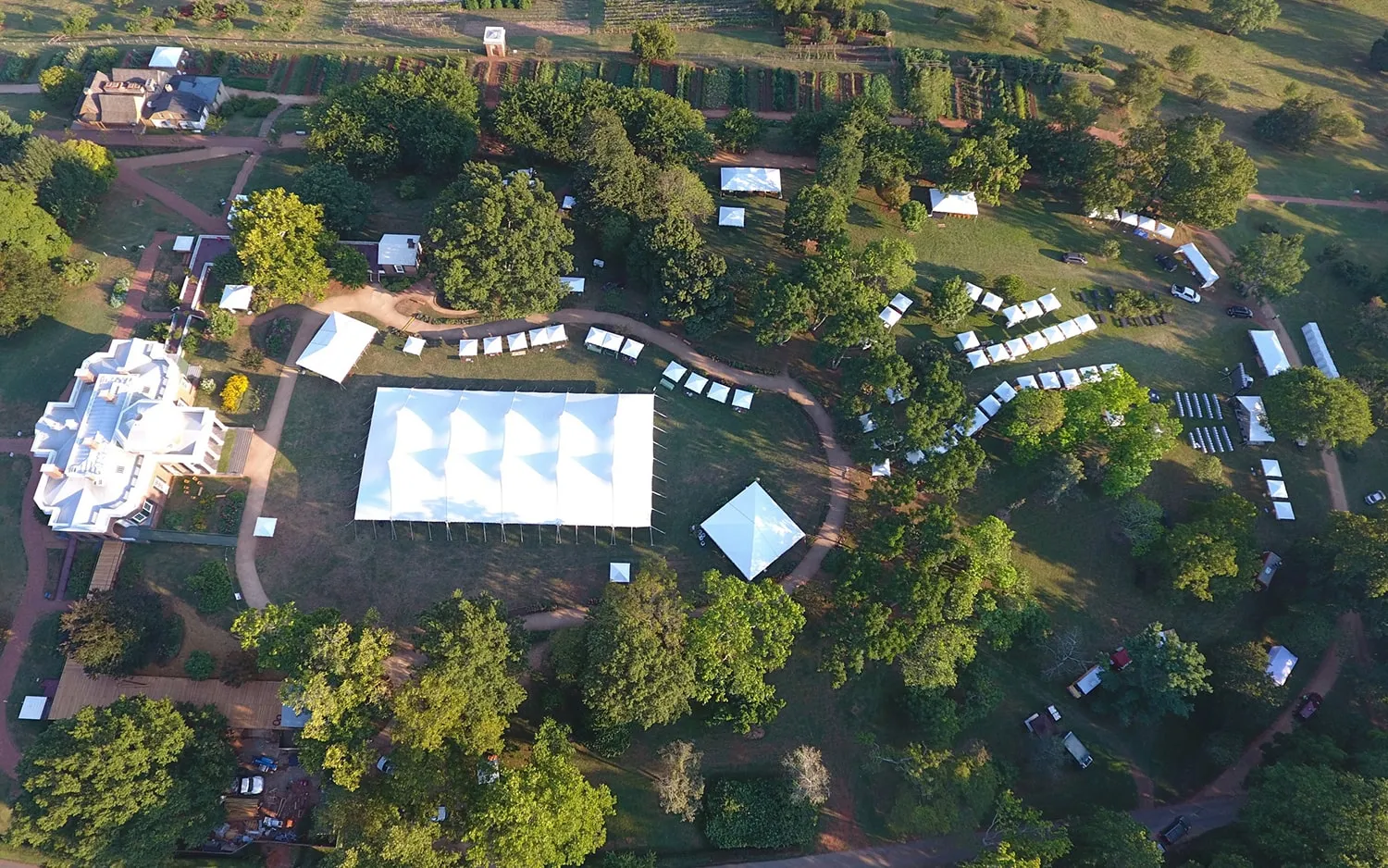
Combining a summer outdoor ceremony with a tent reception requires thoughtful planning that connects both spaces into one seamless guest experience. The most successful events align layout, design, and flow so guests transition naturally from ceremony to reception without confusion or interruption. When the two spaces are treated as a unified environment rather than separate areas, the entire wedding feels cohesive, intentional, and elevated.
Outdoor ceremonies and tented receptions offer the flexibility to design a fully customized summer wedding tent experience. This approach allows couples to take advantage of scenic landscapes while maintaining the structure and comfort of a controlled reception space. The key is ensuring that both areas work together visually and functionally.
Every decision, from tent placement to pathway design, should support a continuous journey for guests. When done well, the experience unfolds naturally, guiding guests from one moment to the next while maintaining a consistent atmosphere throughout the celebration. Thoughtful integration of these elements not only enhances the aesthetic appeal but also contributes to the overall enjoyment and ease of the event for everyone involved.
Choosing the Right Tent Style for a Cohesive Outdoor Wedding
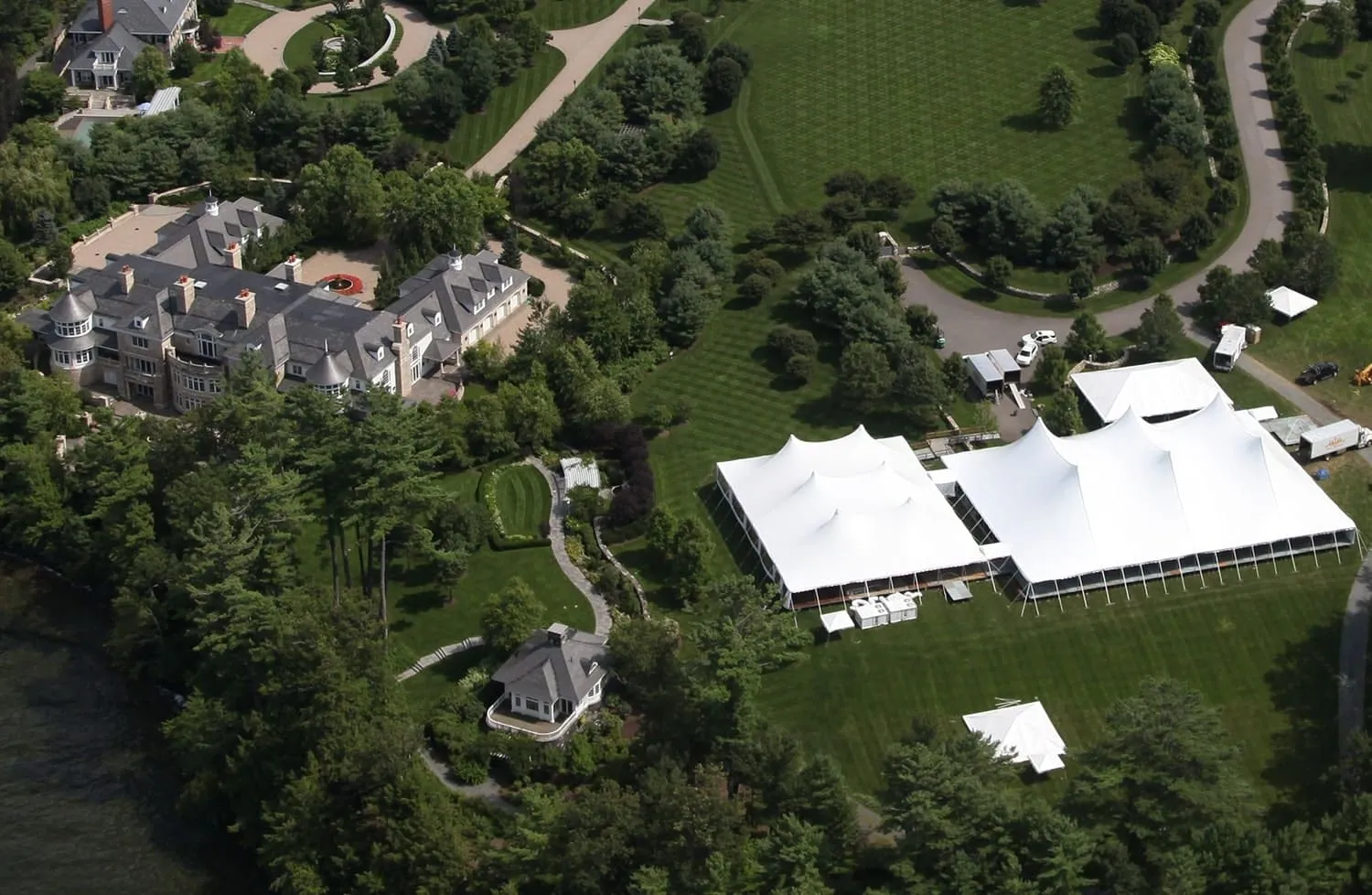
The tent serves as the central structure for the reception and plays a major role in defining the overall aesthetic. Selecting the right tent style ensures that the reception complements the ceremony setting while supporting the overall luxury wedding tent design. This choice impacts not only the look but also the comfort and functionality of the space, influencing how guests experience the event from start to finish.
Different tent types offer distinct visual and functional benefits, making it important to choose one that aligns with both the venue and the design vision. Consideration of the surrounding environment, expected guest count, and desired atmosphere will help narrow down the options to the perfect fit.
Tent Styles That Complement Outdoor Ceremonies
Sailcloth tents are often chosen for their soft, flowing fabric and ability to filter natural light, creating a warm and romantic atmosphere. Frame tents offer flexibility and can be installed in tighter or more structured environments, while clear-top tents provide open views of the sky and surrounding landscape. Each style brings its own unique charm and can be tailored with décor to enhance the wedding’s theme.
The choice of tent should enhance the ceremony backdrop rather than compete with it. A well-matched structure creates visual continuity between the outdoor setting and the reception space. This harmony helps guests feel immersed in the environment, making the transition between spaces feel natural and inviting.
Structural Considerations for Layout and Space
Beyond aesthetics, tent structure influences how the interior space can be used. Clear span and frame tents allow open layouts without interior poles, making them ideal for larger or more complex receptions. This openness provides flexibility in arranging tables, dance floors, and other key elements without obstruction.
Pole tents offer a more traditional look but require planning around interior supports. Each structure affects how tables, lighting, and décor can be arranged within the space. Understanding these limitations early in the planning process ensures that the final layout maximizes both comfort and style.
Selecting the right structure ensures that the reception layout remains both functional and visually balanced. It also impacts the ease of setup and breakdown, which can be critical for event timing and logistics.
Designing Seamless Transitions Between Ceremony and Reception
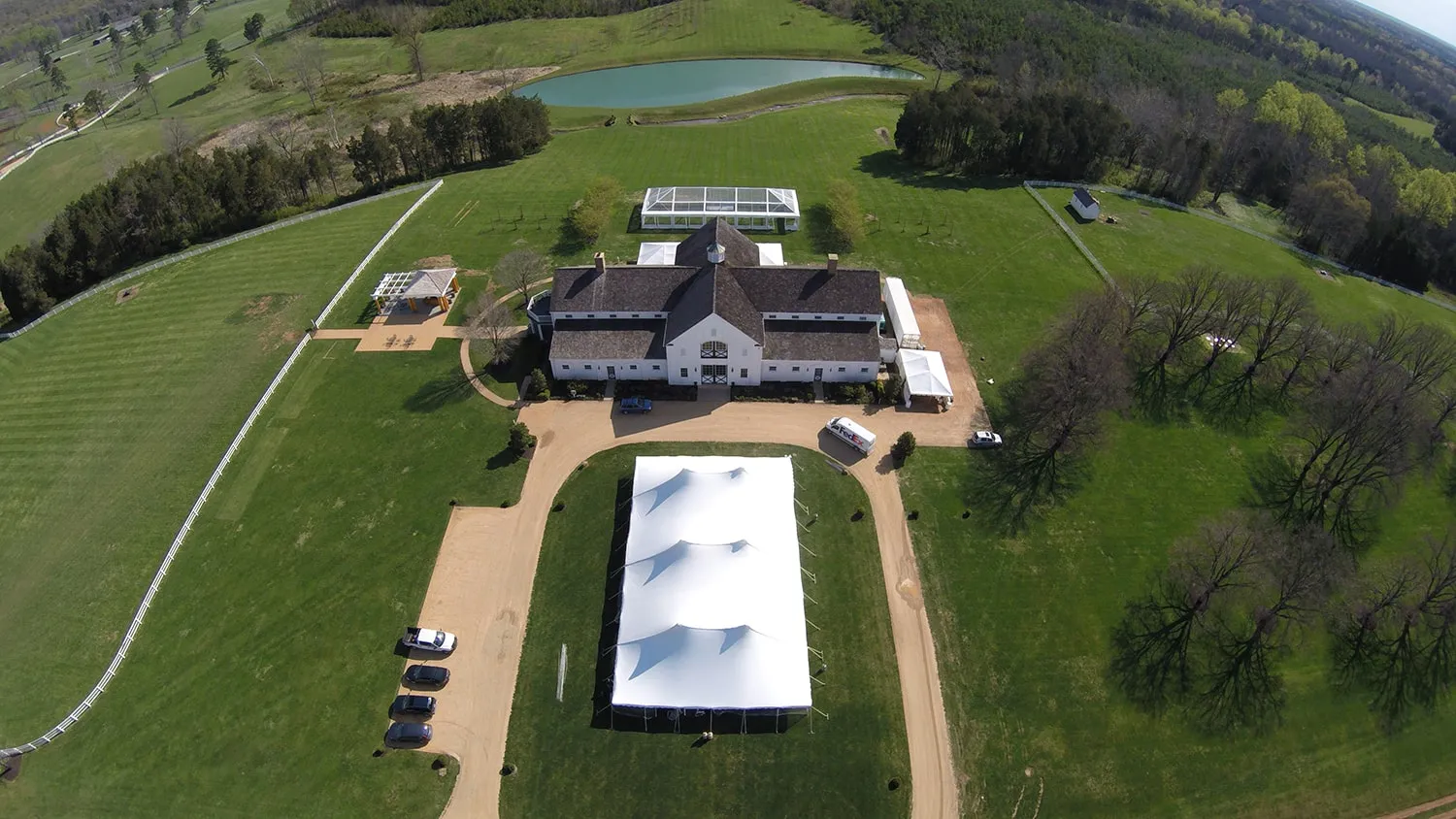
The transition between ceremony and reception is one of the most important moments of the event. A well-designed transition keeps guests engaged and maintains the energy of the celebration. It also provides an opportunity to build anticipation for the next phase of the wedding, enhancing the overall guest experience.
Clear pathways and intentional design elements help guide guests naturally from one space to the next. Thoughtful use of signage, lighting, and décor can subtly direct movement while reinforcing the event’s style and mood.
Creating Clear and Elegant Guest Pathways
Pathways should be easy to follow and visually defined. Guests should never feel uncertain about where to go after the ceremony concludes. This clarity reduces stress and allows everyone to relax and enjoy the celebration.
Effective transition design includes:
- Clearly marked walkways connecting ceremony and reception areas
- Natural guidance through landscaping, lighting, or décor
- Smooth, unobstructed routes that accommodate all guests
These elements ensure a fluid movement between spaces while maintaining a polished appearance. Incorporating elements like lanterns, floral arches, or subtle lighting along the path can enhance the aesthetic while serving a practical purpose.
Using Design Elements to Connect Both Spaces
Consistency in design helps unify the ceremony and reception areas. Repeating elements such as color palettes, floral arrangements, and materials creates a cohesive visual story. This repetition fosters a sense of harmony and intentionality throughout the event.
Subtle design connections, such as matching linens, coordinated signage, or similar lighting styles, reinforce the relationship between both spaces. This approach allows the event to feel continuous rather than segmented. Guests are more likely to feel immersed in the celebration when the design flows seamlessly from one area to another.
Planning Layout and Guest Flow for Comfort and Functionality
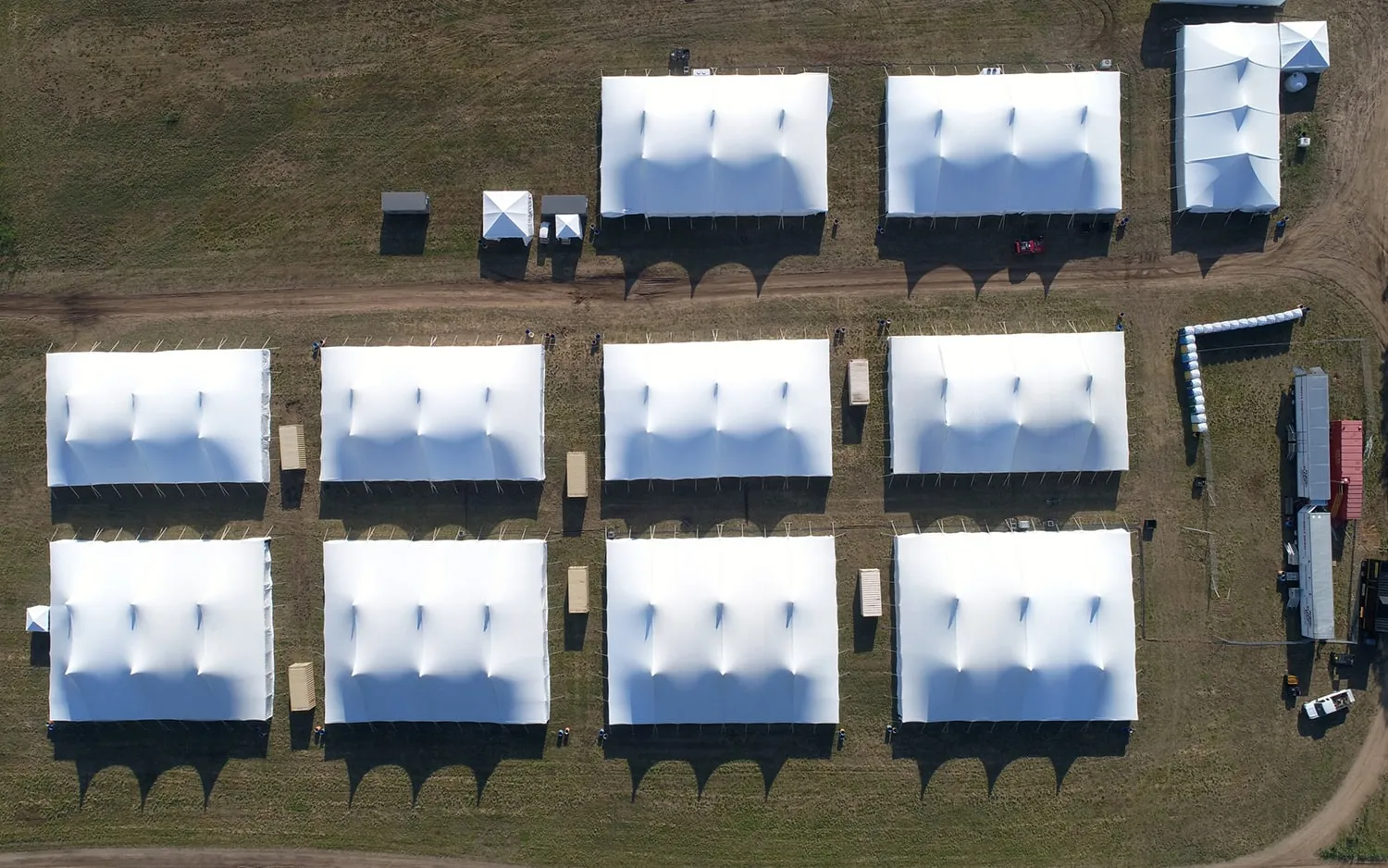
A well-planned layout ensures that guests can move comfortably throughout the event. Proper spacing and organization prevent congestion while supporting a natural flow between different areas. This careful planning contributes to a relaxed atmosphere where guests can socialize, dine, and celebrate without feeling cramped or overwhelmed.
The goal is to create a space that feels open, organized, and easy to navigate. Thoughtful placement of key features encourages interaction and enjoyment while maintaining clear sightlines and accessibility.
Structuring Functional Zones Within the Tent
Dividing the tent into defined zones helps organize the reception and guide guest movement. Each area should serve a clear purpose while remaining connected to the overall layout. This zoning supports a balanced experience where guests can easily transition between dining, dancing, and relaxing.
Key zones often include:
- Dining areas designed for comfort and conversation
- Dance floors positioned for visibility and accessibility
- Lounge spaces that offer a more relaxed setting
These zones allow guests to experience different aspects of the event without disrupting the overall flow. Incorporating comfortable seating, ambient lighting, and thoughtful décor in each zone enhances the guest experience and encourages mingling.
Managing Circulation and Accessibility
Clear circulation paths are essential for maintaining comfort throughout the event. Guests should be able to move easily between dining, entertainment, and social areas. This ease of movement helps maintain a lively atmosphere and prevents bottlenecks.
Layout planning should account for:
- Wide walkways between tables and features
- Accessible routes for all guests
- Strategic placement of high-traffic areas such as bars or buffets
Thoughtful circulation design enhances both comfort and efficiency during the reception. It also ensures that guests with mobility needs can fully participate in the celebration without barriers.
Enhancing Guest Comfort in Summer Tent Environments
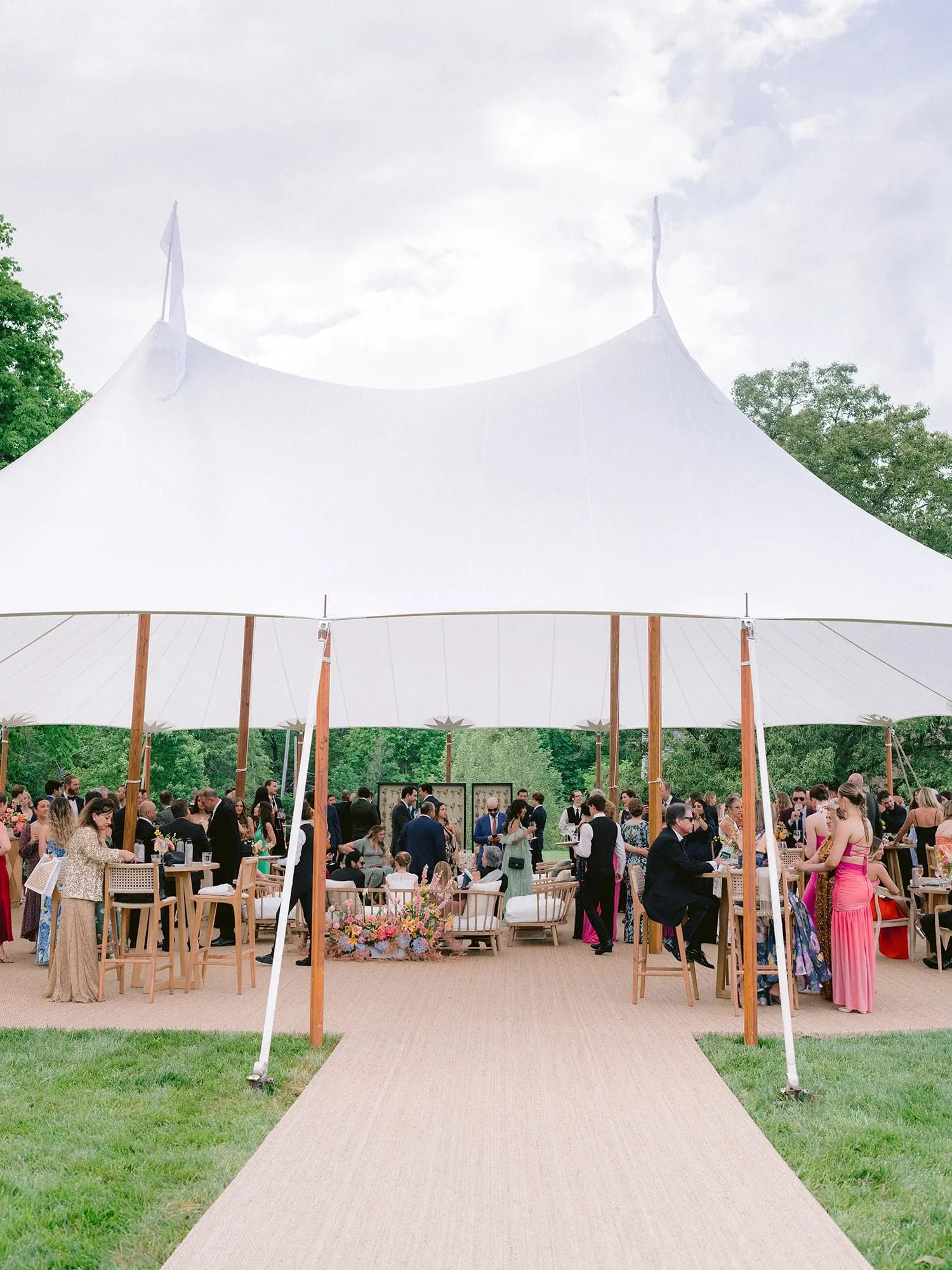
Summer conditions require additional planning to ensure that guests remain comfortable throughout the event. Temperature, airflow, and shading all influence the overall experience. Addressing these factors proactively helps prevent discomfort and keeps the celebration enjoyable from start to finish.
Integrating comfort-focused features into both the ceremony and reception spaces helps maintain a pleasant atmosphere. This attention to detail reflects care for guests and contributes to a memorable event.
Ventilation and Cooling Strategies
Proper airflow is essential in warm weather. Tent design and layout should support natural ventilation while allowing for supplemental cooling if needed. This balance helps maintain a refreshing environment even during the hottest parts of the day.
Effective comfort strategies include:
- Open tent sides that allow airflow to pass through
- Strategic positioning to capture natural breezes
- Shaded areas that provide relief from direct sunlight
These elements help regulate temperature and prevent the tent from feeling enclosed. Fans or misting systems can also be incorporated discreetly to enhance cooling without detracting from the décor.
Weather Preparation and Environmental Planning
Weather conditions can change quickly, making preparation essential. Planning for sun, wind, and potential rain ensures the event remains uninterrupted. This foresight allows the couple and their guests to enjoy the day without worry.
This includes selecting durable materials, confirming secure installation, and preparing contingency plans for unexpected conditions. A proactive approach allows the event to continue smoothly regardless of environmental changes. Having backup options such as sidewalls for tents or alternative indoor spaces can provide peace of mind.
Creating a Unified Design Across Ceremony and Reception Spaces
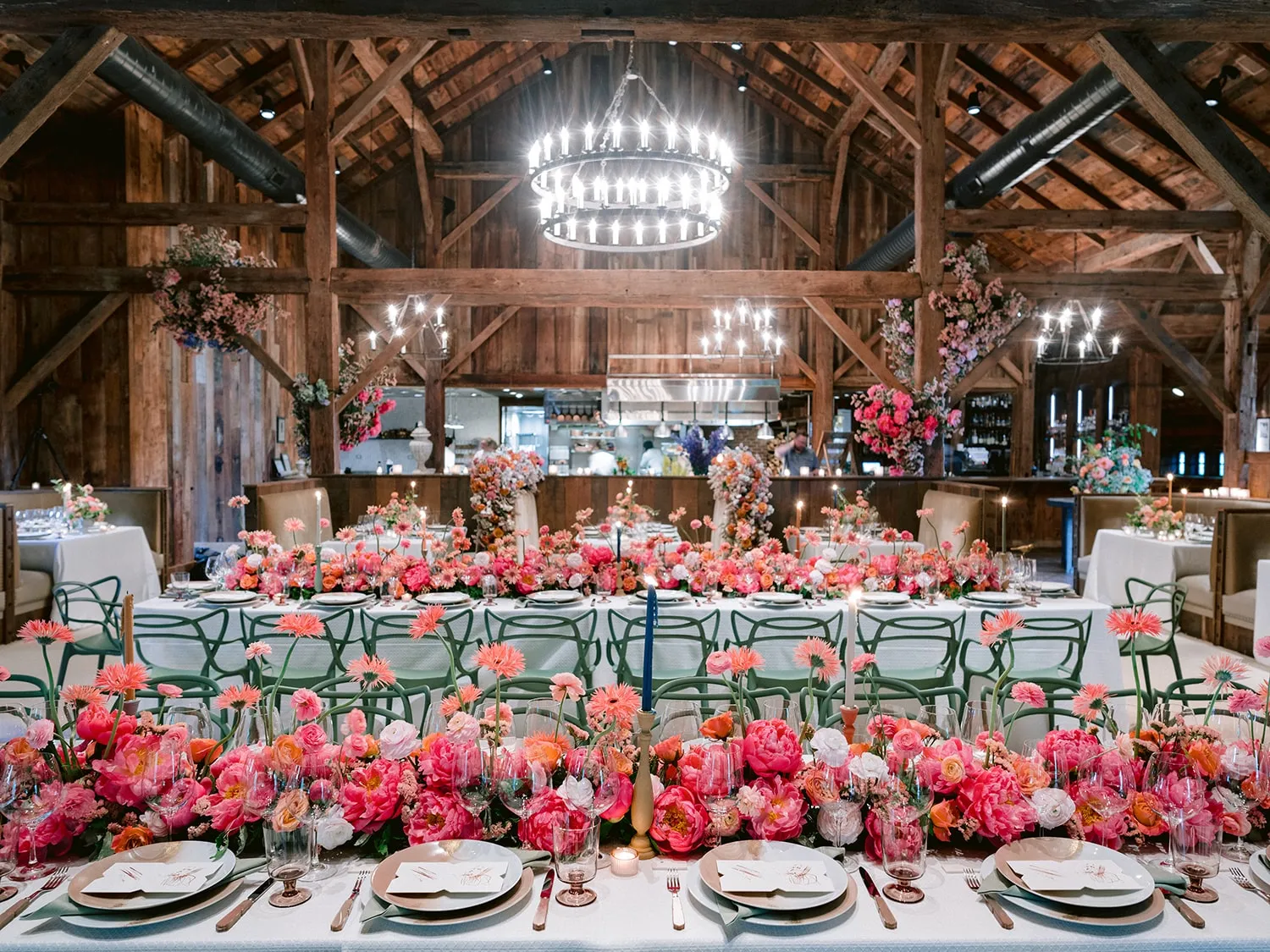
A cohesive design ties the entire event together and creates a memorable visual experience. Every element, from lighting to décor, should contribute to a unified aesthetic. This thoughtful coordination elevates the wedding, making it feel polished and well-curated.
Consistency in design helps reinforce the connection between the ceremony and reception. When guests notice these subtle links, it enhances their overall impression and enjoyment of the event.
Lighting and Atmosphere Design
Lighting plays a key role in defining the mood of the reception while supporting visibility and safety. Layered lighting creates depth and allows the space to transition from daytime to evening seamlessly. This dynamic approach ensures the environment remains inviting throughout the event.
Combining overhead lighting, accent lighting, and decorative fixtures enhances the overall atmosphere. As daylight fades, lighting becomes the primary element shaping the environment. Thoughtful placement of lights can highlight architectural features, décor, and key areas such as the dance floor or dining tables.
Coordinating Décor and Visual Elements
Décor should flow naturally from the ceremony into the reception. Repeating design elements across both spaces creates a sense of continuity. This repetition helps guests feel immersed in a single, cohesive celebration rather than two separate events.
This includes coordinating:
- Floral arrangements and greenery
- Color palettes and fabric choices
- Furniture styles and decorative accents
When these elements are aligned, the entire event feels intentional and visually cohesive. Attention to detail in décor selection and placement can transform the space and leave a lasting impression on guests.
Frequently Asked Questions
How do you connect a ceremony and tent reception smoothly?
Use clear pathways, consistent design elements, and planned transitions to guide guests naturally between spaces.
What tent works best for combining indoor and outdoor spaces?
Frame or clear span tents are often ideal because they allow flexible layouts and open transitions.
How can you keep guests comfortable during a summer wedding?
Incorporate ventilation, shaded areas, and thoughtful layout planning to maintain a comfortable environment.
Conclusion
Combining a summer outdoor ceremony with a tent reception requires thoughtful coordination of layout, design, and guest flow. When both spaces are planned as one cohesive environment, the result is a seamless and elevated experience that feels natural from start to finish. This holistic approach not only enhances the visual appeal but also ensures that guests feel comfortable and engaged throughout the celebration.
Skyline Tent Company specializes in creating luxury tent environments that integrate beautifully with outdoor ceremony spaces. Schedule your private consultation to design a wedding experience that feels effortless, refined, and truly unforgettable. Their expertise in blending functionality with style guarantees a memorable event tailored to your unique vision.