
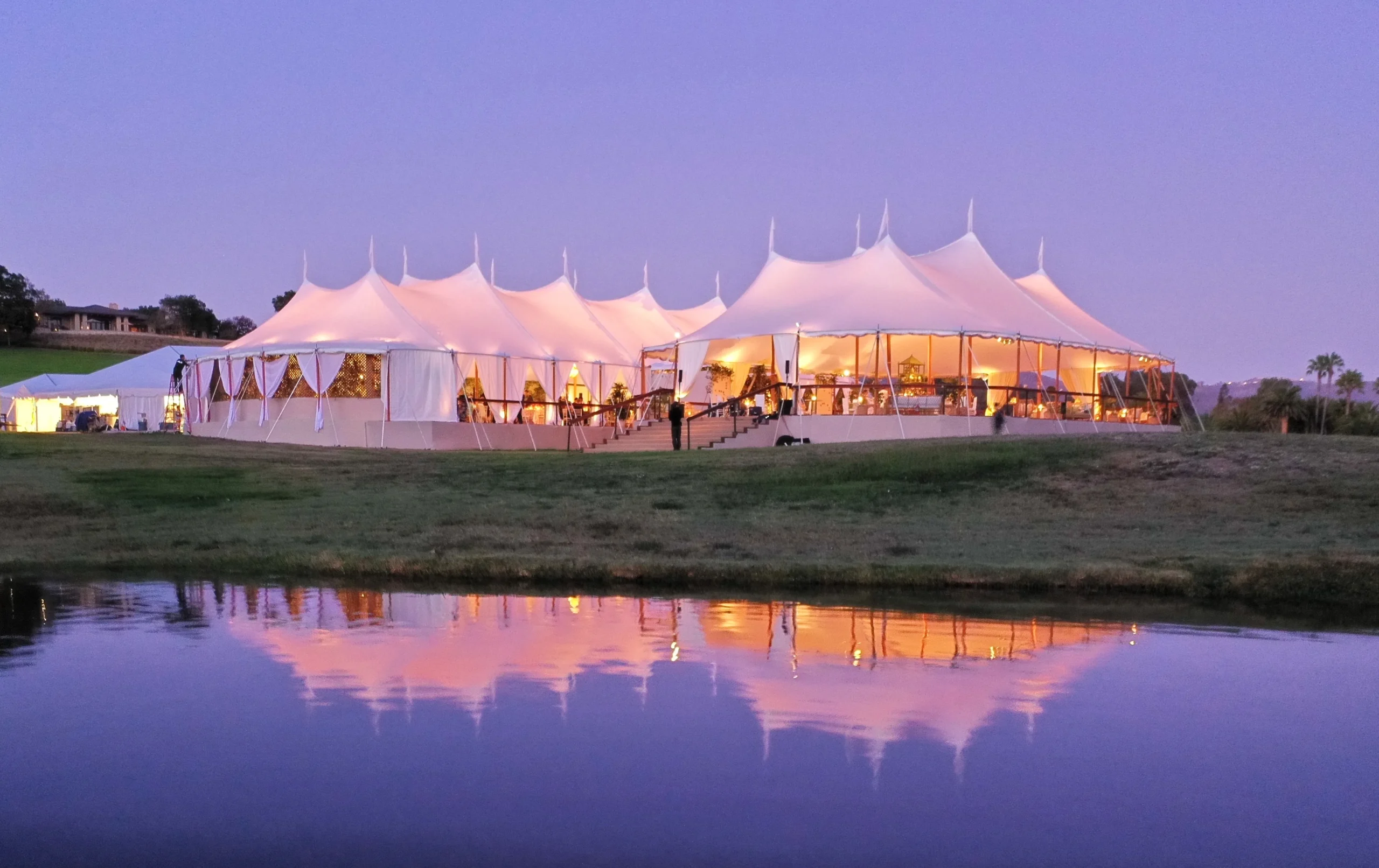
Installing a wedding tent for a large event typically takes anywhere from 6 hours to multiple days, depending on the tent size, design complexity, site conditions, and additional features such as flooring, lighting, and décor. While smaller setups may be completed within a few hours, large scale or luxury wedding tents often require a full day or longer to install properly. With careful planning, professional installation, and proper site preparation, event planners can ensure a smooth setup process that delivers a polished, guest-ready venue on time.
How Long Does It Take to Set Up a Large Wedding Tent?
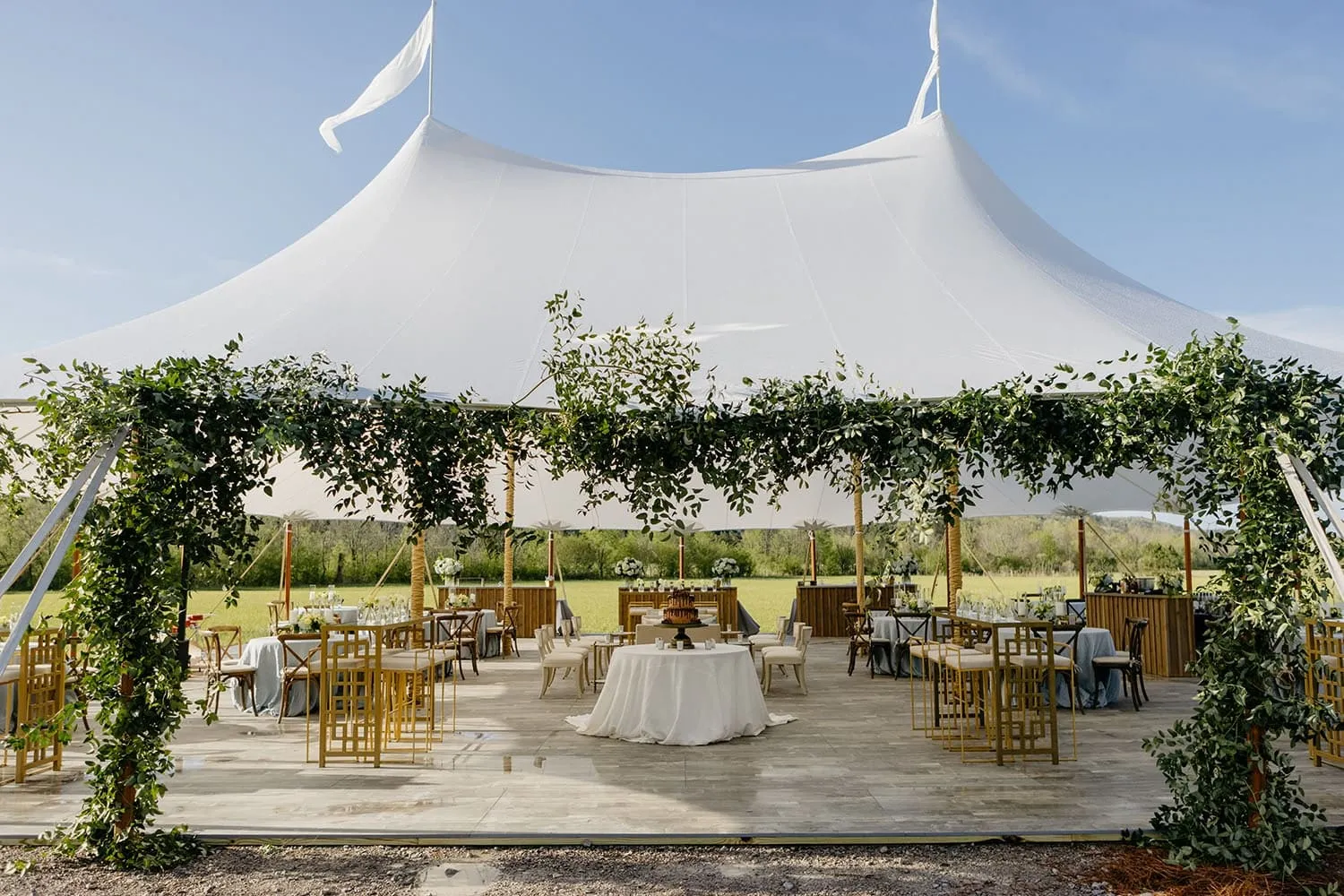
Wedding tent installation timelines vary significantly based on the scale and sophistication of the event, especially when following a complete outdoor wedding tent guide for large summer celebrations. Understanding realistic setup durations helps planners allocate time properly and avoid last-minute disruptions that can affect the overall event flow. A well structured schedule also allows other vendors to coordinate their work without delays or overlap.
Average Installation Duration
For most large wedding tents, installation typically takes 6 to 12 hours. Standard frame tents may be installed within half a day, while larger pole tents or clear-span structures often require a full day due to their structural complexity and additional safety requirements.
For premium or large-scale weddings, installation can extend over multiple days, especially when creating segmented environments such as dining areas, lounges, bars, and dance floors through carefully planned wedding tent layouts. In these cases, planners often prioritize critical sections first so other vendors can begin decorating and setup without delay. This phased approach helps maintain efficiency while ensuring every part of the venue is completed to a high standard. It also allows flexibility if adjustments are needed during installation.
What’s Included in Setup Time
Installation time includes far more than assembling the tent frame. It involves transforming a temporary structure into a fully functional, comfortable, and visually appealing event space.
Key elements included in the setup timeline:
- Structural assembly and anchoring
- Flooring, carpeting, and staging installation
- Sidewalls, draping, and decorative elements
- Lighting, electrical, and AV setup
- Final inspections and safety checks
Each of these elements requires coordination between multiple teams. Interior finishes alone can take several hours, particularly when high end aesthetics or custom layouts are involved. Attention to detail during this phase ensures the final setup meets both functional and visual expectations.
Key Factors That Affect Wedding Tent Installation Time

Several critical factors influence how long it takes to install a wedding tent. These variables determine labor requirements, equipment needs, and the sequencing of tasks. Recognizing these factors early helps planners set realistic timelines and avoid unnecessary delays.
Tent Size and Design Complexity
The size of the tent is a primary driver of installation time. Larger tents require more materials, more labor, and additional structural support, all of which extend the setup process.
A small tent can be assembled relatively quickly, but larger structures especially those exceeding 40×100 feet require careful planning and multiple stages of assembly. Clear span tents demand more technical expertise due to their engineering and support systems, which can lengthen installation time.
Design complexity further adds to the timeline. Features such as ceiling draping, chandeliers, custom flooring, or integrated climate control systems require precise installation and coordination between specialists. These elements enhance the overall experience but must be carefully scheduled to prevent delays or rework during setup.
Site Conditions and Accessibility
Site conditions play a major role in determining installation speed. A flat, accessible location allows crews to work efficiently, while challenging environments slow down progress.
Common site related challenges include:
- Uneven or soft ground requiring preparation
- Limited access for delivery vehicles
- Obstacles like trees, structures, or utilities
- Need for protective flooring or temporary access routes
When crews must work around obstacles or transport materials manually, installation time increases significantly. In some cases, additional equipment such as smaller vehicles or lifting tools may be required. Proper site preparation and early planning help minimize these delays and improve overall efficiency.
Step-by-Step Process for Installing a Wedding Tent
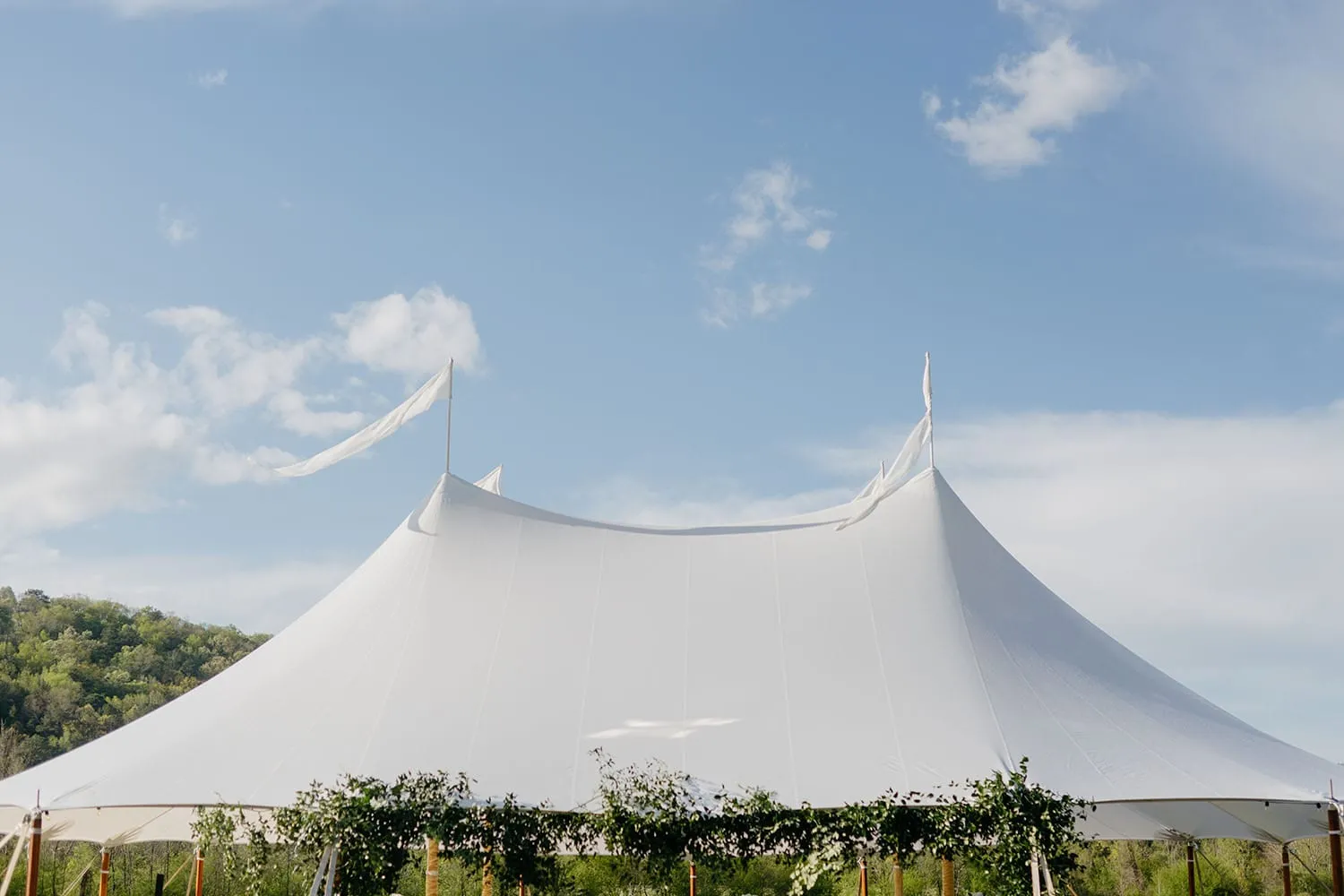
A structured installation workflow ensures that all tasks are completed efficiently and safely during large tent installations for luxury events. Professional teams rely on a proven sequence of steps to maintain consistency and avoid costly mistakes. This organized approach also helps maintain quality standards throughout the process.
Step-by-Step Installation Process
The installation of a large wedding tent typically follows this sequence:
- Site layout and marking
- Anchoring or ballast placement
- Frame assembly and structural setup
- Tent fabric installation
- Interior setup (flooring, lighting, décor)
- Final inspection and safety checks
Each stage must be completed in order, as later steps depend on the stability and accuracy of earlier ones. Precision during the initial layout phase is especially important, as errors at this stage can affect the entire installation. Crews often double-check measurements to ensure alignment and structural integrity.
Importance of Pre-Planning and Coordination
Pre planning plays a critical role in ensuring a smooth installation, especially when coordinating summer tent wedding planning across multiple vendors and event teams. Clear communication between all parties helps prevent confusion and delays during setup. When everyone understands their responsibilities, the process becomes more efficient and predictable.
Key preparation steps include:
- Conducting detailed site inspections
- Confirming delivery schedules and logistics
- Identifying potential challenges in advance
- Creating a clear and realistic timeline
A well-organized plan allows crews to work efficiently without interruptions. It also ensures that other vendors, such as decorators and caterers, can access the space at the right time without overlapping tasks. Proper coordination reduces downtime and improves overall workflow.
How Crew Size and Coordination Impact Tent Installation Speed
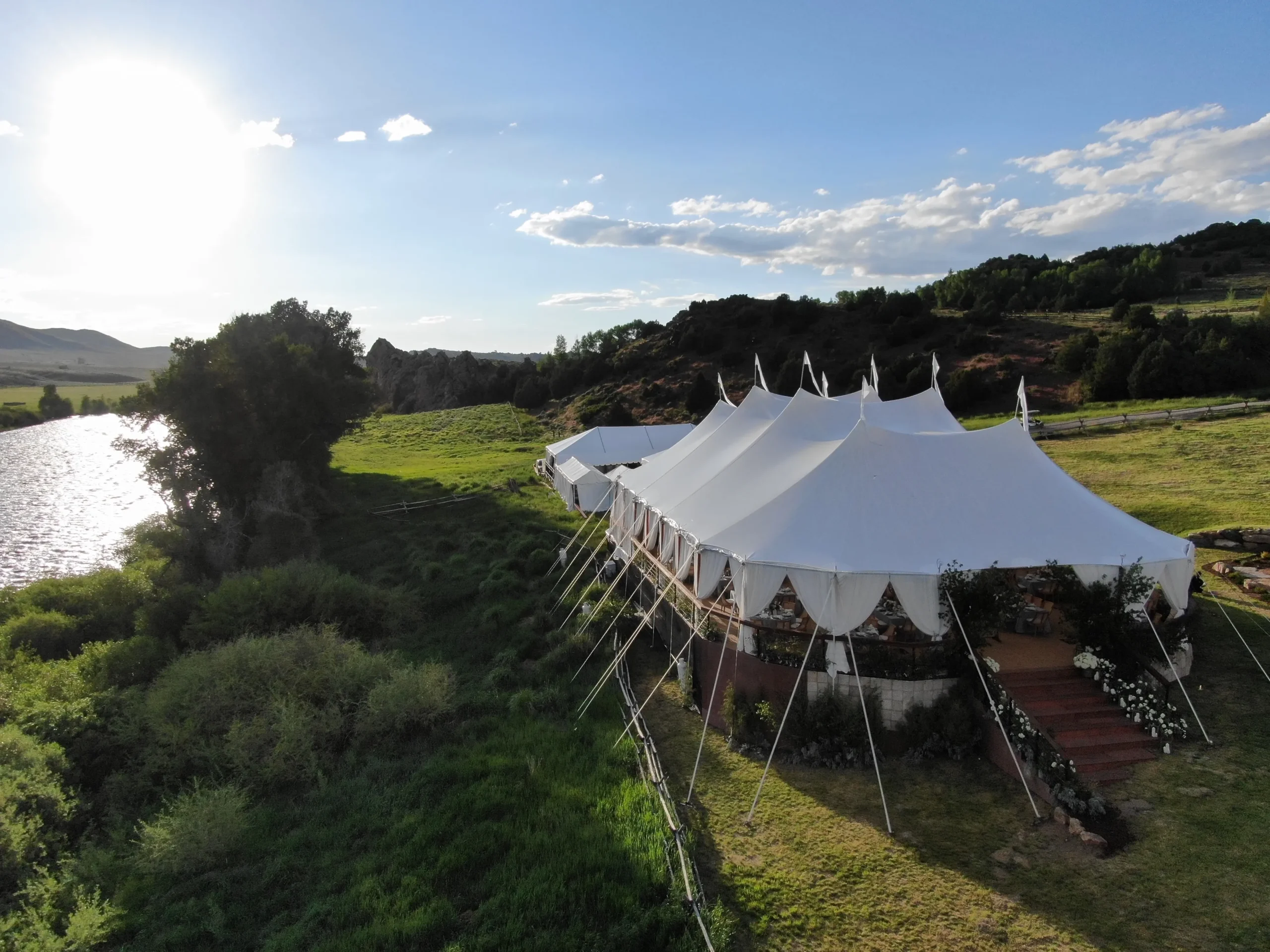
The number of installers and their level of experience directly affect how quickly and efficiently a wedding tent can be set up. A properly structured team ensures that tasks are completed safely and within the planned timeframe. Skilled crews can often complete complex installations more efficiently than larger, less experienced teams.
How Many Installers Are Needed
Crew size varies depending on the complexity of the installation. Smaller setups may require 3 to 4 workers, while large wedding tents often need 8 or more installers.
Complex installations may involve multiple teams working simultaneously, including specialists for flooring, lighting, and electrical systems. Large projects may also require supervisors to manage workflow and ensure quality standards are maintained throughout the process. Having clearly defined roles helps prevent confusion and keeps the installation moving forward smoothly.
How Crew Coordination Affects Speed
Efficiency is not just about crew size it depends on coordination and organization. A well-managed team can perform multiple tasks simultaneously, reducing total installation time.
Poor coordination, on the other hand, can create delays. When teams are not aligned, tasks may overlap or interfere with each other, leading to inefficiencies. Proper sequencing ensures that each phase of installation is completed without disruption. Clear communication between team members helps maintain steady progress and minimizes downtime.
How Weather and Scheduling Affect Wedding Tent Installation
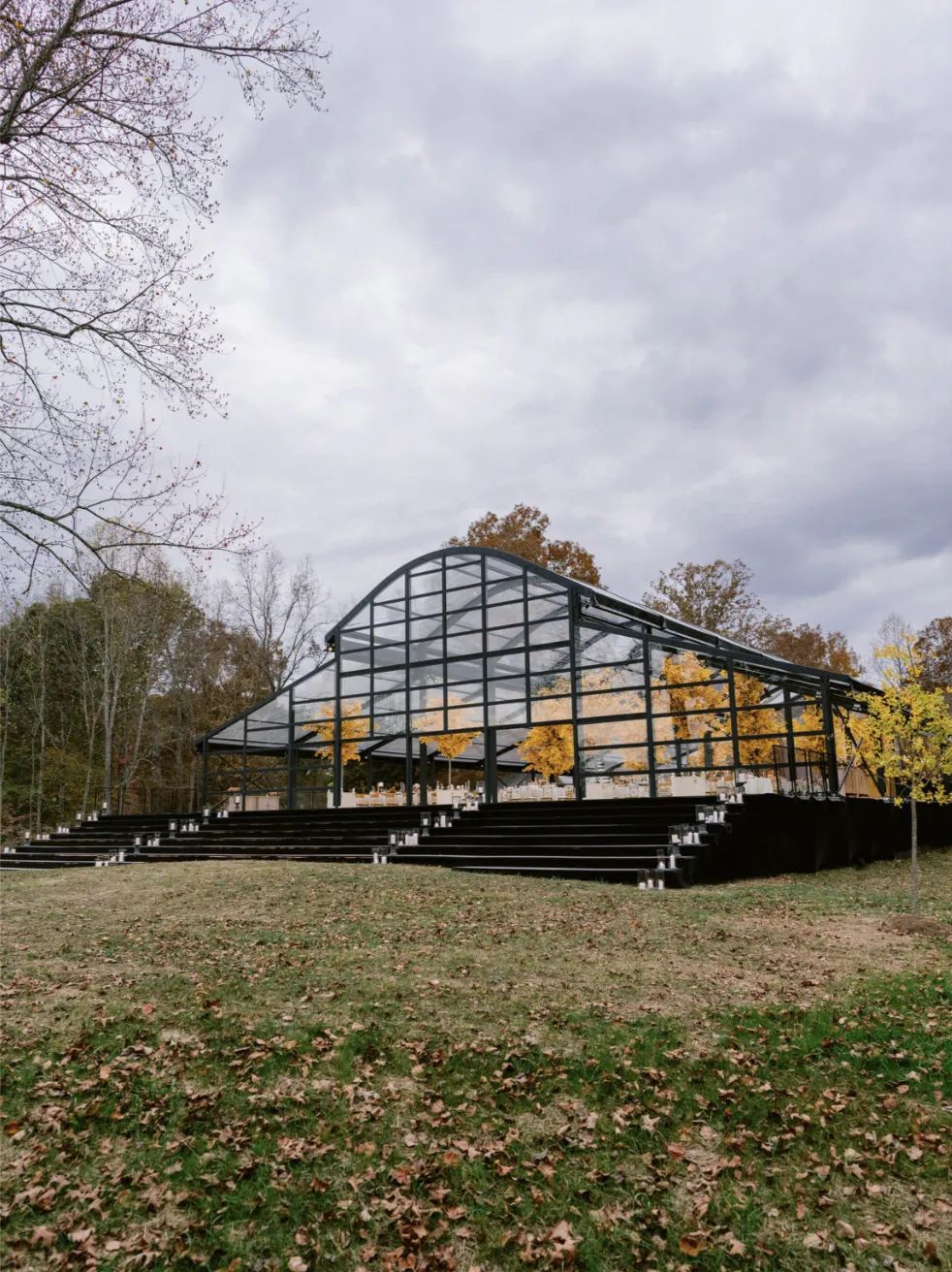
External conditions and logistical planning have a direct impact on installation timelines and overall event success. Managing these factors effectively helps reduce risks and maintain control over the schedule. Flexibility in planning allows teams to adapt to unexpected changes without compromising quality or disrupting the event timeline.
Impact of Weather and Site Preparation
Weather conditions can significantly influence installation time, particularly when managing summer tent climate control and ventilation requirements. Rain, wind, and extreme temperatures can slow down work or temporarily halt installation for safety reasons.
Ground conditions also affect efficiency. Wet or unstable surfaces may require additional preparation, while strong winds can make structural assembly more challenging. Crews often adjust their approach based on real-time conditions to ensure safety and stability.
To reduce weather-related risks:
- Include buffer time in your schedule
- Use weather-resistant tent materials
- Prepare contingency plans for unexpected conditions
Site preparation is equally important. A well prepared site allows crews to work faster and reduces the likelihood of unexpected complications during installation. Proper drainage, ground leveling, and clear access routes can make a noticeable difference in setup speed and overall efficiency.
Scheduling and Timeline Management
Effective scheduling is essential for keeping the installation process organized and on track. A well-structured timeline ensures that each stage of the setup is completed in the correct sequence, preventing delays and avoiding overlap between different teams.
To maintain an efficient installation schedule:
- Assign clear time slots for each phase of setup
- Coordinate vendor arrival and access times in advance
- Allow buffer time between major installation stages
Coordinating installation with other vendors such as decorators, caterers, and AV teams requires careful planning. Each group should have a defined window for accessing the space to prevent congestion and workflow disruptions. Clear communication between all parties helps maintain steady progress throughout the setup process.
Building extra time into the schedule allows teams to handle unexpected challenges without rushing critical tasks. This approach improves overall efficiency and ensures that quality standards are maintained, even when adjustments are required.
Frequently Asked Questions
How long does it take to install a large wedding tent?
Most large wedding tents take between 6 and 12 hours to install, though complex setups may require multiple days depending on size and features.
Can a wedding tent be installed in one day?
Yes, many standard large tents can be installed in one day, but elaborate designs or difficult site conditions may extend the timeline.
What factors can delay installation?
Common delays include poor weather, uneven terrain, restricted site access, and last-minute design changes or additional features.
How can I ensure a faster installation process?
Prepare the site in advance, confirm logistics early, and work with experienced professionals who follow a structured installation process.
Conclusion
Installing a wedding tent for a large event requires careful planning, coordination, and realistic expectations. Timelines depend on multiple factors, including tent size, design complexity, site conditions, and crew efficiency. By preparing thoroughly, allowing sufficient time, and working with experienced professionals, planners can ensure a smooth installation process and create an elegant, fully functional venue ready to host a memorable celebration.
For couples and planners seeking a seamless installation experience with exceptional design and execution, Skyline Tent Company delivers premium tent solutions tailored to large-scale and luxury events. Schedule your private consultation to bring your vision to life with precision, scale, and expertise.