
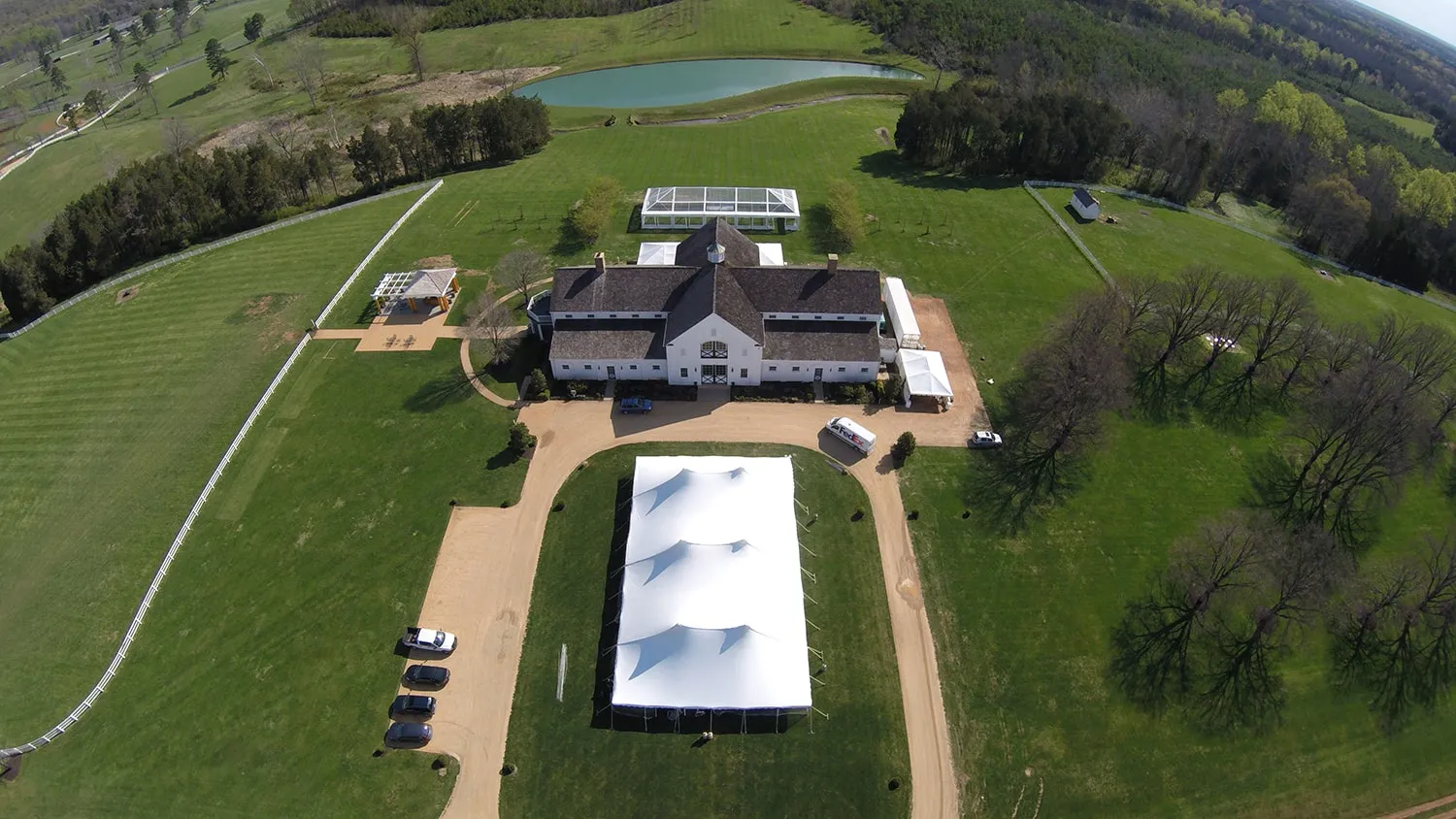
Planners transform open land into a luxury summer wedding venue with tents by preparing the site, selecting the right tent structure, designing a refined layout, and coordinating all logistics to create a fully functional and visually elevated space. This process combines technical planning with creative design to turn an empty landscape into a seamless, high-end event environment. From terrain preparation to lighting, décor, and guest experience, every detail is carefully executed to deliver a setting that feels elegant, comfortable, and intentionally designed.
Selecting the Right Luxury Wedding Tent
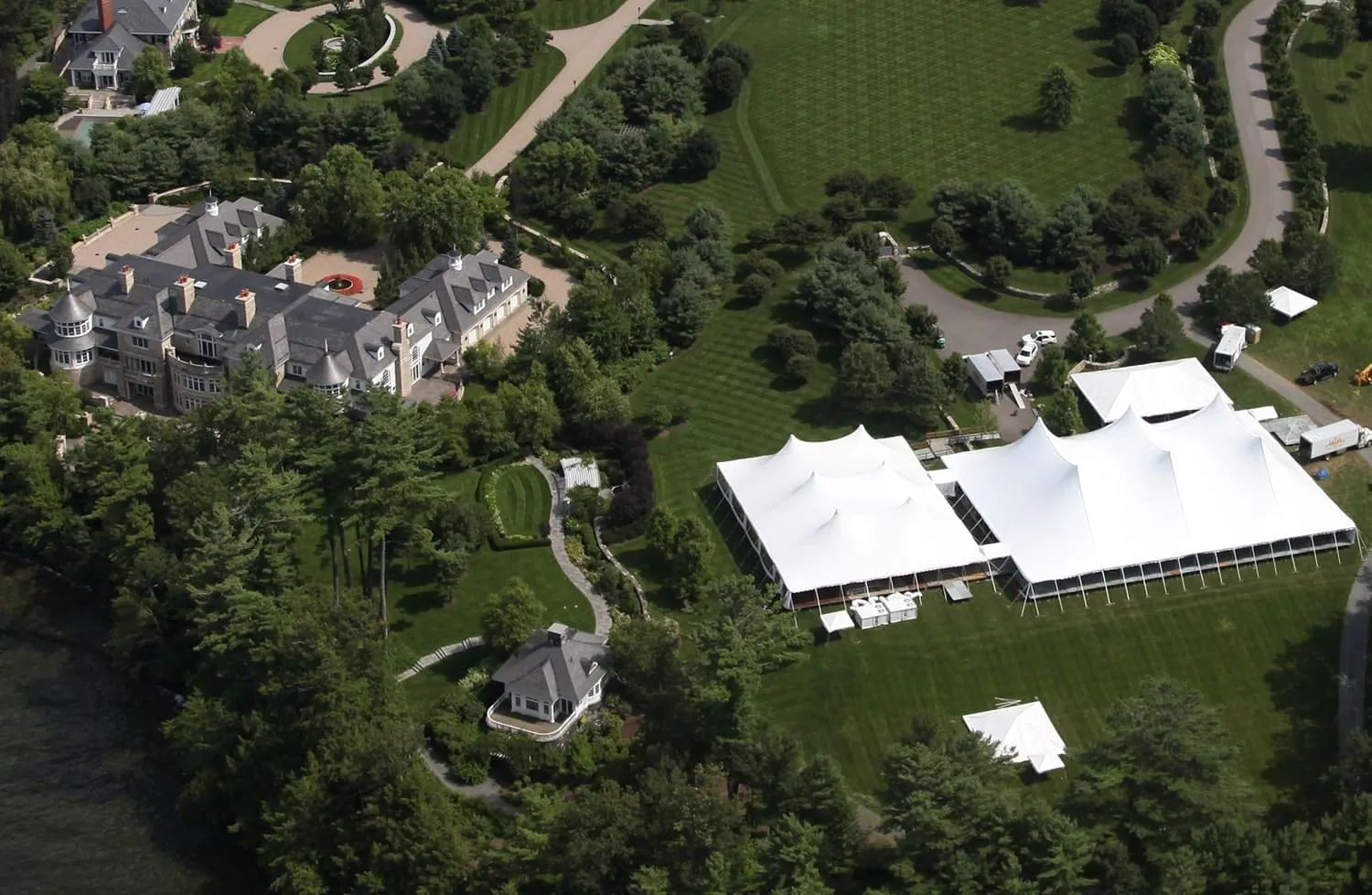
Choosing the appropriate tent is the first major decision in transforming open land into a luxury venue, especially when following a complete summer tent planning guide for large outdoor celebrations. The tent defines both the visual identity of the event and the structural framework that supports all other elements. A well selected tent ensures the event looks cohesive while also performing reliably under changing summer conditions.
Types of Tents for Luxury Summer Weddings
Different tent styles offer distinct advantages depending on the event size, terrain, and aesthetic goals. Planners typically choose from a few premium options that balance beauty and functionality.
- Sailcloth tents create a soft, romantic atmosphere with flowing fabric and natural light diffusion
- Clear-span tents provide open interiors without poles, ideal for large layouts and flexible design
- High-peak frame tents deliver a structured yet elegant look suitable for various terrains
Each type influences how space is used and how guests interact within the environment. Selecting the right option ensures both visual appeal and operational efficiency. The tent structure also determines how easily lighting, décor, and climate systems can be integrated into the space.
Matching Tent Style With Event Vision
The tent should align with the wedding’s theme, guest count, and overall experience by helping couples choose the right tent for the venue and event style. A beachfront ceremony may benefit from a sailcloth tent, while a formal reception may require the scale and flexibility of a clear span structure.
Planners consider how the tent interacts with natural surroundings, lighting conditions, and décor elements. The goal is to create a cohesive environment where the tent enhances not competes with the setting. A well matched tent style helps unify all design elements, from floral arrangements to seating layouts, resulting in a more immersive experience for guests.
How Planners Prepare Open Land for a Luxury Tent Wedding
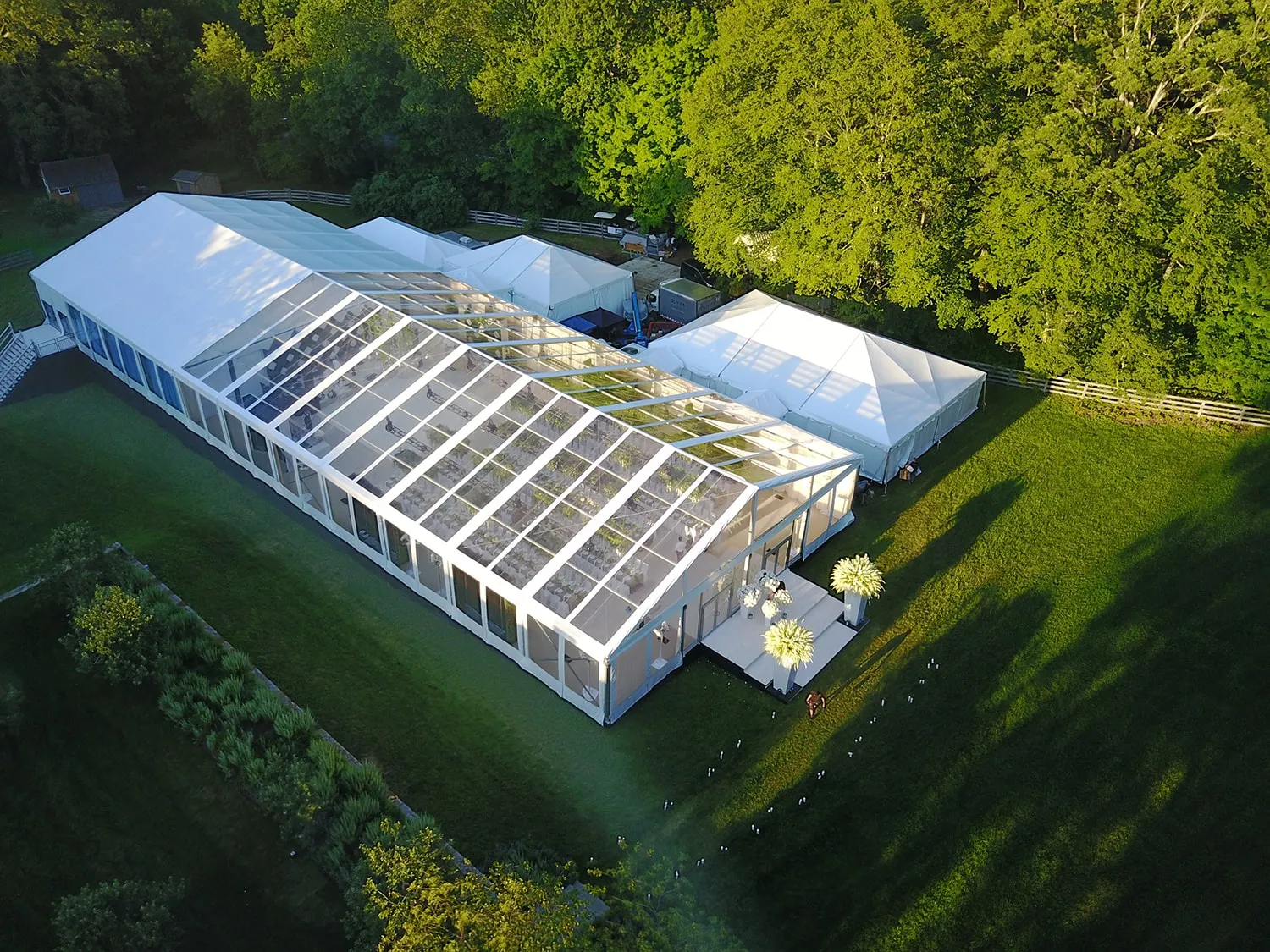
Before any installation begins, the land must be carefully prepared. This stage ensures the site can support the structure, equipment, and guest experience without issues. Proper groundwork prevents complications during setup and ensures long term stability throughout the event. It also allows planners to identify potential challenges early, such as drainage concerns or access limitations, so adjustments can be made in advance to avoid delays and ensure a smooth installation process.
Site Assessment and Ground Preparation
A thorough site assessment identifies potential challenges such as uneven terrain, drainage concerns, and accessibility limitations. Planners evaluate the land to determine the best placement for the tent and supporting infrastructure while helping couples select the ideal location for the event setup.
Ground preparation may involve leveling surfaces, improving drainage, and clearing obstacles. These steps create a stable foundation that supports safe installation and smooth operation throughout the event. Attention to small details during this stage helps avoid larger issues later, especially during installation or high guest activity periods.
Permits, Access, and Logistics Planning
Managing permits and logistics is essential for transforming raw land into a functional venue. Local regulations often dictate what structures can be installed and how the site must be prepared.
Key logistical considerations include:
- Securing permits for tent installation and event operations
- Planning access routes for delivery vehicles and vendors
- Identifying locations for restrooms, power sources, and staging areas
Careful coordination ensures that all elements arrive and are installed in the correct sequence, reducing delays and maintaining efficiency. Clear planning also minimizes disruptions during setup and ensures vendors can operate without interfering with each other.
Designing a Functional and Elegant Tent Layout
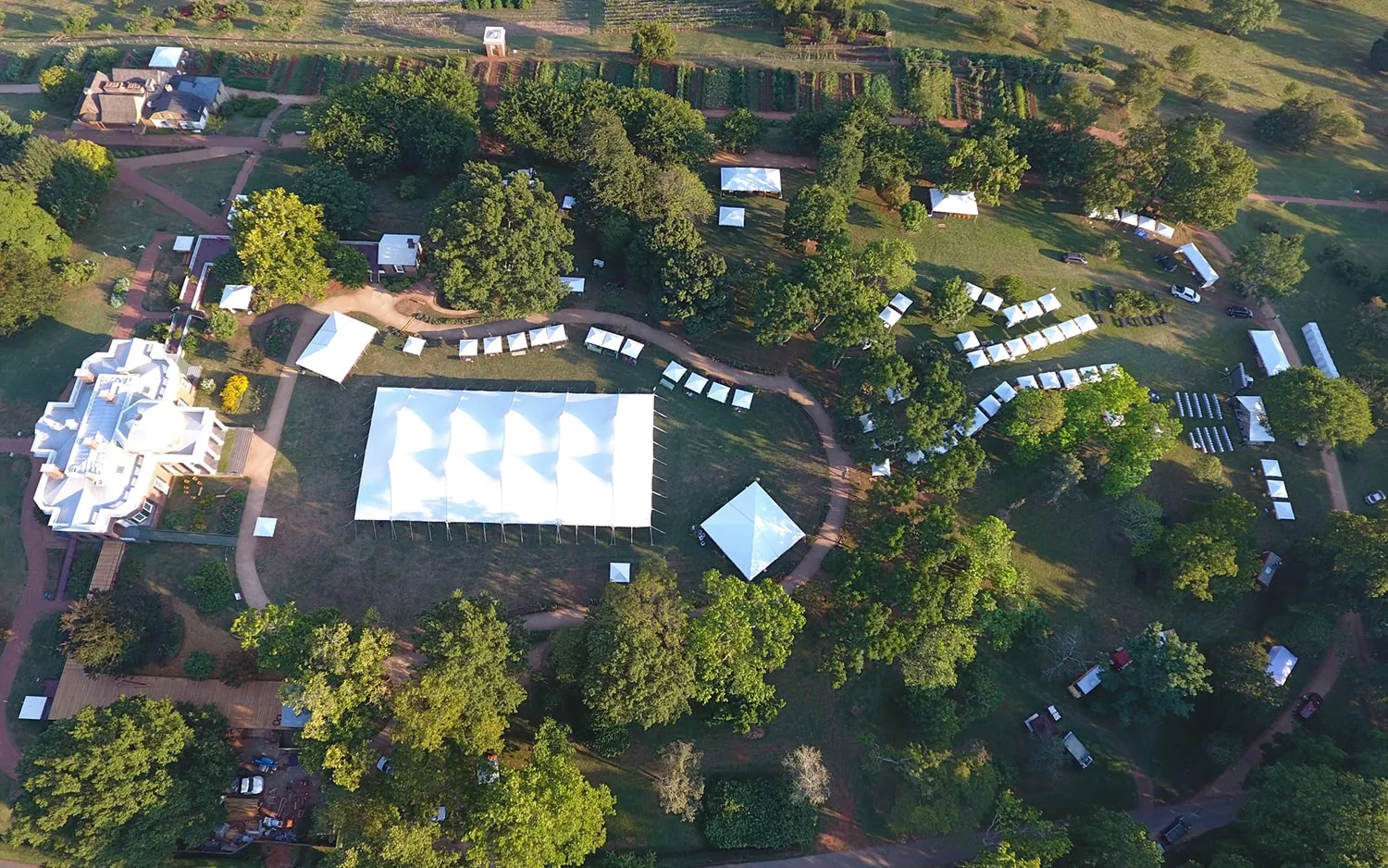
Once the site is prepared, the focus shifts to layout and design. A well-structured layout ensures smooth guest flow while maintaining a luxurious and visually appealing environment. The way the space is organized directly affects how guests experience the event. Thoughtful positioning of key areas such as dining, entertainment, and lounge spaces helps create balance, allowing guests to move naturally while fully enjoying each part of the celebration without confusion or congestion.
Creating Defined Zones Within the Tent
Dividing the space into distinct zones helps organize movement and enhances the guest experience. Dining, dancing, lounging, and service areas should each have a clear purpose while remaining connected.
A central dance floor often acts as a focal point, encouraging guests to move between areas. Dining tables positioned around this space create balance, while lounge areas provide quieter zones for relaxation. This arrangement allows guests to engage with different parts of the event without feeling confined to one area.
Clear zoning also improves operational efficiency by separating service areas from guest spaces, reducing congestion and improving flow.
Integrating Lighting and Décor
Lighting and décor play a critical role in transforming the tent into a luxury setting. Layered lighting combining ambient, accent, and functional sources creates depth and atmosphere.
Chandeliers, draping, and custom flooring elevate the visual appeal while reinforcing the event’s theme. Each design element should complement the tent structure and contribute to a cohesive aesthetic. Thoughtful lighting placement highlights key areas while subtly guiding guest movement.
A well designed interior ensures that the tent feels like a permanent, high-end venue rather than a temporary structure. Read more in Alternatives to Tent Restrictions for Your Wedding Venue.
Enhancing Comfort and Guest Experience
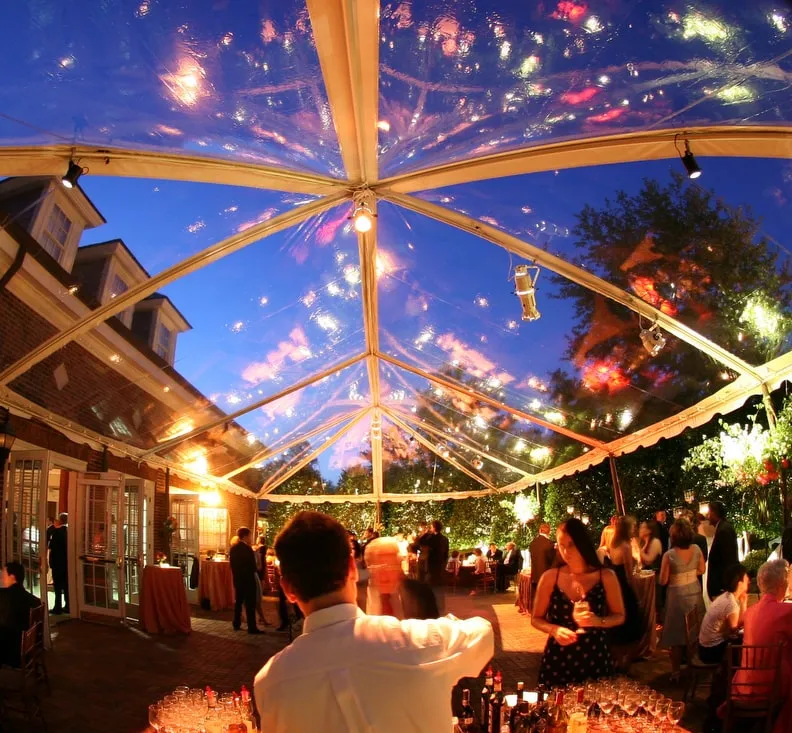
Luxury weddings are defined by comfort as much as appearance. Ensuring guests feel relaxed and accommodated is essential for a successful event. A comfortable environment encourages guests to stay engaged and enjoy every aspect of the celebration, creating a more memorable and enjoyable overall experience for everyone.
Climate Control and Environmental Comfort
Summer weddings require careful attention to temperature and airflow. Climate control systems, such as air conditioning or high capacity fans, help maintain a comfortable environment inside the tent.
Ventilation plays a key role in preventing heat buildup, especially in large or enclosed structures. Proper airflow ensures that guests remain comfortable even during peak attendance. Planners also consider shade, orientation, and natural airflow to enhance comfort without relying solely on mechanical systems.
Flooring contributes to comfort as well. Stable, level surfaces make walking easier and reduce fatigue, especially during long events where guests are frequently moving.
Premium Features That Elevate the Experience
High end features enhance both functionality and aesthetics, creating a more refined environment for guests.
Luxury enhancements often include:
- Elegant flooring such as hardwood or carpet
- Decorative draping and ceiling treatments
- Statement lighting like chandeliers or pendant fixtures
These elements transform the tent into a sophisticated venue while improving usability and comfort. Attention to detail in these features ensures that guests experience a seamless blend of style and practicality throughout the event.
Coordinate Installation and Execution for Tent Weddings
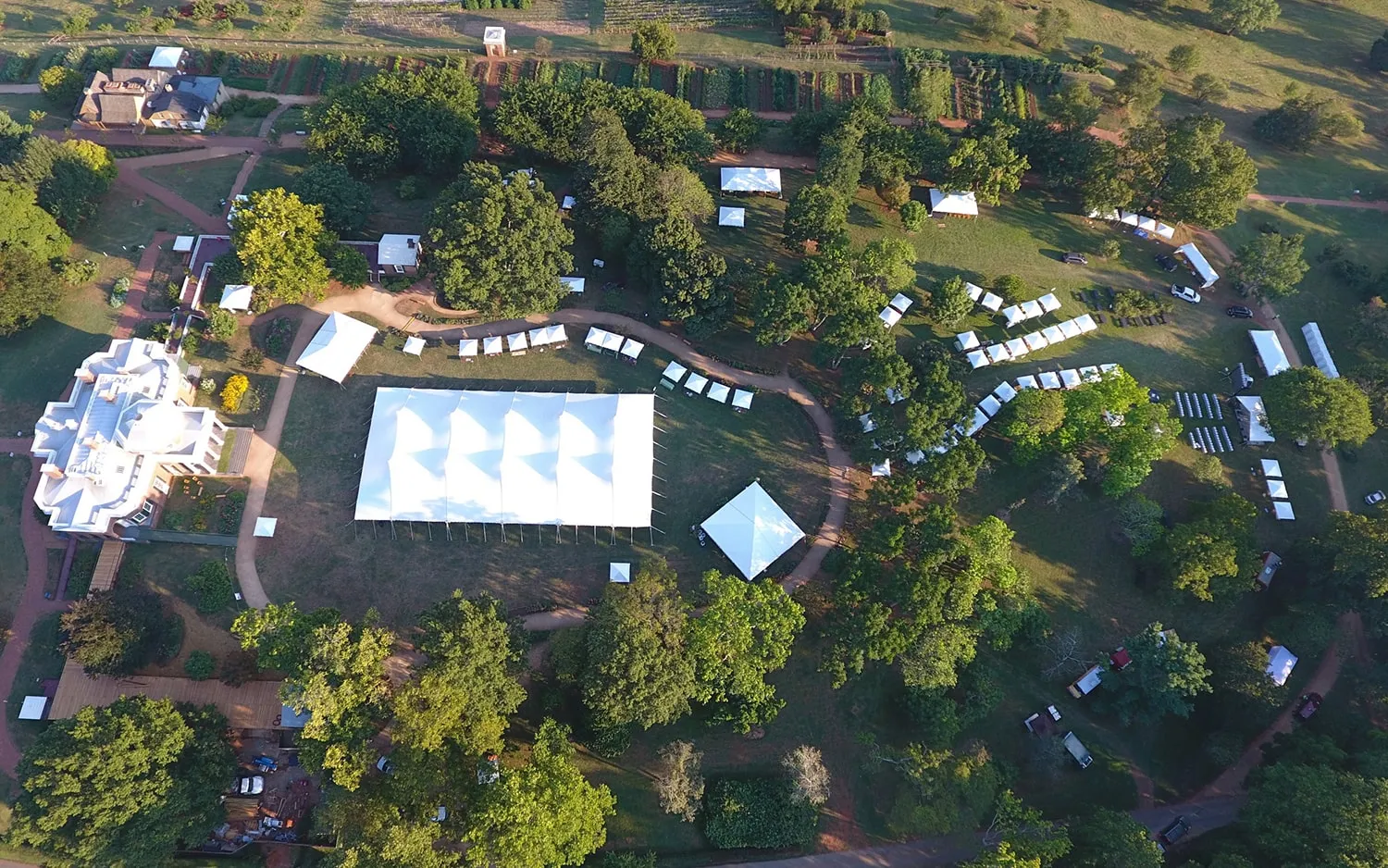
The final stage involves bringing all elements together through careful coordination and execution. This ensures that the venue is fully prepared before guests arrive. A well organized installation process reduces stress and allows planners to focus on final details.
Managing Installation and Vendor Coordination
Tent installation typically begins one or two days before the event. Crews assemble the structure, install flooring, and prepare the space for décor and equipment.
Coordination between vendors is essential. Each team catering, lighting, décor, and entertainment—must work within a defined schedule to avoid overlap and delays. Clear timelines help ensure that each phase of setup is completed efficiently.
Strong communication between vendors prevents conflicts and allows the entire setup process to run smoothly from start to finish.
Adapting to Trends and Modern Innovations
Modern wedding planning continues to evolve, with trends influencing both design and functionality. Planners increasingly incorporate sustainable materials, modular structures, and advanced technology into tented events. See real Skyline weddings in our wedding galleries.
Smart lighting systems, climate control, and integrated AV solutions enhance both the guest experience and operational efficiency. Modular tent designs allow greater flexibility, making it easier to adapt layouts to different sites and event requirements.
Keeping up with these innovations allows planners to deliver experiences that feel current, refined, and tailored to each couple’s vision.
Frequently Asked Questions
What factors should be considered when choosing a location for a luxury wedding tent?
Consider terrain, accessibility, proximity to utilities, and visual appeal. Ensure the site supports both structural requirements and the desired guest experience.
How can weather conditions impact planning?
Weather affects comfort, installation, and logistics. Planners use contingency plans, climate control, and protective features to manage risks.
What role does catering play in a tented wedding?
Catering impacts guest satisfaction and flow. Proper layout and service design ensure efficient operations and a seamless dining experience.
How can planners ensure guest comfort during summer weddings?
Use climate control systems, proper ventilation, comfortable seating, and shaded areas to maintain a pleasant environment. See every structure we offer in our luxury tent rentals.
Conclusion
Transforming open land into a luxury summer wedding venue with tents requires careful planning, creative design, and precise execution. From selecting the right tent to preparing the site and coordinating logistics, every step contributes to the final experience. By focusing on both aesthetics and functionality, planners can create a refined, comfortable, and memorable environment that elevates the entire event and leaves a lasting impression on every guest. Read more in Luxury Wedding Tents: Creating Your Perfect Summer Venue.
For those looking to create a truly elevated outdoor wedding experience, Skyline Tent Company delivers expertly designed tent environments that bring your vision to life at scale. Schedule your private consultation to transform your venue into something extraordinary. You may also find Transform Your Venue with White Wedding Tent Rentals helpful.