
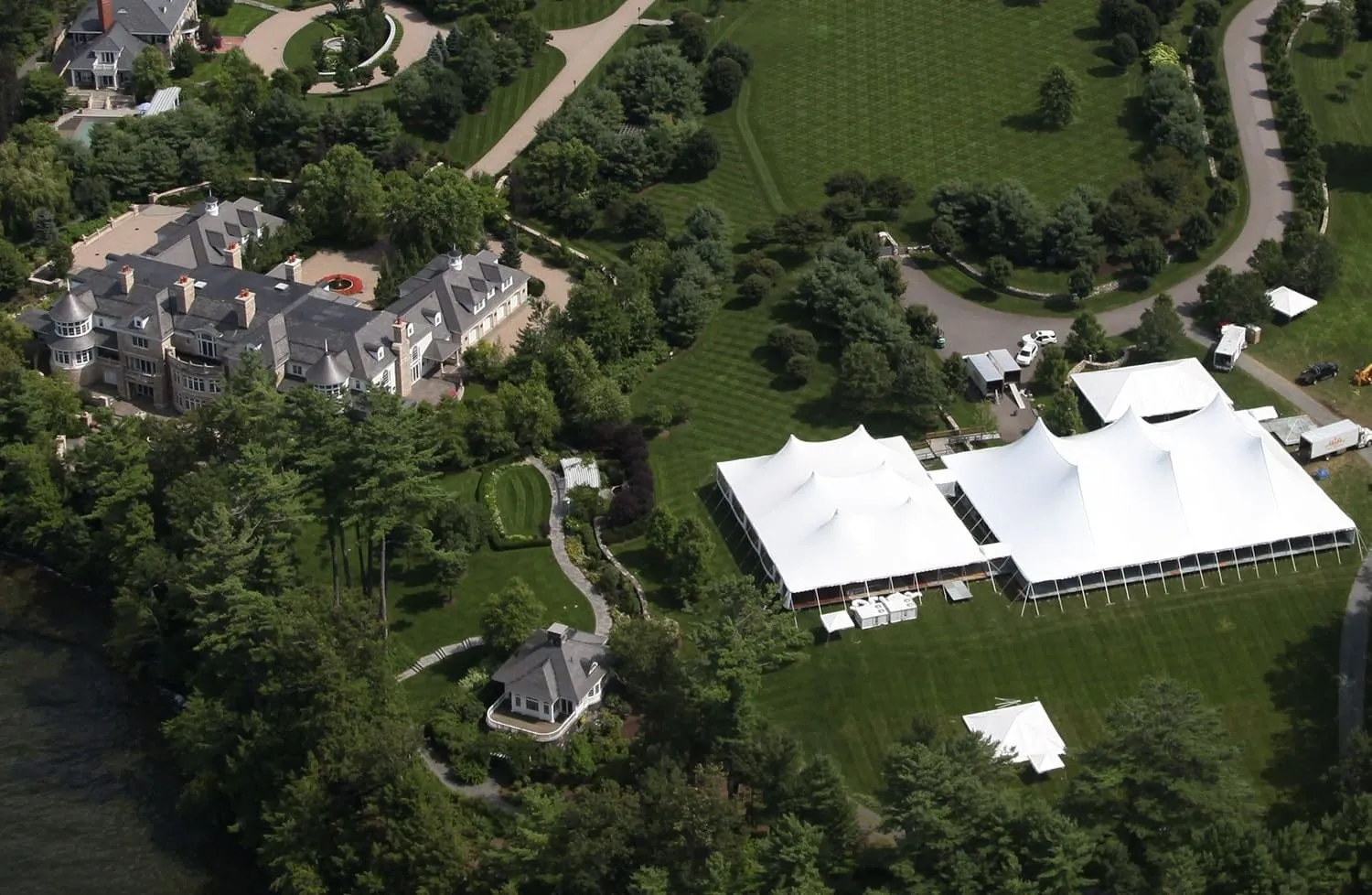
Site preparation for a wedding tent installation involves assessing the location, preparing the ground, securing permits, planning layout and access, and ensuring safety measures are in place before setup begins. These steps ensure the tent can be installed securely, functions efficiently, and provides a safe and comfortable environment for guests. Proper preparation reduces installation delays, prevents structural issues, and allows the entire event setup to run smoothly from start to finish. Taking the time to carefully plan each aspect of the site can also help accommodate unexpected changes or challenges, making the event more adaptable and resilient to last-minute adjustments.
How to Assess and Prepare the Wedding Tent Site
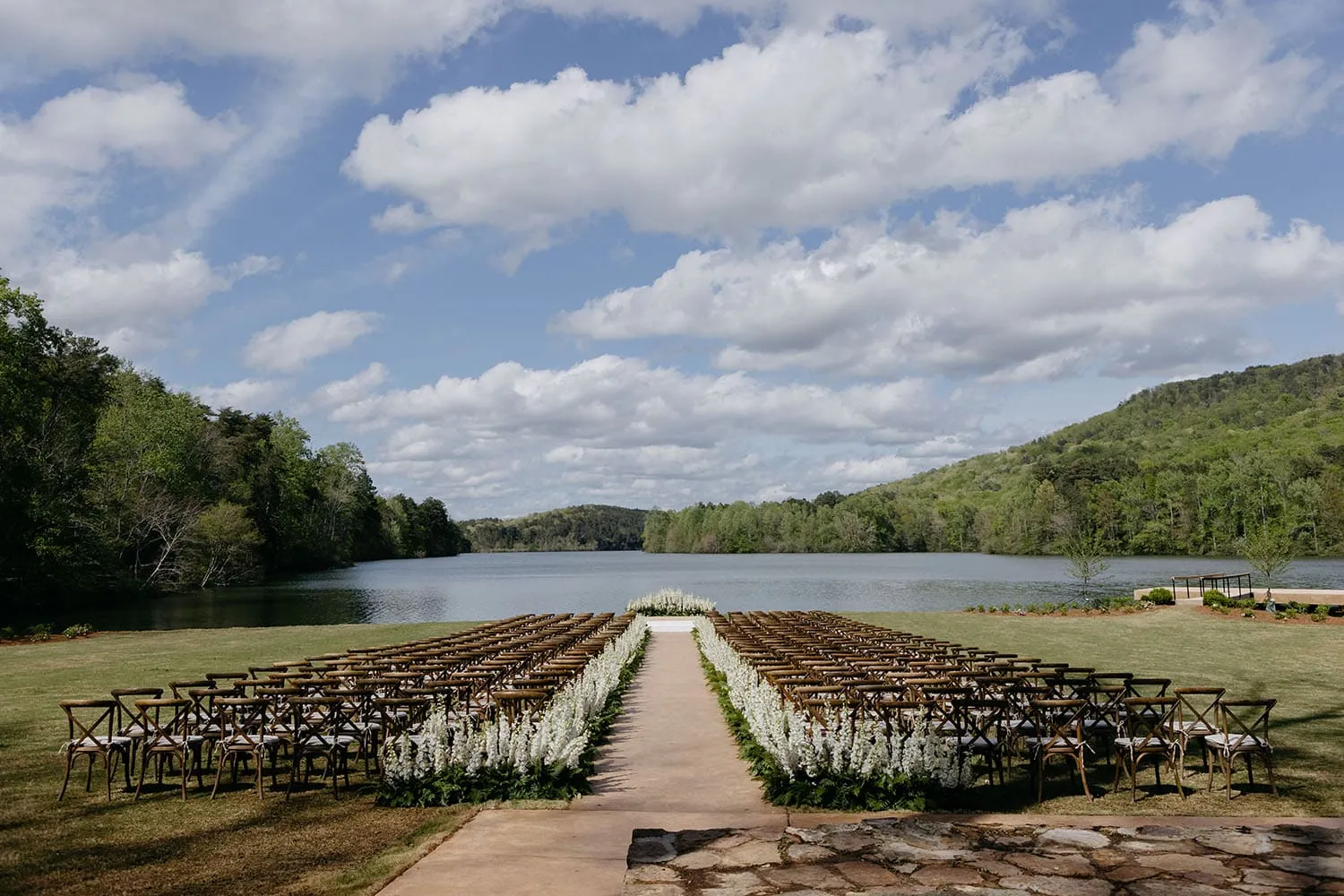
Preparing a site begins with understanding the physical characteristics of the location and identifying any limitations that could affect installation. This stage lays the groundwork for every decision that follows, from tent placement to vendor access and guest movement. It is also important to consider environmental factors such as sunlight exposure and prevailing winds, which can influence tent orientation and guest comfort. Early communication with all stakeholders, including event planners, vendors, and venue managers, helps ensure that everyone is aligned on site capabilities and constraints.
Conducting a Detailed Site Assessment
A thorough site assessment helps planners evaluate whether the land is suitable for a tent installation. This includes reviewing terrain, accessibility, nearby structures, and available space for both the tent and supporting elements. Taking detailed measurements and creating a scaled site map can assist in visualizing the layout and identifying potential problem areas before installation begins.
Planners should define event requirements early, including guest count, tent size, and layout needs. A full site survey helps identify challenges such as slopes, obstacles, or restricted access points. Understanding these conditions in advance allows for better planning and prevents unexpected issues during installation. It also enables the team to allocate resources effectively, such as bringing in additional equipment or personnel if the terrain is particularly challenging.
Evaluating Utilities and Access
Access to utilities is an essential part of site preparation. Power, water, and service access points must be identified and integrated into the overall layout. Ensuring that these utilities are safely and conveniently located can improve the efficiency of setup and enhance the guest experience during the event. We cover this further in Evaluate Site Logistics for a Flawless Outdoor Event Setup.
Delivery routes should be clear and wide enough for equipment and vehicles. If access is limited, additional planning may be required to transport materials efficiently. Proper coordination ensures that vendors can operate without delays or disruption to the installation process. It is also beneficial to establish designated loading and unloading zones to streamline operations and reduce congestion during setup and teardown.
How to Prepare Ground Conditions for Tent Stability
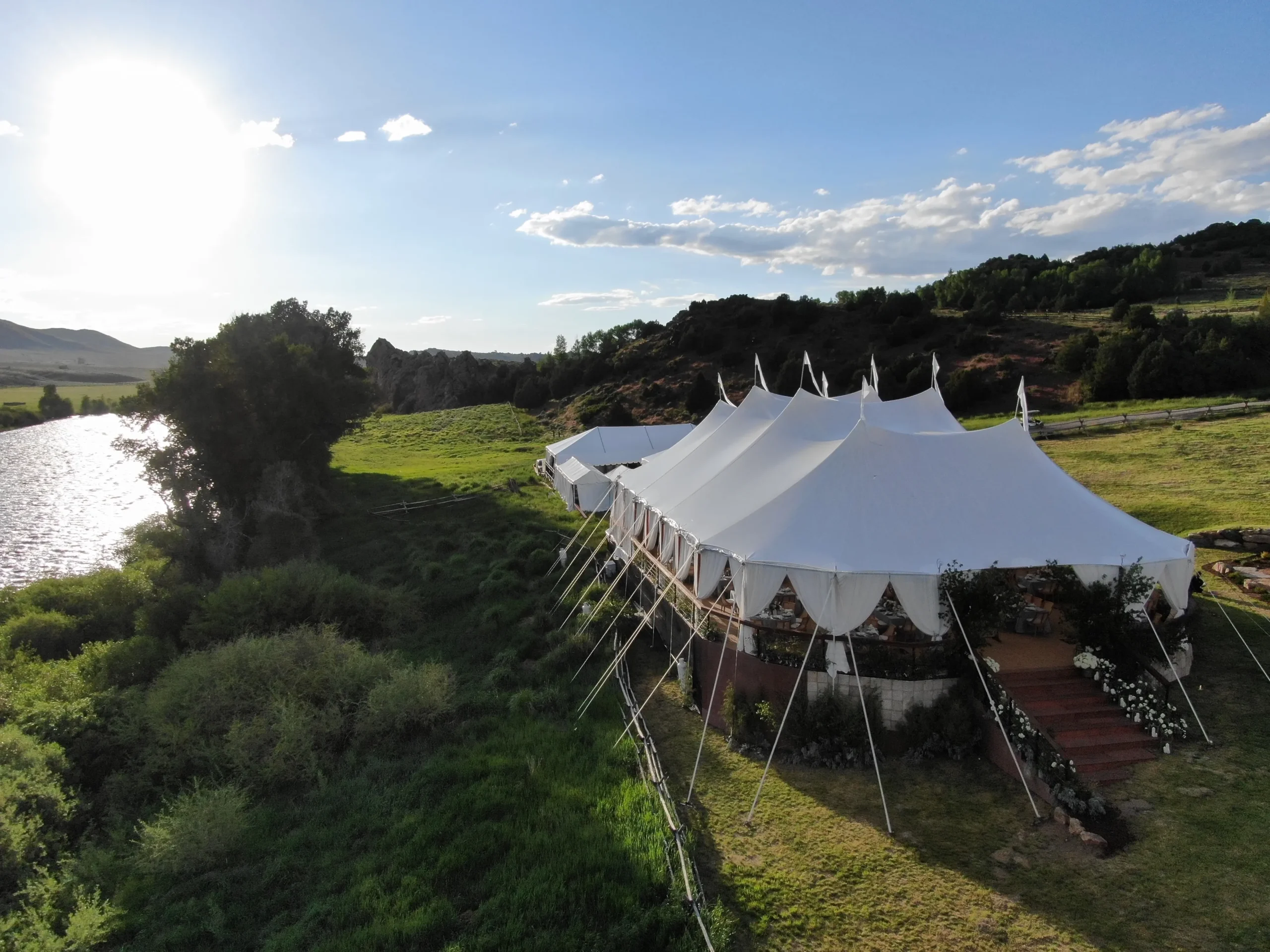
Ground preparation is one of the most critical steps in ensuring a safe and stable tent installation. The condition of the ground directly affects anchoring, structural integrity, and overall safety. Properly prepared ground also contributes to guest comfort by providing a stable and even surface for walking and seating.
Ground Leveling and Surface Preparation
The ground must be level to support the tent structure properly. Uneven surfaces can create instability and affect both safety and comfort. Leveling the ground also helps prevent water pooling, which can cause damage to the tent and create hazardous conditions for guests.
Site preparation typically includes:
- Clearing debris, vegetation, and obstacles
- Leveling uneven areas to create a stable base
- Improving drainage to prevent water accumulation
These steps help create a reliable foundation and ensure the tent remains secure throughout the event. In some cases, temporary flooring or mats may be installed to further enhance stability and protect the ground beneath the tent.
Soil Testing and Load-Bearing Assessment
Understanding soil conditions is essential for selecting the appropriate anchoring method. Different soil types provide varying levels of stability and support. Testing the soil can reveal hidden issues such as high moisture content or loose composition that could compromise the tent’s foundation.
Planners may evaluate soil composition and conduct basic testing to determine load-bearing capacity. Soft soil may require deeper anchoring, while harder surfaces may require alternative solutions such as weighted systems. Proper evaluation ensures that the structure is safely supported under all conditions. Consulting with geotechnical experts or engineers can provide additional insights and recommendations for complex sites.
How to Plan Layout, Accessibility, and Guest Flow

A well-planned layout ensures that the space functions efficiently while providing a comfortable experience for guests. Layout decisions influence movement, service flow, and overall event organization. Thoughtful design can also enhance the aesthetic appeal of the event, creating a memorable atmosphere that complements the wedding theme.
Designing an Efficient Tent Layout
The layout should balance aesthetics with functionality. Key areas such as dining, entertainment, and service zones must be positioned to allow smooth transitions and minimize congestion. Consideration of lighting, sound, and decor placement also plays a role in creating an inviting and practical environment.
Clear pathways should connect all major areas, ensuring guests can move freely without confusion. Emergency access routes should also be integrated into the design to maintain safety throughout the event. Planning for adequate spacing between tables and seating areas helps maintain comfort and accessibility for all attendees.
Ensuring Accessibility and Vendor Coordination
Accessibility planning ensures that all guests, including those with mobility needs, can navigate the space comfortably. This includes proper pathway widths, stable surfaces, and clear entry points. Providing ramps or other accommodations where necessary helps create an inclusive environment.
Coordinating layout with vendors is equally important. Each vendor should have designated access points and workspace to prevent overlap and delays. Early planning ensures that all elements work together seamlessly on installation day. Scheduling vendor arrival times and delivery windows can further optimize the setup process and reduce potential conflicts. Read more in Choose The Right Location For A Wedding Tent Installation.
How to Manage Permits, Regulations, and Compliance
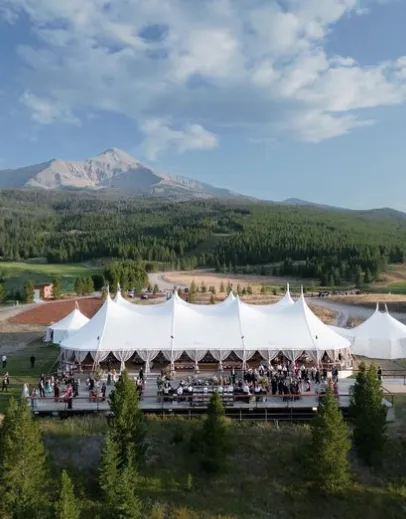
Compliance with local regulations is a critical part of site preparation. Securing permits and following safety guidelines ensures that the event meets legal requirements and avoids disruptions. Understanding the regulatory landscape early in the planning process helps prevent costly delays and last-minute changes.
Understanding Permit Requirements
Different locations have specific requirements for temporary structures such as wedding tents. Planners must identify which permits are needed and ensure all documentation is submitted in advance. This may involve coordinating with multiple agencies, including fire departments, health departments, and local government offices.
Common requirements include:
- Temporary structure permits
- Event occupancy approvals
- Fire safety compliance
Meeting these requirements ensures that the installation is approved and can proceed without legal complications. Keeping a checklist of required permits and deadlines can help manage the process efficiently. For more detail, see our article How Professional Tent Installation Enhances Guest Experience.
Navigating Inspections and Documentation
Permit approval often involves inspections before and after installation. These inspections verify that the structure meets safety standards and is properly installed. Being prepared for inspections by having all necessary documentation and site plans readily available can facilitate a smooth review process.
Maintaining organized documentation, including site plans and permits, helps streamline the process. Early coordination with local authorities reduces delays and ensures compliance at every stage. Establishing clear communication channels with inspectors and officials can also help address any concerns promptly.
How to Ensure Safety, Anchoring, and Environmental Readiness

Safety and environmental planning are essential for maintaining stability and protecting both guests and the surrounding site. These considerations must be addressed before installation begins. Proactive safety measures contribute to a successful event by minimizing risks and ensuring compliance with regulations.
Selecting Proper Anchoring Methods
Anchoring systems vary depending on ground conditions and tent type. Proper anchoring ensures the structure remains stable, even under challenging conditions. The choice of anchoring method should be based on a thorough understanding of the site’s soil and environmental factors.
Soft soil may require stakes driven deep into the ground, while hard surfaces may require weighted systems. Additional support systems such as straps or reinforcements can improve stability. Choosing the right method ensures the tent remains secure throughout the event. Regular inspection of anchoring points during the event can help detect any issues early and prevent accidents.
Preparing for Weather and Environmental Factors
Weather conditions can significantly affect both installation and event performance. Planning for environmental factors helps reduce risks and maintain stability. Monitoring weather forecasts and having contingency plans in place allows for quick responses to changing conditions.
Considerations include wind exposure, drainage, and temperature conditions. Proper preparation may involve additional reinforcement, drainage solutions, or climate control systems. Planning for these factors ensures the event can proceed smoothly under varying conditions. Providing shelter options and heating or cooling systems can also enhance guest comfort regardless of the weather.
Frequently Asked Questions
What should I consider when choosing a location for a wedding tent?
Consider accessibility, ground conditions, proximity to utilities, and overall layout potential. The site should support both structural requirements and guest comfort. Read more in When Should a Venue Consider a Seasonal Tent Installation.
How can I ensure my wedding tent is safe during adverse weather conditions?
Use proper anchoring, monitor weather conditions, and prepare contingency plans. Regular inspections help maintain safety throughout the event.
What types of flooring options are available for wedding tents?
Options include grass, wood, carpet, and vinyl. Each provides different levels of comfort, stability, and aesthetic appeal.
How do I handle waste management during a wedding tent event?
Set up designated waste stations, coordinate with disposal services, and consider eco-friendly materials to reduce environmental impact. Our tent rental FAQs cover the questions hosts ask most.
Conclusion
Proper site preparation is the foundation of a successful wedding tent installation. From assessing the land and preparing the ground to managing permits, layout, and safety, each step plays a critical role in ensuring a smooth and reliable setup. When these elements are carefully planned and executed, the result is a stable, functional, and beautifully organized event space that enhances the overall guest experience. Investing time and resources into thorough preparation not only safeguards the event but also contributes to a memorable and enjoyable celebration for everyone involved. You may also find Wedding Tent Installation Timeline for Large Events helpful.
For those planning a large-scale or luxury tented event, Skyline Tent Company provides expert guidance, precision installation, and high-end tent solutions designed to perform flawlessly in any environment. Schedule your private consultation to ensure your event is built on a foundation of expertise, quality, and exceptional execution.