

Planners coordinate vendors for tent weddings by establishing clear timelines, defining responsibilities, and maintaining consistent communication across all teams involved. From tent installation to catering, lighting, and décor, every vendor must work in alignment to ensure the event runs smoothly. When coordination is handled effectively, the result is a seamless, well-executed wedding experience where logistics remain invisible and the focus stays on the celebration.
Tent weddings require a higher level of coordination compared to traditional venues because every element is built from the ground up, especially when following a complete summer wedding tent guide for large outdoor events. This includes infrastructure, layout, power, and environmental control. Each vendor relies on the work of others, making timing and communication essential.
The planner acts as the central point of control, ensuring that all moving parts come together without conflict. A structured approach allows vendors to operate efficiently while maintaining a cohesive and elevated event environment.
Establishing a Strong Foundation for Vendor Coordination
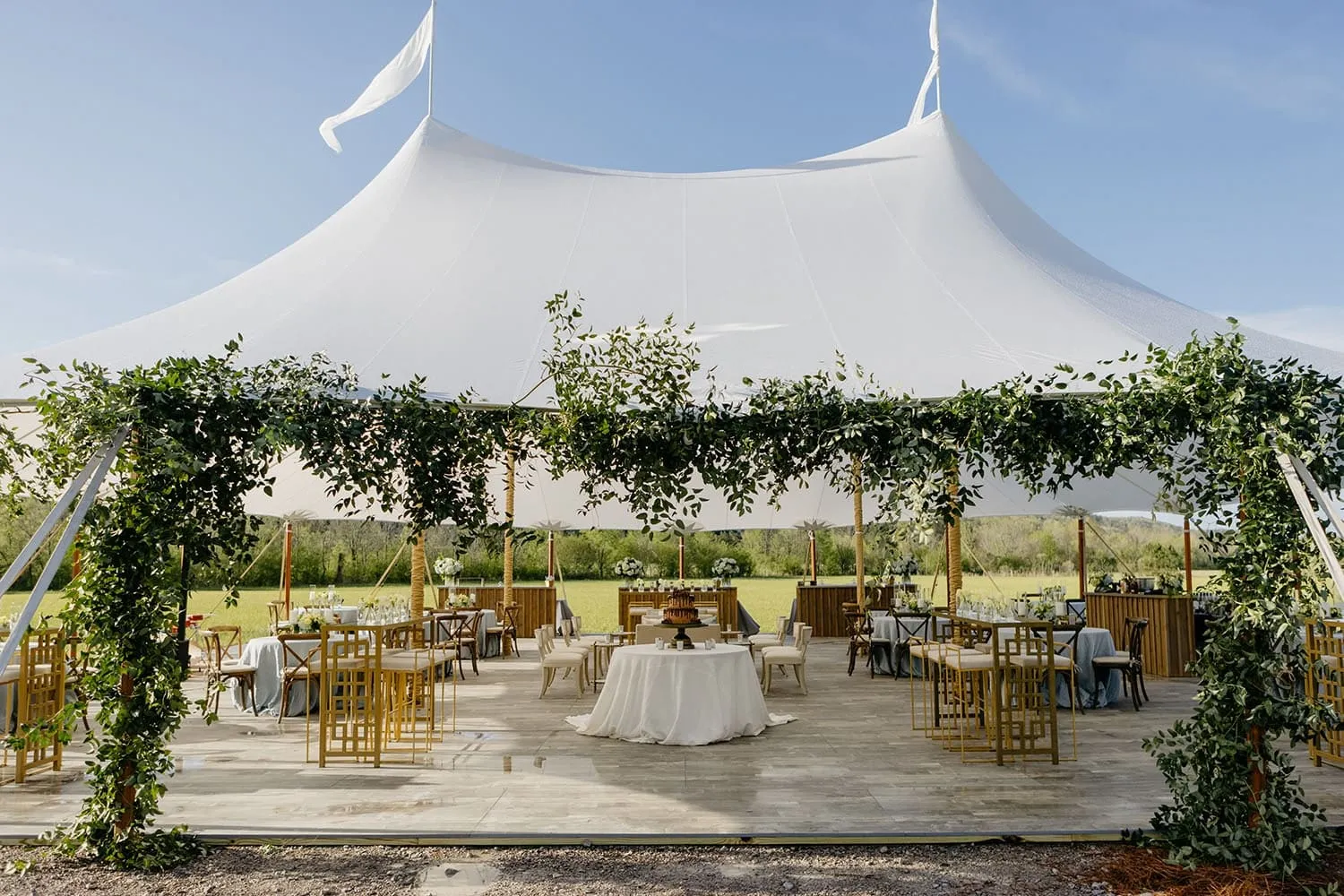
Successful vendor coordination begins with organization and clarity. Planners must define expectations early so every vendor understands their role within the larger event plan. This clarity helps to avoid misunderstandings and ensures that all parties are working towards the same goals. It also allows for smoother decision-making processes and quicker resolution of any issues that may arise during the planning stages.
This foundation ensures that decisions are made efficiently and that all teams are aligned from the beginning. When vendors have a clear understanding of their responsibilities and the overall vision, they can contribute more effectively to the event’s success. Early alignment also fosters a collaborative atmosphere where vendors feel valued and motivated to deliver their best work.
Defining Roles and Responsibilities Early
Each vendor involved in a tent wedding plays a specific role, and those responsibilities must be clearly outlined from the start. This includes identifying who is responsible for setup, timing, and coordination with other vendors. Defining these roles early prevents duplication of efforts and ensures that no critical tasks are overlooked.
Clear role definition helps prevent overlap and confusion during critical stages of the event. Vendors can focus on their specific tasks while understanding how their work connects to others. This clarity also helps in managing expectations and accountability, which are crucial for maintaining a smooth workflow.
Establishing a hierarchy of communication also ensures that any issues are directed to the appropriate person without delays. This structure minimizes the risk of miscommunication and allows for faster problem resolution, keeping the event on track.
Creating a Centralized Planning System
A centralized system allows planners to manage all aspects of vendor coordination in one place. This includes timelines, layouts, contact details, and key documents. Centralization simplifies access to information and reduces the chances of errors caused by outdated or conflicting data.
Having a single source of truth ensures that all vendors are working from the same information. It also reduces the risk of miscommunication or outdated details being used during setup. This consistency is vital for maintaining the integrity of the event plan and ensuring that every detail is executed as intended.
Centralized planning creates consistency and allows adjustments to be communicated quickly and effectively. When changes occur, whether due to unforeseen circumstances or last-minute requests, the centralized system enables rapid dissemination of updates to all relevant parties, minimizing disruption.
Coordinating Tent Setup and Vendor Scheduling

The tent installation is the foundation of the entire event, and all other vendors depend on its completion. Coordinating setup schedules is essential to maintaining efficiency. Without a well-planned schedule, vendors may face delays or conflicts that can cascade into larger issues affecting the entire event timeline.
Proper sequencing ensures that each vendor can perform their work without delays or interference. This sequencing requires careful consideration of the dependencies between different vendors and the specific requirements of each setup phase.
Structuring Tent Installation and Site Preparation
Tent installation should be scheduled well in advance of other vendor arrivals to maintain an efficient tent installation timeline for luxury weddings. This includes preparing the site, assembling the structure, and completing any necessary flooring or infrastructure. Early preparation helps to identify and resolve any site-specific challenges that could impact the installation process.
Key steps in this process include:
- Finalizing site layout and access points
- Completing tent installation before décor and catering arrive
- Verifying structural readiness before additional setups begin
These steps ensure that the tent is fully prepared to support the rest of the event. Proper site preparation also contributes to safety and comfort for all vendors and guests.
A well-executed installation phase sets the tone for the entire setup process, allowing other vendors to work efficiently within a stable environment. It also provides a clear framework for subsequent activities, reducing the likelihood of last-minute changes or disruptions.
Aligning Vendor Arrival and Setup Times
Once the tent is installed, vendors must arrive in a coordinated sequence. Each vendor’s schedule should reflect dependencies on other setups. For example, lighting cannot be installed until the tent structure is secure, and catering setup often requires access after tables and chairs are arranged.
Caterers, florists, and lighting teams often require access at different stages, especially when installing elaborate wedding tent lighting and décor features. Staggered arrivals help prevent congestion and allow each vendor to work effectively. This approach also minimizes the risk of damage to equipment or décor caused by overcrowding.
A detailed schedule also ensures that critical milestones, such as lighting installation or table setup, are completed on time. This level of precision helps maintain the overall event timeline and supports a smooth transition between setup phases. Read more in Evaluate Site Logistics for a Flawless Outdoor Event Setup.
Managing Communication Across Multiple Vendors

Communication is the most important factor in vendor coordination. Planners must ensure that all vendors remain informed and aligned throughout the planning process. Effective communication fosters collaboration and helps to quickly address any concerns or changes that arise. We cover this further in Best Practices for Seamless Vendor Collaboration in Weddings.
Consistent communication reduces misunderstandings and allows for quick problem-solving when needed. It also builds a sense of trust and professionalism among vendors, which contributes to a positive working environment.
Establishing Clear Communication Channels
Vendors should have access to clear and reliable communication channels. This may include shared platforms, group messaging systems, or scheduled check-ins. These tools facilitate real-time updates and ensure that everyone stays informed.
Effective communication strategies include:
- Designating a single point of contact for coordination
- Sharing updates through centralized platforms
- Confirming receipt of important information
These practices ensure that all vendors remain informed and accountable. They also help to prevent information silos and ensure that critical messages reach the right people promptly. You may also find Local vs. National Tent Vendors: Making the Right Choice helpful.
Clear communication also builds trust among vendors, creating a more collaborative working environment. When vendors feel heard and supported, they are more likely to contribute positively to the event’s success.
Conducting Coordination Meetings and Site Walkthroughs
Bringing vendors together before the event allows for alignment on logistics and expectations. Site walkthroughs provide an opportunity to review layouts, access points, and setup requirements. These meetings help to clarify any uncertainties and provide a forum for vendors to ask questions.
These meetings help identify potential challenges before installation begins. Vendors can coordinate directly with one another, reducing the need for adjustments on the day of the event. This proactive approach minimizes surprises and helps to ensure that everyone is prepared.
A well-prepared team is more confident and efficient, leading to smoother execution. These sessions also foster relationships among vendors, which can improve cooperation during the event.
Creating a Detailed Wedding Day Timeline

A comprehensive timeline is essential for coordinating vendors during a tent wedding. It provides structure and ensures that every task is completed in the correct sequence. Without a detailed timeline, the risk of delays and miscommunication increases significantly. We cover this further in Tips for Coordinating Tents With Wedding Planners Seamlessly.
The timeline should account for setup, event flow, and breakdown. This holistic approach ensures that all phases of the event are managed effectively and that transitions between activities are seamless.
Mapping Out Key Milestones and Dependencies
Each stage of the event should be clearly outlined within the timeline. This includes tent setup, vendor arrivals, décor installation, and final preparations. Identifying dependencies between tasks helps to prioritize activities and allocate resources efficiently.
Important milestones typically include:
- Completion of tent installation and readiness for vendors
- Setup of key elements such as lighting and furniture
- Final walkthrough before guest arrival
These milestones help keep the event on track and ensure that all vendors are aligned. They also provide checkpoints for planners to assess progress and make necessary adjustments.
A well-structured timeline also provides flexibility, allowing planners to adjust as needed without disrupting the overall flow. This adaptability is crucial for managing unexpected changes or delays.
Integrating Setup, Event Flow, and Breakdown
The timeline should extend beyond setup to include the entire event lifecycle. This includes guest arrival, transitions between activities, and post-event breakdown. Planning for each phase ensures that the event runs smoothly from start to finish.
Coordinating breakdown schedules ensures that vendors can efficiently remove equipment without interfering with one another. This coordination helps to avoid bottlenecks and ensures a timely and orderly conclusion to the event.
A complete timeline allows planners to maintain control over every phase of the event, ensuring consistency from start to finish. It also provides a framework for communicating expectations to vendors and staff, supporting a professional and polished event experience.
Preparing for Challenges and Ensuring Seamless Execution
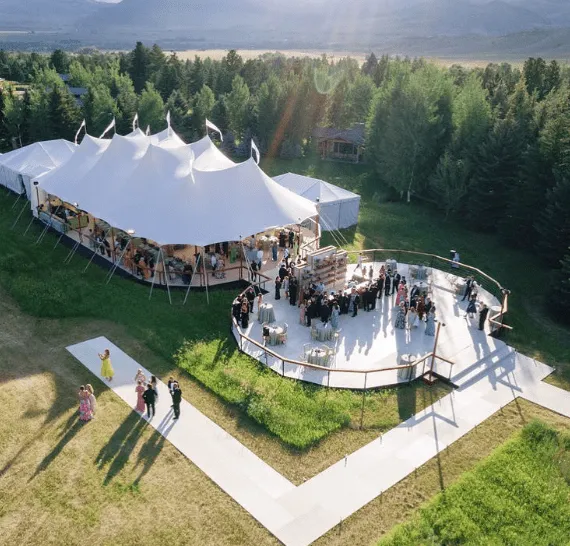
Even with careful planning, unexpected challenges can arise. Successful planners anticipate these issues and prepare solutions in advance. This foresight helps to minimize disruptions and maintain the event’s momentum.
A proactive approach ensures that disruptions are minimized and handled efficiently. It also demonstrates professionalism and builds confidence among vendors and clients alike.
Handling Scheduling Conflicts and Delays
Conflicts can occur when vendors require the same space or resources at the same time. Planners must be prepared to adjust schedules and reassign tasks as needed. Having contingency plans in place allows for quick and effective responses to these situations.
Having a clear plan in place allows for quick decision-making without affecting the overall event. Vendors should be informed of any changes immediately to maintain alignment. Transparent communication during conflicts helps to preserve relationships and ensures continued cooperation.
Flexibility and communication are key to resolving these challenges effectively. Being adaptable while maintaining clear communication channels helps to keep the event on track despite unforeseen obstacles.
Planning for Weather and On-Site Adjustments
Tent weddings are influenced by environmental conditions, making contingency planning essential. Planners should prepare for changes in weather and other site-specific challenges. This preparation includes having backup plans for rain, wind, or extreme temperatures. We cover this further in Exquisite High-End Floral Techniques for Dream Weddings.
This includes ensuring that the tent structure is secure, adjusting layouts if necessary, and coordinating with vendors to adapt to changing conditions. Having appropriate equipment and materials on hand can also help to mitigate weather-related issues.
A well-prepared plan allows the event to continue smoothly, regardless of external factors. This readiness provides peace of mind to clients and vendors, knowing that the event can proceed successfully under various conditions.
Frequently Asked Questions
What is the most important part of vendor coordination for tent weddings?
Clear communication and a well-structured timeline are the most important factors.
When should vendor coordination begin?
Coordination should begin early in the planning process to allow time for alignment and adjustments.
Why is a timeline important for tent weddings?
A timeline ensures that all vendors work in the correct sequence and that the event runs smoothly.
Conclusion
Coordinating vendors for tent weddings requires careful planning, clear communication, and precise execution. When each element is aligned, the result is a seamless event where every detail works together effortlessly. The complexity of tent weddings demands a higher level of attention to detail and proactive management to ensure success. Answers to common rental questions are in our tent rental FAQs.
Skyline Tent Company partners with planners to deliver expertly executed tented environments that support smooth vendor coordination and elevated event experiences. Schedule your private consultation to create a wedding that is as well-executed as it is unforgettable.