
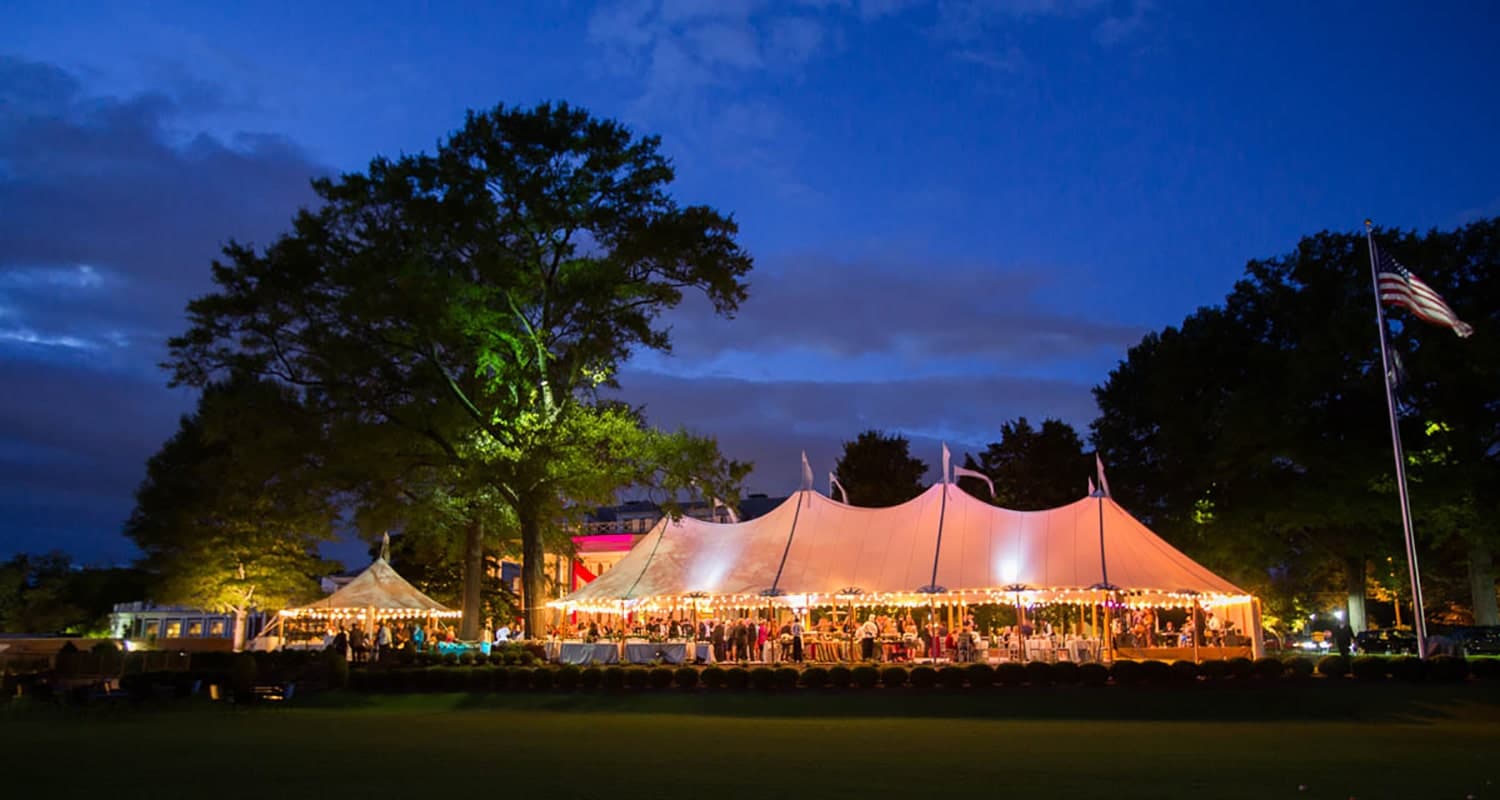
Climate control for wedding tents in summer involves using a combination of portable air conditioning, evaporative cooling systems, ventilation strategies, and airflow management to maintain a comfortable environment for guests. The right solution depends on tent size, climate conditions, and event design, but effective planning ensures temperatures remain manageable, humidity is controlled, and air circulation supports a pleasant and seamless guest experience throughout the event.
How to Choose the Right Cooling System for a Summer Wedding Tent
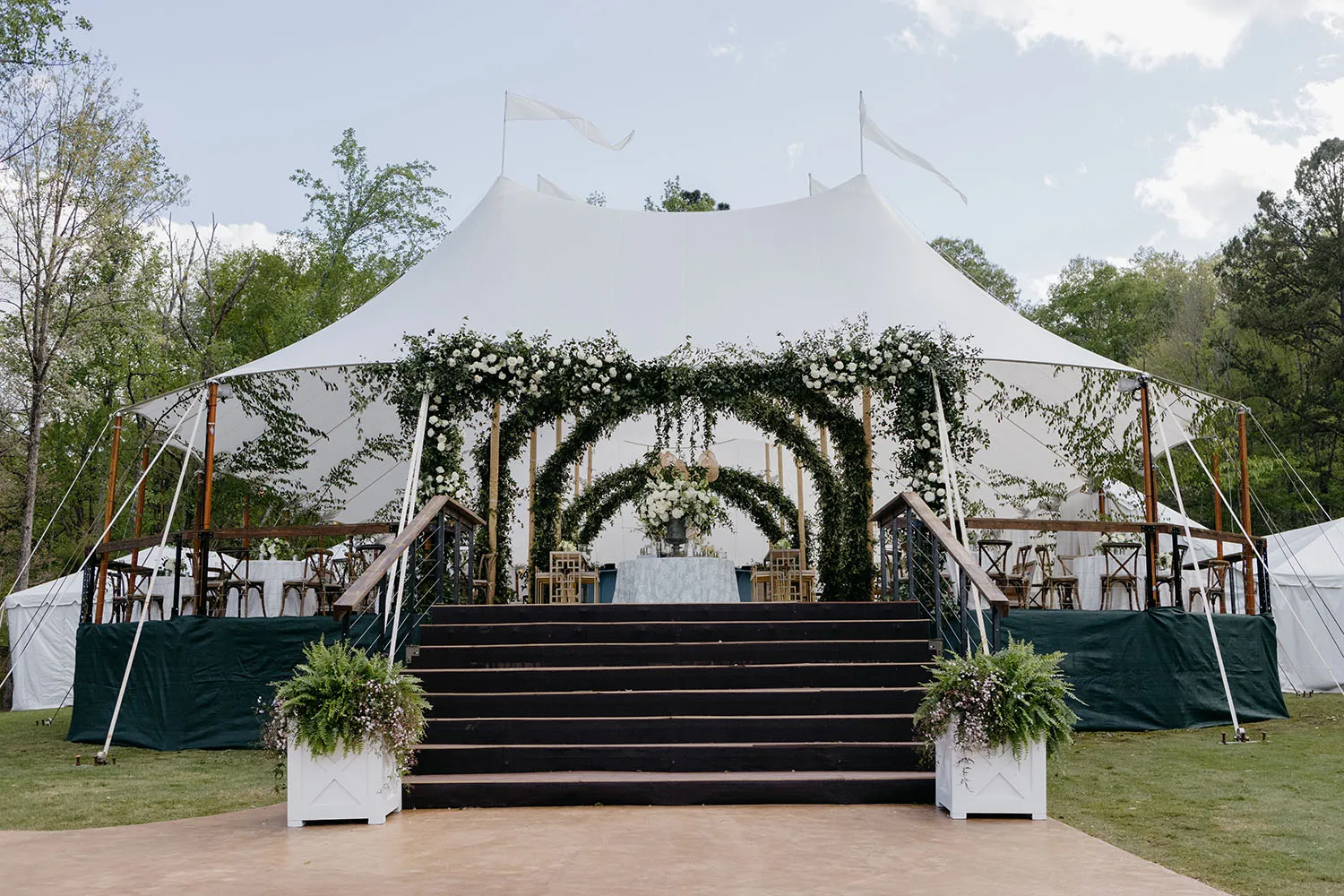
Selecting the appropriate cooling system is one of the most important decisions when planning a summer wedding under a tent, especially when using a complete guide to outdoor wedding tents to coordinate comfort, layout, and guest experience. The goal is not only to reduce temperature but also to create a balanced environment that feels comfortable regardless of outdoor conditions. Each event has unique requirements, so understanding how different systems perform in real conditions helps planners make informed decisions that support both comfort and efficiency.
Understanding Portable Air Conditioning Options
Portable air conditioning units are one of the most reliable solutions for cooling enclosed or partially enclosed wedding tents. These systems actively lower temperature while also reducing humidity, which is especially important in warmer climates where moisture can affect comfort.
These units are typically placed around the perimeter of the tent and ducted inward to distribute cool air evenly. Proper placement ensures that no area becomes overly warm, particularly during peak moments such as dining or dancing. When used correctly, portable air conditioning provides consistent cooling that supports both guest comfort and event quality. It also allows planners to maintain a stable indoor environment even when outdoor temperatures fluctuate throughout the day.
When to Use Evaporative Cooling Systems
Evaporative cooling systems offer an energy-efficient alternative, particularly in dry climates. These systems cool air by passing it through water-saturated pads, lowering the temperature before circulating it into the tent.
They are most effective in environments with low humidity, where the added moisture does not create discomfort. While they may not deliver the same level of precise temperature control as air conditioning, they are highly effective for large, open-sided tents where airflow is already present. Their lower energy consumption also makes them an appealing option for environmentally conscious events. When paired with proper ventilation, they can create a noticeably cooler and more refreshing environment.
How Ventilation Improves Airflow and Guest Comfort
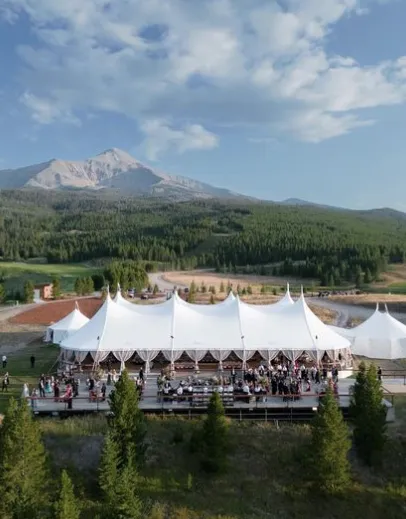
Cooling systems alone are not enough to maintain a comfortable environment. Proper ventilation ensures that fresh air circulates throughout the tent and prevents heat from becoming trapped inside. A well-ventilated space feels more open and breathable, which significantly improves guest experience during warm-weather events.
Using Natural Ventilation Strategies
Natural ventilation is one of the simplest and most effective ways to improve airflow. By opening tent sides or positioning entrances strategically, planners can take advantage of natural breezes to move air through the space.
Orientation plays a key role in this approach. Positioning the tent to align with prevailing wind direction helps create a steady flow of air. This reduces reliance on mechanical systems and creates a more comfortable environment without additional energy use. Open sides also help release built-up heat, especially during the early part of the day when temperatures begin to rise.
Enhancing Airflow with Mechanical Ventilation
Mechanical ventilation involves using fans and air exchange systems to improve airflow. These systems help distribute cooled air evenly and prevent hot spots from forming within the tent.
For optimal results, airflow should be directed across key areas such as dining zones and dance floors. This ensures that guests remain comfortable even during high-activity periods. Combining mechanical ventilation with cooling systems improves overall performance and creates a more balanced environment. Proper fan placement can also reduce stagnant air and improve circulation in corners or enclosed sections of the tent.
How to Balance Temperature, Humidity, and Air Circulation
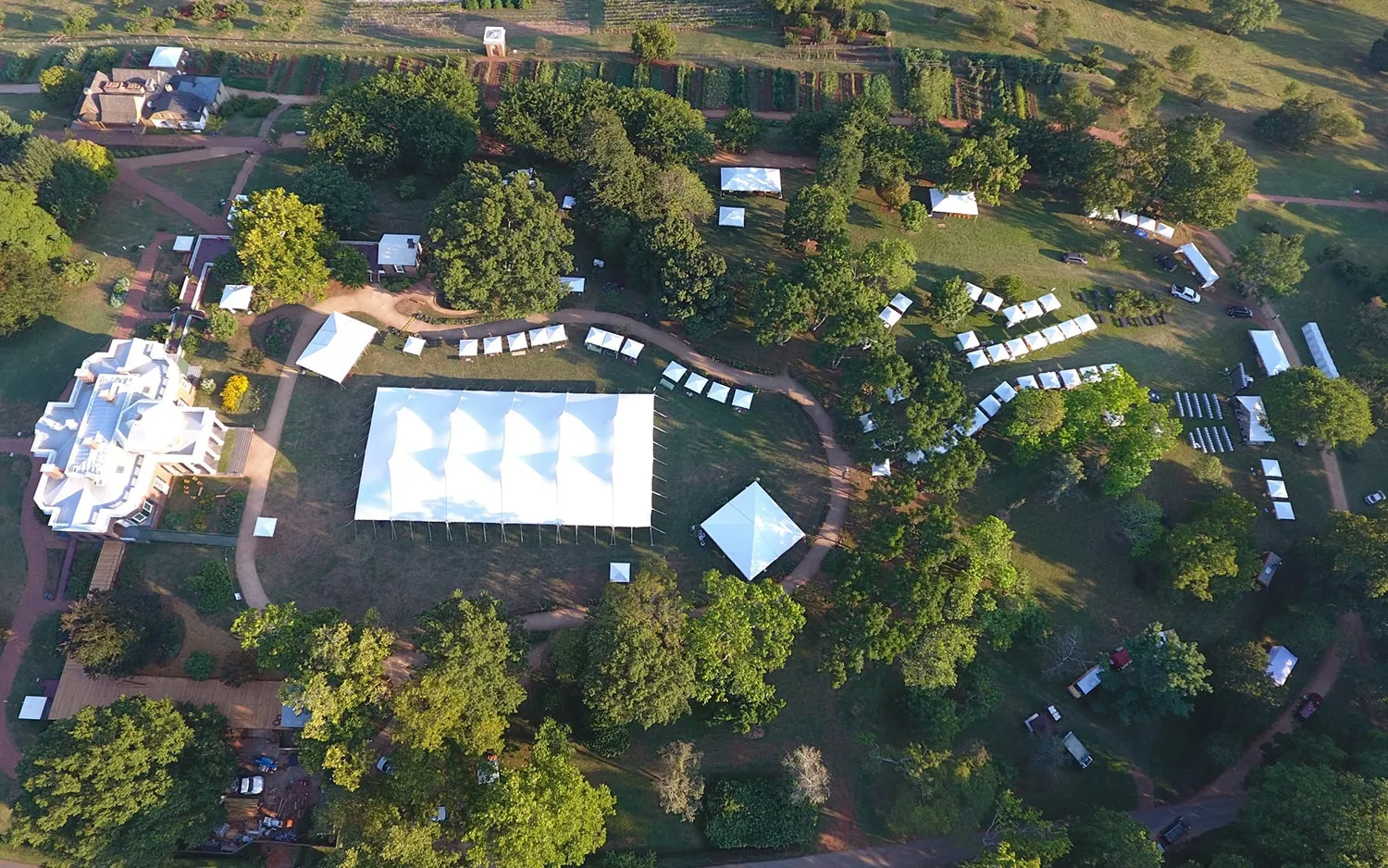
Maintaining comfort inside a wedding tent requires more than simply lowering the temperature. A well-balanced environment considers humidity levels and airflow to ensure the space feels fresh and breathable. Achieving this balance creates a more pleasant atmosphere that guests can enjoy throughout the event.
Managing Humidity for Maximum Comfort
Humidity can significantly affect how temperature is perceived. High humidity makes the air feel warmer and can create discomfort, even when cooling systems are in place.
Portable air conditioning systems help manage humidity by removing moisture from the air. In contrast, evaporative cooling adds moisture, which must be carefully balanced with ventilation. Understanding how these systems interact allows planners to maintain a comfortable environment without creating excess dampness. Maintaining proper humidity levels also helps protect décor, flooring, and other event elements from moisture-related issues.
Creating Consistent Air Distribution
Even distribution of air is essential for maintaining comfort across the entire tent. Without proper circulation, certain areas may feel significantly warmer than others, which can impact guest experience and create uneven conditions throughout the space.
To improve air distribution:
- Position cooling units to cover all zones evenly
- Use fans to circulate air throughout the space
- Avoid blocking airflow with décor or structures
This approach ensures that every guest experiences the same level of comfort, regardless of where they are located within the tent. Consistent airflow also helps maintain stable temperatures during transitions between different parts of the event. It also supports better humidity control and prevents stagnant air pockets from forming, creating a fresher and more balanced environment overall.
How to Optimize Energy Efficiency and Environmental Impact
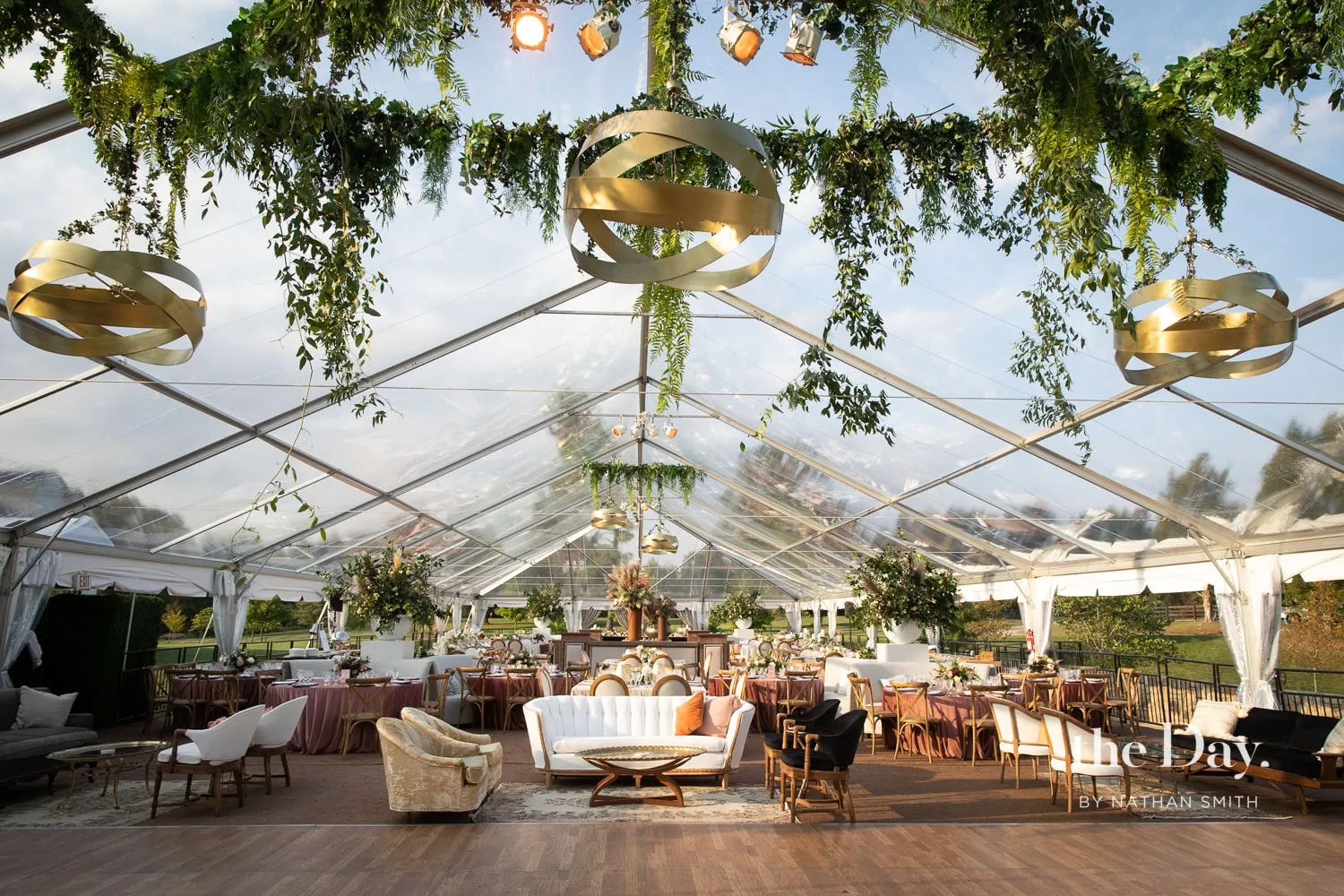
Climate control systems should be selected with both performance and efficiency in mind. Balancing energy use with comfort ensures that the event remains sustainable without compromising guest experience. Thoughtful system selection also helps reduce unnecessary energy consumption during the event.
Choosing Energy-Efficient Cooling Solutions
Different cooling systems offer varying levels of efficiency. Evaporative coolers typically use less energy, while portable air conditioning units provide more precise control at a higher energy cost.
Selecting the right system depends on the event’s specific needs. For example, a large enclosed tent may require air conditioning, while an open layout may benefit from evaporative cooling combined with fans. Matching the system to the environment ensures efficient performance. This approach also helps prevent overuse of equipment that may not be necessary for the space.
Reducing Environmental Impact During Events
Sustainable practices can be integrated into climate control planning without sacrificing quality. Using efficient equipment, minimizing unnecessary runtime, and selecting appropriate systems all contribute to reducing environmental impact.
Careful planning also helps avoid overuse of equipment. Running only the systems needed for each phase of the event improves efficiency and supports a more responsible approach to energy use. Managing power sources and equipment timing can significantly reduce the overall footprint of the event.
How to Install and Manage Climate Control Systems Effectively
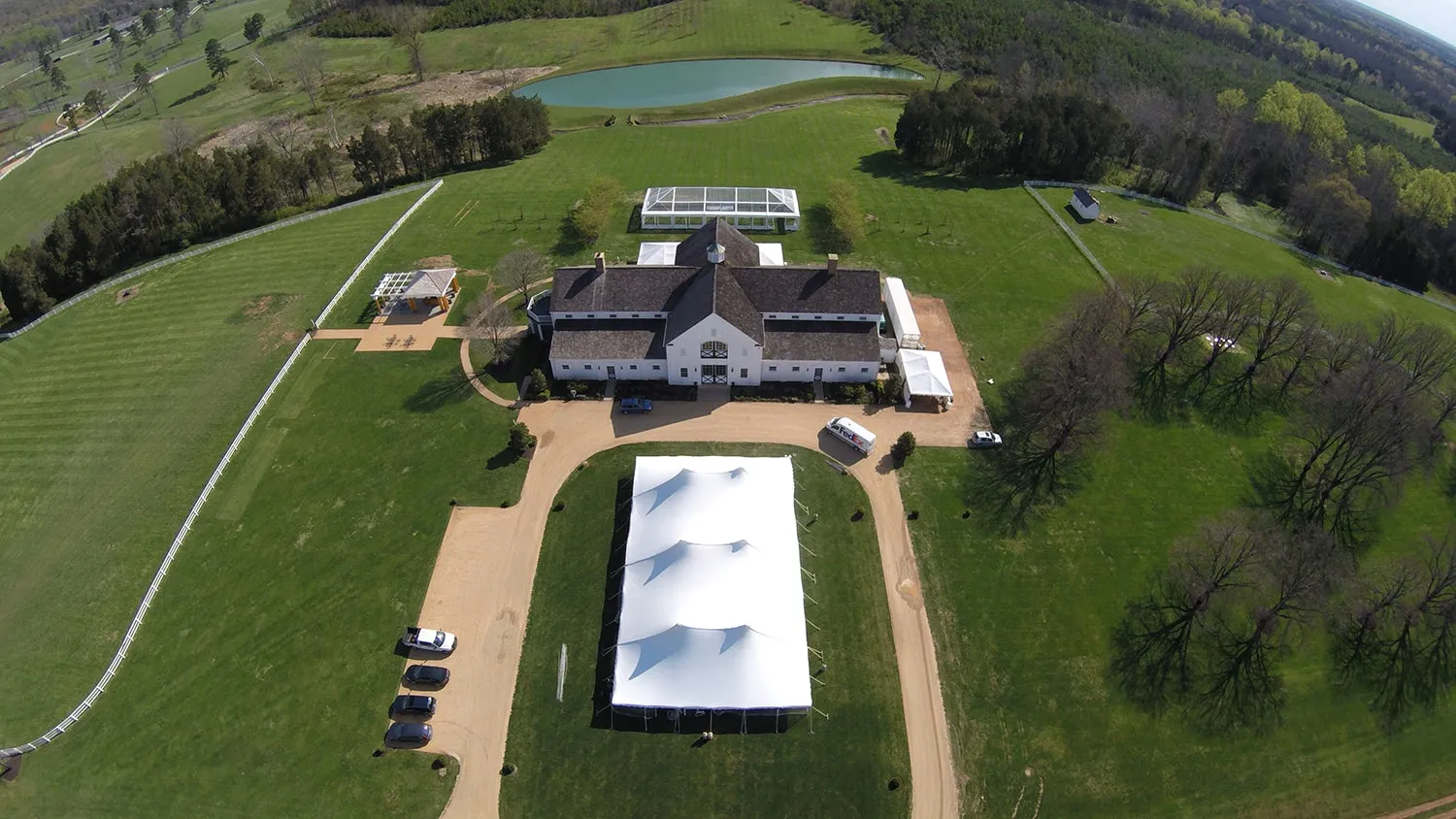
Proper installation and management are essential for ensuring that climate control systems perform as expected, especially during large-scale wedding tent installations with complex event logistics. Even the most advanced equipment requires careful setup and monitoring. Attention to detail during installation helps avoid issues that could affect performance during the event.
Planning Equipment Placement and Setup
Strategic placement of cooling units and ventilation systems ensures maximum effectiveness. Equipment should be positioned to allow unobstructed airflow and easy access for maintenance.
A clear installation plan helps prevent issues during setup. Coordinating with vendors and confirming power requirements in advance ensures that all systems can be installed without delays.Thoughtful placement also reduces noise and visual impact within the event space while preserving the elegant atmosphere created through luxury wedding tent décor. Planning ahead also allows teams to test systems before guests arrive.
Monitoring and Adjusting During the Event
Conditions inside a wedding tent can change throughout the event. As guest activity increases, temperature and airflow requirements may shift.
To maintain optimal conditions:
- Monitor temperature and humidity levels regularly
- Adjust fan speeds and cooling output as needed
- Keep backup equipment available for unexpected changes
Active management ensures that the environment remains comfortable from start to finish. Small adjustments during the event can make a noticeable difference in how guests experience the space. Continuous monitoring helps maintain consistency even during peak activity.
Frequently Asked Questions
What is the best cooling system for a wedding tent?
The best option depends on tent size, climate, and layout. Portable air conditioning works well for enclosed tents, while evaporative cooling is ideal for dry, open environments.
How can I improve ventilation in a wedding tent?
Use open sides, position entrances strategically, and add fans to improve airflow and reduce heat buildup.
Are energy-efficient cooling options available?
Yes, evaporative coolers and fans are highly energy-efficient options that can reduce overall energy consumption.
How do I ensure consistent cooling during the event?
Plan equipment placement carefully, test systems in advance, and monitor conditions throughout the event to make adjustments as needed.
Conclusion
Climate control plays a critical role in ensuring guest comfort during summer wedding tent events. By combining the right cooling systems with effective ventilation and thoughtful planning, planners can create an environment that remains comfortable, balanced, and enjoyable throughout the celebration. Each element, from airflow to humidity control, contributes to a seamless and elevated guest experience.
For those planning a luxury outdoor event, Skyline Tent Company provides expertly designed tent environments, advanced climate solutions, and seamless execution at scale. Schedule your private consultation to create a space that is not only visually stunning but perfectly comfortable in every detail.