
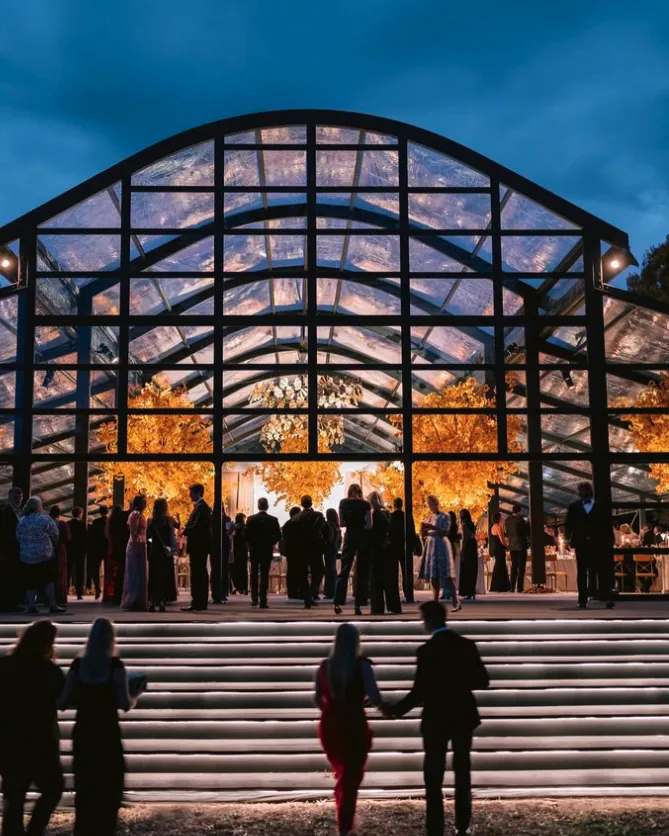
Managing guest flow inside a large wedding tent involves creating a clear layout, defining movement pathways, and coordinating how and when guests move between key areas. This ensures guests can navigate the space easily without congestion or confusion. A properly planned layout, clear circulation routes, and well-timed transitions allow guests to move naturally between dining, social, and entertainment areas. When guest flow is handled effectively, it enhances comfort, improves safety, and ensures the entire event feels seamless from arrival to departure.
How to Plan a Wedding Tent Layout for Efficient Guest Flow
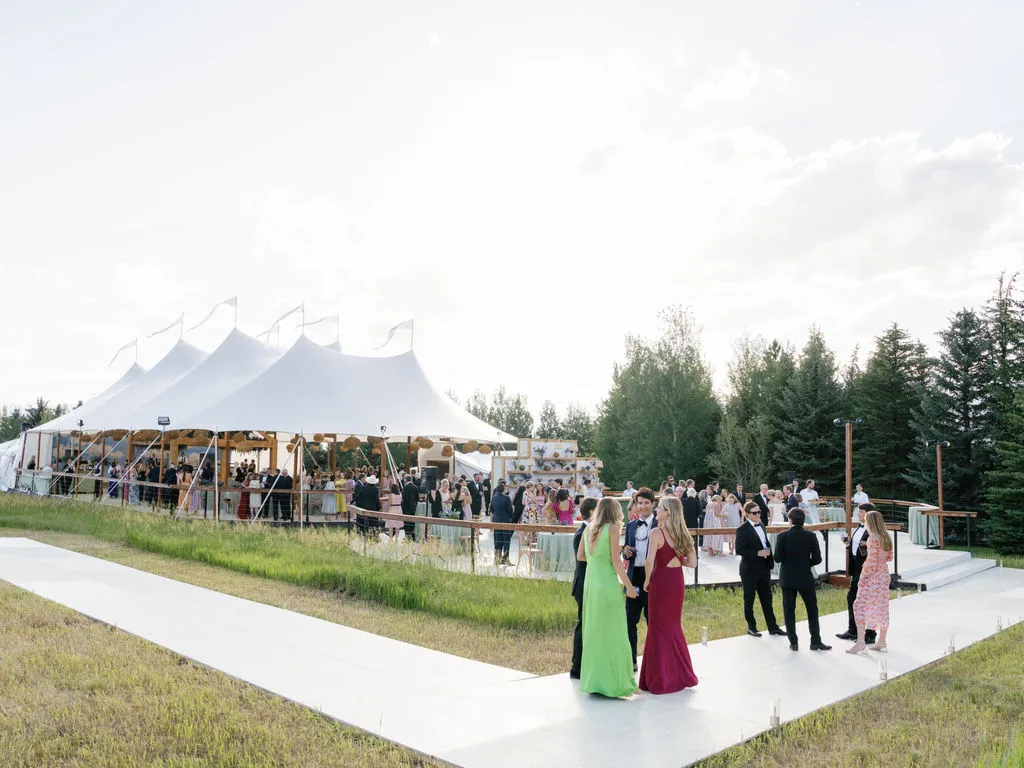
The layout of a wedding tent sets the foundation for how guests interact with the space, which is why many planners begin with a complete guide to outdoor wedding tents when designing large-scale summer events. A well-thought out design ensures that movement feels intuitive rather than forced, allowing guests to navigate the environment without hesitation. Every element, from table placement to walkway design, contributes to how efficiently guests move throughout the event. Careful planning at this stage prevents issues later when the tent is fully occupied.
Designing Clear Circulation Paths
Clear and well defined pathways are critical for maintaining consistent guest movement. Primary aisles should connect key areas such as entrances, seating zones, dance floors, and service stations. These pathways must be wide enough to accommodate peak movement, especially during transitions like dinner service or entertainment shifts.
Secondary pathways can be introduced to reduce pressure on main aisles. These smaller routes provide alternative options for guests, preventing crowd buildup in one direction. Testing these paths during planning by walking through the layout or simulating movement helps identify potential congestion points before the event begins. Visualizing how guests will move during peak moments offers valuable insight into potential problem areas.
Structuring Functional Zones
Dividing the tent into functional zones improves both organization and flow, especially when planning a well-balanced wedding reception tent layout for dining, dancing, and lounge spaces. Dining, dancing, lounging, and service areas should each have clearly defined spaces while remaining visually connected.
A central dance floor often acts as a focal point, drawing guests from surrounding areas. Dining tables placed around this space allow easy access while maintaining visibility. Lounge areas positioned along the perimeter provide quieter spaces and help distribute guests more evenly throughout the tent. This balance prevents overcrowding in high-traffic zones and encourages natural movement. Thoughtful zoning also helps guests quickly understand the layout without needing constant direction.
How Seating and Aisle Design Impact Guest Flow in a Wedding Tent
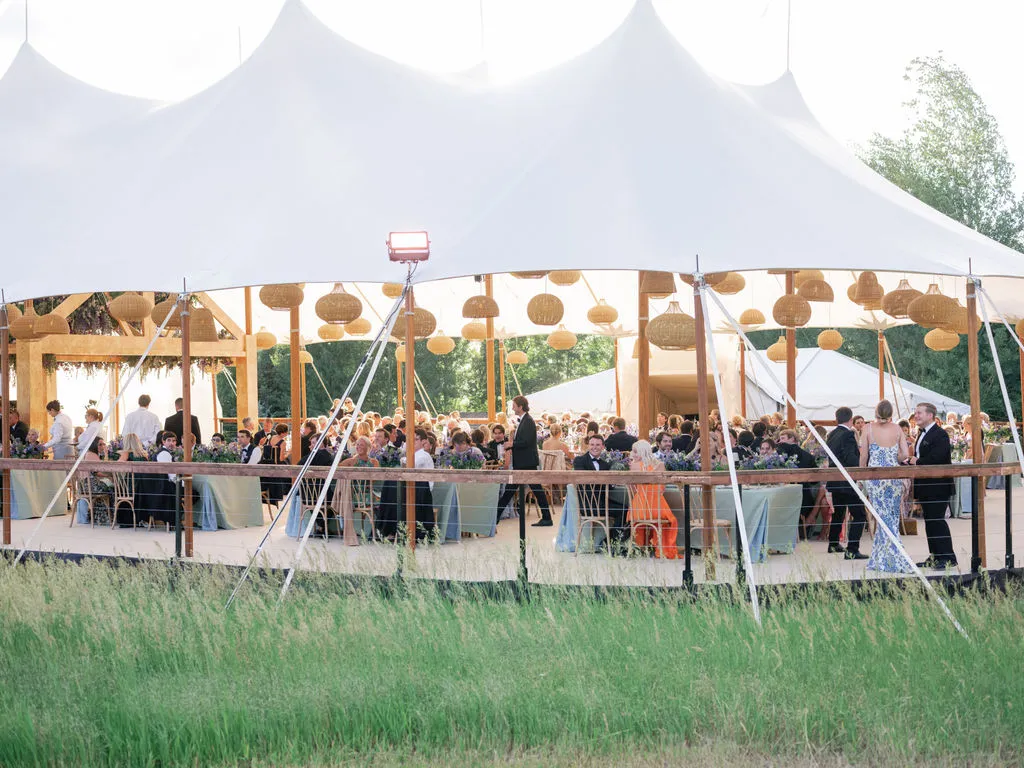
Seating layout directly influences how easily guests can move within the tent. A thoughtful arrangement supports both comfort and accessibility while preventing bottlenecks that disrupt the flow of the event. Small adjustments in spacing can make a significant difference in how guests experience the space.
Spacing Tables for Comfort and Flow
Proper spacing between tables is essential for smooth circulation. Guests should be able to move between tables without difficulty, and service staff should have enough room to operate efficiently.
Overcrowding the layout often leads to discomfort and restricted movement. Allowing slightly more space between tables improves both flow and overall guest experience. Round tables are commonly used because they create flexible pathways and encourage interaction without blocking movement. Planners should also consider chair placement and how guests will enter and exit seating areas during busy periods.
Maintaining Effective Aisle Design
Aisles must remain clear and consistent throughout the event. They should provide direct access to key areas such as exits, restrooms, and service stations while accommodating both guests and staff.
To maintain efficient aisle flow:
- Keep pathways free of décor, equipment, or temporary obstructions
- Ensure consistent aisle widths across the layout
- Provide direct routes between high-traffic areas
Including diagonal or secondary pathways can further improve movement by reducing reliance on a single main route. This approach helps disperse foot traffic more evenly and reduces the likelihood of congestion forming at specific points.
How to Manage Entry, Exit, and High-Traffic Areas in a Wedding Tent
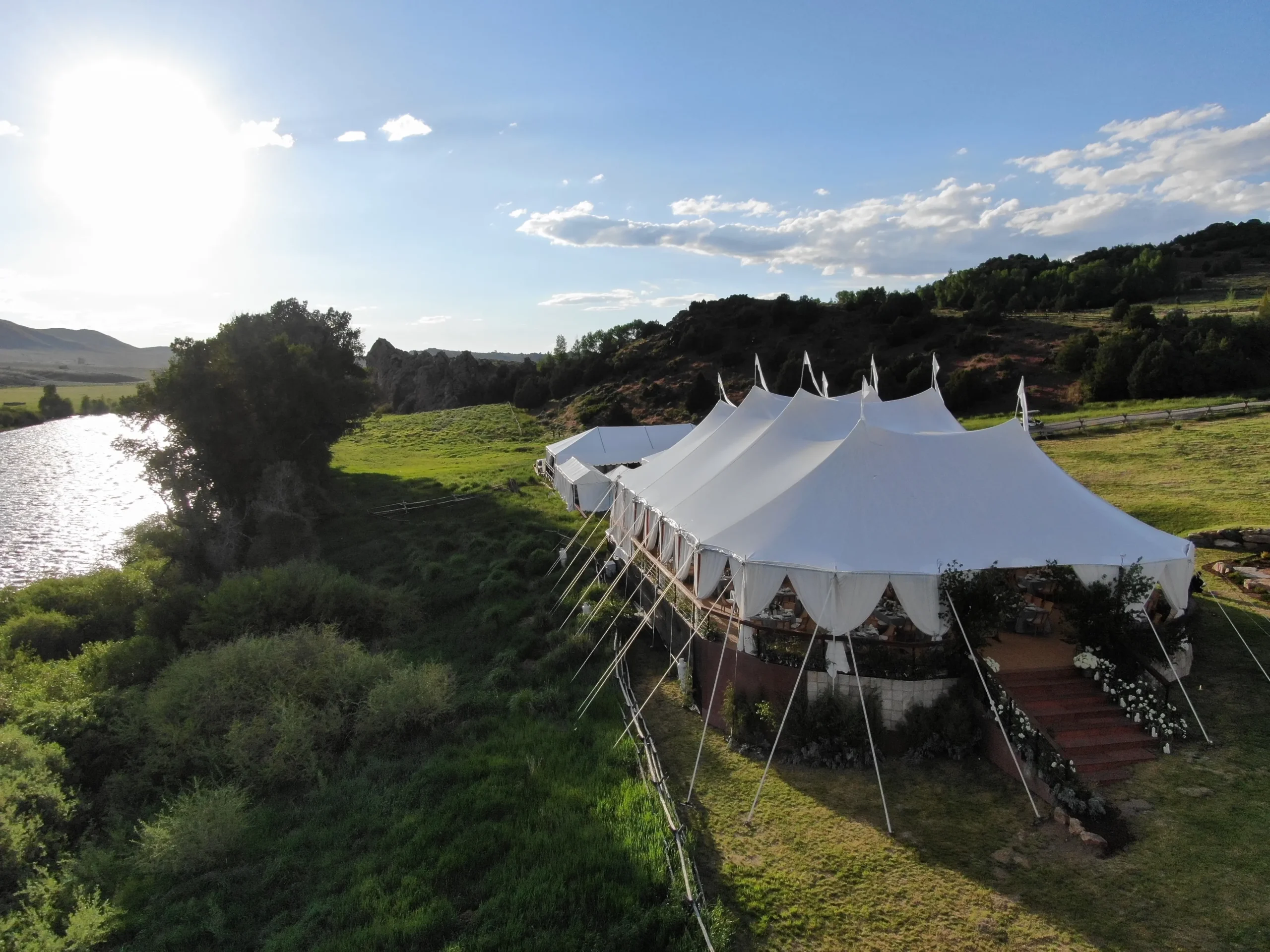
Entry and exit points are often the busiest areas within a wedding tent. Managing these locations effectively prevents congestion and ensures a smooth experience from arrival to departure. These areas set the tone for the event and influence how guests perceive organization and flow. Proper planning of these zones helps avoid confusion, reduces waiting times, and creates a welcoming first impression that carries throughout the entire event experience.
Organizing Entry and Exit Flow
Clearly defined entry and exit points help guide guests and reduce confusion. When possible, separating entry and exit routes creates a more controlled flow and prevents crowding at key access points.
Signage at entrances should be visible and easy to understand, directing guests immediately upon arrival. Coordinating with external logistics such as parking or drop-off areas ensures that guests are distributed evenly rather than arriving all at once. Managing the arrival experience effectively helps avoid initial congestion that can carry into the event.
Handling High Traffic Transitions
Certain moments during the event naturally create surges in movement. These include meal service, bar openings, and transitions to entertainment areas.Managing these transitions requires careful planning and precise timing to avoid congestion, maintain steady flow, and ensure guests move comfortably between different zones.Managing these transitions requires careful planning:
- Stagger food service or buffet access
- Open multiple service stations simultaneously
- Use announcements or cues to guide guest movement
Controlling these peak moments prevents sudden congestion and keeps the event running smoothly. A steady flow ensures guests remain comfortable and engaged. Timing plays a crucial role, as even small delays or overlaps can lead to crowd buildup.
Improve Guest Comfort While Maintaining Smooth Flow Inside a Tent
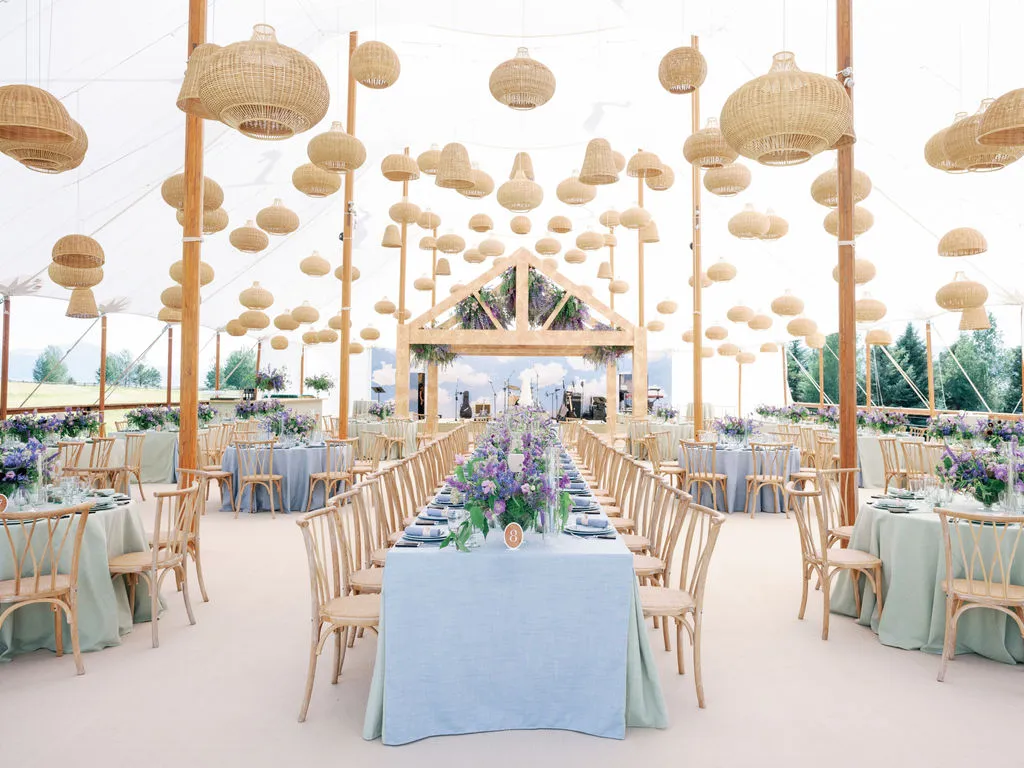
Guest flow is closely tied to overall comfort. A well organized space allows guests to move freely, socialize naturally, and enjoy each part of the event without feeling restricted. Comfort directly impacts how long guests stay engaged and how they experience different areas of the tent.
Creating Comfortable Movement Spaces
Comfortable spacing throughout the tent reduces crowding and improves accessibility. Guests should have enough room to move between areas without encountering obstacles or tight spaces.
Flooring plays an important role in comfort, especially when selecting outdoor wedding tent flooring options that support guest movement and formal event setups. Stable, level surfaces make walking easier and reduce the risk of slipping. This is especially important for formal events where guests may be wearing heels or formal footwear. Temperature control also affects movement guests tend to avoid areas that feel too warm or crowded, which can lead to uneven distribution across the space.
Using Visual Cues and Signage
Clear signage helps guests navigate the space with confidence. When guests know where to go, they move more efficiently and avoid unnecessary delays.
Lighting can also guide movement. Brighter areas naturally attract attention, while softer lighting defines quieter zones. Combining signage with lighting creates an intuitive environment where guests can move without needing constant direction from staff. Subtle visual guidance helps maintain flow without interrupting the atmosphere of the event.
Control Guest Flow in Real Time with Staff and Safety Planning
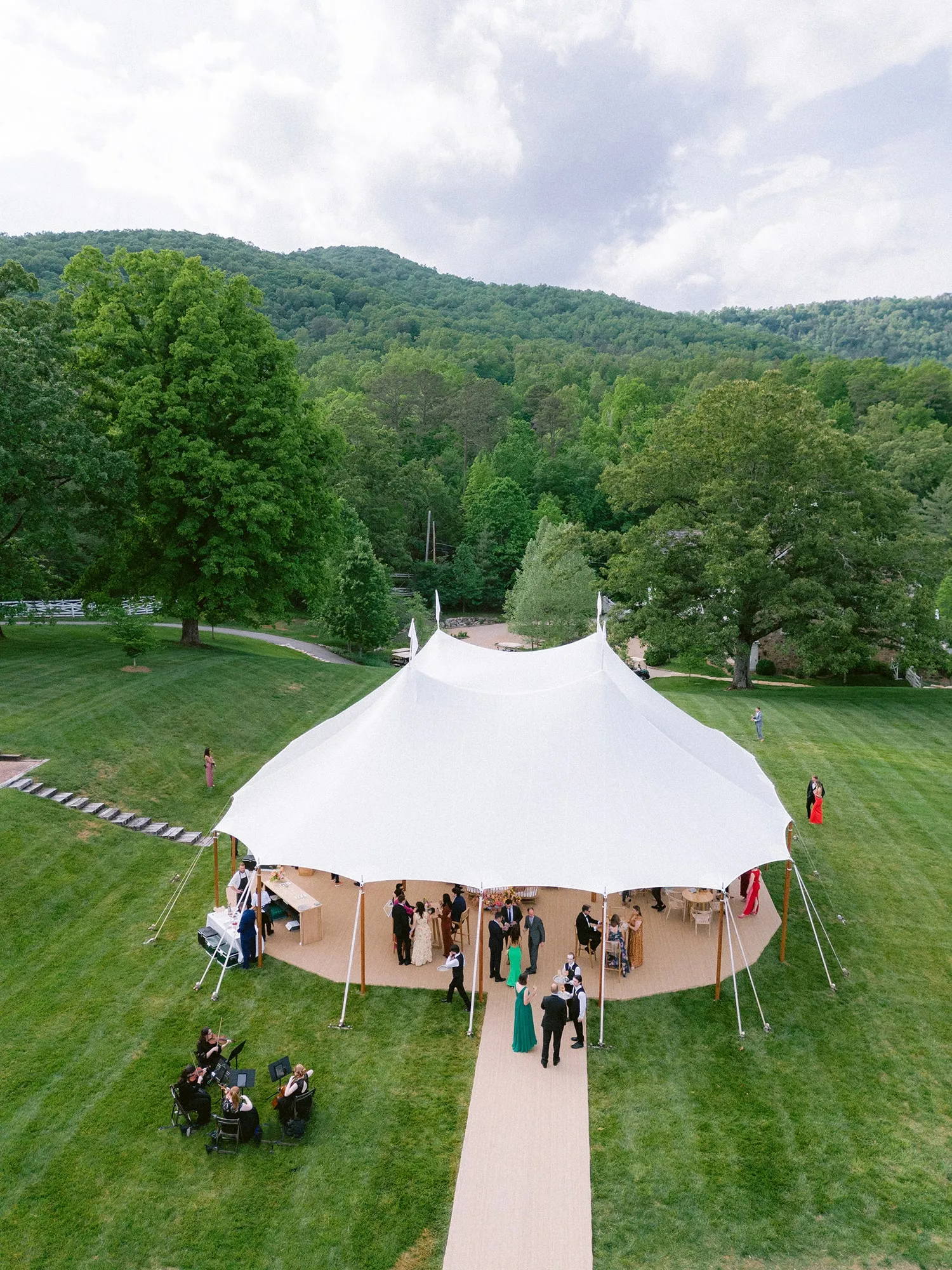
Even the best layout requires active management during the event. Safety measures and staff coordination ensure that guest flow remains smooth and controlled from start to finish. Ongoing monitoring allows planners to respond quickly to changing conditions. Staff should be positioned at key points such as entrances, service areas, and main aisles to observe movement patterns and assist guests when needed. Clear communication between team members helps address congestion before it becomes a problem. Simple adjustments, such as redirecting traffic or opening additional service points, can significantly improve flow.
Key safety considerations include:
- Clearly marked and accessible emergency exits
- Regular inspection of tent structure and equipment
- Keeping all pathways free from obstacles
Planning for safety ensures that movement remains organized while protecting guests in any situation. A safe environment also allows guests to move with confidence throughout the event.
Managing Flow in Real Time
Staff play a crucial role in maintaining guest flow during the event. Trained team members can guide guests, manage queues, and respond quickly to congestion.Real-time monitoring allows planners to adjust as needed. If one area becomes crowded, staff can redirect guests or modify service timing to balance movement. Clear communication between team members ensures quick responses and prevents disruptions. Having a dedicated point of coordination helps maintain control over the entire flow process. Consistent staff presence also reassures guests, making the environment feel organized and well-managed while supporting a smooth and uninterrupted event experience.
Frequently Asked Questions
What factors should be considered when choosing a wedding tent size?
Select tent size based on guest count, layout, and planned activities. Allow enough space for seating, circulation, and service areas to avoid overcrowding.
How can lighting affect guest flow in a wedding tent?
Lighting helps define pathways and key areas, guiding guests naturally and reducing confusion.
What role does music play in managing guest movement?
Music influences how guests move between areas, with different tempos encouraging different types of activity.
How can technology assist in managing guest flow?
Technology such as digital signage and mobile check-in can reduce congestion and improve navigation, making guest movement faster, smoother, and more efficient throughout the event space.
Conclusion
Managing guest flow inside a large wedding tent requires careful planning, thoughtful design, and active coordination. A clear layout, proper spacing, and well-managed transitions allow guests to move comfortably and naturally throughout the event. By focusing on both functionality and experience, planners can create a space that feels organized, welcoming, and effortless to navigate, ensuring a successful and memorable celebration for every guest in attendance.
For couples and planners looking to elevate their event with expertly designed tent layouts and seamless execution, Skyline Tent Company delivers luxury tent solutions that transform your vision into an unforgettable experience. Schedule your private consultation to start planning a space that truly stands out.