
Planning an outdoor wedding tent for summer requires careful coordination of tent style, layout, setup, and environmental considerations to create a comfortable, visually refined event space. The right tent transforms an open setting into a structured venue while supporting guest flow, weather protection, and overall event functionality.
Summer weddings introduce unique challenges such as heat, airflow, and shifting weather conditions, which is why many couples explore summer tent cooling solutions. Every decision, from tent selection to layout design, directly affects guest comfort and operational efficiency. When these elements are planned together, the result is a seamless and elevated celebration that feels both intentional and effortless.
A well-designed tent does more than provide coverage. It becomes the architectural foundation of the entire event, influencing how guests move, interact, and experience each moment throughout the day and evening.
Why Outdoor Wedding Tents Are Essential for Summer Events
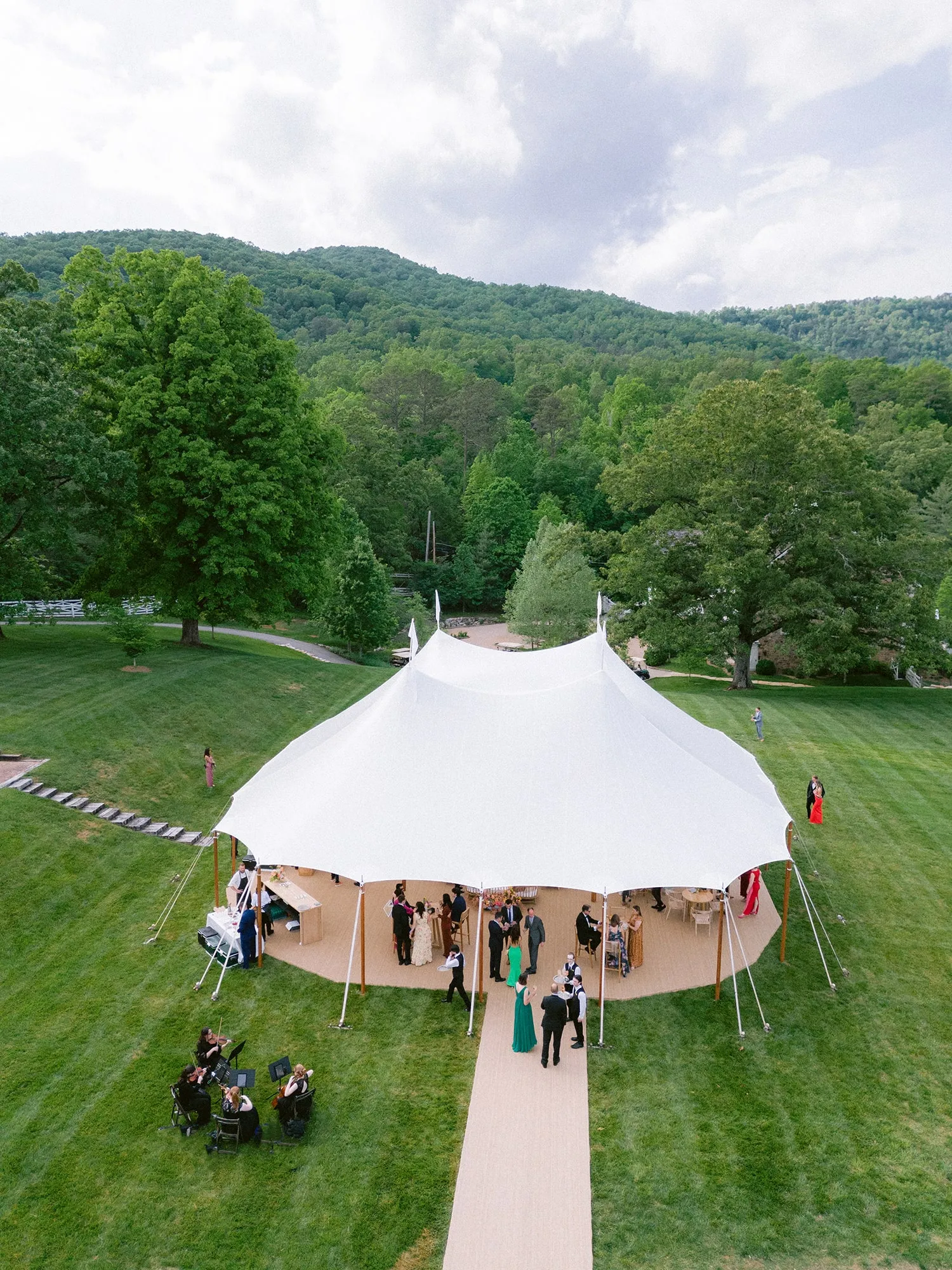
Outdoor wedding tents play a central role in creating a controlled, comfortable, and visually refined environment for summer celebrations. They allow couples to host events in open settings while maintaining the structure and functionality of a traditional venue. This balance between openness and control is what makes tented weddings especially effective during warmer months.
A tent also serves as the foundation for the entire event layout. It defines how space is organized, how guests move, and how different elements, such as dining, dancing, and social areas, connect with one another. Without a well-planned tent structure, outdoor weddings can quickly feel unstructured or difficult to manage.
Managing Summer Climate and Comfort
Summer weather introduces variables such as heat, humidity, and direct sunlight, all of which can impact guest comfort and overall event performance. A properly selected and positioned tent helps regulate these conditions by providing consistent shade and reducing exposure to harsh environmental elements.
Ventilation becomes a key factor in maintaining a pleasant atmosphere. Open-sided tents, strategic orientation, and airflow planning allow heat to dissipate more effectively, preventing the space from feeling enclosed or stagnant. This is especially important during peak daytime hours when temperatures are at their highest.
Tent placement also plays a significant role. Positioning the structure to take advantage of natural shade, wind direction, and sun movement can significantly improve comfort without requiring additional interventions. When combined with thoughtful layout planning, these factors help create a stable and enjoyable environment for guests throughout the event.
Supporting Flexible Event Design
One of the greatest advantages of outdoor wedding tents is their ability to support fully customized layouts. Unlike fixed venues, tents provide a blank canvas that can be adapted to match the scale, style, and flow of the event.
This flexibility allows for intentional zoning within the space, including carefully planned wedding tent lounge areas for guest comfort and flow. Dining areas, dance floors, lounges, and service stations can be arranged in a way that enhances both functionality and visual balance. Each area can be designed to serve a specific purpose while still feeling connected to the overall environment.
Tents also allow for seamless integration of design elements such as lighting, draping, and décor. These additions can transform the interior into a cohesive and immersive setting that reflects the couple’s vision.
This level of adaptability is especially valuable for summer weddings, where outdoor conditions, guest count, and site characteristics can vary significantly. A well-designed tent ensures that these variables are managed effectively while maintaining a consistent and elevated experience.
Choosing the Right Tent Styles for Outdoor Summer Weddings
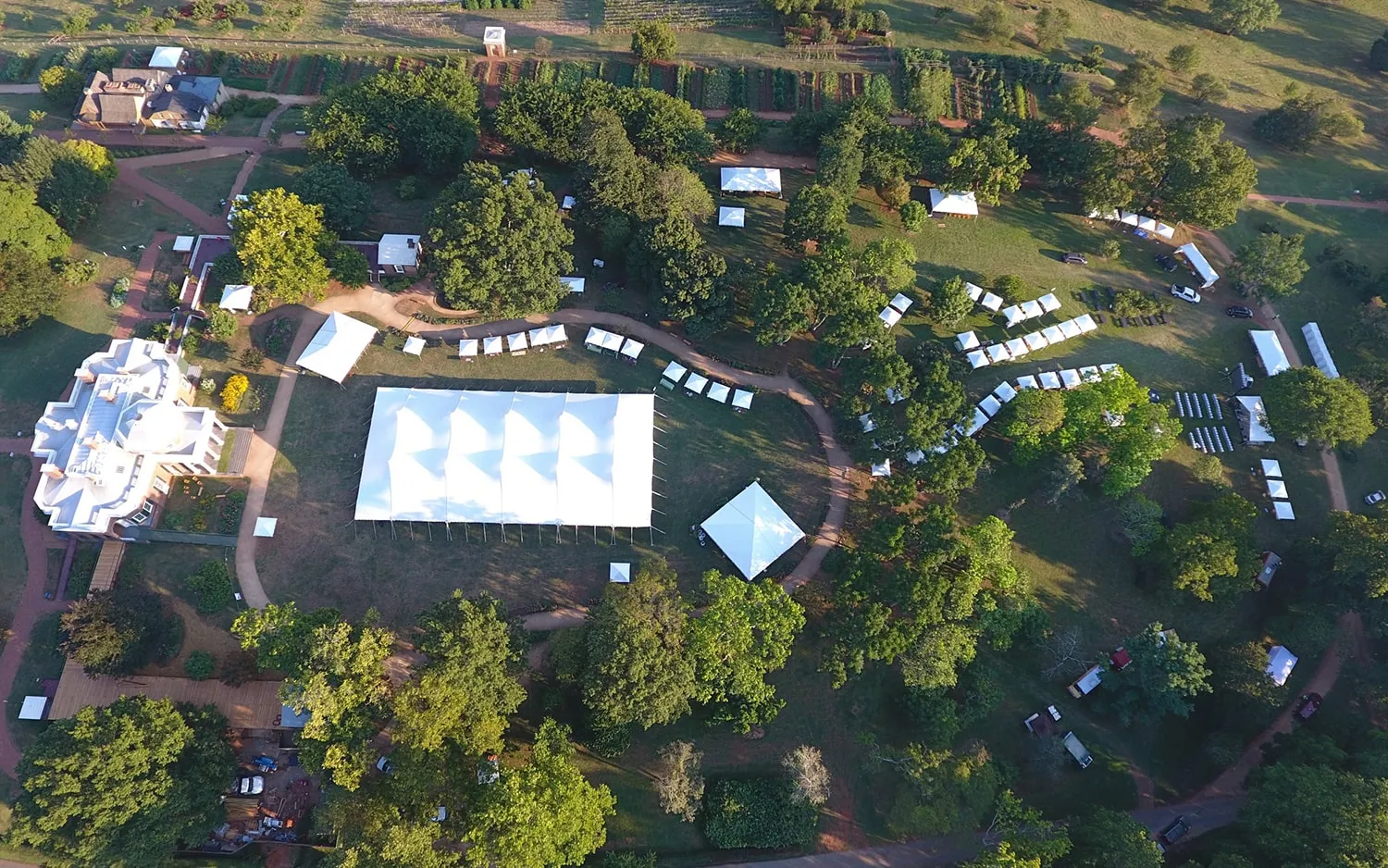
Selecting the right tent style defines both the visual tone and functional performance of the event. Each structure offers different advantages depending on layout needs and site conditions.
Pole Tents for Classic Summer Wedding Aesthetics
Pole tents are known for their high peaks and elegant lines, making them ideal for traditional outdoor weddings. Their structure creates a dramatic visual effect while maintaining an open feel.
They require staking into the ground, making them best suited for grassy surfaces. The presence of center poles should be factored into layout planning, particularly for seating and dance floor placement.
Frame Tents for Flexible Outdoor Wedding Layouts
Frame tents provide a clean, modern appearance with no interior poles, allowing for unobstructed layouts. This makes them highly adaptable for a variety of event designs.
They can be installed on both soft and hard surfaces, making them a versatile choice for different venues. Their structure supports precise layout planning and clear sightlines.
Clear Span Tents for Large-Scale Summer Weddings
Clear span tents are engineered for large events and complex layouts. With no internal supports, they provide maximum usable space for dining, staging, and entertainment.
These tents are ideal for larger guest counts and allow for advanced lighting and design installations. Their structural capability makes them a preferred option for high-capacity events.
Sailcloth Tents for Elegant, Light-Filled Settings
Sailcloth tents feature translucent fabric that allows natural light to filter through, creating a soft and inviting atmosphere. As daylight fades, the material produces a warm glow that enhances the overall ambiance.
They are well-suited for scenic outdoor environments and complement natural or minimalist design styles. Their aesthetic adds a refined, romantic quality to summer weddings.
Designing Outdoor Wedding Tent Layouts for Flow and Functionality
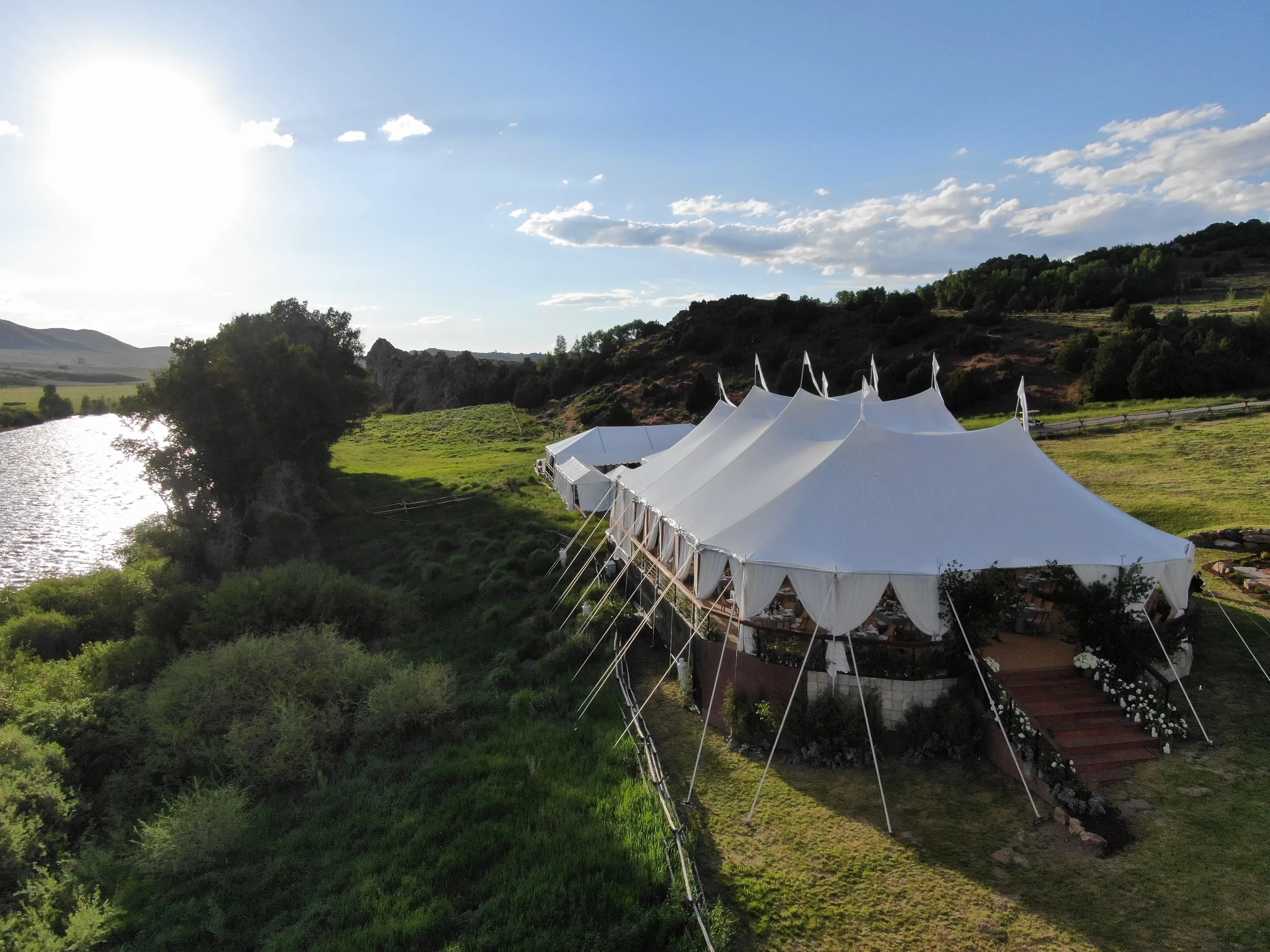
A well-planned layout ensures that guests can move comfortably while maintaining a structured and organized environment. Every element within the tent should serve a purpose, contributing to both functionality and visual balance. The layout not only affects how the event looks but also how smoothly it operates from start to finish.
In a tented setting, there are no fixed walls or built-in pathways, which makes layout planning even more important. Thoughtful positioning of furniture, service areas, and activity zones helps guide guest movement naturally without the need for direction. When done correctly, guests can intuitively navigate the space without encountering congestion or confusion.
Planning Seating and Dining Areas
Seating arrangements influence how guests interact and how space is utilized throughout the event. Round tables encourage smaller group conversations, while banquet-style tables create a more communal and connected atmosphere. The choice of seating should reflect both the event style and the desired guest experience.
Spacing between tables is just as important as the table type itself. Adequate distance allows guests to move comfortably while giving service staff enough room to operate efficiently. Tight spacing can disrupt both guest comfort and service flow, especially during peak dining periods.
Positioning Dance Floors and Service Areas
The placement of key elements defines how the event flows and where guests naturally gather. These areas should be positioned in a way that supports movement without creating congestion or overlap.
Key layout considerations include:
- Central dance floor placement to encourage engagement
- Separation of dining and service zones to reduce congestion
- Strategic placement of bars and catering stations
- Clear transitions between activity areas
Positioning the dance floor centrally helps anchor the layout and keeps energy visible throughout the tent. Guests are more likely to participate when the activity is easily accessible and within view.
Service areas such as bars and catering stations should be placed along the perimeter or in designated zones to prevent crowding in main circulation paths. This allows guests to access services without interrupting the flow of the event. For more detail, see our article Perfect Your Big Day with Wedding Tent Rental Services.
Clear transitions between zones, such as dining, dancing, and lounging, help define the space while maintaining a cohesive layout. Subtle design cues like lighting or furniture placement can guide guests without the need for physical barriers.
A balanced layout supports both guest movement and operational efficiency, ensuring the event feels smooth, organized, and enjoyable from beginning to end.
Planning Tent Size and Capacity for Summer Weddings
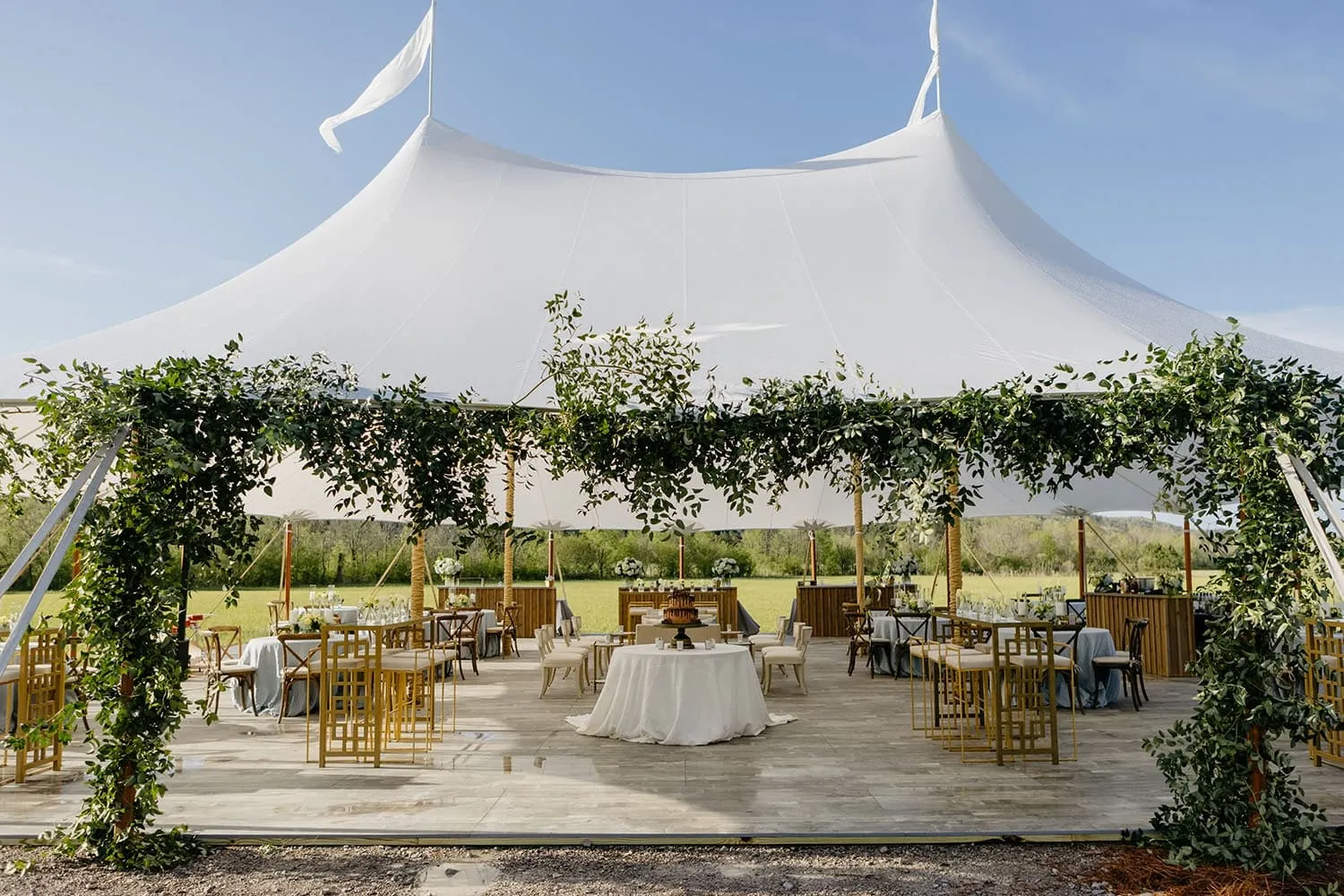
Tent size must reflect both guest count and overall event design. A properly sized tent ensures comfort, flexibility, and efficient use of space, allowing the event to feel open rather than restricted. The goal is to create an environment where guests can move freely while all functional areas operate without interference.
In summer weddings, space planning becomes even more important due to heat and airflow considerations. A tent that is too small can feel crowded and uncomfortable, while a well-sized structure allows for better ventilation, smoother circulation, and a more relaxed atmosphere.
Estimating Space Requirements
Space planning should account for more than just seating. Additional areas such as dance floors, lounges, service stations, and transitional spaces must be included to ensure the layout functions properly throughout the event.
Important considerations include:
- Guest count and seating style
- Circulation paths for movement
- Space for entertainment and staging
- Room for vendor operations
Beyond these basics, it is important to account for buffer zones between key areas. These spaces help prevent congestion and allow guests to transition naturally between different parts of the event. For more detail, see our article How Do You Combine Summer Outdoor Ceremony And Tent Reception Spaces.
Planning with extra space improves comfort and prevents crowding during peak moments, such as dinner service or dancing. It also allows flexibility for last-minute adjustments, whether that involves additional guests, expanded décor, or changes in layout.
Scaling Layouts for Larger Guest Counts
As guest numbers increase, layouts must expand to maintain balance and flow. Larger tents provide the flexibility to divide the space into clearly defined zones, such as dining, dancing, and social areas.
Creating these zones helps manage guest movement while ensuring that no single area becomes overcrowded. It also allows each part of the event to function independently while still feeling connected to the overall layout.
For larger weddings, spacing between zones becomes just as important as the zones themselves. Adequate separation ensures that sound, movement, and service operations do not interfere with one another. You may also find Why a Full-Service Tent Rental Partner Elevates Weddings helpful.
This approach ensures that even high-capacity events feel organized, comfortable, and visually balanced. A well-scaled layout maintains a sense of openness and structure, allowing guests to fully enjoy the event without feeling confined.
Managing Tent Setup and Installation for Smooth Execution
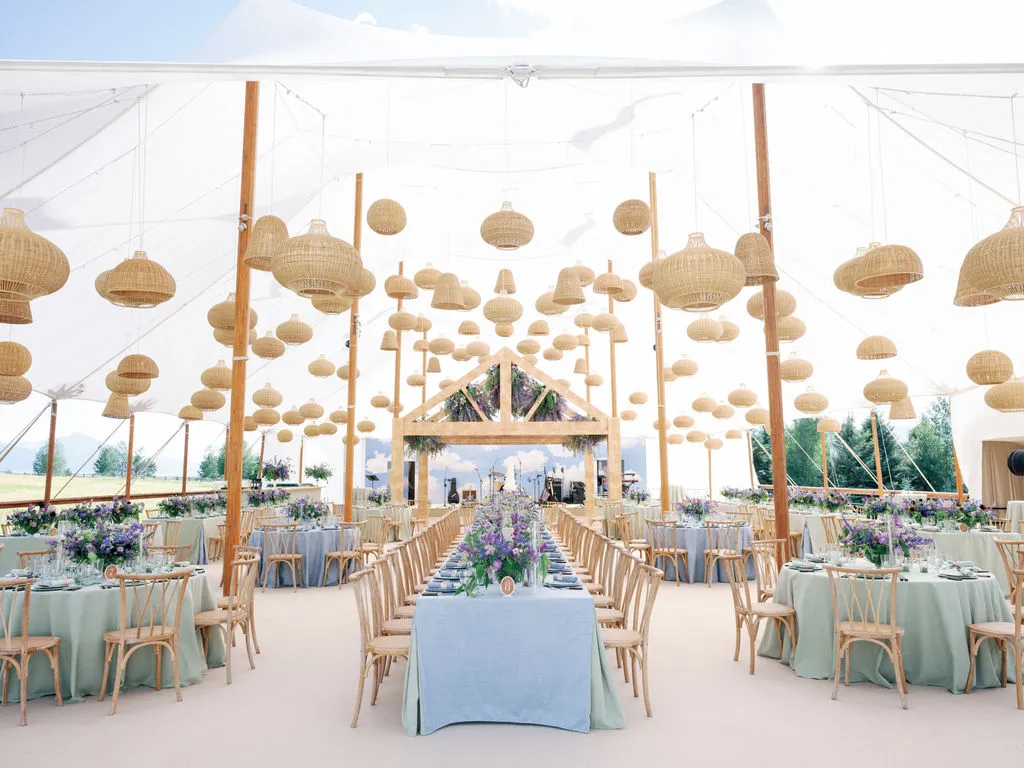
Proper setup is essential for safety, efficiency, and overall event success. Each stage of installation must be carefully coordinated to ensure the tent performs as expected and supports all planned event elements. A well-executed setup not only prevents structural issues but also allows other vendors to work efficiently within a stable and organized environment.
Conducting Site Surveys and Preparation
A detailed site survey identifies terrain conditions, access points, and potential obstacles, making tent installation planning an essential part of the overall event process. This ensures the tent is positioned correctly and securely from the start.
Evaluating drainage, slope, and surrounding structures helps prevent complications during installation. Ground conditions must be suitable for anchoring, and any uneven surfaces should be addressed before setup begins.
Access routes for delivery vehicles and equipment should also be considered during this stage. Proper planning ensures that installation can proceed without delays or logistical challenges, especially in larger or more complex setups.
Coordinating Vendors and Setup Timelines
Vendor coordination ensures that setup progresses efficiently and without overlap. The tent should always be installed first, providing the foundation for all other elements such as décor, lighting, and catering.
Clear timelines and structured communication allow each vendor to work within designated windows, reducing congestion and confusion on-site. Assigning specific setup phases helps maintain order and ensures that critical tasks are completed in the correct sequence.
A coordinated approach also allows for adjustments if unexpected challenges arise, ensuring the overall schedule remains intact.
Essential Components for a Fully Functional Wedding Tent
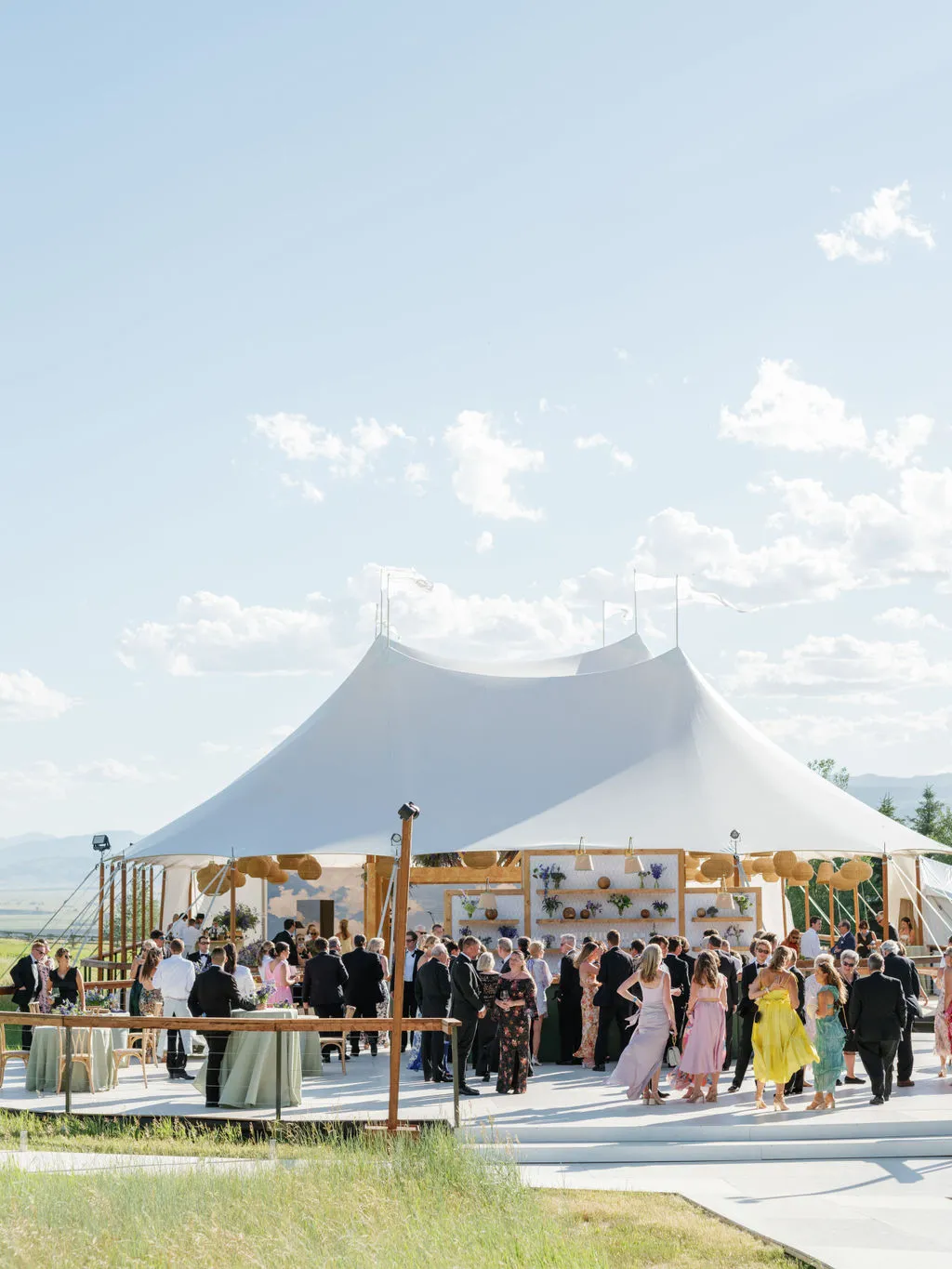
A complete tent setup includes multiple elements that enhance both comfort and usability. These components work together to create a stable, functional, and visually refined environment. Read more in Tailor Your Perfect Ceremony With These Wedding Tent Designs.
Flooring, Lighting, and Structural Additions
Flooring improves stability and creates a consistent surface for guests, especially on uneven or soft ground. It also enhances accessibility and supports furniture placement.
Lighting serves both functional and aesthetic purposes. It ensures visibility during evening hours while defining the mood of the event. Layered lighting designs allow the space to transition smoothly from daytime to nighttime.
Additional elements such as sidewalls, liners, and decorative features contribute to both performance and design. These features can help regulate temperature, provide privacy, and elevate the overall appearance of the tent.
Anchoring Systems and Structural Safety
Proper anchoring ensures that the tent remains secure in varying weather conditions. The method used depends on the surface, tent type, and environmental factors.
Routine checks during setup confirm that all structural components are stable and properly installed. This includes verifying anchor points, tension levels, and connections between structural elements.
Ongoing monitoring during the event further ensures that the structure remains safe and secure under changing conditions.
Preparing Outdoor Wedding Tents for Summer Weather Conditions
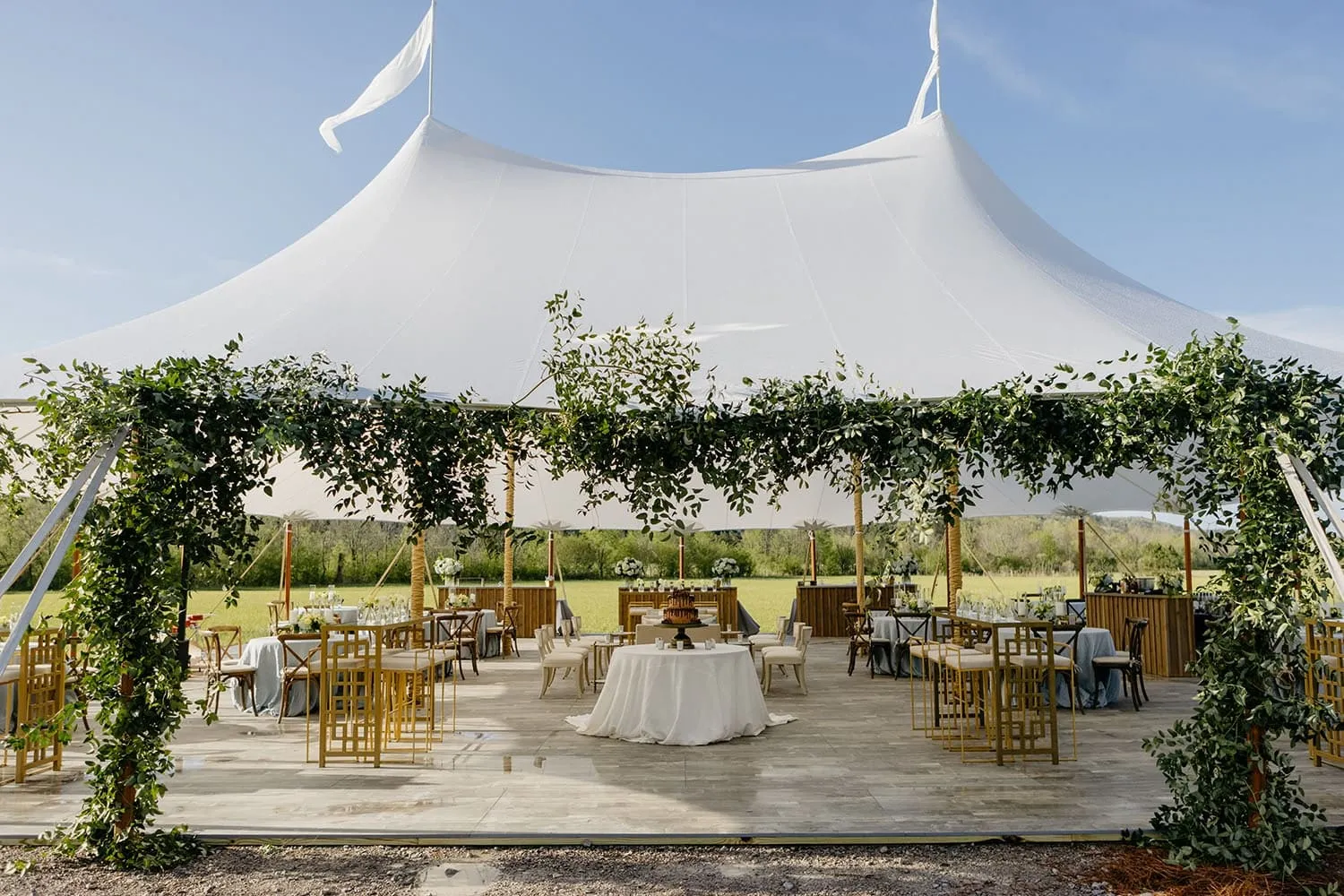
Weather planning is essential for maintaining comfort and avoiding disruptions. Summer conditions can shift quickly, making preparation a critical part of the planning process.
Managing Heat, Wind, and Rain
Summer conditions can vary, making preparation critical for both comfort and safety.
Key considerations include:
- Ventilation to reduce heat buildup
- Secure anchoring for wind resistance
- Drainage planning for rain management
These measures help maintain a consistent and comfortable environment while minimizing the impact of sudden weather changes.
Planning ahead also ensures that vendors are prepared to respond quickly if conditions shift during the event.
Improving Airflow and Temperature Control
Airflow is a major factor in guest comfort. Open tent designs and strategic placement improve ventilation by allowing natural air movement throughout the space.
Supplemental solutions such as fans can enhance cooling without disrupting the overall design. These additions should be positioned carefully to maintain both functionality and visual balance.
Maintaining consistent airflow helps regulate temperature, ensuring that guests remain comfortable even during warmer parts of the day.
Planning Wedding Tent Rentals and Vendor Coordination
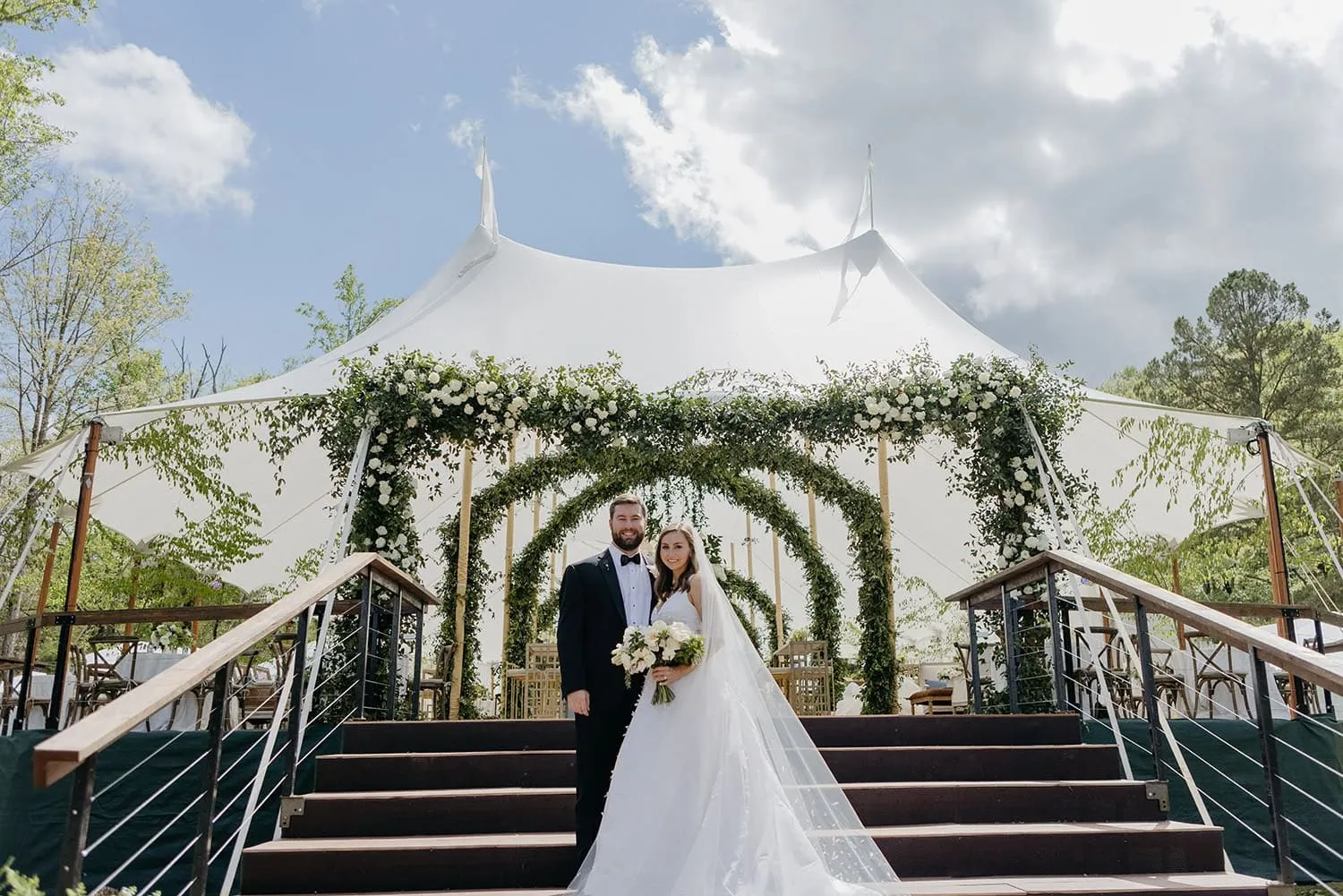
Understanding the rental process is essential for maintaining a smooth and organized planning experience. A well-structured approach to rentals and vendor coordination reduces last-minute complications and ensures that every element of the event is aligned.
Tent rentals involve more than selecting a structure, they require coordination between multiple vendors, timelines, and site-specific requirements. Establishing clear communication early helps create a reliable planning framework.
Booking Timelines and Planning Support
Early booking ensures access to preferred tent styles, sizes, and customization options. Summer is a high-demand season, so securing rentals in advance allows for greater flexibility in both design and scheduling.
Consultation services provide valuable insight into layout planning, site conditions, and logistical requirements. These discussions help identify potential challenges early, allowing adjustments to be made before installation.
Working with experienced providers improves efficiency by ensuring that all technical aspects, such as permits, site preparation, and equipment needs, are addressed in advance. This level of preparation supports a more predictable and stress-free setup process.
Defining Rental Scope and Responsibilities
Clear agreements are essential for establishing expectations and preventing miscommunication. Every aspect of the rental should be documented to ensure that all parties understand their roles.
Important factors include:
- Included equipment and services
- Setup and takedown timelines
- Vendor coordination requirements
- Site preparation responsibilities
Beyond these basics, it is important to clarify details such as access times, equipment staging areas, and any restrictions imposed by the venue. This ensures that vendors can operate efficiently without delays or conflicts. Read more in Alternatives to Tent Restrictions for Your Wedding Venue.
Well-defined terms reduce uncertainty and support smooth execution, allowing the event to proceed without unexpected disruptions.
Customizing Wedding Tents for a Refined Guest Experience
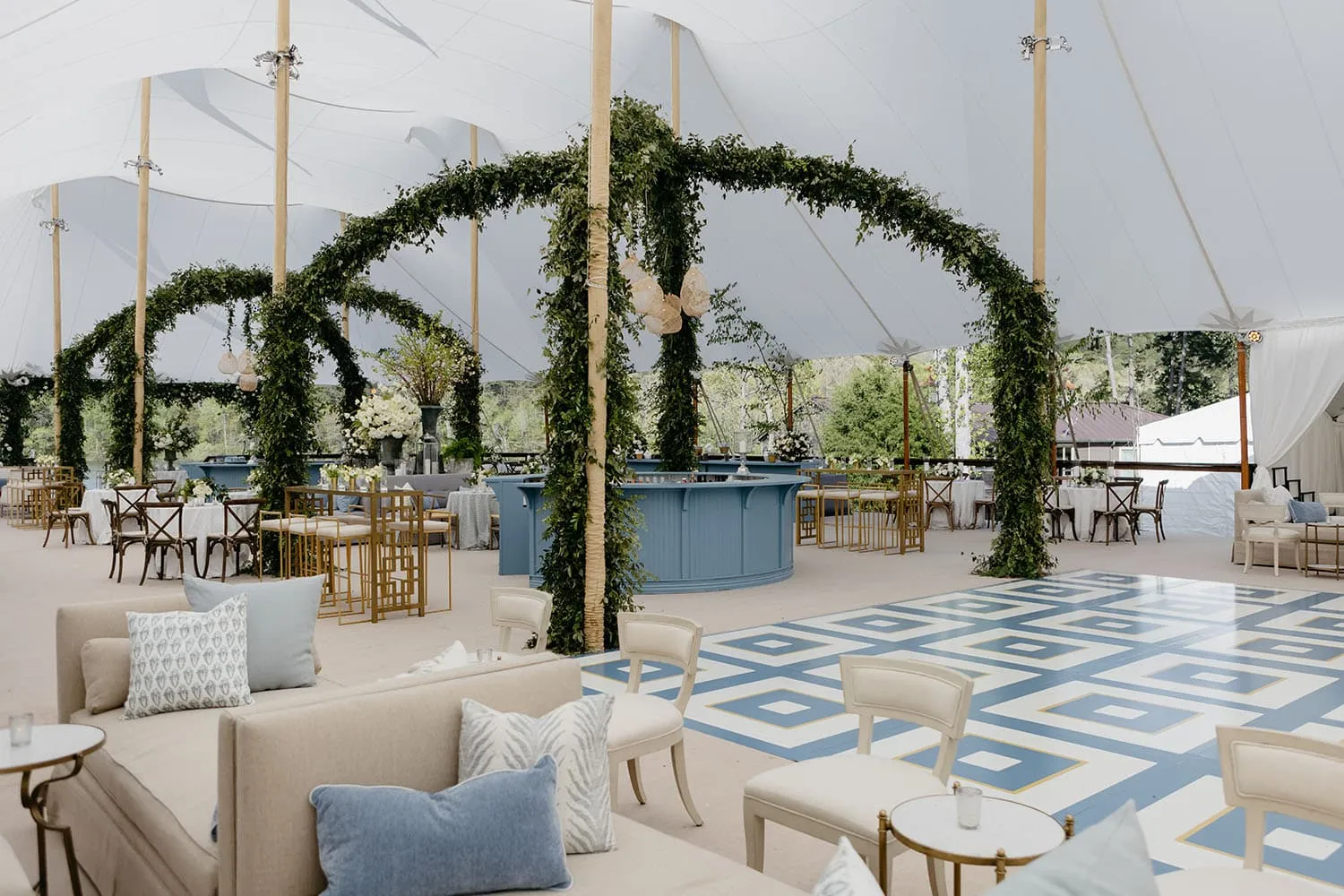
Customization transforms a tent into a fully designed event environment that reflects the style and vision of the wedding. Rather than functioning as a simple structure, the tent becomes an immersive space where every detail contributes to the overall experience. Read more in When to Book Wedding Tent Rentals for Best Availability.
Thoughtful customization enhances both aesthetics and functionality, ensuring the space feels cohesive and intentional.
Enhancing Design With Décor and Lighting
Layered lighting and coordinated décor play a central role in defining the atmosphere of the tent. Ambient lighting sets the tone, while accent lighting highlights key features such as tables, pathways, and focal points.
Décor elements such as draping, florals, and furniture selections should work together to create a unified visual identity. These components add depth and texture to the space, preventing it from feeling flat or unfinished.
Design choices should align with the overall event theme while maintaining functionality. Lighting placement, for example, should enhance visibility without interfering with movement or service operations.
Creating a Cohesive and Immersive Environment
Every element within the tent should work together to create a unified and immersive environment. Consistency across layout, décor, and lighting ensures that the space feels polished and well-balanced.
Transitions between different areas, such as dining, dancing, and lounge spaces, should feel natural and intentional. Subtle design cues, including changes in lighting or furniture arrangement, help guide guests without disrupting the flow.
A cohesive environment enhances both visual impact and guest experience, making the event feel thoughtfully designed from start to finish.
Frequently Asked Questions
What factors should I consider when choosing a tent for my outdoor wedding?
When selecting a tent for your outdoor wedding, consider factors such as the size of your guest list, the layout of the venue, and the style of the event. Additionally, think about the weather conditions typical for your wedding date, as this will influence the type of tent you need. For instance, if you expect high temperatures, a tent with good ventilation is essential. Also, consider the aesthetic appeal of the tent and how it aligns with your wedding theme. You may also find What To Consider Before Choosing A Wedding Tent Provider helpful.
How can I ensure my outdoor wedding tent is secure during inclement weather?
To secure your outdoor wedding tent during inclement weather, ensure it is properly anchored using appropriate methods for the ground type, such as stakes for grass or weights for hard surfaces. Regularly check the tent’s structural integrity throughout the event, especially if weather conditions change. Additionally, consider using sidewalls to protect against wind and rain, and have a contingency plan in place, such as a backup indoor location, in case of severe weather.
What are the best ways to enhance airflow in a wedding tent?
Enhancing airflow in a wedding tent can be achieved through several strategies. Opt for open-sided tents or those with large windows to allow natural ventilation. Positioning fans strategically can also help circulate air without disrupting the overall design. Additionally, consider the tent’s orientation to maximize airflow from natural breezes. Incorporating ventilation features, such as vents or mesh panels, can further improve comfort for guests during warm summer days. Read more in When Should You Book A Wedding Tent For A Summer Wedding.
How do I determine the right tent size for my wedding?
Determining the right tent size for your wedding involves calculating the total number of guests and the layout requirements. A general rule of thumb is to allow 10-12 square feet per guest for seated dining. Additionally, factor in space for other elements such as dance floors, buffet tables, and lounge areas. It’s wise to consult with a tent rental professional who can provide insights based on your specific needs and help ensure a comfortable environment for all attendees.
What are some creative ways to decorate a wedding tent?
Decorating a wedding tent can be a fun and creative process. Consider using draping fabrics to soften the tent’s interior and create an elegant atmosphere. Incorporate string lights or chandeliers for ambient lighting that enhances the mood. Floral arrangements, table centerpieces, and themed décor can also add personal touches. Additionally, using color schemes that align with your wedding theme can create a cohesive look, making the tent feel like a beautifully designed extension of your celebration.
How can I manage the logistics of multiple vendors at my outdoor wedding?
Managing multiple vendors at your outdoor wedding requires clear communication and organization. Start by creating a detailed timeline that outlines when each vendor will arrive and what their responsibilities are. Designate a point person, such as a wedding planner or a trusted friend, to coordinate vendor activities and ensure everyone is on the same page. Regular check-ins during setup can help address any issues that arise, ensuring a smooth execution of the event.
What should I do if my wedding tent rental company cancels last minute?
If your wedding tent rental company cancels last minute, remain calm and take immediate action. First, review your contract to understand cancellation policies and any potential recourse. Then, reach out to alternative rental companies in your area to check availability. Utilize social media or local wedding planning groups for recommendations. Having a backup plan in place, such as a list of alternative vendors, can help mitigate stress and ensure your wedding proceeds smoothly.
Conclusion
Outdoor wedding tents provide the foundation for a successful summer celebration, combining structure, flexibility, and design potential. When tent style, layout, and setup are carefully planned, the result is a seamless and refined event experience that feels both intentional and effortless. See real Skyline weddings in our wedding galleries.
Every detail, from the type of tent selected to the way the space is organized, plays a role in shaping how guests interact with the environment. A well-executed tent design enhances comfort, supports smooth event flow, and creates a visually cohesive setting that elevates the entire celebration.
Skyline Tent Company specializes in creating premium tent environments tailored to each wedding vision. From initial planning and layout design to installation and final execution, their team ensures every element is handled with precision and attention to detail. Schedule your private consultation to explore custom tent options, receive expert guidance, and create a wedding space that reflects your vision with elegance, comfort, and flawless execution. You may also find Create Your Dream Wedding with Custom Outdoor Tents helpful.