
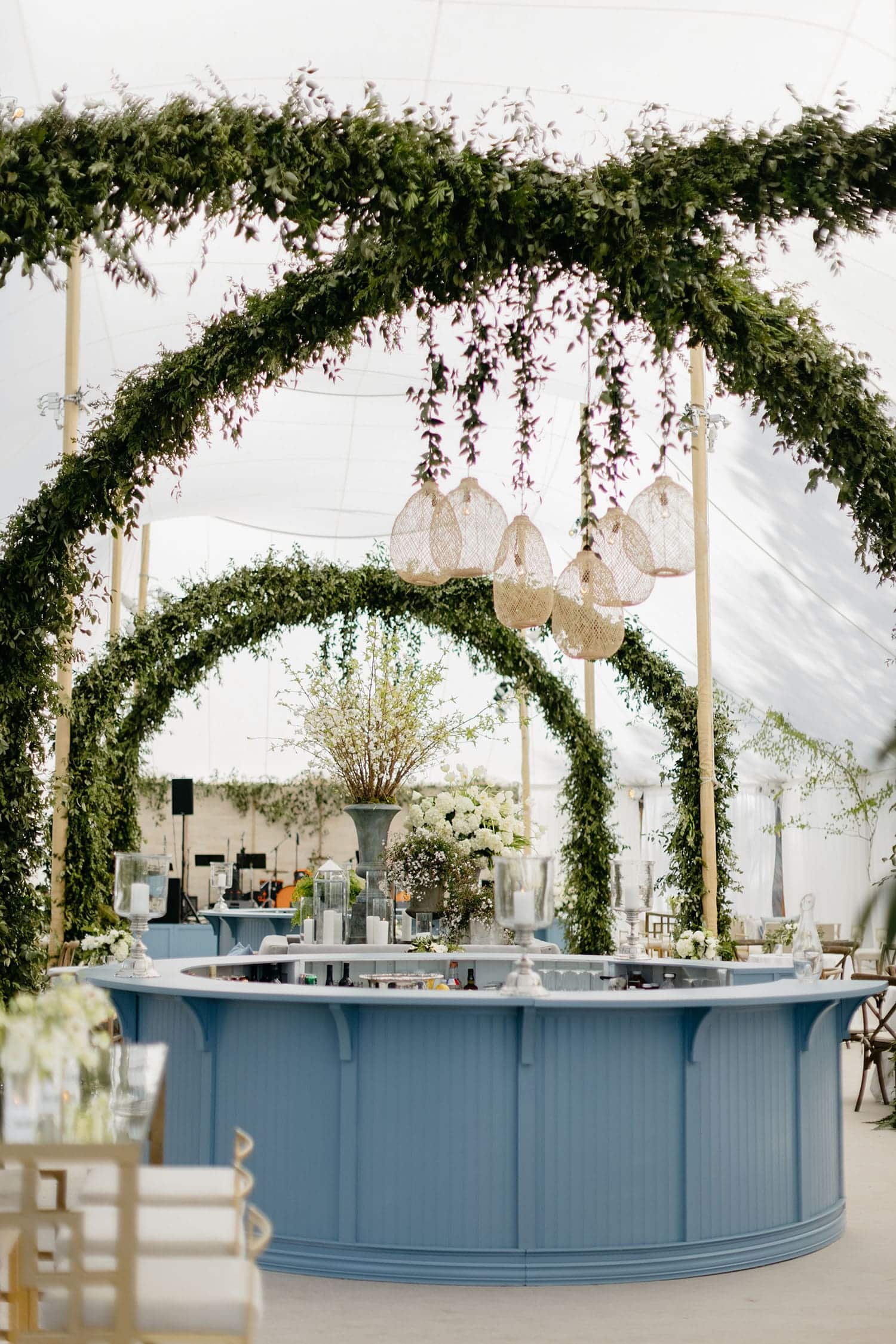
Selecting the right tent material and structural design is one of the most important decisions in outdoor event planning. The materials used in tent construction directly affect durability, weather resistance, maintenance requirements, and visual presentation. At the same time, tent design shapes the atmosphere of the event and influences how guests interact with the environment. Balancing structural performance with aesthetic appeal is essential for creating outdoor event spaces that are both functional and visually refined.
Modern event tents are no longer viewed as simple temporary shelters. Corporate gatherings, luxury weddings, festivals, and large-scale hospitality events now rely on sophisticated tent systems that combine engineered strength with elevated architectural design. Different material types and structural layouts perform differently under heat, wind, rain, and long-term operational use, making material selection a major factor in event success.
Clearspan tents, frame tents, and sailcloth structures each offer distinct advantages depending on the event’s goals, venue conditions, and desired atmosphere. Understanding how fabrics, framing systems, and design features interact allows planners to create environments that maintain both structural integrity and premium visual quality throughout the event lifecycle.
Understanding Tent Materials and Their Impact on Durability
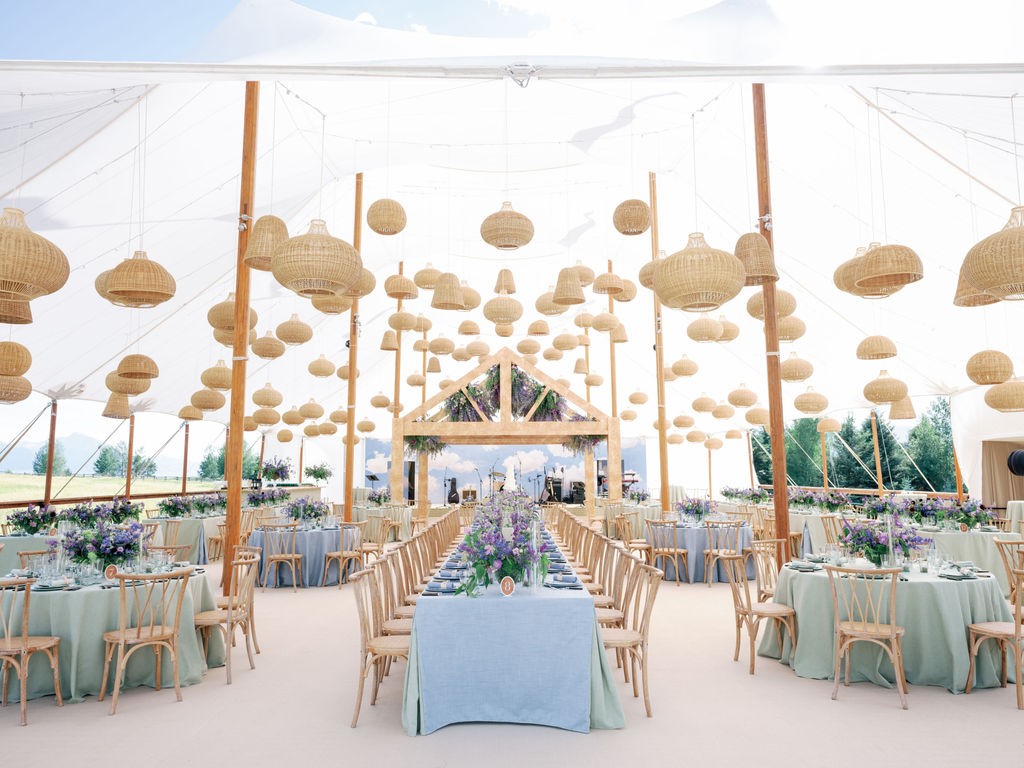
Tent materials determine how well a structure performs under changing environmental conditions. Factors such as UV exposure, rain, wind, and repeated installation cycles all affect the lifespan and reliability of event infrastructure.
Choosing the right material helps maintain structural stability while preserving visual appearance through effective venue tent pairing.
PVC, Polyethylene, and Sailcloth Material Comparisons
Different tent fabrics are designed for different operational priorities. PVC fabric is widely used for premium event structures because it offers strong waterproofing performance, UV resistance, and long-term durability.
The most common tent material options include:
- PVC fabric for high durability and weather resistance
- Polyethylene for lightweight and short-term installations
- Sailcloth for premium aesthetics and tensile strength
PVC materials are often selected for clearspan tents because they maintain structural integrity during prolonged outdoor exposure. Their coated surfaces also simplify cleaning and reduce moisture penetration.
Polyethylene is typically used for smaller temporary structures because it is lightweight and affordable, though less resistant to UV degradation and repeated use.
Sailcloth combines strong tensile performance with a softer visual finish that enhances luxury event environments.
Weather Resistance and Long-Term Structural Reliability
Outdoor event structures must perform reliably during changing weather conditions. Wind exposure, heavy rainfall, and prolonged sunlight can weaken lower-quality materials and reduce overall service life.
Durable tent materials improve:
- Resistance to moisture and UV-related damage
- Structural consistency during repeated installations
- Long-term maintenance and repair efficiency
High-performance fabrics also help reduce operational downtime because they are less likely to tear, stretch excessively, or fail under tension.
Maintenance practices play a major role in extending material lifespan. Proper cleaning, drying, and storage procedures help preserve fabric coatings, seam integrity, and structural performance over time.
How Clearspan Tents Balance Strength and Visual Appeal
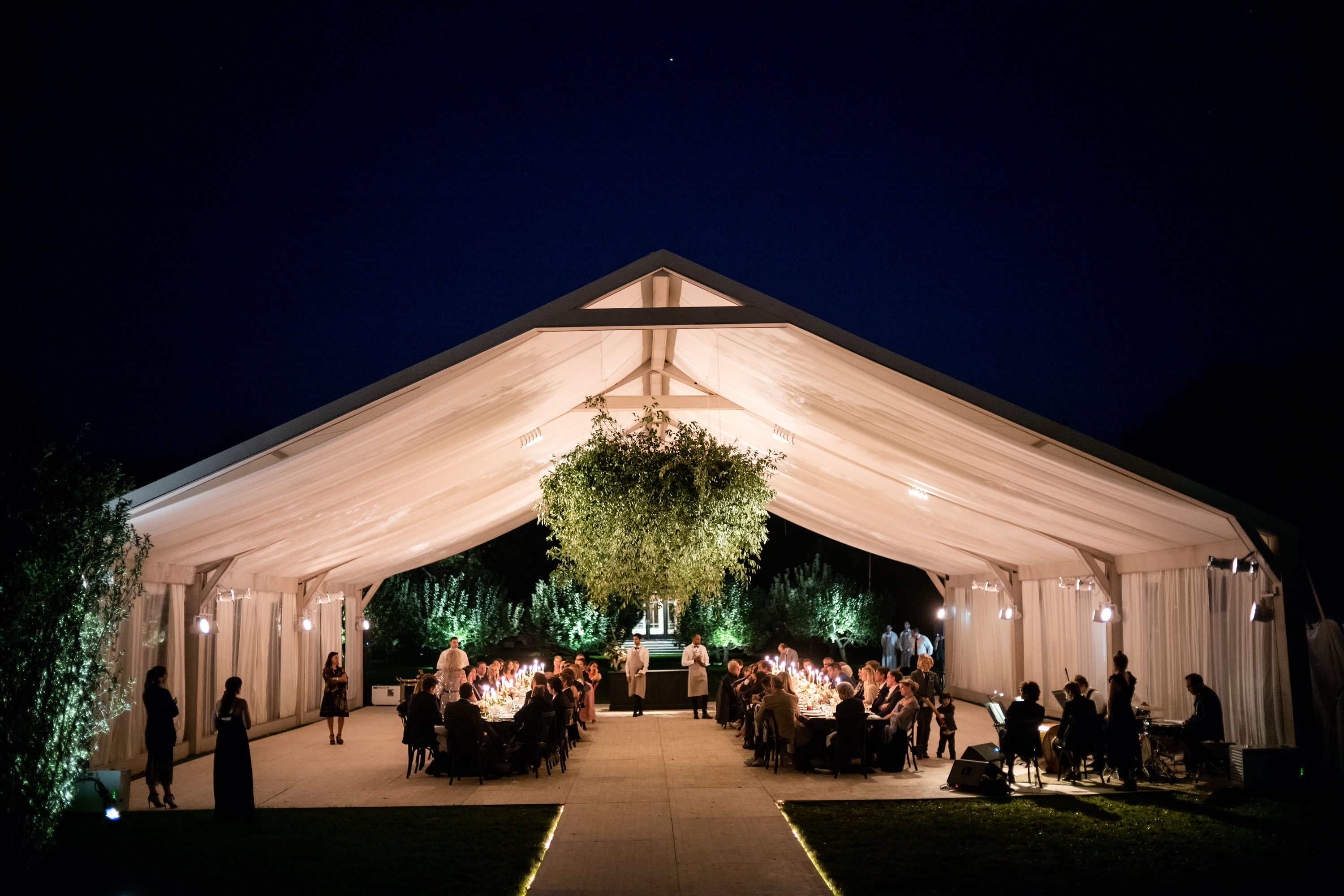
Clearspan tents are widely used for large-scale corporate events, weddings, and luxury gatherings because they combine engineered structural performance with flexible interior layouts.
These structures eliminate interior support poles, creating open environments that improve guest circulation and event functionality.
Structural Engineering and Frame Durability
Clearspan systems rely on engineered aluminum frameworks designed to distribute loads evenly across the structure. This design reduces localized stress points and improves overall stability during challenging weather conditions.
Several structural features contribute to clearspan durability:
- Reinforced aluminum framing systems
- Engineered anchoring and ballast solutions
- Tensioned fabric systems for load distribution
The absence of interior poles allows these structures to support large open layouts while maintaining strong resistance to wind and precipitation.
Because of their engineering complexity, clearspan systems are commonly used for events requiring advanced staging, suspended lighting, and luxury estate tents.
Aesthetic Flexibility for Premium Events
Beyond structural reliability, clearspan tents offer significant visual flexibility. Their open interiors allow planners to create highly customized event environments without architectural limitations.
Clearspan layouts improve:
- Sightlines for presentations and entertainment
- Flexibility for dining and networking arrangements
- Integration of branded décor and lighting systems
These tents can also accommodate layered draping, chandeliers, flooring systems, and architectural lighting that transform temporary structures into luxury event venues.
For high-end events where both operational efficiency and presentation quality matter, clearspan systems provide an ideal balance between durability and visual sophistication.
Frame Tent Designs and Their Versatile Event Applications
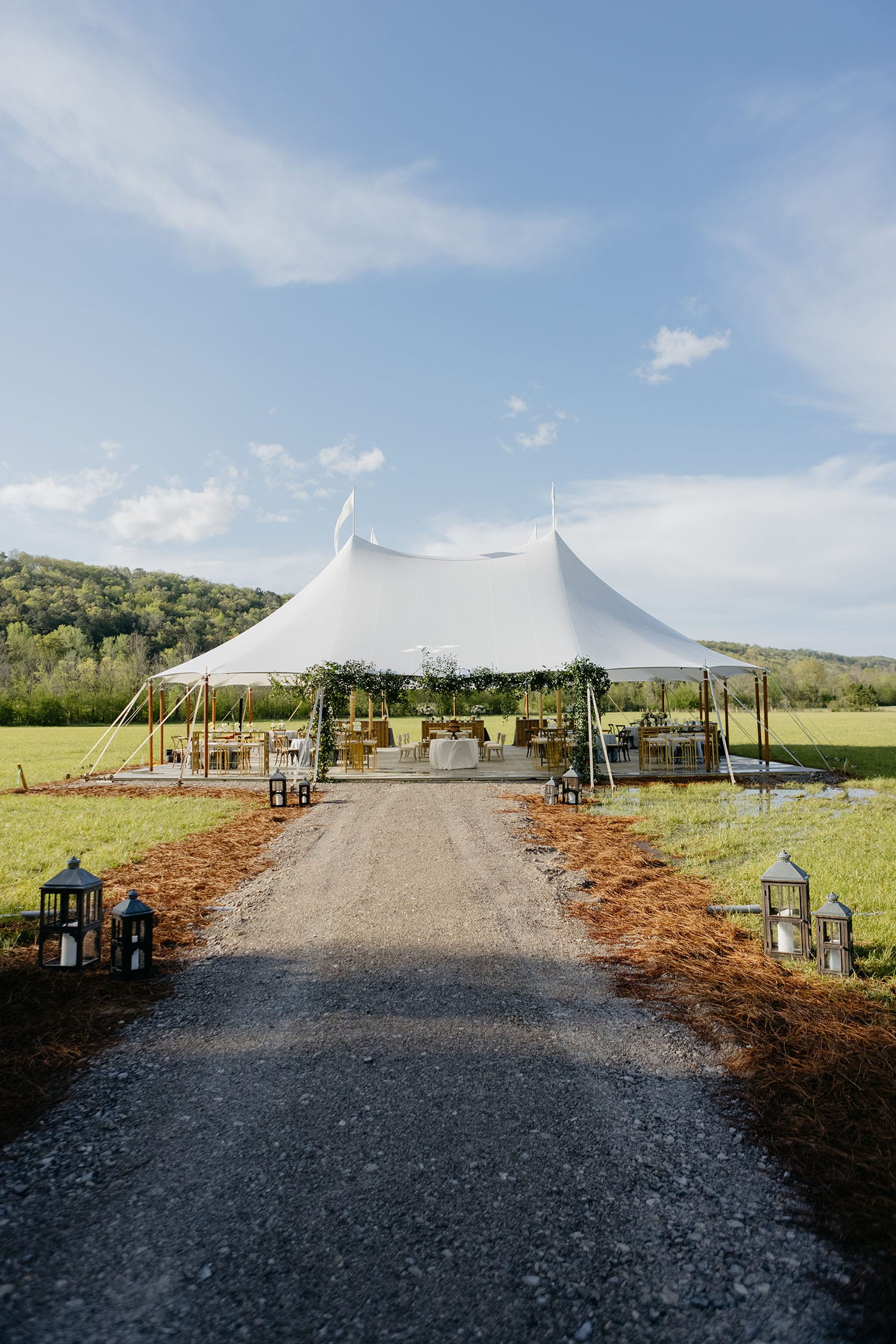
Frame tents remain one of the most versatile solutions in outdoor event planning because they adapt well to different venue conditions and event types. Their modular design allows planners to create customized layouts while maintaining structural flexibility.
Frame tents are especially useful for medium-sized corporate functions, receptions, and events hosted on restricted or irregular sites.
Modular Layout Flexibility and Event Functionality
Frame tents rely on external framing systems that support the structure without requiring center poles. This design allows planners to connect multiple sections together to create larger or more complex layouts.
Frame tent systems offer advantages such as:
- Modular expansion for changing guest capacities
- Flexible installation across varied surfaces
- Compatibility with staging and lighting systems
These structures are commonly used for events requiring segmented spaces such as lounges, dining areas, registration zones, and exhibition booths.
Their adaptability also helps reduce installation complexity on sites where traditional anchoring or large equipment access may be limited.
Design Features That Improve Aesthetic Appeal
Frame tents offer several design options that improve visual presentation while maintaining practical functionality.
Popular aesthetic upgrades include:
- Clear sidewalls for natural light and visibility
- Decorative liners and fabric draping systems
- Architectural peaks and customized entryways
Translucent fabric panels can soften interior lighting while reducing the need for extensive daytime illumination. Decorative sidewalls and coordinated flooring systems also help create more refined environments for weddings and corporate galas.
Because frame tents can support a wide range of accessories and decorative enhancements, they remain highly popular for events requiring both versatility and visual customization.
Sailcloth Tents and Luxury Event Atmosphere Design
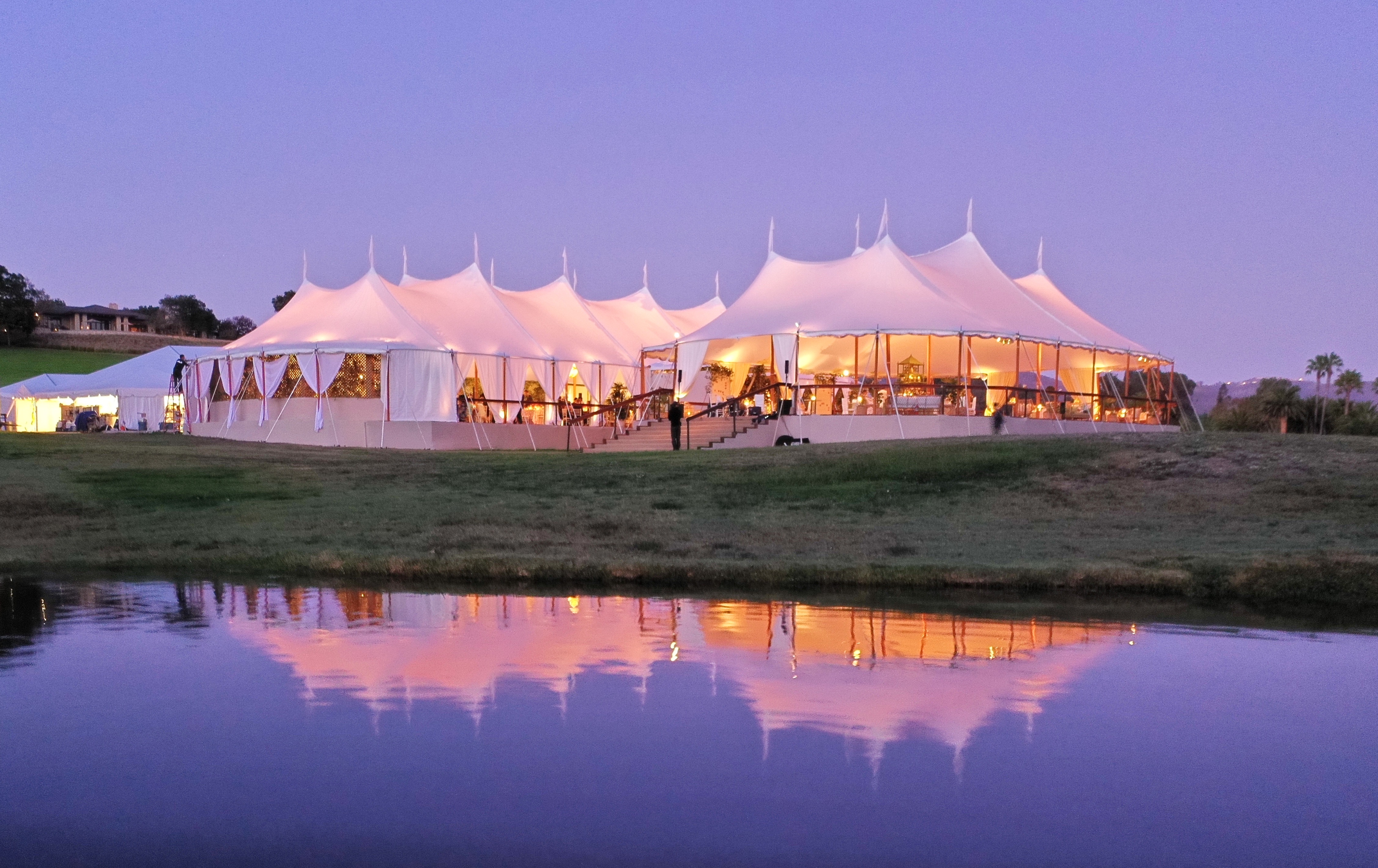
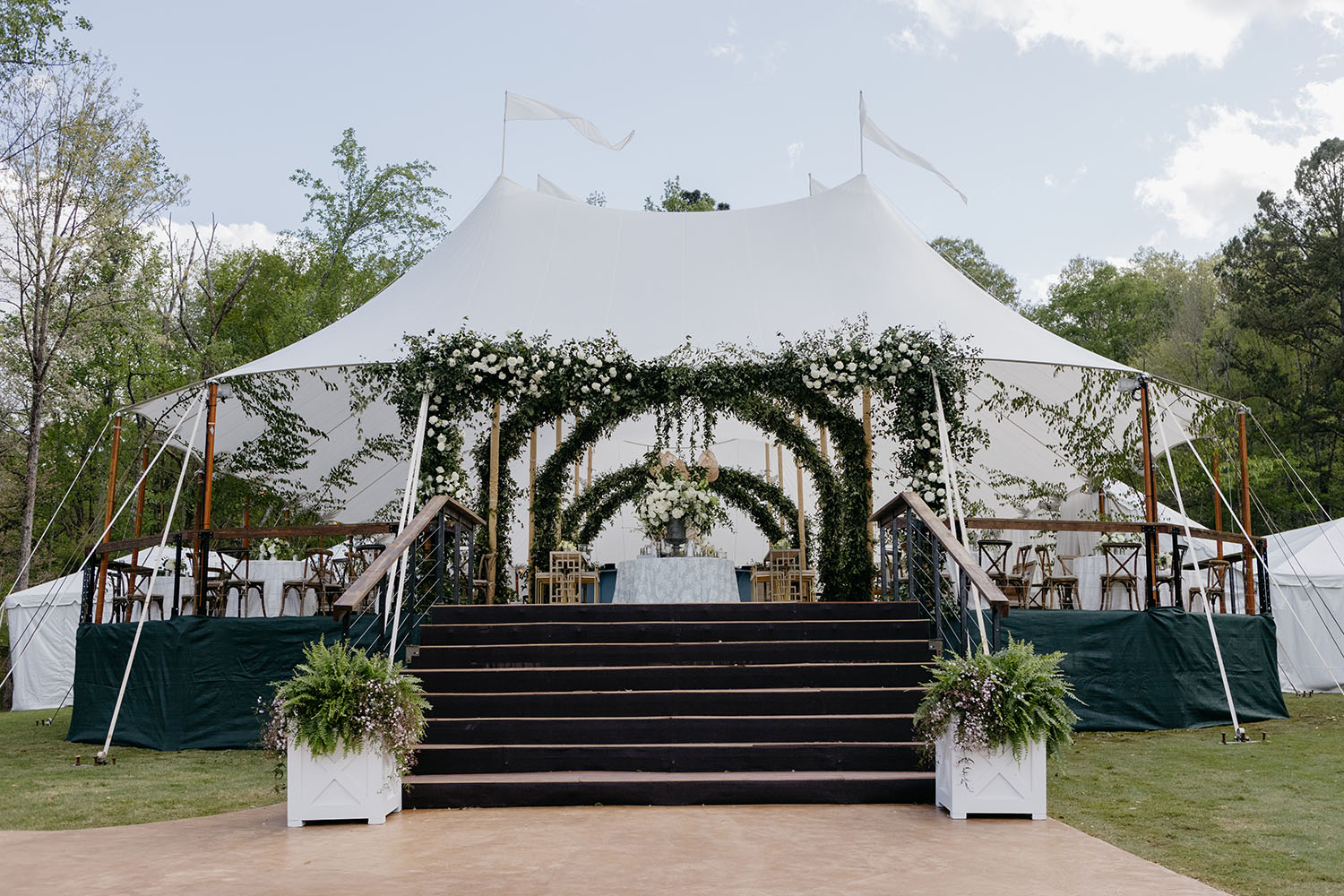
Sailcloth tents are known for their elegant appearance, translucent fabric, and dramatic peaks that create a more organic and upscale atmosphere. These structures are especially popular for weddings, executive gatherings, and luxury hospitality events.
Their unique visual character makes them one of the most aesthetically distinctive tent styles available.
Sailcloth Materials and Structural Performance
Sailcloth fabrics are designed to maintain tensile strength while delivering a softer visual texture than standard PVC systems. The material allows light to pass through naturally, creating warm daytime environments and dramatic evening illumination.
Sailcloth tents are valued for:
- High-end visual presentation and atmosphere
- Strong tensile performance under tension loads
- Enhanced natural lighting inside the structure
Although sailcloth systems are durable, they often require more careful maintenance and installation procedures compared to heavier PVC materials.
Because these tents prioritize visual elegance, planners frequently combine them with luxury flooring, chandeliers, and lounge furnishings to create immersive guest experiences.
Visual Ambiance and Guest Experience
The visual impact of sailcloth structures significantly affects how guests perceive the event environment. Their flowing lines and translucent canopies create softer architectural aesthetics compared to more industrial-looking systems.
Sailcloth designs improve:
- Daytime natural-light diffusion
- Evening lighting ambiance and warmth
- Overall sense of openness and elegance
These tents are especially effective for waterfront venues, garden settings, and luxury outdoor receptions, especially when creating garden wedding tents for elegant celebrations.
Their ability to blend structural function with sophisticated design makes them highly desirable for premium event experiences.
Performance, Maintenance, and Long-Term Tent Value
Durability and aesthetics must work together to create long-term value in event infrastructure. High-quality materials and engineered systems reduce maintenance demands while preserving visual consistency over repeated installations.
Understanding maintenance requirements also helps planners protect their investment and improve operational reliability.
Maintenance Strategies for Long-Term Durability
Routine maintenance is essential for preserving fabric performance, frame integrity, and visual appearance. Neglected tent systems are more vulnerable to structural wear, discoloration, and operational failures.
Effective maintenance practices include:
- Cleaning fabrics after each event installation
- Inspecting seams, anchors, and frame connections
- Storing materials in dry, climate-controlled environments
PVC and sailcloth materials can often be repaired through patching and seam treatments, improving long-term usability and reducing replacement costs.
Regular inspections also help identify early signs of corrosion, fabric fatigue, or hardware damage before larger structural problems develop.
Balancing Cost, Performance, and Aesthetic Goals
The ideal tent solution depends on balancing operational requirements with design objectives and budget limitations. Some events prioritize visual elegance, while others focus more heavily on durability and infrastructure capacity.
Well-balanced tent planning improves:
- Long-term return on infrastructure investment
- Event reliability during changing conditions
- Consistency in guest experience and visual quality
High-end events often justify premium materials because they improve both atmosphere and structural performance over time.
By selecting appropriate materials and maintaining them properly, event organizers can create tented environments that remain both visually impressive and operationally dependable for years.
Frequently Asked Questions
What tent material is most durable for outdoor events?
PVC fabric is widely considered one of the most durable materials because it offers strong waterproofing, UV resistance, and long-term structural performance.
Why are clearspan tents popular for large corporate events?
Clearspan tents provide open interiors without support poles, allowing flexible layouts, improved sightlines, and integration of lighting, staging, and climate-control systems.
How do sailcloth tents differ from frame tents?
Sailcloth tents focus heavily on visual elegance and natural-light diffusion, while frame tents prioritize modular flexibility and adaptable installation options.
What factors affect tent material lifespan?
Weather exposure, UV radiation, moisture, maintenance quality, and repeated installation cycles all influence material longevity and structural reliability.
Are frame tents suitable for luxury events?
Yes. Frame tents can support premium lighting, flooring, draping, and decorative systems that create sophisticated environments for weddings and corporate gatherings.
Why is maintenance important for tent durability?
Routine maintenance prevents fabric deterioration, seam failure, corrosion, and structural damage while preserving overall visual appearance and operational safety.
How should planners choose between durability and aesthetics?
The best approach is balancing operational needs with event goals. High-end events often require materials and structures that provide both strong performance and elevated visual appeal.
Conclusion
Tent materials and structural designs play a central role in determining both the durability and visual impact of outdoor event environments. Clearspan systems, frame tents, and sailcloth structures each provide unique advantages depending on the event’s operational requirements, environmental conditions, and aesthetic goals.
Durability affects long-term performance, weather resistance, maintenance efficiency, and infrastructure reliability, while aesthetics shape guest perception, atmosphere, and overall event experience. Successfully balancing these priorities requires thoughtful planning, material knowledge, and careful coordination between event planners and tent providers.
Skyline Tent Company understands the importance of combining engineered durability with refined architectural design to create outdoor event environments that remain both functional and visually compelling. Their expertise in tent structures, premium materials, and customized layouts helps clients select solutions that align with both operational demands and design expectations.
With strategic planning and informed material selection, outdoor events can achieve the ideal combination of structural reliability, guest comfort, and elevated presentation while maintaining long-term value across multiple event applications.