
Choosing the right tent for an outdoor event is one of the most important decisions in event planning because the structure directly affects guest comfort, venue functionality, weather preparedness, and overall visual presentation. Every venue presents unique environmental conditions and logistical challenges, which means the tent selected must align with the event goals, guest count, terrain, and operational requirements. A successful venue and tent pairing creates an environment that feels comfortable, organized, and visually cohesive while supporting smooth event execution with minimized risks and increased flexibility for last-minute adjustments.
Outdoor events today range from luxury weddings and corporate conferences to festivals, private celebrations, and upscale hospitality gatherings. Each event type requires a different approach to layout design, infrastructure planning, climate control, lighting, and flooring systems. Clearspan tents provide expansive open interiors for large guest capacities, frame tents offer versatility across different surfaces, and sailcloth tents create elegant environments that enhance scenic outdoor venues. Event planners must also coordinate vendor spaces, catering operations, and audiovisual requirements within these structures, adding complexity that the tent design must accommodate for optimal results.
How Venue Characteristics Determine Tent Selection
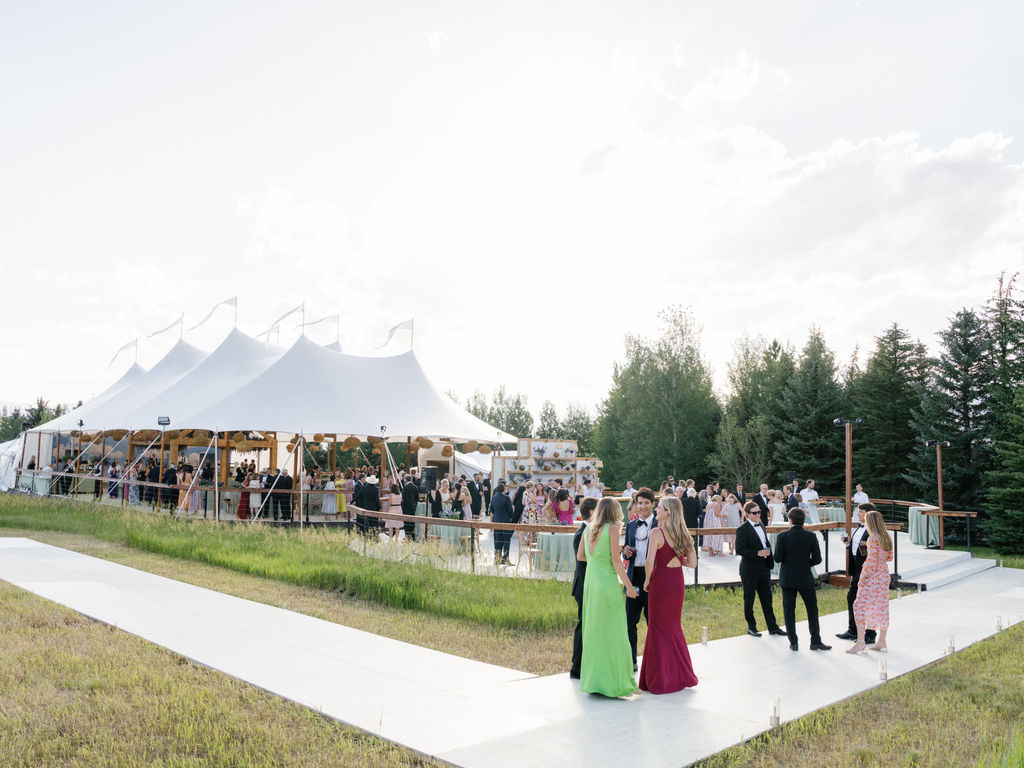
Every outdoor venue has physical and environmental characteristics that affect tent compatibility. Terrain conditions, available space, weather exposure, and accessibility all play major roles in determining which tent structures will perform best. Detailed site surveys greatly assist in identifying subtle challenges such as microclimates, shade patterns, and underground utilities that could impact the installation or comfort.
Understanding these factors early helps planners avoid installation challenges and operational inefficiencies later in the planning process, streamlining decision-making and resource allocation for a smoother event buildup.
Ground Conditions and Surface Compatibility
Ground conditions directly influence anchoring systems, flooring requirements, and structural stability. Soft soil, gravel, uneven terrain, asphalt, and concrete surfaces all require different installation approaches. Proper evaluation of moisture levels and soil compaction enhances stability and tent longevity during events spanning multiple days.
Several site conditions affect tent selection:
- Ground stability and load-bearing capacity
- Surface type and anchoring limitations
- Drainage patterns and moisture exposure
Frame tents are often preferred for hard surfaces because they can use weighted ballasts instead of deep staking systems. Clearspan tents, by contrast, may require reinforced anchoring depending on their size and environmental exposure. For areas prone to flooding, elevated platforms and drainage channels may be incorporated to maintain a dry and safe interior.
Uneven terrain may also require raised flooring systems or leveling platforms to create stable guest environments, ensuring accessibility compliance and reducing trip hazards.
Space Availability and Venue Restrictions
Venue size and accessibility determine how large a tent structure can be and how efficiently installation crews can operate within the site. Considering vehicle turnaround areas and staging zones during installation allows for safer and faster setup.
Important space-planning considerations include:
- Distance from buildings and landscaping features
- Accessibility for installation vehicles and vendors
- Local zoning regulations and permit requirements
Some venues impose restrictions on structure height, anchoring depth, or placement proximity to utilities and pathways. Understanding these limitations early helps prevent costly redesigns or installation delays. Additionally, coordinating with local authorities ahead of time expedites authorization.
Strategic venue assessments also improve layout efficiency by identifying the best locations for entrances, dining areas, staging, and guest circulation zones, which in turn enhance safety and guest experience throughout the event.
Aligning Tent Styles With Event Types and Venue Characteristics
Different event types require different tent structures depending on the desired atmosphere, guest count, and operational needs. Choosing the correct structure improves both functionality and aesthetics, aligning visual themes with event purpose.
The tent should support the event goals while complementing the venue’s natural and architectural surroundings through effective venue tent pairing.
Clearspan Tents Suitable for Corporate and Large-Scale Events
Clearspan tents are widely used for conferences, galas, luxury weddings, and large outdoor events because they eliminate interior support poles and create expansive open interiors. Their innovative engineering allows for wide spans without visual obstruction, accommodating large installations such as stages, banquet seating, and exhibition spaces.
These structures offer several advantages:
- Flexible layouts for staging and seating arrangements
- Open interiors with unobstructed guest movement
- Strong support for lighting and audiovisual systems
Because clearspan tents accommodate suspended décor, climate-control systems, and production infrastructure efficiently, they are ideal for venues hosting high-capacity events or complex technical installations. Their modular components streamline customization and adaptation to venue-specific layouts. We cover this further in Select the Ideal Event Tent for Your Farmers Market.
Their modern architectural appearance also works well in urban venues, waterfront properties, resorts, and luxury outdoor environments where guests expect both function and style.
Frame and Sailcloth Tents for Scenic Outdoor Venues
Frame tents are highly adaptable and can be installed on grass, asphalt, concrete, or irregular outdoor surfaces. Their versatility makes them effective for private parties, garden weddings, hospitality lounges, and medium-sized outdoor events. These tents often support sidewalls and transparent panels for weather protection without compromising views.
Additional venue-specific tent styles include:
- Sailcloth tents for upscale garden and vineyard weddings
- Pole tents for traditional outdoor celebrations
- Frame tents for flexible multi-surface installations
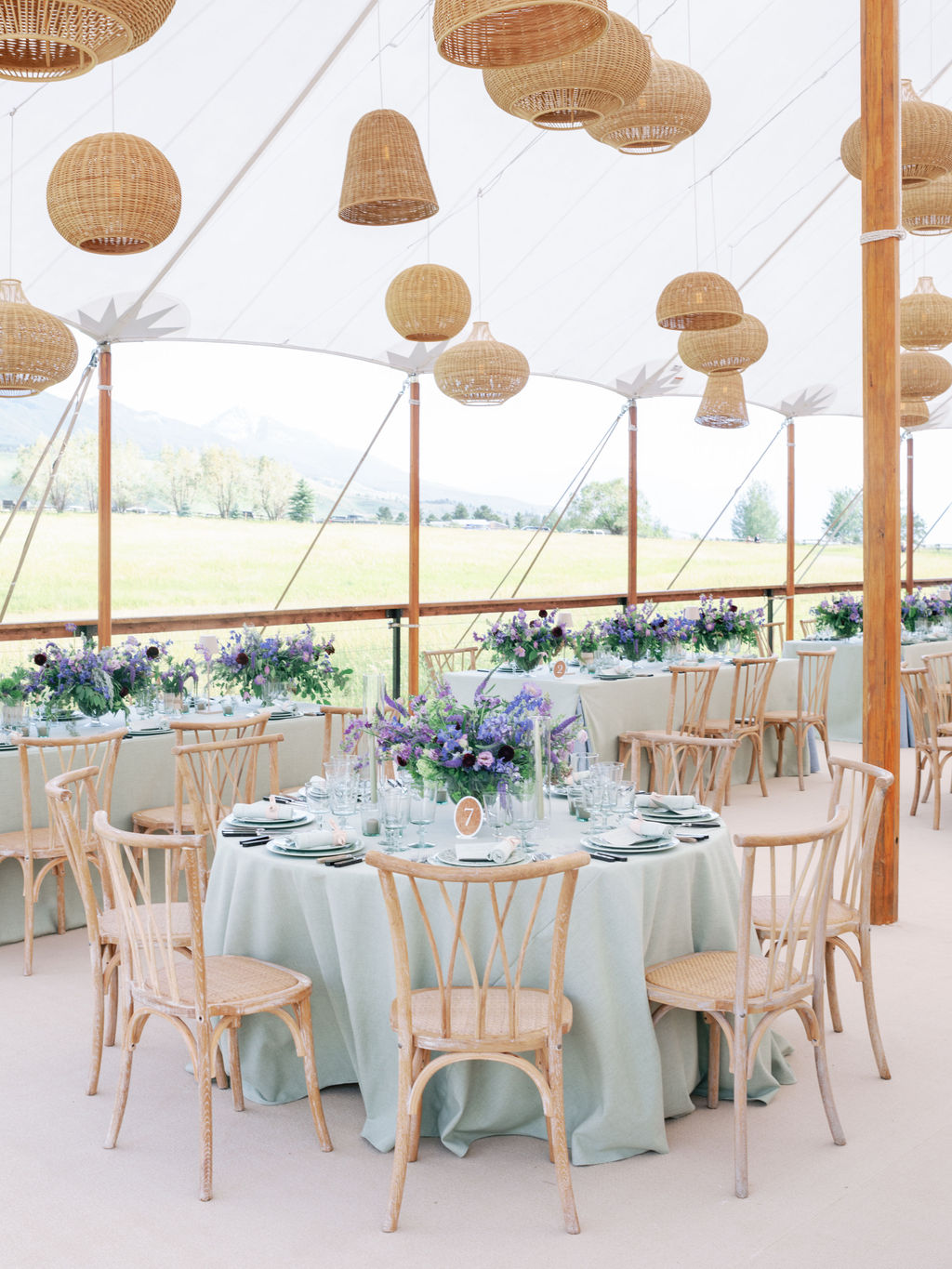
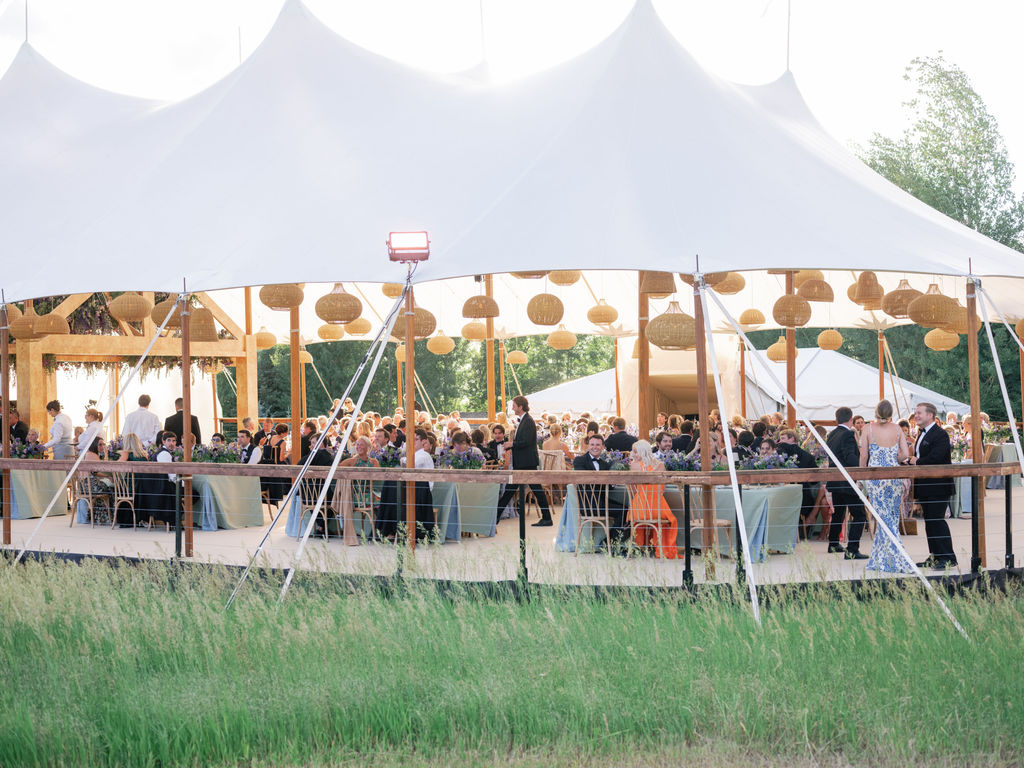
Sailcloth tents are especially popular for scenic outdoor venues because their translucent fabric creates soft natural lighting while enhancing the visual atmosphere. They also allow natural airflow while providing shelter, fostering an inviting and elegant setting.
Using multiple tent styles across a venue can help define separate event zones while improving functionality and visual diversity, enabling tailored experiences within a single event footprint.
Effective Planning of Guest Capacity and Layout Design
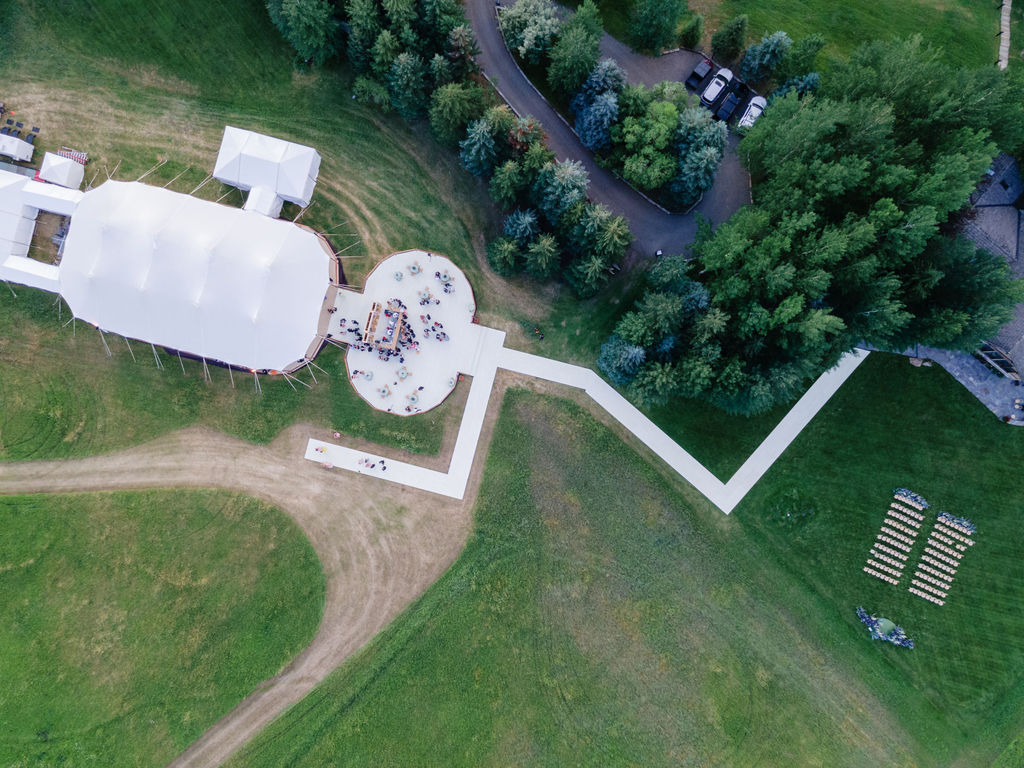
Tent layouts influence how guests experience the event environment. Poor circulation, overcrowding, or inefficient spacing can negatively affect comfort and operational performance. Early collaboration with event designers and production teams ensures smooth integration.
Well-planned layouts create environments that feel organized, spacious, and comfortable regardless of event size, increasing guest satisfaction and staff efficiency.
Determining Tent Size Based on Guest Count
Accurate guest estimates are essential for selecting the right tent dimensions. Different event formats require different amounts of usable space depending on seating arrangements and operational infrastructure. Predictive attendance modeling also helps avoid under- or overestimating needs.
Important sizing considerations include:
- Dining layouts and seating configurations
- Space for dance floors and staging areas
- Additional room for catering and vendor operations
Formal seated dinners typically require more square footage than cocktail receptions because of tables, service aisles, and furniture spacing. Catering logistics often demand back-of-house areas factored into overall sizing.
Larger events may require multiple interconnected structures to accommodate registration zones, lounge spaces, entertainment areas, and hospitality functions more effectively, supporting guest flow and segmented programming.
Designing Layouts for Guest Flow and Accessibility
Guest movement should feel natural and uninterrupted throughout the event. Strategic layouts improve accessibility, reduce congestion, and create smoother transitions between different event areas, enhancing the attendee experience.
Effective layout planning improves:
- Guest circulation and emergency accessibility
- Visibility for entertainment and presentations
- Comfort within high-traffic gathering zones
Dedicated service corridors and vendor access routes also help maintain efficient operations behind the scenes without interfering with guest experience. Compliance with ADA standards ensures inclusivity for all attendees.
Clear pathways and organized seating arrangements contribute significantly to overall event comfort and functionality, reducing bottlenecks and enhancing ambiance.
Preparing for Weather and Enhancing Climate Control at Outdoor Events
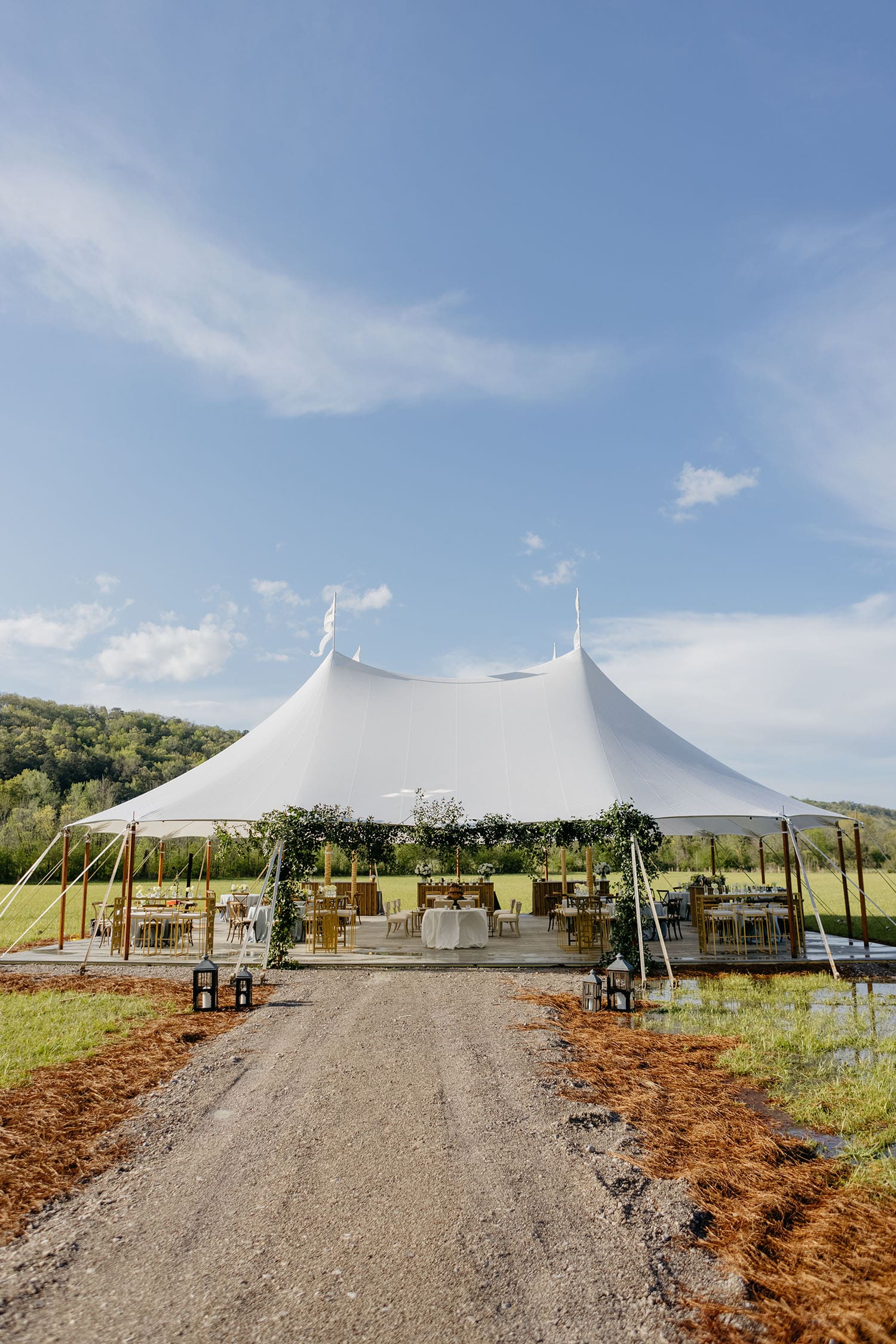
Outdoor venues are heavily influenced by changing weather conditions. Heat, rain, humidity, and wind can all affect guest comfort and operational reliability if not managed properly. Real-time weather monitoring tools are increasingly integrated into event management strategies to allow rapid response. You may also find How to Choose High-End Event Venues That Everyone Will Love helpful.
Weather preparedness should always be integrated into the earliest stages of event planning to mitigate risks and ensure guest safety at all times.
Tent Weatherproofing and Seasonal Planning
Different seasons create different operational challenges that affect tent selection and infrastructure requirements. Understanding seasonal climate trends assists in selecting appropriate materials and structural reinforcements. Read more in Backyard Party Tents: Create the Perfect Outdoor Event Space.
Weather-preparedness considerations often include:
- Sidewalls and waterproof tent systems
- Reinforced anchoring for high-wind conditions
- Ventilation systems for airflow management
Clearspan tents are especially effective in unpredictable weather because they provide strong structural performance and support enclosed climate-controlled environments more efficiently, protecting equipment and guests alike. For more detail, see our article Charlottesville Tent Rental Options: Which Is Best for You.
Seasonal planning also helps determine whether heating systems, cooling units, or humidity-management strategies will be necessary, especially when planning reliable temporary event power for outdoor venues.
Heating, Cooling, and Guest Comfort Infrastructure
Maintaining stable indoor temperatures is essential for guest comfort during outdoor events. Climate-control systems should be selected based on tent size, guest count, and seasonal conditions to maximize efficiency and minimize energy consumption. We cover this further in Essential FAQs on Charlottesville Outdoor Event Tent Rentals.
Effective climate-control solutions may include:
- Portable air-conditioning systems for summer events
- Heating systems for cold-weather celebrations
- Ventilation systems that improve airflow circulation
Proper airflow management also helps reduce condensation buildup and improves indoor air quality during crowded events. Integrating these systems seamlessly into tent structures preserves aesthetics while maintaining functionality.
Integrating climate-control systems early allows planners to coordinate power infrastructure, layout design, and equipment placement more effectively, avoiding last-minute complications.
Implementing Lighting and Flooring to Elevate Event Spaces
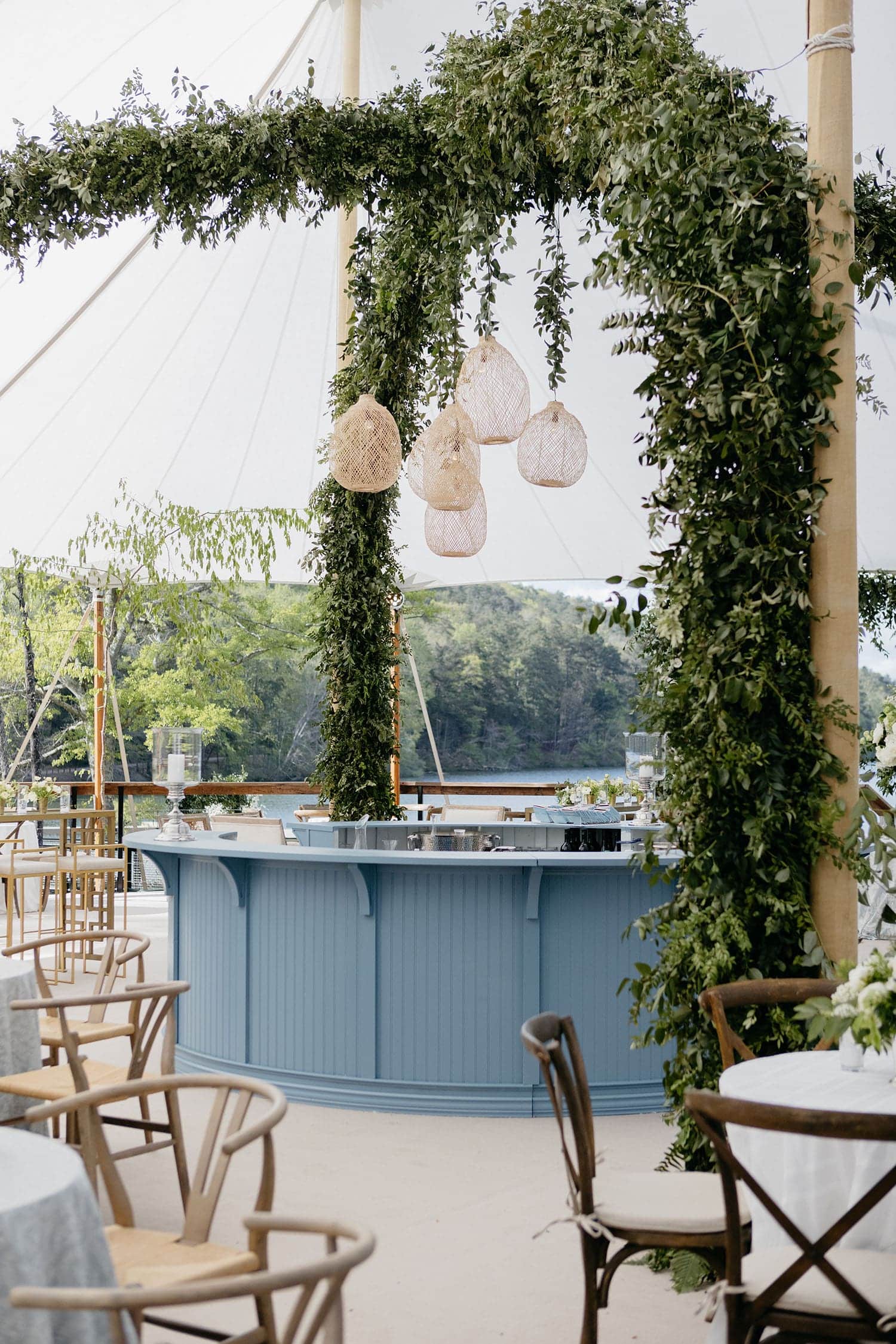
Lighting and flooring systems play major roles in shaping the atmosphere and functionality of outdoor events. These elements improve comfort, aesthetics, safety, and operational performance throughout the venue. For more detail, see our article Temporary Venue Expansion vs. Permanent Construction.
Well-designed infrastructure transforms temporary tent environments into polished event destinations with enhanced guest appeal and memorable visual identity.
Lighting Systems That Improve Event Atmosphere
Lighting affects how guests perceive the venue while supporting visibility, ambiance, and event branding. Customizable lighting solutions enable dynamic environments adaptable to different event phases.
Professional event lighting often includes:
- Chandeliers and decorative hanging fixtures
- LED uplighting for architectural enhancement
- String lighting for softer atmospheric effects
Layered lighting techniques help define dining spaces, dance floors, pathways, and lounge areas while creating depth and visual warmth throughout the venue. Technological advancements allow for energy-efficient and programmable lighting schemes enhancing event themes.
Custom lighting colors and projection systems can also reinforce branding for corporate events and themed celebrations, leaving lasting impressions.
Flooring Systems for Comfort and Terrain Stabilization
Outdoor flooring improves guest comfort while creating safer and more stable walking surfaces. Different venue conditions require different flooring solutions depending on terrain and event type to maintain accessibility and reduce slip hazards.
Popular flooring systems include:
- Wooden flooring for upscale formal environments
- Modular flooring for uneven outdoor terrain
- Carpet systems for luxury event interiors
Flooring not only improves aesthetics but also protects guests from mud, moisture, and unstable surfaces during the event, making the environment more inviting and easier to navigate.
Strategic flooring layouts also help organize traffic flow and create clearly defined activity zones using professional event flooring solutions for improved guest movement.
Budget Planning: Aligning Tent Choices With Venue and Event Goals
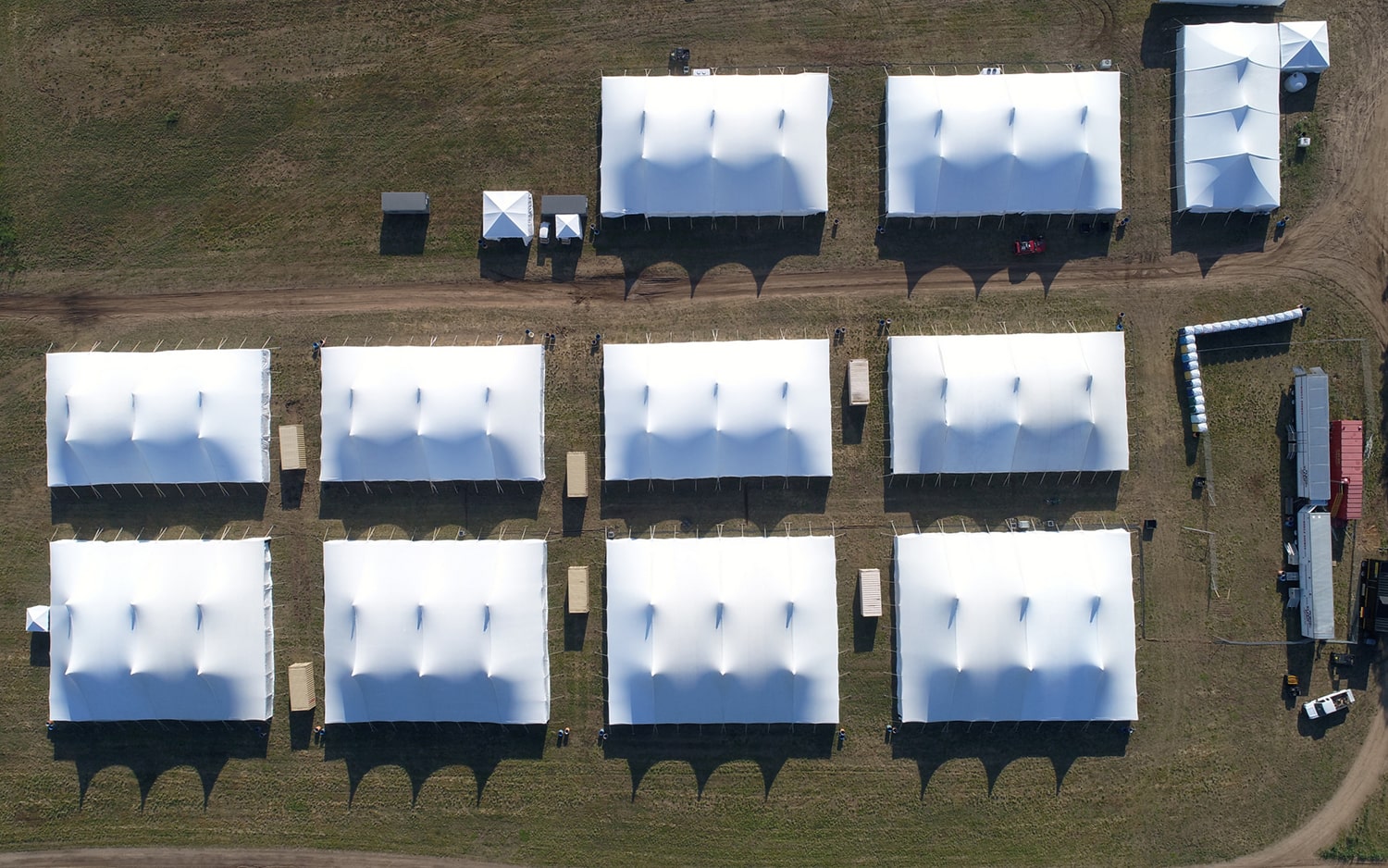
Selecting the right tent involves more than choosing a structure that fits the guest count. Venue characteristics, installation complexity, accessibility, and infrastructure needs all influence the overall event budget. A strategic venue and tent pairing helps planners maximize their investment while ensuring the event remains functional, comfortable, and visually appealing. Early financial planning enables allocation of resources to priority areas, reducing the risk of compromise on key elements. Read more in Key Tips for Choosing Outdoor Event Tents Over Venues.
Balancing Venue Requirements With Tent Rental Costs
Every venue presents unique challenges that can affect tent rental and installation costs. Locations with uneven terrain, restricted access, or limited infrastructure may require additional labor, specialized equipment, or custom flooring solutions. Similarly, venues with strict installation guidelines or permit requirements can add complexity to the project.
When evaluating costs, planners should consider: We cover this further in Charlottesville Tent Rentals: Top Local Companies to Consider.
- Site preparation requirements
- Transportation and installation logistics
- Anchoring and flooring systems
- Permit and compliance expenses
Assessing these factors early helps create a realistic budget and ensures the selected tent aligns with both venue conditions and event goals, enabling better vendor negotiations and contingency planning.
Prioritizing Features That Deliver the Greatest Value
Not every event requires premium upgrades in every category. The most successful event budgets focus on features that directly improve guest experience and event functionality. Depending on the event type, priorities may include climate control, elegant lighting, spacious layouts, or high-quality flooring systems.
By identifying essential features first, planners can allocate resources more effectively while still creating a memorable event environment. Strategic investments often provide greater value than simply choosing the largest or most expensive tent option available, and can reduce long-term operational costs.
Ensuring Safety and Regulatory Compliance in Tent and Venue Choices
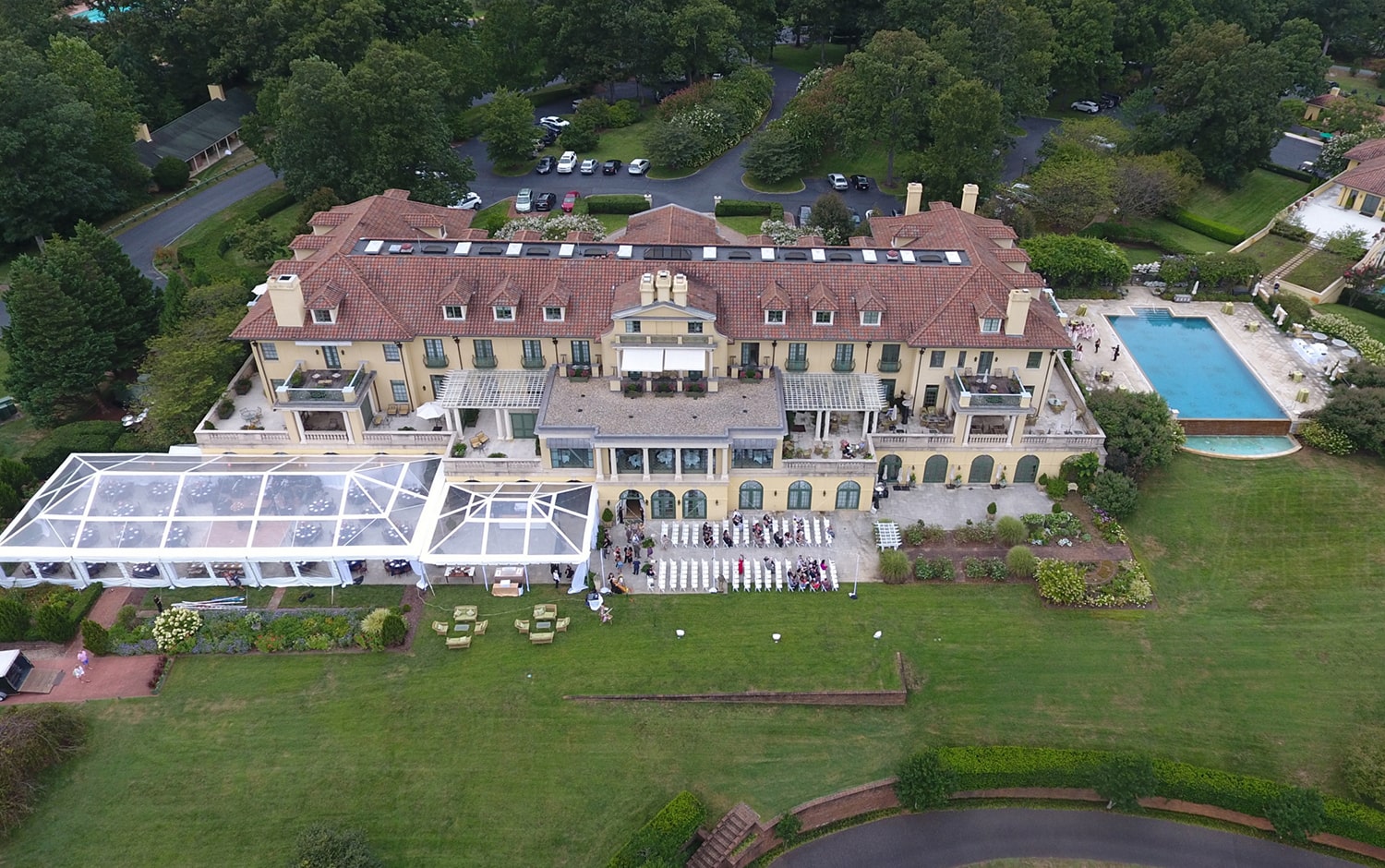
Safety and regulatory compliance play a critical role in successful outdoor event planning. Regardless of the venue type, tent structures must meet local regulations while providing a safe environment for guests, staff, and vendors. Proper planning helps minimize risks, avoid delays, and ensure the event operates smoothly from setup through teardown. Emergency preparedness protocols and staff training further support safe event environments.
Understanding Local Regulations and Permit Requirements
Many municipalities require permits for temporary event structures, especially for larger tents and high-capacity gatherings. Regulations may cover occupancy limits, fire safety standards, emergency exits, structural engineering requirements, and installation procedures.
Common compliance considerations include:
- Local building and fire codes
- Occupancy and capacity restrictions
- Emergency access and evacuation planning
- Inspection and permit approvals
Working with experienced tent providers can simplify the permitting process and help ensure all requirements are satisfied before installation begins, reducing potential legal liabilities and scheduling disruptions.
Maintaining Guest Safety Throughout the Event
Guest safety extends beyond regulatory compliance and should be integrated into every stage of event planning. Proper anchoring systems, weather monitoring procedures, adequate lighting, and clearly marked exits all contribute to a secure event environment.
Additional safety measures may include:
- Weather contingency planning
- Stabilized flooring and walkways
- Clearly designated emergency routes
- Routine structural inspections
When safety considerations are incorporated into venue and tent selection from the beginning, planners can create comfortable environments that support both operational efficiency and guest confidence throughout the event.
Frequently Asked Questions
What is the most versatile tent type for different venue locations?
Frame tents are often considered the most versatile option because they can be installed on grass, concrete, asphalt, patios, and other surfaces. Their flexibility makes them suitable for weddings, corporate events, private parties, and hospitality functions across a wide variety of venues.
How do I determine the right tent size for my event?
Tent size depends on guest count, seating arrangements, event activities, and additional infrastructure requirements. Factors such as dance floors, stages, catering stations, lounge areas, and service corridors should all be included when calculating the required square footage.
Are clearspan tents better than traditional pole tents?
Clearspan tents offer unobstructed interiors without center poles, making them ideal for large gatherings, corporate functions, and luxury events. Pole tents can provide a classic appearance and may be more suitable for traditional outdoor celebrations where open space and staking conditions allow for installation. You may also find Discover Ideal Event Tent Choices in Charlottesville helpful.
Can tents be installed on concrete or paved surfaces?
Yes. Frame tents and many clearspan structures can be installed on paved surfaces using weighted ballast systems instead of traditional staking methods. This makes them suitable for parking lots, courtyards, rooftop venues, and urban event spaces.
What factors should be evaluated during a venue site inspection?
A thorough site inspection should assess terrain conditions, drainage patterns, accessibility, utility availability, weather exposure, local regulations, anchoring requirements, and installation logistics. Identifying these factors early helps prevent costly adjustments later in the planning process.
Why is drainage important when selecting a tent location?
Poor drainage can lead to standing water, muddy conditions, and guest discomfort during adverse weather. Evaluating drainage patterns helps planners position tents in areas less vulnerable to flooding while maintaining safe and comfortable event environments.
Conclusion
Matching the right tent structure with the right venue is essential for creating successful outdoor events that balance functionality, comfort, and visual impact. Venue conditions, guest capacity, weather exposure, and event objectives all influence which tent systems and infrastructure solutions will perform best. Read more in Best Tent Rental Companies in Charlottesville Explored.
Clearspan tents, frame tents, sailcloth structures, and modular event systems each provide unique advantages depending on the venue type and event requirements. When combined with thoughtful layout planning, climate-control systems, lighting design, and flooring infrastructure, these structures transform outdoor spaces into polished and immersive event environments.
Skyline Tent Company understands the importance of strategic venue and tent pairing for luxury outdoor events. Their expertise in architectural tent systems, event infrastructure planning, climate control, and custom layout design helps clients create venues that remain elegant, operationally efficient, and comfortable under a wide range of outdoor conditions.
See how these ideas look on real sites in our tent gallery.