
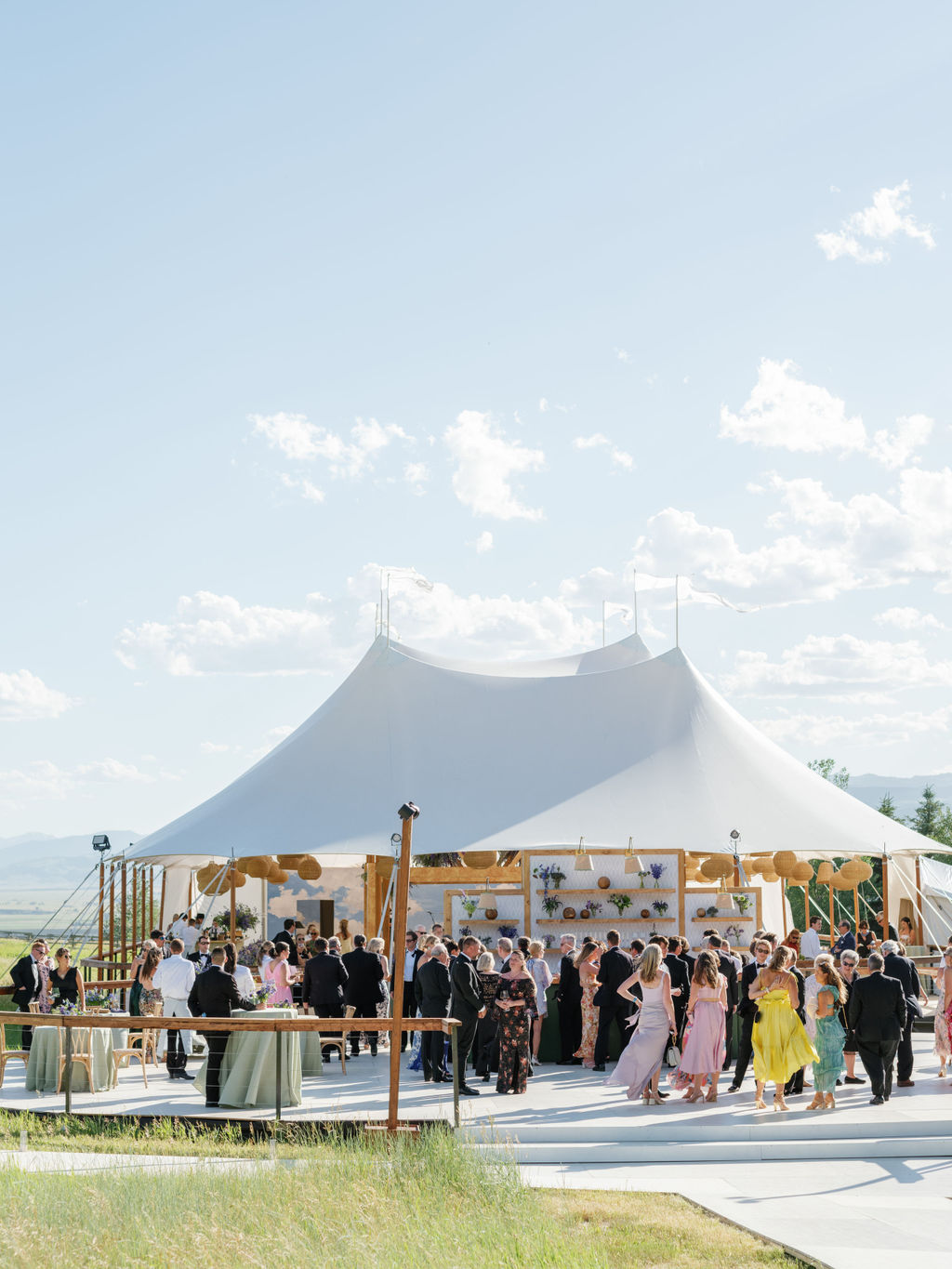
Planning an outdoor event requires far more than selecting a tent and confirming a guest count. One of the most overlooked aspects of event budgeting is understanding the additional fees associated with climate control, flooring, installation logistics, and operational infrastructure. These costs can significantly affect the total rental investment, especially for weddings, corporate functions, luxury events, and large-scale outdoor gatherings.
Many event planners initially focus on base tent pricing without fully accounting for HVAC systems, flooring installations, power distribution, site preparation, or labor-intensive setup requirements. However, these supporting systems are essential for maintaining guest comfort, protecting equipment, improving accessibility, and ensuring smooth event execution.
Climate control and flooring are especially important because they directly influence both operational performance and guest experience. Heating and cooling systems stabilize interior conditions during changing weather, while flooring systems create safe and functional surfaces for dining, staging, entertainment, and circulation.
How Tent Types Influence Climate Control and Flooring Costs
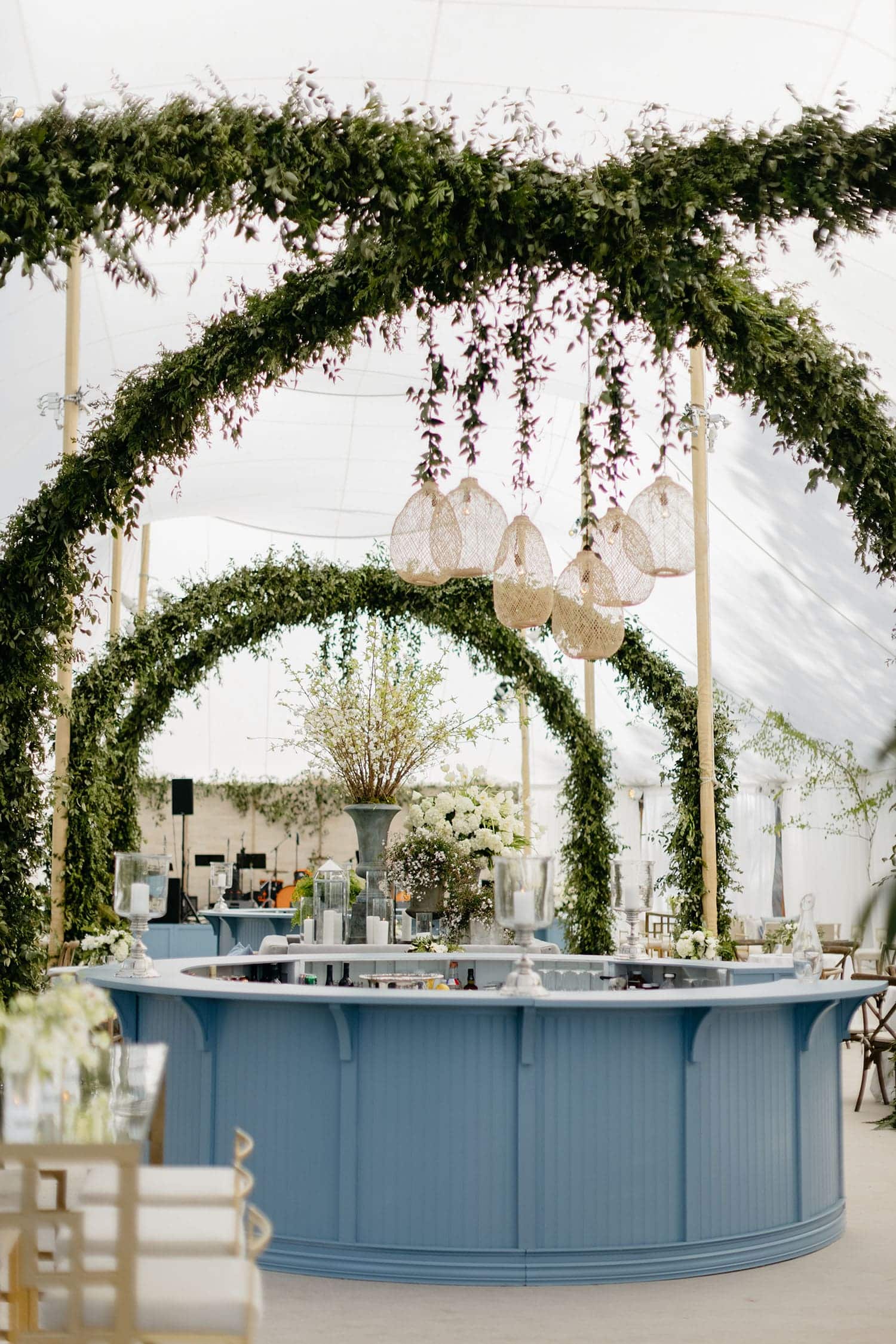
Different tent structures create different operational demands, which directly affect the cost of climate control systems, flooring installations, and supporting infrastructure. Structural layout, ventilation, anchoring methods, and ceiling height all influence how much equipment and labor will be required during installation.
Understanding the relationship between tent type and operational cost helps planners choose structures using the right venue tent pairing strategy.
Clearspan and Frame Tent Service Requirements
Clearspan tents are among the most popular options for luxury weddings and corporate events because they provide open interiors without support poles. However, their larger enclosed spaces often require more advanced climate-control systems to maintain stable temperatures throughout the event.
Several factors commonly increase operational costs:
- Larger HVAC systems for enclosed environments
- Extended ductwork and temporary power distribution
- Increased flooring coverage due to larger footprints
Frame tents, by comparison, often allow more natural airflow and may require less extensive cooling infrastructure depending on the event layout and weather conditions.
Because clearspan tents frequently support staging, lighting rigs, and enclosed sidewalls, they also require more coordinated infrastructure planning during installation.
Century Pole and Sailcloth Tent Cost Factors
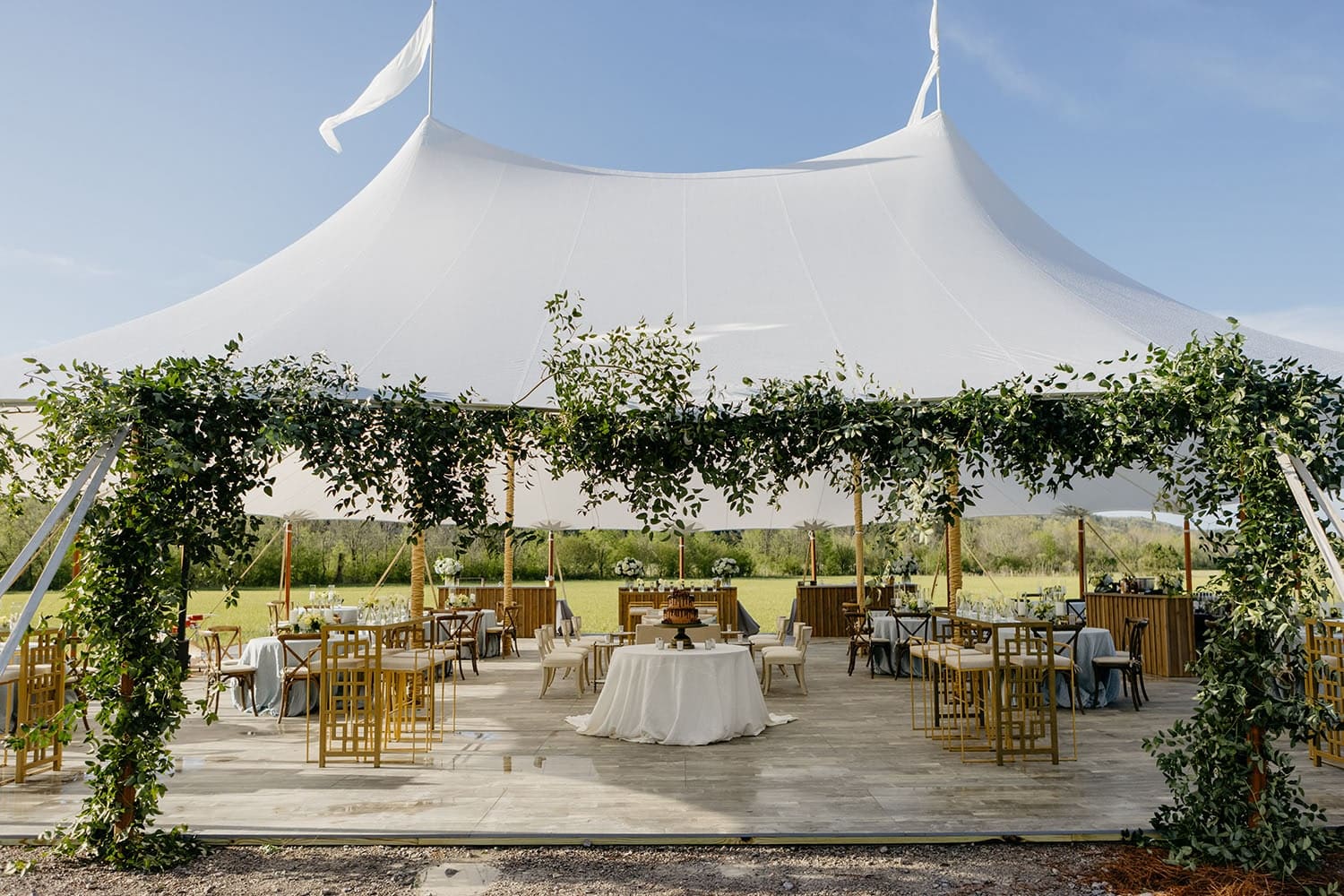
Century pole tents and sailcloth structures offer visually dramatic environments that are highly popular for upscale outdoor events. Their elevated peaks and elegant silhouettes create a refined atmosphere, but they may also introduce additional labor and flooring challenges.
These tent styles often require:
- Specialized installation crews and anchoring methods
- Alternative cable routing around center poles
- Additional flooring modifications for uneven layouts
Sailcloth tents also use premium materials that can increase overall rental pricing compared to standard frame systems.
Because these structures prioritize aesthetics, planners often pair them with upgraded flooring finishes, layered lighting systems, and customized layouts that further influence total event costs.
Climate Control Options and Their Impact on Tent Rental Pricing
Climate control is one of the largest additional expenses in modern tent rentals. Outdoor temperatures, humidity levels, guest count, and tent enclosure all influence how much heating or cooling infrastructure will be needed.
Proper climate-control planning improves guest comfort while protecting AV systems, catering operations, and flooring materials through effective temporary power planning for outdoor events.
Heating and Cooling Systems for Tent Rentals
Tent rental providers typically offer portable heaters, mobile air-conditioning systems, and ducted HVAC solutions depending on the event size and environmental conditions.
Before selecting a system, planners should evaluate:
- Tent size and expected occupancy levels
- Seasonal weather conditions and humidity exposure
- Power requirements for HVAC operation
Portable heaters and standalone cooling units are commonly used for smaller events or partially open tent structures. Larger clearspan installations often require ducted systems capable of maintaining stable temperatures across multiple zones.
Modern climate-control systems may also incorporate smart sensors that monitor temperature and humidity levels in real time to improve efficiency and comfort consistency throughout the event.
How Climate-Control Fees Increase Total Costs
Climate-control systems add both equipment and operational costs to the event budget. In many cases, HVAC systems can increase overall rental pricing by 10 to 30 percent depending on the scale of the installation.
These additional charges may include:
- Equipment rental and installation labor
- Fuel or electrical consumption during operation
- Temporary electrical panels and distribution systems
Extended operating hours may also create additional charges, especially when vendors bill based on runtime or fuel usage.
To avoid budgeting surprises, planners should request itemized quotes that separate equipment rental, installation, maintenance, and operating expenses.
Understanding how pricing is structured makes it easier to compare vendors and identify potential hidden costs before contracts are finalized.
Flooring Choices and Their Effect on Additional Tent Fees
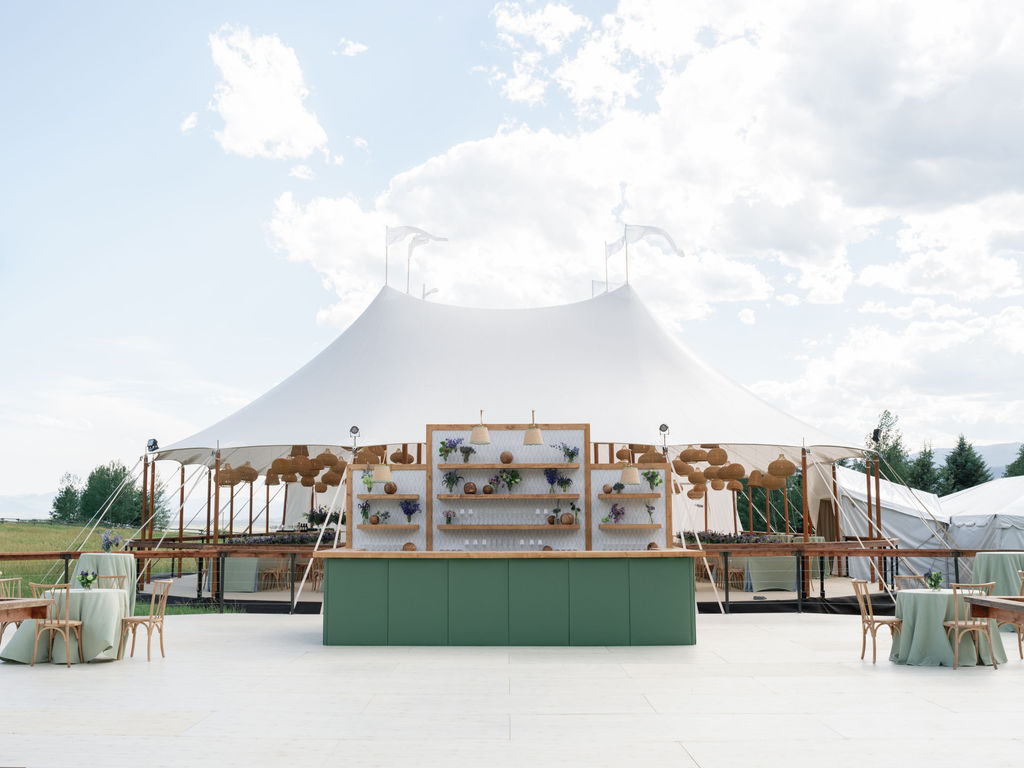
Flooring systems significantly influence both event functionality and total rental cost. Flooring not only improves aesthetics but also creates stable walking surfaces, protects guests from uneven terrain, and supports staging and heavy equipment.
Different flooring materials create different installation requirements, transportation costs, and labor demands, making it important to understand event flooring options before selecting a rental package.
Flooring Materials Compatible With Tent Installations
Outdoor flooring systems must balance durability, appearance, and environmental compatibility. The selected flooring should align with both the tent structure and the operational demands of the event.
Popular flooring options include:
- Plywood subfloors for uneven or soft terrain
- Carpet systems for formal and luxury environments
- Artificial turf for outdoor lounge or hospitality areas
Plywood provides strong structural support and is commonly used beneath carpeting or dance floors. Turf systems create a softer outdoor appearance while reducing heat absorption during summer events.
Each flooring material also affects installation logistics differently. Some venues restrict adhesives or staking methods, requiring floating systems or additional support layers that increase labor and material costs.
Installation Complexity and Flooring Rental Charges
Flooring costs are heavily influenced by installation complexity and site conditions. Events hosted on uneven terrain or environmentally sensitive surfaces often require additional stabilization systems before flooring can be installed safely.
Additional flooring-related expenses may include:
- Moisture barriers and underlayment systems
- Edge ramps and accessibility transitions
- Protective coverings for high-traffic areas
Rapid installation schedules or overnight labor can also increase pricing significantly, especially during peak event seasons.
To improve budget accuracy, planners should confirm whether quotes include subfloor systems, finishing materials, labor, ramps, seams, and breakdown services before approving the rental package.
Site Logistics and Additional Event Infrastructure Costs
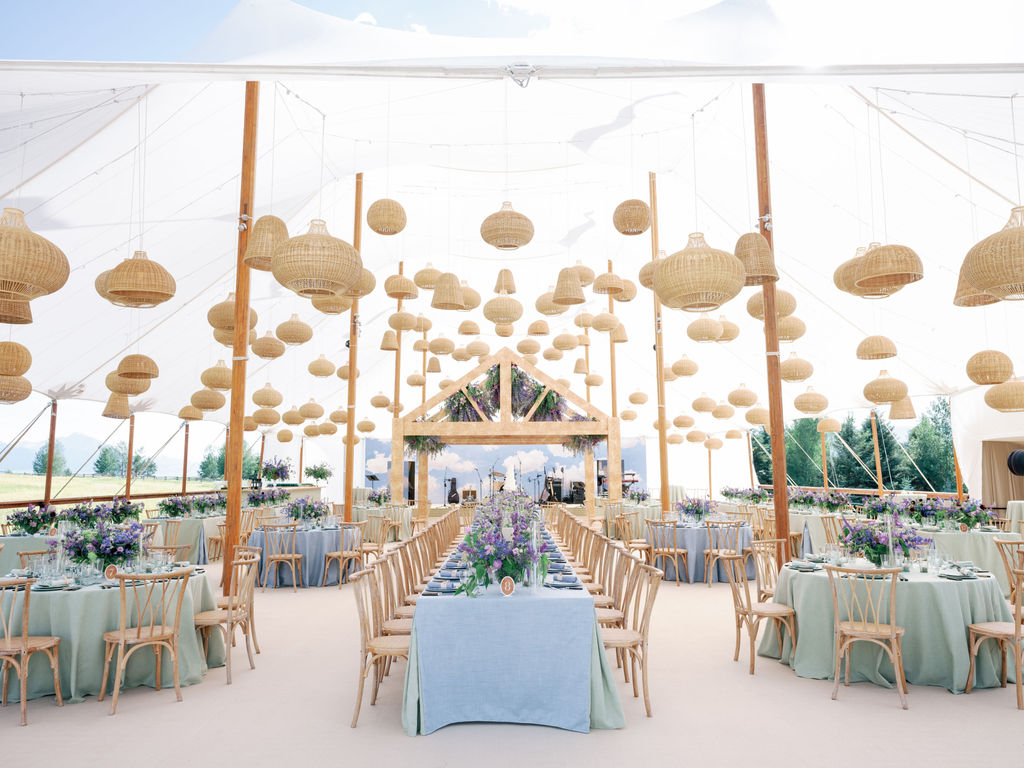
Many additional tent rental charges are directly related to site conditions and operational logistics. Outdoor venues often require supplemental infrastructure to support safe installation and efficient event operations.
A thorough site assessment helps identify these costs early and reduces the likelihood of last-minute adjustments.
Site Conditions That Increase Rental Expenses
Environmental conditions and venue restrictions can significantly affect installation complexity and operational planning.
Important site-related considerations include:
- Ground stability and drainage conditions
- Equipment access limitations for delivery crews
- Distance from permanent power and utility sources
Uneven terrain may require grading, leveling systems, or reinforced flooring support. Venues with restricted access may also require smaller installation equipment or additional manual labor.
Weather exposure is another major cost factor. High wind conditions, heavy rain risk, or extreme temperatures often require upgraded anchoring systems and expanded climate-control capacity.
Additional Accessories and Operational Services
Beyond the tent itself, many supporting services contribute to the total event cost. These operational systems are often billed separately and may not appear in the initial base quote.
Additional billable services commonly include:
- Delivery and setup labor
- Staging, dance floors, and lighting systems
- Temporary generators and power distribution equipment
Waste management, restroom trailers, draping, and decorative liners may also be added depending on the event’s scope and guest expectations.
To maintain transparent budgeting, planners should confirm which items are included in standard rental packages and which are optional add-ons billed separately.
How Event Planners Can Reduce Additional Tent Rental Fees
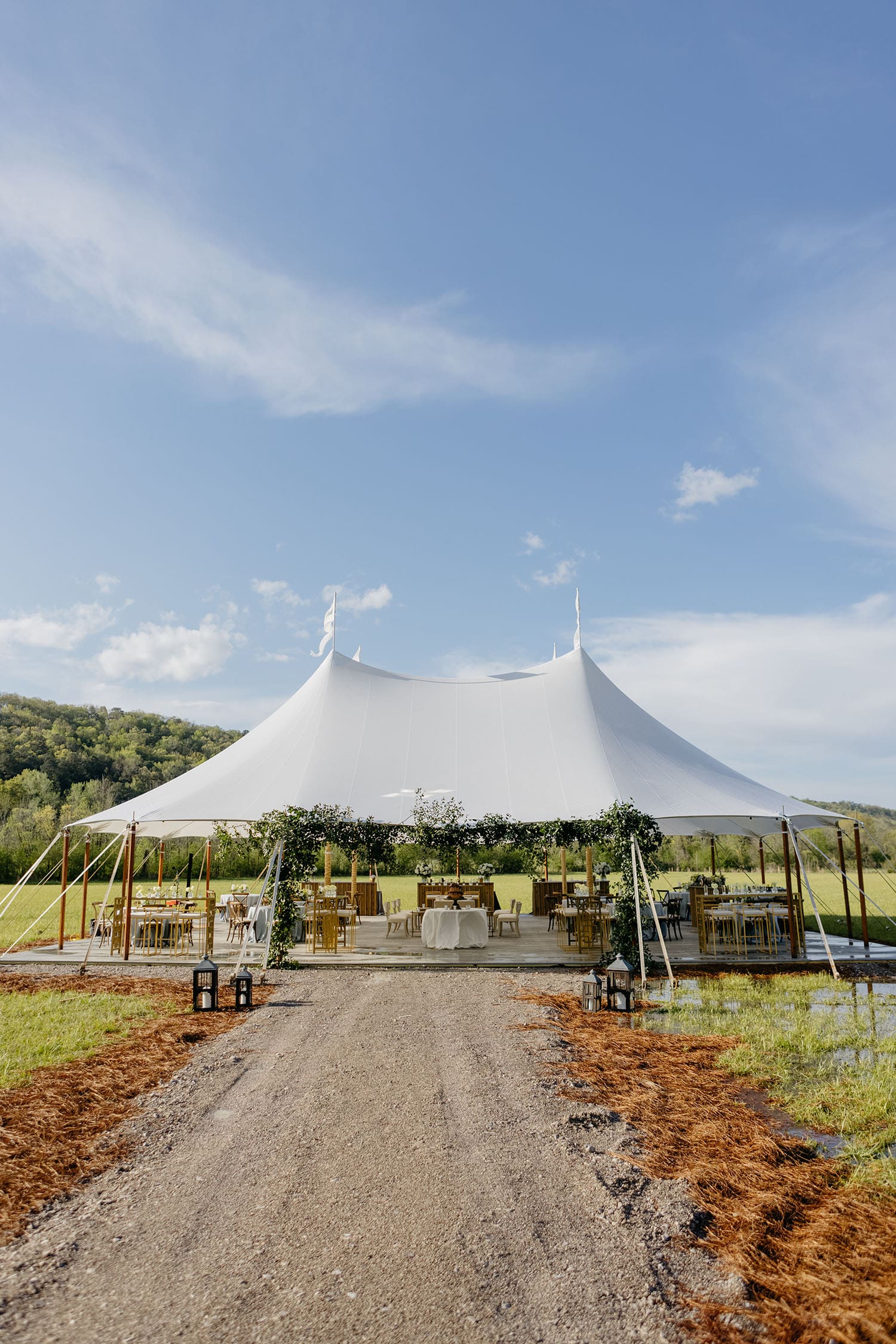
Managing additional rental costs requires strategic planning, clear communication, and early coordination with vendors. The earlier operational needs are identified, the easier it becomes to avoid unnecessary expenses and optimize the event budget.
Careful planning also improves vendor coordination and reduces installation inefficiencies that often increase labor costs.
Evaluating Tent Types and Service Requirements
Tent selection directly affects climate-control demand, flooring complexity, and operational logistics. Choosing a structure that aligns with the event’s actual needs helps prevent overspending on unnecessary infrastructure.
Before finalizing a rental package, planners should evaluate:
- Expected guest count and event duration
- Site conditions and environmental exposure
- Power availability and HVAC requirements
Smaller or naturally ventilated tents may reduce cooling costs, while modular flooring systems can lower installation labor compared to more elaborate custom builds.
Comparing multiple proposals also helps identify inconsistencies in pricing structures and included services.
Using Consultations and Customized Quotes Strategically
Consultations with experienced tent providers allow planners to clarify assumptions, identify hidden costs, and develop more efficient event layouts.
Customized planning improves:
- Budget accuracy and operational transparency
- Vendor coordination and scheduling efficiency
- Long-term cost management during the event lifecycle
Detailed walkthroughs and documented site evaluations also help vendors provide more realistic pricing estimates based on actual conditions rather than generalized assumptions.
Requesting fully itemized quotes remains one of the most effective ways to reduce misunderstandings and avoid unexpected charges later in the planning process.
Frequently Asked Questions
Why do clearspan tents usually cost more to climate control?
Clearspan tents are typically larger and more enclosed than frame tents, requiring more advanced HVAC systems, ductwork, and temporary electrical infrastructure to maintain stable temperatures.
What flooring option is most cost-effective for outdoor events?
Plywood subfloors are often one of the most cost-effective solutions because they provide strong structural support and compatibility with multiple finishing materials.
Why do flooring costs vary so much between venues?
Site conditions such as uneven terrain, moisture exposure, restricted access, and restoration requirements significantly affect installation complexity and labor costs.
Are climate-control fees usually included in base tent pricing?
No. Climate-control systems are typically billed separately because equipment size, operating hours, and installation requirements vary depending on the event.
What hidden tent rental costs should planners watch for?
Common hidden costs include delivery charges, overtime labor, temporary power systems, fuel consumption, flooring accessories, and site restoration requirements.
How early should climate-control and flooring planning begin?
Planning should begin during the earliest stages of event development so vendors can accurately assess power requirements, site logistics, and operational infrastructure needs.
Why is it important to request itemized rental quotes?
Itemized quotes improve transparency, simplify vendor comparisons, and help planners identify optional add-ons or operational expenses before finalizing contracts.
Conclusion
Understanding additional fees for climate control and flooring is essential for building realistic event budgets and avoiding operational surprises during outdoor event planning. Tent structures, HVAC systems, flooring materials, site logistics, and supporting infrastructure all contribute to the total rental investment, often far beyond the initial base tent price.
By carefully evaluating operational needs, requesting detailed quotes, and coordinating closely with experienced vendors, planners can reduce unnecessary expenses while maintaining guest comfort and event functionality. Climate control and flooring should never be treated as secondary considerations because they directly influence safety, accessibility, aesthetics, and overall event performance.
Skyline Tent Company understands the importance of transparent pricing, customized planning, and integrated infrastructure solutions that help clients create refined outdoor event environments without unexpected financial complications. Their planning-focused approach allows event organizers to align structural decisions, operational systems, and budget expectations more effectively from the beginning of the process.