
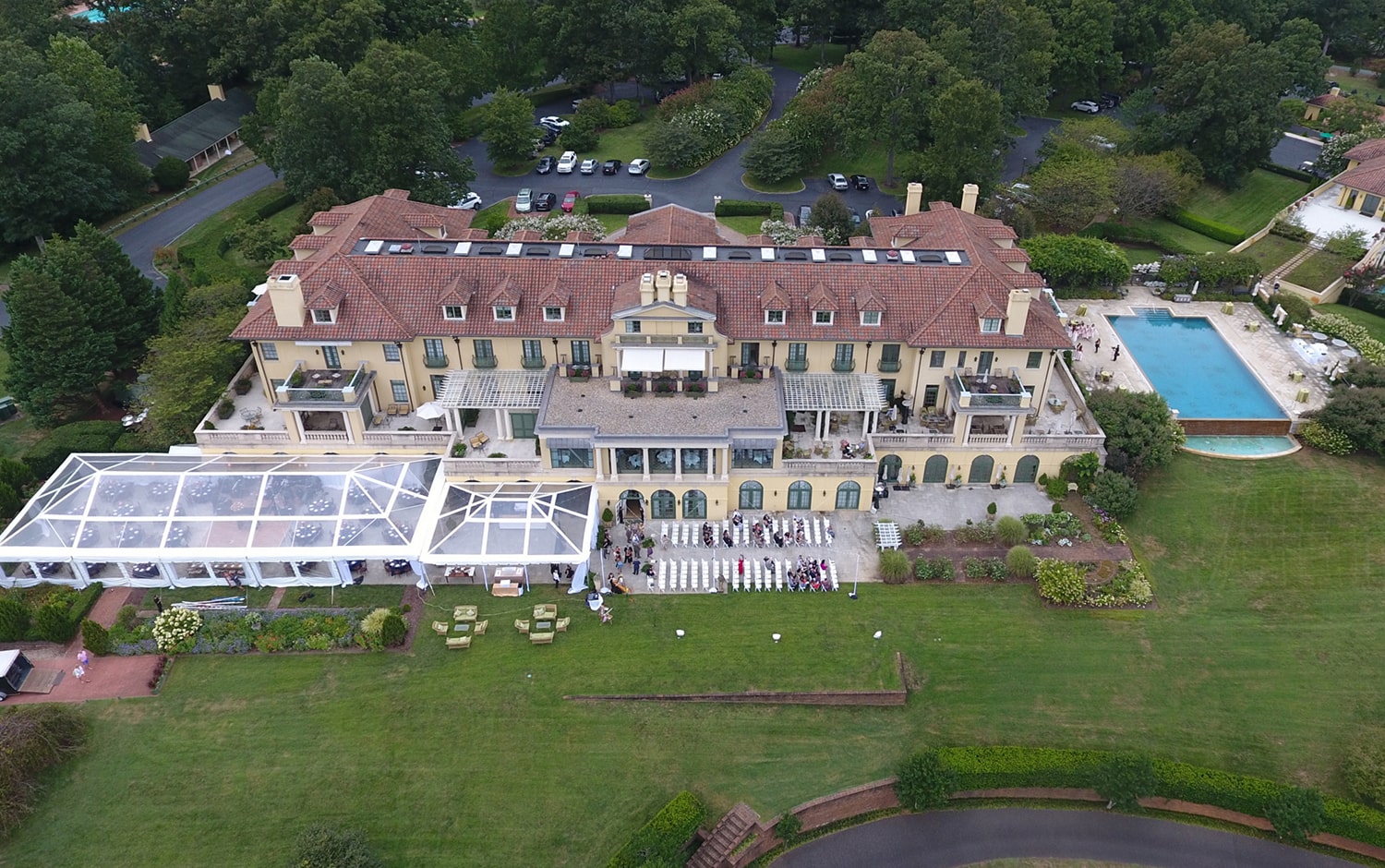
Selecting the right tent is one of the most important decisions when planning an outdoor event. Whether you are organizing a luxury wedding, corporate gala, private celebration, festival, fundraiser, or community gathering, the tent serves as the foundation for the entire guest experience. Beyond providing shelter, the tent influences event aesthetics, guest comfort, layout flexibility, climate control, lighting integration, and operational efficiency. Choosing the wrong structure can create challenges with capacity, accessibility, weather protection, and event flow, while the right tent can transform an ordinary outdoor space into an exceptional venue.
Modern tent solutions offer far more than simple coverage. Today’s event tents include elegant sailcloth structures, expansive clearspan systems, versatile frame tents, and traditional pole tents designed to meet specific functional and aesthetic requirements. Understanding the key factors that influence tent selection allows event planners and hosts to make informed decisions that support both practical needs and design goals.
From guest capacity and site conditions to climate control and branding opportunities, careful planning ensures the selected tent contributes positively to the overall success of the event.
Understanding the Different Types of Event Tents
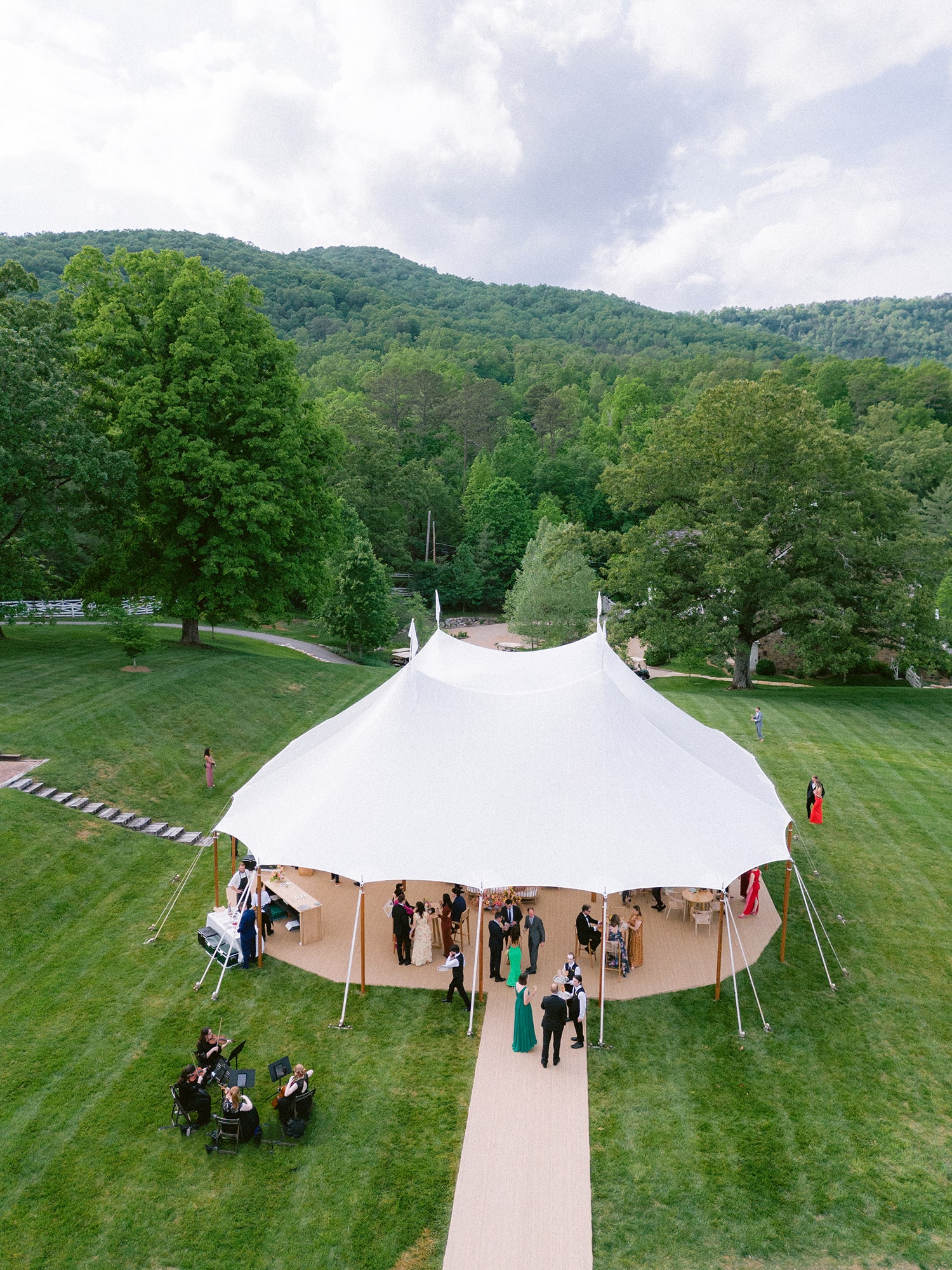
Choosing the correct tent style begins with understanding the strengths and limitations of each structure. Different event goals require different tent solutions.
The structure you select will influence capacity, design flexibility, installation requirements, and overall event appearance.
Clearspan Tents for Maximum Flexibility
Clearspan tents are among the most versatile and popular options for large-scale events. Their engineered aluminum framework eliminates interior support poles, creating completely open spaces that maximize usable square footage. This open design also facilitates easier movement for guests and staff, making it ideal for complex event layouts.
These structures are ideal for weddings, trade shows, corporate functions, festivals, and large social gatherings where unobstructed sightlines and flexible layouts are essential. Their ability to incorporate large-scale professional audio-visual equipment and elaborate staging setups further enhances their appeal for high-profile events.
Clearspan tents also support advanced lighting systems, climate control equipment, staging, and suspended décor installations. Their modular nature allows for easy expansion or reduction in size, tailoring the space precisely to event requirements.
Frame, Pole, and Sailcloth Tent Options
Frame tents provide excellent versatility and can be installed on a variety of surfaces, including concrete, asphalt, grass, and uneven terrain. Their rigid frames create stable structures without the need for center poles, allowing for unobstructed interiors suitable for varied seating arrangements.
Pole tents offer classic elegance with dramatic peaks but require staking and perimeter space, which means site conditions must be carefully considered to ensure proper installation. For summer celebrations seeking this timeless aesthetic, classic Century tent structures can create dramatic rooflines while maintaining the traditional character of an outdoor event.
Before selecting a tent style, planners should evaluate several important characteristics such as site dimensions, ground conditions, desired tent look, and the nature of planned activities.
Popular tent types include:
- Clearspan tents for large open interiors
- Frame tents for versatile installation options
- Pole tents for traditional elegance
- Sailcloth tents for upscale visual appeal
Each option provides unique advantages depending on the event environment and objectives.
Determining Tent Size and Guest Capacity
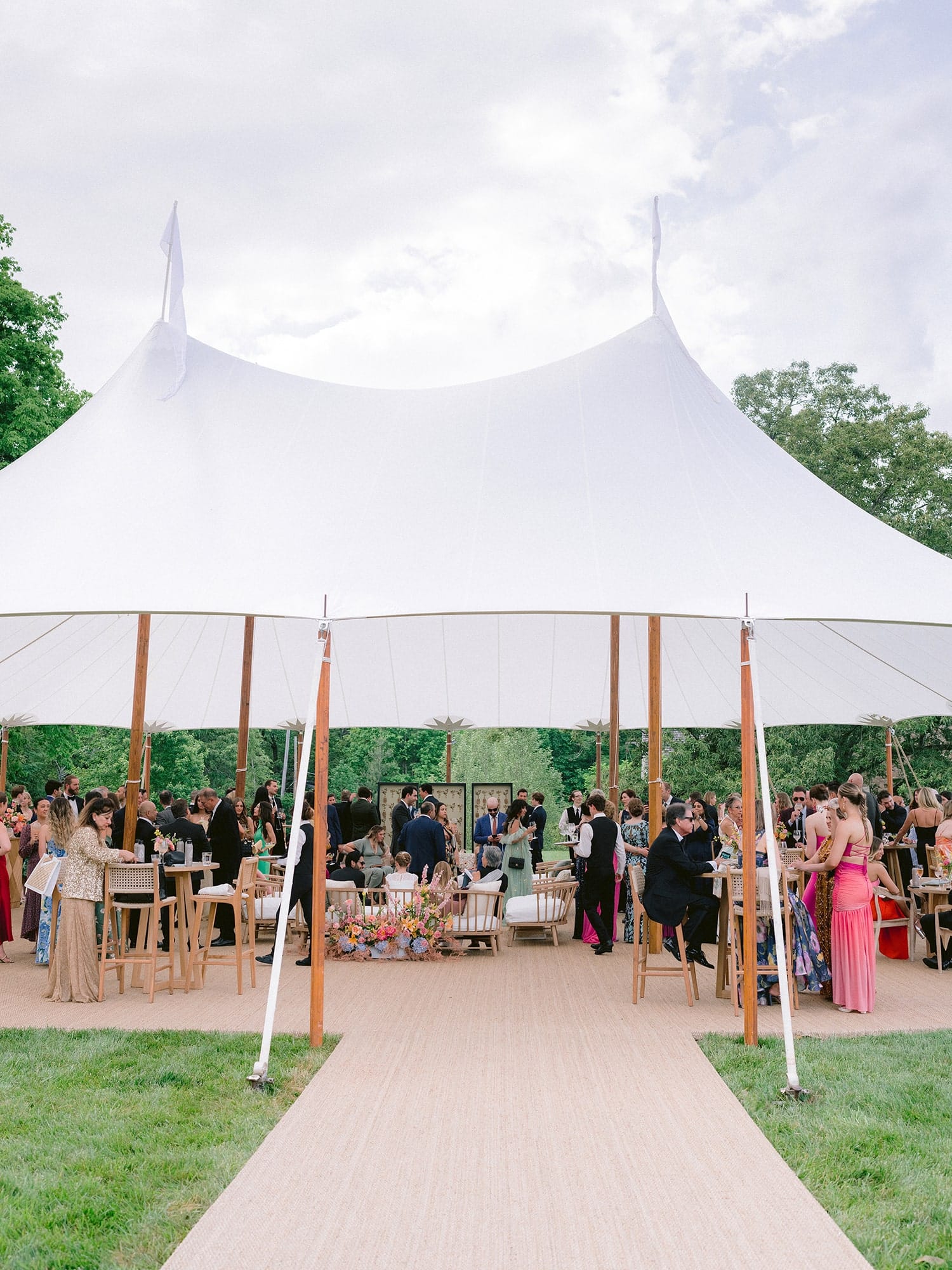
One of the most common mistakes in outdoor event planning is underestimating the amount of space required. Capacity planning should account for more than guest seating alone. Factors such as service areas, equipment placement, and emergency exits also influence tent size.
The overall event layout significantly influences the required tent footprint, with considerations including traffic flow, accessibility, and safety protocols.
Calculating Space Requirements
Guest count provides the starting point for tent sizing. However, planners must also consider dining arrangements, bars, dance floors, stages, lounges, buffet stations, and service areas to ensure adequate space allocation. Overcrowding can negatively impact guest experience and operational efficiency.
For seated dining events, approximately 10 square feet per guest is often recommended, while cocktail-style events may require less space per attendee due to more informal standing arrangements.
Accurate planning ensures guests remain comfortable while maintaining efficient circulation throughout the venue, which is critical for events with high foot traffic or multiple activity zones.
Accounting for Event Activities
Every event has unique operational requirements that affect tent size. Entertainment stages, audiovisual equipment, catering operations, and VIP areas all require dedicated space. Planning for safe equipment placement and staff movement is necessary to avoid disruptions.
Several factors should be reviewed before finalizing tent dimensions, including fire safety regulations, emergency access, and functional workflows.
Important capacity considerations include:
- Guest count projections
- Dining and seating arrangements
- Entertainment and staging requirements
- Vendor and service areas
These elements help determine the appropriate tent size while preventing overcrowding and ensuring compliance with safety standards.
Evaluating Site Conditions Before Tent Installation
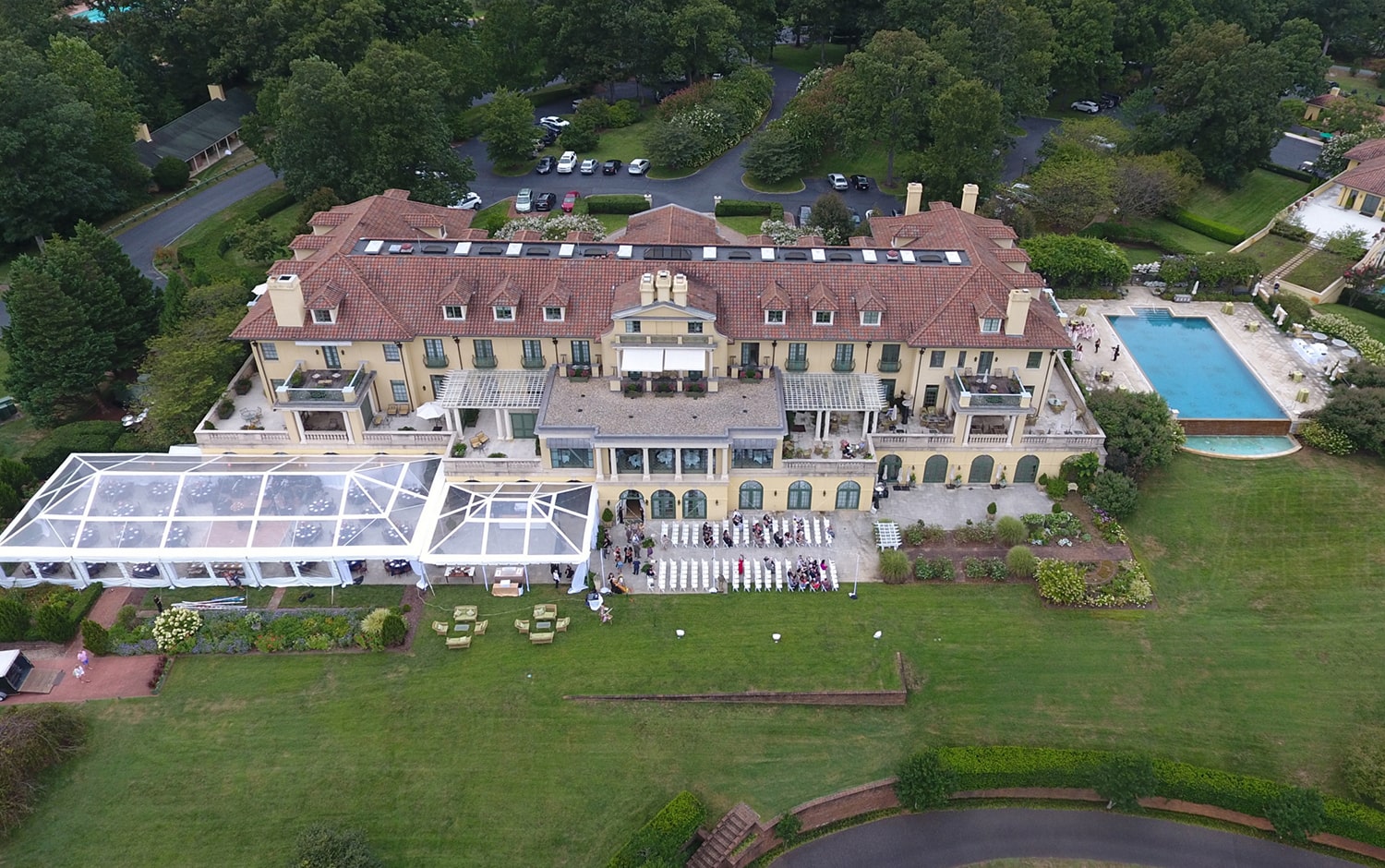
The event site plays a major role in determining which tent structures are suitable for installation. Conducting a flawless outdoor event setup starts with evaluating terrain, access, utilities, and other logistical factors that can influence tent placement and installation. Factors such as soil condition, drainage, and ambient noise levels are critical for successful event execution.
Understanding site conditions early allows planners to make informed decisions about tent orientation, anchoring methods, and infrastructure needs.
Terrain and Ground Surface Assessment
Different tent structures require different installation methods. Uneven terrain, slopes, soft ground, trees, and underground utilities can all affect tent placement and stability. Site surveys should identify areas prone to flooding or erosion, which could impact safety and comfort.
A site assessment helps identify potential challenges while ensuring that the selected structure can be installed safely and efficiently. It also aids in planning for tent anchorage systems that comply with local regulations and environmental constraints.
Early planning reduces the likelihood of costly modifications during setup and minimizes the risk of last-minute cancellations or event disruptions.
Accessibility and Logistics Planning
Delivery vehicles, installation crews, vendors, and guests all require access to the event site. Poor accessibility can complicate setup procedures and increase labor costs. Considerations include road width, load-bearing capacity, parking options, and proximity to emergency services.
Before installation begins, planners should evaluate several logistical considerations, such as equipment staging areas, waste disposal access, and power supply points to facilitate smooth operations.
Key site evaluation factors include:
- Terrain conditions and stability
- Accessibility for installation crews
- Utility and power availability
- Local permitting requirements
Addressing these factors early contributes to smoother event execution and ensures compliance with municipal and environmental regulations.
Enhancing Comfort Through Lighting, Flooring, and Climate Control
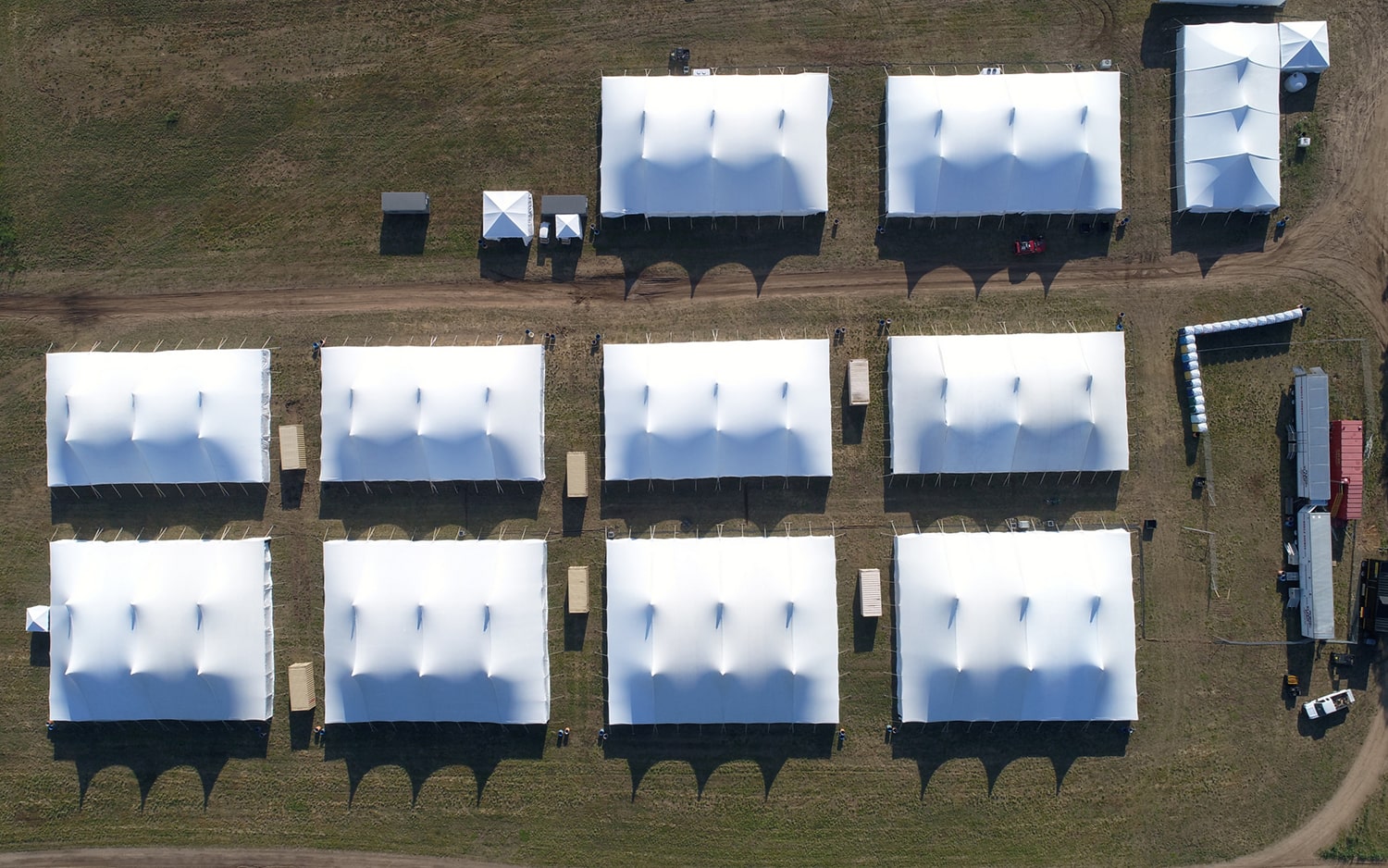
The most successful outdoor events prioritize guest comfort. Proper infrastructure ensures attendees remain comfortable regardless of weather conditions. Thoughtful integration of amenities can elevate the overall perception of the event and encourage longer guest engagement.
Lighting, flooring, and climate-control systems significantly influence the overall event experience by creating a functional and inviting atmosphere.
Lighting Solutions for Function and Ambiance
Lighting serves both practical and aesthetic purposes. It improves visibility while creating atmosphere and highlighting key design elements. Effective lighting design enhances safety by illuminating pathways and exits during night events.
Luxury events often utilize layered lighting strategies that combine chandeliers, string lights, uplighting, and task lighting to create dynamic environments. Adjustable lighting controls allow for mood setting throughout the event duration.
Thoughtful lighting design enhances photography, guest experience, and event branding opportunities. Integration with smart technology enables seamless coordination with event programming and energy-efficient operation.
Flooring and Climate-Control Considerations
Flooring systems improve accessibility, safety, and visual appeal while protecting guests from uneven terrain or wet ground conditions. Temporary flooring options allow for diverse surface finishes that complement event themes and support high traffic flow.
Before selecting infrastructure enhancements, planners should evaluate several options to match budget, aesthetic preferences, and functional needs.
Popular event enhancements include:
- Hardwood and luxury flooring systems
- String lighting and chandeliers
- Heating and cooling equipment
- Weather-resistant sidewalls and enclosures
These upgrades help transform temporary structures into premium event venues capable of operating comfortably across varied weather conditions and seasons.
Balancing Design, Branding, and Event Objectives
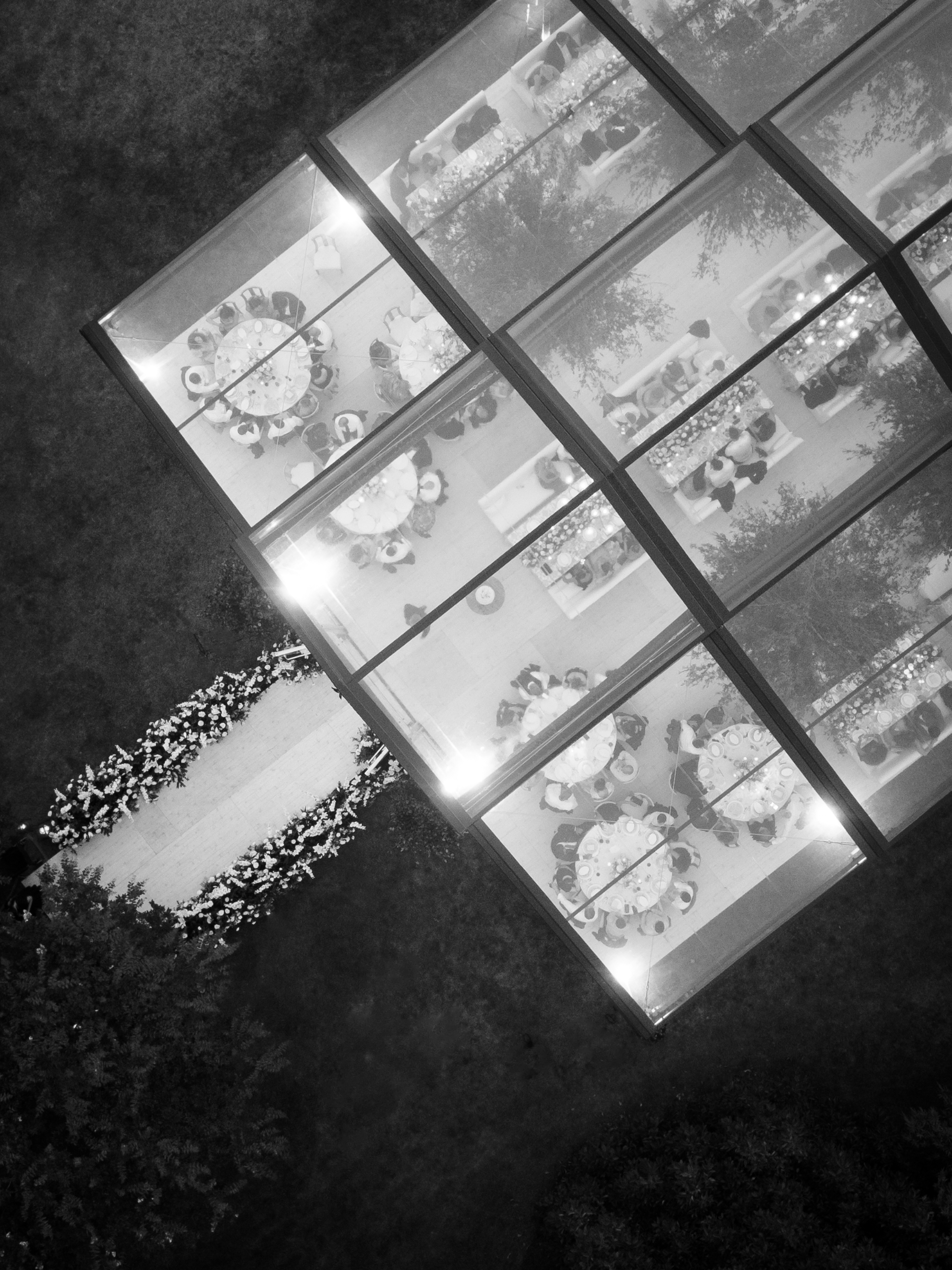
A tent should support both practical requirements and the overall vision of the event. Design choices influence guest perceptions and help create memorable experiences by reinforcing the event theme and identity.
The most successful tented events balance functionality with aesthetics, ensuring that design elements integrate cohesively with the event’s purpose.
Creating a Cohesive Event Environment
Color palettes, furnishings, lighting, flooring, and décor should work together to create a unified atmosphere. Tent structures serve as blank canvases that can be customized to reflect virtually any style, from minimalistic modern to ornate classic themes.
Whether the goal is rustic elegance, modern sophistication, luxury branding, or corporate professionalism, tent design plays a critical role. Incorporating textures, fabrics, and architectural features enhances visual interest and guest comfort.
Thoughtful customization enhances both visual appeal and guest engagement, encouraging positive feedback and repeat attendance.
Integrating Branding and Premium Features
Corporate events, fundraisers, product launches, and sponsored gatherings often benefit from custom branding opportunities integrated directly into the tent environment. This strengthens brand presence while creating immersive experiences for attendees.
Several design elements help strengthen event identity through consistent thematic presentation and targeted messaging.
Effective branding opportunities include:
- Custom entrances and signage
- Branded sidewalls and graphics
- Themed lighting and décor
- VIP lounges and hospitality areas
These features help create memorable environments that align with event goals and foster deeper connections between guests and the event’s mission or product.
Frequently Asked Questions
What type of tent is best for large outdoor events?
Clearspan tents are often preferred because they provide open interiors without support poles and accommodate large guest capacities.
How do I determine the right tent size?
Tent size depends on guest count, seating arrangements, entertainment areas, catering needs, and event activities.
Can tents be installed on concrete surfaces?
Yes. Frame tents and certain clearspan structures can be installed on concrete, asphalt, and other hard surfaces.
Why is a site inspection important?
Site inspections identify terrain conditions, accessibility concerns, utility requirements, and permitting needs before installation.
What flooring works best inside event tents?
Hardwood flooring, luxury vinyl flooring, carpeting, and elevated platform systems are among the most popular options.
Conclusion
Selecting the perfect tent requires balancing guest comfort, event goals, site conditions, aesthetics, and operational requirements. Understanding tent styles, capacity needs, infrastructure options, and logistical considerations helps planners make informed decisions that contribute to successful events.
From clearspan and sailcloth tents to advanced climate-control systems, premium flooring, and integrated lighting solutions, the right combination can create stunning summer event structures that enhance guest comfort, atmosphere, and functionality while meeting the practical requirements of the event.
Skyline Tent Company specializes in helping clients navigate every aspect of tent selection, design, installation, and event infrastructure planning. With expertise in luxury weddings, corporate events, festivals, and private celebrations, their team provides tailored solutions designed to maximize comfort, efficiency, and visual impact.
Ready to find the perfect tent for your next outdoor event? Contact Skyline Tent Company today to explore premium tent rental options, custom event solutions, and expert planning services that will bring your vision to life while ensuring an unforgettable guest experience.