
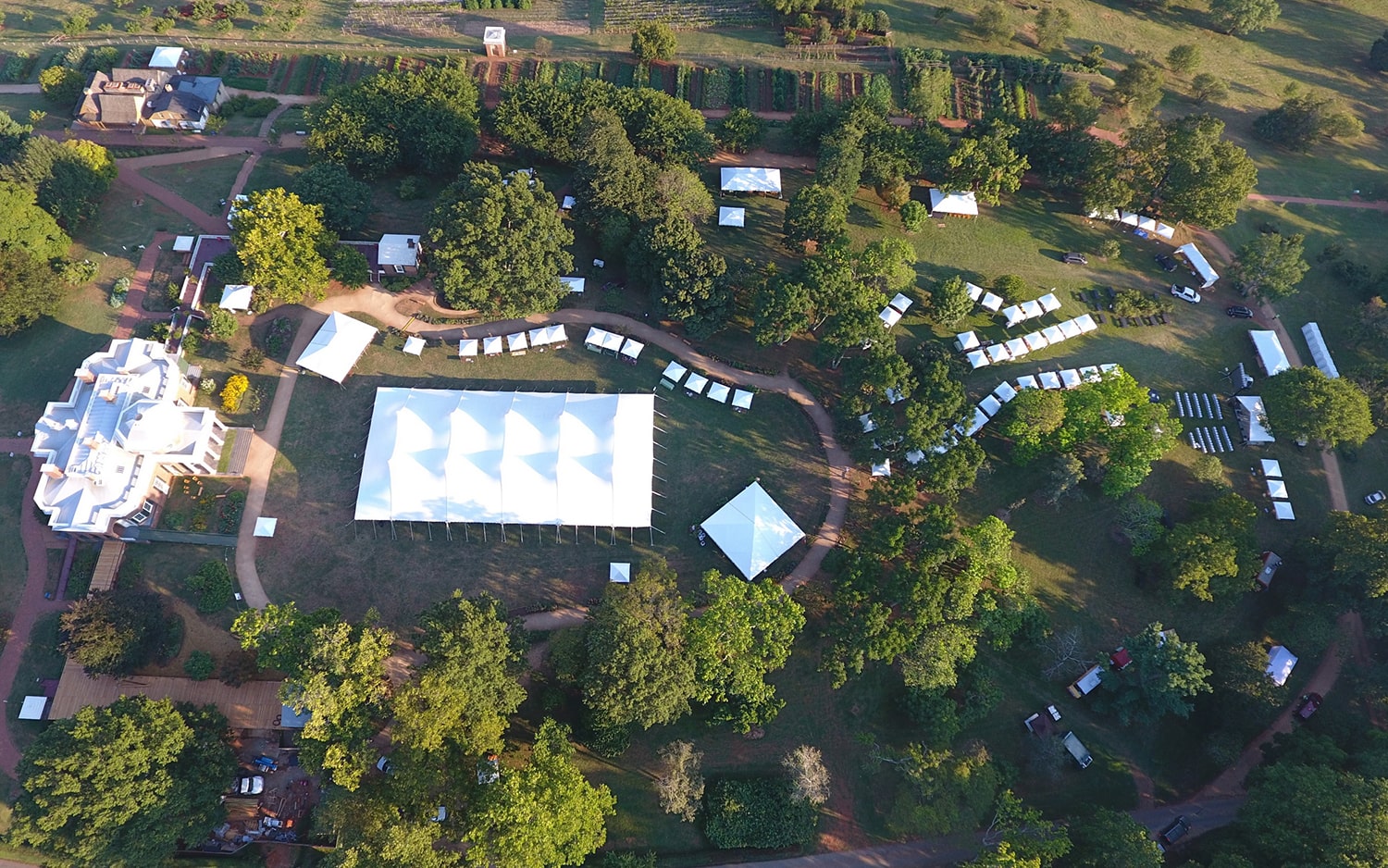
The success of any outdoor event begins long before the tent is installed or guests arrive. While elegant tent structures, luxury décor, premium catering, and entertainment often receive the most attention, the event site itself serves as the foundation for every decision that follows. A thorough site assessment helps planners identify opportunities, anticipate challenges, and create environments that are safe, comfortable, visually impressive, and operationally efficient. Whether hosting a luxury wedding, corporate gala, fundraising event, festival, private celebration, or large-scale social gathering, understanding site conditions is essential for achieving a flawless event experience.
Site evaluations influence tent selection, flooring requirements, guest circulation, climate-control planning, utility access, logistics, and permitting. Even the most sophisticated event infrastructure can encounter challenges if ground conditions, accessibility concerns, environmental factors, and operational requirements are not carefully considered during the planning process. By implementing a structured assessment strategy, event professionals can minimize risks while maximizing guest comfort and overall event success.
Fundamentals of Site Selection
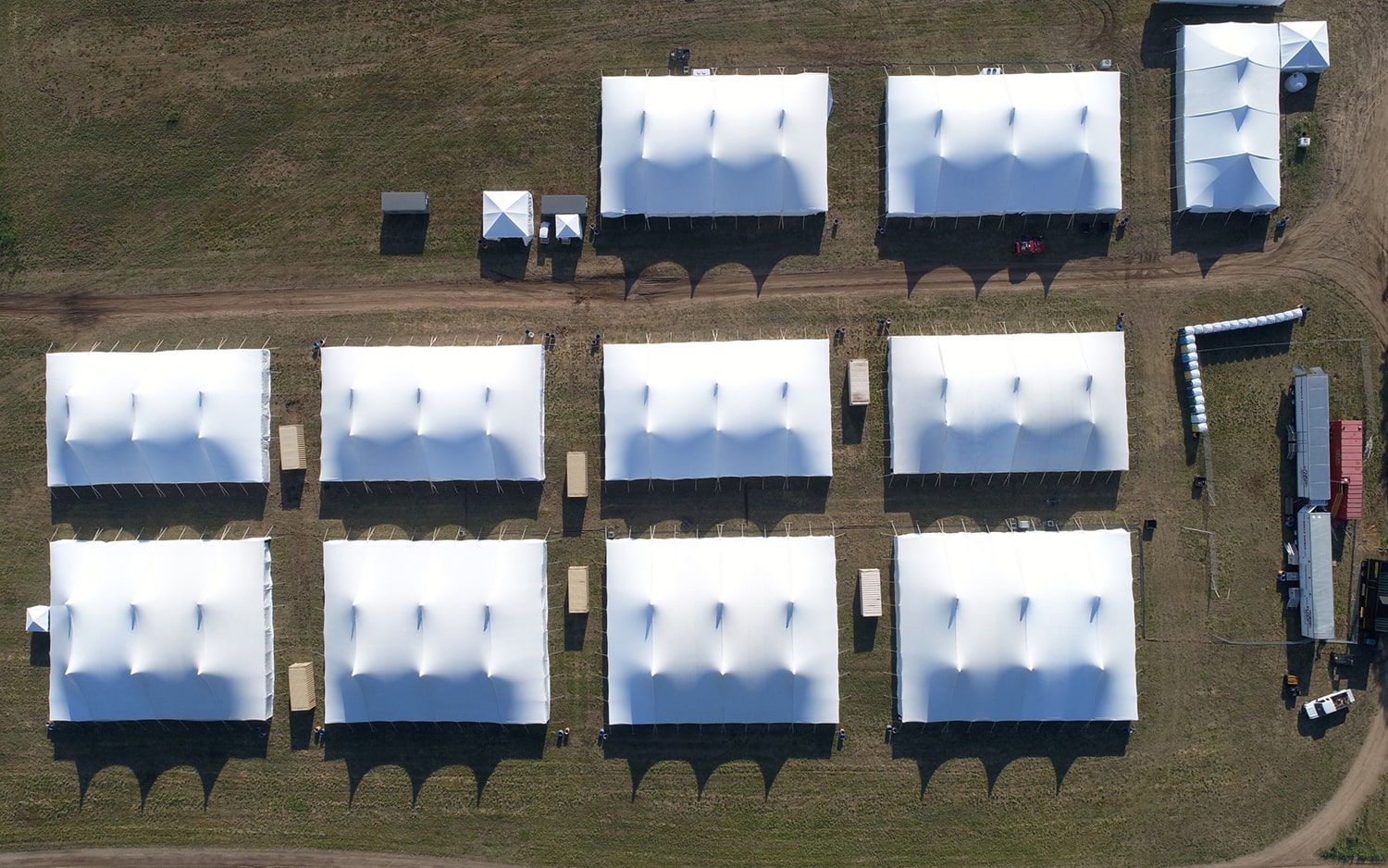
Selecting the right location is the first step toward creating an exceptional outdoor event. A site that appears ideal at first glance may present logistical challenges that affect installation, safety, and guest experience.
Careful evaluation helps planners make informed decisions before committing resources.
Evaluating Ground Conditions
Ground conditions directly influence tent stability, flooring requirements, and guest comfort. Soft soil, uneven terrain, poor drainage, and unstable surfaces can create complications during installation and event operations.
Conducting a thorough assessment helps identify whether additional reinforcement, elevated flooring, ballast systems, or specialized anchoring solutions may be required.
Stable ground conditions contribute significantly to the safety and success of any tented event.
Determining Available Space and Layout Potential
Beyond tent placement, event planners must consider space requirements for guest circulation, staging areas, vendor operations, service corridors, parking, and emergency access.
A site may appear spacious but still present limitations once all operational elements are incorporated into the overall design.
Before moving forward with venue selection, planners should evaluate several important factors.
Key site-selection considerations include:
- Ground stability and soil conditions
- Available event footprint
- Accessibility for guests and vendors
- Emergency access requirements
Addressing these factors early helps prevent costly adjustments later in the planning process.
Environmental Factors That Influence Event Success
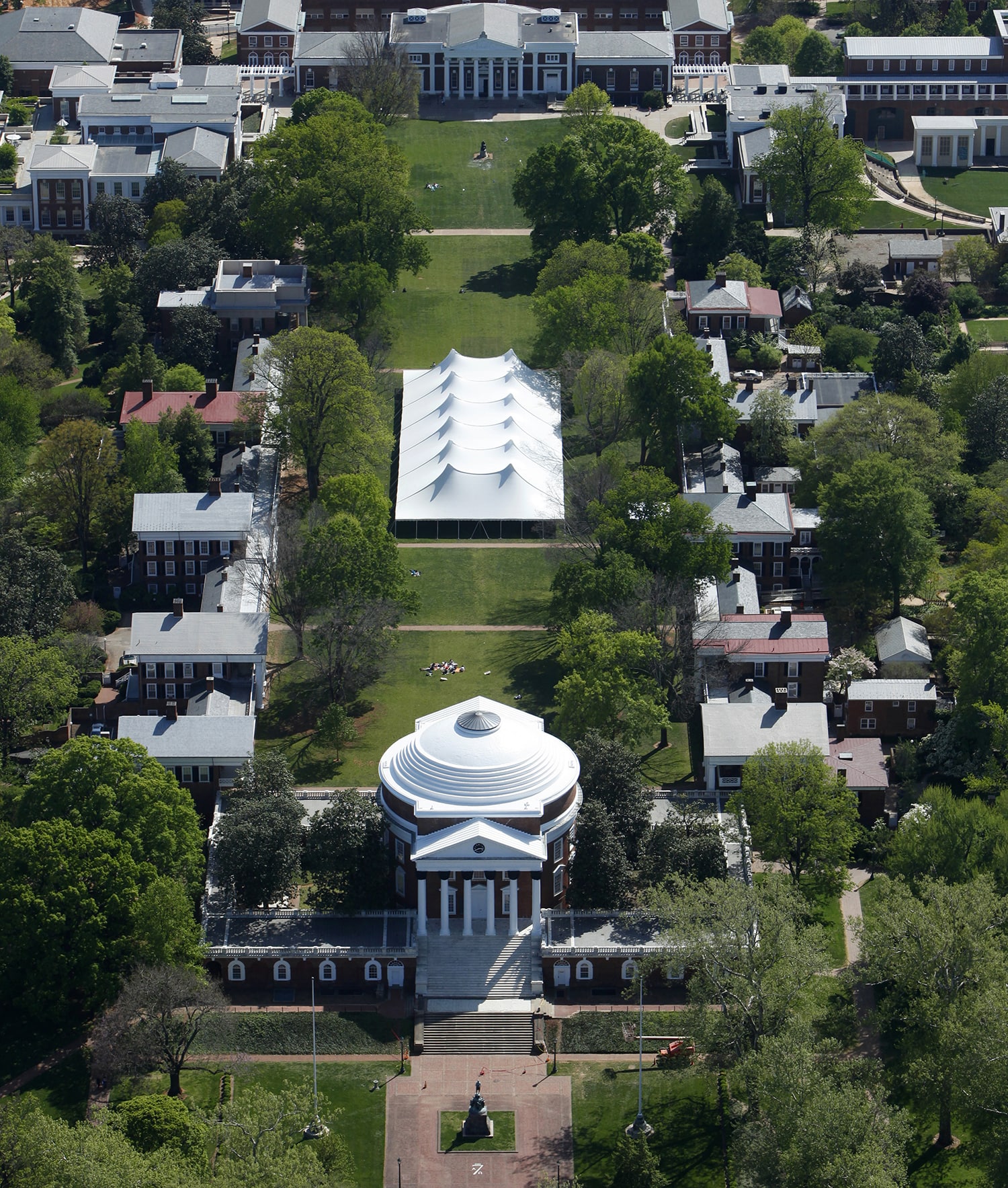
Outdoor environments are constantly affected by weather, seasonal conditions, and natural site characteristics. Understanding these variables allows planners to develop effective contingency strategies.
Environmental analysis should be incorporated into every stage of event planning.
Assessing Weather Patterns and Seasonal Conditions
Historical weather data provides valuable insights into temperature ranges, precipitation levels, humidity, and wind patterns. Planning for summer event tent features based on these seasonal conditions can help determine appropriate climate-control requirements and infrastructure needs before installation begins.
Even during traditionally favorable seasons, planners should prepare for unexpected weather events through contingency planning and flexible event design.
Proactive preparation helps protect both guests and event investments.
Analyzing Site Exposure and Microclimates
Every site contains unique environmental characteristics. Nearby water features, tree lines, elevation changes, and surrounding structures can influence temperature, wind movement, and sunlight exposure.
Understanding these microclimates helps optimize tent placement and guest comfort. You may also find Know Tent Placement Restrictions for Your Event Location helpful.
Before finalizing event layouts, organizers should evaluate several environmental considerations.
Important environmental factors include:
- Historical weather conditions
- Wind direction and exposure
- Sunlight and shade patterns
- Seasonal terrain changes
These insights help guide tent positioning and infrastructure planning.
Accessibility and Logistics Planning for Outdoor Events
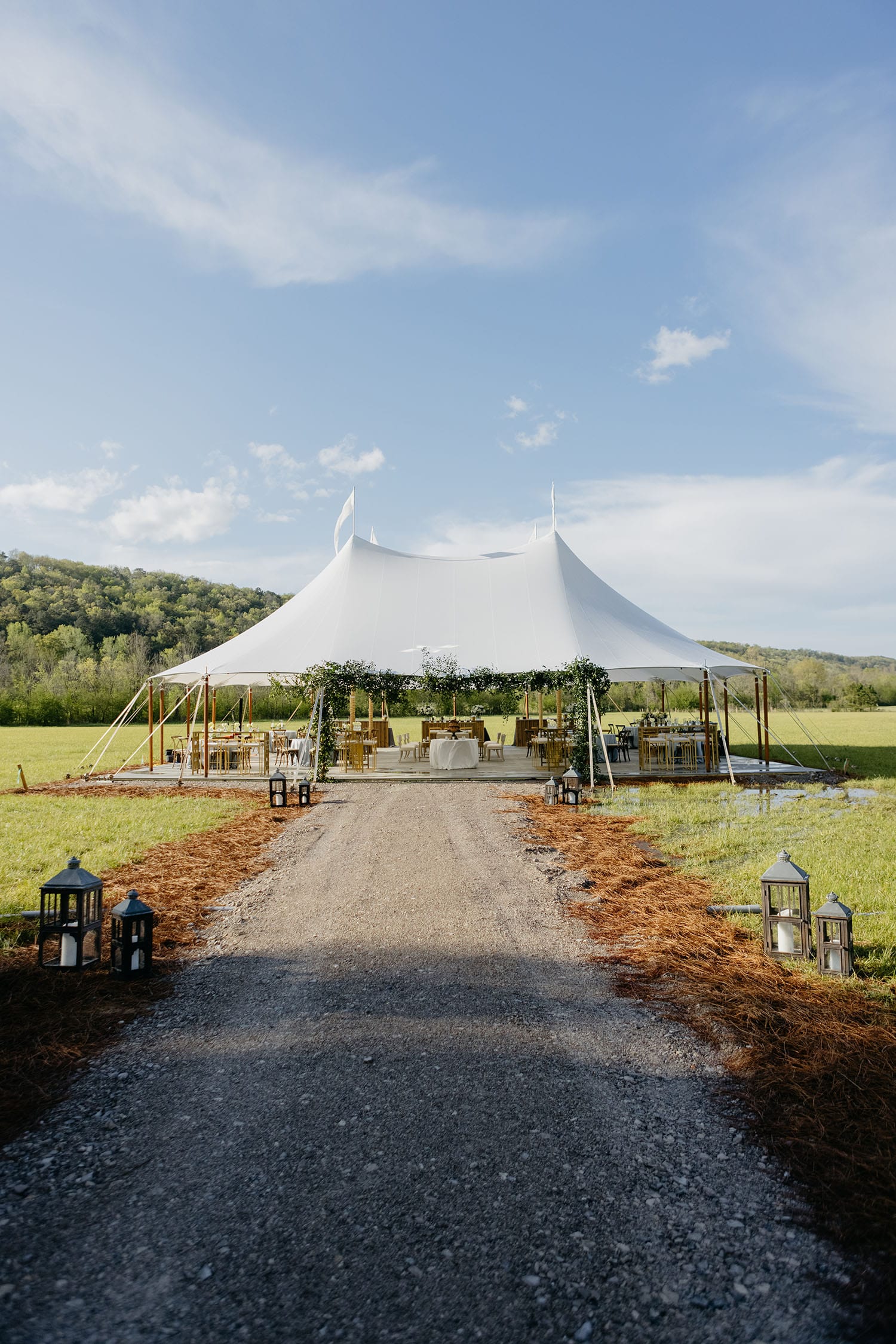
An impressive event design means little if guests, vendors, and service providers struggle to access the venue. Accessibility plays a critical role in both operations and attendee satisfaction.
Effective logistics planning ensures smooth event execution from setup through breakdown. Read more in Effective Guide on Cleaning Your Rented Event Tent.
Guest Access and Traffic Flow
Guests should be able to navigate the site comfortably and safely. Parking, pathways, entrances, and accessibility accommodations should all be carefully evaluated during site inspections.
Well-designed circulation routes improve the guest experience while reducing congestion and operational conflicts.
Accessibility considerations should support guests of all mobility levels.
Vendor and Service Coordination
Event vendors require reliable access for deliveries, installation activities, and operational support throughout the event lifecycle.
Clear communication and logistical planning help ensure that vendors can perform their responsibilities efficiently without disrupting guest activities.
Before finalizing logistics plans, organizers should review several critical considerations.
Essential logistical planning elements include: We cover this further in Outdoor vs Indoor Event Planning: A Comprehensive Checklist.
- Delivery and staging areas
- Parking and transportation access
- Vendor coordination procedures
- Utility access points
These elements support efficient operations while improving overall event performance.
Matching Tent Structures to Site Conditions
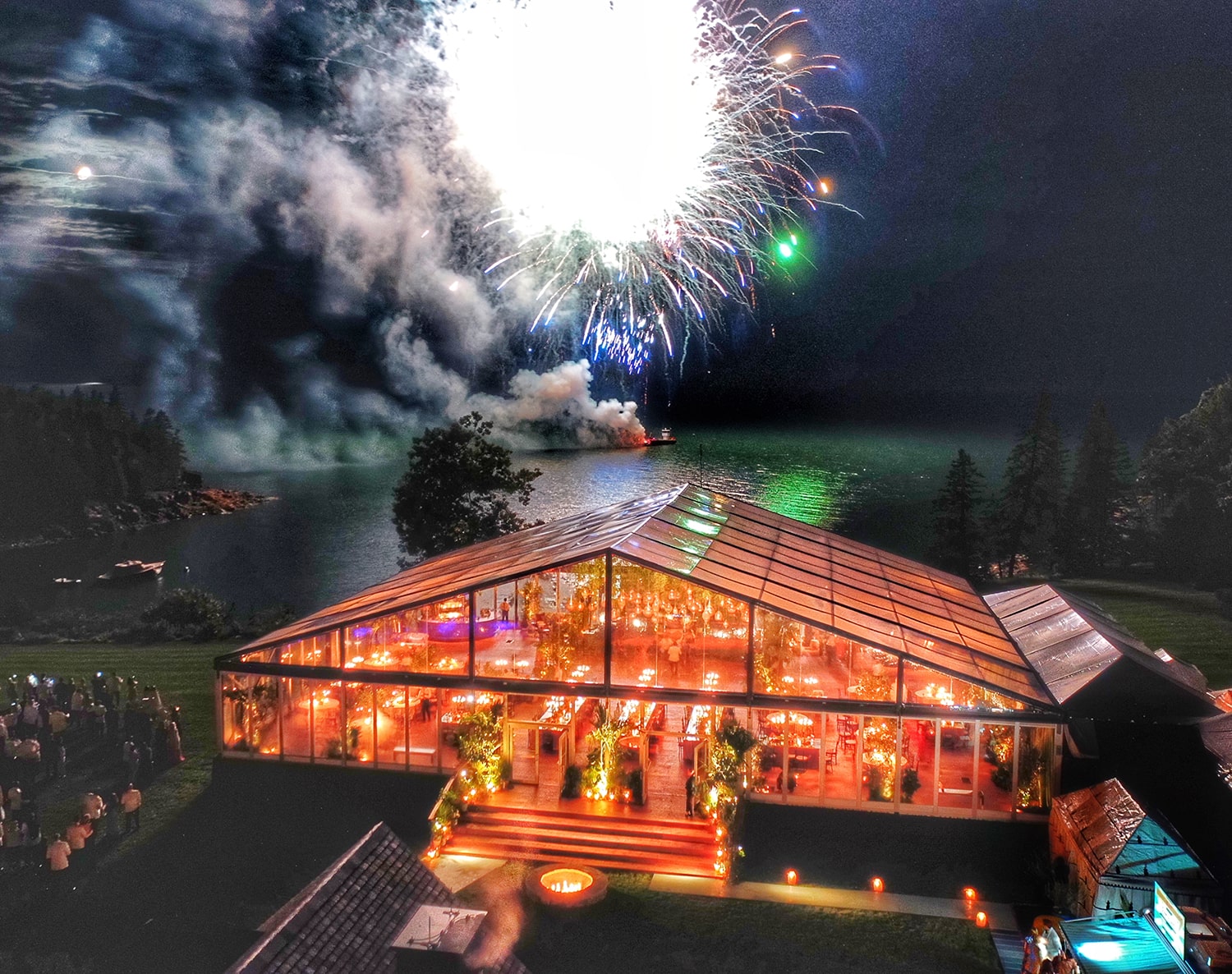
The site itself often determines which tent structures are most appropriate for an event. Different tent styles interact with terrain, access conditions, and environmental factors in different ways.
Selecting the right tent structure helps maximize both functionality and aesthetics. You may also find Local vs. National Tent Vendors: Making the Right Choice helpful.
Clearspan Structures for Challenging Sites
Clearspan tents provide exceptional flexibility because they eliminate interior support poles and can accommodate a variety of terrain conditions.
Their engineered frame systems support elevated flooring, climate-control equipment, sophisticated lighting installations, and large guest capacities. This versatility makes them ideal for luxury weddings, corporate events, and high-end social gatherings. You may also find Exquisite Tent Designs for Luxury Summer Corporate Galas helpful.
Clearspan structures also perform well on sites where maximizing usable space is a priority. For more detail, see our article Complete Guide to Your Event Tent Rental Checklist.
Sailcloth and Frame Tents for Specialty Applications
Sailcloth tents offer distinctive visual appeal and work beautifully in garden settings, waterfront venues, vineyards, and private estates. Their elegant architecture complements upscale event designs.
Frame tents provide additional flexibility because they can be installed on grass, concrete, asphalt, and other surfaces without extensive staking requirements. You may also find Can You Set Up a Party Tent on Grass? Tips and Suggestions helpful.
Before selecting a tent style, planners should evaluate several important criteria.
Tent selection considerations include:
- Terrain characteristics
- Anchoring requirements
- Guest capacity goals
- Desired aesthetic presentation
Matching tent design to site conditions enhances both performance and visual impact.
Infrastructure Planning for Comfort and Safety
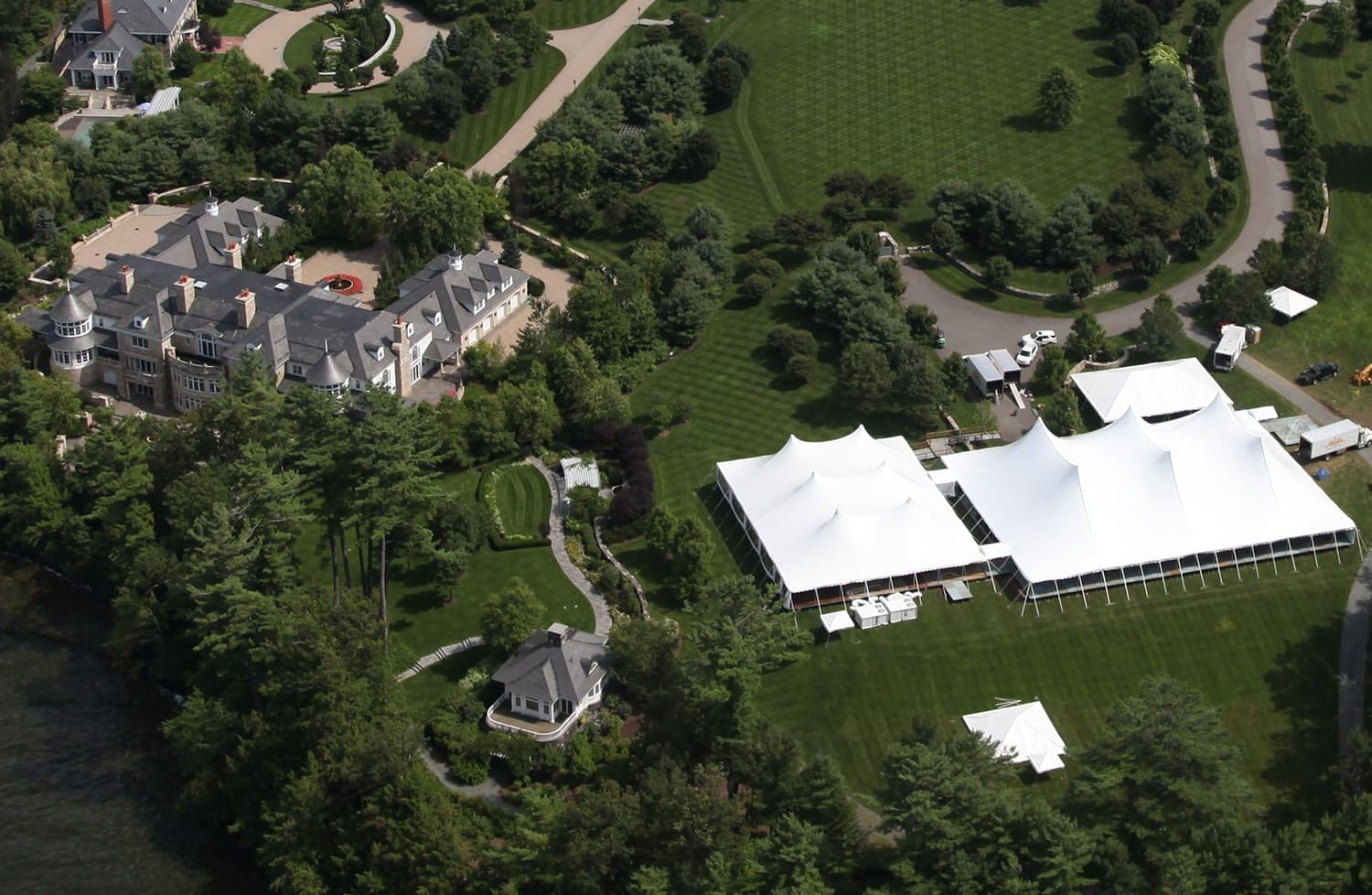
A successful outdoor event requires more than a beautiful tent. Supporting infrastructure contributes directly to guest comfort, operational efficiency, and regulatory compliance. Read more in Create Beautiful Outdoor Events Using Floral Installations.
Early infrastructure planning helps create seamless event experiences.
Flooring, Lighting, and Climate-Control Integration
Flooring systems improve stability, accessibility, and aesthetics while protecting guests from uneven terrain. Lighting enhances safety and atmosphere, while climate-control systems maintain comfortable temperatures.
Integrating these elements into the site plan ensures that infrastructure works together efficiently.
Thoughtful coordination reduces installation challenges while improving overall event quality.
Permits, Compliance, and Risk Management
Regulatory requirements vary by location and event type. For larger installations, understanding tent permitting and safety can help planners address temporary structure permits, fire-safety approvals, utility requirements, and weather-related precautions early in the planning process.
Compliance not only protects event organizers but also demonstrates professionalism and preparedness.
Before installation begins, planners should evaluate several key infrastructure requirements.
Critical infrastructure considerations include:
- Flooring and accessibility systems
- Lighting and power distribution
- Climate-control requirements
- Permitting and regulatory compliance
Addressing these areas proactively supports smoother event execution.
Value of Professional Site Assessments
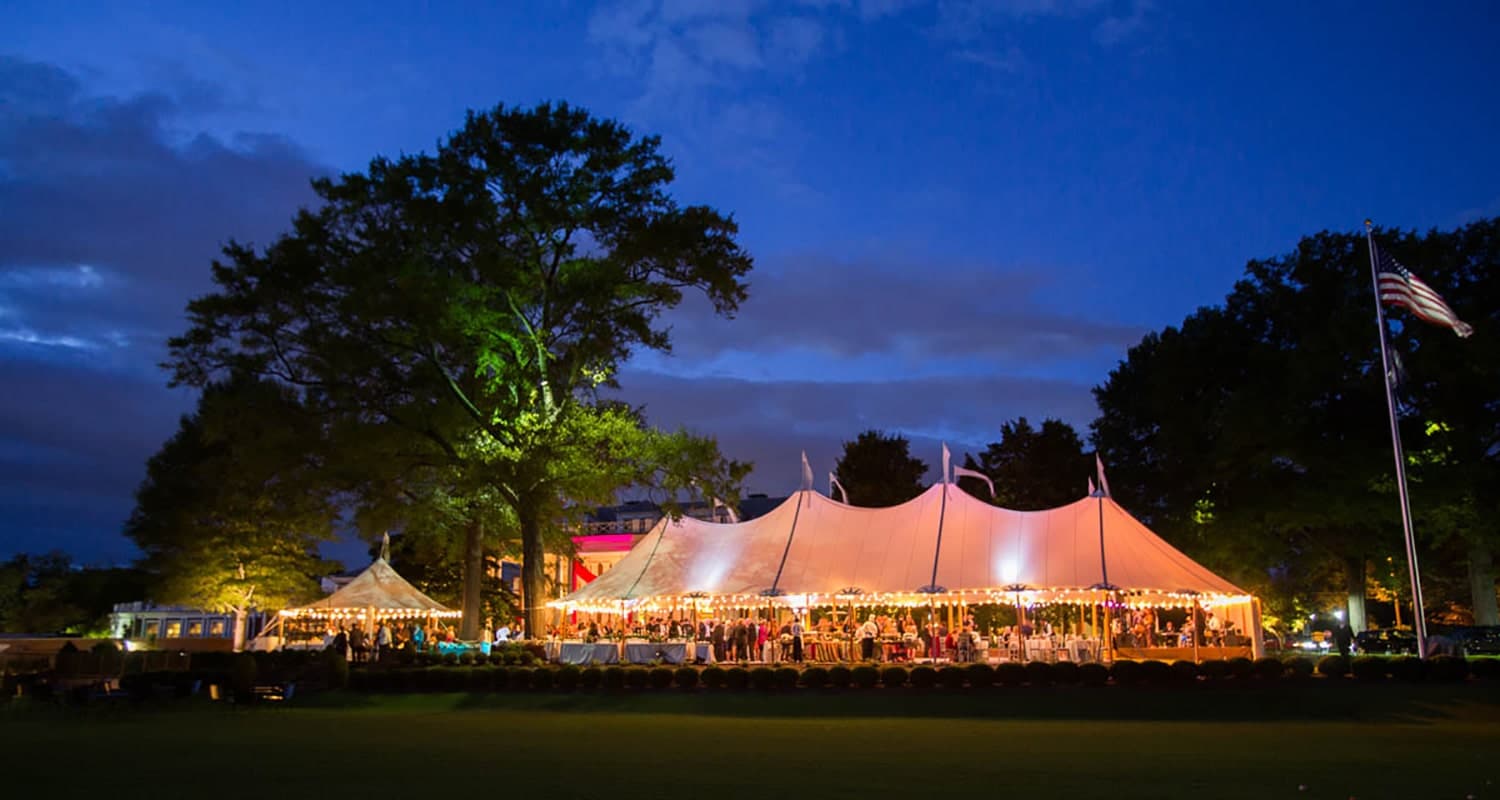
Professional site evaluations provide expertise that helps identify challenges before they become costly problems. Consultants and experienced tent providers bring valuable insights that improve planning accuracy and efficiency.
Investing in professional guidance often leads to better outcomes and fewer surprises during installation.
Identifying Hidden Challenges
Experienced professionals can identify issues that may not be obvious during casual site visits. Soil stability concerns, utility limitations, drainage issues, and regulatory requirements often require specialized knowledge.
These insights help planners avoid costly delays and last-minute adjustments.
Professional assessments improve confidence throughout the planning process.
Creating Customized Event Solutions
Every site presents unique opportunities and challenges. Customized solutions allow planners to optimize layouts, infrastructure, and guest experiences based on actual site conditions.
Before moving into final design stages, organizers should consider several advantages of expert consultation.
Benefits of professional site assessments include:
- Improved risk management
- More accurate infrastructure planning
- Enhanced regulatory compliance
- Better guest experience outcomes
Professional guidance often contributes significantly to overall event success.
Frequently Asked Questions
Why is a site assessment important before selecting a tent?
A site assessment identifies terrain conditions, accessibility concerns, environmental factors, and infrastructure requirements that influence tent selection and event planning.
What ground conditions should be evaluated?
Soil stability, drainage, slope, terrain consistency, and potential obstructions should all be assessed before installation.
How do weather conditions affect site planning?
Weather influences tent selection, climate-control requirements, flooring systems, and contingency planning strategies.
Why is accessibility important for outdoor events?
Accessibility ensures that guests, vendors, emergency services, and event staff can navigate the site safely and efficiently.
Which tent structure works best on uneven terrain?
Clearspan structures are often ideal because they accommodate a variety of site conditions and support elevated flooring systems. We cover this further in Optimizing Outdoor Sports Events With Ideal Tent Setups.
When should permits be secured?
Permits should be obtained as early as possible during the planning process to avoid delays and ensure regulatory compliance.
Do professional site assessments improve event outcomes?
Yes. Professional evaluations help identify challenges early, improve planning accuracy, and reduce operational risks.
Conclusion
Assessing site conditions is one of the most important steps in creating a successful outdoor event. From evaluating terrain, accessibility, and environmental exposure to selecting appropriate tent structures and infrastructure solutions, every aspect of site planning contributes to guest comfort, operational efficiency, and overall event success.
A comprehensive site evaluation provides the foundation for stunning summer event structures by helping planners anticipate challenges, optimize layouts, and coordinate flooring, climate control, lighting, logistics, and safety into an event environment that performs as beautifully as it looks.
Skyline Tent Company specializes in luxury tent installations and site-specific event solutions designed to maximize both visual impact and operational excellence. Their expertise in site assessments, tent selection, infrastructure planning, climate control, flooring systems, and logistical coordination helps clients transform outdoor venues into sophisticated event destinations. Answers to common rental questions are in our tent rental FAQs.
If you’re planning a wedding, corporate gala, festival, or private celebration, contact Skyline Tent Company today to schedule a professional site consultation and discover how expert planning can help create a flawless outdoor event experience from the ground up. For more detail, see our article Silent Generators: Keeping Fall Wedding Quiet and Powered.