
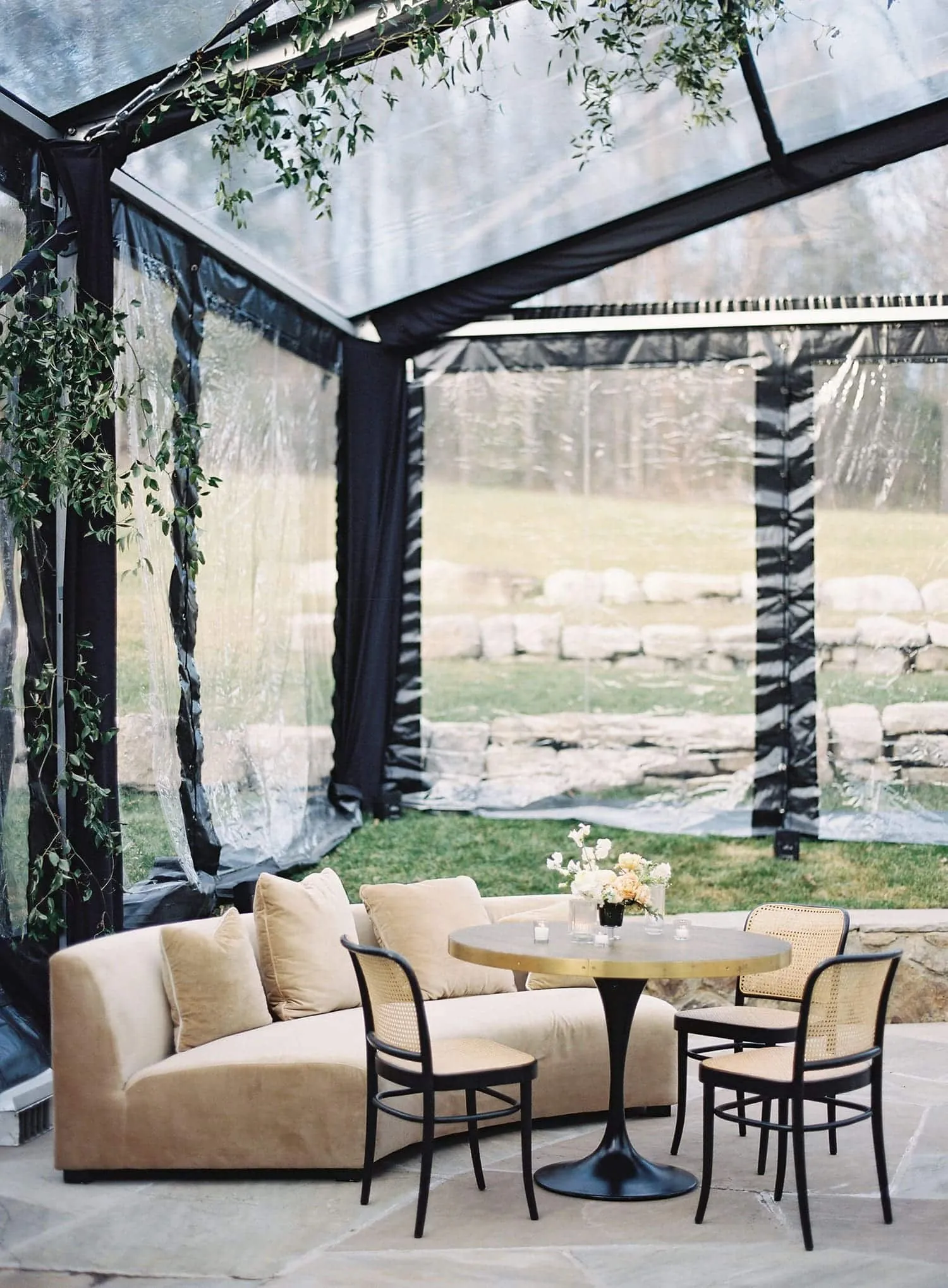
Reliable power is the backbone of every successful outdoor event. From keeping guests cool on warm summer days to supporting elegant lighting, audiovisual presentations, catering equipment, and entertainment, every major component depends on a properly sized generator. Choosing a generator that is too small can lead to overloaded circuits and unexpected outages, while selecting one that is unnecessarily large may reduce efficiency and increase operational costs. Whether you’re planning a luxury wedding, corporate conference, gala, or outdoor festival, understanding generator sizing helps create a seamless event experience while maintaining guest comfort from beginning to end.Modern event tents have evolved into sophisticated venues equipped with climate-control systems, premium lighting, professional kitchens, entertainment technology, and customized luxury tent layouts designed around the needs of each event.
These features require carefully planned electrical infrastructure capable of supporting changing power demands throughout the event. By evaluating equipment requirements early in the planning process, organizers can develop reliable power strategies that support every aspect of a successful summer celebration.
Understanding Power Requirements for Summer Event Tents
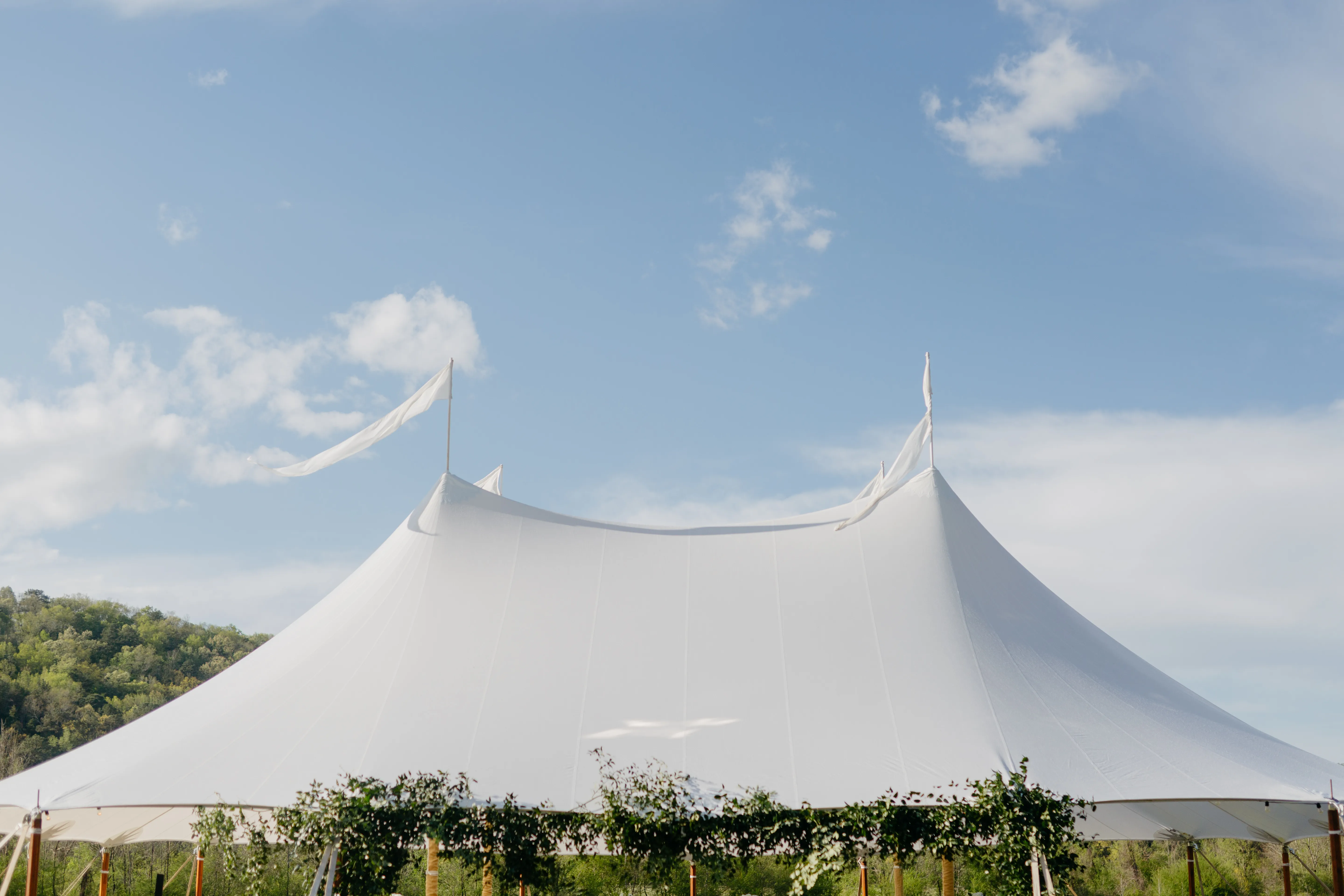
Every outdoor event has unique electrical demands based on its size, layout, guest count, and equipment. A complete understanding of these requirements allows planners to select a generator capable of supporting the entire venue without interruption.
Proper electrical planning also provides flexibility as power demands change throughout different stages of the event.
Identifying Essential Power Loads
Before selecting a generator, organizers should identify every piece of equipment requiring electricity. Understanding how to calculate power requirements for a tented event helps account for air-conditioning, lighting, audiovisual equipment, catering appliances, entertainment, and other electrical demands.
Calculating these requirements in advance helps prevent overloaded circuits while ensuring every system performs consistently throughout the event. It also allows planners to organize electrical distribution more efficiently.
Comprehensive load planning creates a stronger foundation for successful power management.
Planning for Peak Electrical Demand
Power usage rarely remains constant throughout an event. During keynote presentations, dinner service, evening entertainment, or peak summer temperatures, several systems may operate simultaneously.
Generators should be selected based on maximum anticipated demand rather than average consumption. This approach provides additional operating capacity while reducing the likelihood of unexpected power interruptions during the busiest portions of the event.
Professional planning ensures reliable performance even during periods of heavy electrical use.
Before selecting a generator, planners should review several important considerations.
Key power planning considerations include:
- Total guest attendance
- Air-conditioning requirements
- Lighting and audiovisual systems
- Catering and operational equipment
Evaluating these requirements early helps create a dependable electrical infrastructure for the event.
How Air Conditioning Influences Generator Size
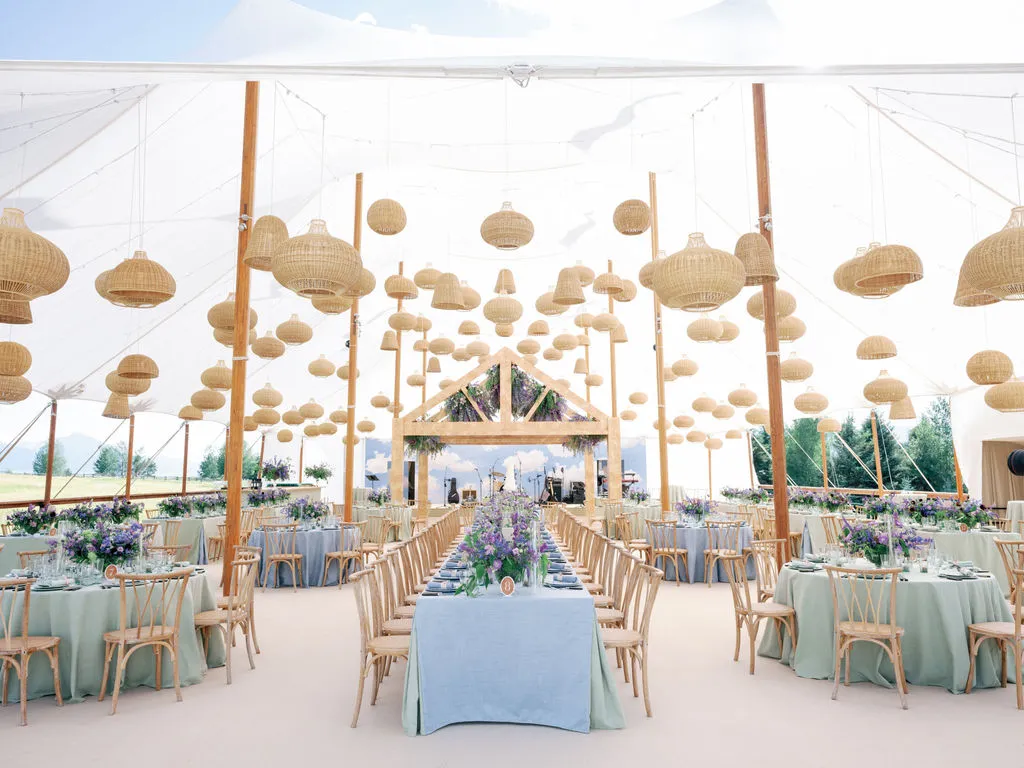
Cooling systems represent one of the largest electrical loads for outdoor summer events. Maintaining comfortable temperatures inside luxury event tents requires careful coordination between HVAC equipment and generator capacity. We cover this further in How Do Dance Floor Layouts Work Inside Summer Wedding Tents.
Understanding how climate-control systems affect electrical demand helps planners select generators capable of supporting both comfort and operational reliability.
Cooling Large Event Tents Efficiently
Large clearspan, frame, Century, and sailcloth tents often rely on temporary HVAC systems to regulate temperatures during warm weather. Portable air-conditioning units, circulation fans, and ventilation equipment all require dedicated electrical capacity.
The size of the cooling system depends on several variables, including tent dimensions, occupancy levels, outside temperatures, and event duration. Matching the generator to these cooling requirements helps maintain a comfortable environment without placing unnecessary strain on the electrical system. We cover this further in A Guide to Determining the Right Tent Size for Your Guests.
Reliable cooling contributes directly to guest satisfaction throughout the event.
Balancing Comfort and Energy Efficiency
Efficient climate control involves more than simply adding larger equipment. Professional planners carefully balance cooling capacity with tent design, ventilation, and natural airflow to improve energy efficiency.
Proper generator sizing allows HVAC equipment to operate consistently without excessive fuel consumption or unnecessary wear on electrical components. This balanced approach supports both guest comfort and reliable event operations.
Before finalizing climate-control equipment, planners should evaluate several important factors.
Important cooling considerations include:
- Tent size and occupancy
- Outdoor temperature conditions
- HVAC equipment capacity
- Generator operating reserve
Reviewing these elements helps create a comfortable event environment while maintaining efficient power usage.
Supporting Lighting, Flooring, and Event Infrastructure
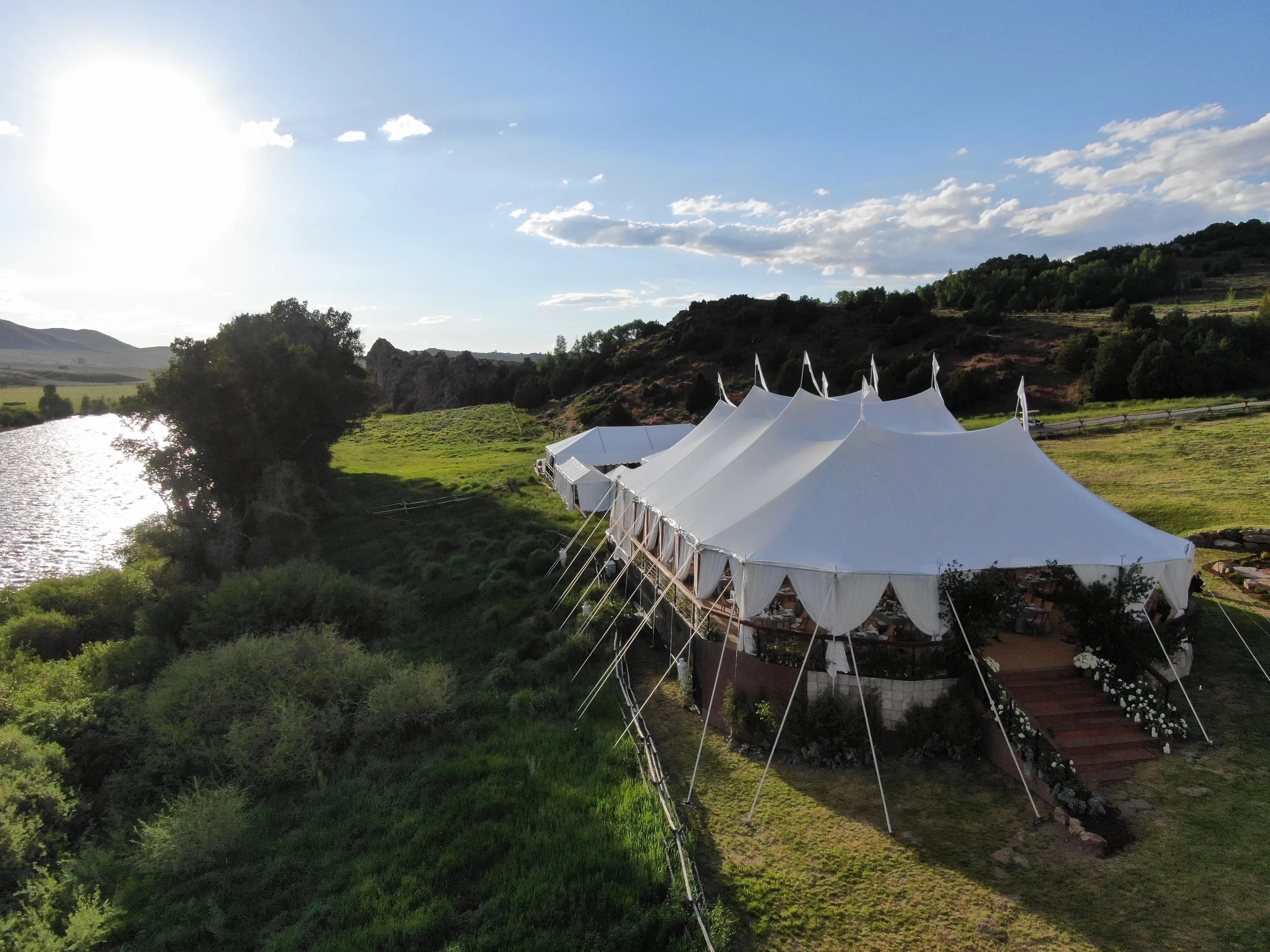
Generators power far more than climate-control systems. Premium lighting, audiovisual equipment, staging, catering operations, and decorative features all rely on dependable electricity throughout the event.
Planning these systems together helps create a cohesive electrical strategy while supporting both functionality and aesthetics.
Powering Elegant Lighting Systems
Professional lighting transforms outdoor tents into elegant venues after sunset. Crystal chandeliers, architectural uplighting, pendant fixtures, decorative string lights, and ambient LED lighting all contribute to the guest experience while requiring carefully planned electrical distribution.
Organizing lighting circuits appropriately prevents overloaded systems while allowing different lighting scenes to operate smoothly during ceremonies, presentations, dining, and entertainment.
Energy-efficient LED fixtures also reduce electrical demand while producing less heat inside the tent.
Electrical Needs Beyond Lighting
Today’s luxury event tents often include staging, sound systems, presentation technology, catering equipment, charging stations, and specialty décor installations.
Each of these systems contributes to the overall electrical load, making coordinated planning essential before installation begins. Professional electrical layouts ensure every area receives dependable power while maintaining organized cable routing and safe access throughout the venue.
Before installation begins, planners should review several important infrastructure requirements.
Major generator-powered systems include:
- Professional lighting installations
- Audiovisual presentation equipment
- Catering and hospitality operations
- Temporary HVAC and ventilation systems
Carefully planning these systems together creates a reliable electrical infrastructure that supports every aspect of a successful summer event. We cover this further in How Do You Choose The Right Tent Size For A Summer Wedding Reception.
Planning Site Logistics and Power Distribution
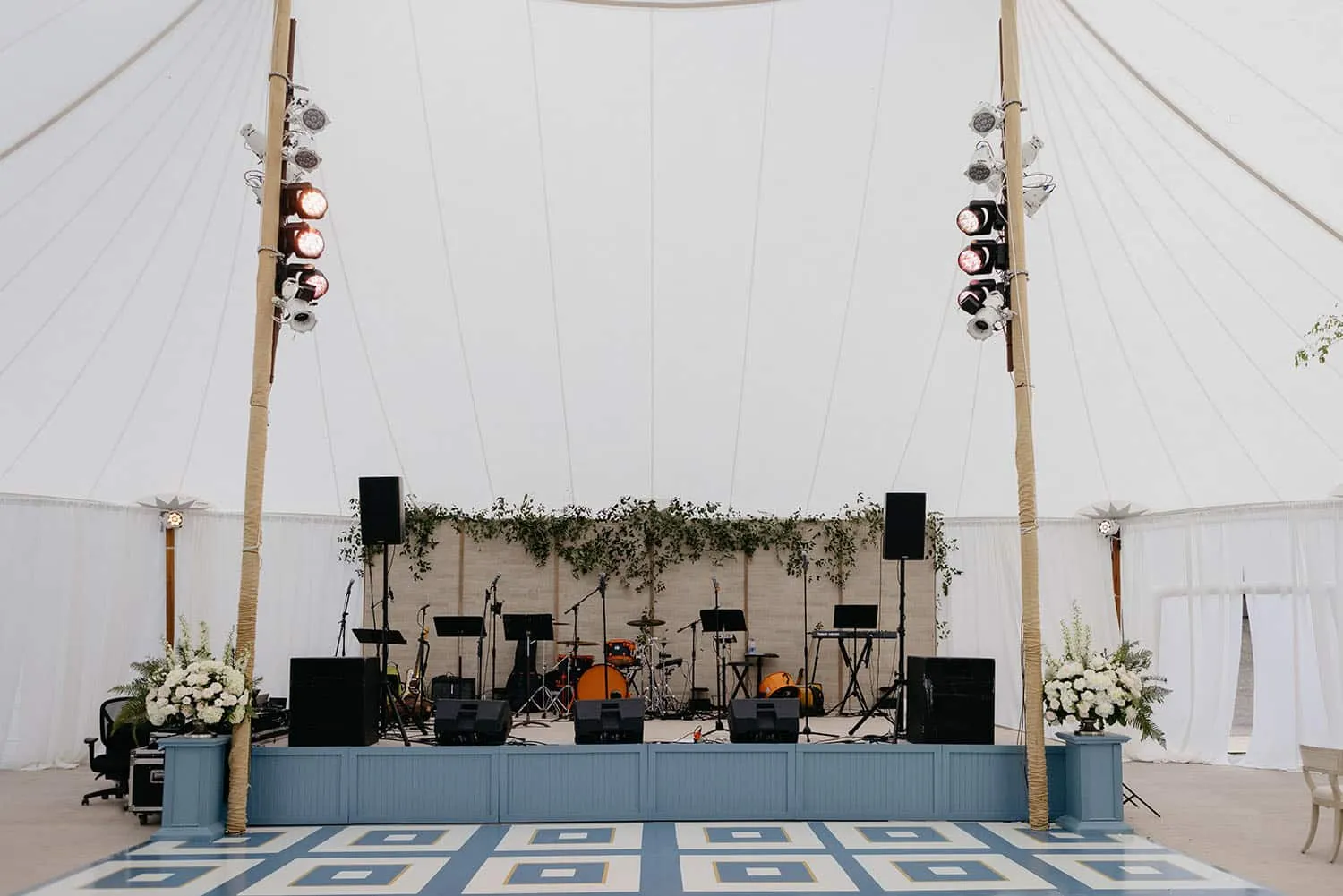
A properly sized generator is only part of a successful power strategy. The placement of equipment, distribution of electrical circuits, and coordination between vendors all contribute to reliable event operations.
Careful planning ensures electricity is delivered safely and efficiently while preserving the elegant appearance of the venue.
Positioning Generators and Distribution Equipment
Generators should be positioned where they are easily accessible for technicians while remaining discreetly located away from guest gathering areas whenever possible. Using silent generators for outdoor events can further reduce operational noise while helping preserve the atmosphere of the celebration.
Distribution panels should also be strategically located to minimize cable lengths while providing convenient access for lighting, HVAC equipment, audiovisual systems, catering operations, and other event infrastructure. Organized layouts improve efficiency while reducing potential hazards.
Professional site evaluations determine the most practical locations before installation begins.
Coordinating Power Across the Venue
Large events often include multiple vendors working simultaneously. Caterers, lighting designers, entertainers, audiovisual technicians, florists, and event coordinators all rely on dependable electrical service throughout the event.
Coordinated planning helps balance electrical loads while preventing unnecessary strain on any individual circuit. Proper cable routing also protects guests by reducing trip hazards and maintaining clean, organized event spaces. Read more in Tent Size Works Best For Summer Weddings With 100–500 Guests.
Before installation begins, planners should review several important logistical priorities.
Essential power planning considerations include:
- Generator placement
- Distribution panel locations
- Vendor electrical requirements
- Cable routing and guest safety
Planning these details early creates a safer and more efficient event environment.
Backup Power and Reliable Event Operations
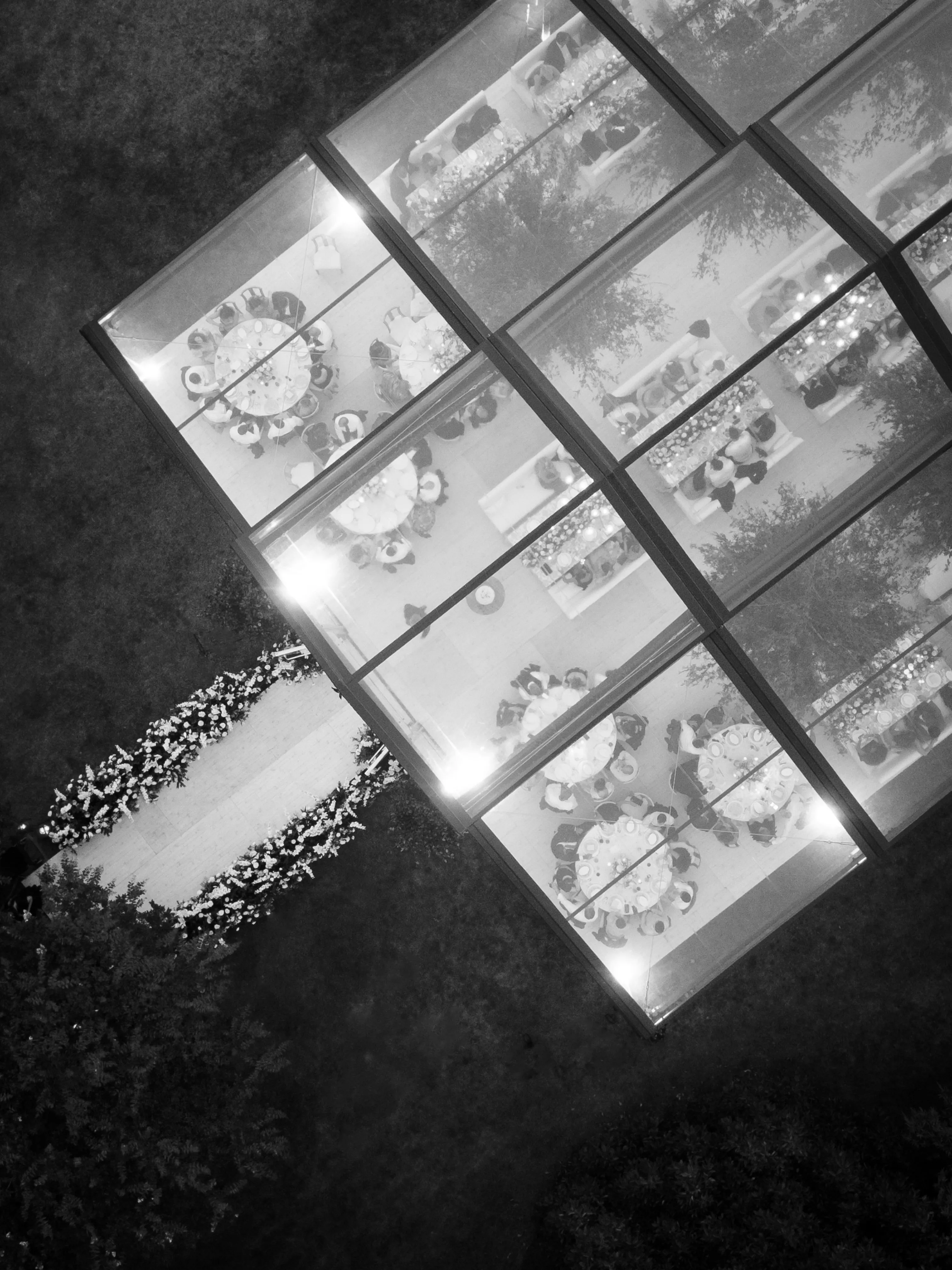
Even the most carefully planned outdoor events benefit from contingency planning. Backup power strategies help minimize disruptions while protecting guests, vendors, and event schedules if unexpected issues occur.
Preparing for changing conditions provides confidence that every system will continue operating throughout the celebration.
Creating a Backup Power Strategy
Professional event planners often incorporate backup solutions into their electrical planning for large-scale events. While the exact approach depends on the venue and event size, having contingency measures in place allows critical systems to remain operational if adjustments become necessary.
Planning ahead also supports smoother event management while reducing stress for organizers and vendors alike.
Reliable backup planning protects both guest comfort and the overall event experience.
Monitoring Power Throughout the Event
Electrical planning continues after installation is complete. Technicians monitor generator performance, fuel levels, electrical loads, and equipment operation throughout the event to ensure every system performs as expected.
Routine inspections allow minor issues to be addressed quickly before they affect lighting, climate control, catering operations, or presentations.
Before guests arrive, planners should review several important operational procedures.
Recommended operational practices include:
- Generator performance checks
- Electrical load monitoring
- Routine equipment inspections
- Emergency communication procedures
Ongoing monitoring helps maintain uninterrupted event operations from setup through breakdown.
Frequently Asked Questions
Why is generator sizing important for summer event tents?
Selecting the correct generator ensures that air-conditioning units, lighting, audiovisual systems, catering equipment, and other essential infrastructure operate reliably throughout the event.
How does air conditioning affect generator capacity?
Temporary HVAC systems often represent one of the largest electrical demands at outdoor events. Generator capacity should be planned to accommodate cooling equipment alongside all other electrical requirements.
Can one generator power an entire event?
The answer depends on the event size, equipment requirements, and total electrical load. Professional power planning determines the most appropriate generator configuration for each event.
Which tent types typically require larger generators?
Large clearspan and frame tents often support more lighting, HVAC equipment, staging, and audiovisual systems, resulting in higher electrical requirements. Century and sailcloth tents may also require significant power depending on the event design.
Why should power planning begin early?
Early planning allows organizers to accurately calculate electrical loads, coordinate vendors, determine generator placement, and integrate lighting, climate control, and other infrastructure into the overall event design.
How is safe power distribution maintained?
Professional electrical layouts use organized distribution panels, carefully planned cable routing, balanced electrical loads, and routine inspections to maintain reliable and safe operations.
Why work with an experienced event infrastructure provider?
Experienced providers coordinate tent selection, generator sizing, electrical planning, climate-control integration, lighting, and installation logistics to create safe and efficient outdoor events.
Conclusion
Reliable electrical infrastructure is essential for every successful summer event. Proper generator sizing supports comfortable temperatures, elegant lighting, audiovisual presentations, catering operations, and every other element that contributes to an exceptional guest experience. By carefully evaluating electrical loads, coordinating power distribution, and preparing contingency plans, organizers can create outdoor venues that operate smoothly from beginning to end. For more detail, see our article What Size Party Tent Do I Need for a 200-Guest Summer Event.
Whether you’re planning a luxury wedding, corporate conference, festival, gala, or private celebration, working with experienced professionals simplifies every stage of power planning. Skyline Tent Company specializes in premium clearspan, frame, Century, and sailcloth tent rentals while providing customized event infrastructure that supports generator planning, climate control, lighting integration, and reliable electrical solutions for unforgettable outdoor events. To talk through a tent for your date and site, contact our team.
Planning a summer event? Contact Skyline Tent Company today to explore premium tent rentals and customized event infrastructure designed to deliver dependable power, exceptional comfort, and a seamless experience for every guest. Our tent rental FAQs cover the questions hosts ask most.