
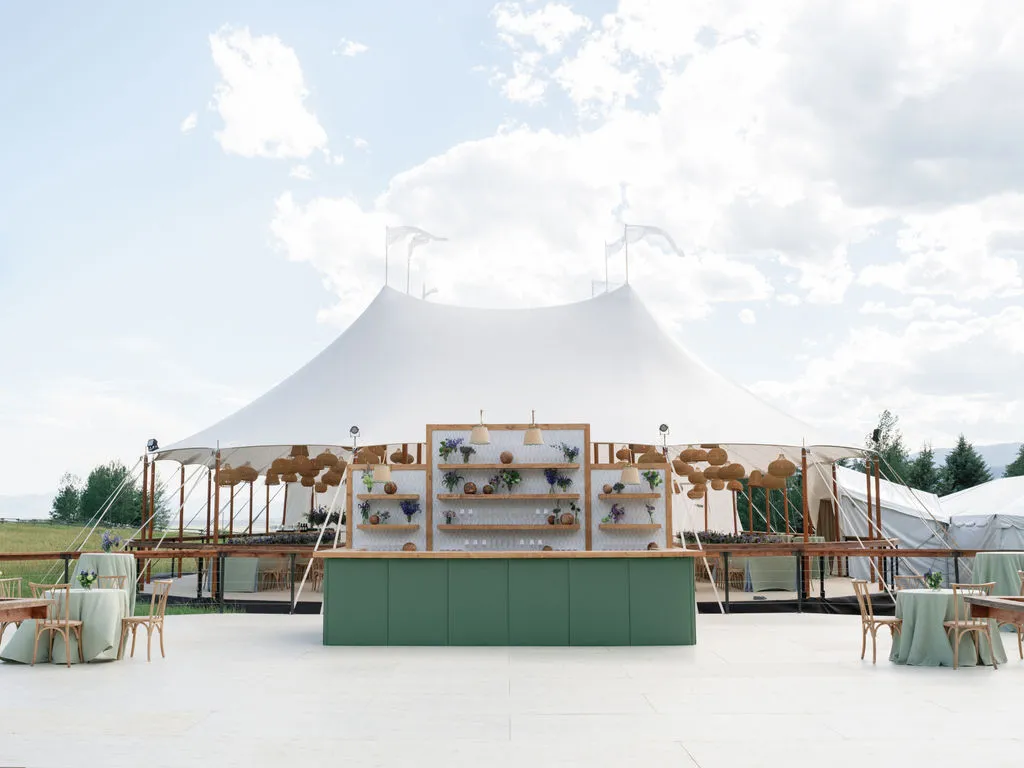
A comfortable guest arrival area sets the tone for the entire fall event, especially when cooler temperatures, rain, wind, shorter daylight hours, and changing ground conditions can affect the experience before guests even reach the main celebration. A thoughtfully planned entrance should provide shelter, clear pathways, comfortable temperatures, adequate lighting, and an organized transition into the primary event space. Clearspan tents, frame tents, clear-top installations, and sailcloth tents can all be used to create protected and visually appealing arrival areas, depending on the guest count, venue conditions, and event style. Tent entry vestibules can provide an additional buffer from cold or wet conditions, while temporary flooring improves stability on outdoor terrain. Lighting can guide guests safely from parking or drop-off areas, and heating or other climate-control systems can make waiting and registration areas more comfortable. By coordinating tent selection, flooring, lighting, climate control, accessibility, and guest flow from the beginning, event planners can turn a simple entrance into a polished welcome that supports both comfort and the overall event design.
Choosing the Right Tent for a Fall Guest Arrival Area
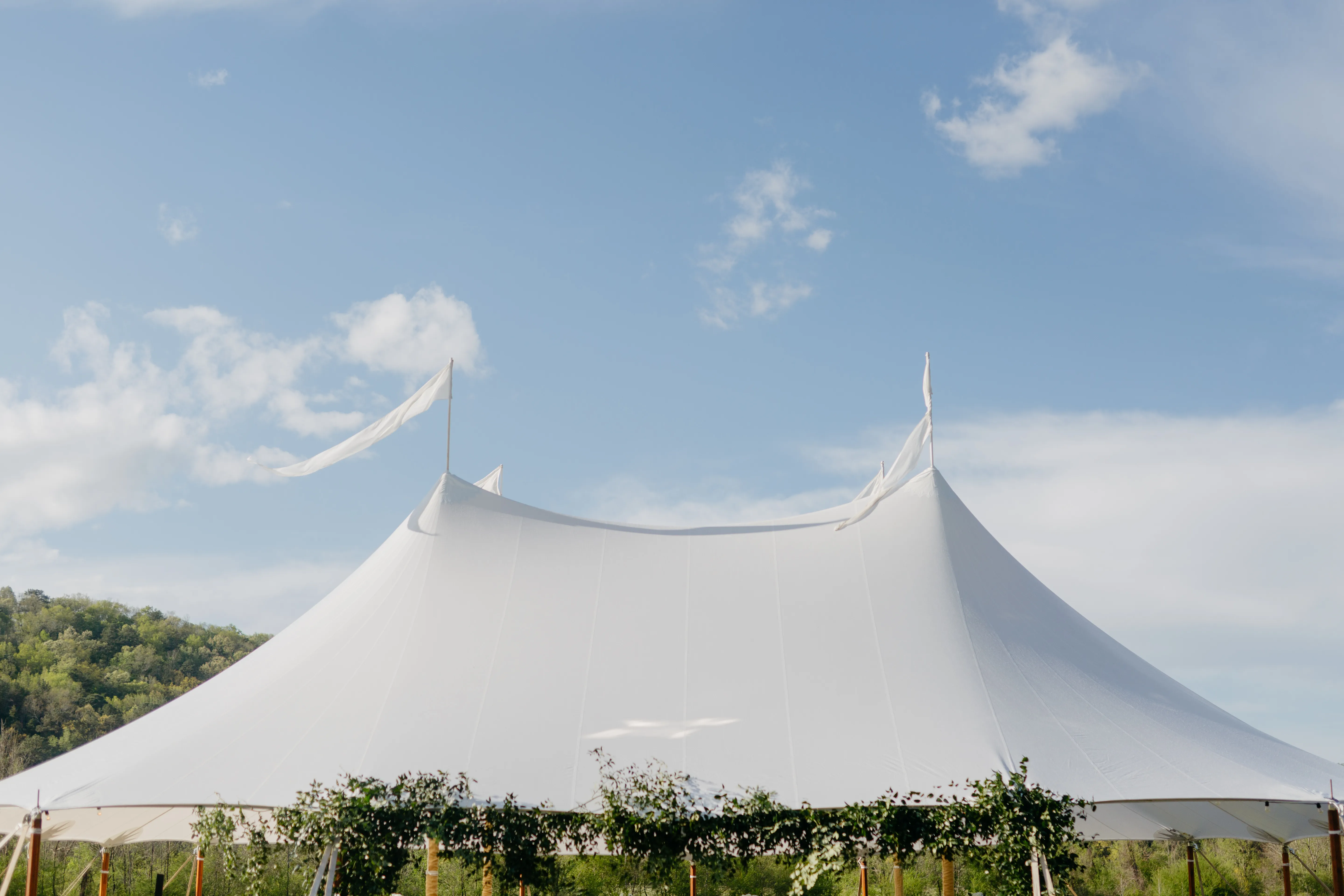
The architectural structure surrounding an arrival area affects everything from weather protection to guest circulation and visual presentation. Fall conditions can change quickly, so the selected tent should provide an appropriate balance between shelter, interior space, and connection to the outdoor setting.
Clearspan, frame, clear-top, and sailcloth tents offer different advantages for fall events. The best choice depends on expected attendance, available space, weather exposure, terrain, and the overall atmosphere planners want to create.
Clearspan and Frame Tents for Functional Entrances
Clearspan tents provide large interiors without center poles, making them useful when an arrival area needs to accommodate a substantial number of guests. The open interior gives planners flexibility for registration desks, coat-check areas, lounge seating, welcome displays, directional signage, and circulation.
Frame tents provide a versatile footprint that can adapt to different terrain conditions. Sidewalls can also be incorporated when additional protection from wind or rain is needed, allowing the arrival area to remain functional during changing fall weather.
Both options can support layouts that keep guests moving rather than allowing lines to accumulate directly outside the main tent entrance.
Clear-Top and Sailcloth Tents for Visual Impact
Clear-top structures provide views of surrounding foliage and allow natural light to enter the arrival space during daytime events. On properties where autumn scenery is part of the experience, this can make the entrance feel connected to the surrounding landscape.
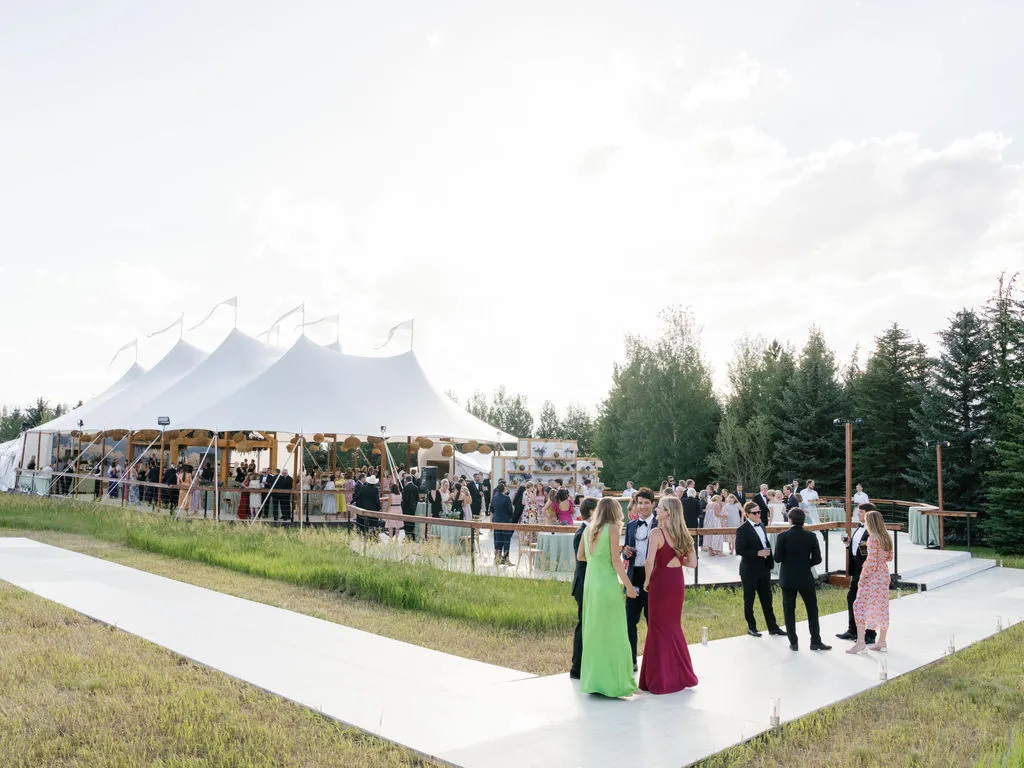
Sailcloth tents create a different atmosphere through semi-translucent fabric and elegant peaks. Their softer architectural style can complement weddings, estate events, and luxury outdoor gatherings where the visual impression of the entrance is particularly important.
Each structure offers a different combination of design and functionality. Event planners should evaluate the entrance itself as a dedicated space rather than simply using the same tent style selected for the main event.
Several considerations can help narrow the choice. The arrival tent should support both the expected guest flow and the weather conditions likely during the event. These factors become particularly important if guests may need to remain in the entrance area for registration, coat check, transportation coordination, or other activities.
Clearspan tents: Provide open interiors for larger guest counts and flexible arrival layouts.
Frame tents: Offer adaptable footprints and options for protective sidewalls.
Clear-top tents: Bring natural light and fall scenery into the arrival experience.
Sailcloth tents: Provide elegant architecture for upscale outdoor events.
Guest volume: Determine how many people may arrive within the same time period.
Weather exposure: Consider rain, wind, and temperature when selecting enclosure options.
Matching the structure to arrival activity can help prevent the entrance from becoming crowded, exposed, or visually disconnected from the rest of the event.
Designing Tent Entry Vestibules for Fall Weather
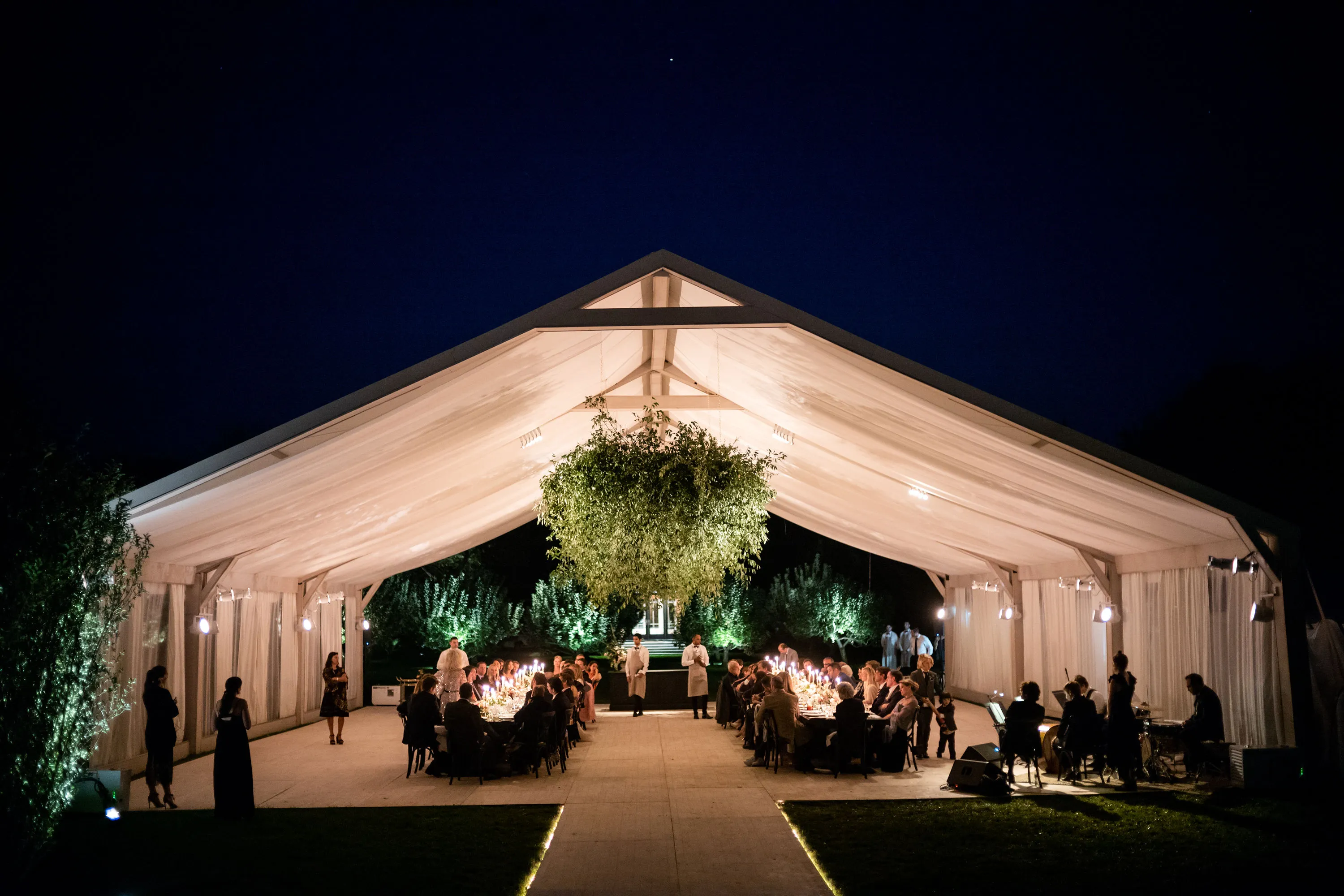
A tent entry vestibule creates a transition between outdoor conditions and the main climate-controlled event space. This transitional area can be particularly useful during fall when guests may arrive from cold, wet, or windy conditions.
The source emphasizes three primary functions of a vestibule: temperature regulation, weather protection, and guest-flow management. Together, these features can improve comfort while reducing disruption inside the main tent.
Using Vestibules to Reduce Weather Exposure
Guests arriving at an outdoor event should not have to remain exposed to rain or cold while waiting to enter. A covered vestibule can provide a protected location where guests transition from exterior pathways into the main venue.
This area can also accommodate brief arrival functions such as greeting, ticket checking, registration, or coat organization when the layout allows. Keeping these activities under cover can reduce congestion around doors and make the entrance feel more organized.
For events with changing weather, a vestibule provides an additional layer of protection without requiring the entire arrival process to move inside the main event space.
Maintaining Temperature and Guest Flow
Opening an exterior entrance repeatedly can allow cold air to move into a heated tent. A vestibule creates an intermediate zone that can help reduce abrupt temperature changes and support a more stable interior environment.
The entrance layout should also guide guests naturally forward. Clear entry and exit paths can reduce bottlenecks, particularly when a large number of attendees arrive during the same short window.
A comfortable arrival experience depends on several small elements working together. The vestibule should not become another crowded area that guests struggle to navigate. Adequate space, protection, signage, and temperature planning help it perform as an effective transition zone.
Weather protection: Shield arriving guests from rain, wind, and cooler temperatures.
Temperature buffering: Create a transition between outdoor conditions and the main heated space.
Guest-flow management: Reduce congestion by organizing movement through the entrance.
Registration space: Provide room for check-in where appropriate.
Coat organization: Allow guests to adjust or store outerwear before entering.
Directional signage: Make the route into the main event space immediately clear.
A properly planned vestibule can make arrival feel intentional and comfortable instead of simply functioning as a doorway into the main tent.
Creating Safe Arrival Paths with Flooring and Lighting
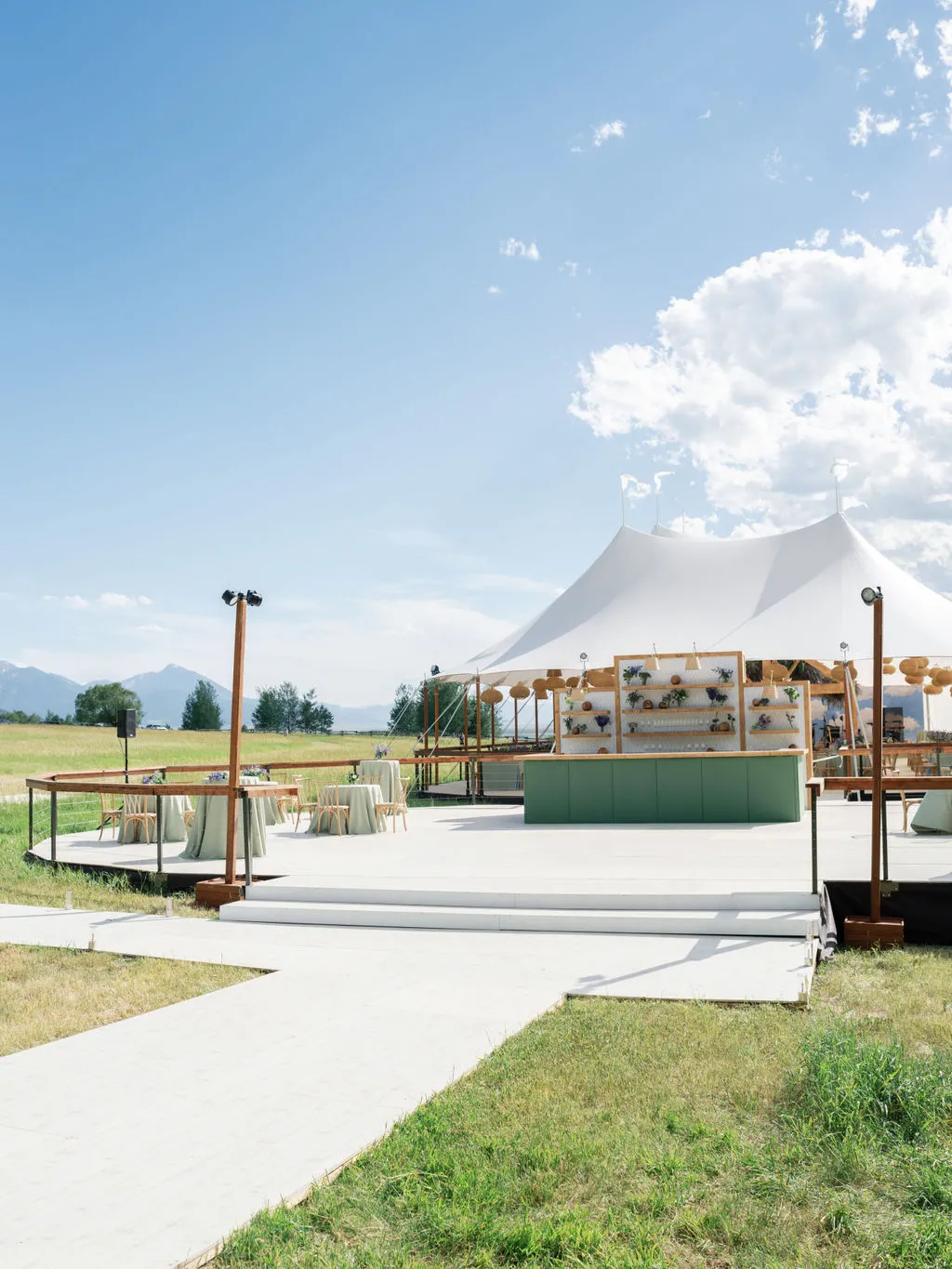
Guests experience more than the tent itself when arriving at an outdoor fall event. They may travel from a parking area, transportation drop-off, or permanent building before reaching the temporary structure.
The condition and visibility of these routes directly influence comfort and safety. Outdoor flooring and carefully positioned lighting can create a more dependable transition through areas affected by uneven ground, moisture, or early sunset.
Choosing Flooring for Fall Event Entrances
Wood flooring can create a solid walking surface while giving formal entrances a refined appearance. Carpet can provide additional comfort and warmth, particularly inside covered arrival areas.
Natural grass or ground cover may work for more casual events, but moisture can become a concern during fall. If guests are expected to walk across outdoor terrain, planners should evaluate whether the surface will remain comfortable after rain or falling temperatures.
Flooring selection should also consider accessibility. Routes should provide enough space for guests using mobility aids and should avoid unnecessary obstacles between the arrival point and the main event.
Lighting Entrances and Guest Pathways
Fall’s shorter daylight hours make lighting especially important. String lights can introduce warm illumination, while LED uplighting can highlight tent features or landscaping near the entrance.
Pathway lighting serves a more functional role by making walking routes visible and directing guests toward the correct entrance. It can also help identify surface changes, steps, or transitions between exterior ground and temporary flooring.
Lighting should support the event’s visual style without sacrificing visibility. The entrance is one of the areas where decorative and functional lighting need to work together most closely.
Maintaining Comfortable Temperatures in Fall Arrival Areas
Fall weather can vary significantly throughout the day. A comfortable afternoon may become much cooler after sunset, while enclosed spaces can occasionally become warmer than expected when guest traffic increases.
Climate-control planning allows an arrival tent or vestibule to respond to these changes instead of depending entirely on outdoor conditions.
Heating Arrival Spaces on Cool Evenings
Portable or installed heating systems can provide warmth in covered arrival areas during colder conditions. Heating becomes particularly valuable when guests may spend time waiting for registration, transportation, or access to the main event.
The system should be planned according to the structure and guest flow rather than added at the last minute. Equipment placement needs to maintain clear circulation while supporting even and comfortable temperatures.
The vestibule can further support this strategy by reducing the direct exchange of cold exterior air with the main event space.
Ventilation and Cooling During Variable Weather
Not every fall day is cold. Warmer afternoon temperatures may require air movement, especially when arrival areas become crowded.
Fans can improve circulation, while air-conditioning options may be considered for conditions where temperatures vary more significantly. The source emphasizes using climate-control solutions to adapt the temporary environment according to outside weather.
Climate planning should therefore remain flexible. The goal is not simply to heat the tent but to maintain an appropriate guest environment as conditions change throughout the event.
Coordinating Guest Flow, Accessibility, and Arrival Logistics
The best tent, flooring, and climate systems cannot create a successful entrance if guests do not know where to go. Arrival logistics should connect parking, drop-off areas, pathways, entry tents, vestibules, and the primary event space into one understandable route.
Traffic flow, accessibility, and weather contingencies are identified in the source as key logistical considerations for comfortable fall arrivals.
Planning Clear Entry and Exit Routes
Entrance and exit points should be clearly identified so guests are not forced to search for the correct route. Pathway lighting and directional signage can reinforce that movement after dark.
The layout should also account for periods when many guests arrive simultaneously. Wider circulation areas, separate check-in points, or clearly defined waiting zones may prevent congestion from forming near doorways.
Accessible routes should be incorporated from the start rather than added after the rest of the arrival area has already been designed.
Preparing for Weather and Arrival Changes
Fall conditions can change rapidly, so the arrival plan should include contingencies for rain, wind, or colder temperatures. Temporary walls, heating, covered pathways, and suitable flooring can all become important when conditions deteriorate.
Event planners should consider how the arrival process will change if guests need to move indoors more quickly or spend additional time under cover.
An effective logistics plan examines the arrival sequence from the guest’s perspective. Every transition should feel clear, comfortable, and intentional from the moment guests reach the property. Coordinating the following elements can significantly improve that experience.
Traffic flow: Establish clear routes between drop-off points and event entrances.
Accessibility: Provide practical paths for guests using mobility aids.
Pathway lighting: Maintain visibility as daylight decreases.
Weather protection: Prepare covered areas for rain, wind, and colder conditions.
Entry management: Avoid bottlenecks around registration or main tent doors.
Contingency planning: Prepare alternative arrival procedures if conditions change.
By planning these details before the event, organizers can create an arrival process that supports the atmosphere of the gathering rather than distracting from it.
Frequently Asked Questions
What tent is best for a fall event entrance?
The appropriate tent depends on guest count, property conditions, weather, and event style. Clearspan tents offer substantial open space, frame tents provide versatile footprints, clear-top tents highlight surrounding views, and sailcloth tents offer an elegant appearance.
Why should a fall event include a tent entry vestibule?
A vestibule can provide weather protection, support temperature regulation, and organize guest movement between outdoor pathways and the main event space.
What flooring works well for outdoor fall arrival areas?
The source identifies wood flooring, carpet, and natural ground cover as options. The final selection should reflect terrain, weather conditions, guest comfort, accessibility, and the desired appearance.
How should fall event pathways be illuminated?
String lights can provide warmth and atmosphere, LED uplighting can highlight architectural features, and pathway lighting can guide guests safely toward the entrance after daylight fades.
How can an arrival tent stay comfortable when temperatures change?
Heating systems can provide warmth during cooler periods, while fans or air-conditioning options can improve comfort when temperatures rise. The appropriate system depends on the tent, weather, and event conditions.
Create a Comfortable Fall Welcome with Skyline Tent Company
Guest experience begins before attendees enter the main celebration. A thoughtfully designed arrival area can transform the transition from parking or drop-off into a comfortable introduction to the event through architectural tents, protective vestibules, stable flooring, pathway lighting, climate control, and carefully planned guest flow.
Clearspan, frame, clear-top, and sailcloth structures provide options for properties with different capacities and aesthetic goals. Flooring can improve the transition across outdoor terrain, while lighting becomes particularly important as autumn daylight fades earlier. Climate-control systems and vestibules can provide additional protection as temperatures fall or weather changes.
Site logistics should connect all of these elements. Guests need clearly defined pathways, accessible entrances, adequate weather protection, and enough space to move through registration or waiting areas without unnecessary congestion. When these components are designed together, the arrival experience can feel like a natural extension of the main event rather than a separate operational space.
Skyline Tent Company specializes in luxury tent rentals and sophisticated outdoor event infrastructure, including structures and supporting solutions that can be tailored to fall event environments.
Contact Skyline Tent Company to discuss your fall event location, guest count, entrance requirements, and weather considerations. With a coordinated tent, vestibule, flooring, lighting, climate-control, and arrival plan, Skyline Tent Company can help create a comfortable and polished welcome from the moment your guests arrive.