
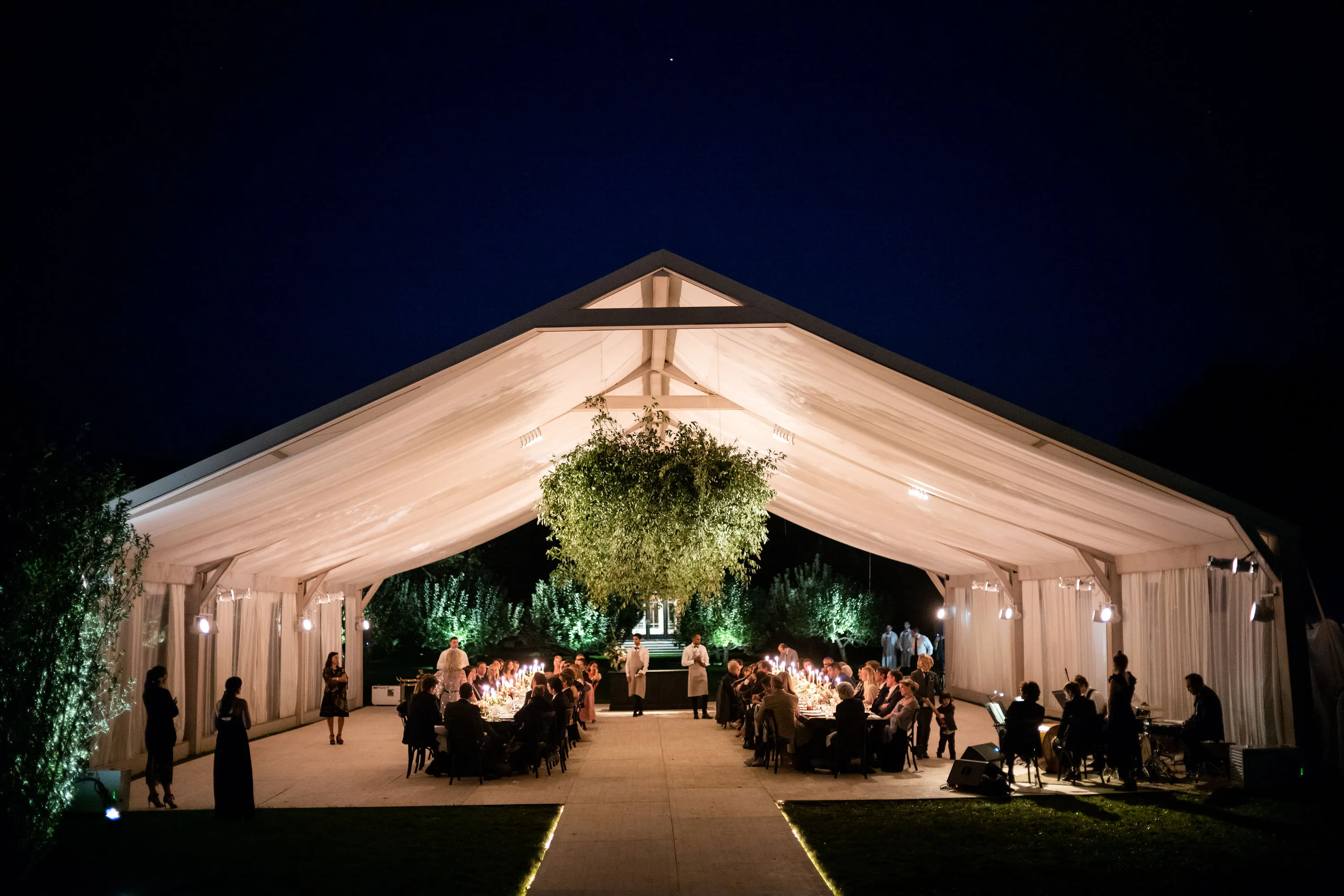
As summer transitions into autumn, hospitality properties often face the challenge of keeping outdoor dining and event areas comfortable, functional, and attractive as temperatures begin to fall. Restaurants, hotels, resorts, private clubs, wineries, and other hospitality venues can extend the usefulness of outdoor spaces by incorporating clearspan tents, frame tents, and other architectural tent structures designed around seasonal conditions. These temporary structures provide protected environments for dining, weddings, corporate gatherings, celebrations, and other events while preserving the appeal of an outdoor setting. Clearspan tents maximize usable interior space with unobstructed layouts, while frame tents provide versatile configurations that can work with varied venue conditions. Sailcloth and century pole tents provide additional options when elegance and architectural character are priorities. Successful fall hospitality spaces also require thoughtful climate control, lighting, flooring, anchoring, power distribution, guest-flow planning, and site preparation. By coordinating these elements around guest count, event type, and venue conditions, hospitality properties can continue welcoming guests outdoors well beyond the traditional summer season while maintaining the comfort and sophisticated atmosphere expected from a premium venue.
Choosing Clearspan and Frame Tents for Fall Hospitality Spaces
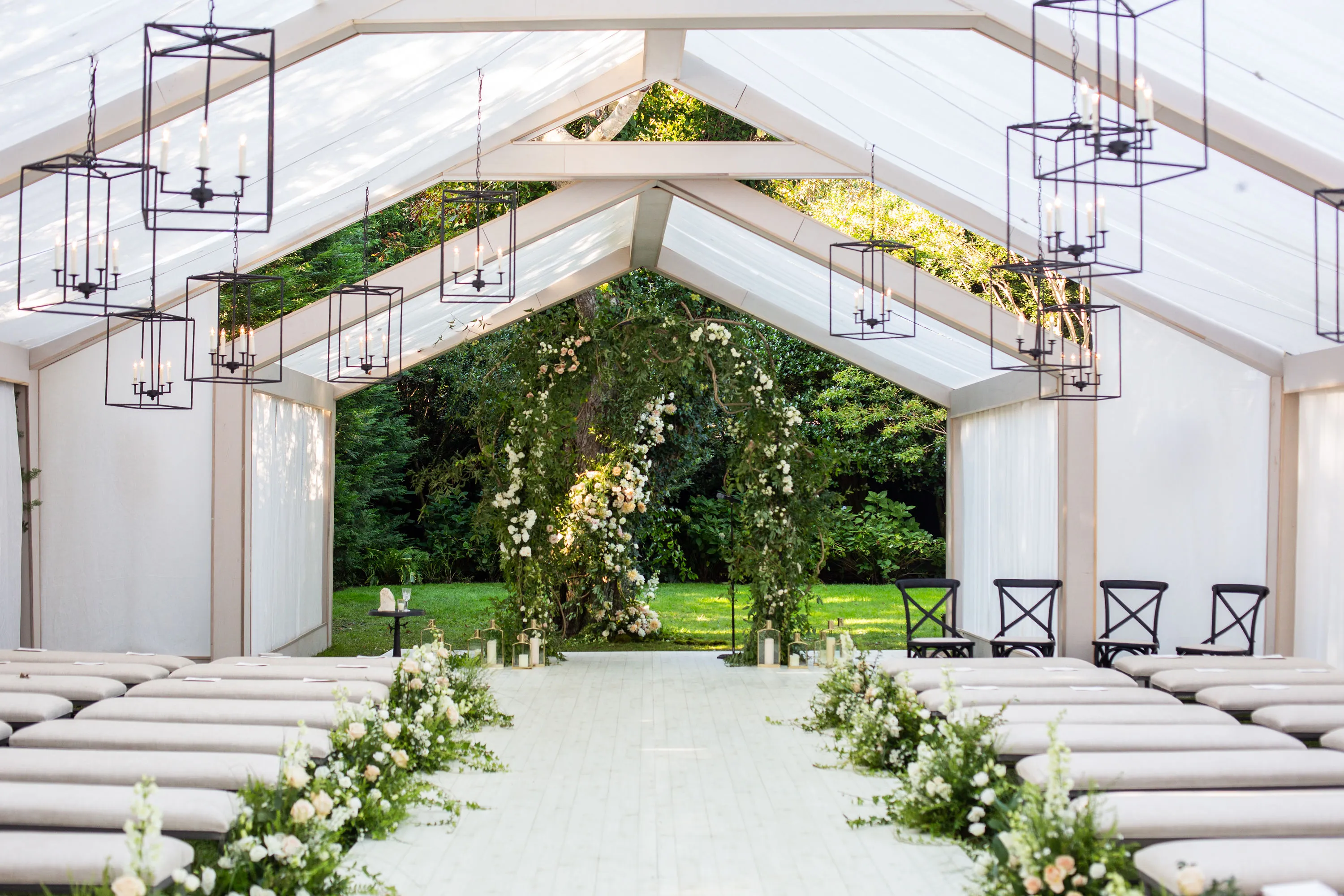
Clearspan and frame tents can help hospitality properties maintain outdoor dining and event operations as seasonal conditions change. Both provide adaptable covered areas, but their structural characteristics make them suitable for somewhat different venue requirements.
The source emphasizes versatility and structural integrity as major advantages of these structures. Selecting between them should reflect the available site, intended use, guest capacity, desired aesthetic, and fall weather requirements.
Clearspan Tents for Unobstructed Dining and Event Layouts
Clearspan tents are characterized by spacious interiors without poles or supports interrupting the usable floor area. This allows hospitality venues to organize tables, bars, stages, lounges, buffet stations, and circulation routes more freely.
Their adaptability makes clearspan structures suitable for weddings, corporate gatherings, community events, and expanded hospitality areas. Climate-control systems can also be integrated into these tents, helping venues maintain more comfortable conditions when autumn temperatures begin to decline.
Frame Tents for Flexible Fall Venue Configurations
Frame tents provide another versatile solution, particularly when venue conditions require adaptable installation. The source identifies their ability to work on uneven surfaces as an important benefit.
Sidewalls can be incorporated for additional protection during inclement weather, while decorative elements can transform the interior to complement the hospitality property’s visual identity. This balance between practical functionality and aesthetics makes frame tents useful for outdoor dining as well as seasonal events.
Before selecting either structure, hospitality managers should assess how the temporary space will function throughout fall. The tent needs to support both guest-facing activities and the infrastructure required to operate them efficiently. Site conditions should be evaluated before final dimensions and configurations are determined.
Usable interior space: Consider how tables, bars, stages, and other features will affect capacity.
Venue surface: Evaluate whether the installation area is level, uneven, soft, or hard.
Weather exposure: Consider wind, drainage, and changing autumn temperatures.
Climate-control requirements: Determine whether heating, ventilation, or insulation will be necessary.
Guest circulation: Preserve sufficient space for comfortable movement through dining and event areas.
Visual presentation: Select a structure and finishes that complement the hospitality property.
Considering these factors together helps venues create outdoor fall spaces that feel like intentional extensions of the property rather than temporary overflow areas.
Designing Comfortable Outdoor Dining and Event Areas for Fall
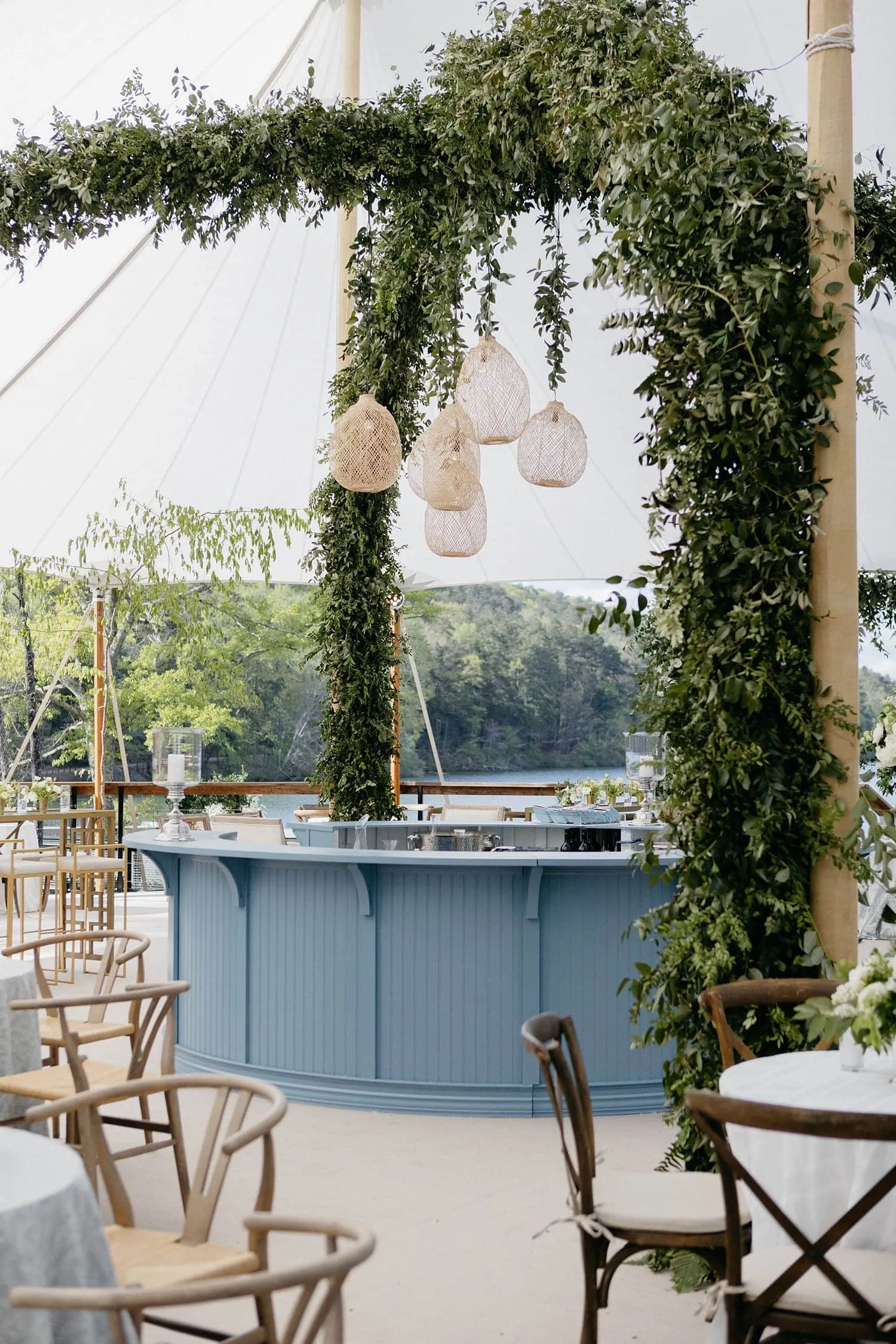
A tent provides the architectural foundation, but interior design determines how guests experience the space. Hospitality properties should create environments that remain visually connected to autumn while providing the comfort expected from a professional dining or event venue.
Lighting, seasonal materials, furniture placement, and decorative elements can transform a standard structure into an inviting destination. The source specifically recommends warm color palettes and autumn-inspired details to reinforce the atmosphere of the season.
Using Fall Décor and Furniture to Create Inviting Spaces
Seasonal scenery can become part of the design rather than something the tent conceals. Materials and colors that complement the surrounding landscape can help the structure feel naturally integrated with the venue.
Autumn decorations and warm color palettes can establish a cozy environment, while furniture arrangements can influence social interaction. Seating organized in conversational clusters may encourage engagement and create a more energetic atmosphere during fall gatherings.
Selecting Sailcloth and Century Pole Tents for Distinctive Events
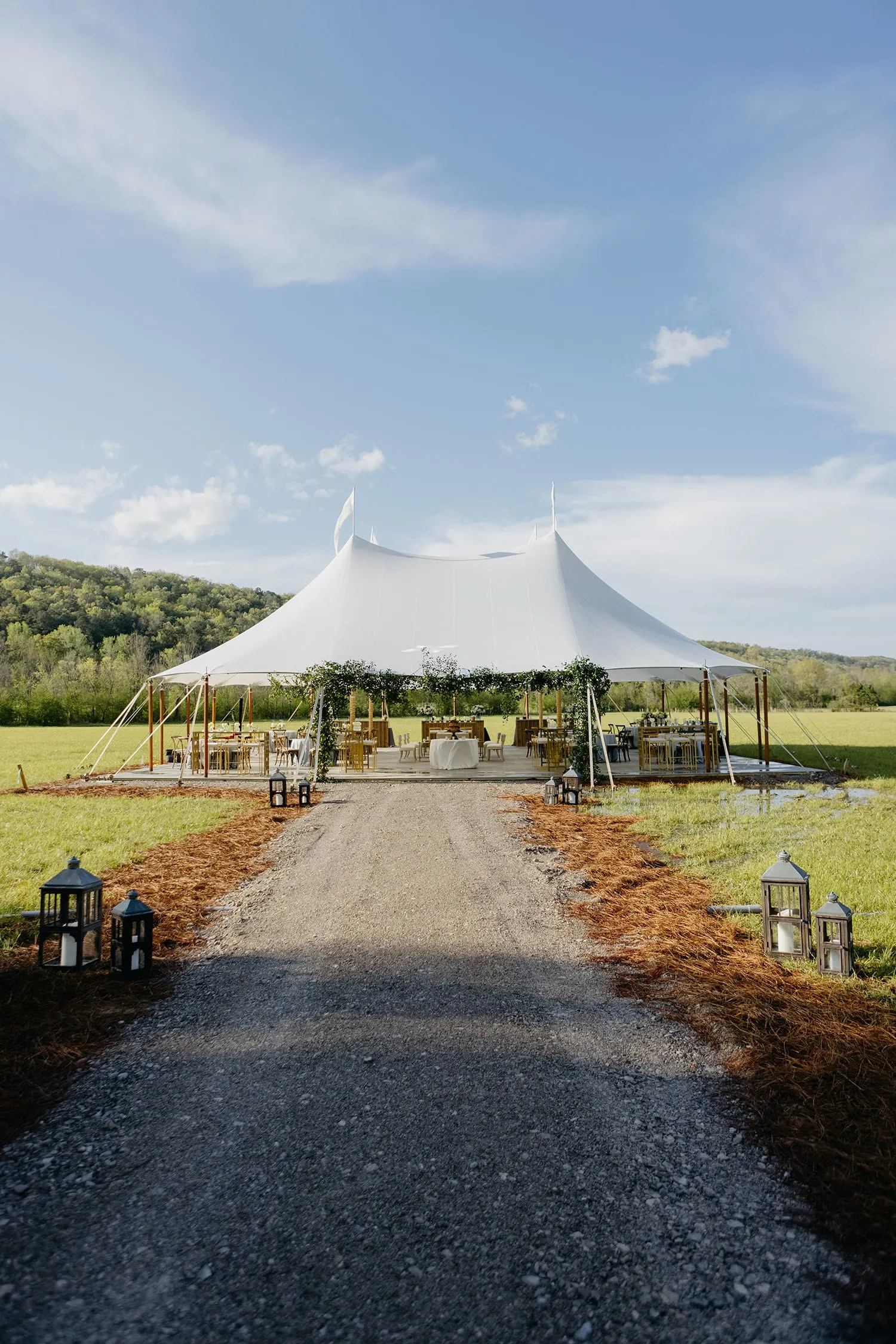
Hospitality properties are not limited to clearspan and frame tents. Sailcloth structures provide elegant curves and translucent material that allows natural light to enter while offering protection from cooler conditions. Their sophisticated appearance makes them particularly appropriate for upscale fall occasions.
Century pole tents offer another distinctive aesthetic through dramatic high peaks and graceful lines. Their grand architectural character can suit larger celebrations and corporate functions where the tent itself needs to contribute to the visual experience.
Using Climate Control and Flooring to Extend the Outdoor Season
Cooler temperatures are one of the biggest obstacles to maintaining outdoor hospitality spaces into fall. A tent can provide shelter, but effective climate management is essential when guests will be dining, socializing, or attending events for several hours.
Flooring also affects seasonal comfort. The right system can provide insulation from cold ground, improve traction during wet conditions, and give the temporary environment a more finished appearance.
Heating, Air Circulation, and Sidewalls for Fall Comfort
Portable heaters can be strategically positioned to provide warmth during cooler conditions. Air circulation should also be considered so the enclosed space maintains appropriate airflow while heating equipment is operating.
Sidewalls and doors can create a more controlled environment by helping limit drafts and heat loss. Combining these features allows hospitality properties to maintain a more comfortable atmosphere even as outdoor temperatures decline.
Flooring That Adds Warmth, Traction, and Style
Wood flooring can add natural warmth and elegance while providing insulation from colder ground temperatures. Rubber flooring offers slip-resistant traction that can be especially useful during wet autumn weather, while carpet provides a softer, more upscale finish with some insulating benefits.
The source also identifies interlocking tiles, engineered wood, and carpet tiles as options that can support comfort and insulation. Flooring should ultimately reflect the site’s conditions, event style, and expected guest experience.
Climate control and flooring should be considered together because both influence how comfortable the temporary space feels. Guests may spend several hours dining or socializing, making small temperature and surface differences increasingly noticeable. Planning these features early also makes it easier to coordinate power, tent dimensions, and interior layouts.
Portable heaters: Provide targeted warmth during colder fall conditions.
Air circulation: Helps maintain airflow when heating equipment is operating.
Sidewalls and doors: Reduce drafts and help create a more controlled interior.
Wood flooring: Adds warmth, elegance, and separation from cold ground.
Rubber flooring: Provides traction during potentially wet autumn conditions.
Carpet or carpet tiles: Introduce comfort, insulation, and a more refined interior finish.
Together, these features help hospitality properties extend outdoor operations without asking guests to sacrifice comfort simply because temperatures have changed.
Lighting Fall Tents for Dining, Events, and Evening Hospitality
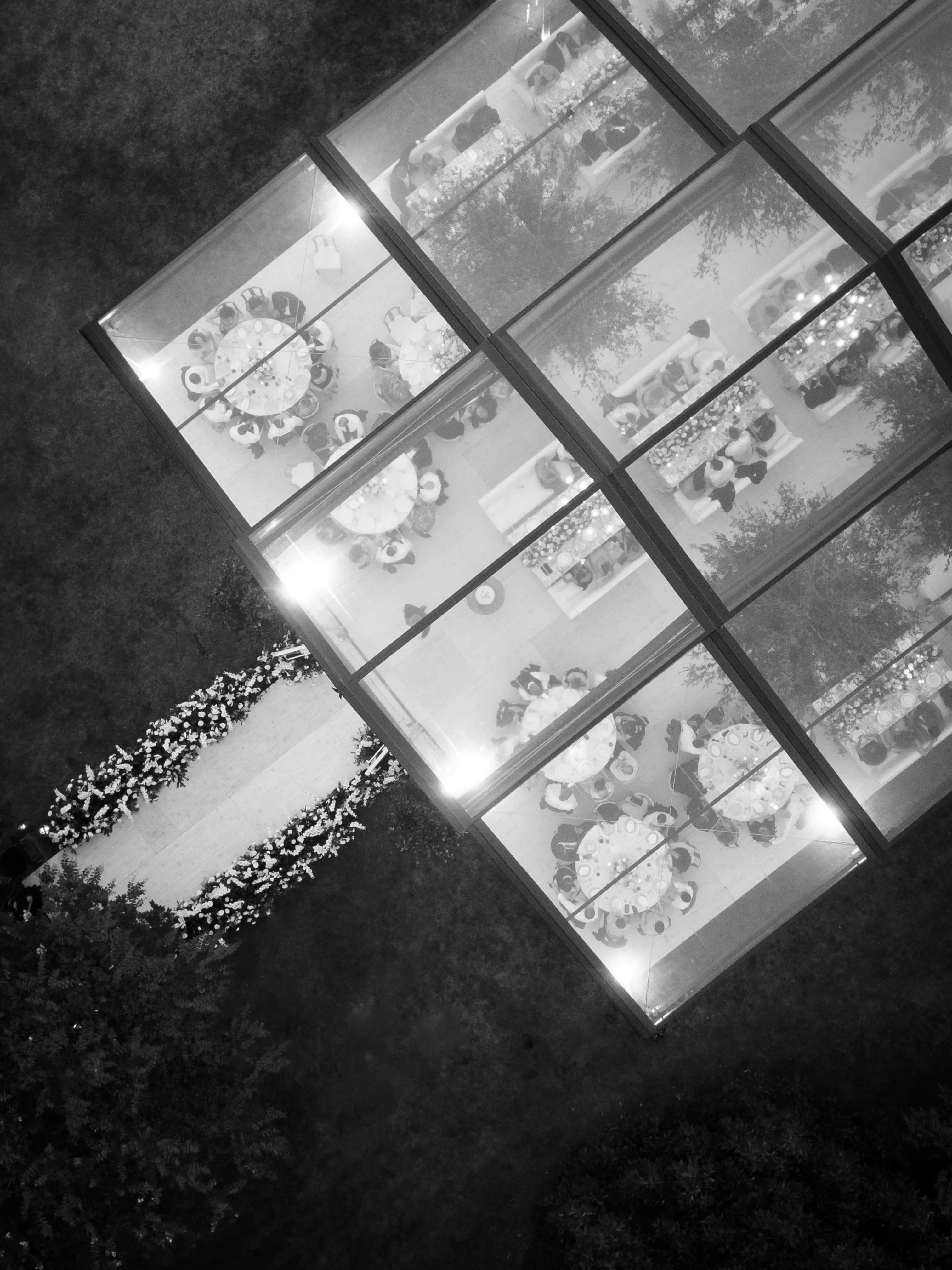
Autumn brings earlier sunsets, making lighting especially important for outdoor hospitality spaces. Illumination needs to provide sufficient visibility for dining, service, entrances, and entertainment while preserving the warm atmosphere associated with fall.
A layered approach can combine ambient, task, accent, and decorative lighting. The source discusses string lights, spotlights, chandeliers, lanterns, candles, and pendant lights as options for creating different effects.
Combining Ambient and Task Lighting
Ambient lighting establishes the overall mood of the tent. Chandeliers and string lights can provide soft general illumination that makes the interior feel inviting without overwhelming the environment.
Task lighting should be used where specific activities require stronger visibility. Pendant lights and spotlights can illuminate dining tables, presentation areas, stages, and other functional zones while allowing the rest of the structure to maintain a softer atmosphere.
Using Decorative Lighting to Reinforce Fall Themes
Decorative lighting can help connect the temporary structure with the season. Warm light colors complement the natural tones associated with autumn and can make the space feel more intimate as evening temperatures decline.
Seasonal decorations such as autumn leaves, pumpkins, or themed décor can be paired with lighting to create a more cohesive visual environment. Aligning decorative lighting with the event’s theme can further personalize the guest experience.
Planning Site Logistics, Power, and Tent Capacity for Fall Events
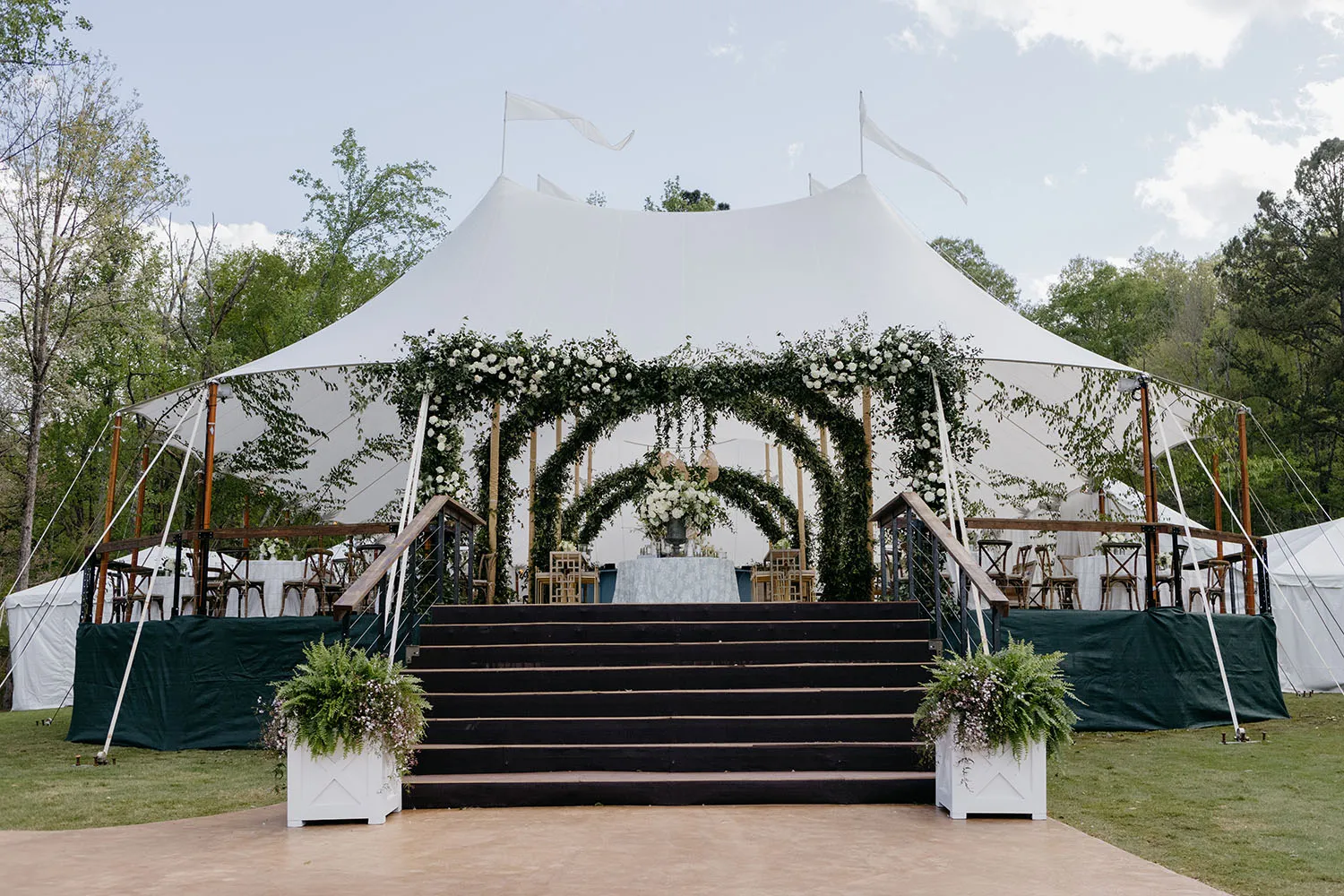
A successful fall tent installation depends on careful logistical planning. Guest entrances, power supply, restroom access, installation timing, weather conditions, and site accessibility can all influence whether the temporary hospitality space functions smoothly.
Tent capacity should also reflect more than the number of guests. Seating style, dining requirements, entertainment areas, and local safety requirements can change the amount of space needed for the same attendance number.
Planning Power, Access, and Installation Timing
Guest entry and exit points should support smooth movement during arrivals and departures. Restroom facilities should also be conveniently accessible so guests do not need to travel unreasonable distances from the temporary dining or event area.
Power is critical because lighting and climate-control equipment may require substantial electrical support. Where standard power is unavailable, generators can provide electricity, while carefully planned distribution can reduce cable hazards. Backup power planning can further prepare the venue for unexpected outages.
Matching Tent Size to Guest Count and Venue Conditions
Tent dimensions should comfortably accommodate expected attendance while preserving space for dining, circulation, and event activities. Banquet, theater, and cocktail configurations can each produce different capacity requirements.
Venue conditions also affect tent selection. Ground surfaces, surrounding trees or buildings, wind exposure, and access routes can influence both the tent type and configuration. Assessing these characteristics early can streamline installation and produce better functional and visual results.
Installation planning should begin well before guests arrive. The source recommends setting up the structure at least one to two days before the event so adjustments and infrastructure testing can occur. Weather should continue to be monitored, and a final walkthrough should confirm décor, safety measures, and operational systems.
Install in advance: Aim for setup at least one to two days before the event when appropriate.
Monitor weather: Maintain flexibility if changing conditions affect installation.
Confirm power: Ensure lighting, climate systems, and other equipment have sufficient electricity.
Plan guest access: Establish clear entrances, exits, and circulation paths.
Verify restroom access: Keep essential guest facilities conveniently located.
Complete final checks: Inspect décor, infrastructure, and safety measures before the event begins.
A well-planned installation timeline gives hospitality teams time to identify and correct issues rather than discovering them after guests arrive.
Frequently Asked Questions
Are clearspan tents suitable for fall outdoor dining?
Yes. Clearspan tents provide unobstructed interiors that maximize usable space, and climate-control systems can be integrated to help maintain comfortable conditions as outdoor temperatures change.
What tent types work well for fall hospitality events?
Clearspan, frame, sailcloth, and century pole tents can all support fall events. The best choice depends on guest count, venue conditions, installation requirements, desired aesthetics, and the type of gathering.
How can hospitality tents stay warm during cooler weather?
Portable heaters, sidewalls, doors, and appropriate air circulation can help create a more controlled interior environment and reduce heat loss during cooler conditions.
What flooring works best for fall event tents?
Options identified in the source include wood, rubber, carpet, interlocking tiles, engineered wood, and carpet tiles. The right material depends on desired aesthetics, insulation needs, ground conditions, and traction requirements.
How far ahead should a fall event tent be installed?
The source recommends aiming for installation at least one to two days before an event so infrastructure can be tested and adjustments made. Weather conditions may require additional scheduling flexibility.
Extend Your Fall Outdoor Season with Skyline Tent Company
Extending outdoor dining and event space into fall allows hospitality properties to continue using valuable exterior areas even as temperatures decline and daylight hours shorten. Clearspan and frame tents provide versatile foundations for these seasonal spaces, while sailcloth and century pole tents offer additional architectural options for venues seeking a more distinctive aesthetic. Heating, ventilation, sidewalls, flooring, and carefully layered lighting can then transform these structures into comfortable and sophisticated environments for dining and events.
Successful fall expansion also depends on the details behind the scenes. Guest count, ground conditions, wind exposure, access routes, electrical requirements, restrooms, installation schedules, and event activities should all influence the final configuration. Skyline Tent Company specializes in premium event tent rentals and luxury hospitality temporary structures, with solutions designed around the specific needs of fall events.
Skyline Tent Company’s planning support includes customized layouts based on venue conditions and event types, logistical assistance involving permits, power management, and risk assessments, and event-day coordination. The company also integrates important infrastructure such as lighting, flooring, and climate control into its temporary tent solutions.
Contact Skyline Tent Company today to discuss your hospitality property’s outdoor dining or event space, anticipated guest count, site conditions, and fall schedule. With a customized tent structure and professionally coordinated lighting, flooring, climate control, and logistics, you can extend your outdoor season while continuing to provide the polished, comfortable experience your guests expect.