
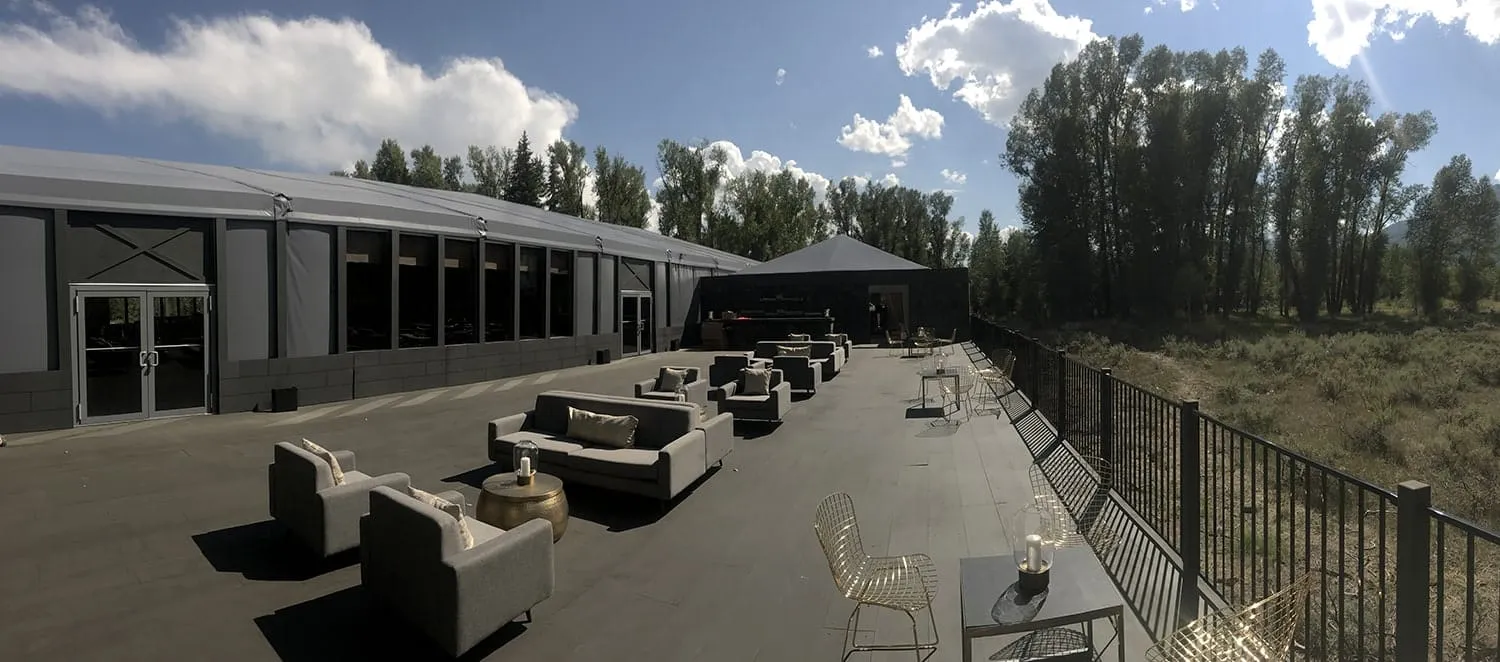
Fall outdoor events can deliver beautiful scenery, comfortable daytime temperatures, and distinctive seasonal atmosphere, but they also require careful preparation for rain, wind, cooler evenings, and rapidly changing conditions. A weather-ready temporary venue should therefore be planned as a complete system that combines the right tent structure with appropriate anchoring, flooring, climate control, lighting, drainage, guest circulation, and contingency planning. Frame tents, pole tents, sailcloth tents, century tents, and clearspan structures each provide different combinations of flexibility, aesthetics, and weather protection. Larger engineered structures can create spacious interiors, while sailcloth and century tents can provide a more traditional or elegant outdoor appearance when site and weather conditions are suitable. Event planners should also account for heating and ventilation, stable flooring, properly illuminated pathways, service access, guest capacity, and plans for unexpected weather changes. With these components coordinated in advance, a temporary fall venue can remain inviting and functional while supporting a comfortable guest experience throughout the event.
Choosing Weather-Ready Tent Structures for Fall Events

Tent selection is one of the most important decisions when preparing an outdoor venue for autumn conditions. The structure needs to complement the event design while also responding appropriately to the expected weather, guest count, site surface, and overall layout.
The source identifies frame, pole, sailcloth, clearspan, century, and other engineered structures as potential options for fall events. Each has different installation and weather considerations, so the best choice depends on the specific property and event requirements.
Clearspan and Frame Tents for Flexible Fall Layouts
Clearspan tents provide large interiors without internal poles, giving event planners substantial flexibility for dining areas, stages, lounges, bars, and guest circulation. The source describes them as engineered structures using waterproof materials and designed for challenging outdoor conditions, making them an important option for larger fall events.
Frame tents also offer flexible interior arrangements and use sturdy structural frameworks. Their adaptable footprint can make them suitable for different outdoor environments where planners need a temporary structure without relying on the traditional layout associated with center-pole tents.
Both options allow event design and practical infrastructure to be organized around guest needs rather than interior structural obstructions.
Sailcloth, Pole, and Century Tents for Seasonal Style
Pole tents are recognized for their traditional canopy appearance, high peaks, and graceful curves. Their support poles and installation requirements need to be incorporated into the layout, and the source notes that they may be less suited to stronger winds than some alternative structures.
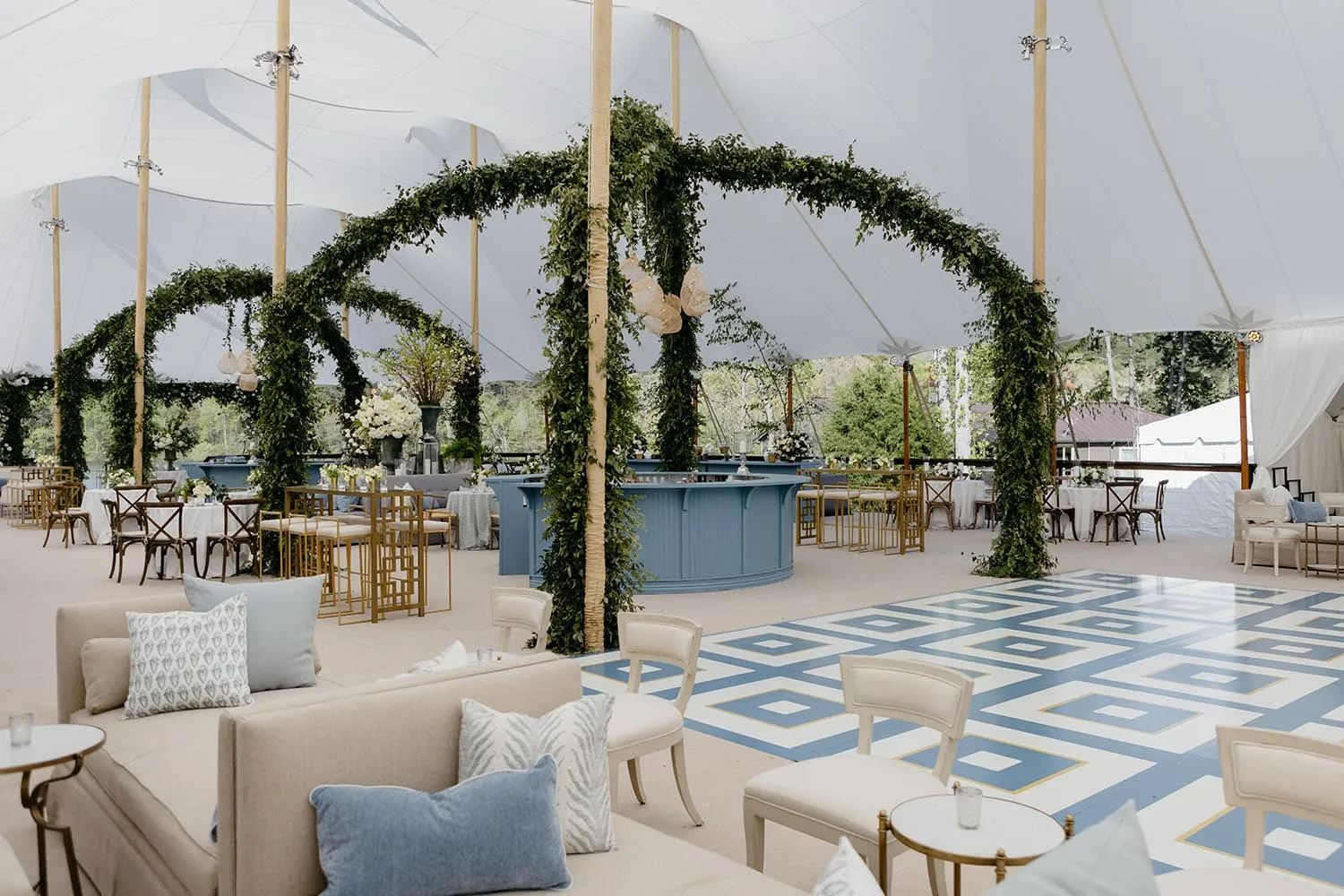
Sailcloth tents use translucent fabric that allows natural light to filter through, creating a warm glow that can complement autumn events. Century tents can also create a visually distinctive setting while offering durable temporary shelter.
Several considerations should guide the final tent choice. A visually appealing structure still needs to be appropriate for the weather and property conditions. Evaluating these factors together helps create a stronger foundation for the temporary venue.
Clearspan tents: Provide large, unobstructed interiors for flexible event layouts.
Frame tents: Offer adaptable structures that can support varied event configurations.
Sailcloth tents: Introduce translucent fabric and a refined seasonal atmosphere.
Pole tents: Provide a traditional high-peak appearance while requiring sufficient installation space.
Century tents: Combine classic visual appeal with durable temporary shelter.
Site and weather conditions: Influence which structure is most appropriate for the event.
Preparing Tent Setup for Wind, Rain, and Cooler Conditions
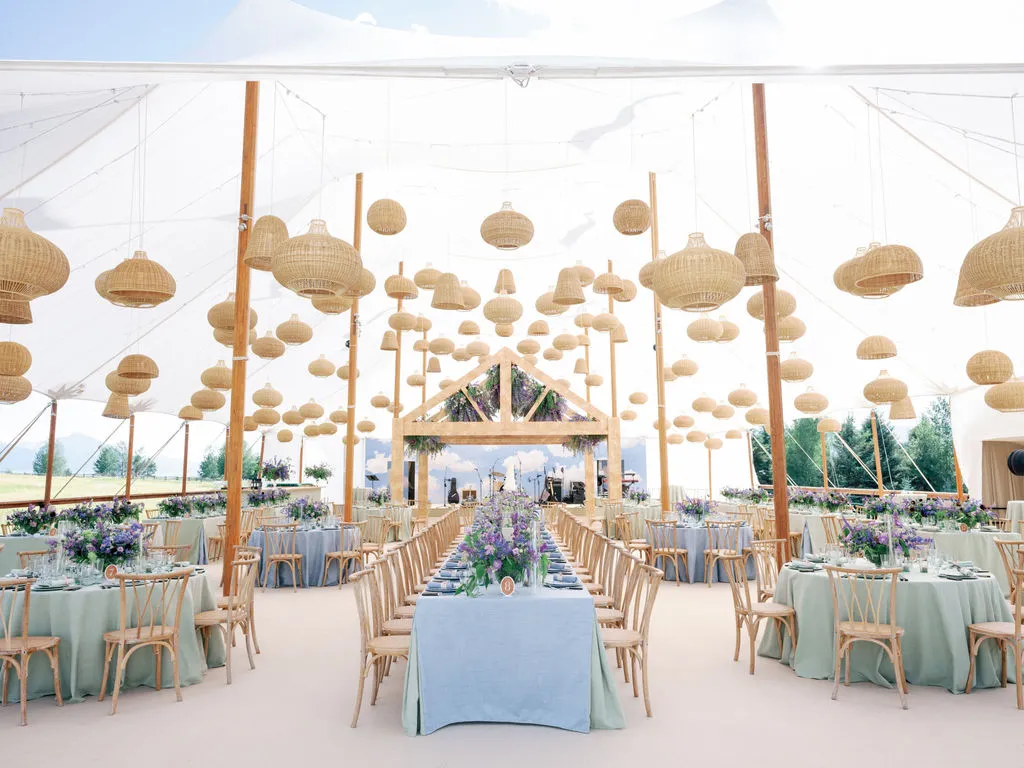
Fall weather can change quickly, so tent setup should be based on more than a favorable forecast several days before the event. Weather resistance, anchoring, ventilation, heating, drainage, and site conditions all influence how well the temporary venue performs.
The original content emphasizes appropriate anchoring and weather-resistant materials as essential parts of fall tent preparation.
Plan Anchoring and Weather Protection Carefully
Tent anchoring needs to match the structure and installation surface. The source identifies stakes and weighted bases as possible approaches depending on site conditions and emphasizes that proper anchoring is important when preparing for fall storms and wind.
Water-resistant tent materials can provide protection during rain, but planners should also evaluate what happens around the structure when water reaches the site. Drainage, low spots, entrances, and pathways may all become important if rain persists.
Site terrain should therefore be inspected before installation so potential water pooling or unstable areas can be addressed before guests arrive.
Prepare for Temperature Changes Throughout the Event
Fall temperatures often change between afternoon and evening, making climate planning an important part of temporary venue preparation. Heating may become necessary later in the day even when daytime conditions initially feel comfortable.
Ventilation remains important when a tent is partially or fully enclosed. The source recommends maintaining airflow while incorporating heating solutions so the interior remains comfortable as temperatures fall.
The final climate strategy should reflect tent size, guest count, event duration, enclosure level, and local conditions rather than relying on one solution for every event.
Adding Climate Control, Flooring, and Lighting
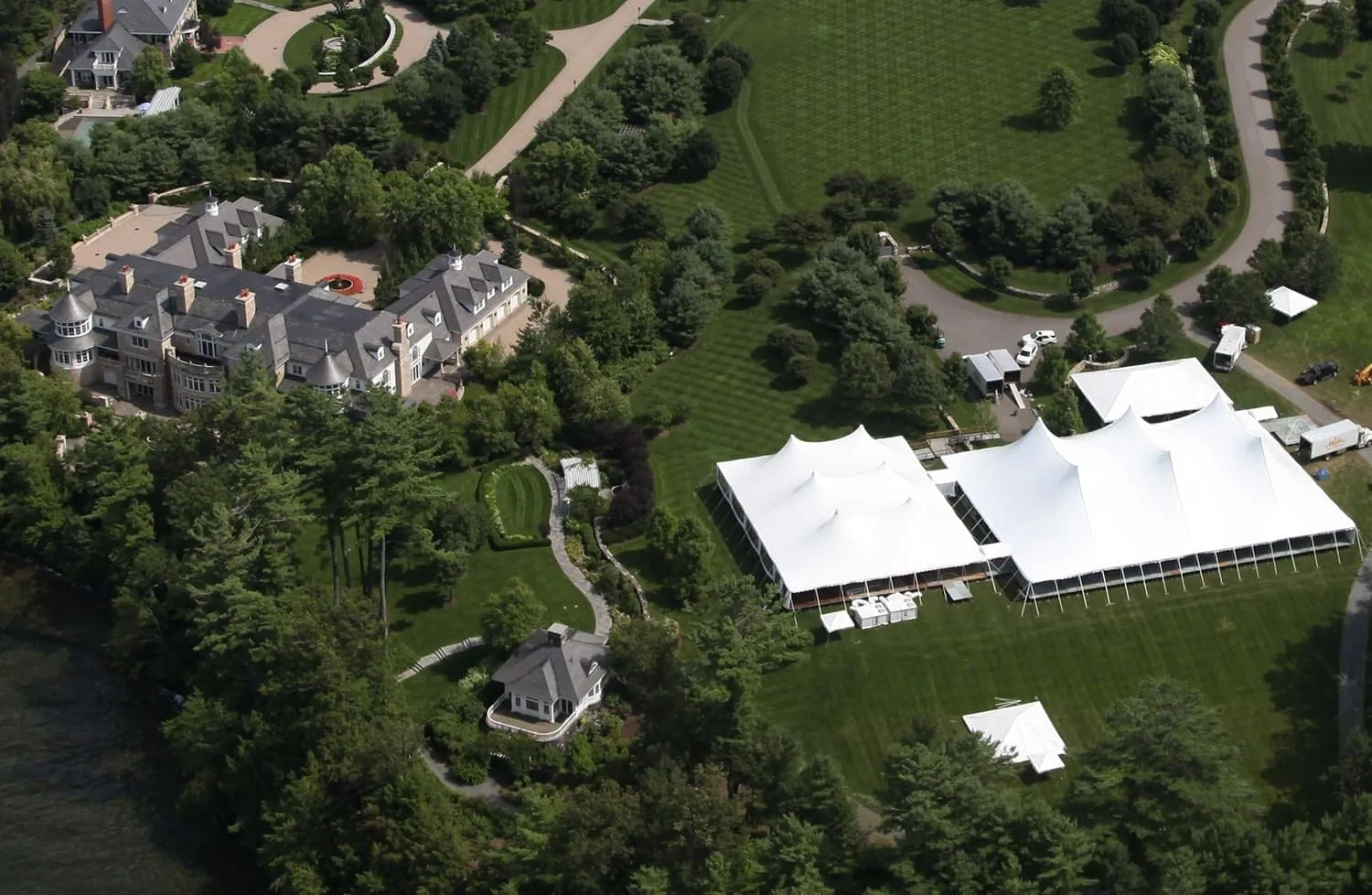
A weather-ready temporary venue should protect guests from more than rain. Temperature, wet or uneven ground, and reduced evening visibility can all affect how comfortable and functional the event feels.
HVAC systems, portable heating, stable flooring, and well-planned lighting can help the venue respond to these conditions while supporting the overall event design.
Use Climate Control to Maintain Guest Comfort
Larger tent structures may use ducted HVAC systems when more controlled temperature management is required. Portable heating may also be considered, with heat sources positioned strategically to provide useful coverage without creating uncomfortable concentrated areas.
Fresh air circulation should remain part of the plan even when heating is used. Ventilation and temperature control should work together so guests are not forced to choose between warmth and comfortable airflow.
Climate systems should also be planned early enough that power requirements and equipment placement can be coordinated with the rest of the event infrastructure.
Choose Stable Flooring and Safe Lighting
Hardwood or modular temporary flooring can provide a more stable walking surface, which may become particularly valuable when surrounding outdoor conditions are wet. Flooring can also create a more finished interior and support accessibility, furniture, catering equipment, and high-traffic guest areas.
Lighting serves both functional and decorative purposes. Pathways should remain visible and clearly defined, while ambient and task lighting can create a welcoming interior atmosphere as daylight fades.
These infrastructure elements should be selected as part of one coordinated plan. Flooring affects guest movement, lighting affects visibility, and climate equipment needs clear installation space. Working through them together can help avoid conflicts during setup.
HVAC systems: Provide controlled heating or cooling for larger enclosed spaces.
Portable heaters: Support guest comfort during cooler fall periods.
Ventilation: Maintains airflow when tents are enclosed.
Hardwood flooring: Creates a stable and polished temporary event surface.
Modular flooring: Provides adaptable support for different site and layout conditions.
Pathway and ambient lighting: Improve visibility while contributing to the event atmosphere.
Planning Guest Capacity, Site Logistics, and Accessibility
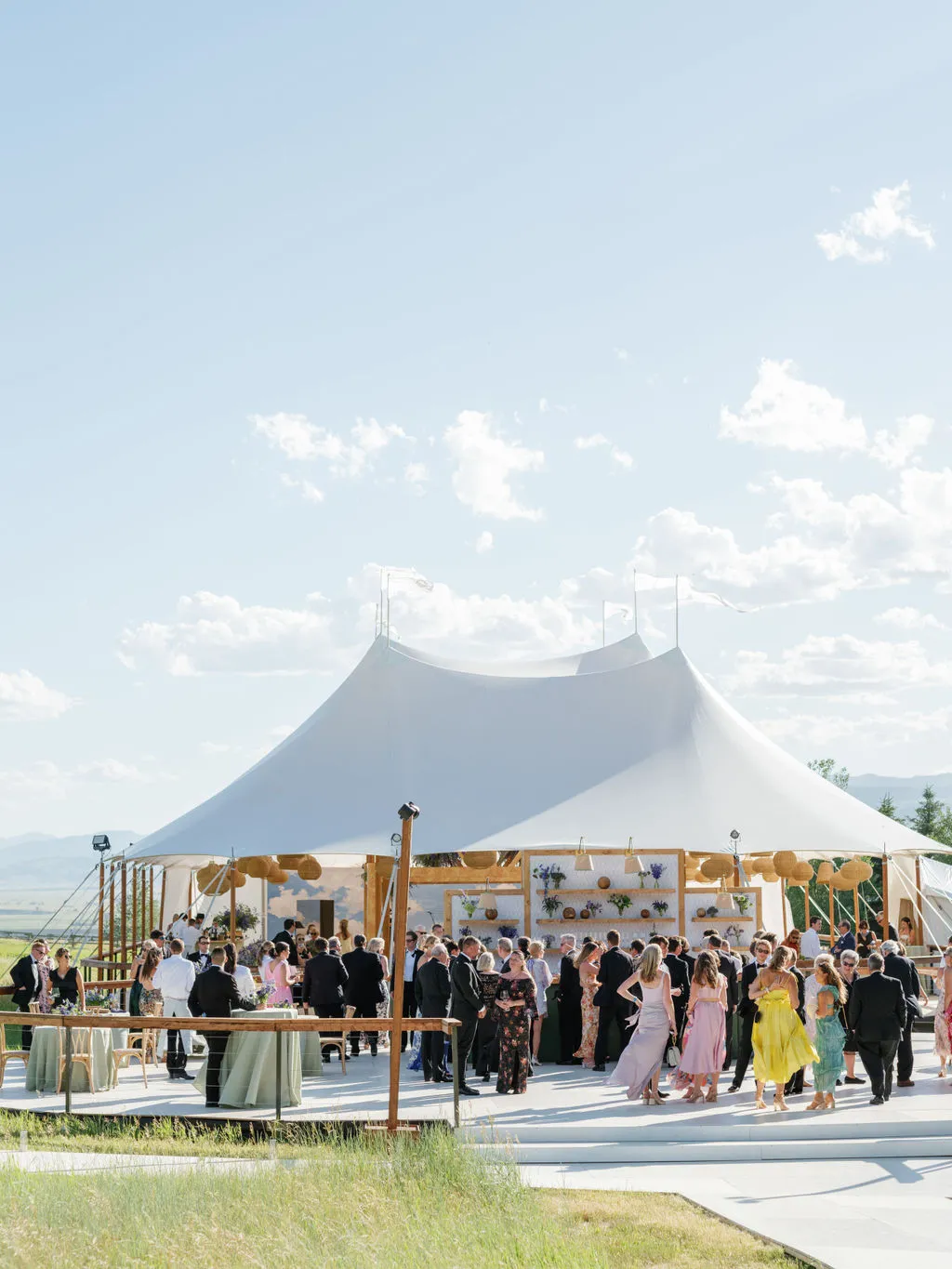
The structure itself is only one part of a weather-ready fall venue. Tent sizing, guest movement, service access, site drainage, entrances, amenities, and available infrastructure all affect whether the completed temporary space works efficiently.
The source recommends evaluating terrain, expected attendance, service routes, amenities, and available space before the final setup is selected.
Match Tent Size to Guest Count and Event Activities
The source suggests allowing approximately 10 to 15 square feet per seated guest as a planning guideline, while also accounting for additional space needed for amenities and equipment.
That additional space can include dining service, stages, dance floors, bars, lounge furniture, registration, and circulation routes. A tent sized only around seating capacity may become crowded once these features are incorporated.
Event planners should therefore map the entire interior layout before confirming tent dimensions.
Evaluate Terrain, Drainage, and Service Access
Terrain stability should be reviewed before installation, particularly when rain could soften the surrounding ground or create water accumulation. Drainage is important around both the tent perimeter and primary guest pathways.
Service access also needs to remain practical. Catering teams, equipment deliveries, event staff, and other vendors need routes that allow them to operate without interfering with guest circulation.
Amenities such as accessible restrooms and water stations should be incorporated into the broader site plan so guests can reach them comfortably throughout the event.
Building a Fall Weather Contingency Plan
Even a well-designed tent cannot eliminate every challenge created by outdoor weather. A contingency plan gives planners a structured way to respond if conditions change before or during the event.
The source emphasizes backup strategies, ongoing forecast monitoring, and clear communication as essential parts of fall weather preparedness.
Monitor Weather and Prepare Backup Strategies
Forecasts should be monitored during the days leading up to the event so planners can make timely adjustments. Temperature, rainfall, and wind forecasts may influence sidewall use, heating requirements, flooring protection, or other infrastructure decisions.
Backup strategies should be established before severe weather occurs. The exact plan will depend on the event, venue, tent structure, and available alternatives.
Having those decisions established early reduces the need to develop an emergency response while conditions are already changing.
Coordinate Communication and Event Design
Communication between planners, vendors, venue teams, and guests can become important when weather requires schedule or setup changes. A clear process should determine who monitors conditions, who makes operational decisions, and how updates are communicated.
Event design should also support flexibility. Furniture placement, guest pathways, tent architecture, lighting, and décor can be organized so the venue remains functional if more protection or enclosure becomes necessary.
Weather readiness works best when every major part of the event supports the same contingency strategy. The tent, infrastructure, site plan, and communication process should all be capable of adapting. Planning the following elements before the event can make those adjustments easier.
Weather monitoring: Track forecasts closely as the event approaches.
Backup strategies: Establish responses for significant rain, wind, or temperature changes.
Guest communication: Prepare a clear method for sharing important weather-related updates.
Flexible layouts: Allow the event setup to adapt if additional enclosure is required.
Protected pathways: Consider how guests will move around the venue during wet conditions.
Vendor coordination: Make sure key teams understand the weather contingency plan.
A coordinated plan gives organizers more options when conditions change instead of relying solely on the tent itself.
Frequently Asked Questions
Which tent is best for unpredictable fall weather?
There is no single structure that is appropriate for every property or forecast. Clearspan and frame tents can provide flexible interiors, while sailcloth, pole, and century tents may be appropriate when their design and installation requirements match the site and expected conditions.
How can a fall event tent stay warm?
Heating or HVAC systems can be incorporated depending on the size and enclosure of the structure. Ventilation should also be maintained so airflow remains comfortable while temperatures are managed.
What flooring is useful during rainy fall events?
The source identifies hardwood and modular flooring as options that can provide stability and improve accessibility when outdoor conditions are wet.
How much space should be planned for seated guests?
The original content suggests approximately 10 to 15 square feet per seated guest as a planning guideline, plus additional room for amenities, equipment, and event activities.
What should a fall weather contingency plan include?
Weather monitoring, backup strategies, guest communication, vendor coordination, and plans for rain or wind should be established before the event.
Create a Weather-Ready Fall Venue with Skyline Tent Company
A successful fall event venue depends on much more than simply placing a tent over an outdoor space. Tent selection, anchoring, climate control, flooring, lighting, drainage, guest capacity, site access, and weather contingency planning all influence how the event performs when autumn conditions change.
Clearspan and frame structures can create adaptable environments for larger gatherings, while sailcloth, century, and pole tents offer different architectural styles when site and weather conditions support them. Flooring can provide a more stable guest surface during wet conditions, while heating, ventilation, and lighting help maintain comfort as temperatures fall and daylight fades.
The strongest plan begins with the property itself. Terrain, drainage, expected attendance, event activities, access routes, and seasonal weather should guide the structure and infrastructure selected for the event.
Contact Skyline Tent Company to discuss your fall event site, guest count, tent requirements, climate-control needs, flooring, lighting, and weather planning. With a coordinated temporary venue strategy, Skyline Tent Company can help create a polished outdoor event environment designed to remain comfortable, functional, and prepared for the changing conditions of fall.