

Creating a comfortable and visually polished event space on an uneven or sloped property requires more planning than installing a tent on level ground. Hillside estates, sloped lawns, private properties, and outdoor venues can provide beautiful settings for weddings, corporate gatherings, and upscale celebrations, but the terrain introduces important considerations involving stability, flooring, anchoring, drainage, and guest movement. Specialized tent solutions such as frame tents, clearspan structures, and sailcloth tents can help transform challenging terrain into functional event environments when they are paired with appropriate installation techniques.
Site evaluation should determine the degree of slope, soil conditions, moisture levels, and potential drainage concerns before the structure is selected. Leveling methods, graded platforms, suitable anchoring systems, and slip-resistant flooring can then help create a more stable environment for guests and event infrastructure. Weather preparedness is equally important because wind and rainfall can increase the challenges associated with sloped sites. By evaluating the property carefully and selecting a structure designed around its specific conditions, planners can make better use of distinctive outdoor locations without allowing uneven terrain to dictate the entire event experience.
Choosing Specialized Event Tents for Uneven or Sloped Properties
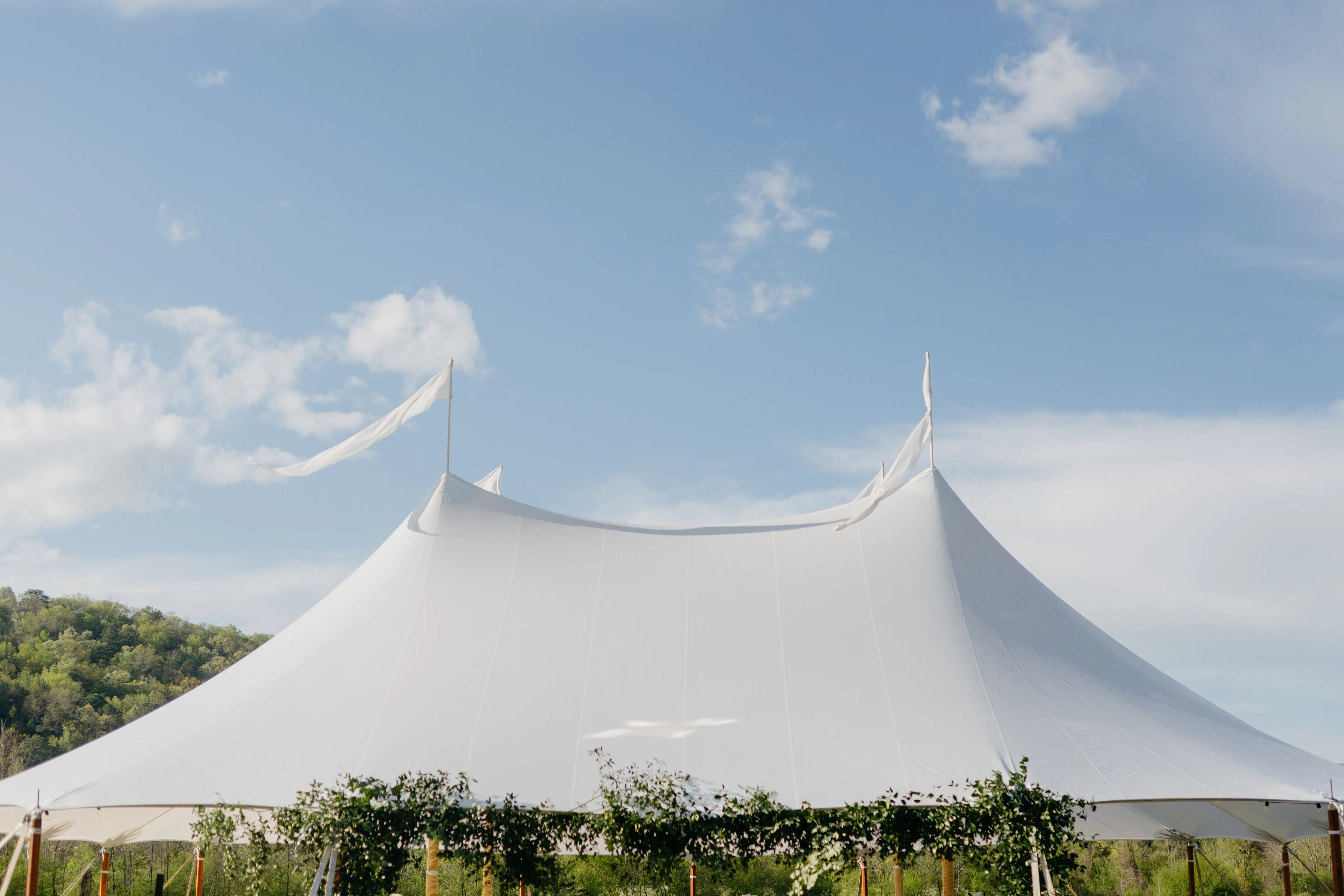
The type of tent selected can significantly influence how effectively an event space works on challenging terrain. Not every structure responds to uneven ground in the same way, so planners should consider both structural requirements and the intended event layout.
Frame tents, clearspan structures, and sailcloth tents each provide advantages for different outdoor environments. The right choice depends on the slope, available footprint, guest count, weather exposure, and desired visual style.
Frame Tents for Flexible Uneven Terrain Installations
Frame tents are versatile structures that can be used on uneven ground. Their structural framework provides stability while supporting temporary installations in locations where terrain may prevent a more conventional setup.
Because the interior can accommodate flexible layouts, frame tents are useful for events where seating, dining, entertainment, and circulation areas need to be carefully positioned around site limitations. This adaptability makes them a practical option for sloped backyards, estates, and outdoor venues.
Clearspan and Sailcloth Tents for Larger or Upscale Events
Clearspan structures eliminate the need for center poles, providing an open interior that maximizes usable space. This can be particularly beneficial for larger gatherings because planners have greater freedom to arrange seating, entertainment, and other event features.
Sailcloth tents provide another option for upscale outdoor events. Their translucent material allows natural light to enter the structure, creating an elegant atmosphere, while their design can support outdoor celebrations where visual character is an important part of the event.
Before choosing a structure, planners should compare the tent’s characteristics with the site’s physical limitations. A tent that looks appropriate for the event may still require significant site preparation if the property has a steep or inconsistent slope. Evaluating the following considerations first can make the selection process more effective.
Frame tents: Provide versatile temporary structures that can work with uneven ground conditions.
Clearspan structures: Create open interiors without center poles, maximizing usable event space.
Sailcloth tents: Combine functional outdoor coverage with an elegant, translucent appearance.
Guest capacity: Determine how much usable floor area the event requires.
Slope conditions: Consider whether the terrain requires leveling before installation.
Event layout: Account for seating, dining, entertainment, and guest circulation when selecting tent dimensions.
Matching the structure to both the event and the terrain creates a stronger foundation for the rest of the installation.
Evaluating Slopes and Preparing the Site Before Tent Installation
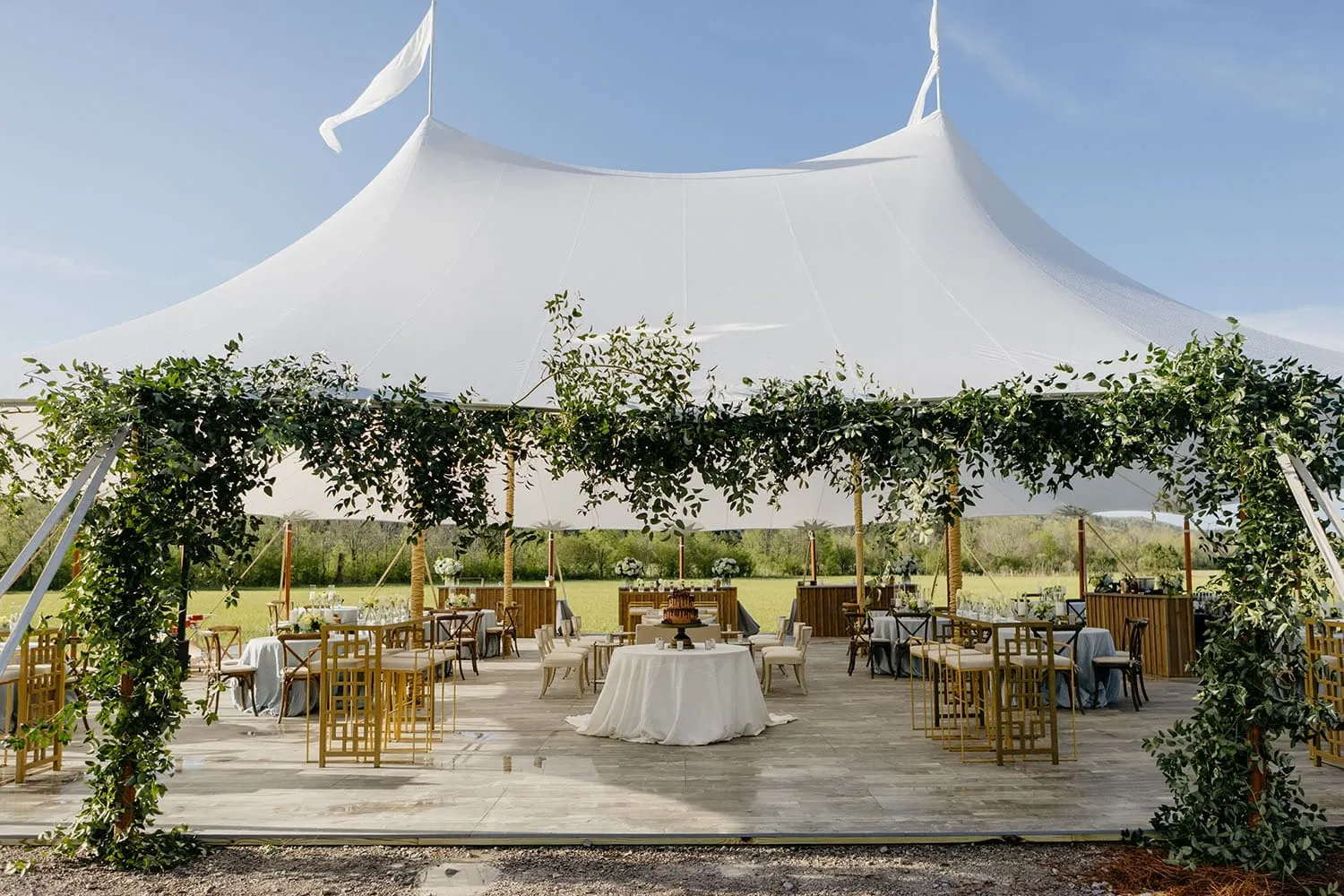
Site evaluation is one of the most important steps when planning an event on uneven property. The degree of slope and underlying soil conditions influence how the tent can be positioned, supported, and anchored.
These factors should be understood before installation begins rather than addressed after equipment reaches the property. A thorough assessment allows planners to identify potential challenges and determine which leveling and anchoring techniques may be required.
Assessing Slope Degree, Soil, and Drainage Conditions
An initial terrain assessment should determine the degree of slope across the proposed event footprint. Even properties that appear relatively level may contain variations that become more noticeable once tables, flooring, or a large tent structure are introduced.
Soil type and moisture content should also be evaluated. These characteristics can influence anchoring and may reveal drainage concerns or areas where shifting ground could create additional challenges.
Using Leveling Techniques for a More Stable Event Surface
Leveling methods can help create a more usable surface when the underlying property is sloped. Graded platforms are one approach identified in the original content for distributing weight more evenly and reducing unnecessary stress on the tent structure.
Creating a level event surface can also make the interior easier to organize. Dining tables, chairs, entertainment equipment, and other event elements generally perform better when they are not positioned directly across a significant incline.
Site preparation should account for the complete event environment rather than only the tent footprint. Guests still need to reach the structure, vendors need installation access, and rainwater needs somewhere to move if conditions change. A broader assessment can identify these issues before they interfere with the event.
Measure the slope: Determine how much elevation changes across the proposed installation area.
Assess soil conditions: Review soil type and stability before deciding on anchoring methods.
Check moisture levels: Identify areas that may become soft or unstable after rainfall.
Review drainage: Determine how water naturally travels across the property.
Plan leveling: Consider graded platforms or other appropriate methods for creating a usable surface.
Evaluate access: Ensure installation crews and event vendors can safely reach the site.
Completing these steps before setup gives planners a clearer understanding of what the property can support and which specialized installation methods may be necessary.
Securing Event Tents Safely on Uneven Terrain
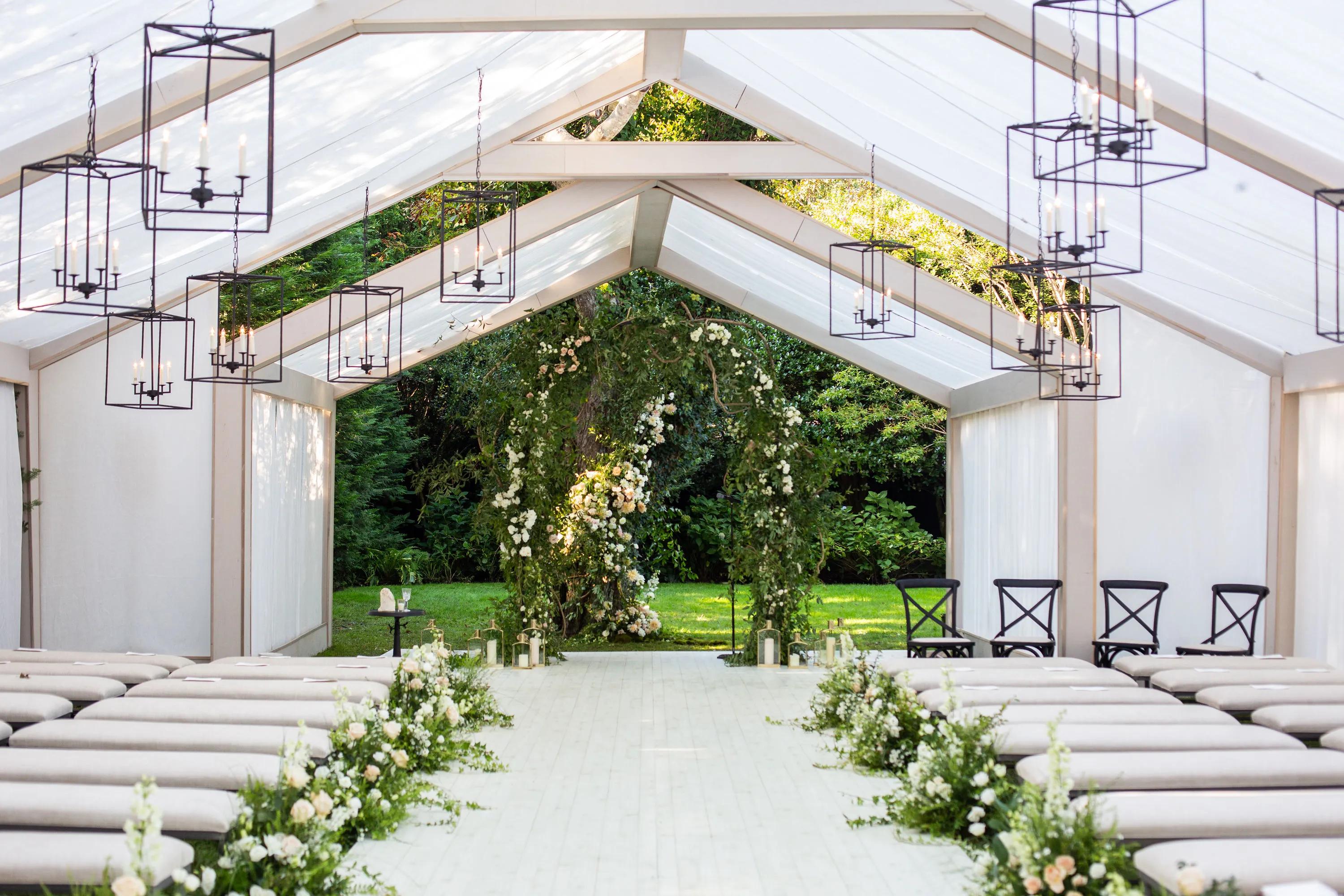
Structural stability is particularly important when tents are installed on sloped or irregular surfaces. Uneven terrain can affect how loads are distributed, while wind and rainfall can create additional challenges during an outdoor event.
Proper anchoring, weather preparation, and ground assessments should therefore be incorporated into the installation strategy from the beginning.
Using Stakes and Weighted Bases for Tent Stability
Anchoring systems help keep the temporary structure secure. The original content identifies weighted bases used alongside stakes as one approach for improving stability on uneven surfaces, particularly when windy conditions are possible.
The exact anchoring strategy should reflect the tent type and site conditions. Ground characteristics identified during the initial assessment can help determine which areas of the property are appropriate for structural installation.
Preparing Sloped Tent Sites for Wind and Rain
Weather conditions should be considered before guests arrive. Wind can place additional stress on temporary structures, making it important to select tents appropriate for the anticipated conditions.
Rain introduces another concern because water can move quickly across sloped terrain. Soil moisture and drainage assessments can help planners identify areas where water accumulation or shifting ground may become problematic.
Several safety considerations become interconnected on uneven terrain. Ground stability affects anchoring, rainfall affects soil conditions, and the slope influences both drainage and guest movement. These factors should therefore be evaluated together rather than as isolated concerns.
Use appropriate anchoring: Select anchoring systems based on the structure and ground conditions.
Incorporate weighted bases where appropriate: Additional support may be useful alongside staking strategies.
Prepare for wind: Consider expected weather and the structural requirements of the selected tent.
Assess rainfall risks: Identify how precipitation may affect drainage and soil stability.
Monitor ground conditions: Changes in moisture can influence the suitability of the installation area.
Plan before installation: Address stability concerns during site evaluation rather than after setup.
Thoughtful preparation helps create an event structure that responds more effectively to the challenges presented by the property.
Creating Level and Comfortable Guest Areas on Sloped Sites

Structural installation is only one part of transforming uneven terrain into a usable event space. Guests need comfortable areas for walking, dining, socializing, and participating in event activities.
Flooring can play an important role by providing a more consistent surface and reducing the direct impact of the underlying slope. Guest movement should also be considered when determining where different event functions are positioned.
Using Slip-Resistant Flooring on Uneven Properties
Slip-resistant flooring can improve guest comfort and reduce the risk of accidents, particularly when outdoor surfaces become damp. It can also create a more consistent walking surface across areas where the underlying ground varies.
Flooring should be coordinated with any leveling system used beneath the tent. This allows planners to create an interior that feels intentional and functional rather than simply covering uneven ground.
Planning Seating and Guest Movement Around the Terrain
A level interior provides more flexibility when positioning dining tables, chairs, entertainment areas, and other event infrastructure. This can be particularly important for formal gatherings where furniture needs to remain stable throughout the event.
Guest pathways should also reflect the terrain. Routes between the tent, parking areas, estate buildings, and other amenities should be considered so guests are not unexpectedly directed across difficult slopes.
When designing the guest environment, planners should consider how people will interact with the property from arrival through departure. A stable tent interior is valuable, but surrounding access areas still influence the overall experience.
Use slip-resistant flooring: Improve traction and create a more dependable walking surface.
Level key event areas: Prioritize dining, seating, and entertainment zones where stability matters most.
Plan clear pathways: Establish logical routes between major event areas.
Consider furniture placement: Avoid positioning tables or chairs where uneven surfaces affect stability.
Account for wet conditions: Recognize that rain can make sloped areas more difficult to navigate.
Coordinate flooring and platforms: Treat the supporting surface and finished floor as parts of the same plan.
These measures can help turn challenging terrain into a more comfortable environment without losing the visual appeal that made the property attractive for the event.
Designing a Complete Tent Solution for a Sloped Event Property
The most effective event spaces on uneven terrain combine structural planning with guest comfort and aesthetics. Tent selection, site evaluation, leveling, anchoring, flooring, and weather preparation should all support the same event plan.
This coordinated approach is particularly important for weddings and corporate gatherings where both functionality and visual presentation contribute to the success of the occasion.
Matching the Tent Structure to the Event Experience
A hillside wedding may benefit from a sailcloth tent that complements the surrounding landscape, while a larger gathering may require the open interior of a clearspan structure. A frame tent may provide greater flexibility when the available installation area presents unusual surface conditions.
The choice should therefore reflect the event’s scale and design goals as well as the terrain. Selecting a tent based solely on appearance can overlook important structural and logistical requirements.
Coordinating Installation Around Site Conditions
Professional planning should begin with the property rather than trying to force a standard event configuration onto a difficult site. Slope, soil, drainage, weather exposure, and available footprint can all influence the final installation.
Once these conditions are understood, planners can coordinate leveling, anchoring, flooring, and the tent itself into one temporary event environment.
A complete plan should account for every major site variable before equipment arrives. This reduces the likelihood that an unexpected terrain issue forces major layout changes during installation.
Define the event requirements: Establish guest count, layout, and intended activities.
Evaluate the property: Understand slope, soil, drainage, and available space.
Choose the tent type: Match frame, clearspan, or sailcloth structures to the site and event.
Determine leveling requirements: Identify areas where platforms or other solutions are needed.
Plan anchoring: Select suitable methods based on ground and structural conditions.
Finish the guest environment: Coordinate flooring and circulation with the completed tent layout.
By treating the property, structure, and guest environment as one project, planners can create more functional event spaces on locations that initially appear difficult to use.
Frequently Asked Questions
Can event tents be installed on uneven ground?
Yes. Specialized tent solutions such as frame tents can accommodate challenging terrain, although the property should first be assessed to determine slope, soil conditions, leveling needs, and anchoring requirements.
Which tent works best for a sloped property?
The best option depends on the site and event. Frame tents offer versatility, clearspan structures provide unobstructed interiors for larger gatherings, and sailcloth tents can provide an elegant option for upscale outdoor events.
How can a tent floor be made level on a slope?
Leveling techniques such as graded platforms can create a more consistent event surface and distribute weight more evenly across the installation area.
Why is soil assessment important before tent installation?
Soil type and moisture levels can influence anchoring, drainage, and ground stability. Assessing these conditions helps identify potential installation concerns before setup begins.
What flooring is appropriate for a tent on sloped terrain?
The original content specifically recommends slip-resistant flooring because it can reduce accident risks and improve guest comfort, particularly when uneven terrain becomes wet.
Create a Functional Event Space on Challenging Terrain with Skyline Tent Company
Uneven or sloped properties do not automatically have to be excluded from consideration for outdoor events. With the right combination of specialized tent structures, site evaluation, leveling, anchoring, weather planning, and slip-resistant flooring, challenging landscapes can be transformed into functional settings for weddings, corporate gatherings, and other celebrations.
Frame tents provide versatility for uneven terrain, clearspan structures create expansive interiors without center poles, and sailcloth tents combine outdoor functionality with an elegant visual character. The appropriate solution ultimately depends on the property’s slope, soil stability, drainage conditions, guest count, event layout, and anticipated weather.
Careful preparation is particularly important because conditions on sloped sites are interconnected. Rainfall can affect soil stability and drainage, wind can increase structural demands, and uneven surfaces can influence flooring and guest circulation. Evaluating these factors before installation allows the tent and supporting systems to be designed around the property rather than adjusted at the last minute.
Contact Skyline Tent Company to discuss your property’s terrain, event size, layout requirements, and tenting needs. With professional site planning and specialized tent solutions, Skyline Tent Company can help transform an uneven or sloped outdoor property into a stable, comfortable, and visually refined event environment.