
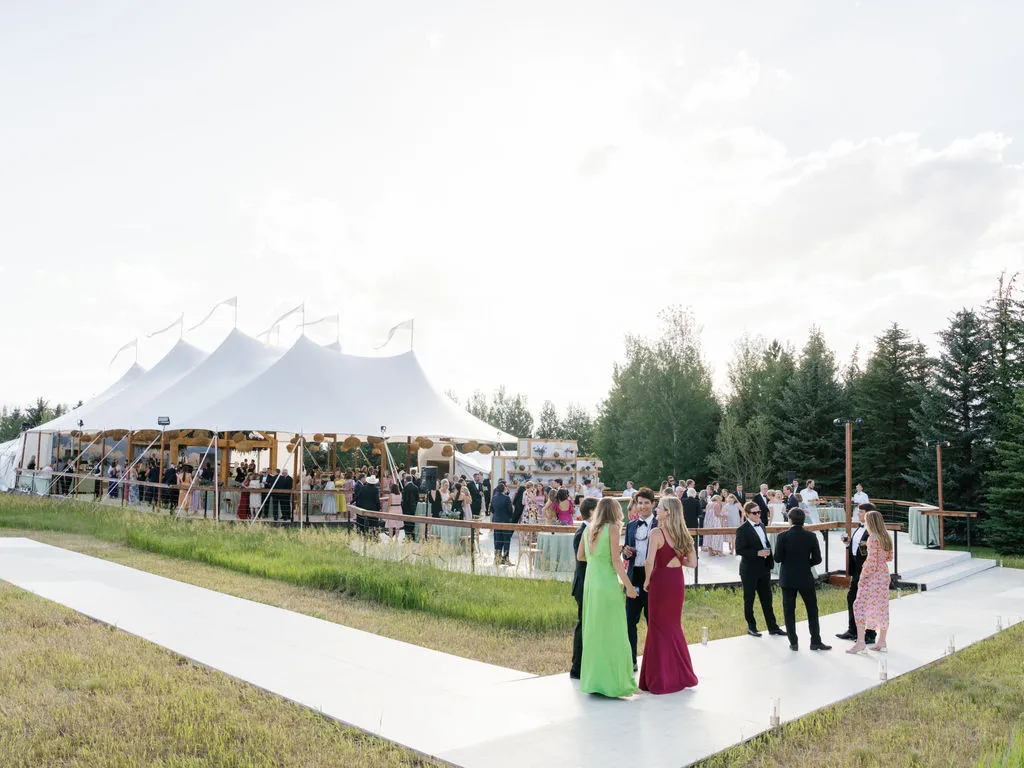
Temporary structures give brands and event organizers the flexibility to create distinctive outdoor venues without relying on permanent construction. For brand activations, corporate gatherings, product showcases, festivals, and other large events, the right tent can provide both a functional environment and a strong visual presence. Clearspan tents, frame tents, sailcloth tents, century pole tents, and clear-top structures can accommodate different guest counts, site conditions, design concepts, and event activities. Clearspan tents are especially useful for large-scale events because their unobstructed interiors support flexible layouts, branded displays, stages, dining areas, and interactive experiences. Frame tents offer adaptability across different surfaces, while sailcloth and clear-top options can create more visually distinctive settings. Climate control, flooring, lighting, accessibility, and careful site logistics also contribute to the success of the temporary venue. By evaluating the event objectives, audience, terrain, weather, and infrastructure requirements before selecting a structure, planners can build an outdoor environment that reinforces the brand while keeping guests comfortable and the event operating smoothly.
Choosing Temporary Structures for Brand Activations
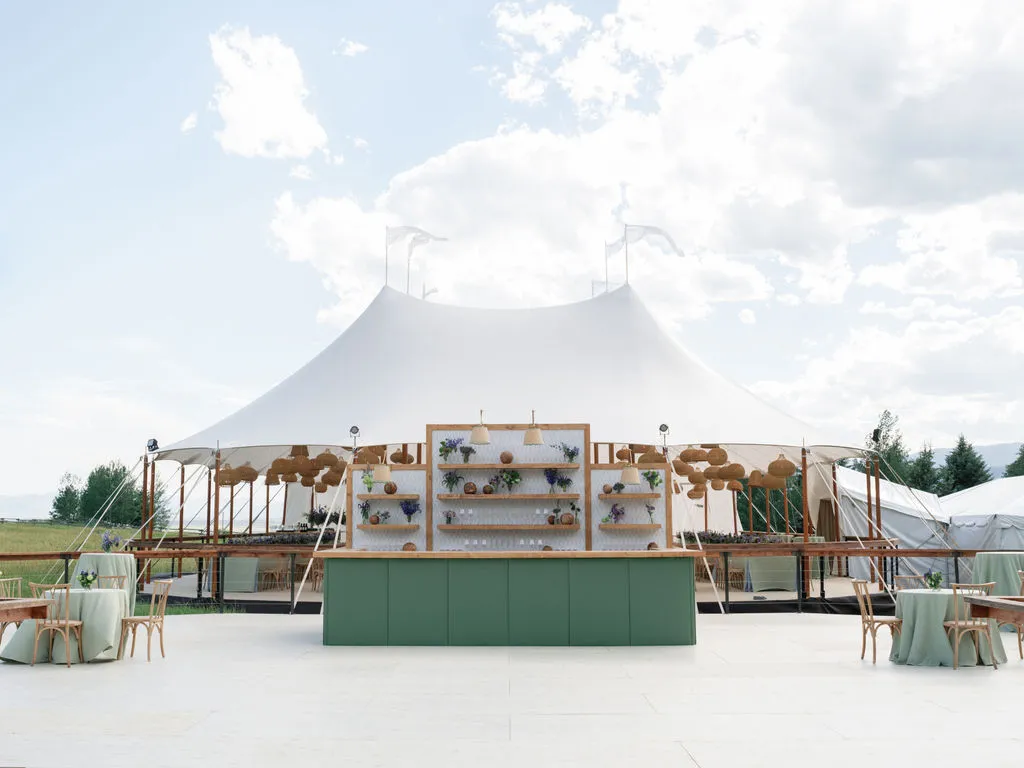
The structure is one of the largest visual and functional components of a brand activation. It needs to support the planned guest experience while providing enough flexibility for branding, product displays, entertainment, seating, and other event activities.
Architectural tents provide several approaches depending on the size and style of the activation. Clearspan, frame, sailcloth, century pole, and clear-top designs each offer different benefits for temporary outdoor environments.
Clearspan and Frame Tents for Flexible Brand Experiences
Clearspan tents provide expansive interiors without center support poles. That open footprint gives planners greater freedom to build product showcases, stages, lounge areas, interactive displays, dining zones, and custom branded environments without working around structural obstructions.
Their modular construction also allows the structure to be configured for different capacities and site dimensions. Lighting systems and climate-control equipment can be integrated into the venue, helping the temporary space function more like a purpose-built event environment.
Frame tents provide another flexible solution, particularly for events with smaller footprints or more restrictive sites. They can be installed on different surfaces and generally require less surrounding space than traditional pole-based structures.
Sailcloth, Century Pole, and Clear-Top Structures
Sailcloth tents use translucent fabric that allows natural light to illuminate the interior. This feature can create a softer, more elevated atmosphere for corporate receptions, luxury activations, and other events where presentation plays a major role.
Century pole tents introduce dramatic peaks and a recognizable silhouette that can become part of the visual identity of an event. Clear-top structures can provide views of the sky and surrounding environment, helping create an immersive setting for activations in scenic outdoor locations.
Every temporary structure influences how guests perceive and move through the event. The structure should therefore support both practical needs and the intended brand experience. Reviewing these options early can make the eventual venue easier to customize.
Clearspan tents: Provide open interiors for large-scale branded layouts.
Frame tents: Offer flexible installation for varied sites and smaller footprints.
Sailcloth tents: Create an elegant atmosphere through translucent material.
Century pole tents: Add dramatic peaks and a distinctive architectural appearance.
Clear-top structures: Maintain views of the surrounding setting and natural light.
Luxury tent options: Combine premium finishes with functional event infrastructure.
Matching Tent Size to Guests and Event Activities
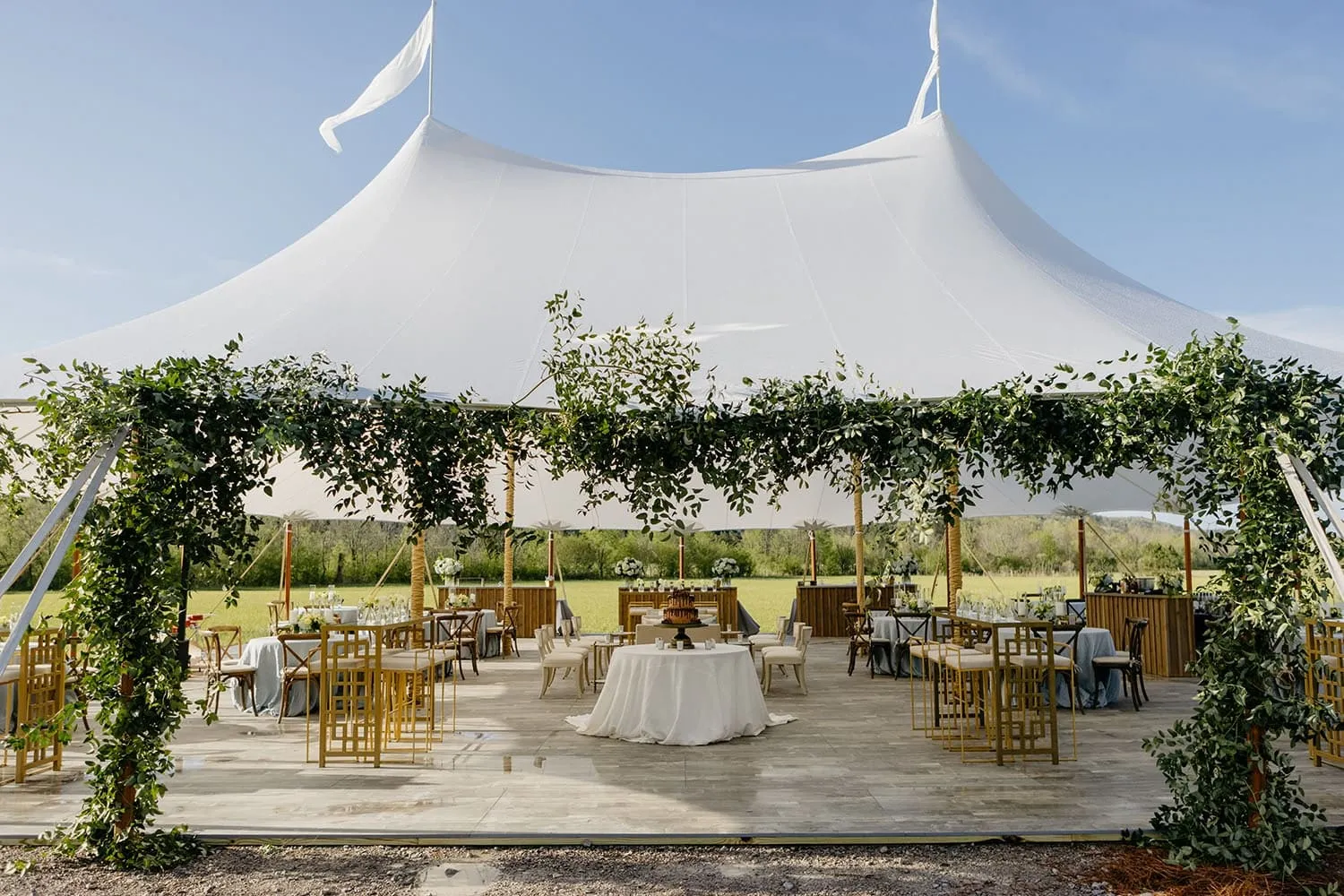
Choosing a tent based only on attendance can result in an undersized event environment. Brand activations frequently require more room than traditional seated gatherings because products, displays, stages, demonstrations, networking areas, and circulation routes all need dedicated space.
The original content emphasizes evaluating guest count, activity requirements, event style, accessibility, site conditions, and available utilities when determining the appropriate tent.
Calculate Space for the Entire Activation
The source uses approximately 10 square feet per guest for a sit-down event as a general starting point and notes that more space may be necessary for more active event formats.
For a brand activation, that initial capacity calculation should be expanded to account for everything happening inside the venue. A product launch may require presentation space and demonstration zones, while a consumer activation could include interactive displays, photo areas, queues, and branded lounges.
Stages, dance floors, dining arrangements, registration areas, and service routes should also be incorporated before the final tent dimensions are determined.
Consider Accessibility, Terrain, and Venue Conditions
Site evaluation can influence the size and type of structure just as much as guest count. Ground stability, access for installation crews, surrounding landscape features, utilities, and surface type can all affect the final setup.
The tent should also allow guests to move comfortably between major areas. Accessible pathways, sufficient circulation space, and practical entrance locations help prevent congestion around popular activation zones.
Understanding these conditions early allows planners to create a venue that fits the property instead of trying to force a predetermined design onto a site that cannot support it.
Integrating Climate Control and Guest Comfort
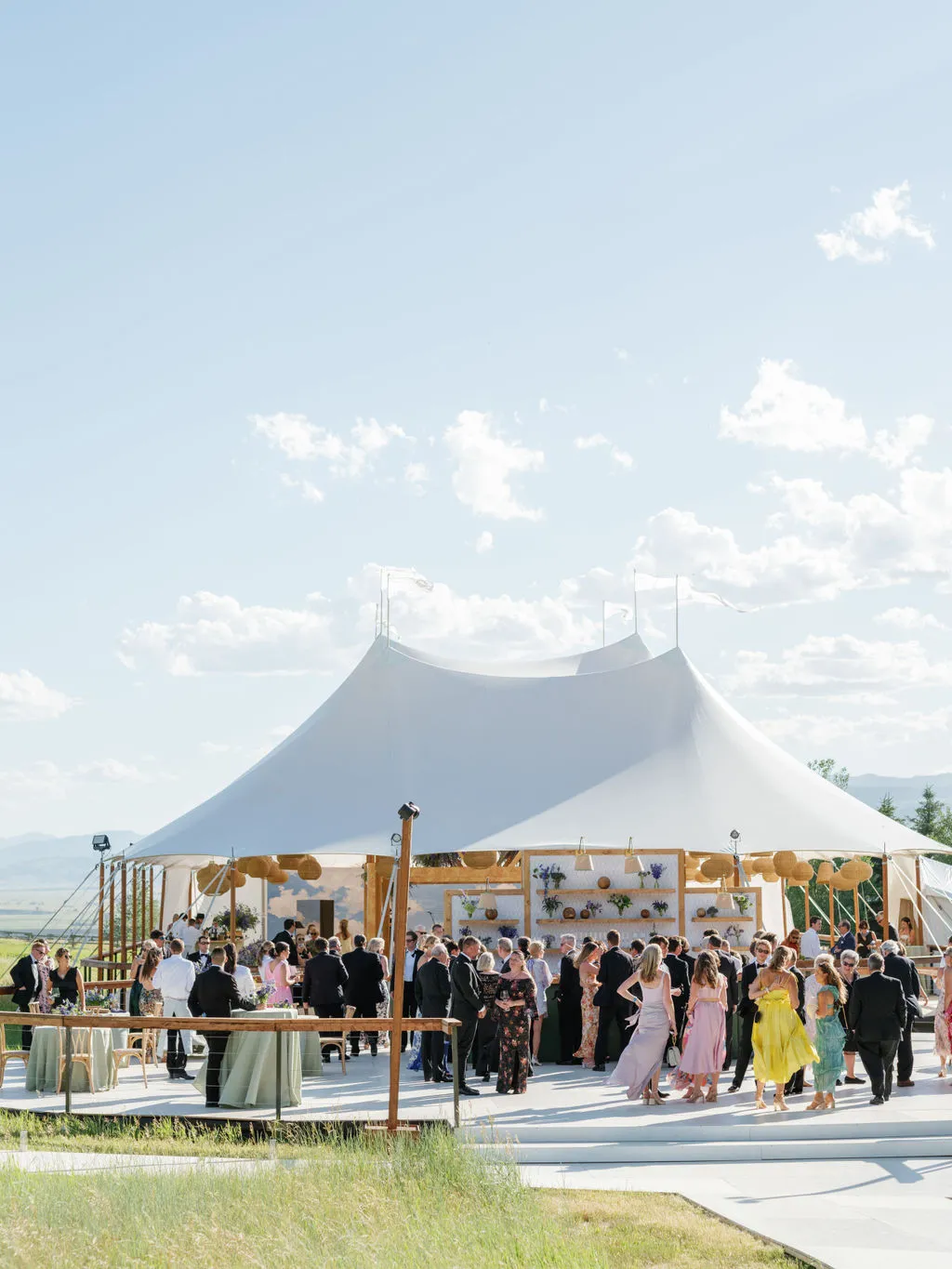
Outdoor brand activations need to remain comfortable even when weather conditions change. A memorable visual experience can quickly lose its impact if guests are too hot, too cold, or uncomfortable inside the temporary venue.
HVAC systems, portable heating or cooling, and ventilation can be integrated with tent infrastructure to create more consistent interior conditions.
Heating, Cooling, and Ventilation Systems
Heating, ventilation, and air-conditioning systems can help maintain appropriate temperatures regardless of changing exterior conditions. Portable solutions may also be used when the structure or event requires targeted heating or cooling.
Ventilation is especially important when large groups gather inside enclosed temporary venues. Good airflow can help reduce heat buildup and create a more comfortable environment throughout the event.
Equipment should be planned early enough that electrical supply, ducting, placement, and guest circulation can be coordinated with the final layout.
Planning Climate Systems Around the Event
Climate control should respond to the event schedule, season, tent size, enclosure level, and expected attendance. A large activation filled with guests, lighting, display equipment, and audiovisual systems may have very different requirements from a smaller corporate reception.
Smart monitoring systems can also help track environmental conditions and adjust equipment more efficiently. The source identifies smart monitoring, renewable energy, and more sustainable materials among emerging approaches to climate management for temporary structures.
Comfort should be treated as part of the brand experience rather than an operational detail. Guests are more likely to remain engaged when temperature and airflow support the activities occurring inside the venue. Planners should evaluate the following climate considerations during the design stage.
HVAC integration: Supports comprehensive heating, cooling, and ventilation.
Portable heating: Helps maintain comfort during cooler outdoor events.
Portable cooling: Provides targeted temperature control when conditions are warmer.
Ventilation systems: Improve airflow inside enclosed temporary structures.
Equipment placement: Keeps climate systems from interfering with guest movement.
Smart monitoring: Supports more responsive environmental management during the event.
Using Flooring, Lighting, and Branding to Shape the Venue
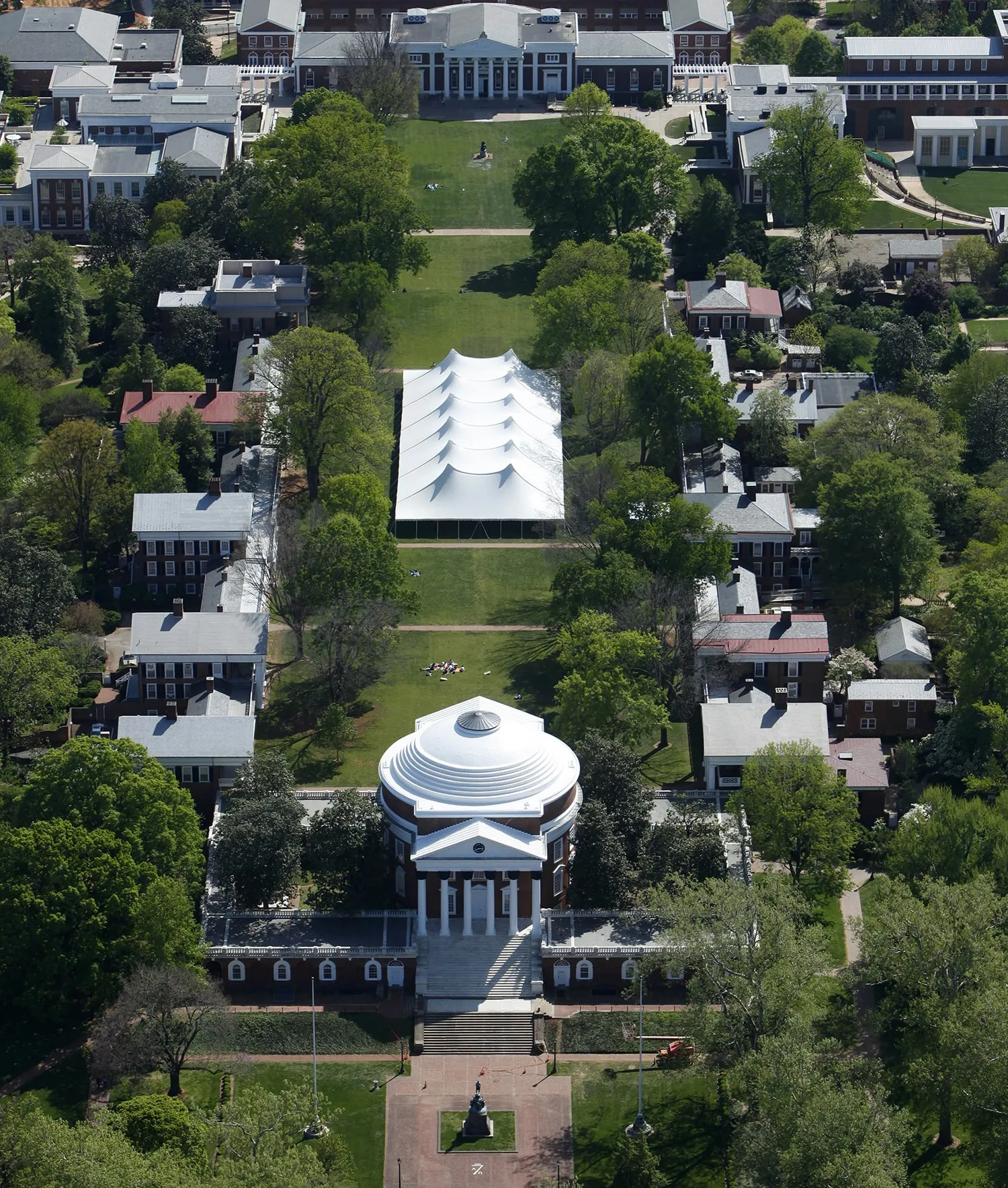
A temporary structure provides the architectural shell, but the interior design determines whether guests experience it as a generic tent or a complete branded environment. Lighting, flooring, décor, signage, graphics, and furniture can completely change how the structure feels.
The original content identifies customization opportunities, lighting, and flooring as important considerations when selecting temporary structures for large outdoor events.
Create Visual Impact Through Lighting and Branding
Brand activations often depend on recognition and visual consistency. The tent can become part of that identity through custom graphics, branded signage, coordinated décor, lighting treatments, displays, and strategic placement of brand elements.
Lighting can highlight products, logos, stages, or specific activity zones while also establishing the atmosphere of the venue. A luxury activation may use more refined decorative fixtures, while a high-energy product launch may rely on focused or dynamic illumination.
Clearspan structures are particularly useful when sophisticated lighting installations are required because the open interior allows fixtures and décor to be arranged with fewer spatial restrictions.
Select Flooring That Supports the Experience
Flooring helps transform an outdoor installation into a more finished temporary venue. The appropriate surface can improve comfort, define different activation zones, support equipment, and contribute to the overall aesthetic.
The site beneath the structure should influence the flooring system. Uneven terrain or high-traffic areas may require more substantial temporary flooring, while a smooth existing surface may allow a simpler finish.
Flooring can also reinforce the event design through material, texture, and visual continuity. When coordinated with tent architecture, branding, lighting, and furniture, it becomes part of a cohesive environment rather than merely a practical surface.
Planning Site Logistics for Large Outdoor Brand Events
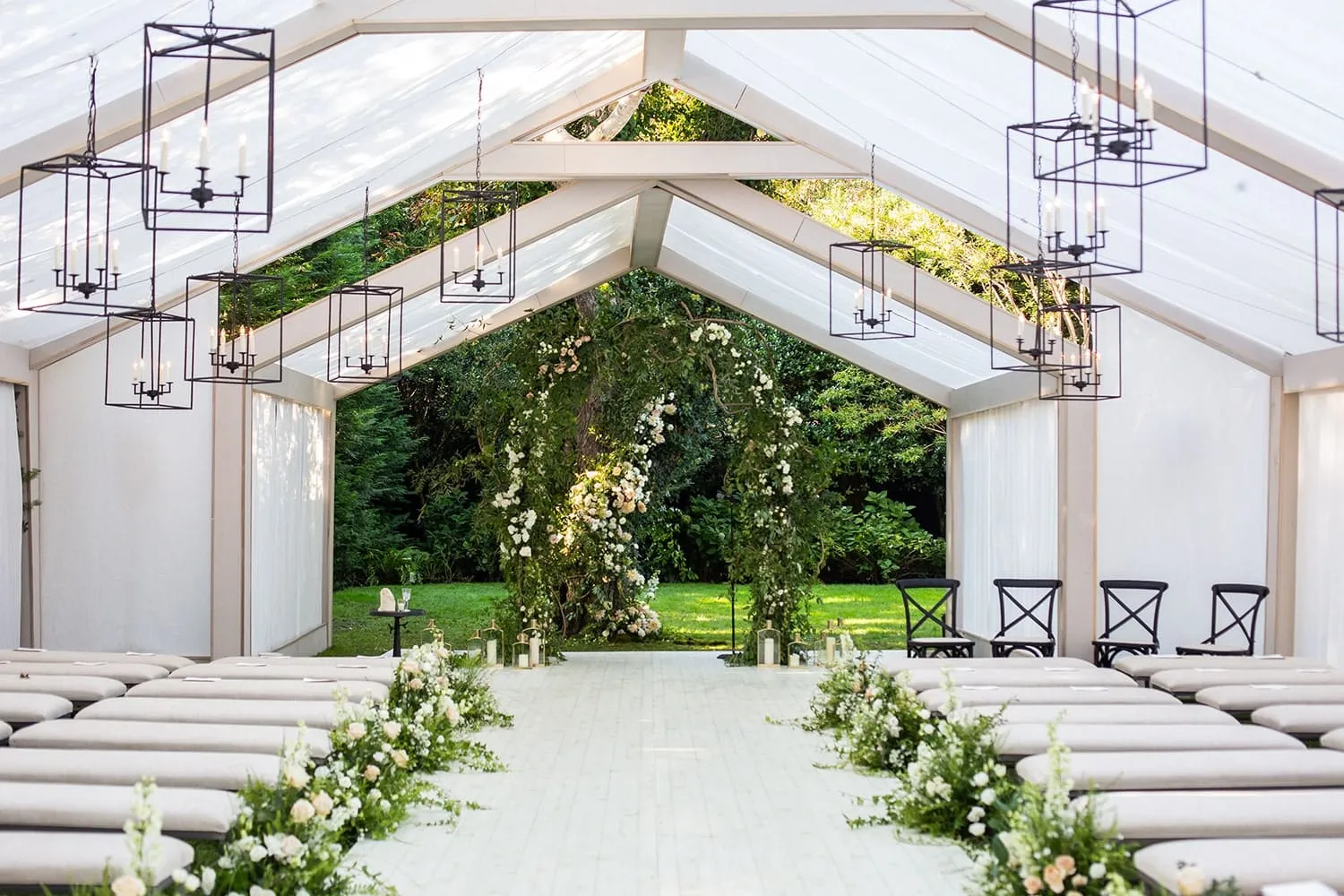
Temporary venues require substantial behind-the-scenes coordination. Tent components, flooring, climate equipment, lighting, displays, catering supplies, audiovisual equipment, and branded installations all need to reach the site and be assembled in an appropriate sequence.
The source emphasizes event requirements, site evaluation, weather resistance, permitting, vendor coordination, and installation planning as essential factors when selecting temporary structures.
Evaluate the Site Before Installation
A thorough site evaluation should review terrain, ground stability, access points, utilities, surrounding natural features, and the overall available footprint. These conditions may determine which tent style can be installed and where support equipment should be positioned.
Installation access deserves particular attention for larger events. Trucks and equipment need sufficient routes to reach the site without interfering with other vendors or damaging important areas of the property.
Weather conditions should also influence the installation strategy. The selected tent and supporting systems should be appropriate for expected rain, wind, heat, and other environmental factors.
Coordinate Permits, Vendors, and Installation
Permitting requirements should be reviewed before major infrastructure arrives. Venue operators and event teams also need to coordinate delivery schedules so tent installers, flooring crews, lighting teams, brand-production vendors, and other suppliers can work efficiently.
A clear sequence can reduce congestion and prevent one vendor’s installation from blocking another team’s work. The same level of planning should apply to breakdown after the activation ends.
Large brand events are easier to execute when logistical requirements are established before creative installations begin. Each vendor needs to understand access limitations, working areas, power requirements, and scheduled installation windows. A coordinated site plan provides a common framework for the entire project.
Assess terrain: Confirm ground stability and identify site limitations.
Review access: Plan routes for installation vehicles and equipment.
Coordinate utilities: Identify power and other infrastructure requirements.
Confirm permitting: Address applicable temporary-structure requirements early.
Schedule vendors: Sequence tent, flooring, lighting, climate, and branding installations.
Prepare for weather: Select infrastructure suited to expected outdoor conditions.
Frequently Asked Questions
What tent is best for a large brand activation?
Clearspan tents can be particularly effective because they provide expansive interiors without center poles, allowing more freedom for product displays, branded environments, stages, lounges, and guest circulation.
Are frame tents suitable for brand activations?
Yes. Frame tents can be installed on various surfaces and can work well for smaller activations, restricted sites, or locations where traditional pole-based installations are less practical.
How do you determine tent size for a large outdoor event?
Guest count provides a starting point, but planners should also account for stages, dining, product demonstrations, seating, interactive areas, accessibility, and circulation routes.
Can temporary event tents have air conditioning and heating?
Yes. HVAC systems, portable heating and cooling, and ventilation can be integrated into temporary structures depending on the tent and event requirements.
What should be included in a brand activation site evaluation?
The evaluation should consider terrain, access, ground stability, utilities, environmental features, guest capacity, installation requirements, and the overall event layout.
Build a Standout Brand Activation with Skyline Tent Company
Large outdoor activations require more than an attractive tent. Structure selection, site planning, guest capacity, climate control, flooring, lighting, branding, and installation logistics all need to support the same experience.
Clearspan tents provide the flexibility needed for expansive branded environments, while frame, sailcloth, century pole, and clear-top structures provide alternatives for different sites and visual goals. Supporting systems can then transform the structure into a comfortable venue designed around guest interaction and brand presentation.
The strongest results begin with understanding the event itself. Audience size, activities, site conditions, weather, accessibility, and design objectives should determine the infrastructure instead of adapting the activation after equipment has already been selected.
Skyline Tent Company provides high-end temporary and architectural tent structures that can be tailored to sophisticated outdoor events and varying venue requirements.
Contact Skyline Tent Company to discuss your brand activation, guest count, event site, design goals, and infrastructure requirements. With a coordinated temporary structure, flooring, lighting, climate-control, and site plan, Skyline Tent Company can help create an outdoor brand environment designed to attract attention, support engagement, and deliver a polished guest experience.