
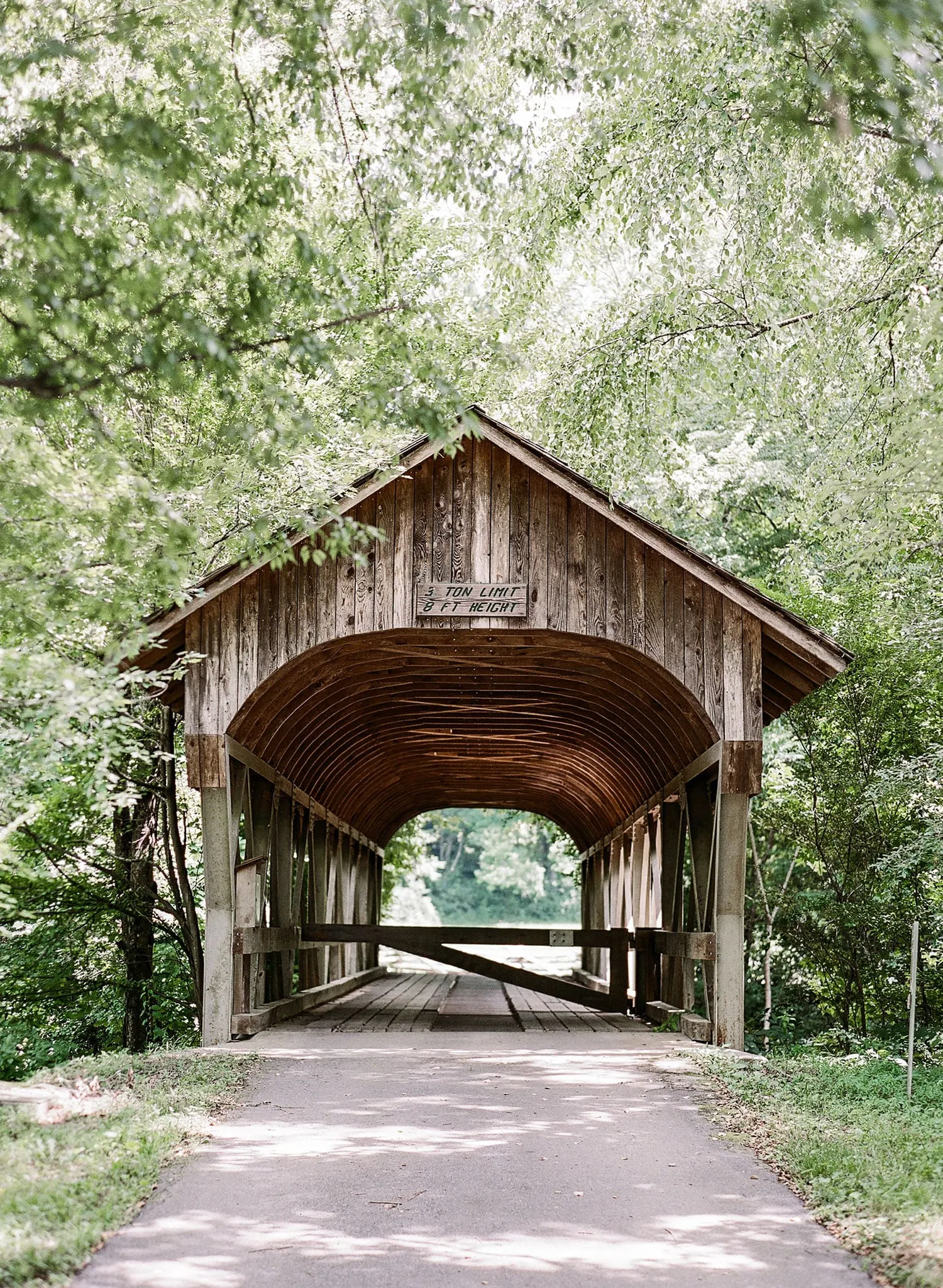
Expanding an outdoor event space can create more room for weddings, corporate gatherings, festivals, and private celebrations, but protecting the property’s lawns and landscaping should remain a priority throughout the planning process. Heavy foot traffic, equipment, tent anchoring, flooring, and changing weather conditions can place unnecessary stress on grass and soil when infrastructure is not selected carefully. Temporary architectural tents and event flooring systems provide a practical way to increase usable event space while reducing the impact on lawns and landscaped areas.
Clearspan and frame tents can provide substantial covered space while distributing structural loads efficiently, while sailcloth, century pole, and clear-top tents offer additional options for properties where aesthetics are particularly important. Temporary turf protection mats and portable flooring can further reduce soil compaction and direct foot traffic away from sensitive grass. Successful landscape-friendly expansion also requires appropriate climate control, site assessments, moisture management, and thoughtful equipment placement. By coordinating these elements before installation, event planners can create comfortable temporary environments while preserving the outdoor setting that makes the venue distinctive.
Choosing Architectural Tents That Help Protect Lawns
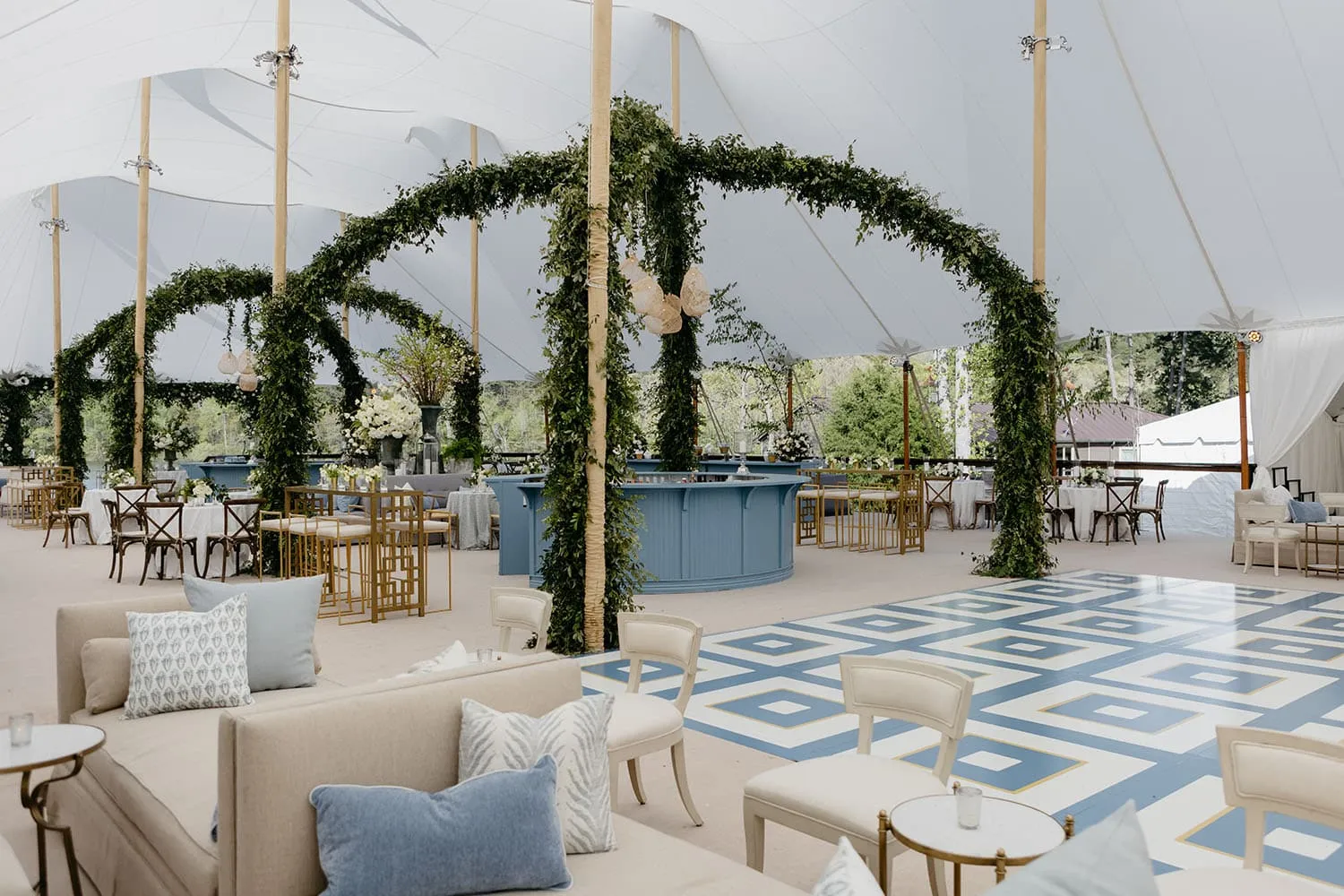
Architectural tent structures provide temporary event coverage while helping planners make better use of outdoor areas. Their combination of functional space and visual appeal makes them suitable for events where both guest experience and landscape preservation matter.
The original content highlights clearspan and frame tents as particularly useful options because their installation and structural designs can reduce unnecessary impact on the underlying landscape.
Clearspan and Frame Tents for Lawn-Friendly Events
Clearspan tents provide large, unobstructed interiors supported by rigid frameworks. Their design minimizes unnecessary ground contact while creating flexible interior space for dining, entertainment, lounges, bars, and guest circulation.
Frame tents provide another versatile option and can adapt effectively to uneven terrain. Their structural design and lighter pole options can help reduce soil compaction compared with more disruptive installation methods. Both tent styles can also distribute pressure across a wider area, helping reduce stress on the ground beneath the temporary structure.
Sailcloth, Century Pole, and Clear-Top Tent Options
Century pole tents bring a traditional aesthetic that works naturally with landscaped outdoor settings. Their lighter materials can help limit unnecessary ground pressure while creating the classic peaks associated with upscale outdoor celebrations.
Sailcloth tents use translucent fabric that allows natural light into the space and helps preserve the visual connection with the surrounding landscape. Clear-top tents provide expansive views and natural lighting while using structural components designed to minimize unnecessary ground disturbance.
The right tent should reflect both the event requirements and the characteristics of the property. Planners should consider how the structure will interact with grass, landscaping, guest traffic, and the overall visual environment before determining the final configuration.
Clearspan tents: Provide unobstructed interiors while minimizing unnecessary ground contact.
Frame tents: Offer adaptable configurations that can work with uneven outdoor areas.
Century pole tents: Combine traditional aesthetics with lighter structural materials.
Sailcloth tents: Allow natural light to filter through while complementing landscaped surroundings.
Clear-top tents: Maintain outdoor views while providing protected event space.
Weight distribution: Appropriate structural planning can help spread pressure and reduce concentrated stress on lawns.
Selecting a structure that complements the property’s conditions can increase usable event space without treating the landscape as an expendable part of the setup.
Protecting Grass with Temporary Event Flooring
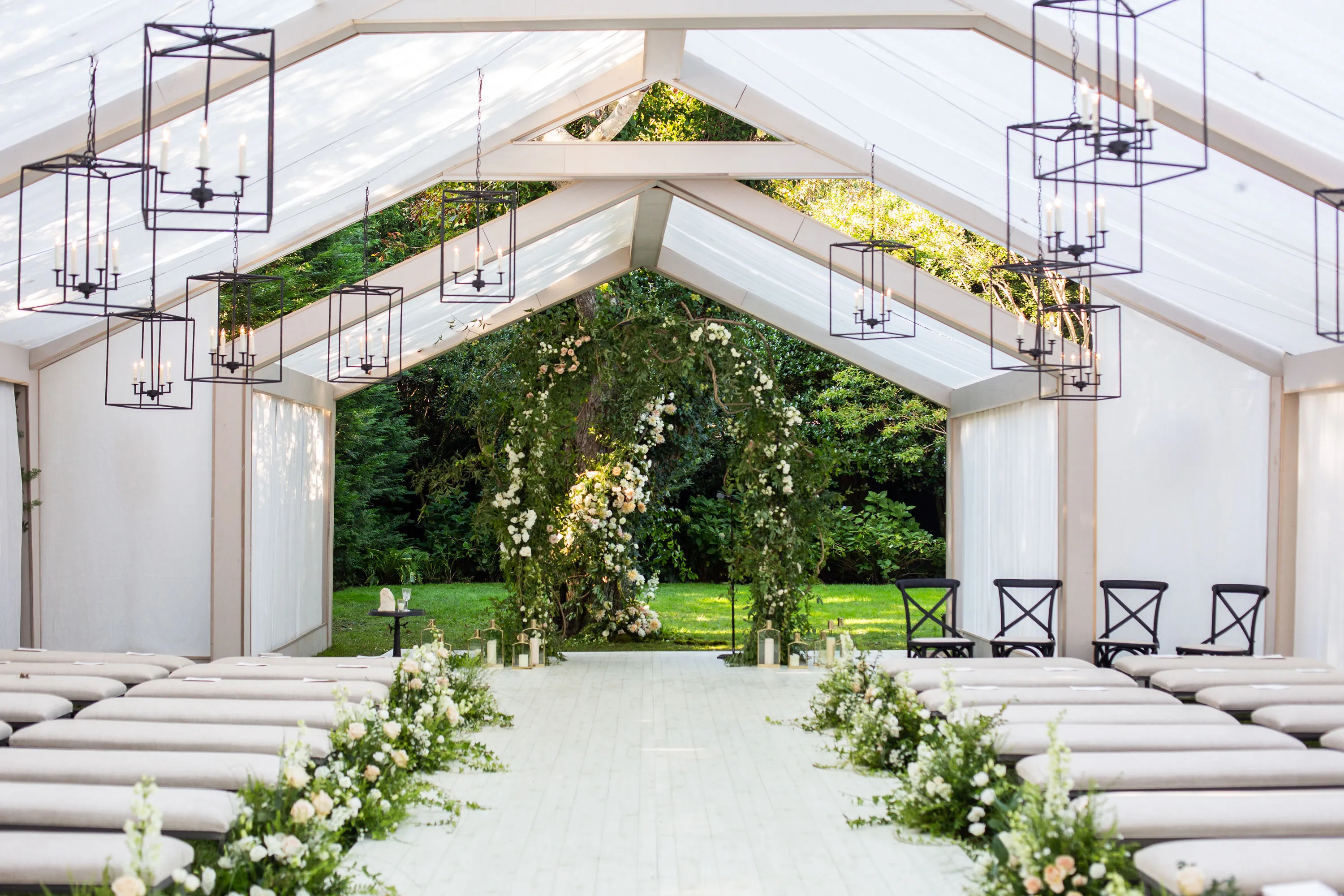
Tent placement is only one part of landscape protection. Guests, catering equipment, furniture, staging, and event staff can create significant traffic across lawns, making temporary flooring an important component of outdoor event planning.
Turf protection mats, portable flooring systems, and appropriate ground covers can create stable temporary surfaces while reducing direct contact between event activity and the underlying grass.
Turf Protection Mats and Portable Flooring Systems
Temporary turf protection mats distribute weight across a larger area. This can reduce soil compaction, which is particularly important when event equipment or large numbers of guests will repeatedly travel across the same sections of lawn.
Portable flooring creates a stable walking surface while limiting direct contact with grass. It can also help manage common outdoor concerns such as mud and water retention, allowing event activities to continue without exposing the lawn to the same level of direct traffic.
Installing Lawn Protection Flooring Correctly
A pre-event site evaluation should identify areas requiring additional protection before flooring is installed. Sensitive grass, high-traffic routes, equipment areas, and sections vulnerable to moisture should receive particular attention.
Material selection is equally important. The source recommends durable but lightweight products designed specifically for turf protection, combined with installation techniques that reduce direct soil impact. Spot anchoring and weight bags may also help limit the need for more disruptive anchoring in appropriate situations.
Flooring should be planned around how guests and equipment will actually move through the property. Protecting only the area beneath the tent may leave surrounding pathways exposed to concentrated traffic, particularly around entrances and service routes.
Turf protection mats: Spread weight across grass and help reduce soil compaction.
Portable flooring: Provides stable walking surfaces while limiting direct foot traffic on grass.
Ground covers: Can support airflow and moisture management around sensitive lawn areas.
Site evaluation: Identifies sections requiring additional protection before installation begins.
Lightweight materials: Provide temporary coverage without introducing unnecessary weight.
Careful anchoring: Appropriate installation methods can help reduce direct disruption to soil.
When flooring and tent systems are coordinated together, planners can create a more complete temporary event footprint while reducing unnecessary pressure on landscaped areas.
Managing Climate Control Without Harming Outdoor Landscapes
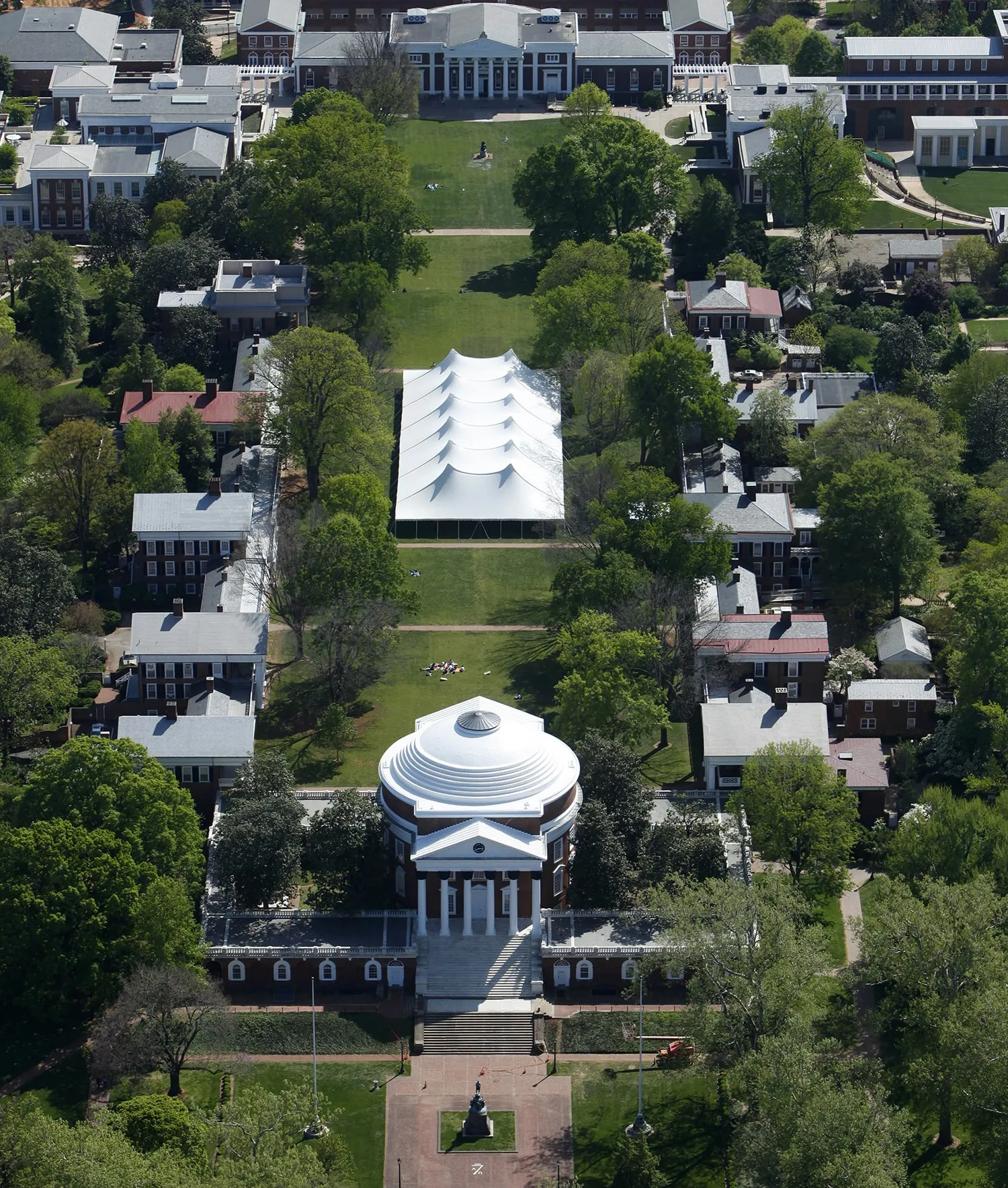
Outdoor events often require heating, cooling, or ventilation to keep guests comfortable. These systems can extend the usability of temporary event spaces across different seasons, but their placement should be considered carefully when the property contains sensitive grass and landscaping.
Portable climate-control equipment allows planners to respond to changing conditions without permanently modifying the venue. The goal is to maintain guest comfort while avoiding unnecessary heat, weight, or moisture around vulnerable areas.
Heating, Cooling, and Ventilation for Event Tents
Portable heaters can provide warmth during colder outdoor events while being positioned to avoid excessive heat around foliage. Air-conditioning equipment can maintain comfortable temperatures during warmer conditions and help manage interior humidity.
Ventilation is also important because airflow can reduce excessive moisture accumulation inside a tent. Appropriate ventilation benefits guests while helping prevent conditions that could negatively affect the surrounding vegetation.
Positioning Climate Equipment to Protect Turf
The source recommends placing heating and cooling equipment away from sensitive areas whenever possible. Avoiding direct placement on delicate turf can reduce concentrated pressure and other potential impacts.
Lightweight portable units can also simplify installation and removal without placing excessive weight on the soil. Moisture levels should be monitored as cooling equipment operates so humidity and water conditions do not create unnecessary stress around grass or landscaping.
Climate-control planning should occur alongside tent and flooring selection rather than after the structure has been installed. Equipment locations, power requirements, airflow, and landscape sensitivity can all influence the final event layout.
Planning Site Logistics to Minimize Landscape Damage
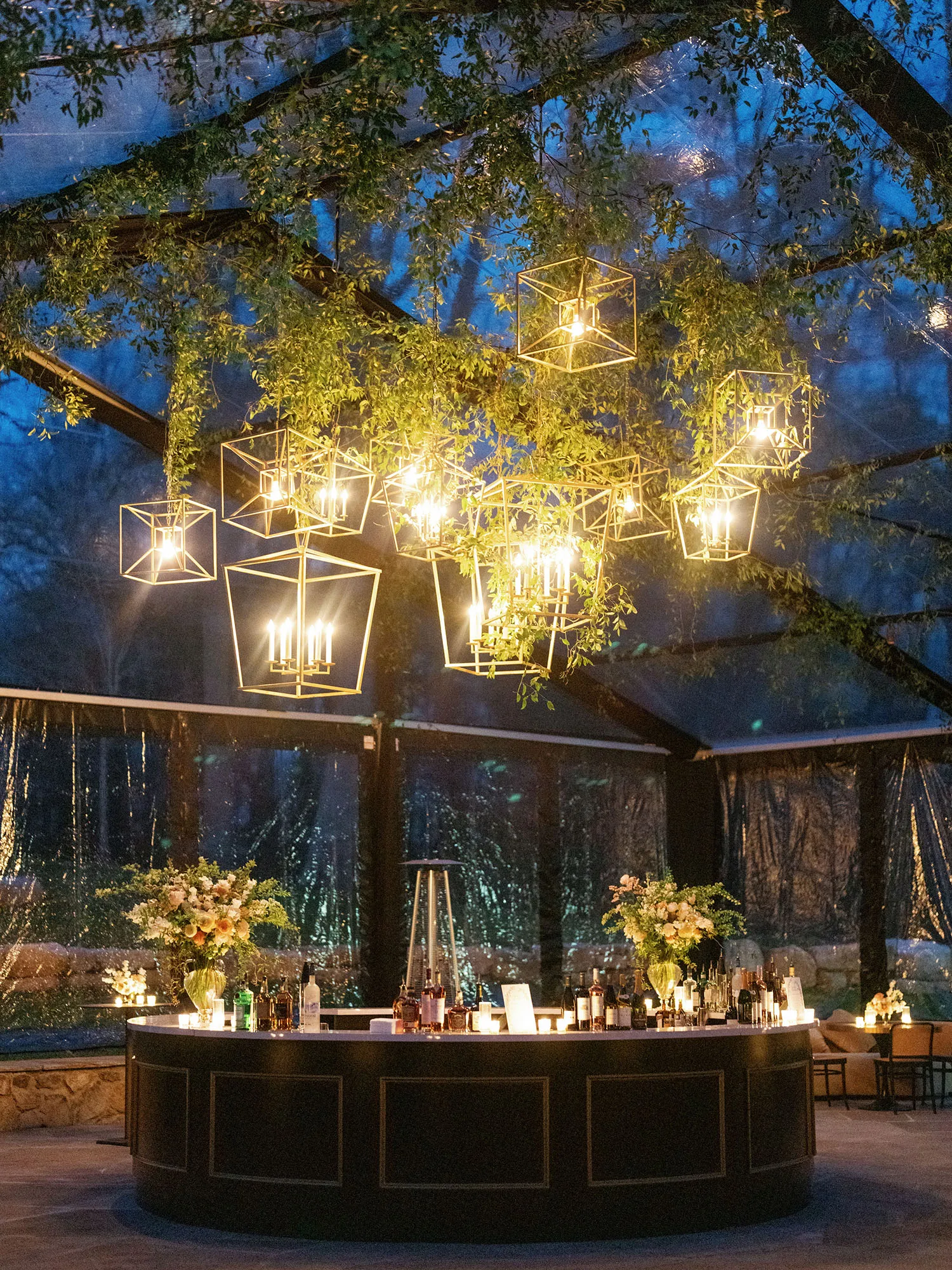
A landscape-friendly event begins with a thorough understanding of the property. Guest capacity, ground conditions, equipment placement, tent location, and access routes should all be assessed before temporary infrastructure arrives.
Detailed planning can help event organizers identify suitable locations for tents and flooring while avoiding sections of the property that may be especially vulnerable to concentrated traffic or heavy equipment.
Evaluating Guest Capacity and Ground Conditions
An on-site survey can identify ground stability issues and areas that may not respond well to heavy foot traffic. Temporary markers can then outline proposed tent and flooring locations before installation, allowing planners to evaluate how the event footprint will interact with the property.
Guest capacity should be assessed at the same time. Larger attendance may require additional flooring, wider circulation routes, larger structures, and more extensive equipment areas, all of which can increase pressure on outdoor surfaces if they are not carefully planned.
Using Low-Impact Anchoring and Moisture Management
Installation methods can influence how much disturbance remains after the event. The original content identifies no-trace anchoring approaches and ballast systems as alternatives that may reduce direct ground disruption compared with conventional staking in suitable applications.
Moisture management is another consideration. Elevated flooring and permeable ground covers can support drainage and reduce the risk of saturated soil, helping planners respond more effectively when outdoor events encounter wet conditions.
A comprehensive logistics plan should consider every activity that will occur on the property, not simply the guest-facing areas. Delivery vehicles, installation crews, catering equipment, climate systems, and event furniture can all affect the lawn during setup and teardown.
Survey the site: Identify ground stability, sensitive landscaping, and areas vulnerable to heavy traffic.
Plan guest capacity: Match the scale of tents and flooring to expected attendance.
Mark the event footprint: Preview tent, flooring, and circulation areas before installation.
Manage equipment placement: Keep heavier infrastructure away from sensitive sections where practical.
Consider ballast options: Appropriate ballast systems may reduce the need for ground disruption in certain installations.
Manage drainage: Elevated flooring or permeable ground covers can help address moisture and saturated soil.
Early logistical planning gives event teams more opportunities to protect the property instead of responding to landscape problems after installation has already started.
Matching Tent and Flooring Solutions to the Outdoor Venue
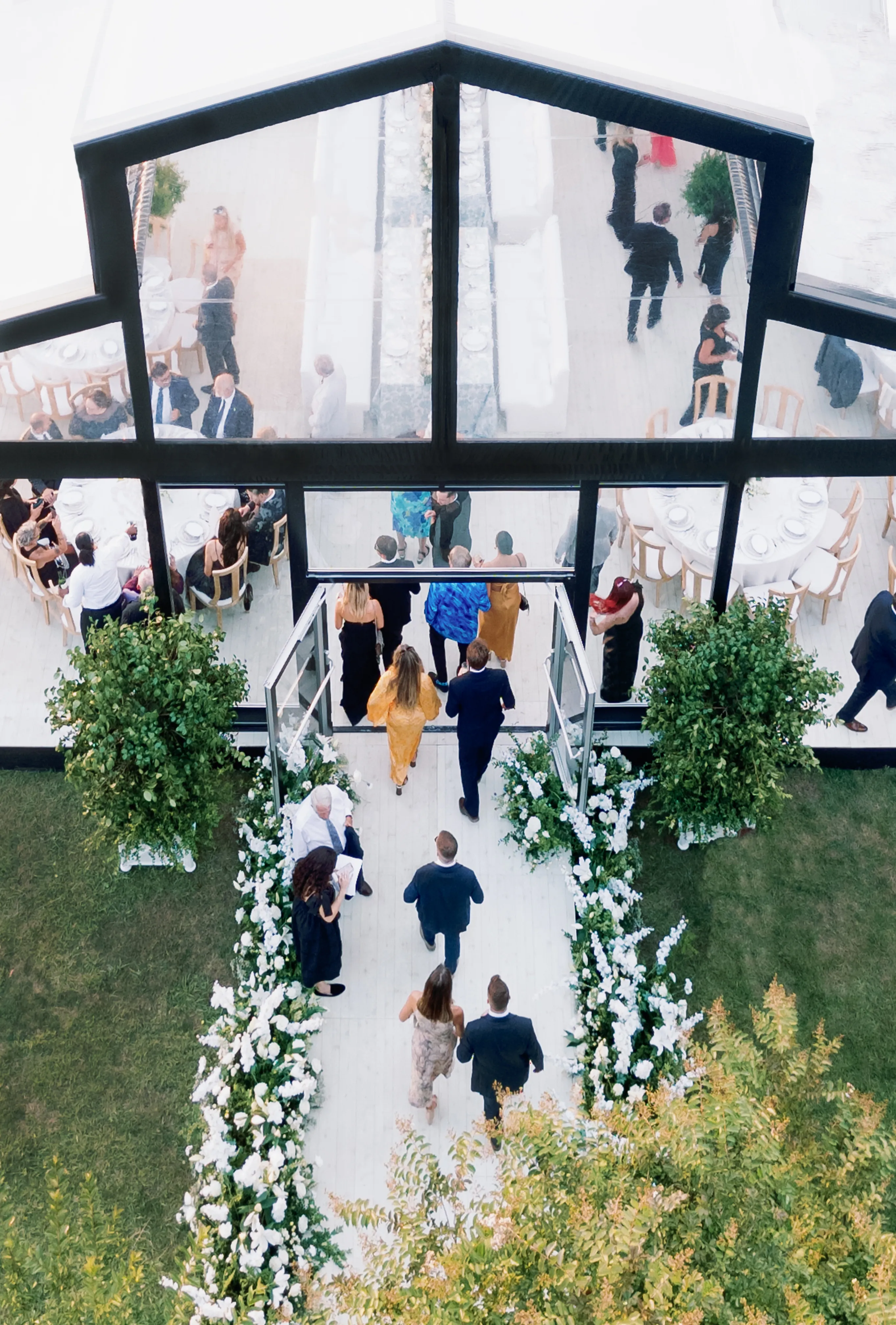
There is no single tent-and-flooring combination that works for every outdoor property. Event type, guest count, local climate, expected foot traffic, aesthetics, durability, and transportation requirements can all influence the appropriate solution.
The original content emphasizes balancing event functionality with environmental responsibility. Selecting systems around the specific property can help planners create sophisticated temporary spaces while maintaining the landscape’s appearance and usability after the event.
Selecting Solutions Around Event Size and Foot Traffic
A large wedding or festival may require more extensive flooring than an intimate outdoor gathering because guest movement and equipment loads will be substantially higher. Expected traffic flow should therefore influence both flooring coverage and tent configuration.
Climate also matters. Rainfall, heat, and other conditions can influence the type of flooring required and the amount of protection needed around heavily traveled sections of the property.
Using Modular Systems for Different Outdoor Venues
Modular tent systems and portable flooring can adapt to gardens, open fields, uneven terrain, and other outdoor settings. Their ability to be installed and removed relatively quickly can reduce the amount of time the landscape remains covered or disturbed.
These systems can also be adjusted around different site dimensions and integrated with climate-control infrastructure. This flexibility allows event planners to create customized environments rather than forcing every property into the same standard configuration.
Frequently Asked Questions
Can a large event tent be installed without ruining the lawn?
Temporary architectural tents can be planned to reduce their impact on lawns through appropriate weight distribution, installation methods, site preparation, and flooring. Clearspan and frame tents are among the structures discussed in the source for landscape-conscious outdoor installations.
What flooring can protect grass during an outdoor event?
Turf protection mats, portable flooring systems, and ground cover solutions can help distribute weight, reduce direct foot traffic, and manage conditions such as mud and moisture.
How can heavy guest traffic be managed on a lawn?
Temporary flooring can be installed along high-traffic routes to reduce repeated direct contact with grass. Guest capacity and expected traffic flow should be evaluated before determining how much flooring protection is required.
Can climate-control equipment damage grass?
Climate-control equipment should be positioned carefully around sensitive areas. Lightweight portable systems and thoughtful equipment placement can reduce soil compaction and avoid unnecessary direct impact on delicate turf.
What should be checked before installing a tent on landscaped property?
Planners should evaluate ground stability, sensitive landscape areas, guest capacity, traffic patterns, equipment placement, moisture conditions, and the proposed tent and flooring footprint before installation.
Expand Your Outdoor Event Space with Skyline Tent Company
Adding event capacity does not have to mean sacrificing the lawn or landscaping that makes an outdoor venue appealing. Architectural tent structures, temporary turf protection, portable flooring, careful climate-control placement, and low-impact installation strategies can work together to create additional event space while reducing unnecessary stress on the property.
Clearspan and frame tents can provide flexible covered environments, while sailcloth, century pole, and clear-top structures offer additional options for properties where the surrounding landscape plays an important role in the event design. Turf protection mats and portable flooring can help distribute traffic and equipment loads, while careful site evaluation can identify sensitive areas before installation begins.
Skyline Tent Company offers architectural tent structures including clearspan structures, frame tents, clear-top installations, century pole tents, and sailcloth tents for different outdoor event requirements.
Contact Skyline Tent Company today to discuss your outdoor venue, guest count, landscape conditions, and event requirements. With a carefully planned combination of architectural tents, temporary flooring, and site-conscious installation strategies, you can expand your event footprint while helping preserve the lawns and landscapes that make your property distinctive.