
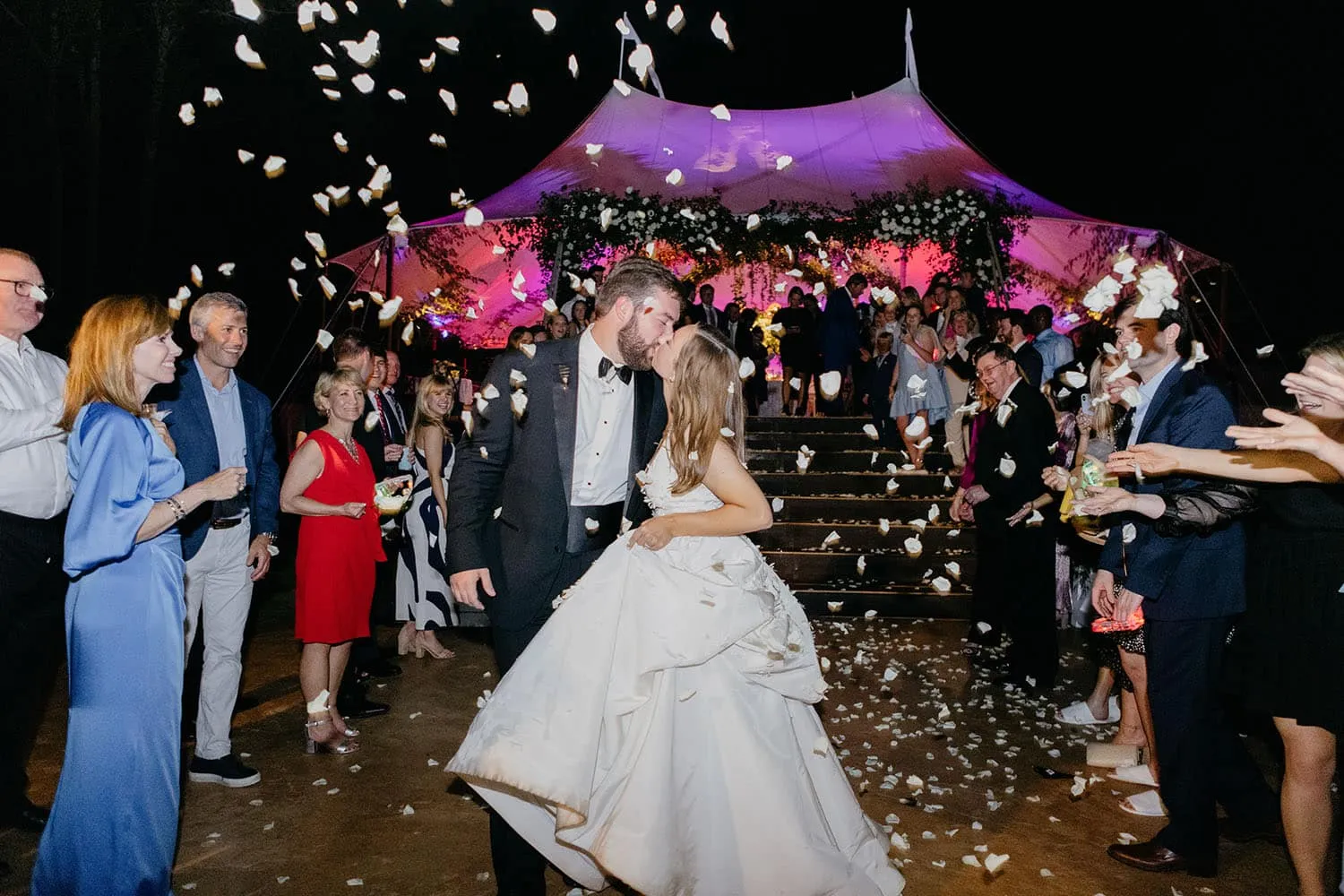
A luxury wedding depends on dozens of systems working quietly behind the scenes. Lighting, climate control, catering equipment, entertainment, audiovisual systems, and other event infrastructure all need reliable electricity, yet generators, cables, outlets, and distribution panels should never become part of the visual experience. A quiet generator for a luxury wedding helps provide that power while reducing mechanical noise around ceremonies, speeches, dinners, and live entertainment. Skyline Tent Company approaches power as part of the complete tent design, coordinating generator placement, cable routing, engineered flooring, climate control, structure selection, and event layout from the planning stage. Cables can be routed beneath custom flooring, while generators can be positioned behind landscaping, barriers, or other structural elements to reduce their visual and acoustic impact. The objective is straightforward: guests should experience elegant lighting, comfortable temperatures, uninterrupted catering, and polished surroundings without noticing the temporary infrastructure making those elements possible.
Why Discreet Power Matters at a Luxury Wedding
A venue can look ideal while still lacking the electrical capacity needed for a tented reception. Catering equipment, lighting, climate systems, sound equipment, and other wedding services may all operate simultaneously, creating demands that permanent venue power cannot always accommodate.
Power planning should therefore begin alongside tent and venue planning rather than after the décor has been finalized.
Looking Beyond the Venue’s Appearance
Beautiful architecture, landscaped grounds, and dramatic views do not reveal how much electrical capacity a venue actually provides.
Couples and planners should understand available circuits, overall capacity, and where temporary power equipment can be positioned before vendor equipment lists are finalized.
This becomes especially important for private estates, outdoor properties, and temporary venues where the permanent electrical system may not have been designed for a large formal event.
Choosing Power That Supports the Atmosphere
Reliable power is only part of the requirement. At a wedding, mechanical noise should not compete with vows, speeches, music, or conversation.
Noise-dampened generator solutions can help keep temporary power from dominating the atmosphere when they are appropriately positioned and integrated into the site plan.
Power requirements should be reviewed before the venue and infrastructure plan is locked in. Generator placement should also be considered in relation to guest sightlines and acoustics. Vendor electrical needs should be compared with the actual supply available at the property.
Confirm available circuits and electrical capacity for catering, lighting, and climate equipment.
Determine whether temporary generator power will be required.
Identify generator locations that reduce noise and visual impact.
Review vendor power requirements before finalizing the infrastructure plan.
Hiding Generators, Cables, and Electrical Infrastructure
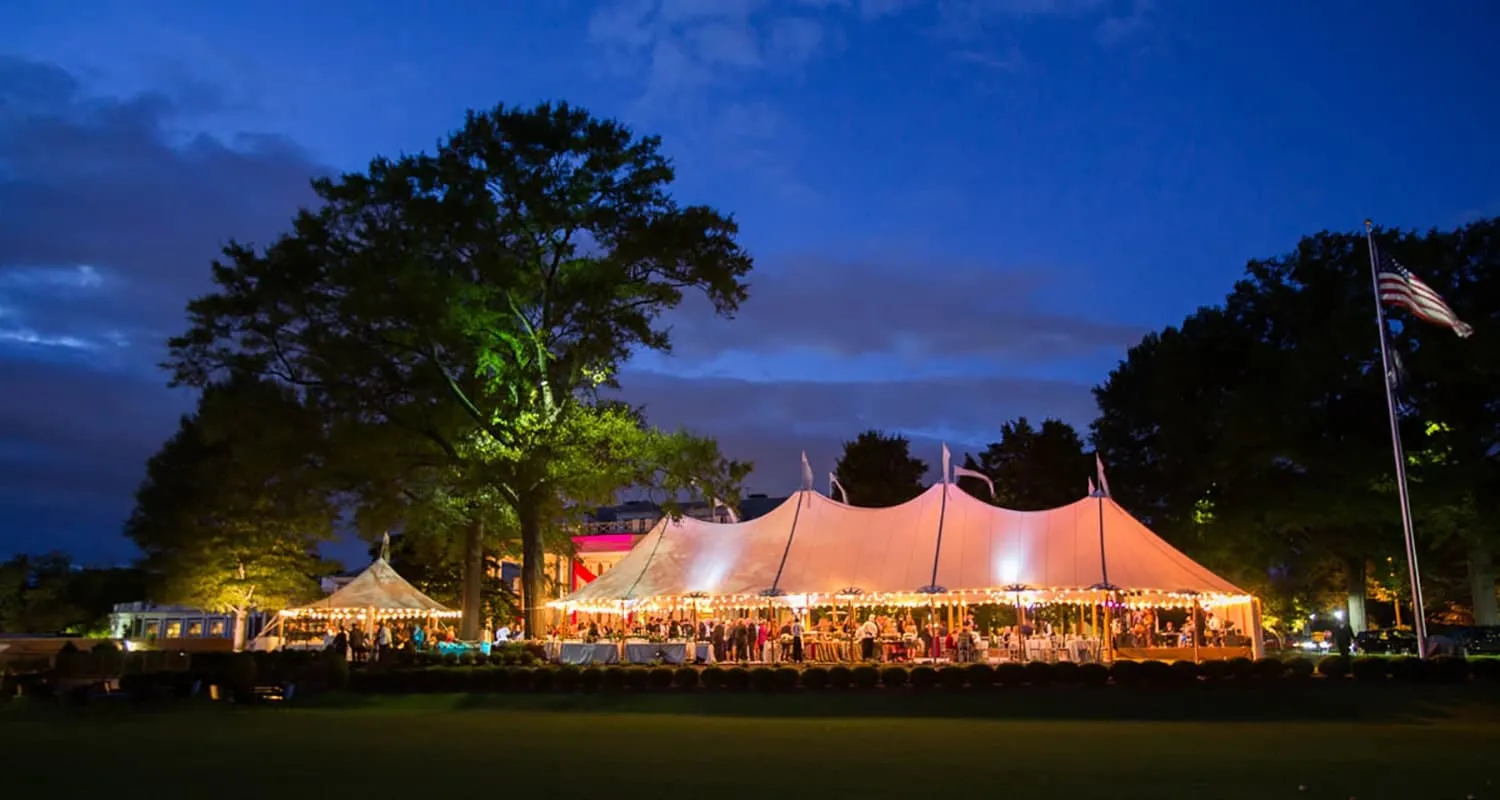
Temporary power does not have to be visually prominent. Flooring, platforms, tent framing, draping, landscaping, and thoughtful equipment positioning can all help conceal the systems needed to operate the event.
Skyline integrates power planning with tent infrastructure so wiring and equipment can remain functional without interrupting the finished design.
Concealing Cables Beneath Engineered Flooring
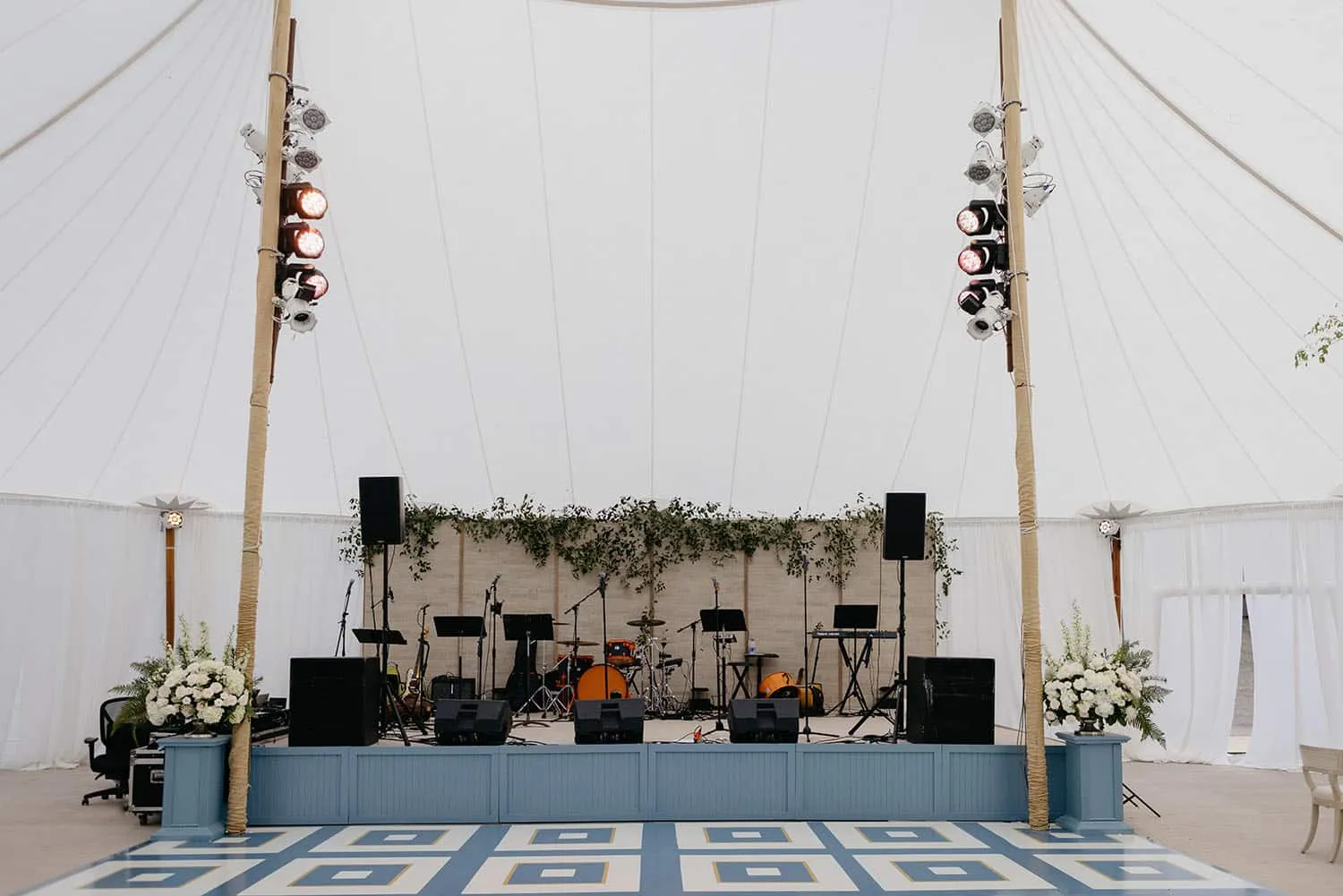
Custom flooring and elevated platforms can help conceal electrical cables when the flooring system allows safe installation. Qualified electrical professionals should verify cable protection, adequate clearance, moisture exposure, and maintenance access before routing cables beneath the finished surface. Where underfloor routing is unsuitable, approved cable covers or alternative protected routes should be used to maintain guest safety and a polished appearance.This approach is particularly valuable when power must reach lighting, catering, entertainment, and climate-control equipment across a large tent footprint.
Skyline Tent Company maintains Biljax TF2100 engineered flooring for large and complex event installations, supporting level surfaces and more organized routing across broad tent layouts.
Using Tent Structure and Draping to Hide Hardware
Different tent structures create different opportunities for concealing infrastructure. Frame tents and Losberger Structures use rigid frameworks that can help organize conduit and wiring away from primary sightlines, while Skyline’s inventory also includes Navitrac, Century Pole, and Sailcloth tents.
Draping and decorative elements can soften tent structures and reduce the visibility of technical infrastructure when installed safely. Fire-resistant fabrics should be used where required, and draping must not obstruct electrical panels, ventilation, or essential maintenance access. Cable routes and electrical equipment should remain properly protected, with required safety clearances maintained. Qualified installation professionals should coordinate decorative concealment with the technical layout.The strongest concealment strategy uses several design elements together rather than relying on one feature. Flooring manages what happens beneath guests, while structural and decorative treatments manage what remains above or around them. Coordinating these layers early helps the completed tent feel like a refined venue rather than temporary infrastructure.
Engineered flooring can conceal long cable runs beneath guest areas.
Frame-based structures can organize wiring along rigid structural elements.
Draping can disguise beams, cable routes, and other hardware.
Landscaping or barriers can reduce the visibility of generator equipment.
Integrating Power with the Wedding Layout and Climate Plan
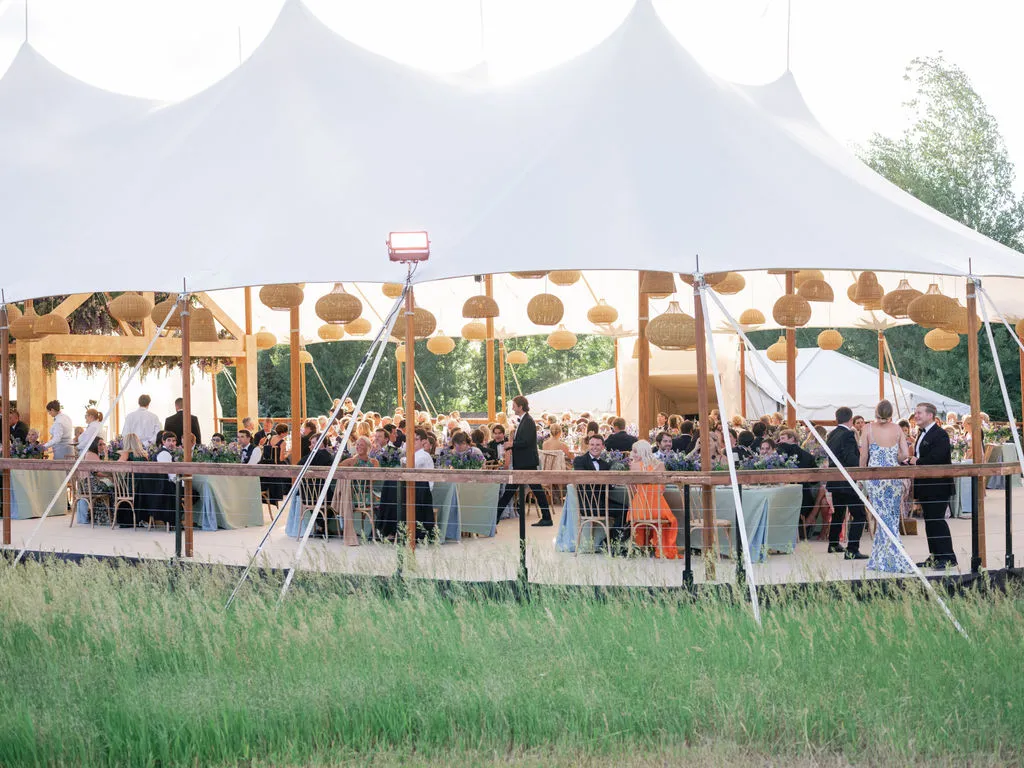
Generator placement cannot be planned independently from furniture, guest circulation, catering, lighting, and climate control.
The physical layout determines where equipment can sit, where cables need to travel, and which areas must remain clear throughout the wedding.
Positioning Equipment Away from Guest Sightlines
Power equipment generally works best when it can remain close enough for efficient distribution without becoming a focal point.
Generators can be positioned in designated outdoor service areas to reduce noise and visual distractions, provided all safety requirements are met. Placement should maintain adequate ventilation, safe clearances from occupied tents and buildings, and proper exhaust direction to prevent carbon monoxide exposure. Qualified technicians should evaluate generator locations based on equipment specifications, site conditions, and applicable safety regulations.Shorter and more predictable cable routes can also simplify the layout and reduce the need for electrical lines to cross busy circulation paths.
Coordinating Lighting, Catering, and Climate Control
Lighting, catering equipment, audiovisual systems, and climate control all draw power differently. Their requirements should be considered together so one system does not unexpectedly consume capacity intended for another.
Climate control is particularly important because outdoor and tented weddings may depend on temporary heating, cooling, or airflow equipment.
Skyline Tent Company provides power generation, climate control, and related support services, allowing these systems to be coordinated within the broader tent plan.
Furniture placement can also contribute to concealment. Tables, linens, and other rental elements may help screen utility areas when they are integrated intentionally rather than positioned after the technical plan is complete.
Managing Wedding Power from Planning Through Takedown
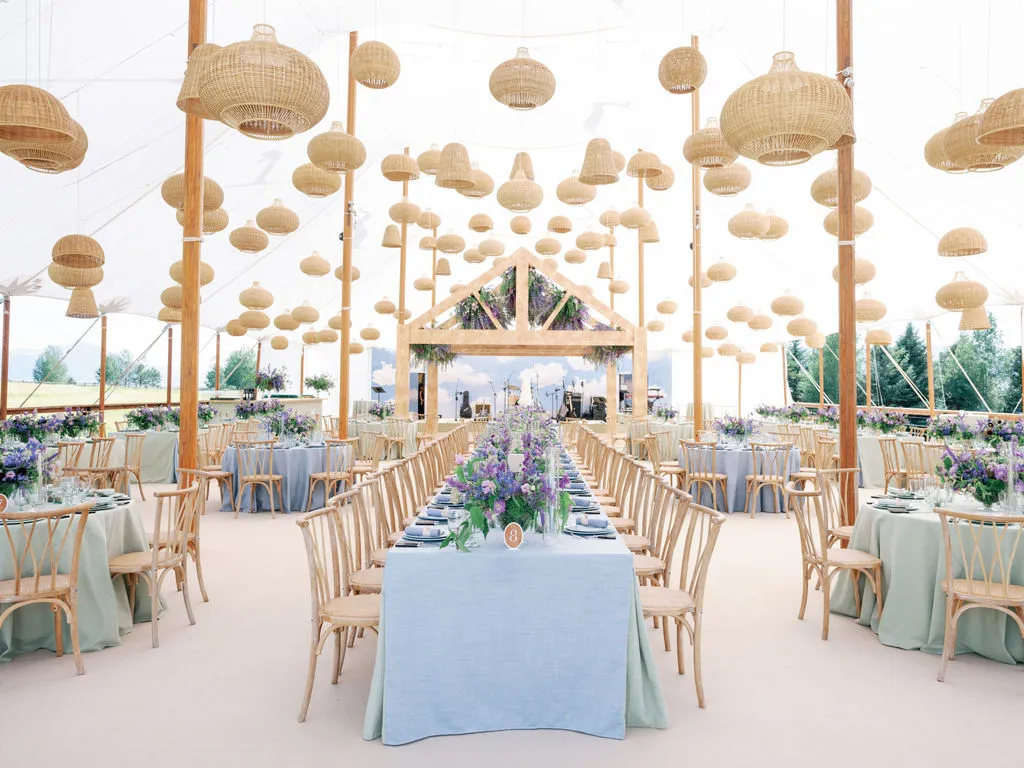
Temporary electrical infrastructure involves more than selecting a generator. Equipment delivery, placement, installation, cable routing, testing, and removal all need to fit within the wider wedding schedule.
Skyline Tent Company combines project management and event consulting with professional installation to help coordinate these steps.
Coordinating Setup and Removal
The uploaded planning material states that professional crews install and remove power equipment as part of Skyline’s tent rental process. This allows generator placement, cabling, and distribution equipment to be coordinated with the tent and event layout rather than treated as unrelated tasks.
Setup timing should also align with flooring, climate equipment, furnishings, catering preparation, and other vendors arriving at the venue.
A coordinated sequence helps prevent one installation from blocking another or forcing visible last-minute changes.
Planning Power for Destination Weddings
Remote and destination properties may require even greater attention to temporary power because permanent electrical infrastructure can vary widely from one site to another.
Skyline serves clients nationwide and is also available for international consulting, allowing power and structural planning to extend to weddings beyond its Charlottesville, Virginia base.
Destination events benefit from identifying responsibilities well before equipment arrives. Project management should connect the technical plan to delivery and installation timing. On-site execution should then follow the layout developed during planning.
Event consultants can review site conditions and projected electrical needs.
Project managers can coordinate equipment delivery with the wedding schedule.
Installation crews can position and remove equipment around the broader tent setup.
Destination planning can account for electrical limitations unique to remote properties.
Final Checks Before a Luxury Wedding
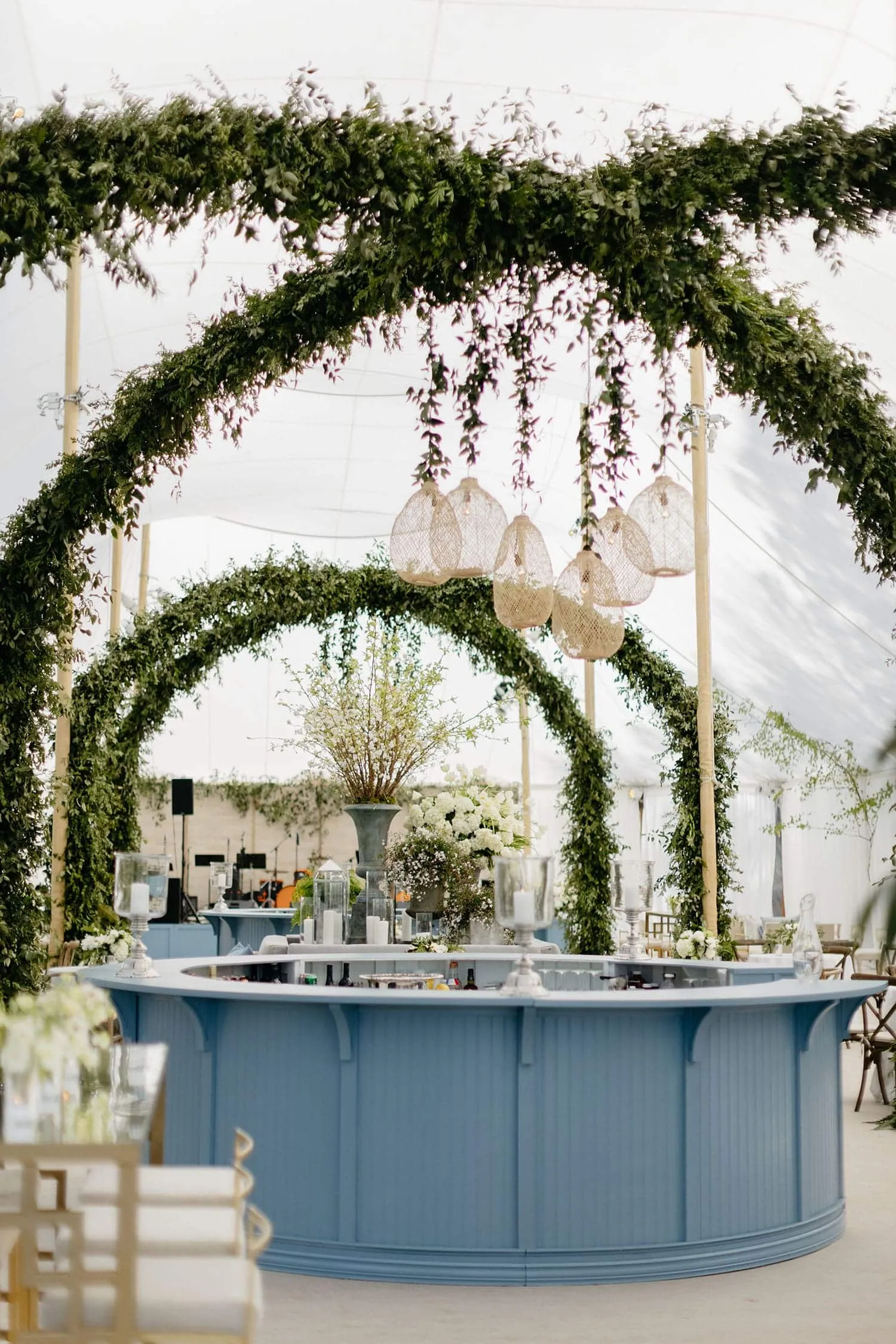
Power planning should be confirmed well before the wedding day. The final review should connect the venue’s electrical capabilities with generator placement, tent layout, ground conditions, vendor access, and event timing.
This is particularly important when the celebration depends heavily on temporary infrastructure.
Reviewing the Property in Person
An on-site visit can reveal conditions that photographs and floor plans may not show clearly.
Skyline coordinates planning visits that can include review of power access, ground conditions, structural requirements, delivery routes, and equipment placement.
Understanding those details early makes it easier to determine where generators and electrical equipment can operate without interfering with guest circulation or the property’s visual appeal.
Confirming the Final Infrastructure Plan
Before the event, planners should confirm power requirements against the latest vendor equipment lists.
Generator placement should still align with the finalized tent footprint, while cable routes should work with flooring, furniture, and service pathways.
Ground access and delivery schedules should also be reviewed so installation can proceed without conflicts.
This final coordination protects the design from technical surprises and helps ensure the systems guests rely on remain largely invisible throughout the celebration.
Frequently Asked Questions
Why use a quiet generator for a luxury wedding?
Noise-dampened power equipment can provide temporary electricity while reducing the mechanical sound that might otherwise interfere with vows, speeches, live music, or guest conversation.
How can generators be hidden from wedding guests?
Generators can be positioned behind landscaping, structural buffers, or other screened areas where site conditions permit. Their location should be considered during the planning stage rather than after the tent has been installed.
Can wedding power cables be hidden?
Yes. Custom flooring and elevated platforms can provide routes for cables beneath finished walking surfaces, helping keep wiring away from primary guest areas.
Which tent styles can support discreet power planning?
Skyline’s inventory includes Navitrac, Frame, Century Pole, Losberger Structure, and Sailcloth tents. The appropriate structure depends on site conditions, event scale, wiring needs, weather exposure, and the overall design.
What should couples confirm before booking a venue?
Couples should review available electrical capacity, generator placement options, site access, ground conditions, vendor power requirements, and the installation timeline before the final infrastructure plan is approved.
Plan Discreet Wedding Power with Skyline Tent Company
The best temporary power system is one guests barely notice. Lighting remains steady, climate systems keep the tent comfortable, catering equipment performs as expected, and music continues without the visual clutter of exposed cables or the distraction of mechanical equipment near the celebration.
Skyline Tent Company coordinates power generation with tent structures, engineered flooring, elevated platforms, climate control, furnishings, project management, and professional installation. Generator placement and cable routing can be considered alongside the complete wedding layout so infrastructure supports the design rather than competing with it.
From private estates and outdoor properties to destination celebrations, early planning gives couples and event professionals more control over both technical requirements and the finished appearance of the venue.
Contact Skyline Tent Company to discuss your wedding venue, tent style, electrical requirements, generator placement, flooring, climate control, and event layout. Their team can help develop a discreet power plan designed to keep the infrastructure working quietly behind the celebration.