
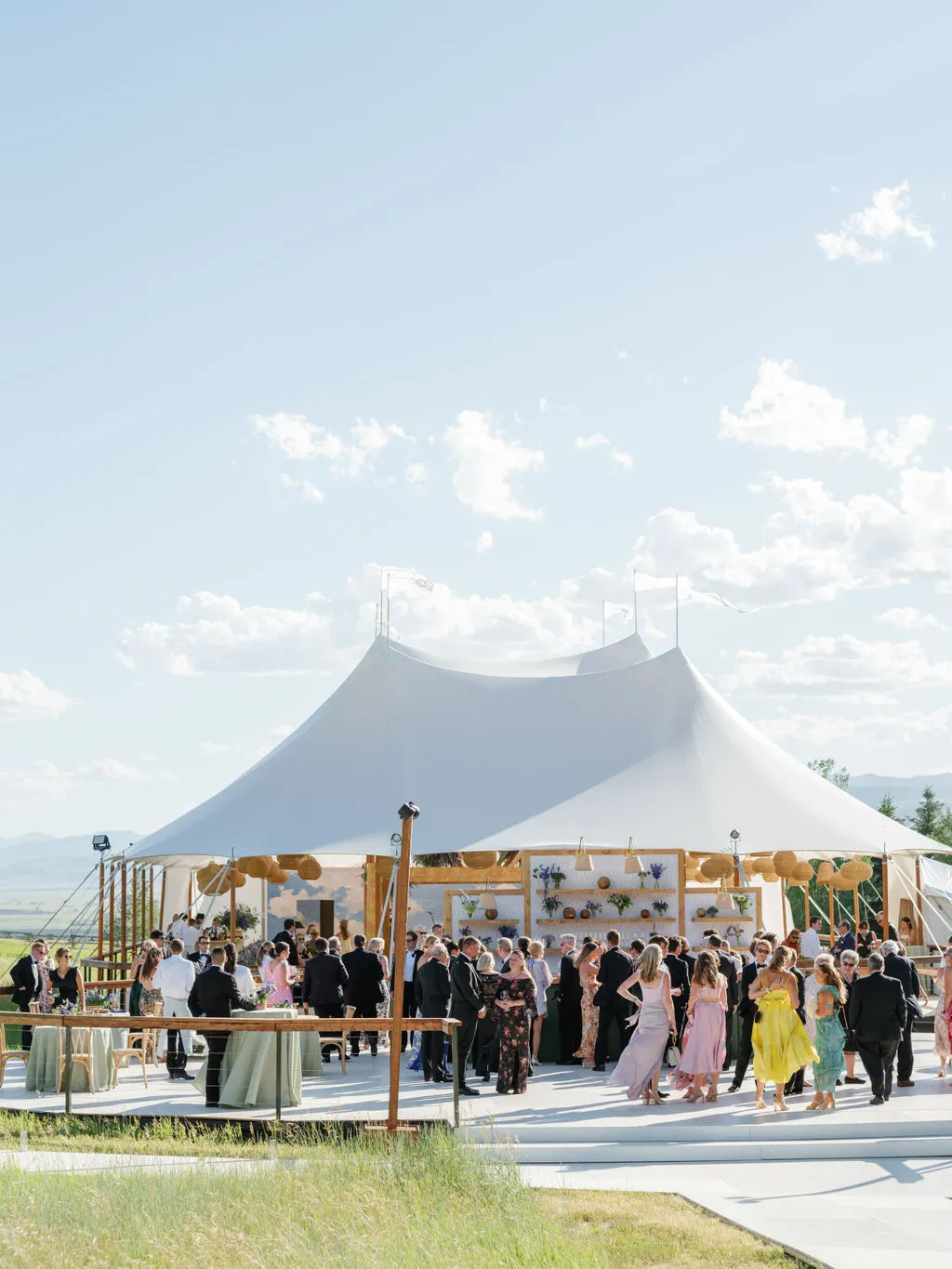
A destination tent installation requires far more coordination than transporting a structure from one location to another. Remote estates, vineyards, coastal properties, open fields, and other destination venues may introduce unfamiliar terrain, restricted access, changing weather, limited utilities, and longer transportation timelines. Successful destination tent installation logistics begin with detailed site assessment, structural planning, equipment staging, and crew coordination well before installation starts. Skyline Tent Company supports destination events nationwide and offers international consulting, combining project management and event consulting with Navitrac, Frame, Century Pole, Losberger Structure, and Sailcloth tents. Supporting services can also include engineered flooring, elevated platforms, glass walls, power generation, climate control, tables, chairs, linens, professional setup, and takedown. When site conditions, equipment requirements, transportation, and installation sequencing are planned together, even a remote property can be transformed into a polished temporary venue without depending entirely on permanent infrastructure at the destination.
Start Destination Tent Planning with a Detailed Site Assessment
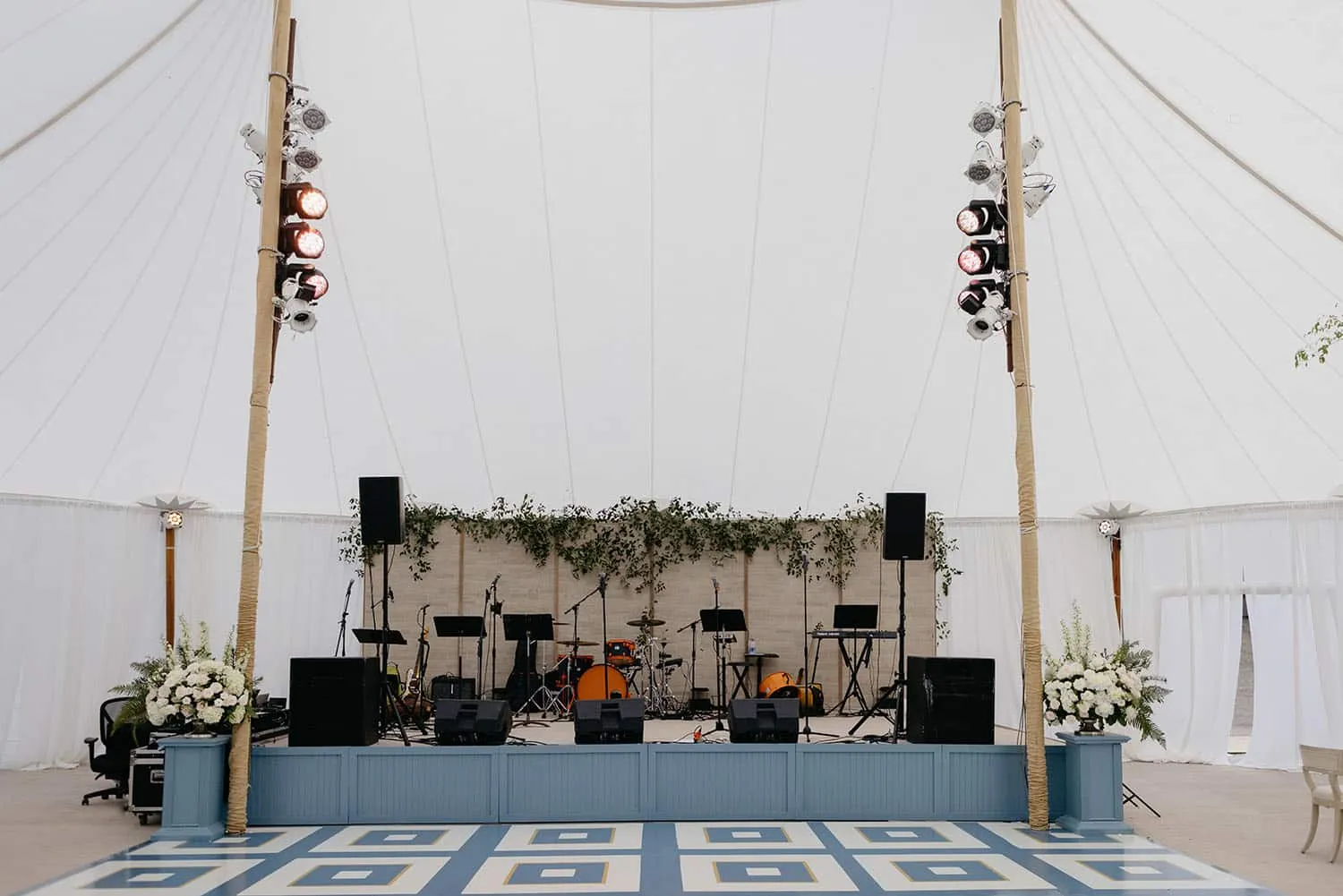
Destination installations begin with understanding the property, not simply selecting a tent from an inventory. Ground conditions, access roads, overhead obstructions, utility locations, wind exposure, drainage, and available staging space can all influence the final structure and installation sequence.
For remote locations, discovering one of these issues after equipment arrives can create much larger delays than it would during a local project.
Evaluate Terrain and Ground Conditions
Ground stability and drainage influence how the tent can be positioned and anchored. Soft soil, slopes, or irregular terrain may require additional preparation, engineered flooring, elevated platforms, or a different structural approach.
Overhead clearance should also be reviewed carefully. Mature trees, branches, utility lines, and nearby structures can limit tent height or change the usable footprint of the property.
Map Access Before Delivery Begins
The route from public roads to the actual installation area can significantly affect delivery timing.
Narrow driveways, steep grades, weight restrictions, and limited turnaround space may require smaller vehicles or multiple equipment movements. Delivery crews also need enough room near the tent site to stage components in the correct installation order.
A remote property should therefore be reviewed as a complete logistics environment rather than only as a tent footprint. Guest access, service access, utilities, and equipment staging all compete for space. Mapping those details early reduces unnecessary adjustments during installation.
Ground stability, drainage, and slope
Truck access and equipment staging areas
Overhead trees, structures, and utility lines
Generator and climate-control locations
Guest, vendor, and service circulation routes
Match the Tent and Infrastructure to the Destination
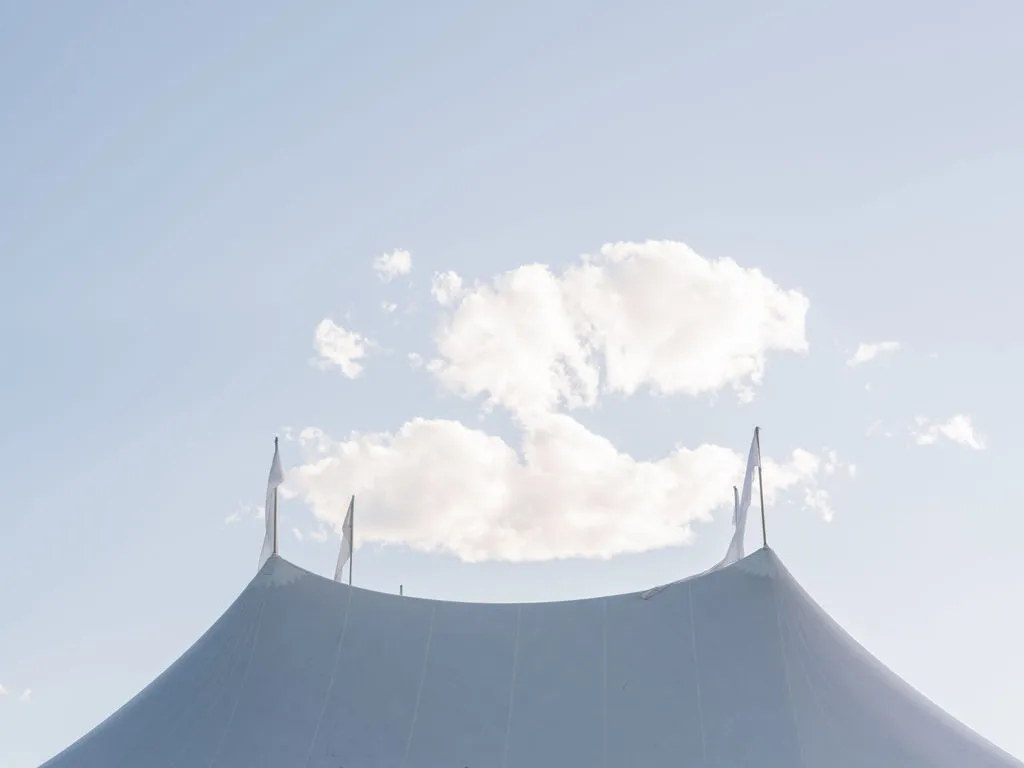
The right structure depends on far more than appearance. Destination venues may require tents that work across uneven land, exposed weather conditions, larger footprints, or limited permanent infrastructure.
Skyline Tent Company’s inventory includes Navitrac, Frame, Century Pole, Losberger Structure, and Sailcloth tents, allowing the structure to be selected according to the site’s actual demands.
Choose a Structure for the Property
Frame tents can provide adaptable layouts for sites that require flexible positioning. Century Pole tents offer a more traditional profile, while larger engineered structures can support substantial event footprints.
Sailcloth tents provide a different aesthetic and are described by Skyline as fully waterproof and highly wind-resistant. Correct installation and tensioning remain important because the performance of the structure depends on proper setup.
The appropriate tent should therefore reflect terrain, guest count, weather exposure, layout requirements, and the overall design of the event.
Build Self-Sufficient Infrastructure for Remote Sites
Remote sites may not provide enough electrical power, climate control, or stable flooring to support a large event.
Skyline provides power generation, climate control, custom flooring, elevated platforms, and glass walls that can help convert less-developed properties into functional event environments.Elevated platforms can create level surfaces across slopes or irregular ground, while engineered flooring can provide a more consistent foundation for dining, dancing, furnishings, and equipment.
Coordinate Freight, Equipment, and Installation Sequencing
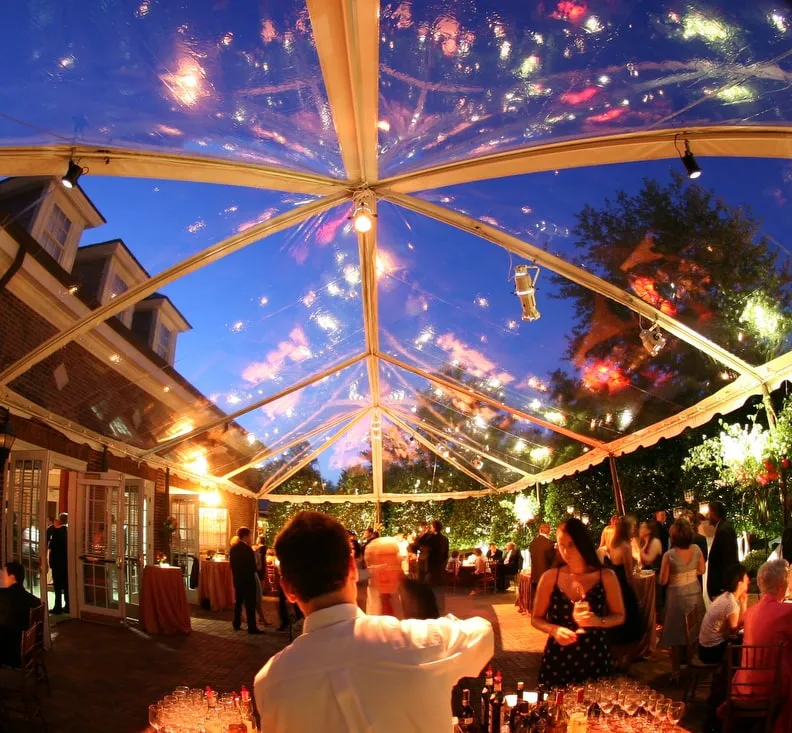
Destination events involve equipment traveling farther and often operating with less margin for error. Forgotten components or poorly timed deliveries are harder to correct when the installation site is several hours from the equipment base.
Freight staging should therefore follow a defined sequence from loading through final inspection.
Stage Equipment in Installation Order
The order in which equipment arrives can affect the efficiency of the entire setup.
Structural components generally need to be accessible before flooring, interior infrastructure, and furnishings can be completed. Positioning materials logically at the site can reduce unnecessary equipment movement once installation begins.
Skyline provides professional setup and takedown for its tent rentals, allowing freight handling and installation sequencing to be coordinated as part of the overall project.
Allow Time for Remote-Site Variables
The planning information notes that standard weekend deliveries commonly occur on Wednesday, Thursday, or Friday before the event, providing time to respond to access issues, site conditions, or weather interruptions. It also notes that standard installations may often be completed in one day, while complex destination projects can require longer staging periods.
Terrain, multiple structures, restricted roads, and extensive infrastructure can all lengthen the schedule. A destination timeline should therefore reflect the actual property rather than assuming the installation will follow a standard local setup.
The most reliable approach is to create a clear sequence before trucks leave for the destination. Each phase should prepare the site for the next rather than forcing crews to work around materials delivered out of order. A final inspection should occur only after structural and interior systems have been integrated.
Complete the pre-delivery site review
Stage equipment according to installation sequence
Install and secure the primary tent structure
Add flooring, power, and climate-control systems
Complete a final structural and site walkthrough
Prepare Crews and Infrastructure for Changing Weather
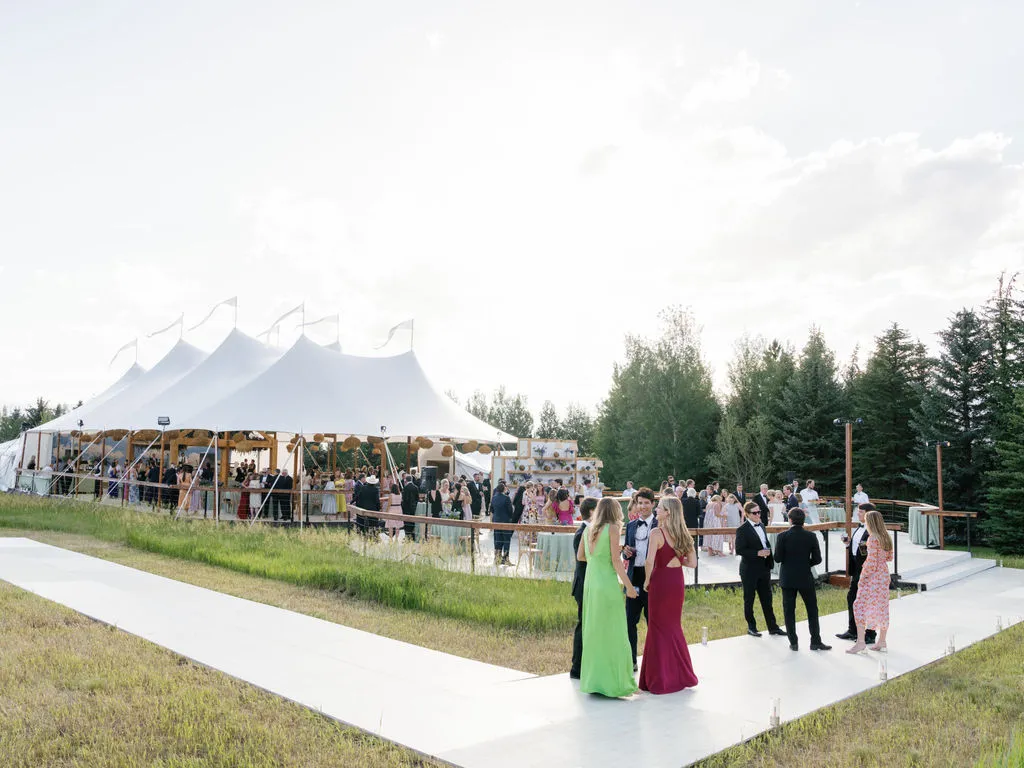
Destination events often take place in locations where local conditions may be less familiar to the installation team. Wind, temperature, precipitation, drainage, and utility limitations should all be addressed before equipment arrives.
Weather planning becomes particularly important when local replacement equipment or support resources are not readily available.
Coordinate Power and Climate Control
Remote properties may not have sufficient permanent power for lighting, catering, sound, heating, or cooling.
Standalone power generation can support climate-control systems and other event equipment without relying entirely on existing site utilities. The required capacity should be established alongside tent volume, equipment needs, seasonal conditions, and the event schedule.
Skyline provides power generation and climate control as part of its supporting event services.
Use Crews Familiar with the Selected Tent System
Different structures require different installation knowledge.
Frame tents involve modular alignment, Century Pole tents require proper pole and fabric tensioning, and Losberger and Navitrac systems introduce their own engineered components and assembly requirements.
Sailcloth tents also require proper tensioning to maintain their intended performance. The installation team should therefore understand the specific tent system being delivered rather than applying the same setup process to every structure.
Manage the Destination Installation as One Coordinated Project
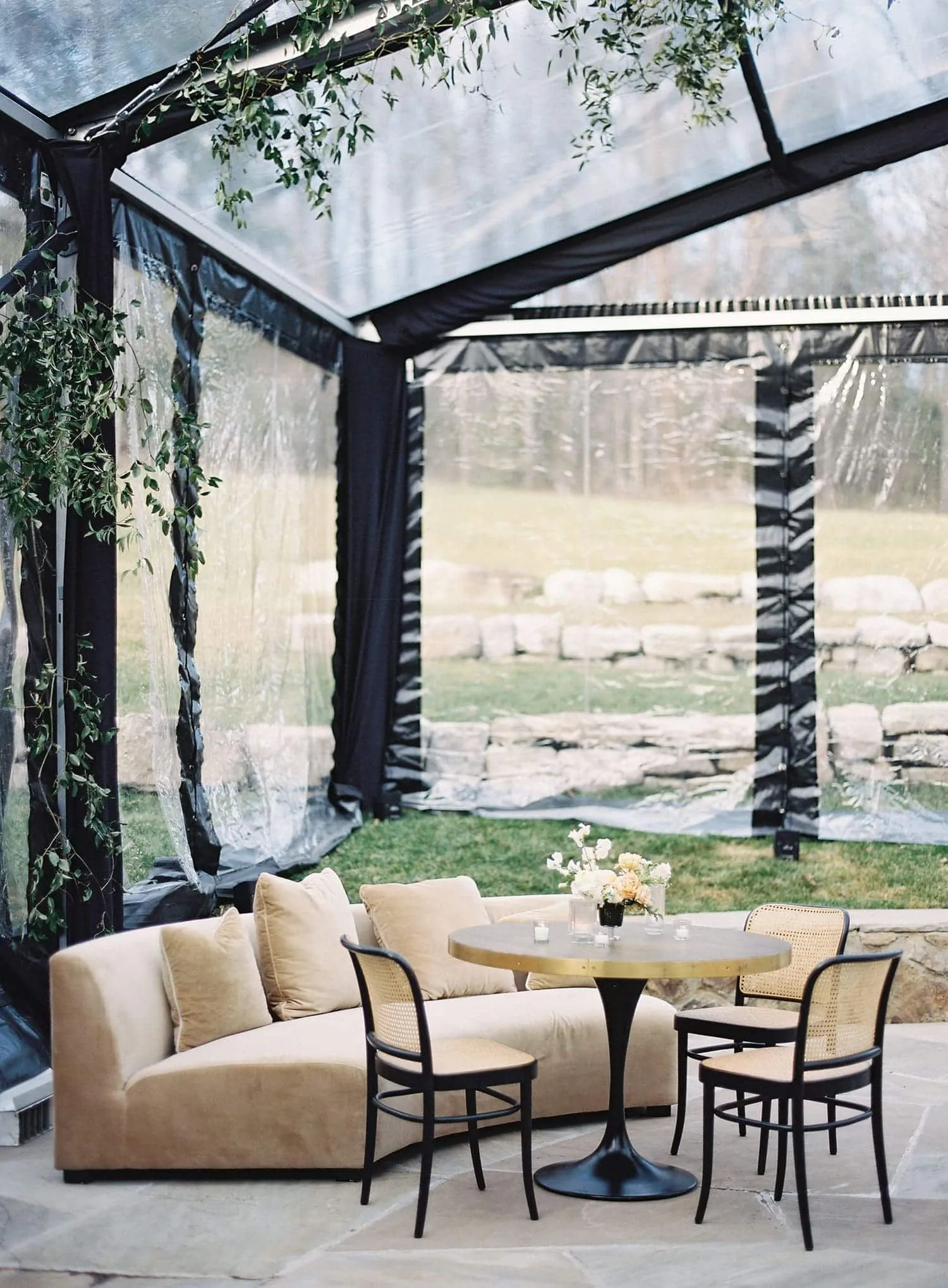
The greatest logistical challenge at a destination event is often not one individual component but the number of moving parts that must arrive and operate in the correct order.
Project management can connect site access, tent installation, power, climate systems, flooring, furnishings, vendors, and final inspections into one coordinated schedule.
Create One Point of Coordination On-Site
Skyline Tent Company provides project management and event consulting for complex installations.
On-site coordination can include confirming tent placement against site plans, managing vendor arrival schedules, overseeing climate and power connections, and completing final walkthroughs before guests arrive. This centralized approach is especially valuable at destination sites because individual vendors may be unfamiliar with the property.
Start Destination Planning Early
A private consultation allows planners to review tent styles, structural considerations, site conditions, dimensions, weather exposure, and infrastructure requirements before the final installation plan is approved.
Skyline Tent Company was founded in 2004 and operates from Charlottesville, Virginia while serving clients nationwide and offering international consulting.
Early planning creates more time to address permitting, transportation, site preparation, equipment staging, and inventory availability. Complex destination projects also benefit from having major decisions documented before equipment leaves the operations base. Several elements should be confirmed before transportation and installation schedules are finalized.
Tent type, dimensions, and structural requirements
Site access and ground preparation
Equipment delivery and crew schedules
Power, flooring, and climate-control requirements
Weather contingencies and final inspection timing
Frequently Asked Questions
What makes a destination tent installation different from a local event?
Destination installations involve longer transportation distances, unfamiliar properties, additional site assessments, crew travel, equipment staging, and greater dependence on accurate advance planning. Remote sites may also have limited permanent utilities or replacement resources nearby.
What should be evaluated during a remote site assessment?
The project team should review ground conditions, drainage, access roads, overhead obstructions, utility locations, equipment staging areas, and the space required for power and climate-control systems.
Can destination tents be installed on uneven terrain?
Depending on the property, custom flooring and elevated platforms can help create more consistent surfaces over slopes or irregular ground. The appropriate approach depends on site conditions and the selected tent structure.
Does Skyline provide power and climate control for destination events?
Yes. Skyline provides power generation, climate control, and additional support services that can be incorporated into destination installations where permanent site infrastructure is limited.
Can Skyline support events outside Virginia?
Yes. Skyline Tent Company serves clients nationwide and is available for international consulting, allowing destination projects to receive planning support beyond its Charlottesville base.
Turn a Remote Destination into a Fully Planned Tented Venue
A destination tent installation succeeds when transportation, terrain, structure, infrastructure, weather planning, and crew coordination are treated as parts of one project. The farther an event is from familiar resources, the more important it becomes to resolve those details before installation week.
Skyline Tent Company combines multiple tent systems with engineered flooring, elevated platforms, glass walls, power generation, climate control, furnishings, professional installation, project management, and event consulting. That combination allows planners to develop temporary venues around the realities of remote properties instead of relying on last-minute solutions once equipment arrives.
From initial site evaluation through freight staging, installation, final inspection, and takedown, careful coordination can turn a challenging destination into an organized event environment.
Contact Skyline Tent Company to discuss your destination property, tent requirements, terrain, access conditions, power needs, climate considerations, flooring, and installation timeline. Their team can help coordinate the logistical details required to create a refined temporary venue wherever the event takes place.