
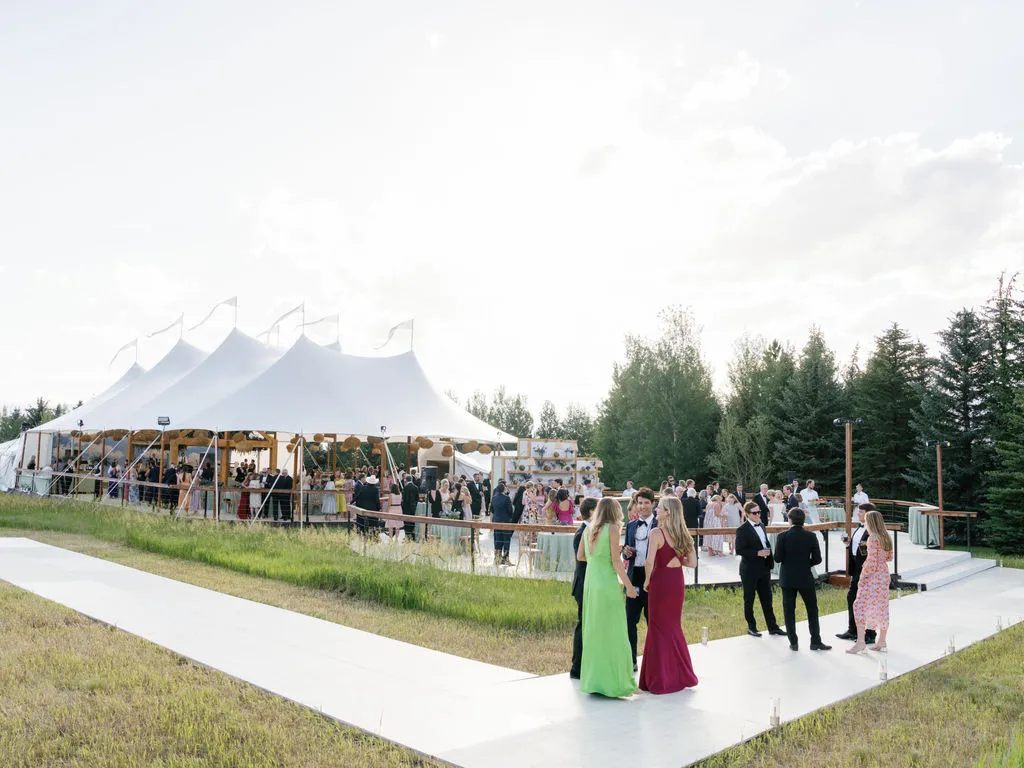
A tent does far more than provide coverage, it defines the atmosphere, flow, and overall experience of your event. From the first guest arrival to the final moment of breakdown, the right tent partner ensures every detail is thoughtfully planned and flawlessly executed.
Whether you are hosting an elegant wedding, a refined corporate gathering, or a large-scale outdoor celebration, choosing a tent company is not simply a logistical decision. It is a design decision, an operational decision, and a guest-experience decision. The expertise behind the tent influences layout, lighting, comfort, weather preparedness, and how seamlessly your event comes together.
This guide outlines ten essential questions to ask before selecting a tent partner. Each question is designed to help you evaluate experience, craftsmanship, service approach, and operational reliability, so you can move forward with confidence, knowing your event structure is in expert hands.
Why Choosing the Right Tent Partner Matters
Selecting a tent partner is one of the most important decisions in outdoor event planning. The tent sets the physical and visual foundation for everything that follows, influencing design choices, logistics, and the overall guest experience. Working with the right team ensures your event feels cohesive, comfortable, and expertly executed from start to finish.
How a Tent Defines the Look, Flow, and Guest Experience of Your Event
A tent is often the most prominent design element at an outdoor event. Its structure, scale, and materials immediately establish the tone and atmosphere, shaping how the space is experienced the moment guests arrive.
Equally important is how the tent supports movement and functionality. Clear entry points, intentional layouts, and defined zones for dining, dancing, and gathering help the event flow naturally and comfortably.
Guest comfort is also built into the tent design. Thoughtful planning allows for climate control, lighting, and protection from the elements, creating an environment where guests can focus on the experience rather than external conditions.
The Difference Between a Rental Company and a Full-Service Tent Partner
A rental company typically focuses on supplying equipment. A full-service tent partner takes responsibility for how that equipment functions within the larger event plan.
Full-service partners begin with site assessments and design collaboration, considering terrain, layout, and logistics before recommending a solution. They coordinate closely with planners, venues, and vendors to ensure seamless installation and execution.
This level of involvement reduces uncertainty and elevates the final result. Instead of simply providing a tent, a full-service partner delivers a thoughtfully planned structure that supports both the design vision and the operational success of the event.
What Experience and Expertise Should a Professional Tent Company Have?
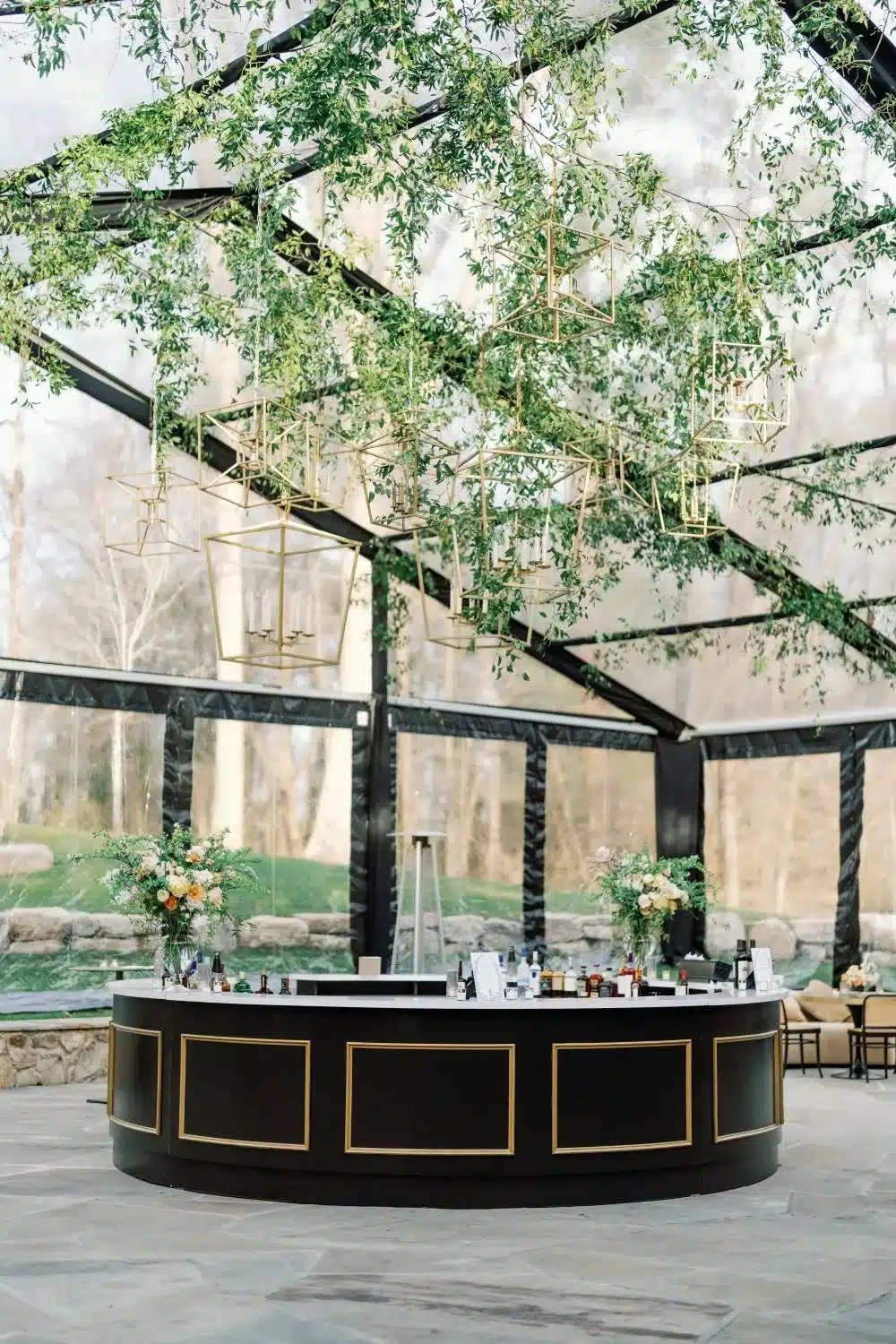
Experience is essential when planning outdoor events, where site conditions, timelines, and logistics can quickly become complex. A professional tent company brings not only technical skill, but also the confidence that comes from managing a wide range of event environments and requirements.
Why Proven Experience Matters for Complex Outdoor Events
Outdoor events often involve variables that don’t exist in traditional venues. Uneven terrain, limited access, weather considerations, and permitting requirements all influence how a tent should be designed and installed.
An experienced tent team understands how to evaluate these conditions early. Their knowledge helps prevent last-minute adjustments and ensures the structure is appropriate for both the site and the event’s scale.
How Seasoned Teams Anticipate Challenges Before They Arise
With experience comes foresight. Seasoned teams are able to identify potential challenges, such as access limitations or layout constraints, long before installation begins.
By addressing these factors during the planning phase, they create solutions that feel seamless on event day. This proactive approach minimizes disruptions and allows the event to unfold as planned.
The Importance of Understanding Venue Requirements and Site Conditions
Every venue has its own guidelines, restrictions, and physical considerations. A professional tent company is familiar with navigating these requirements and aligning installation plans accordingly.
Site assessments play a key role in this process. By understanding ground conditions, utilities, and surrounding structures, an experienced team ensures the tent is safely installed and fully integrated into the event environment.
How Can You Evaluate a Tent Company’s Reputation and Past Work?
A tent company’s reputation offers valuable insight into how they operate and what you can expect throughout the planning and installation process. Looking beyond surface-level impressions helps ensure you’re partnering with a team that consistently delivers polished, well-executed events.
Why Consistency and Long-Term Reputation Matter More Than Volume
A long-standing reputation reflects steady performance over time. Consistency across multiple events and seasons often indicates strong internal processes and experienced crews.
Rather than focusing on how many events a company completes, consider how consistently their work reflects quality, care, and thoughtful execution. A reliable track record builds trust and reduces uncertainty during planning.
How Portfolio Variety Reflects Design and Technical Capability
A diverse portfolio demonstrates versatility. When a tent company showcases different styles, layouts, and environments, it signals the ability to adapt designs to unique sites and visions.
Portfolio variety also highlights technical expertise. Successfully executing events across varied settings requires an understanding of structure, layout, and logistics, key indicators of a professional, full-service tent partner.
What Types of Tents Should a High-End Tent Partner Offer?
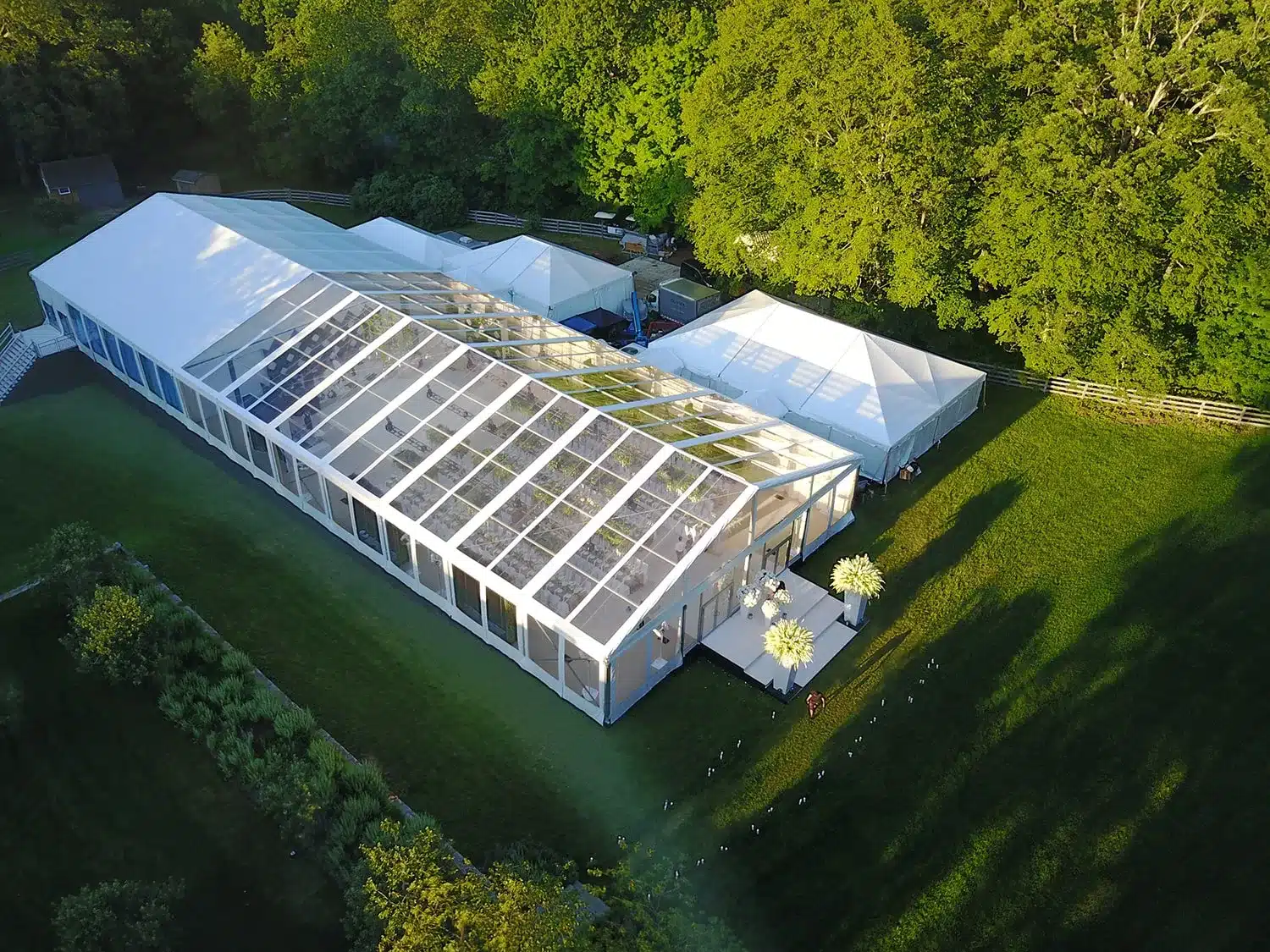
A high-end tent partner should offer more than a single solution. Different events, locations, and design visions require different structures, and having a range of tent styles allows the final design to feel intentional rather than forced.
Matching Tent Styles to Your Event Vision and Environment
The right tent begins with understanding the event’s purpose and setting. Factors such as guest count, formality, site layout, and surrounding landscape all influence which tent style will work best.
A knowledgeable tent partner helps align structural choices with aesthetic goals, ensuring the tent enhances the environment rather than competing with it.
Sailcloth Tents and Light-Filled, Refined Designs
Sailcloth tents are known for their soft silhouettes and natural light. Their translucent fabric creates a warm, airy atmosphere that feels elegant and inviting.
This style works especially well for events that prioritize openness and visual connection to the outdoors, while still providing a polished and refined setting.
Century Tents for Classic Structure and Flexible Layouts
Century tents offer clean lines and a distinctive center peak, making them a versatile option for many event types. Their design allows for flexible layouts and easy integration of décor elements.
This adaptability makes century tents well-suited for events that require balance between classic form and functional space planning.
Engineered Structures for Architecturally Complex or Weather-Sensitive Events
Engineered structures provide a more rigid framework, allowing for greater customization and stability. These tents are ideal for events that require precise layouts, extended installations, or additional environmental considerations.
With engineered solutions, a professional tent partner can create a controlled, well-supported environment while maintaining a refined and intentional appearance.
How Does Tent Design Influence Event Layout and Guest Flow?
Tent design plays a critical role in how an event functions. Beyond appearance, the structure determines how space is used, how guests move, and how comfortably different moments of the event unfold.
Planning for Seating, Circulation, and Functional Zones
A well-designed tent layout accounts for more than just fitting guests inside. It considers seating arrangements, walkways, and transitions between areas to ensure the space feels open and intuitive.
Thoughtful circulation planning helps prevent congestion and allows guests to move easily between dining, social, and activity areas.
Integrating Bars, Stages, Dance Floors, and Lounge Areas
Event elements such as bars, stages, and dance floors must be planned in harmony with the tent structure. Their placement affects sightlines, acoustics, and the overall rhythm of the event.
By integrating these features into the initial layout, the tent supports both function and atmosphere without feeling crowded or disjointed.
Designing Layouts That Feel Intentional Rather Than Crowded
An intentional layout balances openness with structure. Proper spacing allows décor and furnishings to enhance the environment rather than overwhelm it.
When design and layout are aligned, the tent feels cohesive and welcoming, giving guests room to engage, gather, and enjoy the experience comfortably.
What Customization Options Should Be Considered for a Luxury Tent Event?
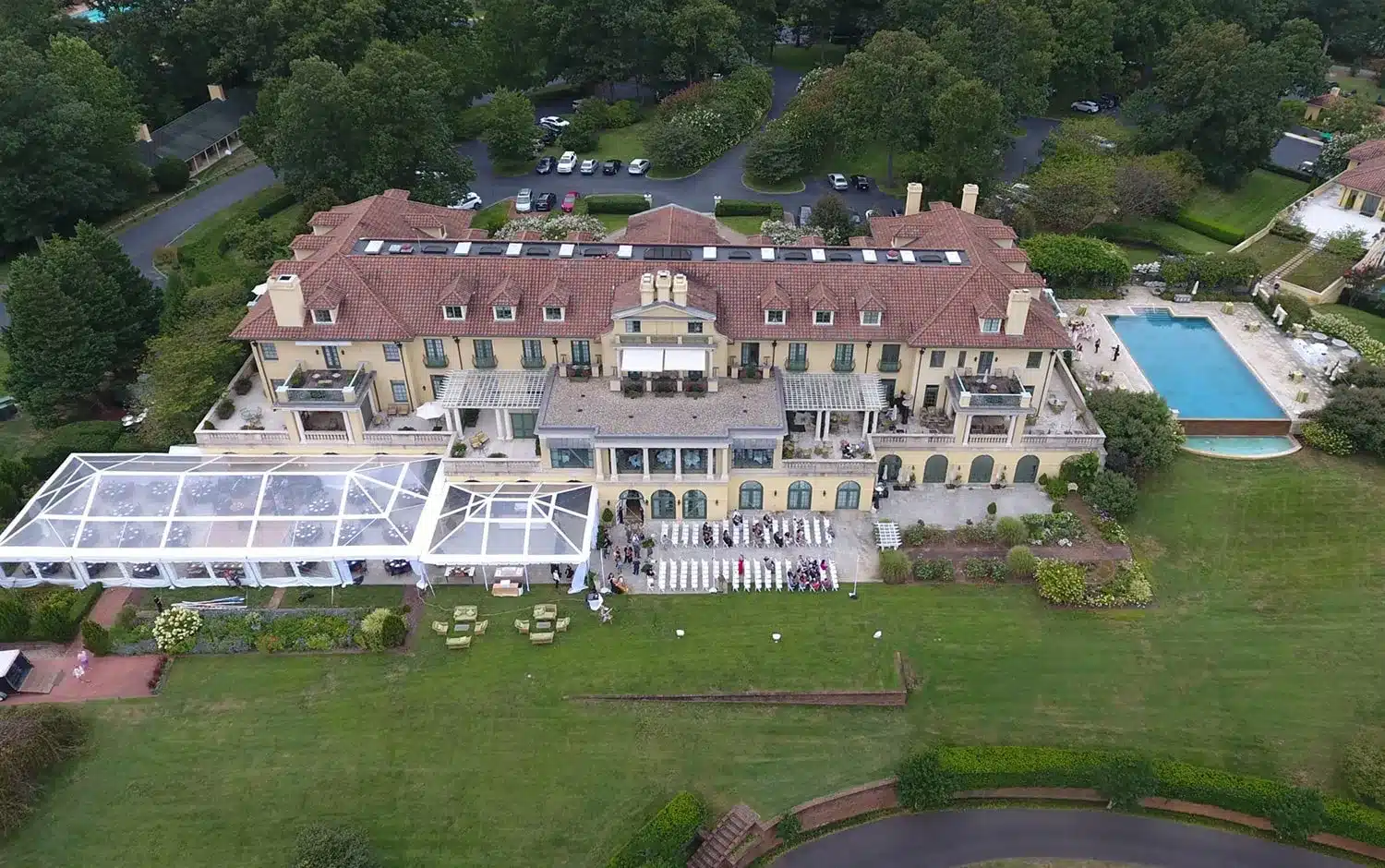
Customization transforms a tent from a functional structure into a refined event environment. Thoughtful design choices allow the space to reflect the event’s style while enhancing comfort and atmosphere.
Lighting, Flooring, and Ceiling Treatments
Lighting plays a major role in setting mood and highlighting key areas within the tent. From soft ambient lighting to focused accents, a well-planned lighting design elevates the entire space.
Flooring and ceiling treatments add another layer of polish. These elements help define the event style and create a finished look that feels cohesive and intentional.
Sidewalls, Climate Control, and Guest Comfort
Sidewalls offer flexibility and protection while maintaining visual continuity with the surrounding environment. Their use can be adapted based on weather conditions and event needs.
Climate control is equally important for guest comfort. Heating, cooling, and airflow should be considered as part of the overall tent design to ensure a comfortable experience throughout the event.
Design Finishes That Elevate the Overall Atmosphere
Finishing details bring the design together. Fabric selections, structural accents, and integrated décor elements contribute to the overall aesthetic.
When customization is approached thoughtfully, these finishes enhance the event without distraction, creating a polished environment that feels both refined and welcoming.
How Does a Tent Company Handle Site Planning and Installation?
Successful tent installations begin long before event day. Site planning and installation require technical knowledge, careful coordination, and attention to detail to ensure the structure is both secure and visually seamless.
The Role of Site Assessments in Successful Installations
A site assessment allows the tent team to evaluate terrain, access points, and surrounding conditions. This step helps identify any challenges that could affect layout, anchoring, or installation timing.
By understanding the site early, the team can design a solution that fits naturally within the environment and supports the event’s overall plan.
Professional Anchoring and Engineering Considerations
Proper anchoring is essential to both safety and stability. A professional tent company evaluates soil conditions, surface types, and load requirements before determining the appropriate anchoring method.
Engineering considerations also influence tent selection and layout. These details ensure the structure performs as intended while maintaining a refined appearance.
Coordinating Access, Timelines, and On-Site Logistics
Installation often involves multiple moving parts, including delivery schedules, crew coordination, and venue access restrictions. Clear planning keeps these elements aligned.
When timelines and logistics are carefully managed, installation and breakdown occur efficiently, minimizing disruption and ensuring the event stays on schedule.
How Should Weather Planning Be Integrated Into Tent Design?
Weather is a key consideration for any outdoor event, and thoughtful planning ensures the tent performs comfortably and reliably in changing conditions. When weather considerations are built into the design process, the event remains smooth and uninterrupted.
Designing for Seasonal and Regional Weather Conditions
Every location and season presents different environmental factors. A professional tent partner accounts for temperature ranges, wind patterns, and precipitation common to the area.
By addressing these factors early, the tent design supports comfort and stability without compromising the event’s visual appeal.
Built-In Solutions for Wind, Rain, Heat, or Cooler Temperatures
Tent structures can be adapted with design elements that support different conditions. Sidewalls, ventilation options, and structural reinforcements are integrated based on anticipated needs.
Climate management solutions are also considered as part of the overall plan, helping maintain a consistent and comfortable environment throughout the event.
Clear Communication and Preparedness Throughout the Event
Weather planning extends beyond installation. Clear communication between the tent team, planners, and venues ensures everyone is aligned as conditions evolve.
This level of preparedness provides reassurance and allows the event to proceed with confidence, regardless of external factors.
What Level of Coordination Should a Tent Partner Provide?
A well-executed event relies on seamless coordination behind the scenes. A professional tent partner plays a central role in aligning timelines, logistics, and design elements with the broader event plan.
Working Alongside Planners, Venues, and Other Vendors
Effective coordination begins with collaboration. A full-service tent partner works closely with planners, venues, and other vendors to ensure the tent integrates smoothly into the overall event design.
Clear communication helps align expectations, prevent overlaps, and support a unified approach across all teams involved.
Managing Installation and Breakdown Without Disrupting the Event
Installation and breakdown require careful timing and organization. A coordinated approach ensures these phases occur efficiently and with minimal impact on other event activities.
By managing crews, schedules, and site access, the tent partner helps maintain a calm and controlled environment throughout the process.
Ensuring Smooth Communication From Planning Through Execution
Consistent communication supports every stage of the event. Regular updates, clear points of contact, and proactive planning help keep everyone informed and aligned.
This attention to coordination allows the event team to focus on execution, knowing the tent installation is being handled with care and professionalism.
What Sets a True Full-Service Tent Company Apart?
A full-service tent company brings together design insight, technical expertise, and hands-on execution. This integrated approach ensures every aspect of the tent installation supports the event’s vision and runs smoothly from start to finish.
Hands-On Service From Concept to Breakdown
Full-service tent partners stay involved throughout the entire process. From early planning conversations to final breakdown, they oversee each phase to ensure consistency and quality.
This hands-on involvement allows for thoughtful adjustments and clear communication, creating a more seamless planning experience.
Attention to Detail in Both Design and Execution
Details make a difference. A full-service company considers how structural elements, finishes, and layouts work together to create a cohesive environment.
By maintaining high standards during both planning and installation, the final result feels intentional, polished, and well-executed.
Creating Environments That Feel Seamless and Elevated
When design and logistics are aligned, the tent becomes an extension of the event rather than a separate element. Guests experience a space that feels natural, comfortable, and refined.
This level of execution reflects the value of a full-service approach, one that prioritizes both aesthetics and performance to deliver an elevated event experience.
Frequently Asked Questions
How far in advance should I begin planning a tented event?
Starting early allows time for site assessments, design planning, and coordination with venues and vendors. Early planning also helps ensure the tent design aligns seamlessly with the overall event vision.
How does a tent company determine the right tent size and layout?
Tent size and layout are determined through a combination of guest count, event format, and site conditions. A professional tent partner evaluates circulation, functional zones, and design elements to create a layout that feels balanced and comfortable.
Can a tent be customized to match the event’s design style?
Yes. Tents can be customized through lighting, flooring, ceiling treatments, sidewalls, and structural finishes. These elements allow the tent to reflect the desired aesthetic while maintaining comfort and functionality.
What role does a site assessment play in the planning process?
A site assessment helps identify terrain conditions, access points, and any logistical considerations that may affect installation. This step ensures the tent is designed and positioned appropriately for the location.
How are weather considerations addressed in tent planning?
Weather planning is integrated into the design from the start. Structural choices, sidewalls, ventilation, and climate solutions are selected based on seasonal and regional conditions to support guest comfort and event continuity.
How does a tent partner coordinate with other event professionals?
A full-service tent partner collaborates closely with planners, venues, and vendors. This coordination helps align timelines, layouts, and logistics, ensuring a smooth planning and installation process.
What happens during tent installation and breakdown?
Installation is handled by a professional crew following a planned timeline and site layout. Breakdown occurs after the event and is coordinated to minimize disruption to the venue and other vendors.
What makes a full-service tent company different from a standard rental provider?
A full-service company manages both design and execution. They oversee planning, site assessments, installation, and coordination, delivering a cohesive and elevated tent environment rather than simply supplying equipment.
Conclusion
The success of an outdoor event depends on careful planning, thoughtful design, and reliable execution. A well-chosen tent partner provides more than a structure, they bring expertise, coordination, and confidence to every stage of the process.
By asking the right questions and focusing on experience, design capability, and service approach, you set the foundation for an event that feels intentional and well-orchestrated. The right team anticipates challenges, integrates seamlessly with other vendors, and ensures every detail supports the guest experience.
Skyline Tent Company approaches each event with a commitment to custom design, hands-on service, and dependable operations. From initial planning through final breakdown, their team creates refined tent environments that elevate outdoor events and allow hosts and guests to enjoy the occasion with ease and confidence.
