
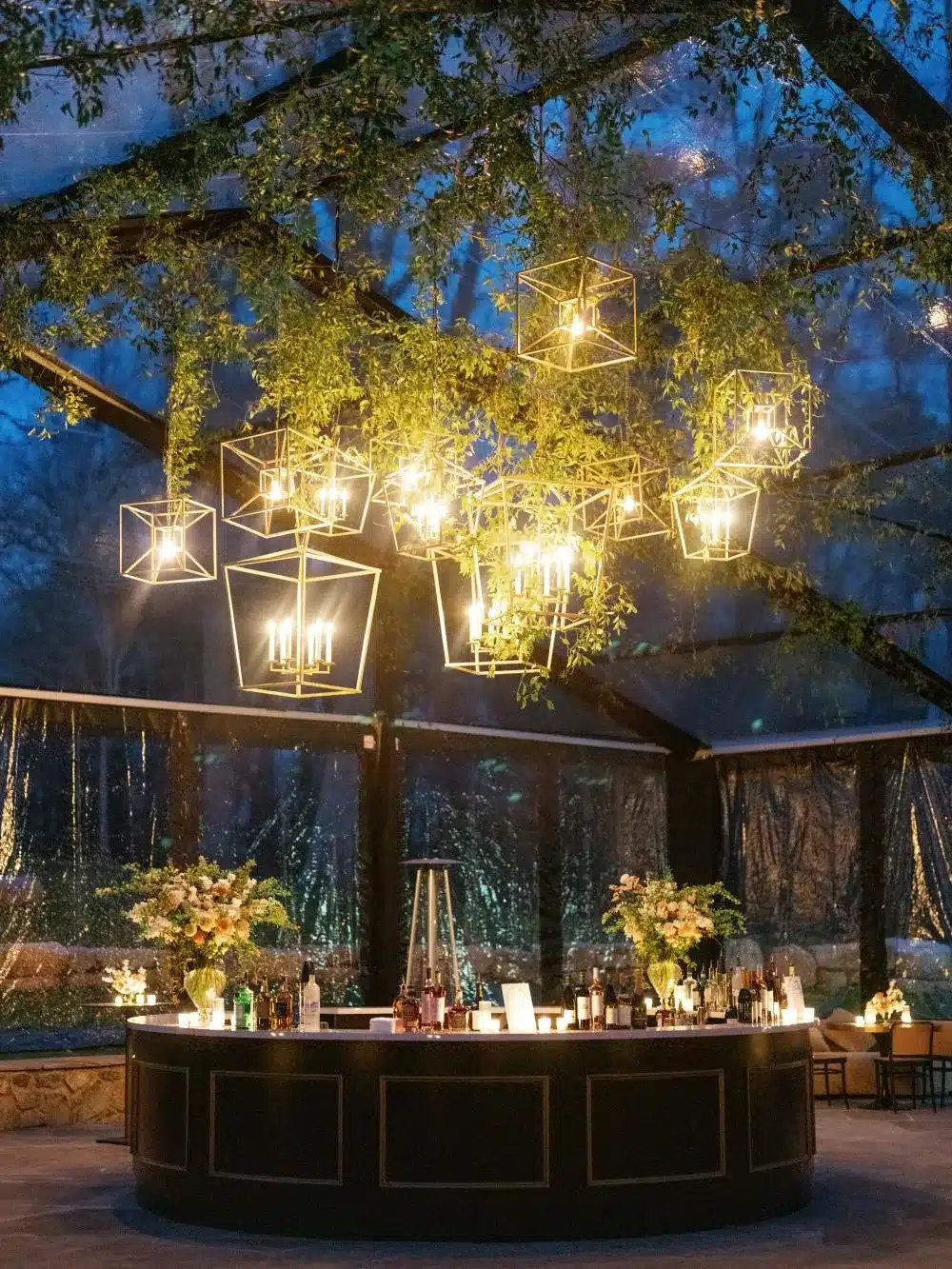
Rain is one of the most common concerns when planning an outdoor event, but with the right preparation and professional tenting solutions, it doesn’t have to disrupt your plans. At Skyline Tent Company, we specialize in creating weather-ready event environments that protect guests, equipment, and timelines, even when the forecast is uncertain.
From weddings and corporate gatherings to private celebrations and large-scale events, successful rain planning starts with structure. A well-designed tent system provides reliable coverage, controls ground conditions, and maintains the flow of your event regardless of changing weather. Rather than reacting to rain at the last minute, experienced event hosts work with professional tent providers early in the planning process to ensure every detail, from layout to anchoring, is prepared in advance.
This guide breaks down how to plan for rain the right way, with a focus on proven tenting strategies, structural options, and essential accessories that keep outdoor events functional, comfortable, and safe.
How to Build an Effective Rain Plan for Your Outdoor Event
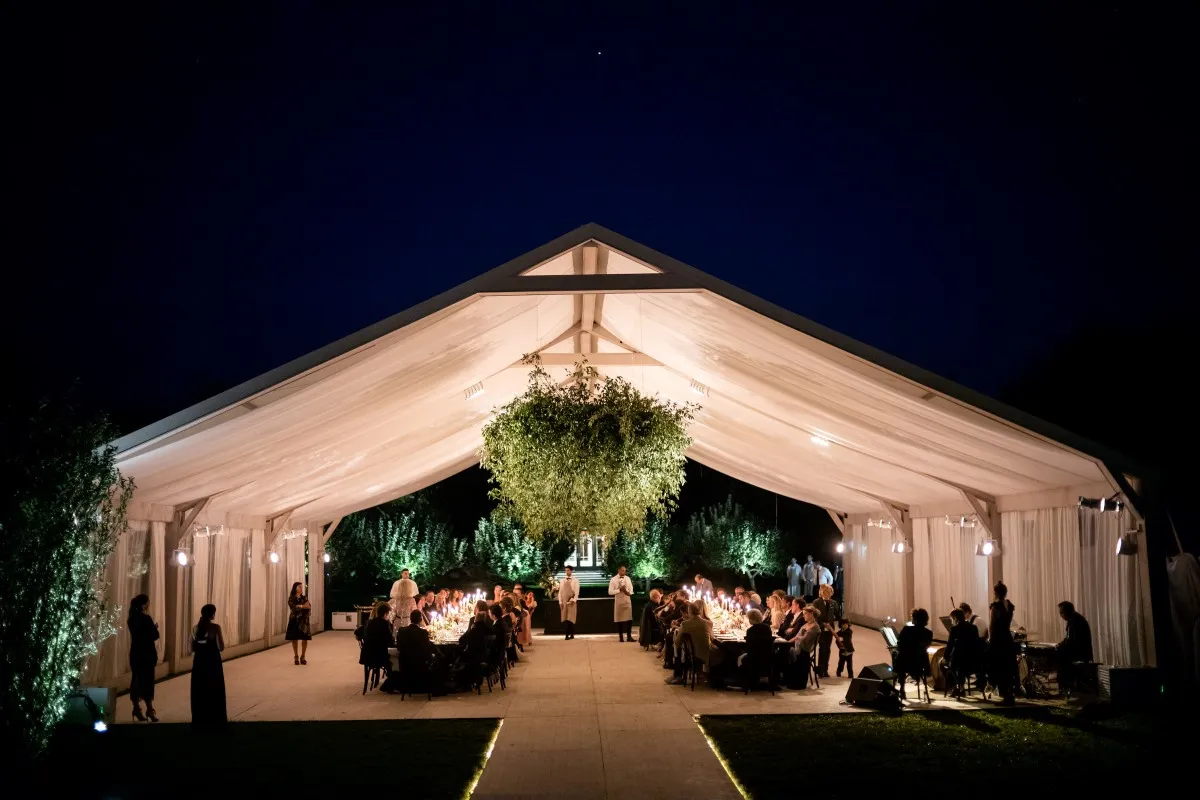
An effective rain plan begins long before event day, and it starts with the right tenting strategy. Rather than relying on last-minute adjustments, experienced event hosts work with professional tent providers early to evaluate the site, understand weather exposure, and design a structure that can perform reliably in wet conditions.
At Skyline Tent Company, rain planning focuses on creating a fully protected environment that supports the event’s layout, guest flow, and production needs. This includes assessing ground conditions, drainage patterns, surface types, and wind exposure so the tent system is engineered to handle rain without compromising comfort or safety. When these elements are addressed early, weather becomes a manageable variable instead of a disruption.
A strong rain plan is not about reacting to the forecast; it’s about building in protection from the start so your event can move forward confidently, regardless of conditions.
What Belongs in an Outdoor Event Rain Contingency Plan?
A professional rain contingency plan is built around structure, layout, and logistics. The most successful plans prioritize shelter and site readiness over last-minute changes.
Key elements include:
Shelter and Coverage Strategy
The foundation of any rain plan is a properly sized and professionally installed tent system. Coverage should account for guest count, seating arrangements, staging, catering, and circulation space, not just standing room. Strategic placement ensures entrances, high-traffic areas, and service zones remain protected throughout the event.
Site and Surface Preparation
Ground conditions play a major role in rainy weather performance. Planning includes evaluating grass, pavement, or mixed surfaces and incorporating appropriate flooring systems to prevent standing water, mud, and uneven footing. Drainage paths and tent perimeter management are also critical to keeping interiors dry.
Vendor and Layout Coordination
Rather than focusing on guest messaging, an effective rain plan ensures vendors can operate seamlessly under the tented environment. Layouts should accommodate catering equipment, entertainment, audiovisual needs, and power access, all protected from the elements. Coordinating these details with your tent provider in advance prevents delays and layout changes on event day.
How Tent Rentals Protect Your Event from Rain
Professional tent rentals are the backbone of any successful outdoor event in wet weather. High-quality tents do more than keep guests dry, they preserve the event’s structure, timing, and overall experience when conditions are unpredictable.
Different tent styles are engineered to perform under varying weather conditions, and selecting the right structure is critical. Factors such as roof design, anchoring method, sidewall options, and load ratings all influence how well a tent handles rain and wind. When paired with expert installation and weather-appropriate accessories, a tented space can remain comfortable, functional, and visually polished even during steady rainfall.
With the right tent system in place, rain becomes a background concern rather than a defining challenge, allowing your event to proceed smoothly without compromise.
Which Tent Rental Options Shield Outdoor Events from Rain?
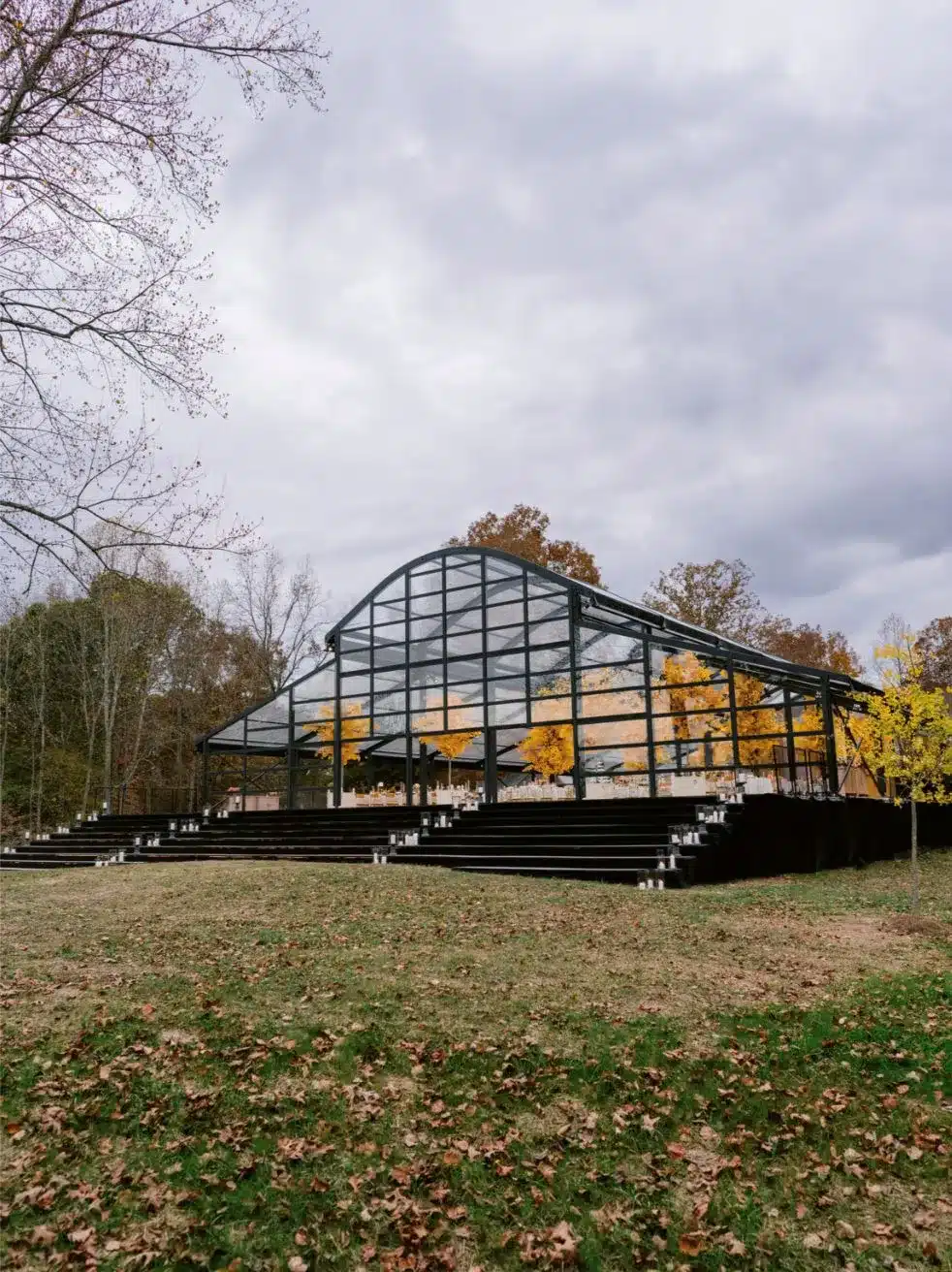
Not all tents perform the same in wet or windy conditions. Choosing the right tent rental for a rainy forecast requires more than selecting a style, it involves evaluating the event site, guest capacity, weather exposure, and structural requirements. Professional tent providers assess these factors to recommend a system that delivers reliable protection without sacrificing layout or aesthetics.
At Skyline Tent Company, tent selection is guided by performance. Roof design, anchoring methods, drainage control, and compatibility with sidewalls and flooring all influence how well a tent handles rain. Matching the tent structure to the environment ensures coverage remains secure, interiors stay dry, and the event layout remains functional throughout the day.
Clear Span, Frame, or Pole Tents: Which Protects Best?
Each tent style offers distinct advantages depending on weather conditions, site constraints, and event scale. Understanding how each performs in rain helps determine the most effective solution.
Clear Span Tents
Clear span tents are engineered structures designed for maximum weather protection. With unobstructed interiors and no center poles, they support large guest counts, complex layouts, and heavy equipment while maintaining strong resistance to rain and wind. Their rigid frame systems and high peak roofs promote efficient water runoff, making them ideal for events where weather reliability is a top priority.
These tents are commonly used for large weddings, corporate events, and multi-day installations where consistent protection and structural stability are essential.
Frame Tents
Frame tents offer versatility and strong performance in variable conditions. Because they do not rely on center poles, they allow flexible interior layouts while accommodating installation on grass, pavement, or mixed surfaces. When properly anchored and paired with sidewalls, frame tents provide dependable protection against moderate rain and changing ground conditions.
Frame tents are well-suited for medium-sized events, tight spaces, or locations where staking options are limited.
Pole Tents
Pole tents are known for their classic, high-peak appearance and elegant silhouette. While visually striking, their performance in rain depends heavily on proper site conditions and anchoring. Pole tents are best suited for light rain scenarios on grass surfaces with adequate space for staking and drainage. Read more in Comprehensive Guide to Event Tent Rental Insurance.
For events where aesthetics are a priority and weather risks are lower, pole tents can be a strong option when installed by experienced professionals.
Accessories That Improve Tent Performance in Bad Weather
The right accessories transform a tent from basic shelter into a fully weather-ready event environment. In rainy conditions, these additions play a critical role in comfort, safety, and functionality. We cover this further in Event Tent Rental Regulations: Permits, Safety & Compliance.
Tent Sidewalls
Sidewalls protect against wind-driven rain and help regulate interior temperature. Options include solid walls for maximum protection, windowed walls for natural light, and climate-controlled configurations for enclosed spaces. Properly installed sidewalls also help shield catering, entertainment, and seating areas from exposure.
Event Flooring Systems
Rain can quickly compromise ground conditions, making professional flooring essential. Raised or interlocking flooring systems prevent water accumulation, eliminate mud, and provide stable, slip-resistant surfaces for guests and equipment. Flooring also helps preserve décor and maintains a polished appearance throughout the event.
Climate Control and Heating
Cool temperatures often accompany rain. Integrating heating solutions ensures guest comfort and helps maintain consistent interior conditions, especially for enclosed tents. Climate control systems are planned alongside tent layouts to ensure safe airflow and even coverage.
How to Keep Guests Comfortable and Safe in Rainy Conditions
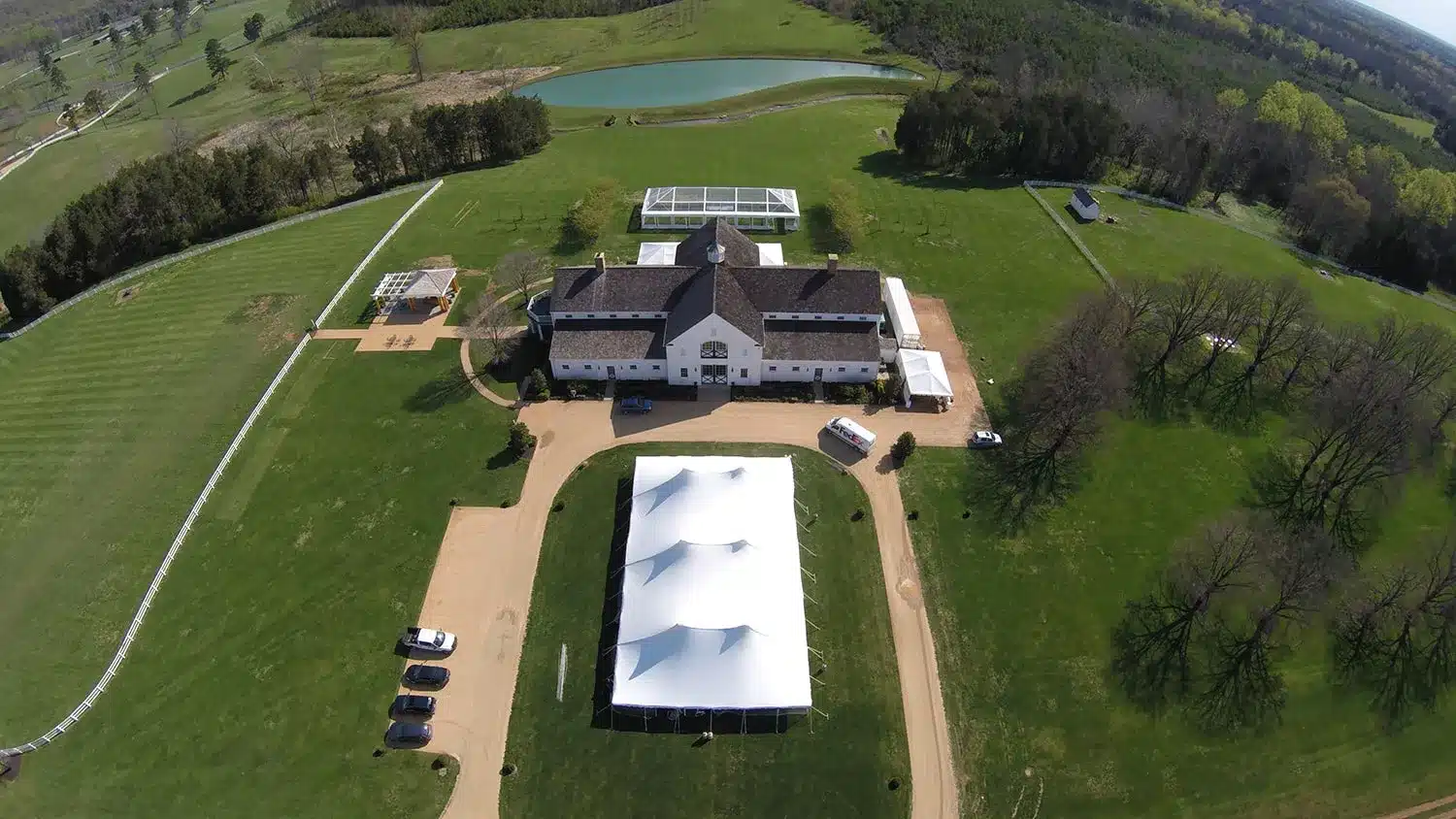
Guest comfort and safety during rainy weather depend largely on how well the event environment is protected and organized. A professionally designed tented space minimizes exposure to the elements, controls movement through the site, and reduces common wet-weather hazards before guests ever arrive. We cover this further in Comprehensive Guide to Event Tent Fire Safety Compliance.
At Skyline Tent Company, comfort and safety planning begin with structural decisions, tent selection, layout, flooring, and enclosure options that work together to create a dry, stable, and functional event space. When these elements are properly integrated, guests can move, gather, and enjoy the event without disruption, even during prolonged rain. We cover this further in Guide to Tent Fabric Safety Certifications for Events.
Structural Features That Improve Guest Experience in the Rain
Rather than relying on temporary fixes, long-lasting comfort comes from thoughtful tent design and professional installation.
- Enclosed and Covered Gathering Areas: Strategically planned tent layouts provide continuous coverage for seating, dining, and high-traffic areas. Fully or partially enclosed tents protect guests from wind-driven rain while maintaining a comfortable atmosphere throughout the event. Covered transitions between spaces help prevent bottlenecks and reduce exposure when moving from one area to another.
- Seating and Layout Planning: Proper spacing and placement of seating within the tent ensures guests remain dry without overcrowding. Clear pathways and designated zones support smooth traffic flow and reduce slipping risks caused by wet footwear or tracked-in moisture.
- Weather-Appropriate Flooring: Professional flooring systems are essential in rainy conditions. Raised or interlocking flooring prevents water intrusion, creates even walking surfaces, and improves traction. Flooring also protects décor and equipment while preserving a clean, finished appearance throughout the event.
Coordination and Site Management During Wet Weather
Effective rain management relies on preparation and coordination behind the scenes. When the tent infrastructure is properly planned, on-site operations remain efficient and controlled.
- Pre-Event Planning and Setup: Weather-ready planning includes confirming tent layouts, enclosure options, anchoring systems, and drainage management well before installation begins. Working with an experienced tent provider ensures all structural elements are in place and adjusted to current site conditions.
- On-Site Adjustments and Monitoring: Professional tent crews account for weather variables during setup and can adapt layouts, sidewall configurations, or access points as needed. Clear service pathways and protected vendor zones allow catering, entertainment, and technical teams to operate safely and efficiently despite rain.
- Post-Event Breakdown Considerations: Proper tent installation and flooring systems also streamline breakdown in wet conditions, protecting the site and minimizing disruption after the event concludes.
Practical Tips for Handling Rain at Different Types of Outdoor Events
Tailor your approach to the event type for best results.
Rain Plan Essentials for Outdoor Weddings
Wedding-specific actions to reduce stress:
- Backup venues: Secure an indoor or covered option that meets guest capacity and vendor needs.
- Guest communication: Share the plan in advance and provide day-of signage or a coordinator to guide guests.
- Vendor coordination: Confirm vendor flexibility for timing, load-in, and setup adjustments.
Rain Backup Solutions for Corporate and Private Events
Practical alternatives to keep the program moving:
- Alternative venues: Identify nearby indoor spaces that can host main elements if needed.
- Indoor activities: Plan adaptable programming, panels, workshops, or networking setups that work under cover.
- Communication plans: Use clear, fast channels to notify attendees of changes so everyone knows where to go.
The table highlights each tent type’s core strengths so you can choose the best solution for your location and weather risk.
Preparing for rain means planning for comfort, safety, and communication. With a solid contingency plan, the right tent and accessories, and coordinated vendors, your event can proceed smoothly despite the forecast. Take a few proactive steps now and you’ll be glad you did on event day.
Frequently Asked Questions
What should be included in a rain contingency plan for an outdoor event?
A strong rain contingency plan centers on professional shelter. This includes selecting a tent system designed for wet conditions, confirming adequate coverage for guests and event elements, and incorporating flooring, sidewalls, and anchoring appropriate to the site. Early coordination with a professional tent provider ensures the structure, layout, and accessories are prepared well before weather becomes a concern.
Which tent type performs best in rainy or windy conditions?
Performance depends on event size, site conditions, and weather exposure. Clear span tents offer the highest level of protection due to their engineered frames, open interiors, and strong resistance to wind and rain. Frame tents perform well in moderate weather and on varied surfaces, while pole tents are best suited for lighter rain when properly installed on suitable ground. A professional site evaluation helps determine the best option.
What flooring options are recommended for tents during rainy weather?
Raised or interlocking flooring systems are ideal for rainy conditions. These systems prevent standing water, provide stable and slip-resistant surfaces, and protect décor and equipment. Flooring also improves accessibility and maintains a clean, finished appearance throughout the event.
How do sidewalls improve comfort during a rainy event?
Sidewalls protect against wind-driven rain and help regulate interior temperature. Solid walls offer maximum weather protection, while windowed walls maintain natural light without sacrificing coverage. Properly installed sidewalls also help shield vendor areas and reduce moisture entering the tent.
What are common mistakes when planning for rain at an outdoor event?
One of the most common mistakes is underestimating the level of coverage needed. Insufficient tent size, lack of flooring, or delayed decisions on sidewalls can create challenges once rain begins. Working with an experienced tent rental provider early helps prevent last-minute adjustments and ensures the structure is prepared for changing conditions.
How does professional tent installation improve event safety in the rain?
Professional installation ensures tents are properly anchored, tensioned, and configured for site-specific conditions. This reduces risks related to wind, water pooling, and unstable surfaces. When combined with appropriate flooring and enclosure options, professional installation creates a controlled environment that prioritizes guest safety. You may also find Guide to Tent Installation Safety: Essential Tips helpful.
Conclusion
Rain doesn’t have to compromise an outdoor event. With the right tent system, weather-appropriate accessories, and professional installation, outdoor spaces can remain comfortable, safe, and visually polished, even in challenging conditions. To talk through a tent for your date and site, contact our team.
At Skyline Tent Company, rain planning is built into every stage of the process. From site evaluation and tent selection to flooring, sidewalls, and installation, our team helps clients create dependable, weather-ready environments that allow events to proceed with confidence. Planning ahead ensures the forecast never dictates the experience. Answers to common rental questions are in our tent rental FAQs.