
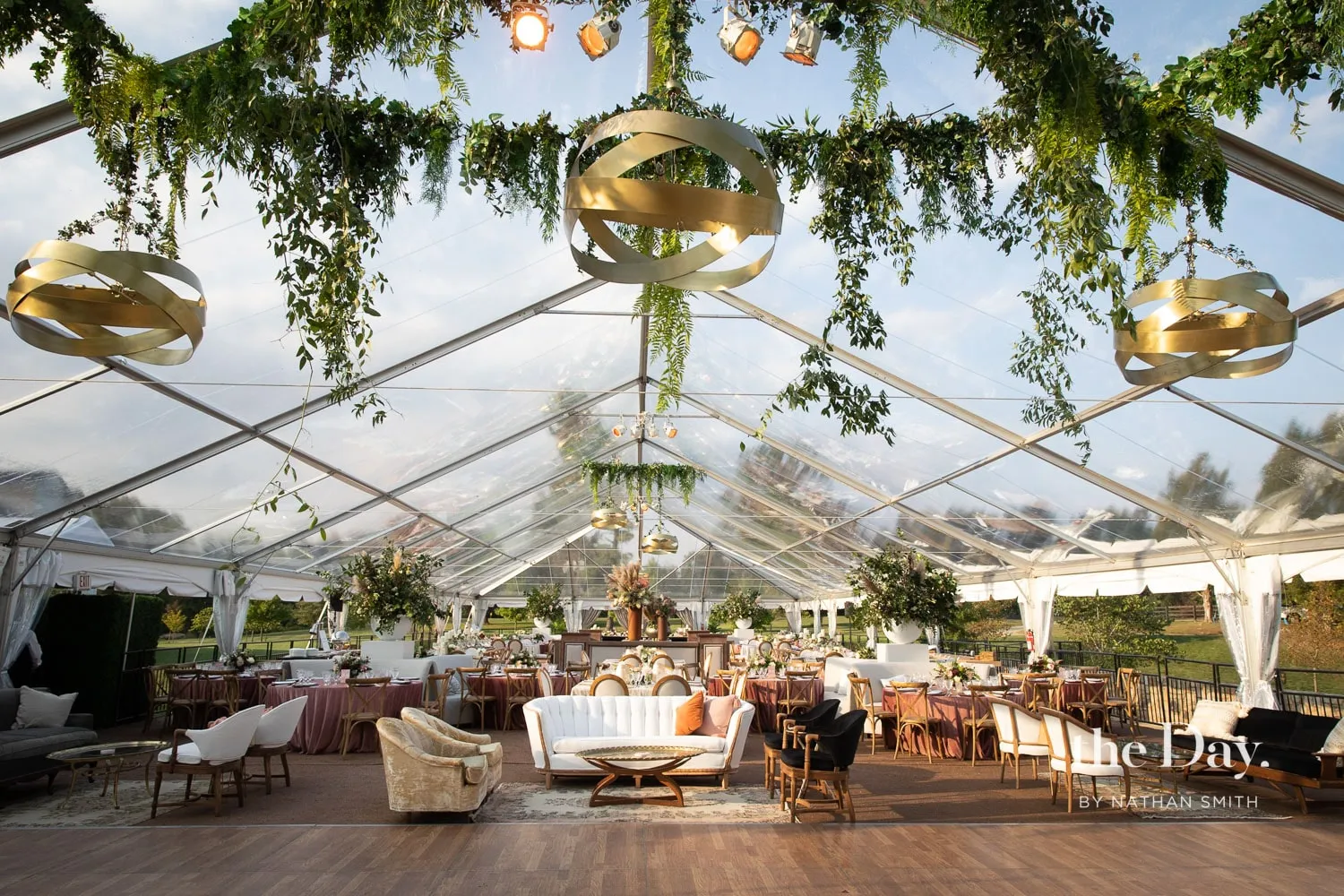
Premium tent flooring does more than provide a surface beneath tables and chairs, it helps define the visual character, comfort, stability, and overall finish of an outdoor event. From sophisticated weddings and formal celebrations to large corporate functions, the right flooring can transform a tented space into a polished event environment while supporting the practical demands of guest circulation, dining, dancing, and service areas. Popular choices include hardwood, vinyl, carpet overlays, modular and interlocking flooring systems, and weather-resistant solutions, each offering a different combination of appearance and functionality. Selecting the appropriate material also requires considering the tent style, ground conditions, event layout, expected weather, lighting design, and installation requirements. Site preparation is equally important because even premium materials depend on a properly evaluated and prepared foundation. By coordinating flooring with the tent structure and broader event design from the beginning, planners can create a cohesive space that feels intentional from the entrance and dining areas to the dance floor and entertainment zones.
Choosing Premium Tent Flooring for Your Event
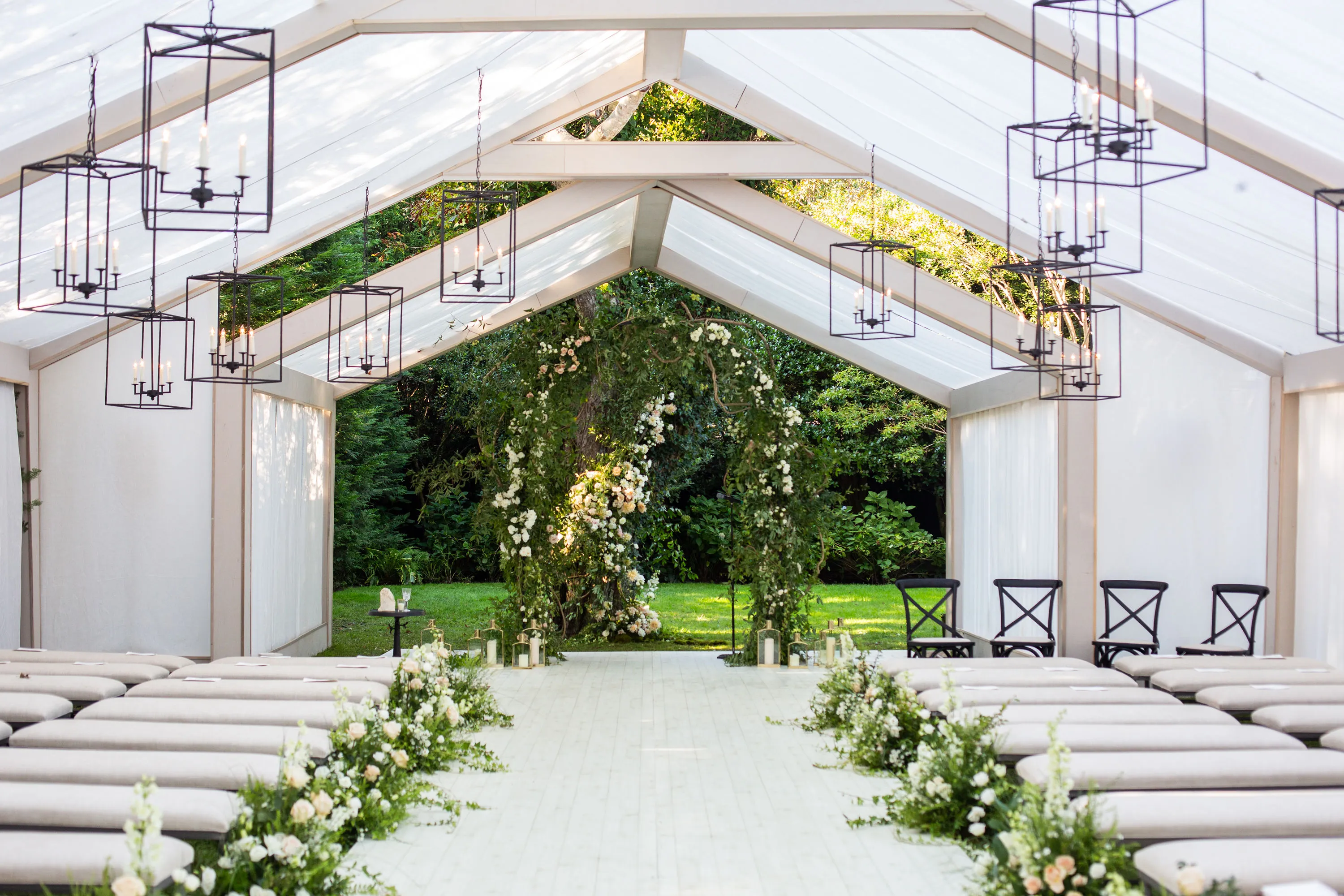
The best tent flooring is not necessarily the same for every outdoor celebration. A formal wedding may prioritize visual warmth and elegance, while a corporate event may require a highly adaptable surface capable of supporting different configurations and substantial event infrastructure.
The original guide identifies vinyl, hardwood, carpet overlays, modular/interlocking systems, and weather-resistant floors as leading options. Each material provides distinctive advantages that should be considered alongside the event’s appearance and practical requirements.
Compare Vinyl, Hardwood, and Carpet Overlays
Vinyl is presented in the original content as a durable, moisture-resistant flooring option suitable for outdoor environments. Its smooth surface also makes routine cleaning and maintenance relatively straightforward, while its sleek appearance can work with different event designs.
Hardwood provides a different aesthetic. Its visual warmth and classic appearance can complement weddings, galas, formal dinners, and other events where flooring is intended to become part of the overall design rather than remain visually neutral.
The source also highlights carpet overlays for their softness, warmth, and sound-absorbing qualities. Available colors and textures can allow carpet to coordinate with the event’s broader decorative direction.
These materials offer different advantages, so planners should consider what guests will see and experience throughout the event. Before making a selection, think about the desired aesthetic, expected foot traffic, weather exposure, cleaning requirements, and the relationship between the floor and surrounding décor.
Vinyl flooring: Provides a smooth appearance with moisture resistance and straightforward maintenance.
Hardwood flooring: Introduces classic visual warmth and a refined finish for formal events.
Carpet overlays: Add softness, comfort, color, texture, and sound absorption.
Weather-resistant flooring: Provides an option intended to respond to outdoor event conditions.
Combination flooring: Different materials may be considered for distinct areas when the event layout calls for different visual or functional treatments.
Vinyl flooring: Provides a smooth appearance with moisture resistance and straightforward maintenance.
Hardwood flooring: Introduces classic visual warmth and a refined finish for formal events.
Carpet overlays: Add softness, comfort, color, texture, and sound absorption.
Weather-resistant flooring: Provides an option intended to respond to outdoor event conditions.
Combination flooring: Different materials may be considered for distinct areas when the event layout calls for different visual or functional treatments.
Premium flooring should ultimately feel integrated with the event rather than selected in isolation. A material that complements the furniture, lighting, tent architecture, and overall aesthetic can contribute significantly to the finished appearance.
Understand Modular and Interlocking Flooring Systems
Modular and interlocking systems offer a more configurable approach. According to the original source, these systems can be installed and reconfigured according to event requirements while supporting different layouts and event scales.
Their adaptability can be especially useful when a tent contains several functional areas. Dining, entertainment, guest circulation, and other zones may each place different demands on the flooring configuration.
The source also emphasizes installation efficiency as an advantage of modular flooring. Individual components can be organized around the space and event plan, allowing the flooring configuration to correspond more closely with the overall tent layout.
This versatility makes modular systems relevant to both large gatherings and smaller events. Rather than selecting flooring solely for its surface finish, planners can consider how the underlying system contributes to the structure and organization of the event environment.
Match Flooring Materials to Different Tent Styles
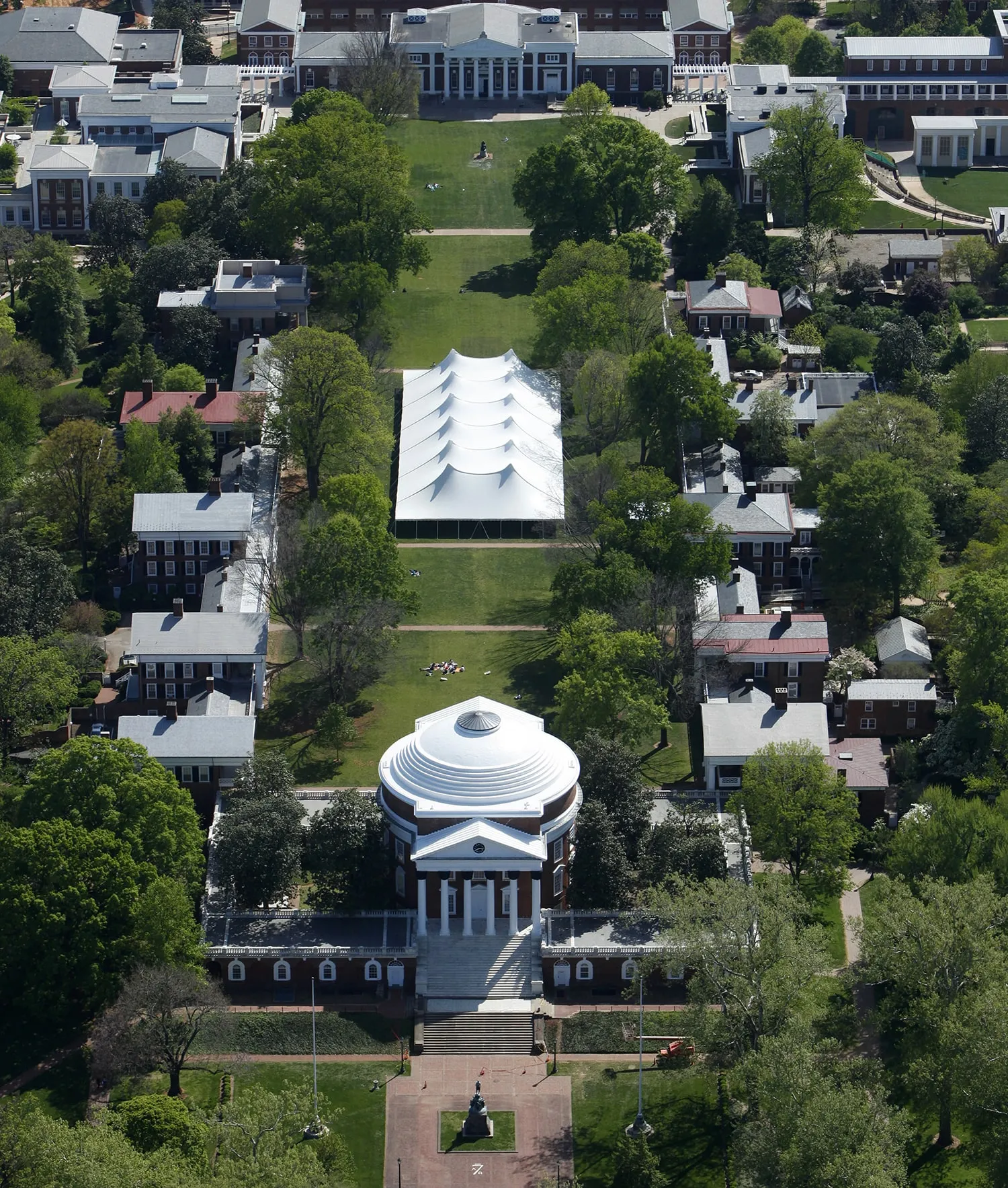
Tent architecture influences how flooring looks and performs within the completed space. A flooring system that works effectively in a large clearspan structure may create a different visual effect beneath the graceful lines of a sailcloth tent.
The original article distinguishes between flooring for clearspan and frame tents and flooring for pole and sailcloth structures. Maintaining this connection between the tent and flooring can help create a more cohesive event design.
Flooring for Clearspan and Frame Tents
Clearspan and frame tents are often selected for events requiring substantial open interior space. The source recommends considering sturdy options such as modular systems or vinyl for these structures, particularly where the event involves larger configurations or heavier requirements.
The open interior can accommodate banquet seating, conference arrangements, staging, entertainment areas, and other event infrastructure. Flooring should therefore be considered in relation to how those elements will be distributed across the tent.
Underlying ground conditions remain important. The original content specifically cautions that planners need to account for the surface beneath the flooring to reduce the potential for shifting or settling.
This means flooring selection should occur alongside site assessment rather than simply being based on the tent type itself.
Flooring for Pole and Sailcloth Tents
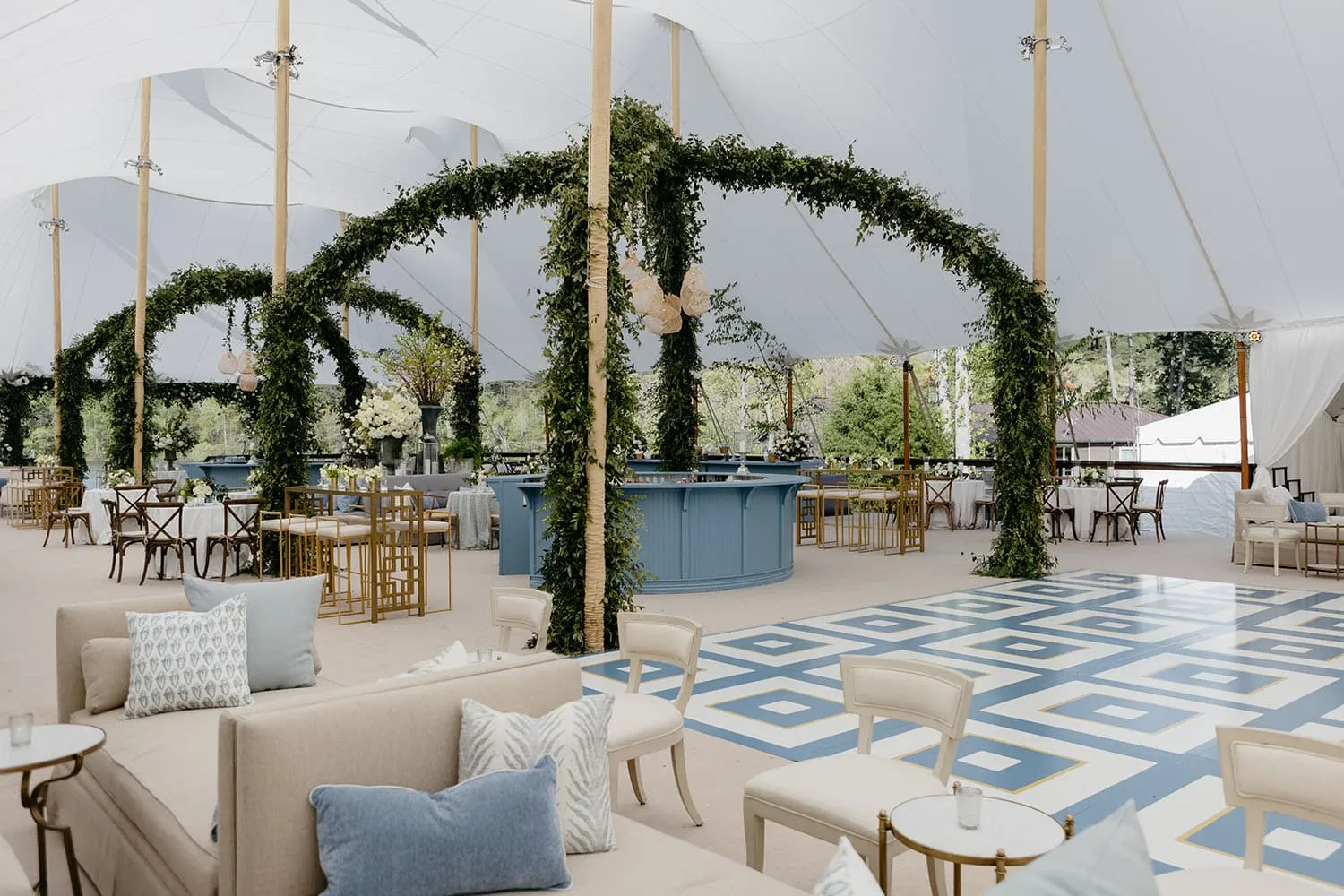
Pole and sailcloth tents have distinct visual characteristics, including softer architectural lines that can play a significant role in the event aesthetic. The original source identifies carpet overlays and hardwood as options that can complement these tent styles.
Hardwood can reinforce an upscale aesthetic while providing a defined surface beneath dining areas, lounge furniture, or other event features. Its natural appearance can also coordinate well with the organic character often associated with outdoor sailcloth celebrations.
Carpet introduces warmth and comfort while offering another opportunity to incorporate color or texture into the design.
The decision does not need to be based exclusively on appearance. Planners should also consider the site, stability, expected guest movement, furniture arrangement, and installation requirements.
A successful combination allows the flooring to enhance the architecture rather than compete with it. Beneath a sailcloth tent, for example, flooring can establish a polished foundation while allowing the peaks, fabric, lighting, and surrounding landscape to remain visually prominent. We cover this further in Enhance Your Beach Wedding with Reliable Tent Flooring.
Prepare the Site for Professional Tent Flooring Installation
Even an attractive premium floor depends on what lies beneath it. The original guide emphasizes that proper ground preparation is fundamental to successful installation and identifies leveling and moisture as important site considerations.
Site preparation should therefore happen before flooring materials arrive. Evaluating conditions early gives the installation team a clearer understanding of the environment and allows the layout to be coordinated with the physical characteristics of the venue.
Assess Ground Conditions Before Installation
Outdoor venues naturally vary. Grass, soil, and other surfaces can present different conditions, and the flooring system needs to be planned accordingly.
The original content recommends evaluating and leveling the surface before installation. It also identifies moisture as a condition that needs to be considered because it can affect flooring stability or materials.
A site assessment can also help connect flooring decisions with the rest of the event plan. Tent positioning, entrances, guest circulation, dining arrangements, service locations, and entertainment zones all influence where flooring will be needed.
This is particularly important for premium events where the floor is intended to appear continuous and intentional throughout the space.
Follow a Structured Flooring Installation Process
The source outlines a five-stage installation process beginning with site assessment and ending with a final inspection. This sequence reinforces why flooring should be treated as part of event infrastructure rather than a decorative element installed at the last moment.
Site conditions should first be evaluated for potential concerns. The surface can then be prepared according to the flooring requirements before the layout is translated into an installation plan.
A professional installation process should move logically from evaluating the venue to confirming that the completed surface is ready for the event. Each stage supports the next, making early planning particularly valuable.
Site assessment: Evaluate existing ground conditions and identify potential installation concerns.
Surface preparation: Address leveling and other relevant conditions before flooring is placed.
Layout planning: Determine how the flooring corresponds with the event’s intended configuration.
Flooring installation: Position and secure the selected flooring materials according to the plan.
Final inspection: Review the completed floor before guests begin using the space.
Site assessment: Evaluate existing ground conditions and identify potential installation concerns.
Surface preparation: Address leveling and other relevant conditions before flooring is placed.
Layout planning: Determine how the flooring corresponds with the event’s intended configuration.
Flooring installation: Position and secure the selected flooring materials according to the plan.
Final inspection: Review the completed floor before guests begin using the space.
This process closely follows the installation sequence provided in the original article. It also provides planners with a useful framework for coordinating flooring installation with tent construction and other vendors.
Coordinate Flooring with Weather, Climate, and Lighting
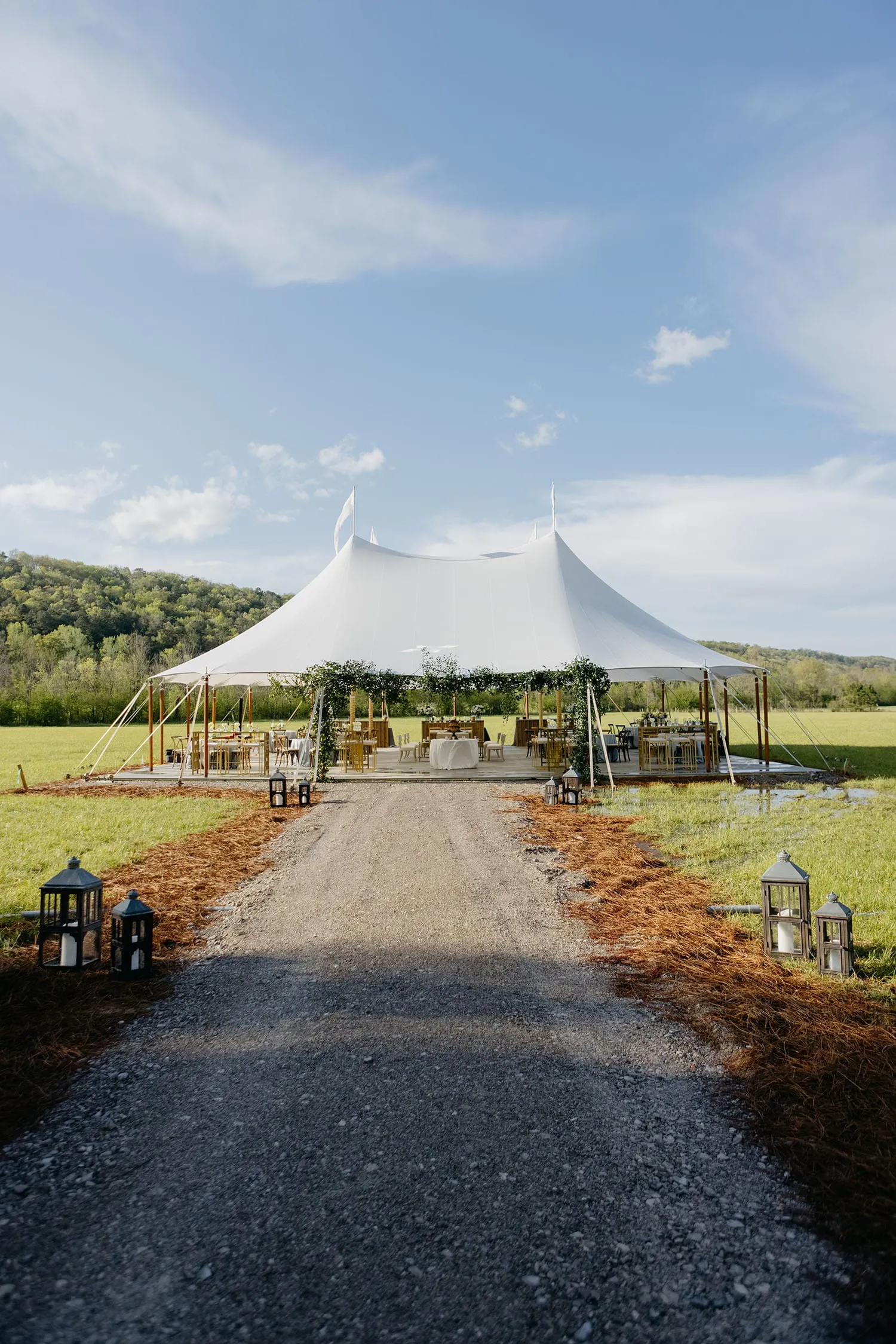
Tent flooring exists within a larger event environment. Weather, temperature management, lighting, décor, and guest movement can all influence how the floor performs and how guests perceive it.
The original source discusses weather-resistant flooring alongside climate considerations and lighting coordination. These ideas are most useful when considered as interconnected planning decisions rather than expecting the flooring itself to control the tent environment. For more detail, see our article Elevating Your Event with Premium Tent Flooring Rentals.
Consider Outdoor Conditions When Selecting Flooring
Outdoor events are exposed to site and weather conditions that indoor venues do not face in the same way. Moisture is particularly relevant because the source identifies it both during site preparation and when discussing weather-resistant flooring.
A flooring material should therefore be evaluated in the context of the venue and expected conditions. Vinyl or another weather-conscious option may suit one event, while hardwood or carpet may better support the aesthetic goals of another when site conditions and installation planning allow.
Climate-control systems should also be coordinated with the flooring and tent layout. The original source connects flooring decisions with temperature fluctuations and guest comfort, although the overall climate strategy depends on more than the flooring material alone.
For premium events, these decisions should be made together. Flooring, climate equipment, tent walls, furniture, and guest circulation all occupy the same environment and should support rather than interfere with one another.
Use Lighting to Showcase Premium Flooring Finishes
Lighting can change how a floor appears once the event transitions from daylight into evening. The original article recommends coordinating lighting with flooring to highlight its design and color while maintaining visibility.
Hardwood, for example, can become a stronger visual element when paired with lighting that complements its warmth and texture. Carpet may contribute a softer effect, while sleek surfaces can interact differently with overhead and accent lighting.
Lighting should also support practical movement through the space. Guests need to distinguish changes in flooring, pathways, dining areas, and other important zones.
Before finalizing the lighting plan, planners should consider how the floor will appear at different points during the event. Daylight, chandeliers, decorative lighting, and evening illumination can each produce a different effect.
Important coordination points include:
Floor color and finish: Consider how the selected surface will appear under the event’s planned lighting.
Guest pathways: Maintain appropriate visibility through frequently traveled areas.
Dance floors: Use lighting to help establish the dance area as a visual focal point.
Dining spaces: Coordinate floor finishes with tables, linens, and ambient illumination.
Tent architecture: Allow lighting, flooring, and structural elements to contribute to one cohesive design.
Floor color and finish: Consider how the selected surface will appear under the event’s planned lighting.
Guest pathways: Maintain appropriate visibility through frequently traveled areas.
Dance floors: Use lighting to help establish the dance area as a visual focal point.
Dining spaces: Coordinate floor finishes with tables, linens, and ambient illumination.
Tent architecture: Allow lighting, flooring, and structural elements to contribute to one cohesive design.
Thoughtful coordination ensures premium flooring remains part of the overall visual experience rather than disappearing once the reception or event moves into evening hours.
Plan Flooring Logistics and Maintain the Finished Surface
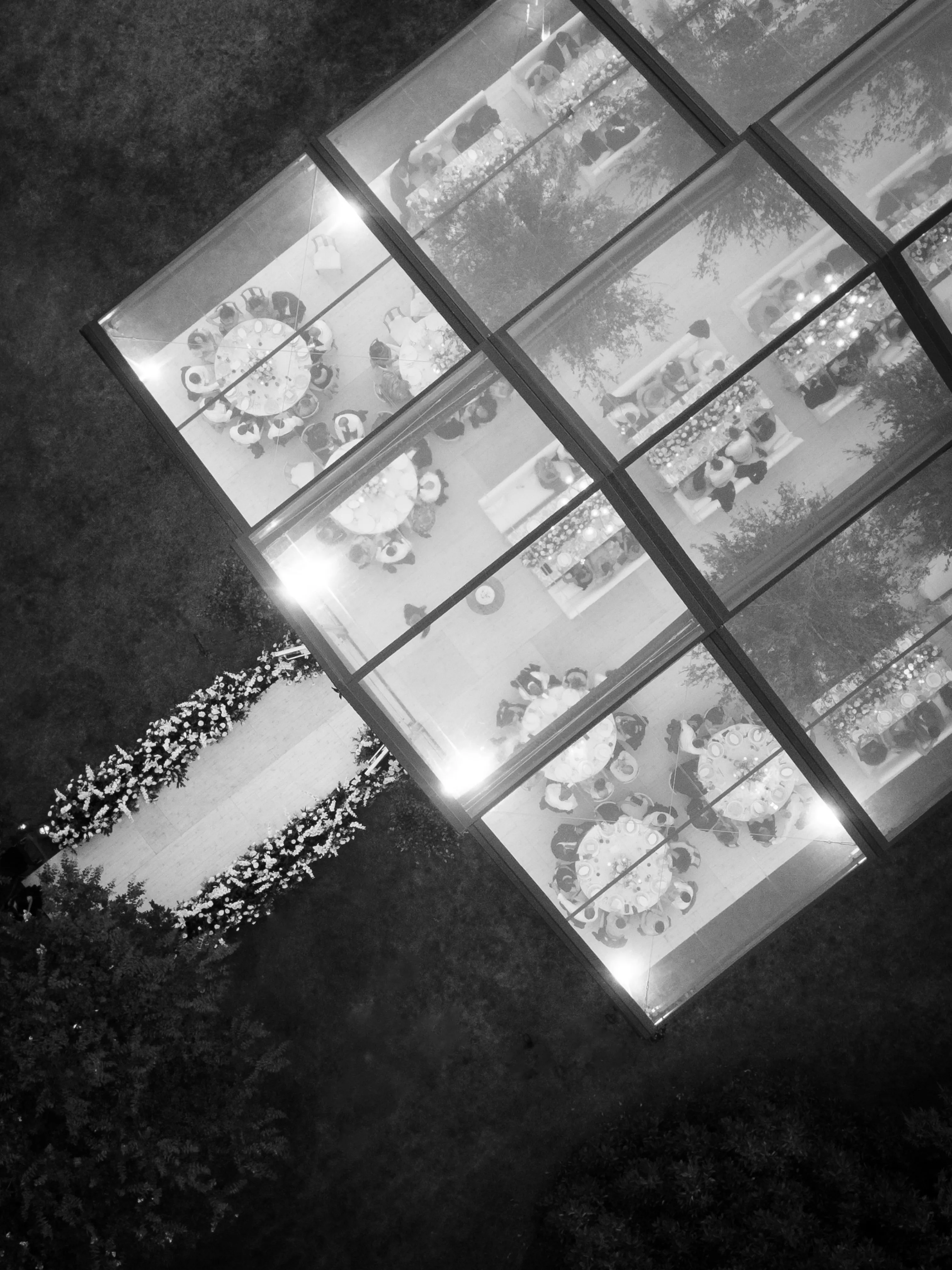
Premium tent flooring requires logistical coordination before, during, and after installation. The source emphasizes transport schedules, onsite coordination, installation timing, cleaning, inspections, and protection from excessive wear.
These considerations are especially important when flooring installation occurs alongside tent construction, catering setup, furniture delivery, lighting installation, and décor production. A clear schedule helps prevent different teams from competing for the same workspace.
Coordinate Transport and Installation Timing
The original article recommends aligning flooring transport with the installation schedule and assigning responsibility for onsite coordination. It also advises allowing time for possible weather or site-related delays.
This planning can reduce unnecessary disruption during setup. Flooring often needs to be installed at a particular point in the production sequence, so timing should be coordinated with other teams rather than decided independently.
Event planners should know when the tent will be ready, when flooring materials can access the site, and when furniture or other elements can safely be brought into the finished space.
Clear communication between the relevant teams becomes particularly important for larger events with multiple vendors.
Protect Flooring Throughout the Event
Once flooring has been installed, routine care can help preserve its appearance through the event. The original source recommends addressing spills promptly, inspecting surfaces for signs of wear or damage, and using protective measures in high-traffic locations.
Different flooring materials may require different handling, so care should correspond with the particular surface being used.
High-traffic areas deserve particular attention. Entrances, bars, service locations, and pathways may experience considerably more movement than decorative or low-traffic zones.
Protecting the floor also contributes to the overall presentation. Premium flooring is intended to create a finished environment, so maintaining its appearance throughout the celebration supports the event aesthetic from guest arrival through the final portion of the evening.
Frequently Asked Questions
What Is the Best Flooring for a Luxury Tent Event?
The source does not identify one material as universally best. Instead, it presents vinyl, hardwood, carpet overlays, modular/interlocking systems, and weather-resistant flooring as options with different advantages. You may also find Best Practices for Choosing Flooring for Party Tents helpful.
The appropriate choice depends on the tent, site, event aesthetic, layout, and practical requirements.
Is Hardwood Flooring Suitable for Tented Weddings?
Yes. The original guide specifically recommends hardwood for its classic appearance and notes that it can complement weddings, formal gatherings, pole tents, and sailcloth tents.
Site conditions and installation requirements still need to be evaluated before selection.
What Are the Benefits of Carpet Inside an Event Tent?
Carpet overlays can provide warmth and comfort while helping soften sound. The source also notes that different colors and textures can coordinate with an event theme.
Why Use Modular Tent Flooring?
The original article emphasizes adaptability, installation efficiency, and the ability to create configurations suited to different event layouts.
That flexibility can be valuable for events with multiple functional zones or changing space requirements.
Does the Ground Need to Be Level Before Tent Flooring Is Installed?
Ground conditions need to be assessed and appropriately prepared. The source specifically recommends surface leveling and addressing moisture considerations before installation.
How Does Tent Type Affect Flooring Selection?
Clearspan and frame tents may benefit from sturdy modular or vinyl options, while hardwood and carpet overlays can complement the aesthetic of pole and sailcloth tents. These are recommendations from the original source rather than absolute rules.
Can Lighting Change the Appearance of Tent Flooring?
Yes. The source explains that lighting can highlight flooring design and color while improving visibility throughout the event space.
How Should Premium Tent Flooring Be Maintained During an Event?
The original guide recommends prompt attention to spills, routine inspections for wear or damage, and protective measures in heavily traveled locations.
When Should Flooring Installation Be Planned?
Flooring installation should be coordinated with transportation, onsite setup, and the broader event production schedule. The source recommends allowing sufficient time for weather and site conditions that may affect installation.
Does Skyline Tent Company Assist with Flooring Selection and Logistics?
The original article states that Skyline Tent Company provides guidance on flooring selection and installation logistics and supports the rental process.
Elevate Your Tented Event with Premium Flooring from Skyline Tent Company
Premium flooring can change how an outdoor tented event looks, feels, and functions. Hardwood can introduce visual warmth and sophistication, vinyl can provide a sleek and practical surface, carpet overlays can soften the environment, and modular systems can provide flexibility for complex event layouts. The best choice depends on far more than appearance alone.
Tent architecture, underlying ground conditions, weather exposure, guest circulation, lighting, installation timing, and maintenance should all be considered before the final flooring decision is made. The original guide particularly emphasizes the importance of site preparation, surface leveling, layout planning, installation, and final inspection as part of creating a successful finished floor.
For luxury weddings, corporate events, formal dinners, and other sophisticated outdoor gatherings, flooring can also become a defining part of the design. Coordinating the floor with the tent architecture, furniture, lighting, and decorative palette creates a more complete environment in which every detail feels intentional.
Logistics matter just as much as aesthetics. Transportation and installation schedules should align with the overall production timeline, while weather and site conditions may require flexibility during setup. Once installed, appropriate care can help preserve the floor’s appearance throughout the event. See how these ideas look on real sites in our tent gallery.
Planning a tented event and deciding which premium flooring will best suit your venue and design? Contact Skyline Tent Company to discuss your tent style, event layout, site conditions, flooring requirements, and overall vision. The original source describes Skyline Tent Company as providing guidance on appropriate flooring options and installation logistics, helping planners coordinate this important part of the event setup. Connect with Skyline Tent Company to begin planning a polished tented environment with flooring selected to complement your event from the ground up.