
When planning a luxury outdoor event, choosing the right tent affects far more than shelter. The structure influences the overall aesthetic, available interior space, guest movement, décor possibilities, climate control, and how effectively the venue can accommodate the event layout. Century tents and traditional pole tents each offer distinctive architectural and functional characteristics, making them appropriate for different types of celebrations. Century tents are recognized for their dramatic high peaks, spacious interiors, and sophisticated appearance, making them particularly attractive for upscale weddings, corporate functions, and gala dinners. Traditional pole tents, by comparison, use central support poles and lower profiles to create a more classic and intimate atmosphere that can complement community events and rustic celebrations. Understanding these differences helps event planners select a structure based on the venue, guest count, décor requirements, seasonal conditions, and desired experience. From event flow and lighting possibilities to installation requirements and climate management, comparing century tents vs. traditional pole tents provides a clearer path toward creating an outdoor event that is both beautiful and functional.
Century Tent vs. Traditional Pole Tent Design Differences
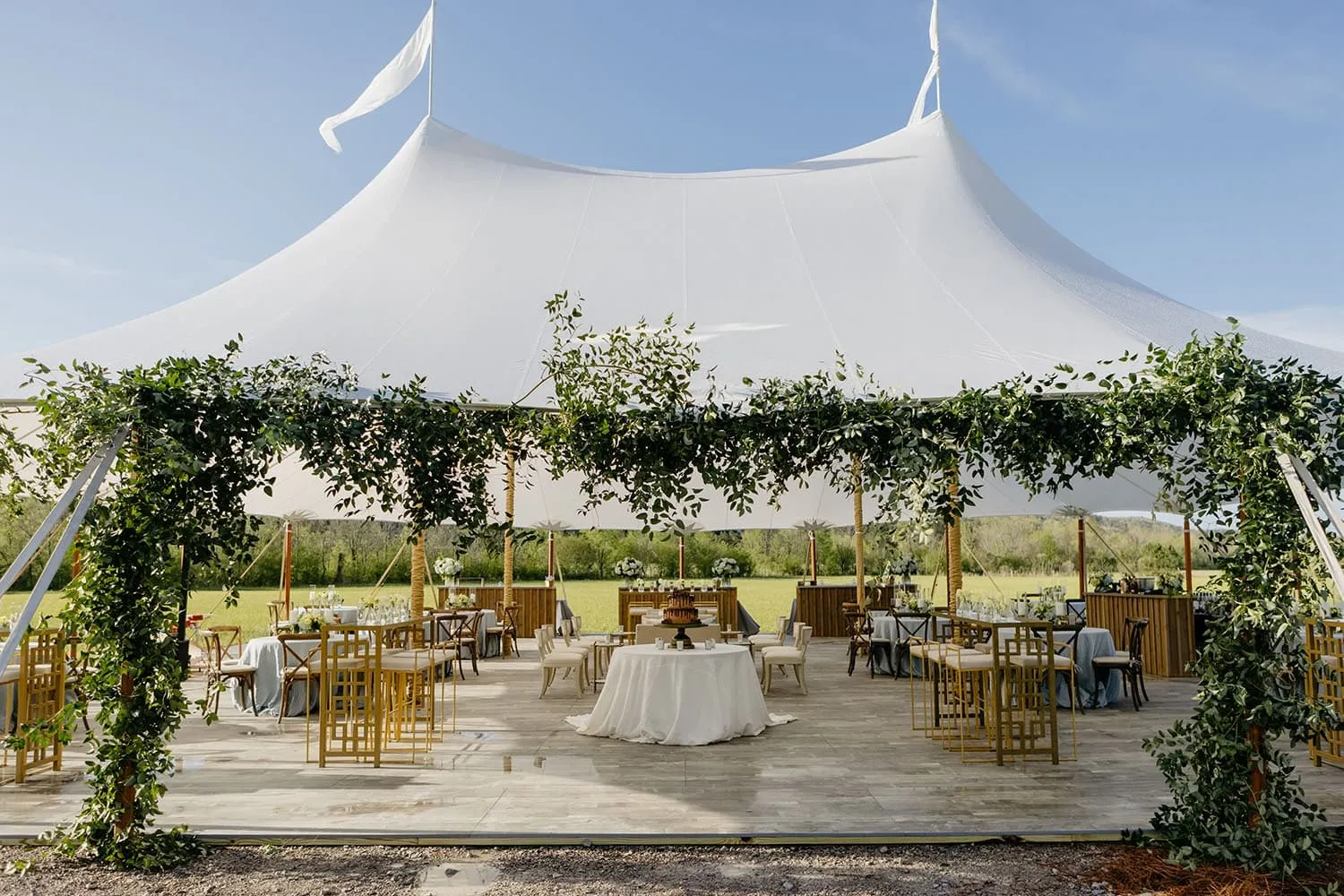
The architectural design is one of the clearest differences between century tents and traditional pole tents. Each structure creates a distinctive atmosphere and influences how the interior can be arranged for seating, décor, entertainment, and guest movement.
Century tents emphasize height, openness, and sophisticated architectural lines. Traditional pole tents provide a more familiar tented appearance, with support poles contributing to their classic character.
High Peaks and Open Interiors of Century Tents
Century tents are recognized for their distinctive high peaks, which draw the eye upward and create an impressive sense of scale. Their open interiors provide event designers with greater flexibility when creating sophisticated layouts and decorative installations.
The additional vertical space can also accommodate dramatic lighting and overhead decorative features. This makes century tents particularly well suited to events where the tent itself is intended to become part of the overall visual experience.
Central Poles and Classic Profiles of Traditional Pole Tents
Traditional pole tents are characterized by central poles that provide structural support and help create their recognizable shape. Their lower peaks and classic profiles produce a more intimate atmosphere than the expansive appearance associated with century tents.
The original source notes that these interior supports can influence sightlines and seating arrangements. Event planners therefore need to incorporate pole locations into the floor plan rather than treating the entire interior as uninterrupted space.
When comparing the visual design of both structures, it is important to consider how architecture will interact with the event’s décor and desired atmosphere. Tent selection should support the event concept rather than simply provide enough covered square footage. Several design characteristics help distinguish the two options.
Century tents: High peaks create a dramatic and sophisticated silhouette.
Traditional pole tents: Lower profiles provide a familiar, classic appearance.
Interior space: Century tents offer greater openness for flexible layouts.
Support poles: Traditional pole tents require layouts that account for central supports.
Overhead décor: Century tents provide vertical space for lighting and decorative features.
Overall atmosphere: Century tents suit upscale designs, while pole tents complement classic and rustic settings.
Century tents: High peaks create a dramatic and sophisticated silhouette.
Traditional pole tents: Lower profiles provide a familiar, classic appearance.
Interior space: Century tents offer greater openness for flexible layouts.
Support poles: Traditional pole tents require layouts that account for central supports.
Overhead décor: Century tents provide vertical space for lighting and decorative features.
Overall atmosphere: Century tents suit upscale designs, while pole tents complement classic and rustic settings.
These architectural distinctions can significantly influence the appearance and functionality of the finished event space.
Which Tent Is Better for Luxury Weddings and Upscale Events?
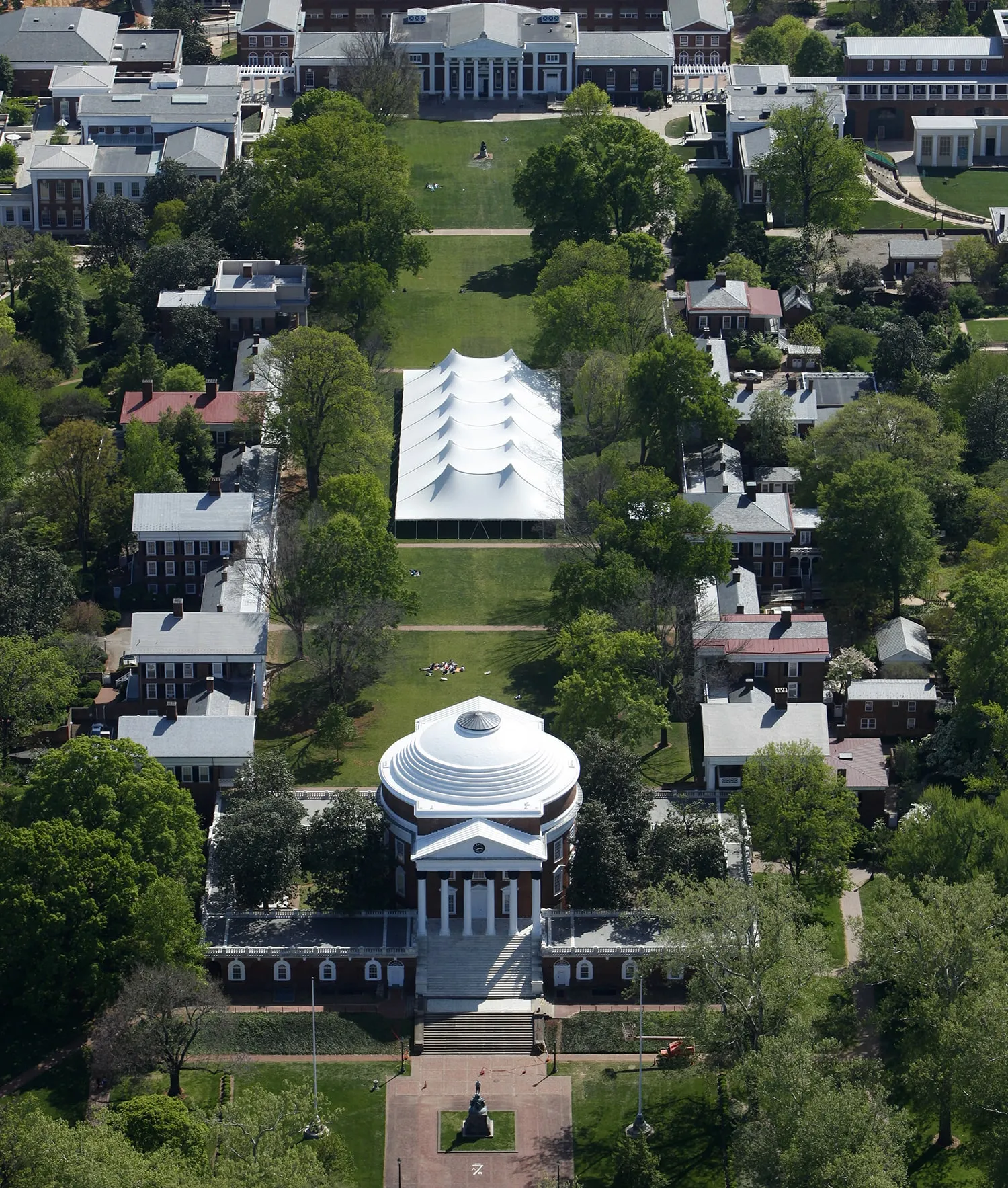
Tent selection becomes particularly important when planning a high-end wedding, corporate gathering, charity gala, or other sophisticated event. The structure needs to complement premium décor while providing sufficient flexibility for guest seating, entertainment, catering, and other event elements.
According to the original content, century tents are especially well suited to luxury events, while traditional pole tents naturally complement more intimate, community-oriented, or rustic occasions.
Why Century Tents Suit High-End Celebrations
Century tents provide an elegant architectural foundation for luxury weddings, gala dinners, and corporate functions. Their spacious interiors can accommodate elaborate décor concepts while the high peaks create opportunities for chandeliers, floral installations, and other statement pieces.
Premium fabrics can also enhance the visual character of the structure and improve light diffusion during daytime celebrations. Their combination of scale and customization makes century tents an appealing option when sophisticated presentation is a priority.
When a Traditional Pole Tent Is the Right Choice
Traditional pole tents have a classic charm that can be particularly effective for festivals, picnics, family reunions, and celebrations with rustic or traditional themes. Rather than providing the contemporary openness of a century tent, they create a familiar atmosphere that can make gatherings feel more intimate.
Their adaptability to different outdoor settings can also make them practical for events where the classic pole-tent aesthetic is an intentional part of the design.
How Century and Pole Tents Affect Event Layout and Guest Flow
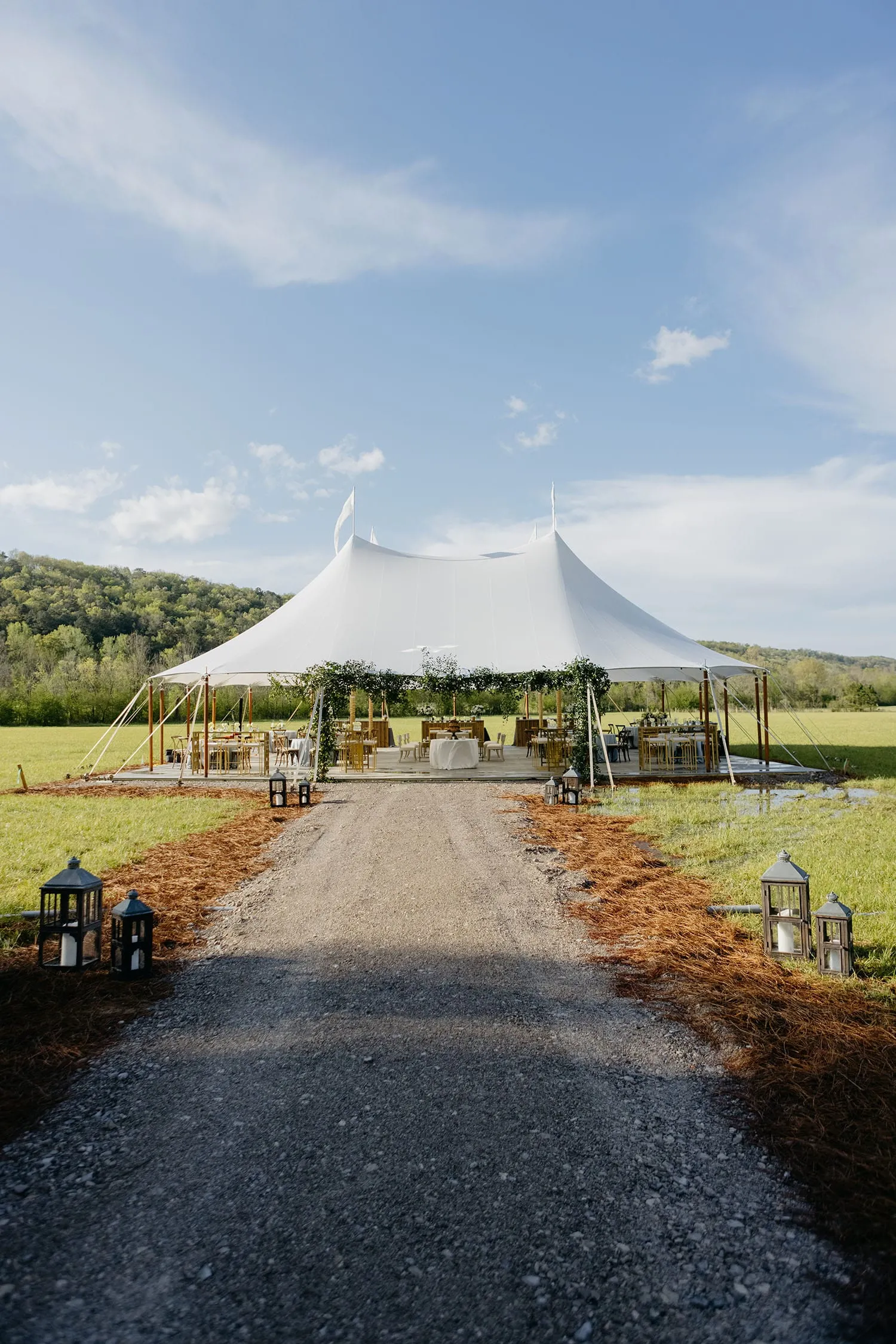
A tent may look impressive from outside, but its interior configuration ultimately determines how comfortably guests can experience the event. Seating arrangements, dance floors, stages, bars, catering stations, and decorative installations all need sufficient space and clear pathways.
Century and traditional pole tents approach this challenge differently. Understanding those differences is especially important when planning larger events or sophisticated layouts with multiple functional areas.
Century Tent Layout Flexibility
The open environment of a century tent provides greater freedom when organizing guest areas. Without interior supports interrupting key locations, planners can create expansive dining configurations and maintain clearer views throughout the venue.
This openness also encourages smoother movement and interaction. Guests can transition between dining areas, bars, dance floors, and entertainment spaces without having to navigate around central support poles.
Planning Around Traditional Pole Tent Supports
Traditional pole tents require more deliberate floor planning because structural supports occupy interior space. Tables, aisles, stages, and other important elements need to be positioned around these poles to maintain sightlines and comfortable circulation.
This does not prevent pole tents from creating functional event spaces. Instead, it means the layout should account for the structure from the beginning of the planning process.
The ideal layout depends on much more than guest capacity alone. Event planners should consider how people will interact with the entire space throughout the celebration. Evaluating these practical details before choosing the tent can prevent compromises later.
Guest seating: Determine how tables will fit around structural elements.
Dance floor placement: Keep entertainment areas easily accessible and visible.
Sightlines: Consider whether interior poles could obstruct important views.
Décor installations: Plan chandeliers, floral features, and overhead decorations early.
Guest circulation: Maintain comfortable pathways between major event areas.
Functional zones: Allocate sufficient room for catering, bars, stages, and lounges.
Guest seating: Determine how tables will fit around structural elements.
Dance floor placement: Keep entertainment areas easily accessible and visible.
Sightlines: Consider whether interior poles could obstruct important views.
Décor installations: Plan chandeliers, floral features, and overhead decorations early.
Guest circulation: Maintain comfortable pathways between major event areas.
Functional zones: Allocate sufficient room for catering, bars, stages, and lounges.
A carefully designed floor plan allows the selected tent to support both the visual concept and practical requirements of the event.
Climate Control and Infrastructure for Century and Pole Tents
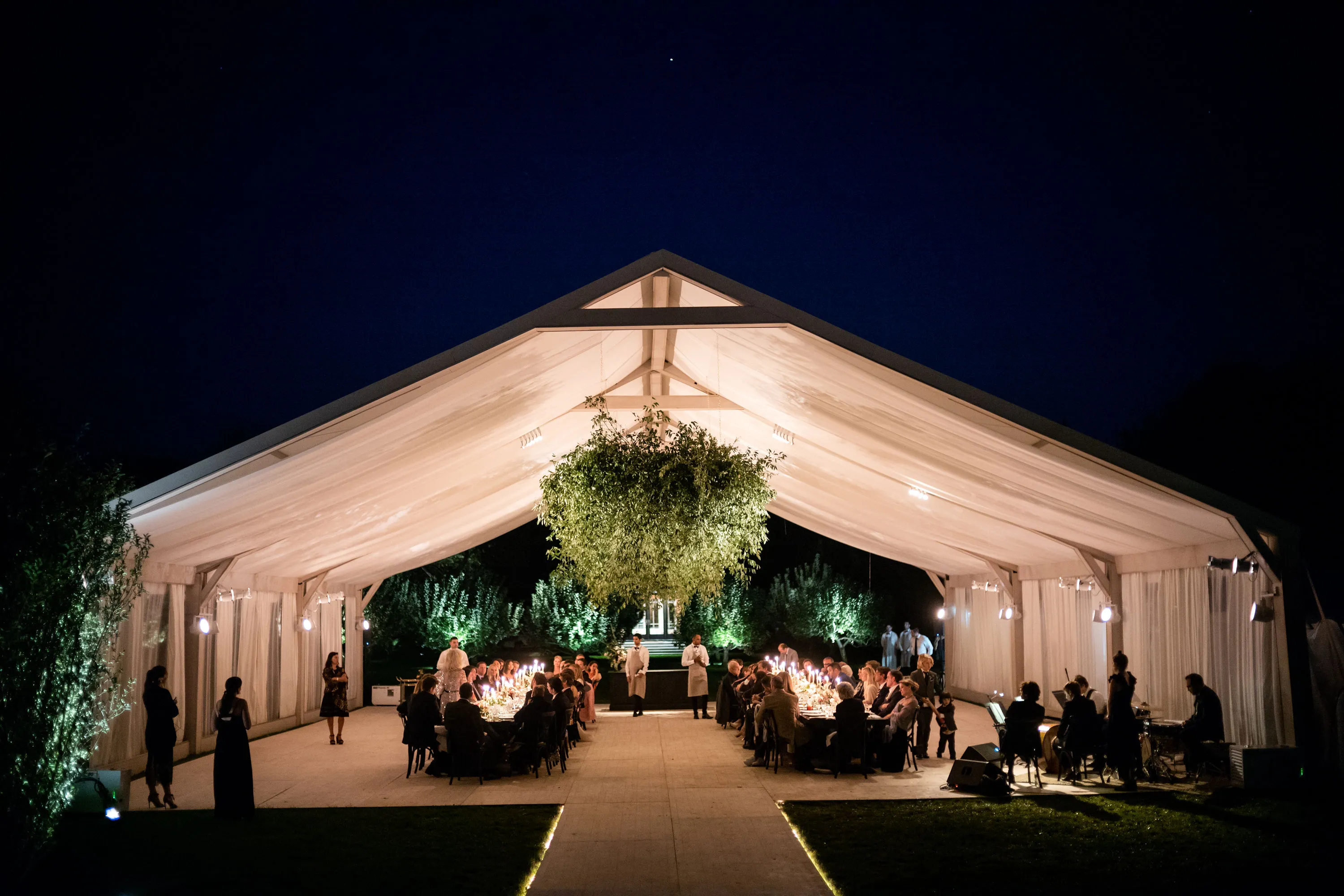
Guest comfort is another important consideration when comparing century tents with traditional pole tents. Outdoor events are influenced by seasonal temperatures and changing weather, making climate management an essential part of planning in many situations.
Both structures can incorporate additional infrastructure, including lighting, heating, cooling, and sidewalls. The appropriate combination depends on the venue, season, event duration, and expected conditions.
Heating, Cooling, and Sidewalls
Portable heaters can provide additional warmth during cooler events, while air-conditioning equipment can improve comfort during hotter conditions. Sidewalls can also help create a more enclosed environment when weather protection is required.
The source emphasizes that planners should assess the specific needs of the venue and guests before choosing climate-control measures. Longer events and periods of changing temperatures may require particularly thoughtful climate planning.
Lighting and Infrastructure for Different Tent Styles
Lighting can dramatically influence the atmosphere inside either structure. The high peaks of century tents provide opportunities for chandeliers and elevated decorative elements, reinforcing the sophisticated character of the space.
Traditional pole tents can also incorporate attractive lighting, but designers need to work with the existing support structure. Heating, lighting, sidewalls, and other infrastructure should therefore be considered alongside tent selection instead of being planned separately.
Site and Installation Differences Between Century and Pole Tents
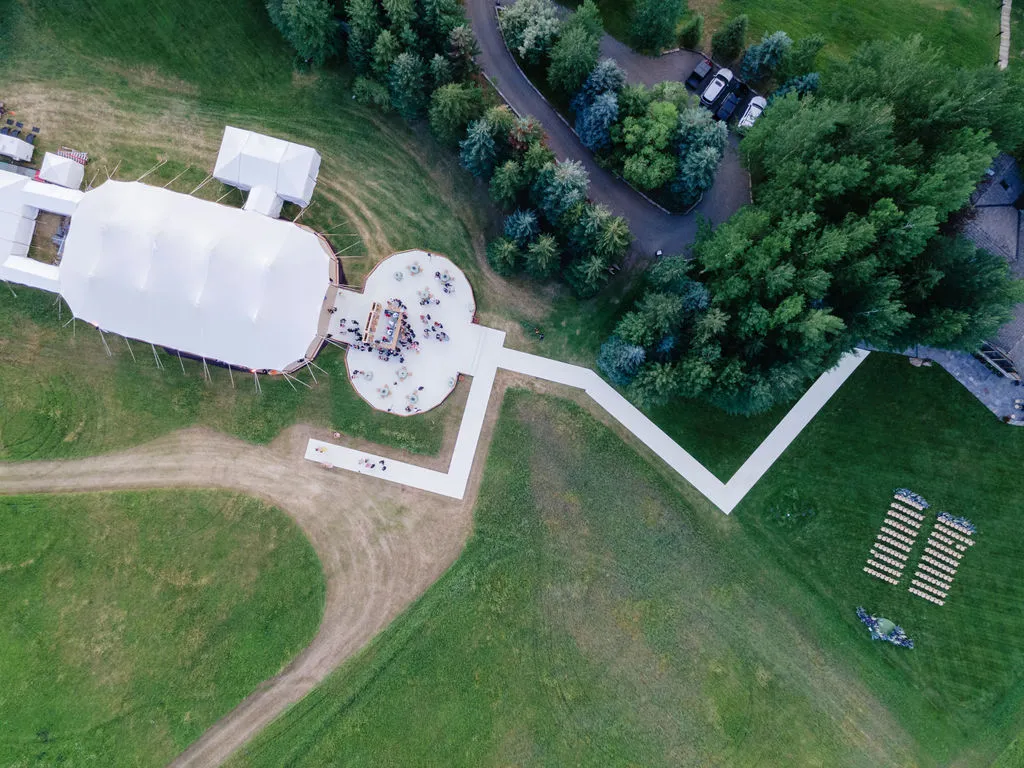
The venue itself can influence whether a century tent or traditional pole tent is the more appropriate option. Terrain, available space, environmental conditions, and installation requirements should all be evaluated before the final structure is selected.
The original article notes that century tents generally benefit from flat, stable ground to support proper tension and stability, while traditional pole tents can adapt to different outdoor surfaces. Weather conditions should also be considered during site assessment and installation planning.
Evaluating the Venue Before Choosing a Tent
A professional site assessment allows planners to identify terrain characteristics and potential installation challenges before setup begins. This can determine whether the desired tent type is compatible with the available event area.
Century tents require careful attention to tension and stability. Pole tents likewise depend on appropriate installation and anchoring, making adequate surrounding space and suitable site conditions important considerations.
Installation and Maintenance During the Event
Tent safety does not end when installation is complete. The original source recommends planning for weather contingencies, following appropriate safety protocols, and conducting maintenance checks during the event.
Tie-downs and structural components should be inspected as needed to ensure the installation continues performing as intended. These checks become particularly important when outdoor conditions change during a long event.
A comprehensive site evaluation should take place before tent size and layout are finalized. The goal is to ensure the chosen structure can be installed properly while still supporting the intended event design. Venue conditions can ultimately determine which option is more practical.
Assess the terrain: Determine whether the installation area is flat and stable.
Measure available space: Account for both the tent footprint and installation requirements.
Review weather conditions: Seasonal conditions may influence setup and infrastructure needs.
Plan anchoring requirements: The tent must be properly secured for the specific site.
Consider guest access: Entrances and circulation routes should remain convenient.
Schedule inspections: Structural and tie-down checks help maintain a properly installed tent.
Assess the terrain: Determine whether the installation area is flat and stable.
Measure available space: Account for both the tent footprint and installation requirements.
Review weather conditions: Seasonal conditions may influence setup and infrastructure needs.
Plan anchoring requirements: The tent must be properly secured for the specific site.
Consider guest access: Entrances and circulation routes should remain convenient.
Schedule inspections: Structural and tie-down checks help maintain a properly installed tent.
Addressing these details early allows the tent structure, venue, and event plan to work together more effectively.
Frequently Asked Questions
What is the main difference between a century tent and a traditional pole tent?
Century tents are characterized by dramatic high peaks and more open interiors, while traditional pole tents use central support poles and typically have a more classic profile. These structural differences affect aesthetics, layouts, sightlines, and décor possibilities.
Are century tents better for luxury weddings?
The original article positions century tents as particularly well suited to high-end weddings, corporate gatherings, and charity galas because of their sophisticated architecture and flexible design possibilities.
What events work well with traditional pole tents?
Traditional pole tents can be effective for festivals, picnics, family reunions, and events seeking a rustic, familiar, or traditional atmosphere.
Can both tent styles use heating and air conditioning?
Yes. The source identifies portable heaters, air-conditioning units, and sidewalls as climate-management options for century and pole tents. The appropriate solution depends on weather, event duration, and venue requirements.
Does the event site affect which tent I should choose?
Yes. Terrain and environmental conditions influence installation requirements. Century tents generally require stable ground for proper tension, while traditional pole tents can adapt to various outdoor surfaces, according to the original content.
Choose the Right Luxury Tent with Skyline Tent Company
Choosing between a century tent and a traditional pole tent comes down to the experience you want to create. Century tents provide dramatic high peaks, open interiors, flexible layouts, and sophisticated design opportunities that make them particularly attractive for luxury weddings, corporate functions, and gala events. Traditional pole tents provide classic character and an intimate atmosphere that can work beautifully for rustic celebrations, festivals, and community-oriented gatherings.
The right choice should also account for your venue, guest count, décor, event layout, climate-control requirements, terrain, and seasonal conditions. Evaluating these factors before installation helps ensure the structure supports both the visual vision and practical needs of your event.
Skyline Tent Company can help you select a premium tent structure tailored to your event and venue. Contact Skyline Tent Company today to discuss your celebration and explore the century tent, traditional pole tent, and event infrastructure options that can transform your outdoor space into an exceptional setting for your guests.