
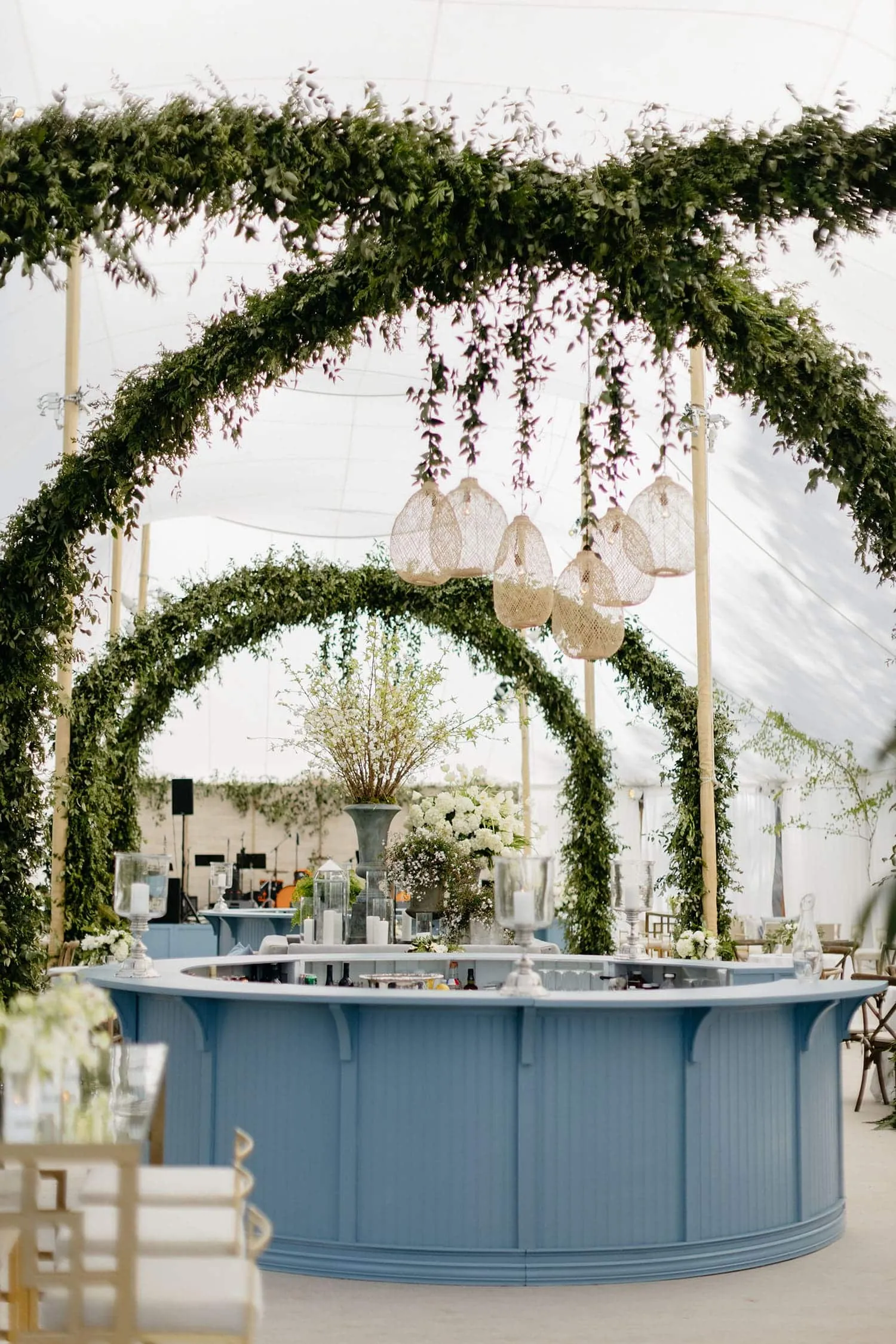
Bars and service stations in a wedding tent should be arranged to support smooth guest flow, minimize wait times, and maintain a balanced, accessible layout. The most effective setups distribute service points throughout the space, position bars near key activity areas, and maintain clear pathways for both guests and staff. When thoughtfully planned, these elements create an environment that feels effortless, social, and well-organized from start to finish.
A tented wedding relies heavily on layout because every functional element must be intentionally placed, which is why many planners begin with a complete tent guide before designing reception flow. Unlike traditional venues, there is no predefined structure guiding guest movement. Bars and service stations become central points that influence how guests interact, gather, and transition throughout the event.
Designing a Layout That Supports Guest Flow and Accessibility
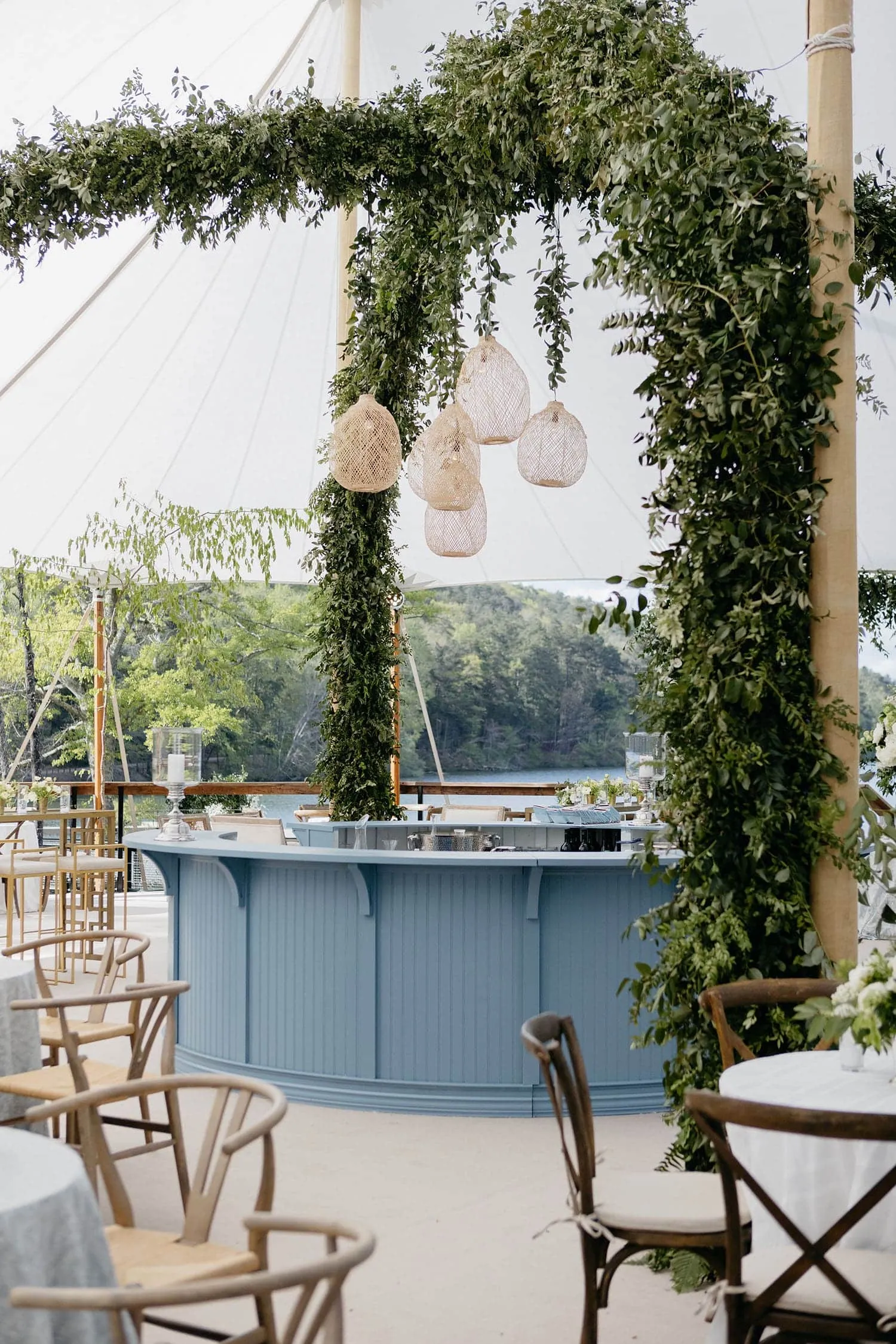
An effective tent layout begins with understanding how guests will move through the space, especially when planning guest flow layouts for larger receptions. Bars and service stations should enhance this movement rather than interrupt it. This requires a deep understanding of guest behavior patterns and the natural gathering points within the tent. By mapping out these areas in advance, planners can create a flow that feels intuitive and welcoming.
A well-structured layout creates clarity, reduces congestion, and ensures that every area of the tent remains accessible. It also allows staff to perform their duties efficiently, moving between stations and guest areas without obstruction. The balance between guest comfort and operational needs is essential to maintaining a smooth event rhythm.
Creating Clear Circulation Paths Throughout the Tent
Circulation paths are the foundation of any successful layout. These pathways connect entrances, seating areas, dance floors, and service points. Thoughtful design of these routes ensures that guests can navigate the space with ease, avoiding confusion or bottlenecks.
Wide, unobstructed walkways allow guests to move comfortably without interfering with others. These paths should feel intuitive, guiding guests naturally between different parts of the event. Incorporating visual cues such as lighting, signage, or subtle floor treatments can further enhance wayfinding and encourage smooth movement.
Primary walkways should remain clear at all times, while secondary paths can lead guests toward bars, food stations, and lounge areas. This layered approach helps distribute movement evenly across the space. It also creates opportunities for guests to discover different zones within the tent, enriching their overall experience.
Balancing Accessibility With Aesthetic Design
Accessibility should be integrated into the layout without compromising the visual design. Service stations must be easy to reach for all guests, including those with mobility considerations. This means ensuring that pathways are wide enough for wheelchairs and that surfaces are stable and slip-resistant.
Thoughtful placement ensures that guests do not need to navigate crowded or narrow areas to access essential services. This improves comfort and reduces frustration during peak moments. Incorporating ramps, handrails, and clear signage can further enhance accessibility and demonstrate a commitment to inclusivity.
At the same time, these functional elements should align with the overall design, blending seamlessly into the aesthetic of the tent. Using materials, colors, and décor that complement the event theme helps maintain a cohesive look while serving practical needs.
Strategic Bar Placement to Reduce Congestion
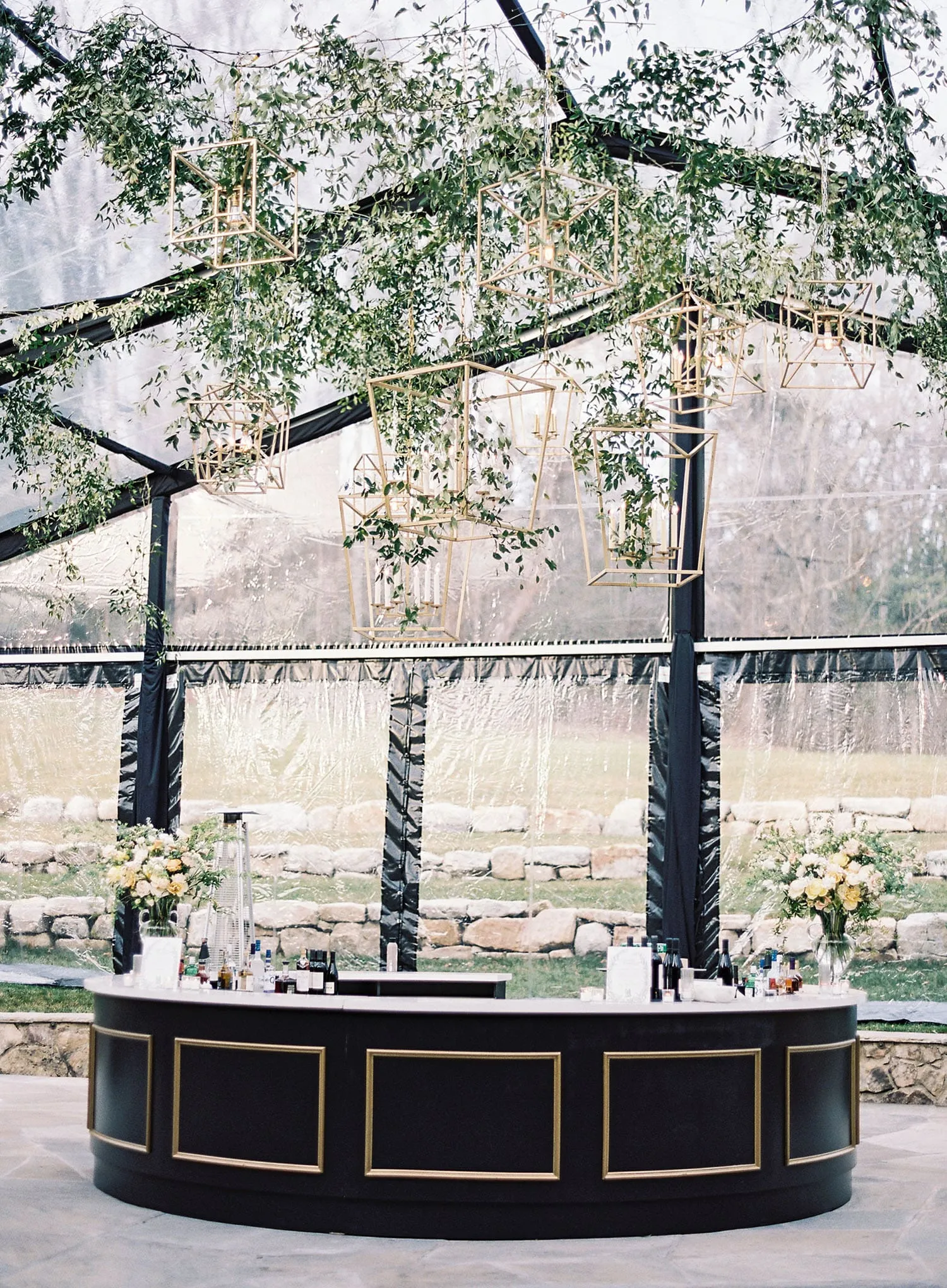
Bars are one of the most active areas within a wedding tent. Their placement has a direct impact on guest flow and overall energy. A well-placed bar can become a social hub, encouraging mingling and enhancing the festive atmosphere. Read more in How Do You Create A Romantic Atmosphere Inside A Wedding Tent.
Positioning bars strategically helps distribute guests evenly and prevents overcrowding in any single area. This not only improves the guest experience but also allows bartenders to work more efficiently, reducing wait times and maintaining service quality.
Positioning Bars Near Key Activity Areas
Bars should be placed near areas where guests naturally gather, such as near the dance floor or along main circulation paths. This encourages consistent use without creating isolated zones. Proximity to these areas also keeps the energy flowing, as guests can easily grab a drink and return to socializing or dancing.
When bars are visible and easy to access, guests can approach them without hesitation. This reduces clustering and helps maintain steady movement throughout the event. Visibility can be enhanced through lighting, signage, or distinctive design elements that draw attention without overwhelming the space.
Placing bars slightly offset from main pathways allows guests to queue without blocking circulation. This subtle separation helps maintain clear walkways and prevents frustration caused by blocked routes.
Using Multiple Bars to Distribute Demand
For larger weddings, a single bar is rarely sufficient. Distributing multiple bars throughout the tent helps reduce wait times and improves service efficiency. This approach also encourages guests to explore different areas of the tent, creating a more dynamic and engaging environment.
Key considerations include:
- Positioning bars in different zones of the tent
- Offering simplified menus at secondary stations
- Aligning bar placement with guest movement patterns
Multiple service points allow guests to access beverages without traveling long distances or waiting in extended lines. This convenience enhances guest satisfaction and keeps the event atmosphere lively.
This approach also creates a more dynamic environment, encouraging guests to explore different areas of the tent. It can foster smaller social clusters and reduce the pressure on any single area, contributing to a more balanced and enjoyable experience for everyone.
Designing Service Stations for Efficiency and Convenience
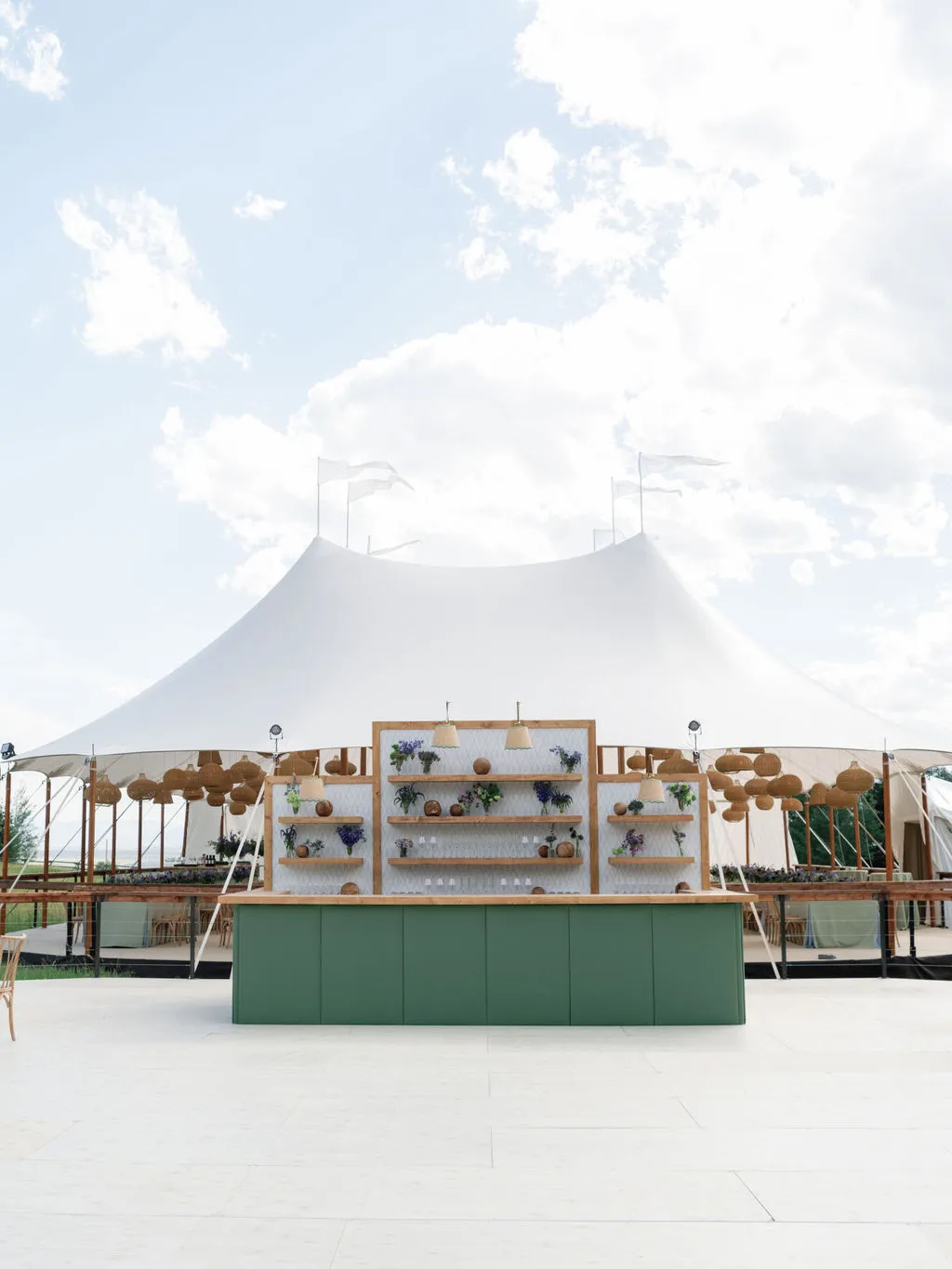
Service stations play a critical role in maintaining the flow of the event. Their design and placement should prioritize both accessibility and operational efficiency. Stations that are easy to find and use help guests feel comfortable and cared for throughout the celebration.
Well-positioned stations reduce congestion and allow guests to move through the space with ease. They also support staff in delivering timely service, which is essential for maintaining the event’s momentum and guest satisfaction.
Types of Essential Service Stations
Wedding tents typically include a range of service stations that support both guest experience and event operations. Each type serves a specific purpose and requires tailored design considerations. We cover this further in Luxury Garden & Botanical Garden Wedding Tents.
Common stations include:
- Food and catering stations that accommodate different service styles
- Beverage and hydration stations placed throughout the tent
- Guest comfort areas such as lounge spaces or refreshment points
Each station should be designed with enough space for both guests and staff to operate comfortably. This includes allowing room for queuing, preparation, and replenishment without interfering with guest movement.
Providing variety in station placement helps distribute activity and prevents crowding in one location. It also offers guests multiple options for refreshments and relaxation, enhancing their overall experience.
Positioning Stations for Balanced Guest Access
Service stations should be distributed evenly across the tent to minimize travel distance for guests. Placing all stations in one area often leads to congestion and uneven use of space. Balanced distribution encourages guests to move throughout the tent, creating a more engaging and interactive environment. You may also find When Should You Book A Wedding Tent For A Summer Wedding helpful.
Stations positioned near seating areas, transitions, and secondary pathways allow guests to access services without disrupting main circulation routes. This thoughtful placement supports a natural flow and reduces the likelihood of bottlenecks.
Balanced placement ensures that every part of the tent remains active and accessible, contributing to a more cohesive experience. It also allows staff to manage their responsibilities more effectively, improving overall service quality.
Optimizing Guest Flow Around Bars and Service Areas
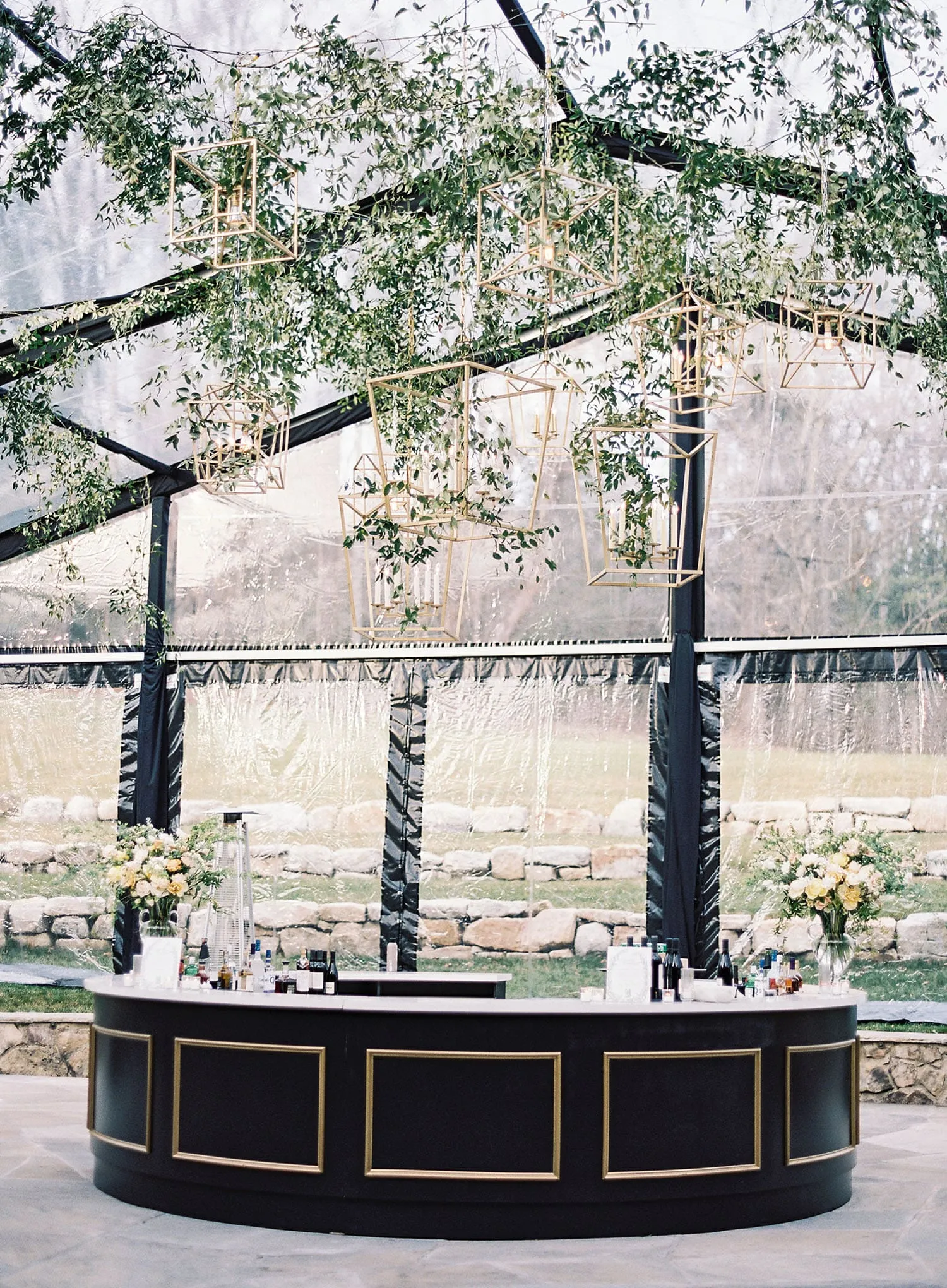
Managing guest flow is essential to maintaining a comfortable and efficient environment, particularly when combining ceremony and reception spaces within one tented venue. Bars and service stations should be arranged to support continuous movement. This careful orchestration helps prevent frustration and keeps the event atmosphere positive and lively.
A well-optimized layout reduces bottlenecks and enhances the overall rhythm of the event. It allows guests to enjoy the celebration without feeling crowded or rushed, contributing to a memorable experience.
Managing Queue Space and Movement Patterns
Queues should be anticipated and accommodated within the layout. Providing adequate space in front of bars and stations prevents lines from spilling into walkways. This foresight helps maintain clear circulation and reduces guest stress.
Queue areas should feel organized rather than crowded. This can be achieved through spacing, subtle design cues, or positioning that naturally guides guests. For example, using ropes, plants, or furniture to delineate queue boundaries can create a sense of order and comfort.
Planning for peak moments, such as immediately after the ceremony or during transitions, helps maintain efficiency. Temporary adjustments or additional staff during these times can further smooth flow and enhance guest satisfaction.
Using Layout Design to Prevent Bottlenecks
Bottlenecks often occur when multiple functions overlap in the same area. Separating high-traffic elements helps maintain flow. This separation allows guests to move freely and reduces the risk of congestion-related delays.
Effective strategies include:
- Keeping bars slightly removed from main entrances
- Avoiding placement near narrow pathways
- Ensuring multiple access points where possible
These design decisions allow guests to move freely without congestion, even during busy periods. They also contribute to a more relaxed and enjoyable atmosphere, where guests can focus on celebrating rather than navigating crowds.
Adapting Bar and Service Layouts to Tent Size and Configuration
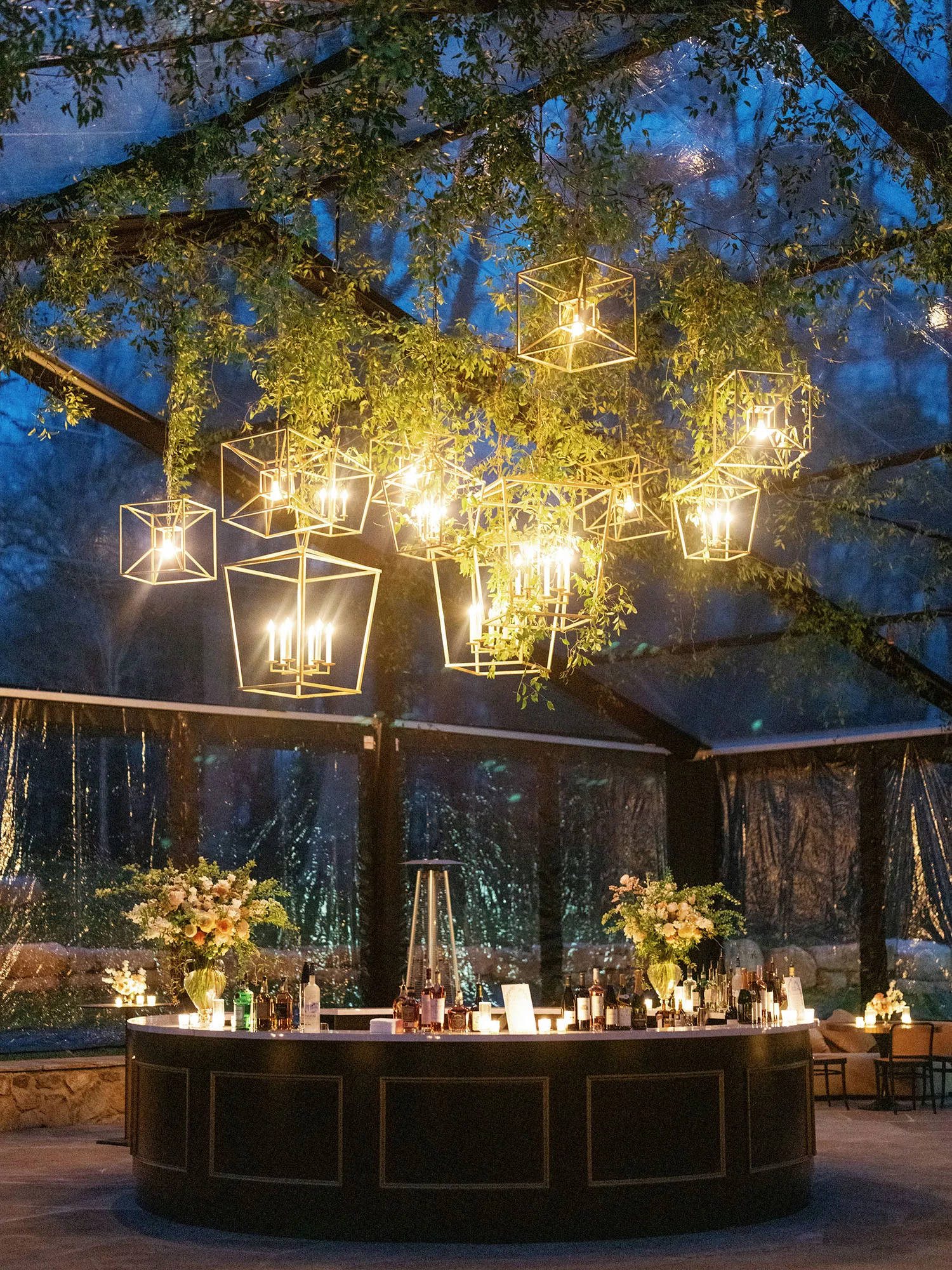
The size and structure of the tent directly influence how bars and service stations can be arranged. Larger tents offer more flexibility, while smaller tents require more precise planning. Understanding these differences is key to creating a layout that feels both functional and inviting.
Understanding these constraints ensures that the layout remains functional regardless of scale. It also allows planners to tailor the guest experience to the unique characteristics of each event space.
Adjusting Layouts for Different Tent Sizes
In smaller tents, space must be used efficiently. Multi-functional stations and compact layouts help maximize usability without overcrowding. Creative solutions such as combining beverage and food stations or using foldable furniture can optimize limited space.
Larger tents allow for more distributed layouts, with multiple bars and service stations positioned across different zones. This creates a more dynamic and balanced environment. It also provides opportunities to design distinct areas within the tent, such as quiet lounges or lively dance zones, enhancing the overall guest experience.
Scaling the layout appropriately ensures that the tent feels proportional to the guest count. This proportionality helps maintain comfort and prevents the space from feeling either too sparse or overly crowded.
Leveraging Flexible Tent Designs for Better Flow
Modern tent designs provide flexibility that can enhance layout planning. Open interiors allow for creative arrangements that support both aesthetics and functionality. This adaptability is especially valuable when accommodating last-minute changes or unique event requirements.
Movable elements, modular layouts, and adaptable configurations make it easier to refine the space during setup. These features enable planners to experiment with different arrangements and select the one that best supports guest flow and service efficiency.
This flexibility allows planners to respond to real-time needs and ensure that the final layout supports both guest experience and operational efficiency. It also encourages innovation in event design, resulting in memorable and personalized celebrations.
Frequently Asked Questions
How many bars should a wedding tent have?
The number depends on guest count and layout, but multiple bars are often needed for larger weddings to reduce wait times.
Where should bars be placed inside a wedding tent?
Bars should be positioned near high-traffic areas while remaining slightly offset from main pathways to avoid congestion.
What is the most important factor in arranging service stations?
Accessibility and balanced placement are key to ensuring smooth guest flow and efficient service.
Conclusion
Arranging bars and service stations inside a wedding tent requires careful planning to balance accessibility, efficiency, and guest experience. When these elements are positioned thoughtfully, the entire event flows naturally, creating a space that feels both organized and inviting. The success of a tented wedding often hinges on these details, as they shape how guests interact with the environment and with each other throughout the celebration.
Skyline Tent Company designs tent environments that support seamless layouts and elevated guest experiences. Schedule your private consultation to create a wedding space where every detail is placed with purpose and precision. See real Skyline weddings in our wedding galleries.