
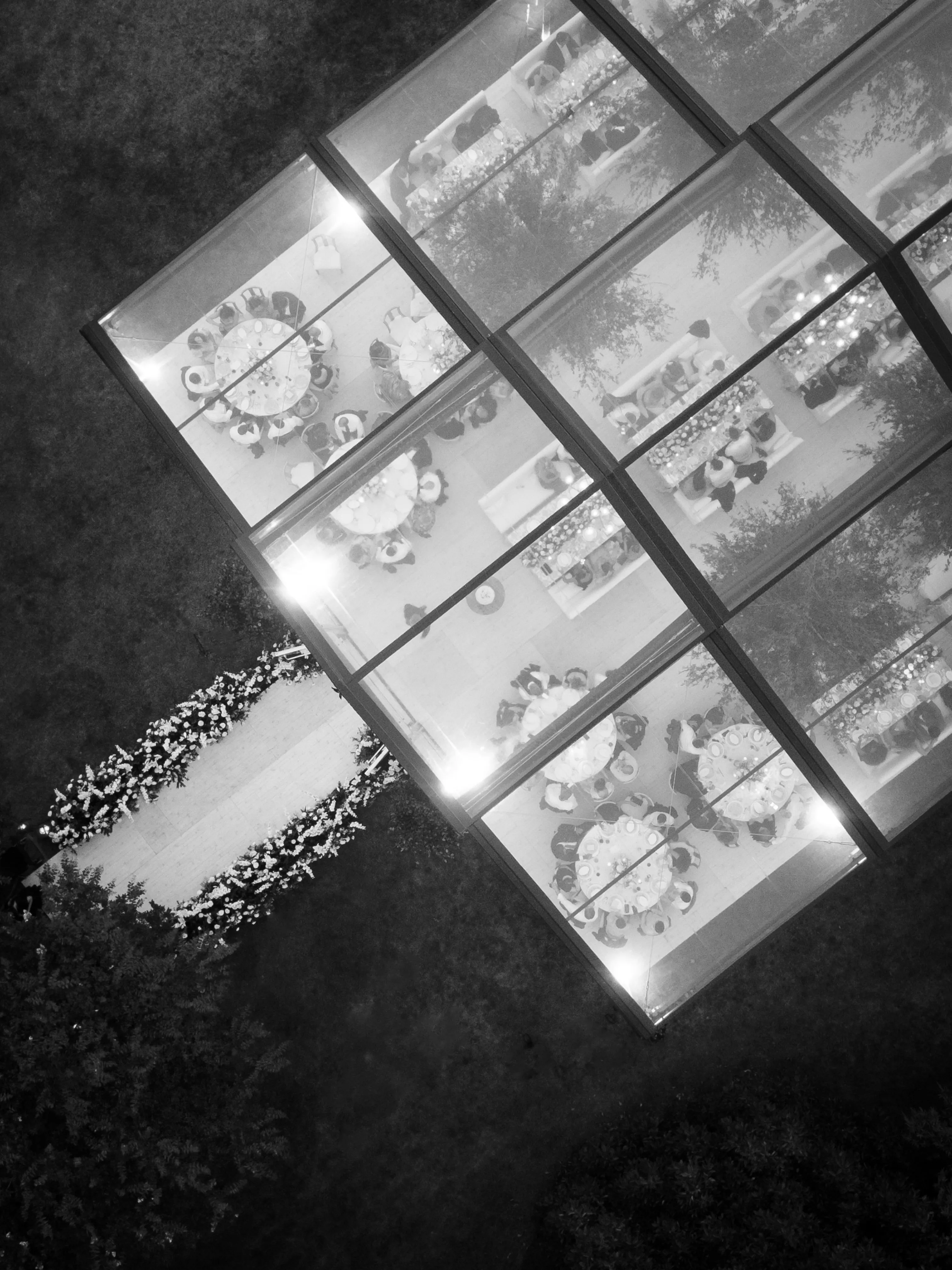
Outdoor weddings offer a beautiful setting, but cooler temperatures can quickly affect guest comfort if heating is not planned correctly. A well-heated wedding tent allows guests to enjoy the celebration throughout the ceremony, dinner, and reception while maintaining the elegant atmosphere couples envision. Rather than simply adding heaters, successful temperature control requires thoughtful planning that considers tent design, guest capacity, insulation, ventilation, and equipment placement.
Every wedding venue presents different challenges. Open fields, waterfront properties, gardens, and vineyards each experience unique weather conditions that influence how heat moves throughout the tent. Selecting appropriate heating equipment, retaining warmth efficiently, and integrating climate-control systems with the overall event design creates a comfortable environment without compromising aesthetics.
This guide explores practical heating solutions, safety considerations, and planning strategies that help couples and event planners create warm, inviting wedding tents while preserving the elegance expected from a luxury outdoor celebration.
Choosing the Right Heating System for an Outdoor Wedding Tent
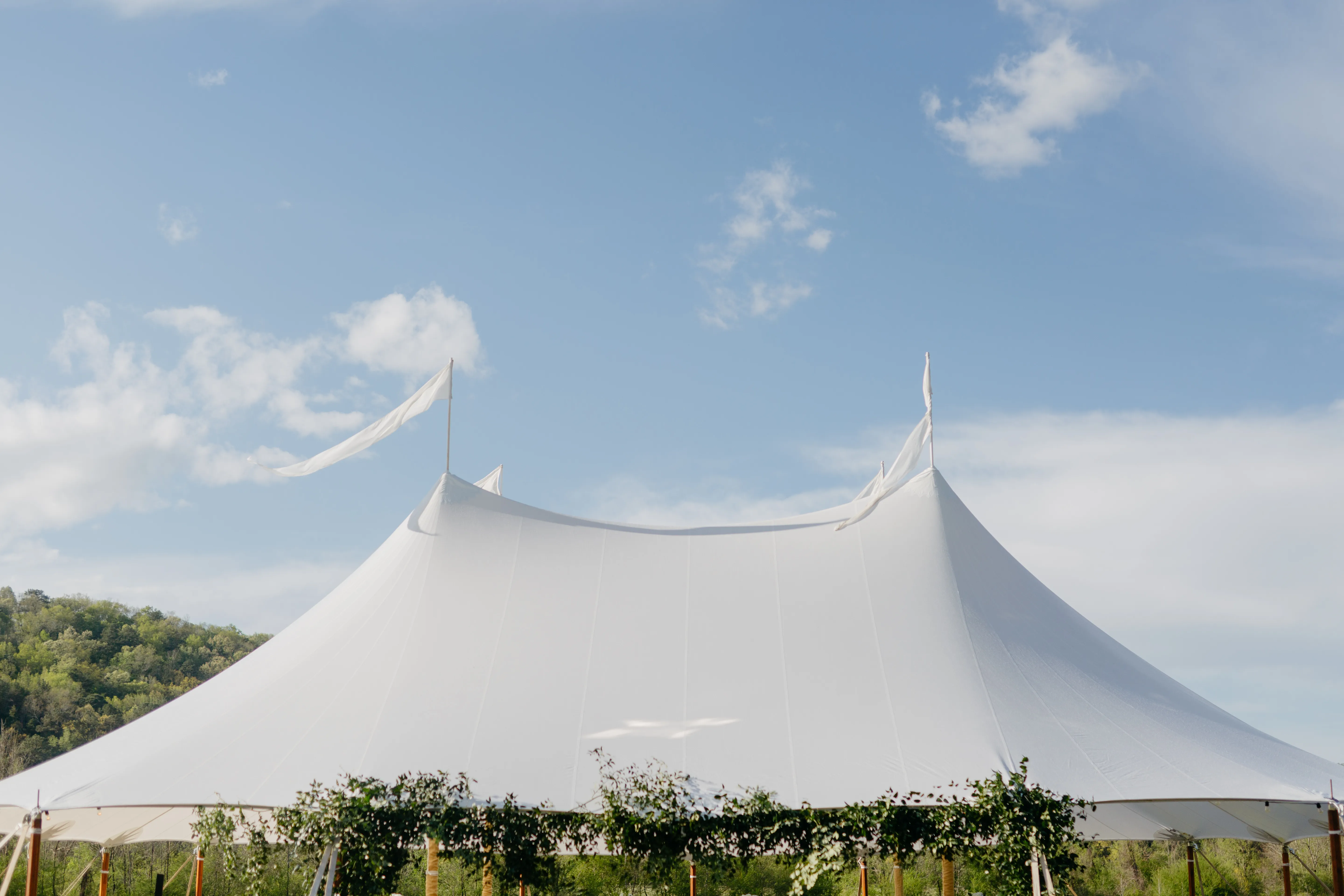
Every heating solution performs differently depending on the tent size, outdoor temperature, guest count, and event layout. Selecting equipment should never be based solely on heat output. The ideal system should provide consistent warmth, operate safely, and integrate naturally into the overall event design.
Proper heating begins by understanding how each system functions and where it performs best. Some heaters warm the surrounding air, while others provide direct radiant heat to people and furnishings. Matching the heating method to the venue and tent structure improves efficiency while reducing unnecessary energy consumption.
Selecting the Best Heater for Your Wedding Tent
Modern outdoor weddings commonly use indirect-fired heaters, electric convection heaters, or radiant heating systems. Each option offers unique advantages depending on the venue and expected weather conditions. Indirect-fired heaters are often preferred for enclosed tents because they produce clean, indirect heat while keeping combustion outside the guest area. Electric heaters provide quiet operation and blend easily into elegant event settings, while radiant heaters create immediate warmth by heating surfaces and guests directly rather than warming the surrounding air.
Before selecting a heating system, planners should evaluate several important factors to ensure the equipment matches the event’s requirements.
Planning considerations include:
Tent size and overall interior volume
Expected outdoor temperature during the event
Number of guests and seating arrangement
Availability of electrical power or fuel sources
Tent size and overall interior volume
Expected outdoor temperature during the event
Number of guests and seating arrangement
Availability of electrical power or fuel sources
Considering these factors together helps prevent underpowered heating systems while avoiding oversized equipment that increases operating costs or creates uneven temperatures throughout the venue.
Professional rental companies can also recommend equipment based on previous installations in similar environments, making it easier to select a system that performs reliably throughout the event.
Distributing Heat Evenly Throughout the Tent
Generating heat is only part of the solution. Maintaining consistent temperatures throughout the tent requires proper airflow and thoughtful equipment placement. Without careful planning, guests seated near heaters may become too warm while others experience uncomfortable cold spots.
Heating equipment should be positioned to support natural air circulation and avoid directing excessive heat toward one location. Larger wedding tents often benefit from ducted heating systems that distribute warm air evenly across the venue instead of concentrating heat in isolated areas. Strategic placement near entrances can also reduce temperature loss when guests enter or leave the tent.
Insulation plays an equally important role in maintaining warmth. Choosing between clear and solid tent sidewalls, along with enclosed entry vestibules and raised flooring, can reduce heat loss while improving the efficiency of the heating system. High-quality tent fabrics also contribute to better temperature retention, allowing heaters to operate more effectively with lower energy consumption.
Prioritising Safety When Heating an Outdoor Wedding Tent
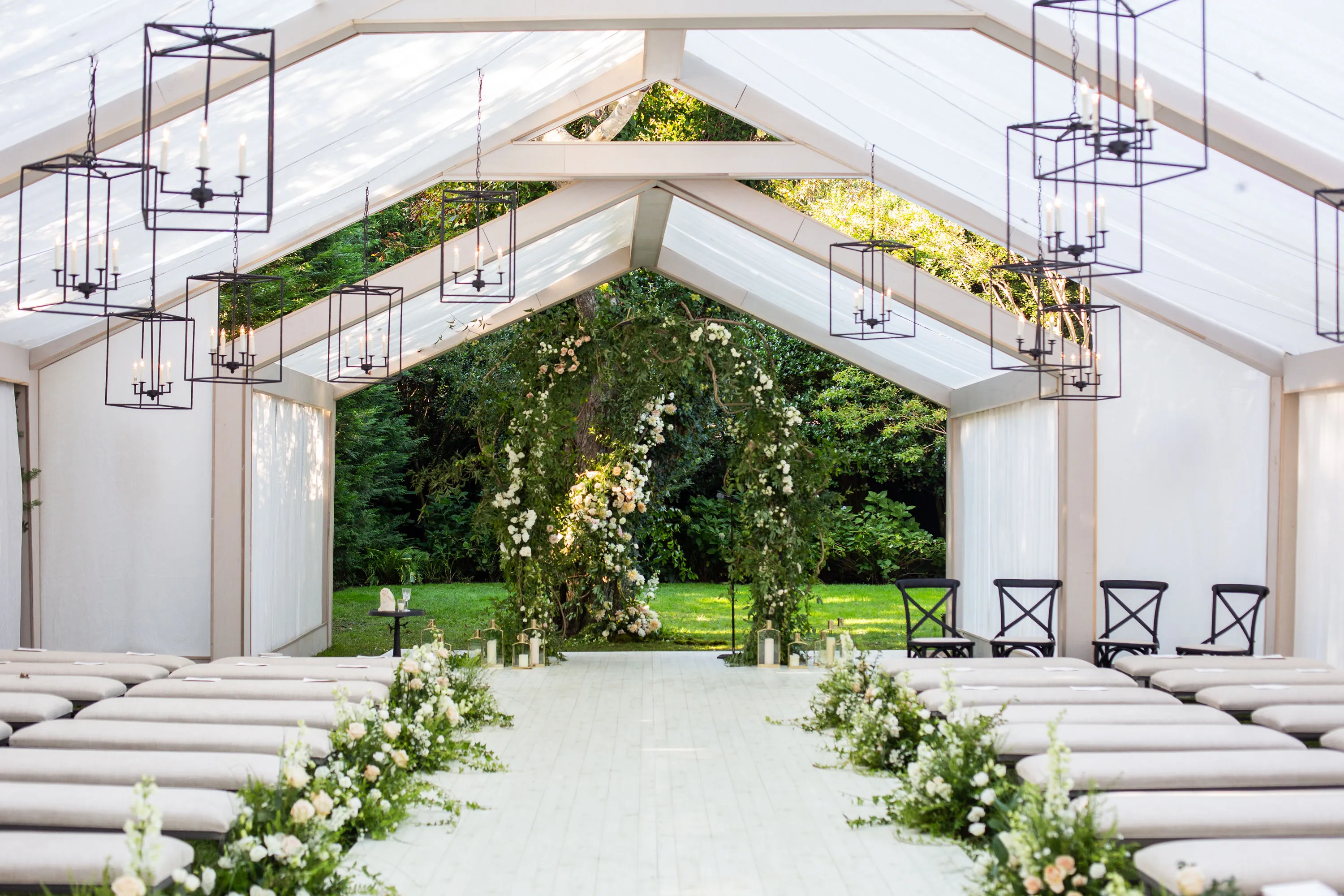
A beautifully heated wedding tent should never compromise guest safety. Heating equipment introduces additional considerations that must be addressed before the event begins, including ventilation, equipment positioning, and ongoing monitoring. Careful planning helps prevent accidents while ensuring guests remain comfortable from the ceremony through the final dance.
Professional installation and regular inspections significantly reduce potential risks. When heating systems are integrated into the overall event plan rather than added at the last minute, they perform more efficiently and provide a safer environment for everyone attending the celebration.
Maintaining Proper Ventilation and Air Quality
Even during colder weather, ventilation remains essential for maintaining a safe and comfortable environment inside a wedding tent. Fresh airflow prevents the buildup of heat, moisture, and harmful gases while helping guests remain comfortable throughout the event. You may also find The Best Tent Materials for Ultimate Weather Protection helpful.
Proper ventilation becomes particularly important when fuel-powered heating equipment is used. Carbon monoxide is colourless and odourless, making ventilation and monitoring critical safety measures. Many professional event planners install carbon monoxide detectors alongside heating systems to provide continuous monitoring throughout the celebration.
To improve ventilation and overall air quality, planners should consider:
Maintaining controlled airflow through designated openings
Installing carbon monoxide detectors where appropriate
Avoiding blocked air intake or exhaust areas
Monitoring indoor temperature and humidity during the event
Maintaining controlled airflow through designated openings
Installing carbon monoxide detectors where appropriate
Avoiding blocked air intake or exhaust areas
Monitoring indoor temperature and humidity during the event
Maintaining balanced airflow also prevents condensation from forming inside the tent, protecting décor, flooring, and furniture while improving guest comfort throughout the evening.
Safe Heater Placement and Professional Installation
The location of heating equipment has a direct impact on both safety and heating performance. Heaters should always be positioned away from decorative fabrics, floral installations, furniture, and busy walkways where accidental contact could occur.
Professional installers understand local safety regulations and manufacturer guidelines, ensuring heating systems operate efficiently while meeting all required safety standards. They also determine appropriate clearances around equipment and verify that electrical or fuel connections are installed correctly before guests arrive.
Routine inspections before and during the event help identify potential issues before they become larger problems. Event staff should know the location of fire extinguishers, emergency shut-off controls, and access routes to heating equipment if adjustments become necessary.
Creating an Elegant and Comfortable Wedding Atmosphere
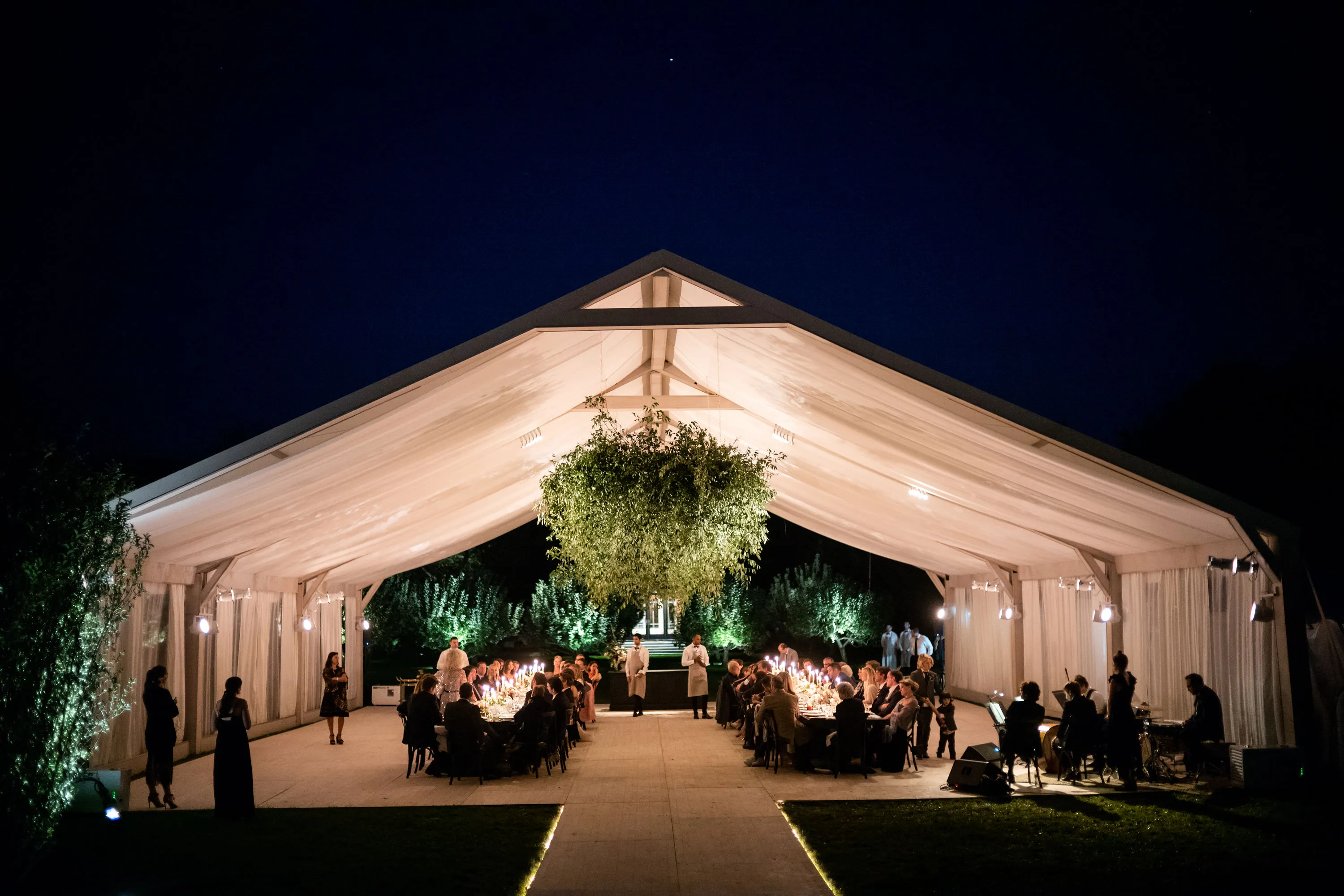
Heating systems should enhance the wedding experience rather than become noticeable pieces of equipment scattered throughout the venue. Luxury outdoor weddings combine climate control with thoughtful design choices that maintain visual appeal while creating a warm and inviting environment.
When heating, lighting, décor, and guest amenities work together, the tent feels naturally comfortable without drawing attention to the equipment responsible for maintaining the temperature.
Integrating Heating with Wedding Décor
Modern heating equipment is available in designs that blend seamlessly into upscale event spaces. Discreet heater placement allows the décor to remain the visual focal point while still delivering consistent warmth throughout the venue.
Event designers often position heaters behind floral arrangements, decorative partitions, or tent support structures where they remain accessible without disrupting the overall aesthetic. This approach preserves elegant sightlines while ensuring efficient heat distribution. You may also find Why Portable Heat Is Essential for Tent Rentals helpful.
Design elements that complement heating systems include:
Neutral-coloured heater enclosures that blend with décor
Decorative partitions that conceal technical equipment
Elegant tent draping that maintains proper safety clearances
Coordinated layouts that maximise both comfort and visual balance
Neutral-coloured heater enclosures that blend with décor
Decorative partitions that conceal technical equipment
Elegant tent draping that maintains proper safety clearances
Coordinated layouts that maximise both comfort and visual balance
Careful planning ensures heating equipment supports the event design instead of competing with it.
Enhancing Guest Comfort Beyond Heating
Temperature is only one part of creating a memorable guest experience. Small details often make the greatest difference once evening temperatures begin to fall.
Providing thoughtful comfort amenities encourages guests to relax and enjoy the celebration for longer periods without feeling the effects of cooler outdoor conditions. Warm blankets placed around lounge areas, heated seating zones, and beverage stations serving hot chocolate, coffee, cider, or mulled wine all contribute to a welcoming atmosphere.
Lighting also plays an important role in reinforcing the feeling of warmth. Cozy lighting for fall wedding tents, including soft amber lighting, chandeliers, candles, and decorative string lights, can complement the physical comfort provided by the heating system. Together, these elements transform an outdoor tent into an elegant venue where guests remain comfortable throughout the entire celebration.
Selecting the Best Tent Structure for Efficient Heating
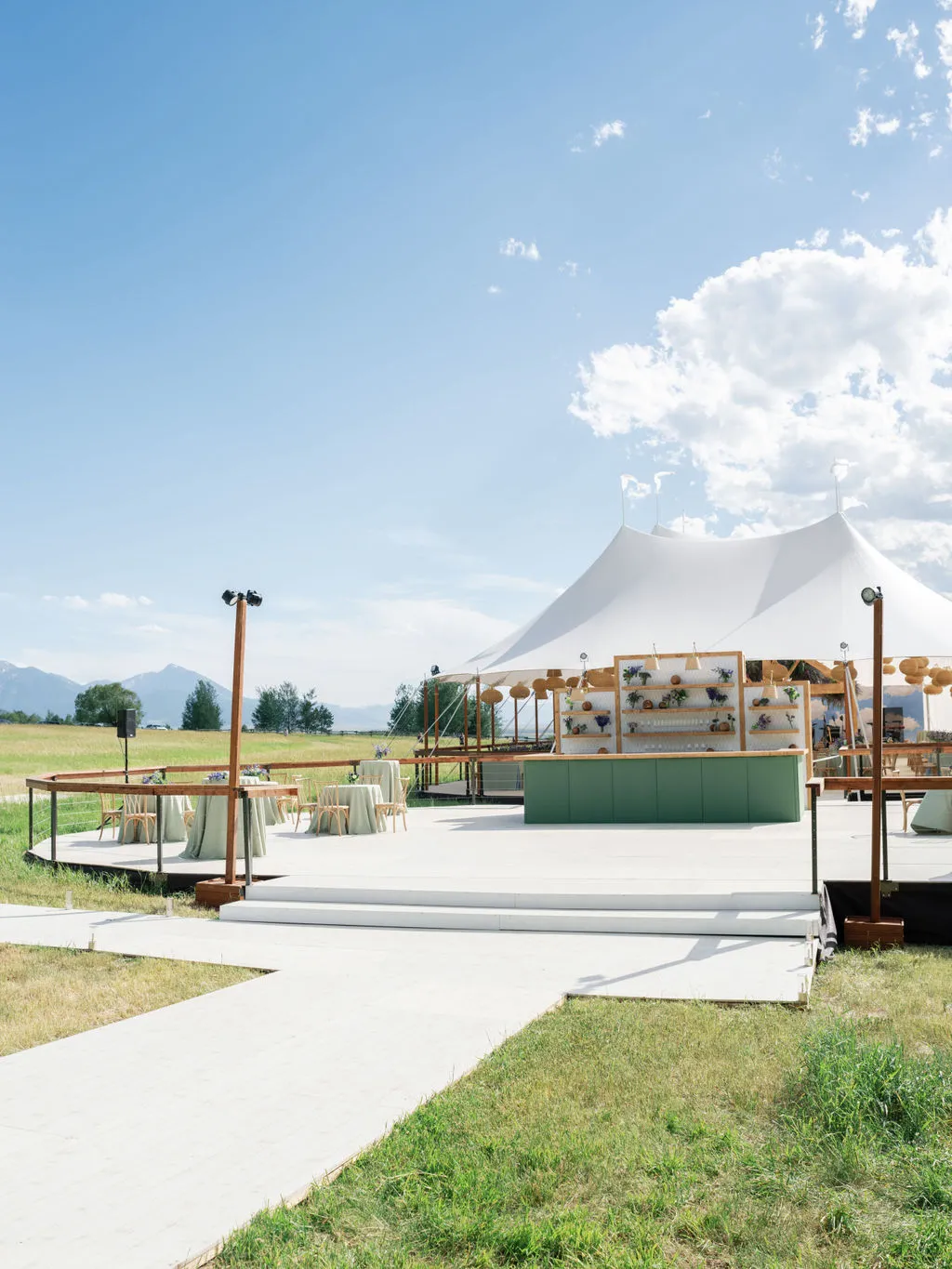
Not every wedding tent performs the same when it comes to retaining heat. The design of the structure, the materials used, and the overall layout all influence how effectively warm air circulates throughout the venue. Choosing a tent that supports efficient climate control helps reduce energy consumption while maintaining a consistently comfortable environment for guests. We cover this further in Climate Controlled Tents: Beating the Summer Heat at Your Event.
Luxury tent structures are designed to accommodate heating systems without compromising aesthetics or functionality. Understanding the strengths of each tent style allows couples and event planners to make informed decisions based on the season, guest count, and venue conditions.
Comparing Clearspan, Frame, and Sailcloth Tents
Each tent style offers different advantages when heating an outdoor wedding. The ideal choice depends on the event’s size, desired appearance, and heating requirements.
Clearspan tents are often considered one of the most efficient options for temperature control because their open interior design allows warm air to circulate freely. Without centre poles interrupting airflow, heating systems can distribute warmth more evenly across the entire venue. Their spacious layout also makes it easier to position ductwork, lighting, staging, and furniture without creating cold zones.
Frame tents also perform well during cooler weather, particularly when enclosed with insulated sidewalls. Their versatile structure allows planners to customise entrances, ventilation, and heating equipment placement while maintaining flexibility for different venue layouts.
Sailcloth tents are prized for their elegant appearance and natural light, making them a favourite for luxury weddings. However, because of their higher peaks and lightweight fabric, they may require additional heating capacity to maintain comfortable temperatures during colder evenings.
How Tent Size and Guest Capacity Affect Heating
Heating requirements increase as the tent grows larger. More interior space means a greater volume of air must be warmed and maintained throughout the event. Large reception tents often require multiple heating units working together rather than relying on a single oversized system.
Several factors influence heating performance, including:
Total tent dimensions and ceiling height
Fabric type and insulation properties
Expected number of guests
Frequency of entrance and exit activity
Total tent dimensions and ceiling height
Fabric type and insulation properties
Expected number of guests
Frequency of entrance and exit activity
High-quality tent materials provide better insulation than lightweight fabrics, helping retain warmth while reducing energy consumption. Guest capacity also affects heating calculations because people naturally generate body heat, although this should never replace properly designed climate-control systems. Event planners should always size heating equipment based on the venue itself rather than relying on guest occupancy alone.
Choosing the Right Heater and Planning a Professional Installation
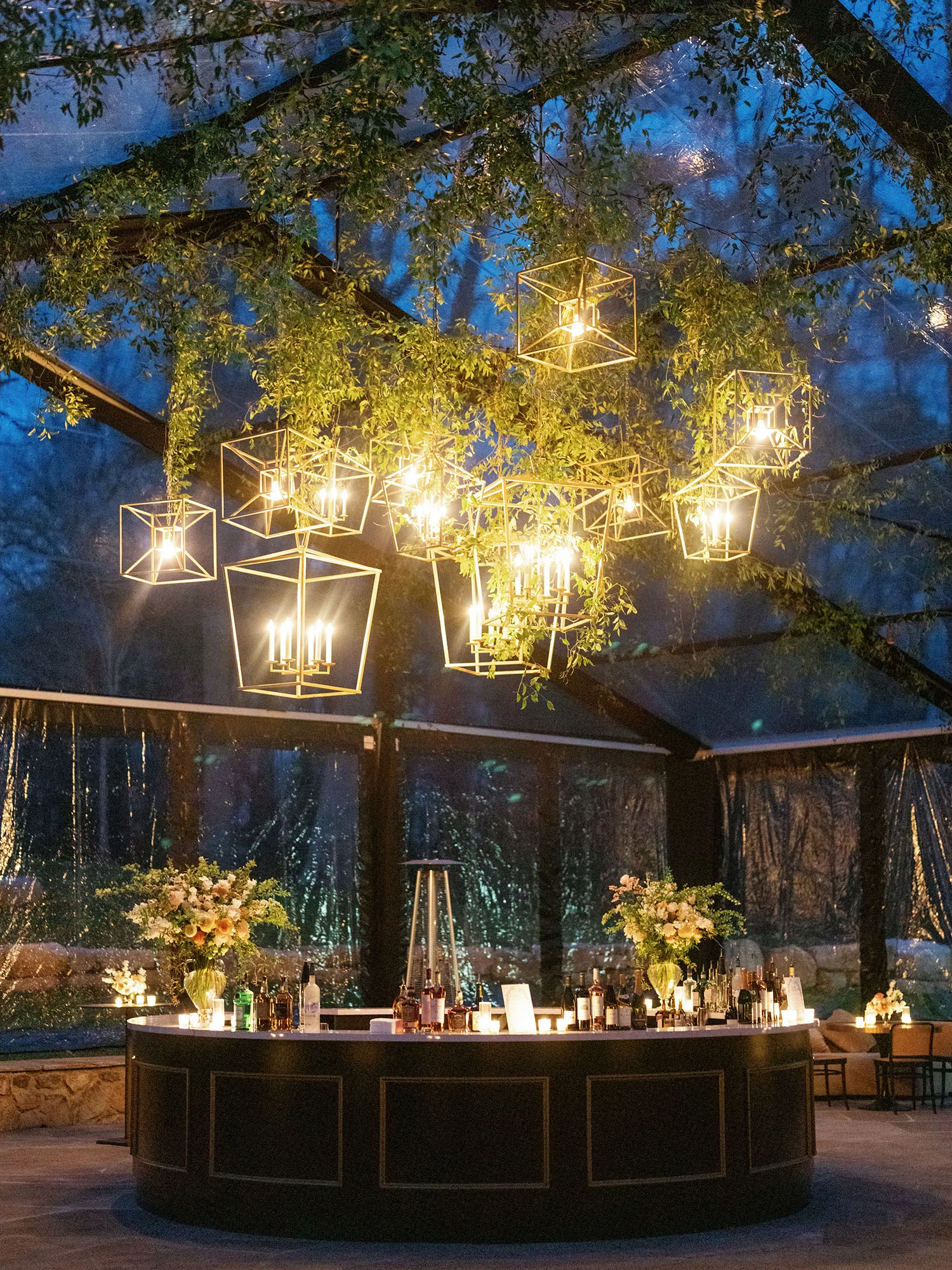
Selecting a heater involves more than comparing heat output. Safety, efficiency, appearance, fuel requirements, and venue compatibility all contribute to finding the right solution. Professional installation and early planning also ensure equipment is available and correctly configured before the wedding day arrives.
Rental specialists often evaluate venue conditions, electrical availability, and expected weather before recommending specific heating systems. Their expertise helps couples avoid common planning mistakes while improving both comfort and safety.
Comparing Propane, Electric, and Radiant Heating Options
Every heating technology offers distinct benefits depending on the venue and event requirements.
Propane heaters are widely used because they generate substantial heat and can operate independently of electrical infrastructure. However, they require proper ventilation and strict adherence to safety guidelines due to carbon monoxide risks. Research continues to emphasise the importance of ventilation and monitoring whenever propane systems are used inside temporary structures.
Electric heaters provide a quieter, cleaner alternative that works particularly well for luxury weddings. They produce no combustion emissions and offer consistent temperature control, making them ideal for venues with sufficient electrical capacity.
Radiant heaters deliver warmth directly to guests and nearby surfaces rather than heating the surrounding air. This allows people to feel comfortable almost immediately, making radiant systems an effective choice for lounge areas, cocktail spaces, or partially open tents.
Best Practices for Heater Rental and Installation
Securing heating equipment well before the wedding date gives planners access to the best selection while reducing the risk of last-minute availability issues during peak wedding seasons.
A successful installation begins with careful preparation and coordination between rental providers, tent installers, and venue staff.
Before installation, planners should focus on:
Reserving heating equipment early
Confirming professional installation services
Testing all heating systems before guest arrival
Planning equipment locations for balanced heat distribution
Reserving heating equipment early
Confirming professional installation services
Testing all heating systems before guest arrival
Planning equipment locations for balanced heat distribution
Climate-control planning should also account for changing weather conditions. Combining heating with proper ventilation, insulation, and airflow management creates a stable indoor environment even as outdoor temperatures fluctuate. Smart thermostats and energy-efficient systems can further improve performance by maintaining consistent temperatures while reducing unnecessary energy use.
Frequently Asked Questions
What is the safest way to heat an outdoor wedding tent?
The safest approach is to use professionally installed heating equipment that matches the size of the tent and complies with local safety regulations. Proper ventilation, carbon monoxide monitoring where required, and correct heater placement all help create a warm and secure environment for guests.
Which type of heater is best for an outdoor wedding tent?
The best option depends on the venue and event requirements. Indirect-fired heaters are ideal for enclosed tents, electric heaters provide quiet and clean operation, and radiant heaters deliver immediate warmth to guests in specific areas. Professional rental providers can recommend the most suitable solution based on your venue and guest count.
How can I keep guests comfortable during a cold-weather outdoor wedding?
Comfort goes beyond heating alone. Combining efficient heating systems with insulated sidewalls, appropriate flooring, warm lighting, cosy lounge areas, blankets, and hot beverage stations creates a welcoming atmosphere that allows guests to enjoy the celebration throughout the evening.
Does tent size affect heating requirements?
Yes. Larger tents require greater heating capacity because there is more air to warm. Ceiling height, insulation, tent material, and guest capacity also influence how much heating is required to maintain a comfortable indoor temperature.
When should wedding heaters be booked?
Heating equipment should be reserved as early as possible, especially during the autumn and winter wedding seasons when demand is highest. Early booking provides access to the best equipment options and gives installers enough time to assess the venue and develop an efficient heating plan.
Can heating systems be integrated without affecting the wedding décor?
Absolutely. Modern heating equipment can be positioned discreetly within a thoughtfully planned luxury wedding tent layout or concealed behind decorative elements while maintaining proper safety clearances. This allows couples to preserve the elegant appearance of the venue without sacrificing guest comfort.
Create a Warm and Memorable Wedding Experience with the Right Tent Solution
Heating an outdoor wedding tent successfully requires more than simply choosing powerful equipment. Careful planning, the right tent structure, proper insulation, professional installation, and thoughtful design all contribute to maintaining a comfortable atmosphere while preserving the elegance of the celebration. When every element works together, guests remain warm, relaxed, and fully immersed in the experience from the ceremony to the final dance.
Whether you’re planning an intimate gathering or a large luxury reception, investing in a professionally designed heating strategy helps minimise weather-related concerns while ensuring your venue remains safe and inviting throughout the event.
If you’re looking for premium tent structures designed to support sophisticated climate control and unforgettable outdoor celebrations, Skyline Tent Company offers luxury event tents and expert guidance tailored to weddings of every size. Contact our team today to find the ideal tent solution that combines comfort, safety, and timeless elegance for your special day. Our tent rental FAQs cover the questions hosts ask most.