
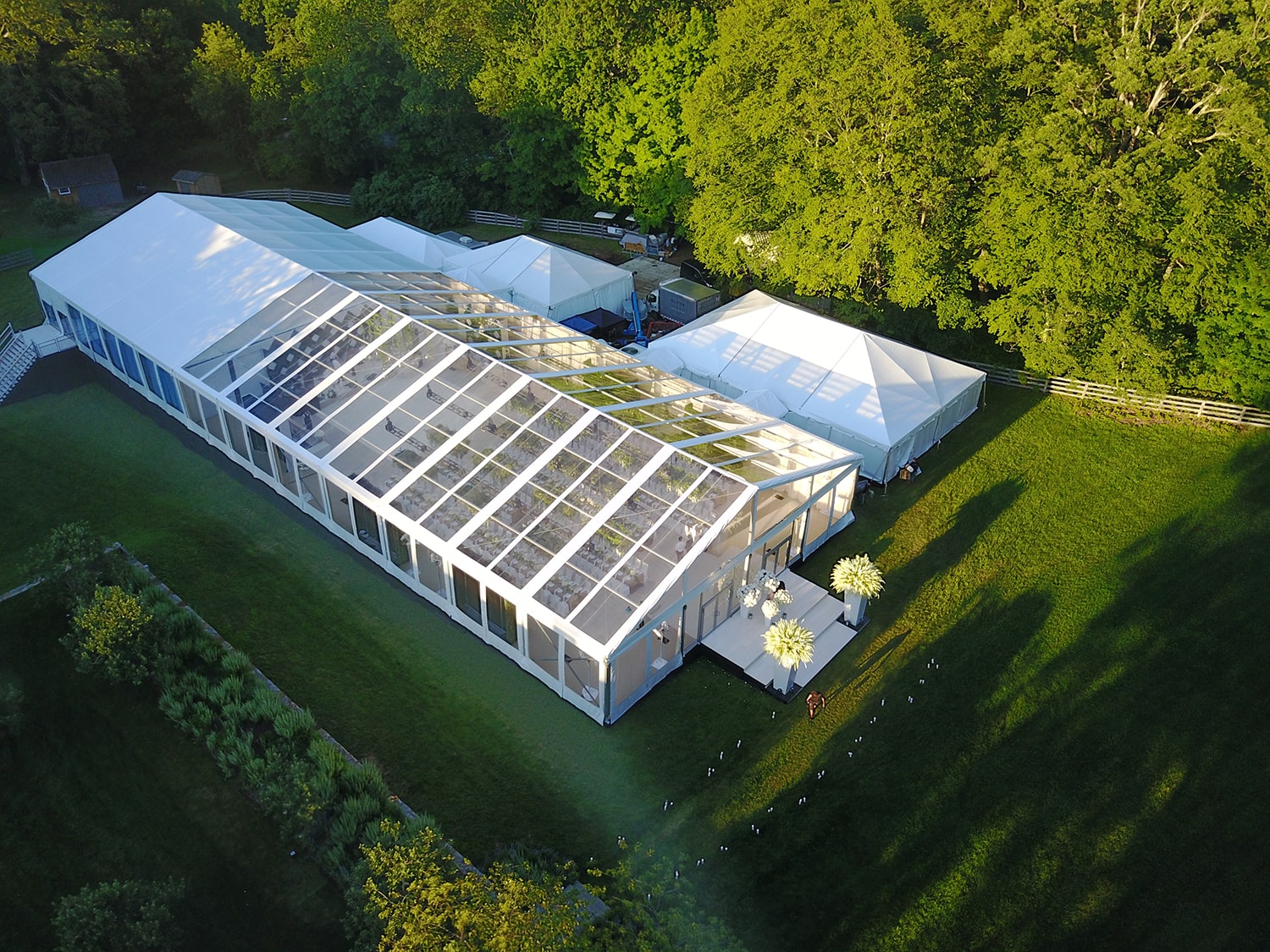
Lighting is one of the most influential elements in any outdoor tent event. While tent structures provide shelter and define the venue, lighting determines how guests experience the space. From elegant weddings and luxury corporate galas to festivals and private celebrations, the right lighting design transforms a tent into an immersive environment that feels warm, inviting, and memorable. Beyond aesthetics, lighting improves functionality, safety, navigation, and overall guest comfort. Modern outdoor tent rentals offer a wide range of lighting solutions that can be customized to suit virtually any event style, venue condition, or design objective, ensuring that every detail complements the specific atmosphere desired by organizers.
Today’s event lighting extends far beyond basic illumination. Sophisticated lighting plans combine ambient lighting, accent lighting, task lighting, chandeliers, uplighting, LED technology, and intelligent control systems to create dynamic spaces that evolve throughout an event. Understanding the various lighting options available and how they interact with tent structures, flooring systems, and climate-control solutions is essential for creating successful outdoor experiences. These versatile lighting technologies also provide eco-friendly energy consumption options, supporting sustainability goals.
Understanding the Core Types of Tent Lighting
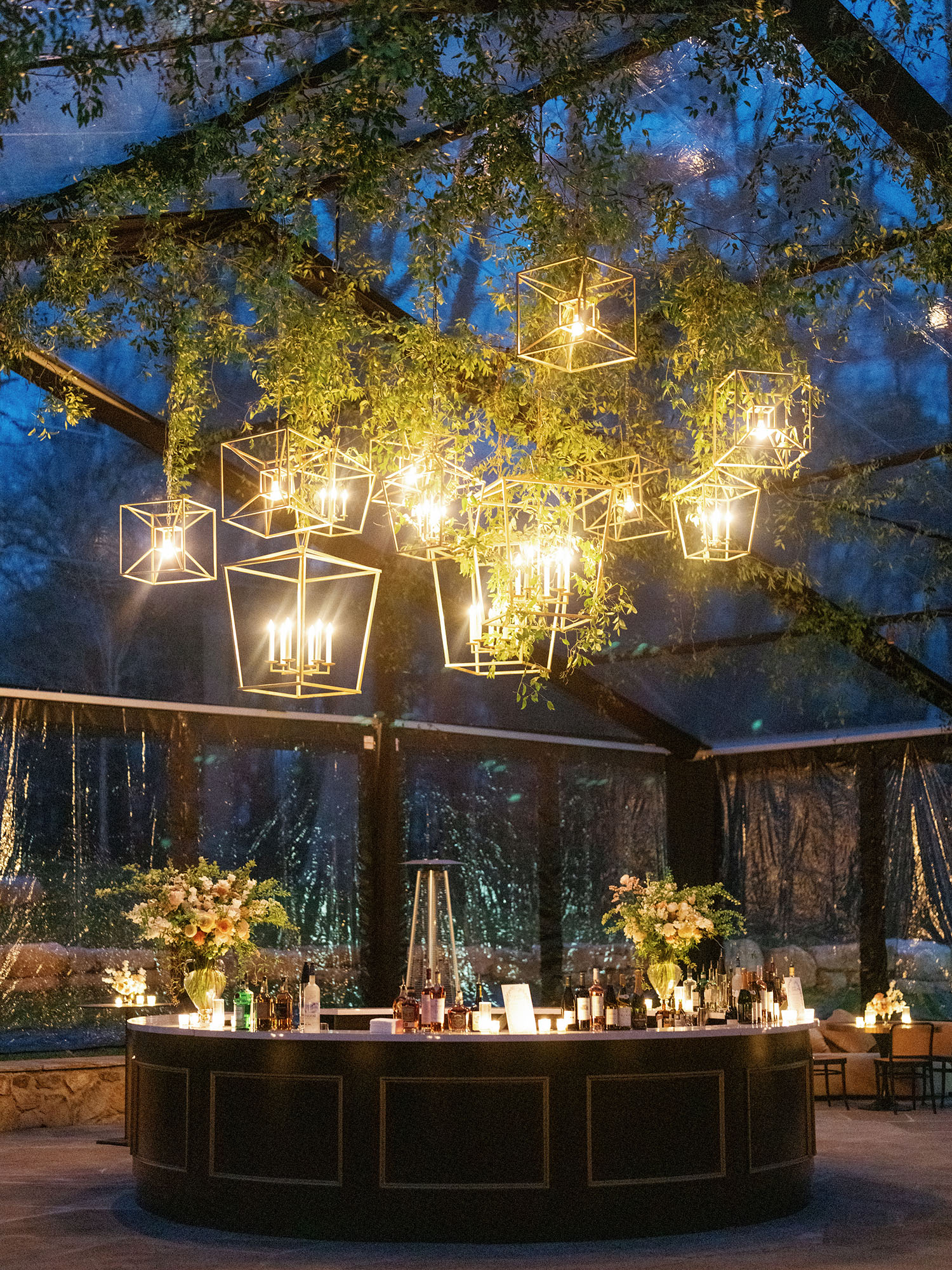
Every successful event lighting design begins with understanding the different categories of lighting and how they work together to create a balanced environment. Proper planning ensures that each lighting element serves a distinct purpose while contributing to a harmonious ambiance.
Professional lighting designers typically layer multiple lighting types to achieve both functionality and visual impact, often customizing placements to reflect the unique layout and design theme of each event.
Ambient Lighting: Establishing the Foundation
Ambient lighting serves as the primary source of illumination within a tent. It creates the overall brightness level that allows guests to comfortably move throughout the venue while establishing the event’s mood. This essential layer acts as the canvas on which auxiliary lighting can add texture and dimension.
String lights, lanterns, ceiling washes, and LED fixtures are commonly used to provide soft ambient illumination. This foundational layer creates warmth and consistency while supporting photography and décor visibility, often adapting throughout different phases of the event to reflect changing moods.
Without proper ambient lighting, even the most beautiful event design can feel incomplete or visually disjointed, emphasizing its critical role in event planning.
Accent and Task Lighting for Visual Impact
Accent lighting highlights specific design elements, architectural features, floral installations, stages, and focal points throughout the venue. Task lighting focuses on areas where functionality is critical, such as dining tables, bars, service stations, and presentation spaces, enhancing both performance and guest comfort.
Before finalizing a lighting plan, organizers should understand how each category contributes to the overall experience, assuring that visual emphasis and operational needs are both met effectively.
Primary lighting categories include:
- Ambient lighting for overall illumination
- Accent lighting for visual emphasis
- Task lighting for operational functionality
- Decorative lighting for atmosphere and aesthetics
Together, these layers create depth, dimension, and visual balance, fostering immersive environments that engage attendees on multiple sensory levels.
Strategic Lighting Placement for Maximum Effect

Even the highest-quality lighting fixtures cannot achieve their full potential without proper placement. Strategic positioning ensures both visual appeal and operational effectiveness, allowing lighting to complement the event’s flow and focal points seamlessly.
Lighting placement should be planned alongside tent layouts, guest flow patterns, and event activities, coordinating meticulously with other event infrastructure for optimal results.
Creating Defined Event Zones
Large tents often accommodate multiple functions simultaneously. Dining areas, dance floors, lounges, stages, and networking spaces each benefit from tailored lighting treatments, which help distinguish their purposes clearly.
Strategically placed lighting helps visually separate these areas while maintaining a cohesive overall design. Guests naturally gravitate toward illuminated focal points, making lighting an effective tool for guiding movement and interaction throughout the space.
Well-defined zones improve both guest experience and event flow, reducing confusion and enhancing overall comfort and engagement.
Enhancing Architectural Features
Tent structures themselves offer opportunities for dramatic lighting effects. Tent peaks, sidewalls, support systems, draping, and decorative installations can all become design features when illuminated properly, elevating the visual tapestry of the event.
Several placement strategies help maximize lighting performance, emphasizing the unique qualities of each tent structure.
Effective lighting placement techniques include:
- Highlighting tent architecture with uplighting
- Illuminating focal points and décor installations
- Creating pathways with subtle guidance lighting
- Layering fixture heights for visual depth
These techniques contribute to more immersive event environments that combine functionality with artistic flair.
Lighting Solutions for Different Tent Styles
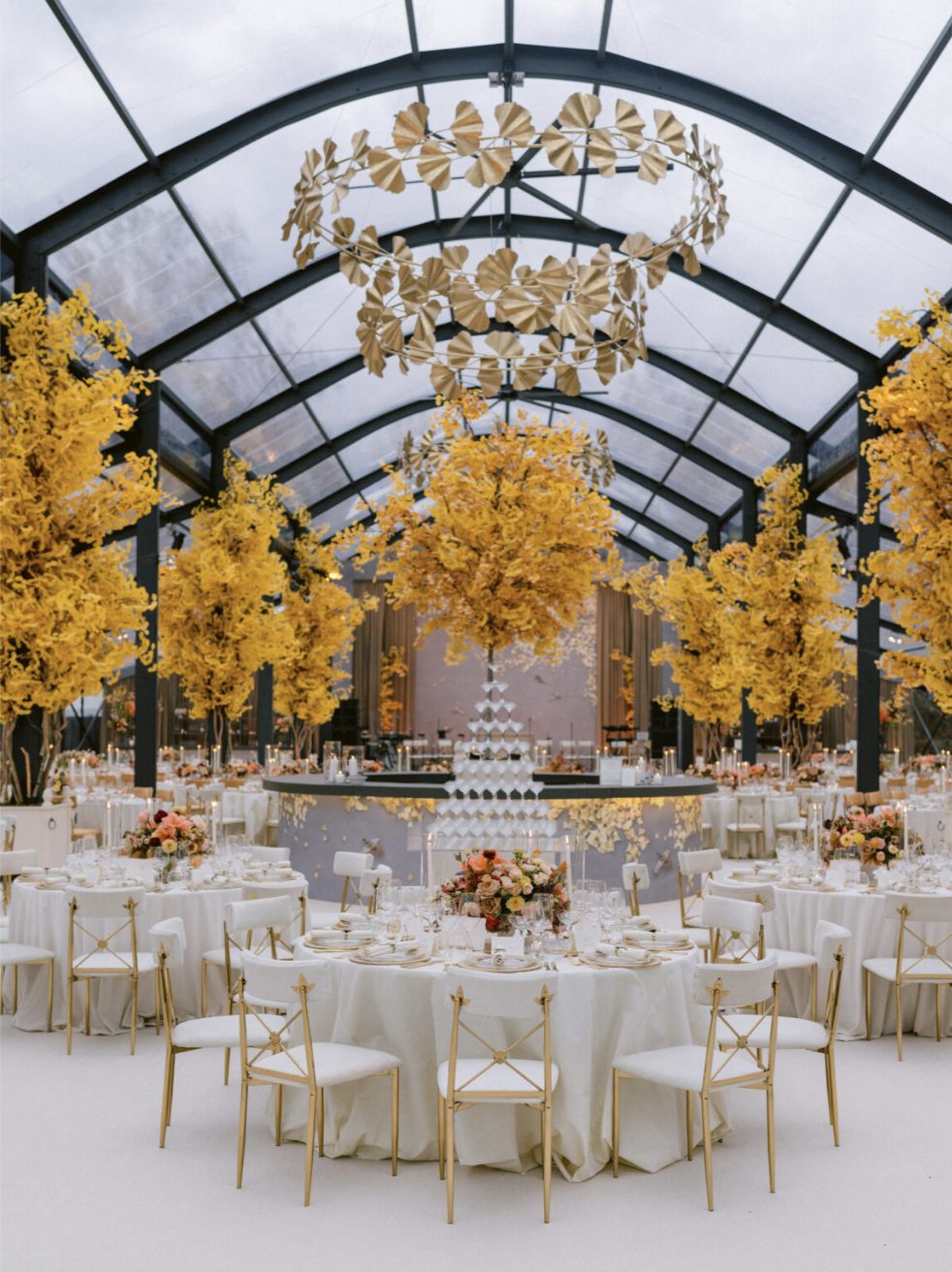
Not all tent structures interact with lighting in the same way. The design and construction of each tent type influence how light is distributed throughout the venue. Tailoring lighting solutions to these differences is vital for achieving consistent quality and atmosphere.
Understanding these differences helps planners select the most effective lighting solutions, optimizing both impact and practicality.
Clearspan Tent Lighting Opportunities
Clearspan tents provide unobstructed interiors that offer exceptional flexibility for lighting installations. Understanding clearspan and pole tent differences can help planners determine which structure best supports chandeliers, pendant fixtures, decorative lighting, and other creative arrangements.
The open architecture also allows for more even light distribution and greater creative freedom when designing focal points, maximizing the visual appeal and functional illumination.
Clearspan structures are particularly well-suited for luxury weddings, galas, and large-scale corporate events, where flexibility and elegance are paramount.
Frame and Pole Tent Lighting Approaches
Frame tents often benefit from warm LED lighting, perimeter string lights, and decorative chandeliers that soften their clean structural lines, creating inviting and intimate atmospheres despite their more rigid architecture.
Pole tents provide unique opportunities for dramatic uplighting and suspended fixtures that emphasize the tent’s elegant peaks, drawing the eye upward and enhancing vertical space impressions.
Before selecting fixtures, planners should evaluate how the tent structure influences lighting possibilities, balancing aesthetic goals with logistical considerations.
Popular tent-specific lighting solutions include:
- Chandeliers for clearspan tents
- String lighting for frame tents
- Pole uplighting for traditional tents
- Decorative pendants for sailcloth structures
Matching lighting strategies to tent architecture enhances both aesthetics and performance, ensuring that each venue’s specific design is accentuated appropriately. For more detail, see our article How to Use Statement Lighting for Nighttime Tent Events.
How Flooring and Climate Control Affect Lighting Design
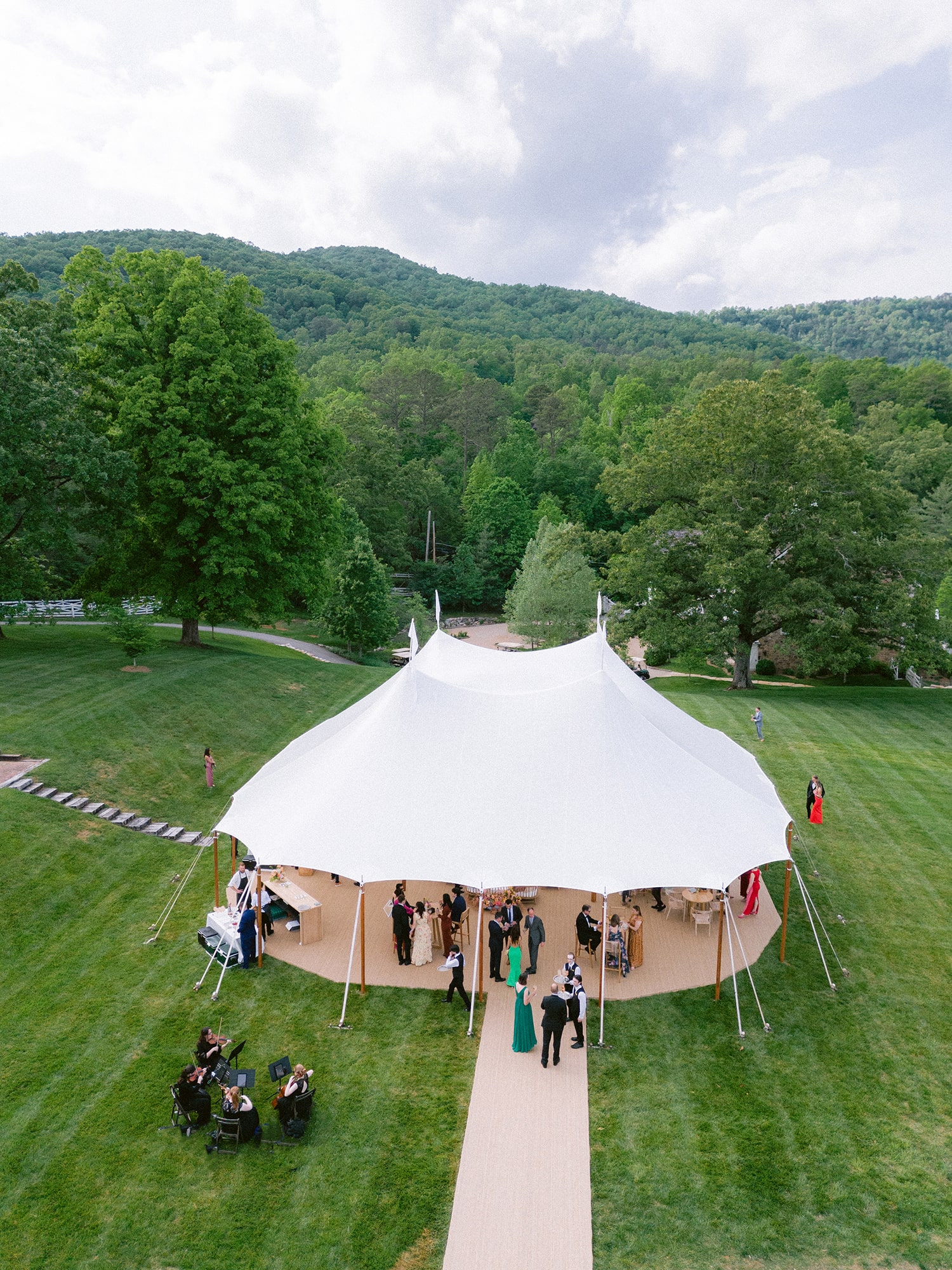
Lighting design does not exist in isolation. Flooring materials and climate-control systems significantly influence how lighting performs within a tent environment. Considering these factors during the design phase improves consistency and guest satisfaction.
Integrated planning helps ensure all event systems work together effectively, avoiding conflicting elements or inefficiencies. You may also find How to Illuminate Your Outdoor Tent Effectively helpful.
Flooring’s Influence on Light Reflection
Flooring surfaces directly affect how light behaves within the venue. Incorporating elevated platforms and flooring requires careful lighting coordination, as glossy hardwood can increase perceived brightness while matte surfaces may require additional illumination to achieve the desired effect.
Floor color, texture, and finish all contribute to overall lighting performance. Understanding these interactions helps designers achieve desired brightness levels without excessive equipment, maintaining both energy efficiency and aesthetic standards.
Proper coordination between flooring and lighting improves both aesthetics and functionality, supporting a cohesive visual environment and enhancing guest comfort.
Climate-Control and Fixture Selection
Heating, cooling, and ventilation systems can influence lighting placement and fixture performance. Airflow patterns, equipment locations, and temperature management all affect lighting design decisions, as some fixtures may generate heat or require specific spacing.
Several considerations should be evaluated during planning, ensuring fixture longevity and guest comfort while meeting technical requirements.
Important integration factors include:
- Reflective versus matte flooring finishes
- HVAC equipment placement
- Heat output from lighting fixtures
- Cable management and infrastructure coordination
Integrated planning helps create more efficient and comfortable environments, reducing the risk of hot spots or interference with ventilation systems.
Emerging Trends in Luxury Tent Lighting

Modern event lighting continues to evolve through technological innovation and creative design techniques. Luxury event planners increasingly rely on advanced systems that enhance flexibility and guest experience, embracing cutting-edge solutions that push traditional boundaries.
These innovations help create highly customized event environments, offering interactive and immersive lighting scenarios tailored to specific event narratives.
Smart LED Lighting Systems
LED technology has become the industry standard due to its energy efficiency, low heat output, and extensive customization capabilities. These systems reduce environmental impact and operational costs significantly.
Smart lighting systems allow operators to adjust brightness, color temperature, and effects throughout the event. These capabilities support dynamic transitions between ceremonies, dinners, presentations, and entertainment segments, all controlled remotely for on-the-fly adjustments.
The result is a more engaging and adaptable guest experience, with lighting that responds seamlessly to the event’s progression.
Integrated Event Design Strategies
Luxury events increasingly emphasize seamless integration between lighting, flooring, climate control, décor, and branding elements. Designing stunning summer event structures with these systems working together helps create a unified aesthetic, smoother operational flow, and more refined guest experience.
Before implementing advanced systems, planners should consider several emerging trends, harnessing technologies and design principles that enhance both ambiance and functionality.
Current lighting trends include:
- Smart LED control systems
- Layered lighting designs
- Interactive lighting experiences
- Sustainable energy-efficient solutions
These innovations continue to raise the standard for outdoor event production, setting new benchmarks for elegance and efficiency.
Frequently Asked Questions
What is the most important type of tent lighting?
Ambient lighting is typically the foundation of any lighting plan because it establishes overall visibility and atmosphere.
Why is layered lighting important?
Layered lighting combines ambient, accent, and task lighting to create depth, functionality, and visual interest.
Are LED lights suitable for outdoor tent events?
Yes. LED fixtures are energy-efficient, customizable, durable, and produce minimal heat, making them ideal for tent environments.
How does tent type affect lighting design?
Different tent structures influence fixture placement, light distribution, and suspension options. Clearspan tents offer the most flexibility.
What role does flooring play in lighting performance?
Flooring materials affect light reflection and brightness levels, influencing how much illumination is required.
Can lighting be integrated with climate-control systems?
Absolutely. Coordinating lighting with HVAC equipment improves comfort, efficiency, and overall event design.
How early should lighting planning begin?
Lighting should be incorporated into the earliest stages of event planning to ensure proper integration with all venue infrastructure.
Conclusion
Lighting is far more than a functional necessity in outdoor tent rentals, it is one of the most powerful tools available for shaping guest experiences. Through strategic combinations of ambient, accent, task, and decorative lighting, event planners can create visually stunning environments that enhance comfort, safety, and atmosphere.
From elegant chandeliers and sophisticated uplighting to smart LED systems and integrated event technologies, modern lighting solutions provide endless opportunities for customization and creativity. Thoughtful placement, coordination with tent structures, and integration with flooring and climate-control systems all contribute to successful event execution, ensuring memorable moments for every guest. Explore the full range of luxury tent rentals from Skyline Tent Company.
Skyline Tent Company specializes in designing and installing premium tent lighting solutions that transform outdoor venues into unforgettable event spaces. Their expertise in luxury tent rentals, lighting design, climate-control integration, and event infrastructure helps clients achieve exceptional results for weddings, corporate events, festivals, and private celebrations. For inspiration from past installs, browse our tent gallery.
Ready to illuminate your next outdoor event? Contact Skyline Tent Company today to explore custom lighting packages, luxury tent rentals, and professional event solutions designed to create breathtaking experiences from the moment your guests arrive. We cover this further in Illuminate Your Event: Best Lighting Options for Tents.