
As temperatures fall, outdoor event venues require more deliberate planning to remain comfortable, functional, and visually inviting. Cold-weather events introduce challenges involving temperature control, structural performance, lighting, flooring, power access, and guest movement, but the right infrastructure can keep an outdoor celebration operating successfully well beyond the warmer months. The original content emphasizes commercial tent heating systems, cold-weather tent selection, strategic lighting, insulated flooring, and winter site logistics as the core components of a reliable seasonal setup. For weddings, corporate gatherings, galas, and other upscale outdoor events, these practical considerations should also support the desired atmosphere. A well-selected tent can create a protected environment, professional heating can maintain guest comfort, and thoughtful event lighting can bring warmth and visual depth to shorter winter days. Combined with suitable flooring and carefully maintained pathways, these elements can transform a cold outdoor site into an elegant seasonal venue without sacrificing functionality or the guest experience.
Using Commercial Tent Heating Systems for Cold-Weather Events
Commercial tent heating is one of the most important components of maintaining an outdoor venue as temperatures fall. The original content explains that these systems create a warmer environment inside tent structures and help protect guests from harsh outdoor conditions.
Heating should be selected according to the tent size, layout, degree of enclosure, and areas where guests will spend the most time.
Selecting the Right Type of Tent Heater
Different heating systems serve different purposes. The source identifies indirect-fired, propane, electric, and radiant heaters as options for cold-weather event environments. Indirect-fired systems are presented as suitable for larger spaces, while electric heaters can work in enclosed areas and radiant heaters provide more directional warmth.
The goal is not simply to add as much heat as possible. Equipment should correspond with the size and configuration of the structure so that warmth is distributed appropriately.
Several heating approaches from the original content can address different event conditions. Understanding the intended use of each option makes it easier to develop a system around the venue rather than treating every space identically.
Indirect-fired heaters: Suitable for heating larger tented spaces.
Propane heaters: Portable options that can provide rapid heating in appropriate outdoor areas.
Electric heaters: Offer quiet operation and can suit certain enclosed spaces.
Radiant heaters: Provide directional warmth for localized areas such as patios.
The heating configuration should ultimately complement the structure, guest layout, and other production equipment operating throughout the event.
Integrating Heating into the Event Environment
Heating equipment needs to support the guest experience without becoming the dominant feature of the event. Equipment placement should therefore be considered alongside tables, stages, lounge areas, entrances, lighting, and other production elements.
For luxury seasonal events, the heated environment should still feel intentional and polished. Warm lighting can reinforce the sense of comfort created by the climate system, while draping or other venue treatments can visually define the interior.
The source notes that sophisticated heating systems can be tailored to tent structures and identifies Skyline Tent Company as a provider of luxury outdoor event infrastructure.
Choosing Tent Structures for Colder Seasonal Events
The tent itself establishes the foundation for a successful cold-weather event. Structure, interior configuration, guest capacity, and exposure to seasonal conditions all influence how effectively the venue can operate.
The original article emphasizes tent design, wind resistance, interior configuration, and capacity when selecting an architectural tent for winter use.
Using Clearspan and Frame Tents in Cold Weather
Clearspan tents provide unobstructed interiors, making them particularly adaptable when an event requires substantial production infrastructure. Without interior support poles interrupting the space, planners have greater freedom when arranging dining areas, stages, lounge furniture, dance floors, lighting, and climate-control equipment.
The source describes clearspan tents as durable structures that can offer strong wind resistance and support comfortable interior environments during colder weather.
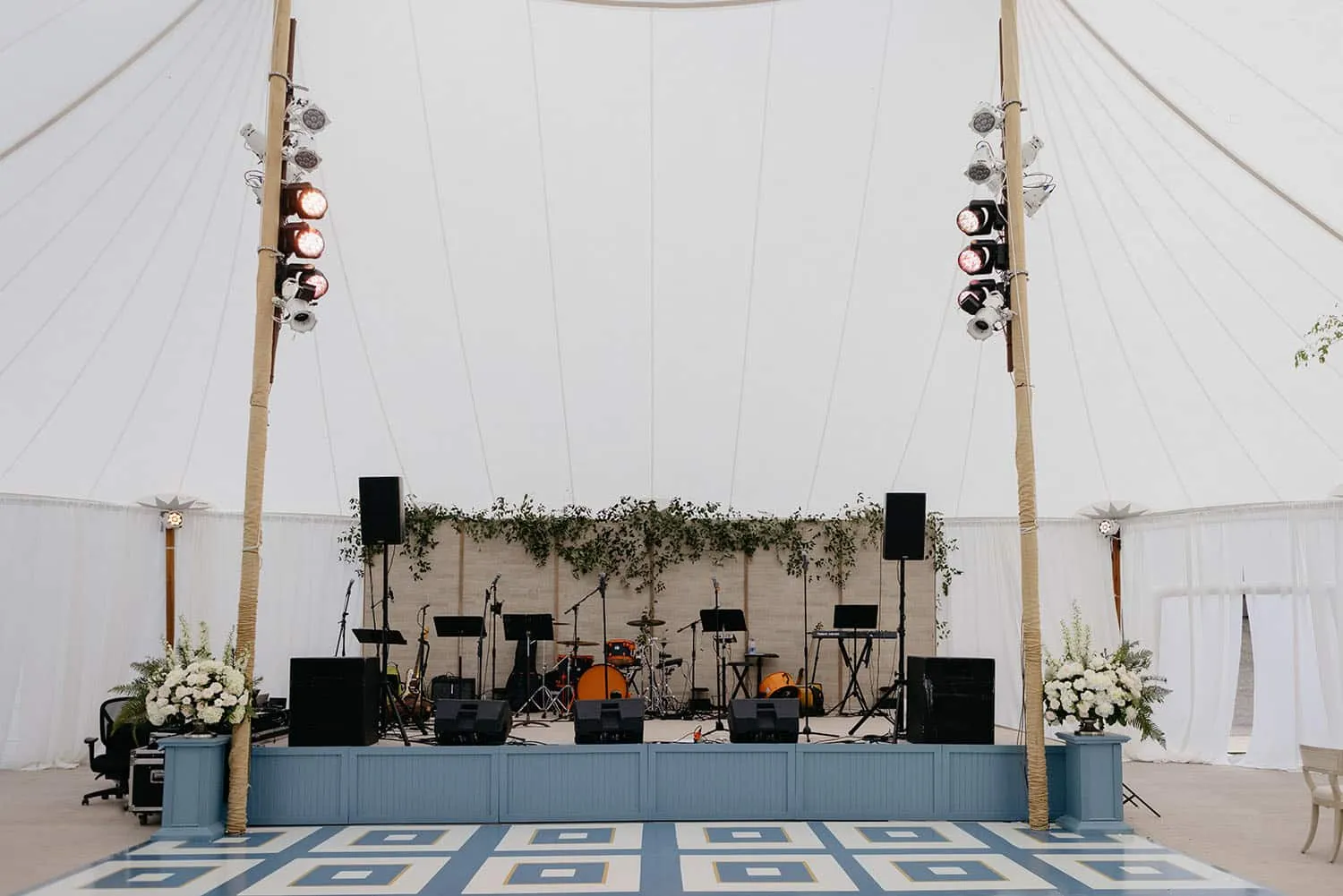
Their open interiors also allow professional lighting to become an important part of the design. Statement chandeliers can create overhead focal points, architectural uplighting can add warmth around the perimeter, and stage lighting can define entertainment areas.
Frame tents can similarly provide flexibility for seasonal layouts where the site or event configuration requires a different structural approach.
Considering Century Pole and Sailcloth Tents
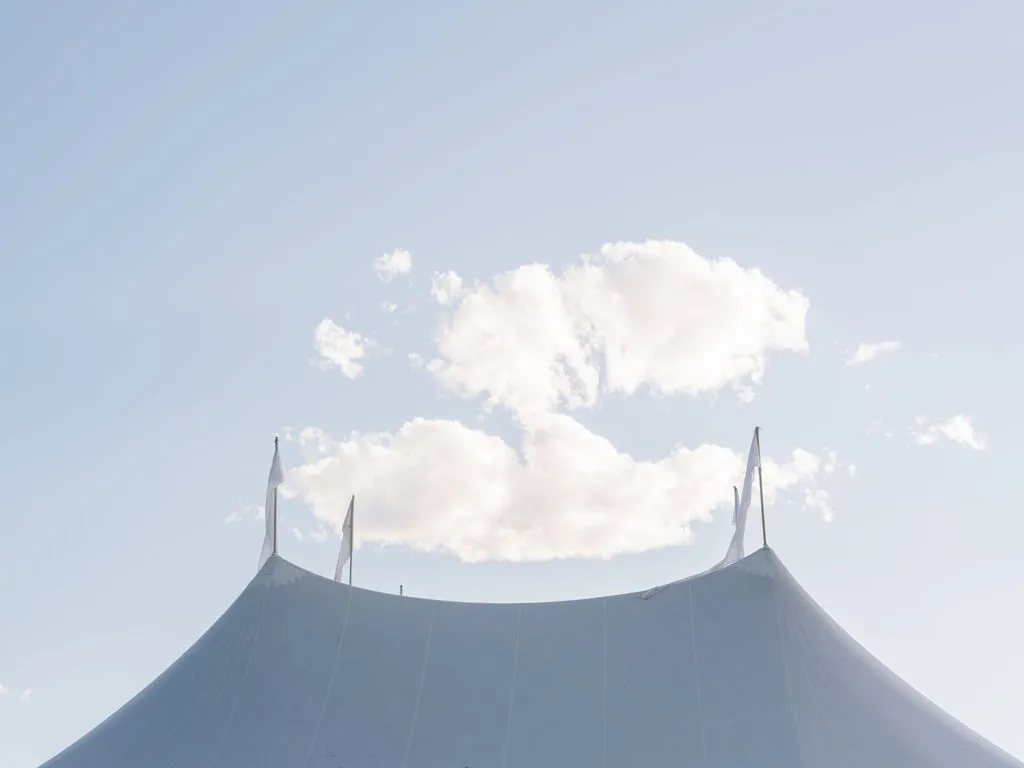
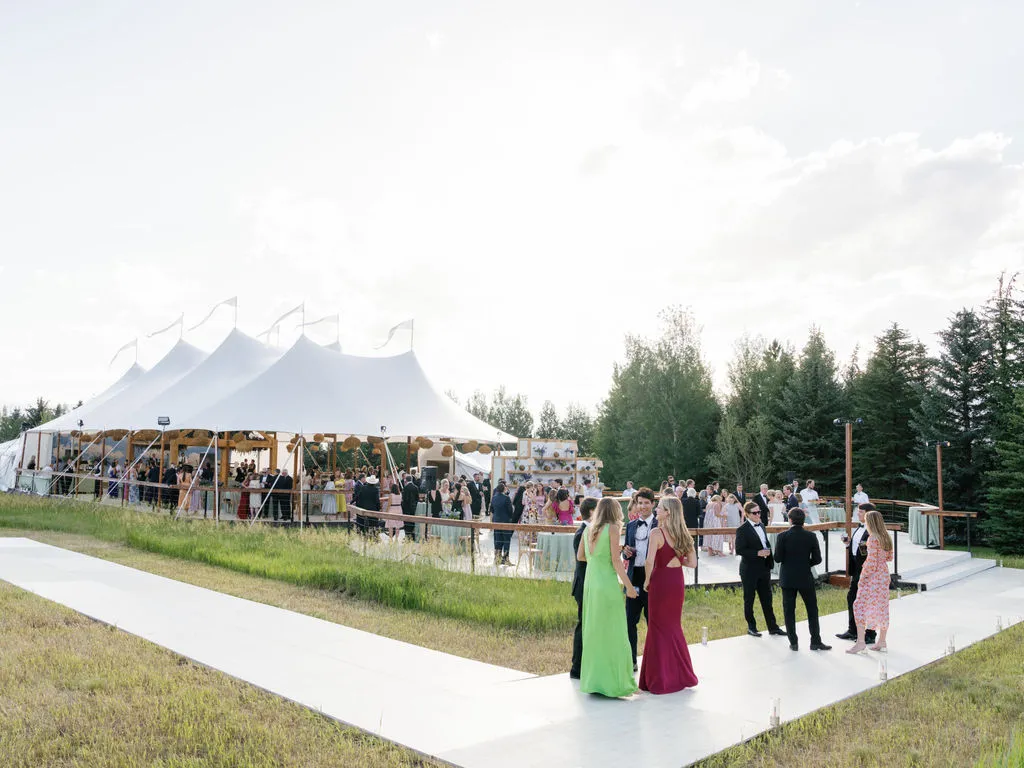
Century pole and sailcloth tents create a distinctive aesthetic that can work beautifully against autumn or winter scenery. Their sweeping forms and traditional silhouettes naturally support upscale weddings and seasonal celebrations.
The original content notes that these structures can create a warm, elegant atmosphere but require additional attention when colder conditions include accumulating snow.
Tent selection should therefore account for both appearance and anticipated conditions.
When developing a cold-weather event structure, planners may need to evaluate:
Expected guest capacity
Interior layout requirements
Seasonal weather conditions
Structural characteristics
Heating requirements
Lighting installation needs
Entertainment and staging areas
Site and equipment access
Considering these elements together makes it easier to select a structure capable of supporting both the visual concept and operational requirements.
Creating Warm and Functional Lighting for Cold-Weather Events
Shorter days make lighting especially important for fall and winter outdoor events. Illumination needs to provide practical visibility while creating an atmosphere that prevents the venue from feeling cold or stark after sunset.
The source specifically identifies uplighting, festoon lights, pathway lighting, and task lighting as useful strategies for combining atmosphere with guest safety.
Building Warmth with Layered Event Lighting
Lighting can visually reinforce the physical warmth created by tent heating. Warm white and amber tones can create an intimate environment, while chandeliers and string or festoon lighting introduce overhead visual interest.
Architectural uplighting can add depth around the structure, particularly in larger tents where unlit perimeter areas might otherwise feel disconnected from the central event space.
A professional cold-weather lighting design can combine several techniques rather than depending on a single fixture type. Each layer can serve a specific visual or functional role while contributing to a cohesive atmosphere.
Statement chandeliers for sophisticated overhead lighting
Festoon or string lights for warm ambient illumination
Architectural uplighting around tent walls and features
Pin spotting for centerpieces and floral arrangements
Custom gobos for monograms or event graphics
Stage lighting for speeches and entertainment
LED dance floor lighting for evening receptions
Pathway and entrance lighting for guest movement
This layered approach allows the lighting to support dining, entertainment, décor, architecture, and navigation without making every part of the venue equally bright.
Illuminating Pathways and Functional Areas
Lighting becomes especially important outside the main event structure during colder months. Earlier sunsets mean guests may arrive, move between areas, or leave after natural daylight has disappeared.
The original article emphasizes strategically placed pathway and task lighting for improving visibility as guests navigate the event site.
Entrances, walkways, service areas, and transitions between structures should be considered within the overall lighting plan.
Professional lighting can make these practical areas visually connected to the main event. For example, warm pathway lighting can lead toward an entrance framed by uplighting or draping, creating a deliberate transition into the heated interior.
Improving Winter Event Comfort with Flooring and Site Planning
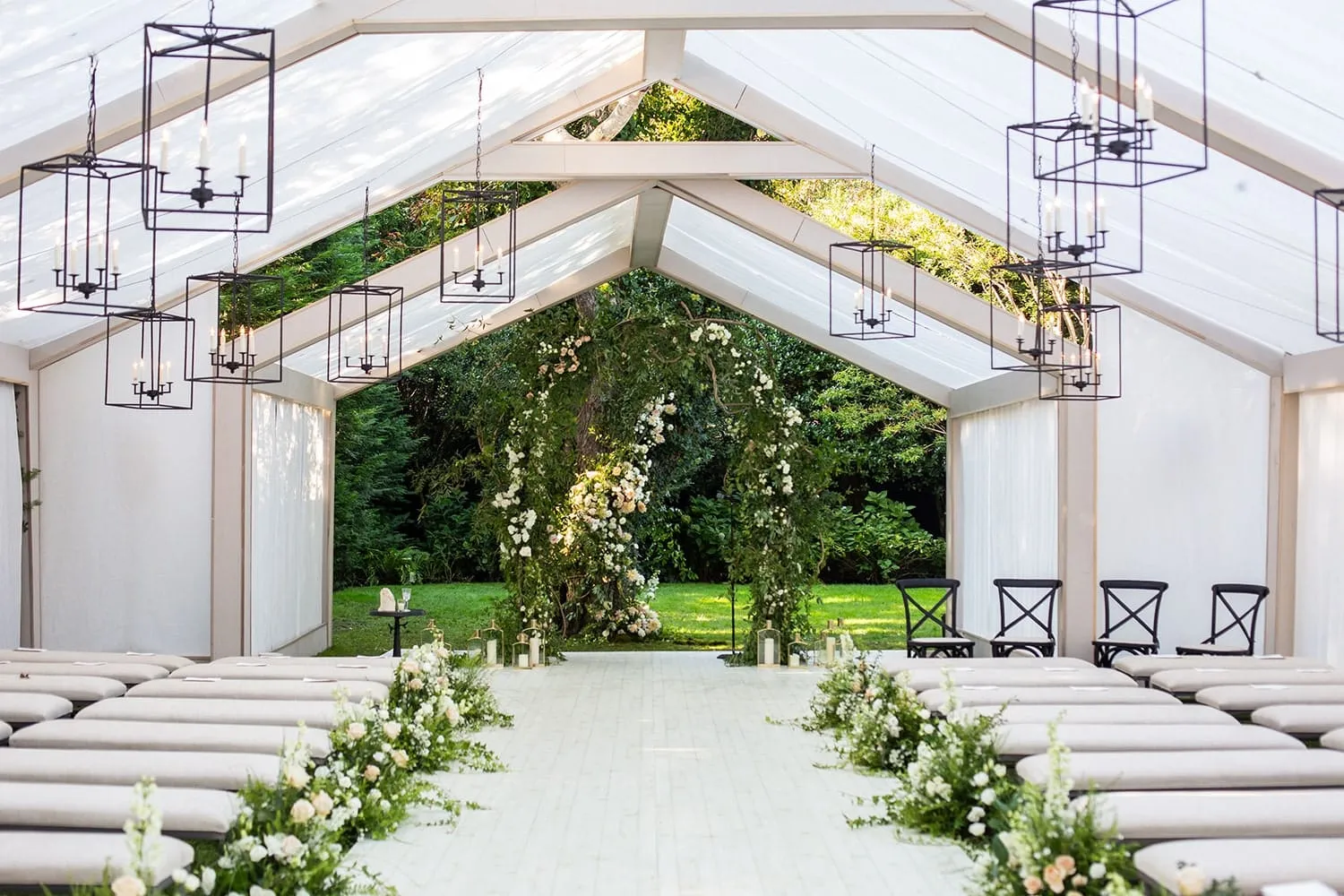
Guest comfort is influenced by more than air temperature. Cold or uneven ground, wet conditions, snow, ice, and poorly prepared pathways can undermine an otherwise carefully designed seasonal event.
The source recommends insulated flooring strategies and proactive site preparation to improve comfort and reduce potential hazards.
Selecting Flooring for Insulation and Comfort
Tent flooring creates a physical separation between guests and the outdoor surface. During colder conditions, that separation can make the interior environment feel more comfortable while also producing a finished event space.
The original content identifies insulated subfloors and carpet overlays as potential solutions for limiting the effect of cold ground. It also notes that suitable flooring can help reduce slips and falls.
Flooring also influences the aesthetic of the event. A finished surface can support dining furniture, lounge areas, staging, and dance floors while giving the interior a more permanent feel.
For luxury events, flooring can work alongside fabric draping and lighting to complete the transformation from temporary structure to refined venue.
Preparing Pathways and Guest Areas for Winter Conditions
Winter site logistics should be addressed before guests arrive. The original source specifically highlights drainage, power access, safe guest movement, and the effects of snow and ice as important planning considerations.
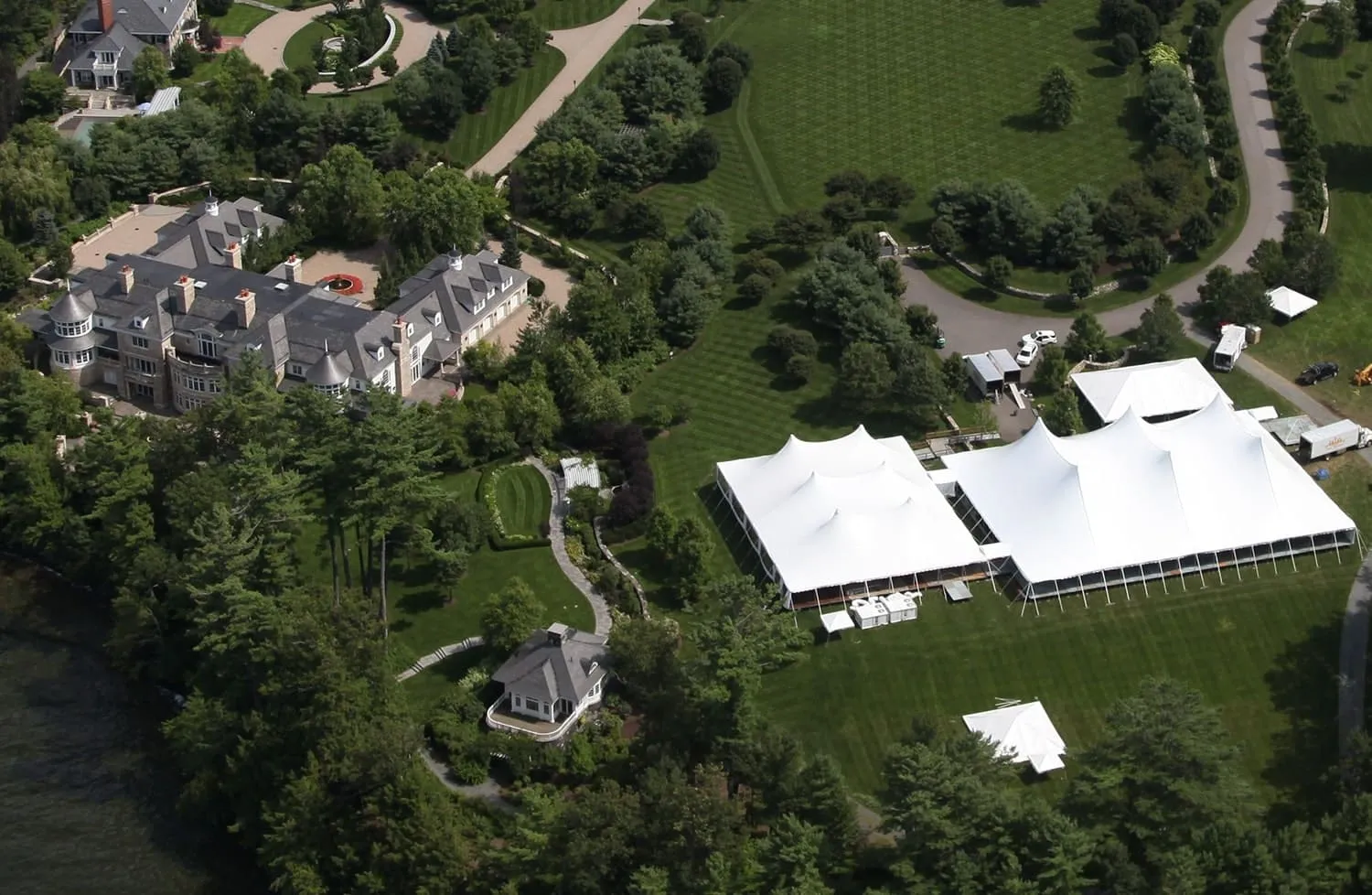
Event teams should consider how guests will move from parking or transportation areas to the tent and between different event spaces.
A cold-weather site plan may need to address several interconnected areas:
Clear guest pathways
Snow and ice management
Drainage around event structures
Safe flooring transitions
Power and equipment access
Illuminated entrances and exits
Service and production routes
Movement between indoor and outdoor areas
Combining site preparation with pathway lighting helps maintain both practicality and atmosphere after sunset.
Coordinating Heating, Lighting, and Winter Event Operations
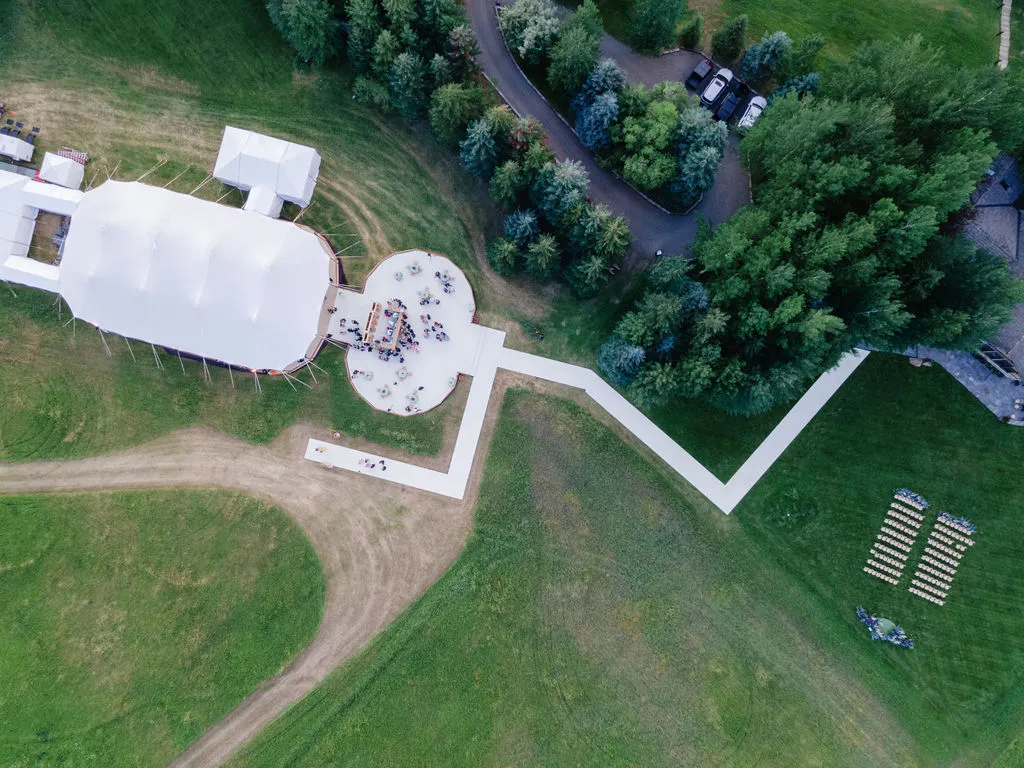
Keeping an outdoor venue operational as temperatures drop requires coordination between every major event system. Heating cannot be planned without considering the structure, and lighting cannot be designed effectively without understanding guest movement and the event layout.
The source concludes that heating, tent selection, lighting, flooring, and logistics work together to keep luxury outdoor events comfortable and captivating in colder conditions.
Planning Around the Complete Guest Experience
Guests should experience a comfortable and cohesive environment rather than noticing each technical system separately. The transition from an illuminated outdoor pathway into a heated, elegantly lit tent should feel natural.
Heating maintains physical comfort while lighting establishes visual warmth. Flooring creates a stable interior surface, and an appropriate tent structure protects the event while providing space for décor and production equipment.
Lighting can also change as the event progresses. Warm ambient illumination might dominate during dinner before stage lighting, intelligent fixtures, or LED dance floor effects become more prominent later in the evening.
This progression keeps the event visually engaging while preserving the overall seasonal aesthetic.
Maintaining a Polished Luxury Atmosphere in Cold Weather
Cold-weather infrastructure does not have to make an event feel purely functional. Thoughtful design can incorporate practical systems while preserving the sophistication expected from an upscale celebration.
Heating equipment can be positioned around the event layout, while lighting directs attention toward chandeliers, floral installations, tables, stages, and architectural details.
Fabric draping can further define interior areas and provide a polished backdrop for warm uplighting. Custom gobos can introduce a monogram or branded visual, while pin spots can ensure important décor remains visible within softer ambient lighting.
Together, these elements create an environment where technical preparation supports the design instead of competing with it.
Frequently Asked Questions
How can an outdoor event tent stay warm in colder weather?
Commercial heating systems can create a more comfortable tent environment. The appropriate solution depends on the structure, event layout, and conditions, with the original source identifying indirect-fired, propane, electric, and radiant options.
Are clearspan tents suitable for winter events?
The source describes clearspan tents as durable structures with unobstructed interiors and strong suitability for cold-weather event layouts.
Can sailcloth tents be used in colder temperatures?
They can provide an elegant seasonal setting, but the original content notes that snow accumulation and structural conditions require careful consideration.
What lighting works well for a winter tented event?
Uplighting, festoon or string lights, chandeliers, pin spots, pathway lighting, stage lighting, and other layered techniques can provide both practical visibility and a warmer atmosphere.
Why is flooring important during winter events?
Insulated flooring can reduce the effect of cold ground, improve comfort, provide a more stable surface, and help create a finished interior environment.
How should outdoor pathways be prepared for cold-weather events?
Pathways should account for snow, ice, drainage, visibility, and safe guest movement. The source emphasizes keeping sidewalks and pathways clear during winter conditions.
Can lighting make a cold-weather event feel warmer?
Lighting does not replace physical heating, but warm color temperatures, chandeliers, string lights, and uplighting can create a visually warmer and more inviting atmosphere.
Keep Your Seasonal Outdoor Event Comfortable and Beautiful
Falling temperatures do not have to bring sophisticated outdoor events to an end. The right combination of commercial tent heating, weather-appropriate structures, insulated flooring, site preparation, and professional lighting can create a protected and welcoming environment throughout colder seasons. Every element should be planned as part of one event system, allowing infrastructure to support both guest comfort and the visual character of the celebration.
Lighting is especially important as winter daylight becomes limited. Warm architectural uplighting, statement chandeliers, string lights, pin spotting, custom gobos, stage lighting, and illuminated pathways can turn a practical cold-weather structure into an elegant event environment.
Contact Elegant Event Lighting to create a custom lighting design for your cold-weather outdoor event. From warm architectural uplighting and statement chandeliers to string lighting, custom gobos, stage lighting, and illuminated guest pathways, Elegant Event Lighting can help transform your seasonal tented venue into a sophisticated setting designed to remain visually inviting throughout the celebration.